
resources
America's Megacities: A Look at the Largest Cities of America by Population in 2026
22 Mar 2026

Delving into the landscape of America's most populous cities reveals a fascinating narrative of growth, resilience, and transformation. As we approach 2026, understanding which urban centers truly define the country's demographic tapestry becomes ever more pertinent. These are the places that not only house millions but also serve as vibrant hubs of culture, commerce, and innovation. Let’s explore the leading contenders and uncover the dynamics that drive their prominence.
Key Takeaways
- New York City remains the most populated city in the U.S., a true global hub.
- Los Angeles and Chicago follow closely, holding their spots as major population centers.
- Cities like Houston and Phoenix are showing significant growth, indicating shifts in population distribution.
- Understanding the difference between city limits (municipality) and the broader metropolitan area is important when looking at population figures.
- Population trends show a mix of growth and decline across different cities, highlighting the dynamic nature of American urban areas.
The Nation's Most Populous Cities
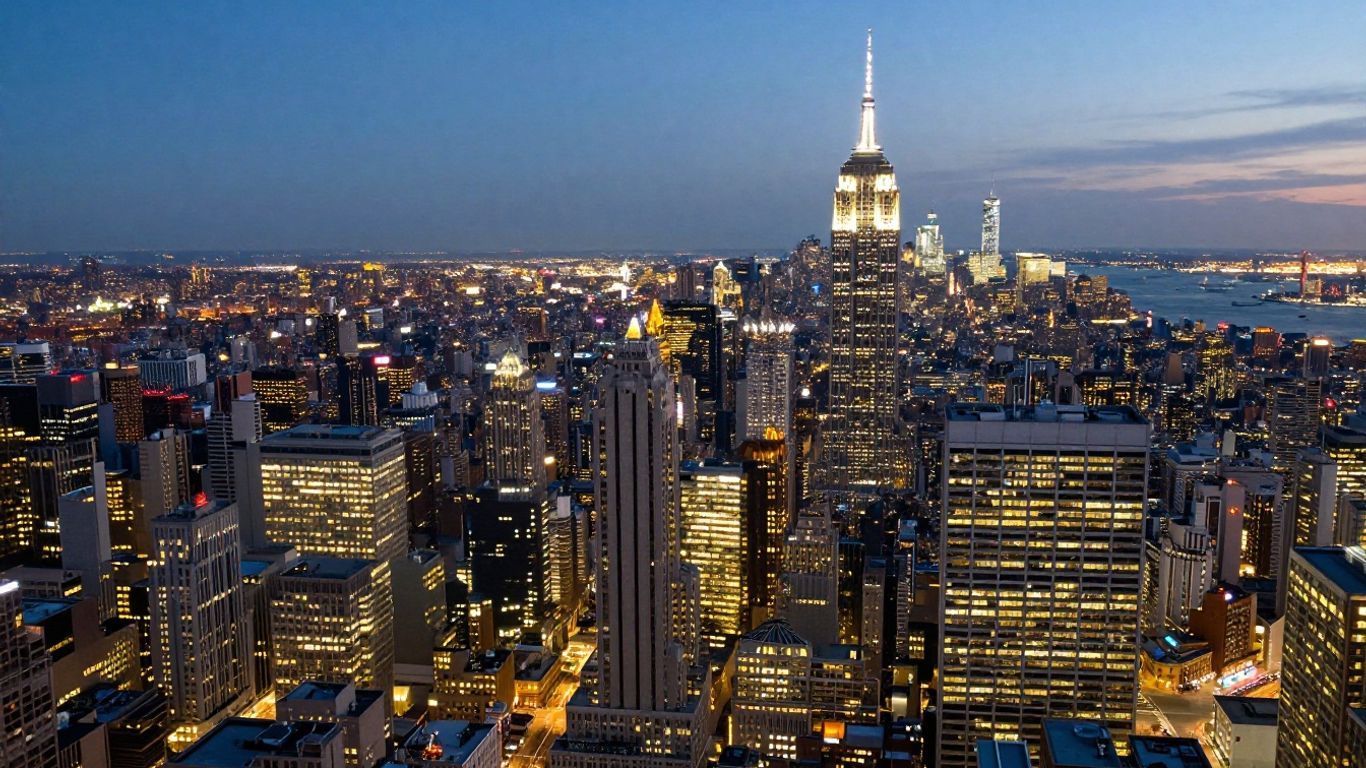
When the conversation turns to America's largest cities, certain names invariably spring to mind. These are the urban behemoths that have historically served as epicenters of culture, commerce, and, of course, population. Looking ahead to 2026, the panorama of these significant urban areas continues to be dominated by a select group of key players, each distinguished by its unique character and compelling story.
New York City: A Global Metropolis
New York City, undeniably, maintains its position at the zenith of this list—a sprawling metropolis that functions as a quintessential global hub for finance, fashion, and the arts. Its sheer magnitude is often difficult to fully grasp, with millions of individuals proudly calling its incredibly diverse boroughs home. The city's energy, a vibrant pulse of ceaseless activity, is truly palpable, drawing people from every corner of the world to its bustling streets and instantly recognizable landmarks.
Los Angeles: The Entertainment Capital
Venturing westward, Los Angeles stands firm as the unrivaled capital of the entertainment industry. Yet, its essence extends far beyond the glimmer of Hollywood; it's a vast urban expanse renowned for its expansive landscape, an eclectic mix of neighborhoods, and a lifestyle profoundly shaped by abundant sunshine and a spirit of creativity. Indeed, it's a city that masterfully melds the undeniable glitz of show business with a distinctly more relaxed, often car-centric, cultural ethos.
Chicago: The Midwest's Urban Hub
Anchored in the heart of the Midwest, Chicago steadfastly holds its ground as a preeminent urban center. Revered for its breathtaking architecture, iconic deep-dish pizza, and a dynamic blues music scene, it provides a distinctive take on the big-city experience. Chicago serves not just as a vital economic, but also a crucial cultural, anchor for its expansive region, proudly boasting a rich historical tapestry and an enduring, resilient spirit.
For a clearer perspective, consider the estimated populations for these top three cities in 2026:
| City | Estimated Population (2026) |
|---|---|
| New York City | ~8,478,072 |
| Los Angeles | ~3,878,704 |
| Chicago | ~2,721,308 |
These three cities truly embody the pinnacle of urban living within the United States, each attracting millions and fundamentally shaping the nation's identity in profoundly distinct ways. Their ongoing growth and evolution are, without question, central to comprehending America's overarching demographic trends.
Emerging Urban Centers
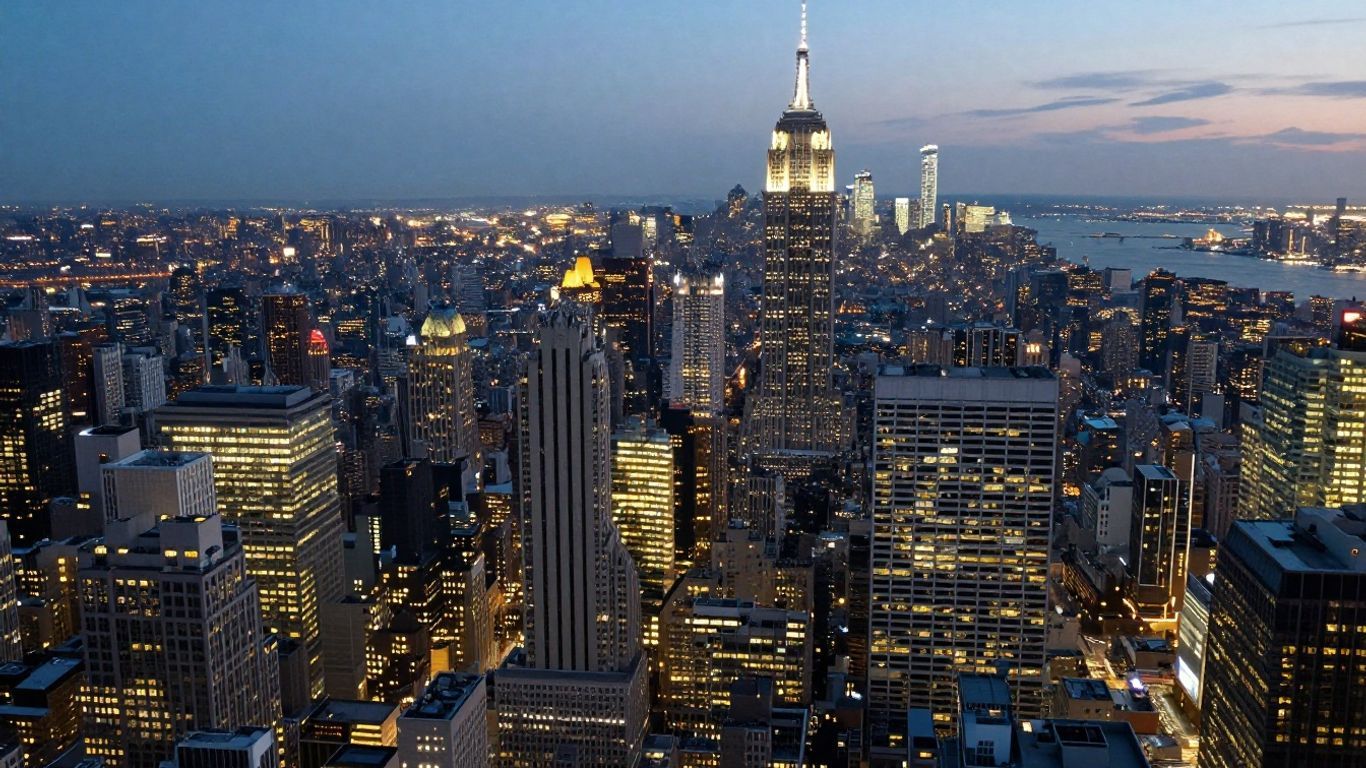
While the established giants, such as New York and Los Angeles, often command much of the national spotlight, numerous other American cities are concurrently experiencing substantial population growth and impressive development. These burgeoning urban centers are progressively gaining importance, not solely for their burgeoning residential communities, but equally for their significant economic contributions and cultural influence. They stand as clear indicators of the dynamic evolution of the American landscape, unequivocally demonstrating that growth isn't exclusively confined to the nation's traditional powerhouses.
Houston's Continued Growth
Houston, Texas, has been charting a consistent upward trajectory for many years, ceaselessly attracting a steady stream of new residents. Its remarkably diverse economy, notably robust within the energy sector, coupled with a more accessible cost of living compared to some other major metropolises, renders it a highly appealing destination. The city's ongoing expansion isn't merely about increasing numbers; it's profoundly focused on cultivating a more resilient infrastructure and a progressively diversified job market.
| City | State | 2024 Estimate | 2020 Census | Change |
|---|---|---|---|---|
| Houston | TX | 2,390,125 | 2,304,580 | +3.71% |
Phoenix's Southwestern Expansion
Phoenix, Arizona, represents yet another city undergoing truly remarkable growth. Its consistently warm climate, expanding employment opportunities, and relatively affordable housing options have collectively attracted a considerable influx of individuals. The metropolitan area continues its outward expansion, giving rise to new suburban communities and consequently broadening the city's overall geographical footprint. This profound growth is actively reshaping the urban geography of the entire Southwest.
- Climate Appeal: The reliably sunny weather serves as a significant draw for many.
- Economic Opportunities: A burgeoning tech and service sector offers plentiful employment.
- Affordability: Compared to more expensive coastal cities, Phoenix generally provides more accessible housing options.
Philadelphia's Historic Significance
Philadelphia, Pennsylvania—a city undeniably steeped in profound history—is also one that continues its impressive evolution. It maintains a robust population base, significantly bolstered by its esteemed educational institutions and a continually revitalized urban core. The city's singular fusion of historical allure and contemporary development makes it an exceptionally compelling place to both reside and work. It's a locale where the richness of the past and the vibrancy of the present harmoniously coexist, successfully attracting an incredibly diverse array of residents and businesses.
Philadelphia's enduring appeal lies in its impressive ability to skillfully balance its rich historical identity with a forward-looking, progressive approach to urban development, thereby cementing its status as a significant player in the nation's ongoing demographic shifts.
Key Cities Across the American Landscape
Beyond the truly colossal urban centers, America's sprawling urban map is generously peppered with numerous cities that, while perhaps not reaching the uppermost echelon of population figures, nonetheless wield significant influence within their respective regions and contribute robustly to the national economy. These diverse urban centers distinctly showcase a variety of growth patterns and exhibit truly unique characteristics.
San Antonio's Dynamic Development
San Antonio, Texas, has been on a consistent upward trajectory, demonstrating impressive population growth over the past decade. Its rich cultural heritage, a vibrant tapestry expertly blending Texan and Mexican influences, undeniably makes it a singularly distinctive place to visit and live. The city's economy is notably diverse, boasting particular strengths in vital sectors such as healthcare, finance, and tourism. Furthermore, its strategic geographic location in South Texas greatly enhances its regional importance.
San Diego's Coastal Appeal
Nestled beautifully on the Pacific coast, San Diego, California, offers an exceptionally desirable lifestyle that captivates both prospective residents and businesses alike. The city enjoys a strong and diversified economy, particularly excelling in defense, biotechnology, and tourism. Its perpetually pleasant climate and stunning coastline are, without a doubt, undeniable draws, contributing significantly to its consistent population figures and its enduring appeal as an ideal place to live and work.
Dallas's Economic Powerhouse
Dallas, Texas, firmly stands as a major economic and commercial hub in the South Central United States. It is widely recognized for its exceptionally robust business environment, with particular prowess in finance, technology, and transportation. The city's impressive growth is vigorously fueled by a strong job market and a decidedly business-friendly atmosphere, effectively making it a powerful magnet for both corporations and individuals actively seeking new opportunities.
For a clearer understanding, here's an overview of how these cities measure up in terms of recent population estimates:
| City | State | Estimated Population (2026) | Recent Growth Rate |
|---|---|---|---|
| San Antonio | TX | 1,526,656 | +6.41% |
| San Diego | CA | 1,404,452 | +1.26% |
| Dallas | TX | 1,326,087 | +1.66% |
These cities, each possessing its own distinct flavor and powerful economic drivers, are undeniably vital components of the multifaceted American urban fabric, contributing significantly to the nation's overall demographic and economic landscape.
Mid-Sized Cities with Significant Populations
Beyond the colossal giants, America's vast expanse is dotted with a number of mid-sized cities that, quite surprisingly, pack a formidable population punch. These dynamic urban centers, often boasting populations ranging between the one and two million mark, serve as vibrant hubs of culture, economic activity, and strong community. While they might not consistently capture the headlines like New York or Los Angeles, their growth and influence are, without question, profoundly undeniable.
Jacksonville's Coastal Presence
Jacksonville, Florida, truly distinguishes itself as a major player along the Atlantic coast. Its notably expansive land area significantly contributes to its considerable population count, firmly establishing it as a key city within the Southeastern United States. The city has experienced consistent, steady growth, successfully attracting new residents with its favorable climate and continually developing economic opportunities.
Fort Worth's Rapid Ascent
Fort Worth, Texas, is undeniably a city in vigorous motion. It has, in recent years, achieved some of the most impressive growth rates, adding a substantial number of new residents. This notable surge is largely fueled by a robust job market and an expanding business landscape, strategically positioning Fort Worth as a significant economic force within the broader Dallas-Fort Worth metroplex.
Columbus's Midwestern Reach
As the capital of Ohio, Columbus functions as a vital central hub for the entire Midwest. It is a city that deftly balances a continually growing population with a remarkably diverse economy, encompassing crucial sectors such as education, technology, and logistics. Columbus notably offers a more accessible cost of living compared to the coastal megacities, a factor that consistently continues to draw people to its vibrant communities.
To illustrate, here's an overview of how these cities currently compare:
| City | State | Estimated 2026 Population | Recent Growth Trend |
|---|---|---|---|
| Jacksonville | FL | 1,009,833 | +6.34% |
| Fort Worth | TX | 1,008,106 | +9.71% |
| Columbus | OH | ~822,553 (2020 Census) | +14.8% (2000-2020) |
These mid-sized cities are frequently characterized by their distinct regional identities and their impressive capability to attract residents who are seeking a harmonious balance between the amenities of urban life and a more manageable scale of living. Their sustained expansion unequivocally points to a promising future for these critically important American centers.
Several compelling factors consistently contribute to the widespread appeal of these cities:
- Economic Opportunities: Each city boasts a burgeoning job market spanning various sectors.
- Quality of Life: They offer a compelling blend of cultural attractions, diverse recreational activities, and a generally more affordable cost of living than larger metropolises.
- Strategic Location: Their advantageous geographic positions frequently establish them as important logistical or transportation hubs.
Understanding Population Metrics
When we discuss America's largest cities, the endeavor isn't always as straightforward as simply tallying heads. Indeed, there are several distinct approaches to interpreting population figures, and comprehending these nuances provides a significantly clearer understanding of urban America. The resultant numbers can, in fact, vary quite considerably depending on precisely what one chooses to measure.
Municipality vs. Metropolitan Area
This distinction likely represents the most common source of confusion for many. When you encounter a city's population figure, it typically refers to the number of residents residing within its official city limits—what is formally termed the municipality. This figure, therefore, denotes the population of the core city itself. However, a great many people choose to live in the surrounding suburbs and commute into the city for work, leisure, or other activities. These adjacent areas, when combined with the central city, collectively form what is known as a metropolitan area. Metropolitan areas capture a far more extensive population and consequently offer a more accurate representation of a city's genuine economic and social influence. For instance, while the population of the city of Houston is one statistic, the broader Houston-The Woodlands-Sugar Land metropolitan area encompasses a significantly larger demographic.
To illustrate this point, here's a glance at how some major cities compare based on their municipal populations:
| City | State | 2024 Estimate | 2020 Census |
|---|---|---|---|
| New York City | NY | 8,478,072 | 8,804,190 |
| Los Angeles | CA | 3,878,704 | 3,898,747 |
| Chicago | IL | 2,721,308 | 2,746,388 |
| Houston | TX | 2,390,125 | 2,304,580 |
| Phoenix | AZ | 1,673,164 | 1,608,139 |
Population Trends and Growth
Examining population figures across various timeframes tells a compelling story about a city's trajectory. Are these urban centers expanding, contracting, or maintaining a relative state of equilibrium? This dynamic can be profoundly influenced by a multitude of factors, including the vibrancy of local job markets, prevailing housing costs, and the overall quality of life offered.
- Economic Opportunities: Cities boasting robust job markets typically attract more individuals.
- Affordability: Lower costs of living can render a city considerably more appealing, especially for growing families.
- Quality of Life: Factors such as excellent schools, diverse cultural attractions, and ample access to nature all play a significant role.
- Migration Patterns: Both internal domestic movement and international migration considerably impact population totals.
Indeed, some cities have witnessed truly remarkable growth in recent years. Fort Worth, Texas, for example, has experienced a rapid ascent, showcasing a substantial percentage increase in its resident population. Grasping these intricate trends helps us not only anticipate future urban development but also accurately project essential resource needs. Apropos of local matters, if you happen to be navigating specific legal concerns, perhaps in a city like Houston, securing a local criminal defense attorney can prove invaluable due to their intimate familiarity with the area [8624].
Density and Land Area Considerations
Population density—that is, the number of people inhabiting a specific area per square mile or kilometer—represents another crucial metric. It's entirely possible for a city to possess a substantial population yet encompass a vast land area, thereby resulting in a lower overall density. Conversely, a geographically smaller city accommodating a high population can feel considerably more crowded.
Density is precisely defined as a measure of how concentrated people are within a given space. It is meticulously calculated by dividing the total population by the total land area. This metric is invaluable for helping us understand the physical footprint of an urban center and, crucially, how its residents genuinely experience day-to-day urban living.
Consider New York City, for instance: it boasts an immense population yet occupies a comparatively smaller land area than many other major cities, leading to an exceptionally high population density. This characteristic influences virtually everything, from the demands on public transportation to housing development strategies. Ultimately, considering both population size and density provides us with a more holistic and complete understanding of America's incredibly diverse urban landscape.
Looking Ahead: America's Evolving Urban Landscape
As our exploration has revealed, the population statistics for America's largest cities vividly illustrate where a significant portion of the populace chooses to live and work. While New York, Los Angeles, and Chicago steadfastly remain paramount population centers, cities like Houston and Phoenix are unequivocally demonstrating remarkable growth. It's indeed intriguing to observe how these urban areas are in a constant state of flux, with some expanding at a much faster pace than others. Comprehending these dynamic population shifts offers us a clearer insight into the nation's ongoing development and the varied communities that collectively constitute America. The available data undeniably indicates that while certain cities are colossal, numerous others are actively growing and progressively establishing themselves as vital places in their own right. It's a truly dynamic scene, wouldn't you agree? Keeping a keen eye on these unfolding trends will undoubtedly provide invaluable clues about the country's future direction.
Frequently Asked Questions
What are the biggest cities in America?
The foremost cities in America by population typically include New York City, Los Angeles, and Chicago, which have long held these top positions. Other notably large urban centers are Houston, Phoenix, and Philadelphia.
How is city population measured?
City population can be assessed through a couple of distinct methods. One approach involves examining the population strictly within the official city limits, referred to as the municipality. Another, broader method considers the larger metropolitan area, which encompasses the primary city along with its surrounding suburbs and interconnected towns.
Are cities growing or shrinking?
Many cities are currently experiencing growth, particularly those located in regions such as Texas and the Southwest, where populations have notably increased over the years. However, some older, more established urban centers have seen their populations either stabilize or, in a few instances, slightly decline.
Which cities are growing the fastest?
Cities like Houston and Phoenix have demonstrated robust growth. Additionally, several Texas cities, including San Antonio and Fort Worth, have experienced rapid population increases. This trend often reflects a movement of people towards areas offering more space and expanding job opportunities.
Does population size always mean a city is important?
While population is certainly a significant factor, it is not the sole determinant of a city's importance. Some cities, despite being smaller in population, hold immense importance due to their rich history, unique culture, or vital economic contributions. Philadelphia, for example, possesses profound historical significance, even if other cities boast larger populations.
What's the difference between a city and a metro area?
A city, or municipality, defines the primary urban area with its own government and clearly delineated borders. In contrast, a metropolitan area is a much more expansive region that incorporates the main city plus all the adjacent towns and suburbs from which residents commonly commute into the city. Therefore, a metropolitan area almost invariably possesses a significantly larger total population than the city itself.


