
resources
Discover 30 Countries and Their Capitals: A Comprehensive Guide
11 Apr 2026

Have you ever paused to consider the sheer scope of our world's geography? It truly is a vast expanse, and developing an understanding of its countries and their respective capital cities can prove remarkably insightful. This comprehensive guide aims to acquaint you with 30 diverse nations and their capitals, offering, if you will, a whirlwind tour across the globe, touching upon some truly pivotal locations along the way. We've ensured coverage of places spanning various continents, providing a compelling glimpse into the rich tapestry of global landscapes and cultures.
Key Takeaways
- This guide offers an introduction to 30 countries and their corresponding capital cities.
- It thoughtfully encompasses a broad spectrum of nations from across diverse global regions.
- Mastering country-capital pairings serves as a foundational skill in geographical literacy.
- Presented here is an excellent initial framework for those keen to delve deeper into global locales.
- Indeed, this information proves invaluable for enhancing general knowledge and facilitating meticulous travel planning.
1. Afghanistan - Kabul
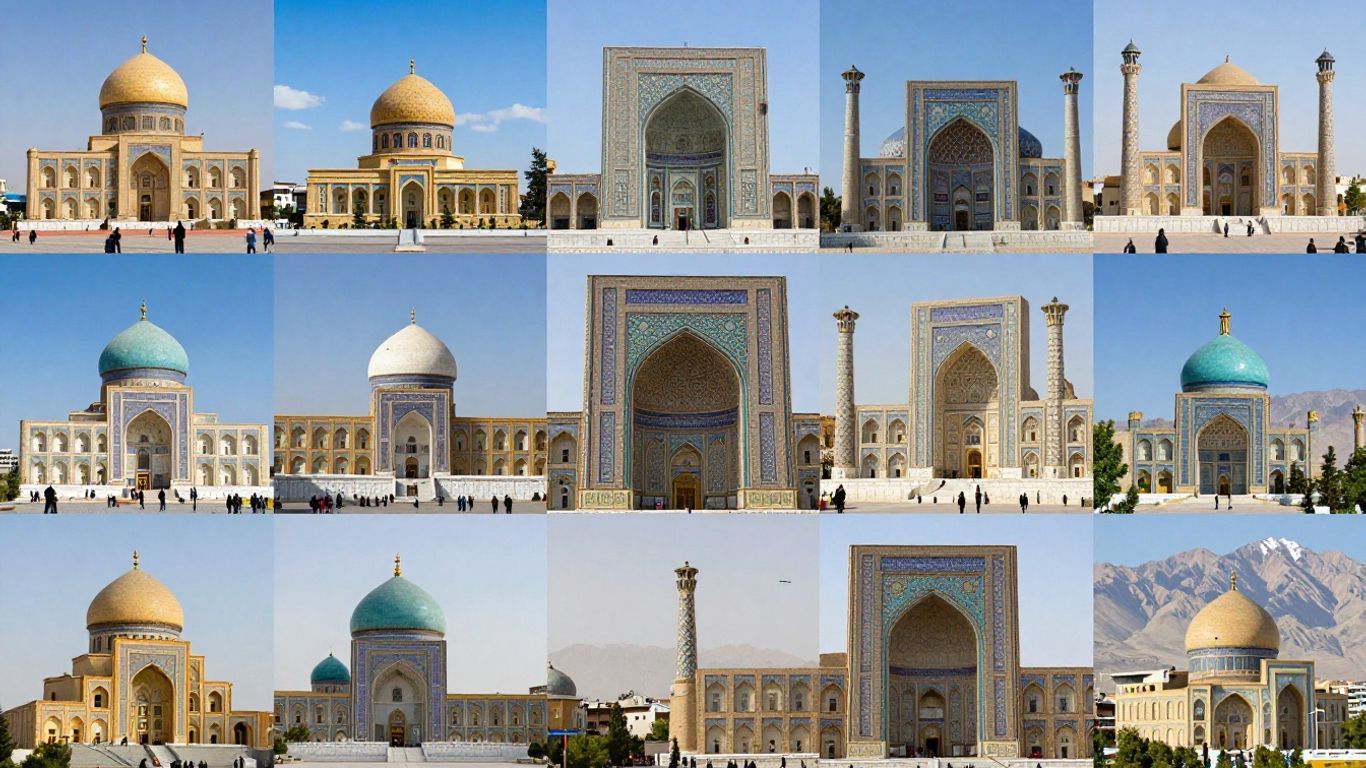
Afghanistan, a nation with a truly extensive and intricate history, is geographically situated in Central Asia. Its capital, Kabul, stands as a vibrant, bustling metropolis that has remarkably served as a pivotal cultural and economic nexus for countless centuries. The nation's distinctive geography is undeniably characterized by its rugged mountain ranges—most notably the formidable Hindu Kush—which profoundly shape its climatic conditions and overall accessibility.
Kabul has consistently functioned as the political and administrative heart of Afghanistan for the vast majority of its recorded history. It's a fascinating city where time-honored traditions gracefully intertwine with the currents of modern life, offering a vivid tableau of bustling bazaars existing harmoniously alongside contemporary urban developments.
For those interested, here are some essential insights into Afghanistan:
- Location: Strategically positioned in Central Asia, sharing borders with Pakistan, Iran, Turkmenistan, Uzbekistan, and Tajikistan.
- Terrain: Characterized predominantly by its mountainous landscapes, yet also encompassing fertile plains in both the northern and southwestern regions.
- Key Cities: Beyond Kabul, other prominent urban centers include Kandahar, Herat, and Mazar-i-Sharif.
Afghanistan's strategic geopolitical position, frequently dubbed the 'Crossroads of Central Asia', has historically rendered it a vital conduit for trade and profound cultural exchange. However—and this is an important distinction—it has simultaneously served as a recurrent flashpoint for various empires and dominant powers across the annals of history.
2. Albania - Tirana
Next up on our expansive global tour is Albania, a captivating nation elegantly nestled within Southeastern Europe. Its capital city, Tirana, presents itself as a dynamic and vibrant hub—one that has truly undergone substantial transformation and impressive growth throughout recent decades.
Indeed, Tirana stands as Albania's largest city and its preeminent economic and cultural epicenter. It's a truly remarkable locale where a compelling synthesis of antiquity and modernity is on full display; observe, for instance, the juxtaposition of Ottoman-era buildings with brightly colored contemporary structures. The city's profound metamorphosis, particularly evident over the past few decades, is nothing short of extraordinary, reflecting a nation in rapid ascent.
Allow us to highlight a few particularly interesting facets of Tirana:
- History: Founded in the 17th century, Tirana ascended to the status of Albania's capital in 1920. It has traversed numerous significant historical epochs, including periods of Italian occupation and communist rule, each indelible phase leaving its distinct architectural and atmospheric imprint on the city.
- Culture: The city proudly boasts a rich array of museums, galleries, and theaters. Skanderbeg Square, undeniably a central and iconic gathering place, is elegantly framed by pivotal edifices such as the National History Museum and the Et'hem Bey Mosque.
- Modern Development: In recent years, Tirana has embarked upon substantial urban renewal initiatives. Countless public spaces have been thoughtfully revitalized, and the city is increasingly garnering recognition for its effervescent café culture and sophisticated nightlife scene.
Tirana's compelling trajectory—from a relatively serene provincial town to a bustling, modern European capital—is, quite frankly, a story deserving of close attention. The inherent energy here is undeniably palpable, characterized by a constant, invigorating buzz of activity that powerfully reflects the nation's forward momentum.
When embarking on an exploration of Albania, comprehending the significance of its capital provides an excellent foundational understanding. For those seeking further details about diverse countries and their capitals, invaluable resources can be found that meticulously list countries and capitals.
3. Algeria - Algiers
Algeria, an expansive North African nation, proudly claims Algiers as its capital city. This historic locale, gracefully situated directly on the Mediterranean coast, boasts a truly extensive past. Algiers itself is undeniably a captivating spectacle, frequently referred to as 'Algiers the White' due to its distinctive whitewashed buildings that elegantly ascend the hillsides. It serves as the nation's principal economic and cultural nucleus.
When one considers Algeria, it's worth noting its distinction as the second-largest country in Africa, implying, naturally, a great deal of inherent complexity and diversity. Algiers, within this context, masterfully intertwines the venerable with the contemporary. Here, one discovers the Casbah, a historic walled city—and incidentally, a revered UNESCO World Heritage site—replete with its labyrinthine narrow streets and ancient edifices. In stark, yet harmonious, contrast, more modern sections of the city unveil wider avenues and striking contemporary architecture.
Several attributes make Algiers particularly distinctive:
- Historical Significance: The Casbah, a veritable maze of history, eloquently reflects centuries of diverse cultural influences.
- Coastal Location: Its strategic position on the Mediterranean Sea has consistently established it as a pivotal port and a crucial nexus for trade.
- Cultural Center: Algiers is home to a multitude of Algeria's national institutions, alongside its prominent museums and universities, solidifying its role as a cultural beacon.
Notably, the city's port ranks among the busiest in the entirety of North Africa.
Over the millennia, Algiers has experienced the dominion of myriad rulers and cultures—from the Romans and Vandals to the Ottomans and the French. This richly layered history is not merely recounted in texts; it is vividly manifest in the city's architecture and enduring traditions, rendering it an extraordinarily fascinating destination for exploration.
It's a city in perpetual evolution, expertly balancing its profound, rich past with the intricate demands of the present day. Visitors can uncover everything from vibrant, bustling markets brimming with exotic spices and intricate textiles to sleek, modern shopping centers and inviting cafes.
4. Andorra - Andorra la Vella
Elegantly nestled high within the majestic Pyrenees mountains, precisely situated between the formidable nations of France and Spain, lies the diminutive yet captivating principality of Andorra. Its capital, Andorra la Vella, presents itself as a truly unique urban center, positioned at a considerable altitude and functioning as a pivotal hub for both governmental administration and vibrant commerce. Far from being merely a picturesque mountain town, however—and this is an important distinction—it is a locale steeped in an extensive history and characterized by a deeply distinct culture.
Andorra la Vella has long been renowned for its enticing duty-free shopping, a magnet drawing numerous visitors from neighboring countries eager to discover exceptional deals on a wide array of goods, from cutting-edge electronics to exquisite perfumes. Yet, beyond its thriving retail avenues, one finds a truly charming old town, replete with winding narrow streets and sturdy stone buildings that eloquently narrate tales of centuries past. The nation's governmental structure is a co-principality, an indeed rather uncommon arrangement where the heads of state are jointly held by the Bishop of Urgell (residing in Spain) and the President of France.
Allow us to delineate a few key attributes that truly make Andorra la Vella exceptional:
- Unique Government: It stands as one of the rare nations globally to be governed by two co-princes as heads of state.
- High Altitude Capital: Notably, it holds the distinction of being among Europe's highest capital cities.
- Premier Shopping Destination: Celebrated for its advantageous tax-free status, it consistently attracts a significant influx of discerning shoppers.
- Unrivaled Pyrenean Charm: The city affords visitors truly stunning mountain scenery and an abundance of opportunities for invigorating outdoor activities.
The fascinating amalgamation of modern commerce and deeply ingrained ancient traditions imbues Andorra la Vella with a truly special character. It is, unequivocally, a place where one can savor a distinctive pace of life, all magnificently enveloped by dramatic, inspiring mountain landscapes.
Despite its modest size, Andorra la Vella masterfully encapsulates a wealth of experiences within its mountainous confines. It truly offers a compelling blend of everything from satisfying retail therapy to profound historical exploration, all set against a breathtaking backdrop of unparalleled natural beauty.
5. Angola - Luanda
Allow us to turn our attention to Angola, an intriguing nation situated in southern Africa. Its capital city is Luanda—a locale rich in both profound history and captivating natural beauty.
Luanda, in fact, holds the distinction of being Angola's largest city and a critically important port positioned along its Atlantic coast. It also functions as the nation's primary economic engine, where a substantial volume of commercial activity unfolds daily. The city has experienced remarkable growth over time, visibly manifesting a fascinating blend of historical and contemporary architectural styles.
For a brief overview, here are some essential facts about Angola:
- Official Name: The Republic of Angola
- Location: Strategically positioned in Southern Africa
- Capital: Luanda
- Official Language: Portuguese
- Currency: Angolan Kwanza (AOA)
Angola truly boasts a diverse and varied landscape, encompassing everything from its picturesque coastline to its expansive inland plateaus. The nation is abundantly endowed with natural resources, which, naturally, play a pivotal role in shaping its economy. It is a country that has navigated significant transformations and remains resolutely committed to its ongoing development.
Angola's remarkable trajectory has been fundamentally influenced by its colonial legacy and a protracted civil war. Presently, the nation is steadfastly dedicated to reconstruction and fostering robust economic growth, particularly leveraging its vital oil and diamond industries. Culturally, it is a vibrant tapestry, enriched by the distinctive influences of its numerous ethnic groups.
6. Antigua and Barbuda - Saint John's
Our next focus is Antigua and Barbuda, a charming twin-island nation gracefully situated within the Caribbean Sea. Its capital, Saint John's, functions as a dynamic port city, serving as the nation's principal nucleus for both vibrant commerce and bustling tourism. You will discover it nestled on the island of Antigua, which, incidentally, is the larger of the two constituent islands. The city itself is steeped in history, characterized by its colorful colonial-era buildings and an undeniably lively atmosphere, particularly pronounced when cruise ships are in port.
Upon visiting Saint John's, several notable features immediately capture one's attention. The distinctive architecture eloquently conveys a tangible sense of its colonial heritage, exemplified by magnificent structures such as St. John's Cathedral and the Museum of Antigua and Barbuda. The harbor area consistently pulsates with activity, marked by the ceaseless ebb and flow of maritime traffic and the animated presence of local vendors presenting their wares. It is, in essence, a locale where one can truly immerse themselves in the authentic rhythm of island life.
To provide a concise overview, here are some salient points concerning Saint John's:
- Location: Strategically situated on the picturesque northwest coast of Antigua island.
- Economy: The city's economy is profoundly reliant on tourism, with its bustling port serving as a significant attraction.
- Culture: It embodies a rich and intricate fusion of African, European, and indigenous Caribbean influences.
- Prominent Landmarks: Key architectural and historical sites include St. John's Cathedral, the Museum of Antigua and Barbuda, and the venerable historic market.
Crucially, the capital city functions as the primary gateway for visitors arriving in Antigua and Barbuda, thereby establishing itself as a vital center for the nation's overarching economy and distinct identity.
Saint John's provides an invaluable window into the rich history and vibrant daily existence of this captivating Caribbean nation. It truly is a place where the echoes of the past harmoniously converge with the dynamism of the present, imbued with a palpable energy that consistently enthralls visitors.
7. Argentina - Buenos Aires
Argentina, an expansive nation gracefully positioned in South America, proudly boasts Buenos Aires as its capital. It's a truly dynamic city that unmistakably pulses with life, celebrated for its distinctive European ambiance and profoundly passionate culture. Indeed, one might readily associate it with the soulful tango, succulent steaks, and a veritable wealth of history—all magnificently encapsulated within a single, vibrant locale.
Remarkably, Buenos Aires holds the distinction of being the largest Spanish-speaking city globally. Beyond its pivotal role as a political center, it functions as an indispensable hub for arts, culture, and finance for the entire Argentine nation.
Allow us to illuminate a few attributes that render Buenos Aires particularly distinguished:
- Tango: This iconic dance and musical genre famously originated in the working-class enclaves of Buenos Aires. Today, one can still readily discover captivating tango shows and spirited milongas (traditional dance halls) throughout the city, offering an authentic cultural immersion.
- Architecture: As you wander through elegant neighborhoods such as Recoleta and Palermo, you'll encounter a stunning display of grand European-style buildings, expansive avenues, and charming, inviting plazas.
- Food Scene: Argentinian cuisine is, of course, widely celebrated for its exceptional, high-quality beef. Visitors should anticipate savoring delectable steaks, savory empanadas, and, most assuredly, an abundance of exquisite dulce de leche.
The city is meticulously subdivided into numerous distinct neighborhoods, or 'barrios', each possessing its own unique character and palpable vibe. To explore these diverse areas is akin to embarking on an immersive tour through the myriad facets of Argentinian life and its rich historical tapestry.
When contemplating Argentina, it is often Buenos Aires that first comes to mind—and for good reason. It stands as a place where the allure of old-world charm gracefully converges with the dynamism of modern energy, promising a truly rich and unforgettable experience for any discerning visitor.
8. Armenia - Yerevan
Armenia, a nation whose historical roots stretch back through millennia, proudly positions its capital in Yerevan. It stands as one of the world's truly oldest continuously inhabited cities, boasting a foundational history that dates back to the remarkable 8th century BC. Yerevan is, quite fittingly, frequently referred to as the 'Pink City'—a moniker derived from the distinctive rose-colored volcanic rock used in the construction of so many of its prominent buildings.
Unquestionably, Yerevan serves as the political, economic, and cultural heart of Armenia.
To offer further insight, here are a few particularly compelling points about Yerevan:
- Ancient Roots: The city's venerable origins trace back to its founding by King Argishti I of Urartu in 782 BC, an astonishing fact that renders it even older than Rome itself.
- The Cascade: This colossal limestone stairway represents a major and iconic landmark, elegantly linking the bustling downtown area with the tranquil Monument neighborhood. It is artfully adorned with an array of fountains, captivating sculptures, and meticulously maintained gardens.
- Republic Square: Functioning as the central square of Yerevan, this vibrant space is a constant hub of activity, gracefully encircled by pivotal edifices such as the National Gallery and the Government House.
Yerevan has experienced considerable and strategic development, particularly pronounced in recent decades, skillfully harmonizing its ancient heritage with the demands and dynamism of modern urban life. The city's layout is quite distinctive, characterized by many of its principal avenues gracefully radiating outwards from the vibrant city center.
The Armenian Genocide Memorial Complex, Tsitsernakaberd, a profoundly significant site, is also respectfully situated in Yerevan, serving as a solemn and enduring reminder of the tragic events of 1915.
9. Australia - Canberra
Australia, that vast continent-country gracefully positioned in the Southern Hemisphere, proudly features Canberra as its capital city. It stands out, rather uniquely, as a meticulously planned city—a distinct contrast to many other capitals that emerged and expanded organically over centuries. Canberra's selection as the capital in 1908 was, in fact, a judicious compromise between the formidable rival cities of Sydney and Melbourne, both of which were fiercely vying for the coveted title. Geographically, it is situated within the Australian Capital Territory (ACT), a designated federal district thoughtfully carved out of New South Wales.
Indeed, Canberra holds the distinction of being Australia's largest inland city and, overall, its eighth-largest urban center.
What truly fascinates about Canberra, perhaps above all else, is its considered design. It presents itself as a remarkably green city, replete with an abundance of sprawling parks and vital nature reserves. The city's layout is meticulously predicated on a garden city model, characterized by wide, inviting avenues and copious amounts of open space. Furthermore, it proudly hosts numerous esteemed national institutions, including:
- The Parliament House: The esteemed venue where Australia's federal government convenes and legislates.
- The Australian War Memorial: A profoundly significant site dedicated to honoring those who valiantly served in conflicts.
- The National Gallery of Australia: An impressive institution showcasing a truly vast and diverse collection of art.
- The National Museum of Australia: An engaging center exploring the nation's rich history and multifaceted culture.
While it may not possess the bustling dynamism of Sydney or Melbourne, Canberra nonetheless offers an unparalleled insight into Australia's governance and profound cultural heritage. It is, unequivocally, a place where one can deeply explore national treasures and gain a comprehensive understanding of the intricate workings of the country's vibrant democracy.
Canberra's visionary development was, by all accounts, a deliberate and highly strategic process, aimed at crafting a capital that was both supremely functional and aesthetically captivating. Its distinctive design eloquently mirrors a grand vision for a national center—one that seamlessly balances essential civic functions with a profound and respectful connection to the natural environment.
10. Austria - Vienna
Austria, a captivating country gracefully nestled in the very heart of Europe, proudly presents Vienna as its capital. This isn't merely a geographic designation on a map; it is, in fact, a profound hub of history, culture, and especially music—elements that have indelibly shaped much of Europe's artistic and intellectual landscape over centuries.
Vienna's narrative is, by any measure, both extensive and deeply resonant, extending back for countless centuries. It once stood as the illustrious epicenter of the mighty Habsburg Empire, and one can still readily perceive that enduring grandeur majestically reflected in its architecture today. Consider, for instance, the sheer splendor of Schönbrunn Palace, the magnificent summer residence of emperors, or the regal Hofburg Palace, their opulent winter abode right within the city center. These monumental edifices are not only massive in scale but are also brimming with compelling historical narratives.
But what, precisely, is Vienna most celebrated for? Well, several distinctive attributes truly stand out:
- Music: It justly claims the distinction as the birthplace of an astonishing array of renowned composers, including luminaries like Mozart, Beethoven, and Strauss. The Vienna State Opera, for example, is globally acclaimed, and classical music concerts remain a perpetually cherished and regular fixture in the city's vibrant cultural calendar.
- Coffee Houses: The Viennese coffee house culture is, without exaggeration, legendary. These establishments are far more than mere venues to procure a beverage; they function as cherished social institutions where individuals gather, peruse newspapers, and engage in spirited intellectual discourse. It's a truly unique phenomenon, recognized as a UNESCO Intangible Cultural Heritage.
- Art and Museums: From the magnificent Belvedere Palace, proudly housing Gustav Klimt's iconic "The Kiss," to the vast Kunsthistorisches Museum, Vienna curatorially presents an absolutely incredible collection of art, spanning epochs and movements.
- Quality of Life: Consistently, and indeed deservedly, Vienna garners top rankings for its exceptional livability, an achievement attributable to its outstanding public transportation, abundant green spaces, and exemplary healthcare system.
For a succinct overview, here's a quick look at some key facts:
| Fact | Detail |
|---|---|
| Population | Approximately 1.9 million residents (within the city proper) |
| Official Language | German |
| Currency | Euro (€) |
Vienna, without doubt, offers an unparalleled fusion of imperial history and contemporary vibrancy. It is a city that actively encourages you to wander its charming streets, to truly immerse yourself in its distinctive atmosphere, and to discover something new and intriguing around every single corner. The iconic Danube River, of course, gracefully flows through it, undeniably enhancing its already considerable scenic beauty.
11. Azerbaijan - Baku
Allow us to delve into Azerbaijan, a fascinating country strategically situated precisely where Eastern Europe gracefully converges with Western Asia. Its capital, Baku, is truly a place unlike any other—a city that masterfully blends the ancient with the contemporary in a remarkably engaging manner. Here, one discovers the venerable walled city, Icherisheher, which, notably, is a UNESCO World Heritage site, existing in compelling dialogue with its super-modern skyscrapers that dramatically illuminate the skyline. The contrast, indeed, is quite striking.
Baku's location on the shores of the Caspian Sea further imbues it with a distinctive coastal ambiance. For centuries, the city has served as a significant center for oil production, a history that has undeniably played a pivotal role in shaping its urban development. Consequently, it remains a bustling port city and a major regional hub.
Several attributes contribute to Baku's unique prominence:
- Flame Towers: These three iconic skyscrapers are arguably the city's most recognizable modern landmark, ingeniously designed to resemble flickering flames. They are, quite simply, breathtakingly impressive, particularly when brilliantly illuminated against the night sky.
- Icherisheher (Old City): This constitutes the historic heart of Baku. A leisurely stroll through its labyrinthine, winding streets transports one back through the corridors of time, revealing ancient mosques, opulent palaces, and historic caravanserais.
- Caspian Sea Boulevard: This extensive seaside promenade offers an idyllic setting for a leisurely walk. It is thoughtfully adorned with parks, inviting cafes, and various attractions, all providing superb panoramic views of the Caspian Sea.
Baku is, unequivocally, a city in perpetual evolution. It is a place where one can immerse themselves in centuries of history at one moment, only to find themselves captivated by cutting-edge architecture the next. This dynamic interplay powerfully conveys a profound sense of Azerbaijan's historical journey and its contemporary standing on the global stage.
It is, frankly, quite fascinating how Baku so deftly manages to preserve its rich past while simultaneously embracing a very modern future. The city's energy is palpable and infectious, rendering it an absolutely compelling destination that offers a wealth of sights and experiences to every visitor.
12. Bahamas - Nassau
Our focus now shifts to the Bahamas, a truly beautiful island nation gracefully situated in the Atlantic Ocean. Its capital city is Nassau, which you'll find strategically located on the island of New Providence. Nassau, it's important to note, transcends its role as merely the seat of government; it also serves as the nation's principal hub for both flourishing tourism and vibrant commerce. One might aptly envision it as the bustling, beating heart of the entire Bahamian archipelago.
When contemplating the Bahamas, it's highly probable that images of stunning, pristine beaches and crystal-clear blue waters immediately come to mind—and Nassau, rest assured, unequivocally delivers on that idyllic promise. Yet, it is also a locale imbued with a rich, layered history and a dynamic, vibrant culture. The city's urban fabric beautifully integrates colonial architecture with contemporary developments, lending it a truly unique and appealing character.
Let's consider a few key aspects that truly set Nassau apart:
- Government and Administration: As the designated capital, Nassau is home to the esteemed Parliament, numerous government ministries, and the Supreme Court. It is, in essence, the crucial nexus where the nation's legislative framework is crafted and diligently administered.
- Economic Center: A substantial, indeed vital, portion of the Bahamas' economic activity is concentrated here. Tourism constitutes a colossal industry, with majestic cruise ships regularly docking and a continuous flow of visitors eagerly exploring the city's diverse attractions.
- Cultural Hub: Within Nassau, one will discover a fascinating array of museums, art galleries, and historical sites that collectively narrate the compelling story of these islands. Furthermore, the distinctive local music, delectable cuisine, and spirited festivals form a significant and integral part of daily life.
The city's history is, in fact, inextricably linked to its strategic geographical location, which has rendered it a point of profound interest and contention for centuries. It has experienced numerous periods of colonial rule and has played a pivotal role in various historical events of consequence.
Should you be contemplating a visit to this enchanting nation, understanding Nassau's central role as the capital will undoubtedly provide a more profound appreciation for the Bahamas as a cohesive whole. It is, undeniably, far more than just a picturesque locale; it is the administrative and cultural core of this remarkable island nation. For anyone with a keen interest in the Caribbean, delving into places like Nassau offers an excellent starting point for comprehending the intricate dynamics of the region. For further exploration, you can find more details on various countries and their capitals to facilitate comparative analysis.
13. Bahrain - Manama
Manama, the esteemed capital of Bahrain, is gracefully situated on the northeastern coast of the island nation. It is, truly, a city that exquisitely blends the venerated old with the dynamic new. One can, for instance, leisurely wander through its atmospheric old souks, replete with the rich aromas of spices and the vibrant textures of textiles, only to find—a mere short stroll away—sleek, modern skyscrapers and expansive shopping malls. The juxtaposition, it must be said, creates quite a compelling contrast.
Indeed, Bahrain's capital serves as a pivotal hub for finance and trade within the broader Persian Gulf region. The nation itself is an archipelago, meaning it comprises numerous islands, and Manama stands as both the largest and most densely populated among them.
For those curious, here are a few intriguing aspects about Manama:
- Bahrain Fort (Qal'at al-Bahrain): This significant site is recognized as a UNESCO World Heritage site, offering an invaluable glimpse into the region's extensive history, which remarkably dates back several millennia.
- Manama Souk: A quintessential traditional marketplace where visitors can discover an incredible array of goods, ranging from gleaming gold and fragrant spices to exquisite perfumes and diverse clothing. It is, in essence, an exceptional venue to immerse oneself in authentic local life.
- Bahrain National Museum: Should you wish to delve deeper into the island's rich history and profound culture, this museum stands as the authoritative and essential destination.
- Modern Architecture: The city's contemporary skyline is elegantly punctuated by impressive modern buildings, a clear reflection of its burgeoning status as a significant global financial center.
Manama has consistently functioned as a vital center of trade for many centuries, its strategic location having indelibly established it as an important port. This rich historical legacy remains palpably visible even amidst the extensive new developments that characterize the city today.
14. Bangladesh - Dhaka
Dhaka, the undeniably bustling capital of Bangladesh, is a city that quite literally pulses with an extraordinary vitality. It is a compelling urban landscape where the echoes of a rich history gracefully converge with the dynamism of the present day, exemplified by ancient Mughal architecture standing in harmonious juxtaposition with sleek, modern developments. Within its vibrant confines, one discovers a truly effervescent culture—a fascinating blend of traditional customs and contemporary influences that collectively imbue it with an unparalleled distinctiveness.
It is a striking fact that Dhaka ranks among the most densely populated cities globally. This singular statistic alone offers a profound indication of the sheer energy and ceaseless activity one can expect to encounter on its bustling streets.
Allow us to highlight a few key attributes that distinguish Dhaka:
- Rich History: The city boasts an extensive and storied past, evidenced by significant historical sites such as the majestic Lalbagh Fort and the exquisite Ahsan Manzil (often referred to as the Pink Palace).
- Cultural Hub: Dhaka serves as the vibrant nucleus of Bangladesh's thriving arts, literature, and music scenes. Visitors can anticipate encountering lively festivals and a profound, palpable sense of community.
- Economic Engine: Functioning as the principal economic and administrative center of the nation, it demonstrably drives a substantial portion of the country's growth and development.
Navigating the intricate urban tapestry of Dhaka can, indeed, prove to be quite an adventure. The sheer multitude of people and vehicles ensures that traffic is a constant, albeit characteristic, feature. However, it is precisely this vibrant congestion that also contributes significantly to the city's uniquely dynamic atmosphere. Ultimately, it is a place that is perpetually in motion, brimming with countless stories eagerly awaiting discovery.
When one reflects upon Bangladesh, it is often Dhaka that instantaneously springs to mind—and understandably so. It is a city that consistently leaves an indelible impression, standing as a profound testament to the resilience, vibrant spirit, and enduring fortitude of its people.
15. Barbados - Bridgetown
Our attention now turns to Barbados, a truly enchanting island nation gracefully situated in the Caribbean. Its capital, Bridgetown, is a locale rich in historical depth and permeated by an undeniably vibrant atmosphere. You'll discover Bridgetown positioned on the picturesque southwest coast of the island, precisely where the placid Constitution River flows into the azure Caribbean Sea.
It is important to emphasize that Bridgetown is not merely the capital; it functions equally as Barbados's principal commercial hub. As a bustling port city, it frequently welcomes the arrival and departure of majestic cruise ships, a common and captivating sight. The city itself presents a compelling synthesis of antiquity and modernity, with venerable historic colonial buildings standing in elegant juxtaposition with more contemporary structures.
To highlight its distinctiveness, here are a few key attributes that truly make Bridgetown noteworthy:
- Historic Garrison: Recognized as a UNESCO World Heritage site, this area once served as the esteemed headquarters of the British 4th Infantry Division. It is replete with well-preserved old military buildings and offers an excellent opportunity to delve into the island's profound past.
- Parliament Buildings: These imposing structures house the Barbadian Parliament. Their grand architectural style makes them a prominent symbol of the island's diligent governance.
- Shopping and Markets: As one might expect from any vibrant capital city, Bridgetown provides an abundance of opportunities for retail pursuits, ranging from upscale duty-free stores to lively local craft markets where one can procure unique and authentic souvenirs.
A visit to Bridgetown invariably offers a palpable sense of authentic Barbadian culture. The local populace is genuinely friendly, and there is a perpetual buzz of activity, whether it's the rhythm of local music filling the air or the enticing aromas from street food vendors.
The city's distinctive layout, characterized by its narrow, winding streets and enduring colonial architecture, eloquently narrates the story of its past—a pivotal history as a significant trading post within the formidable British Empire. It's a place where history resonates with a living, breathing vibrancy.
16. Belarus - Minsk
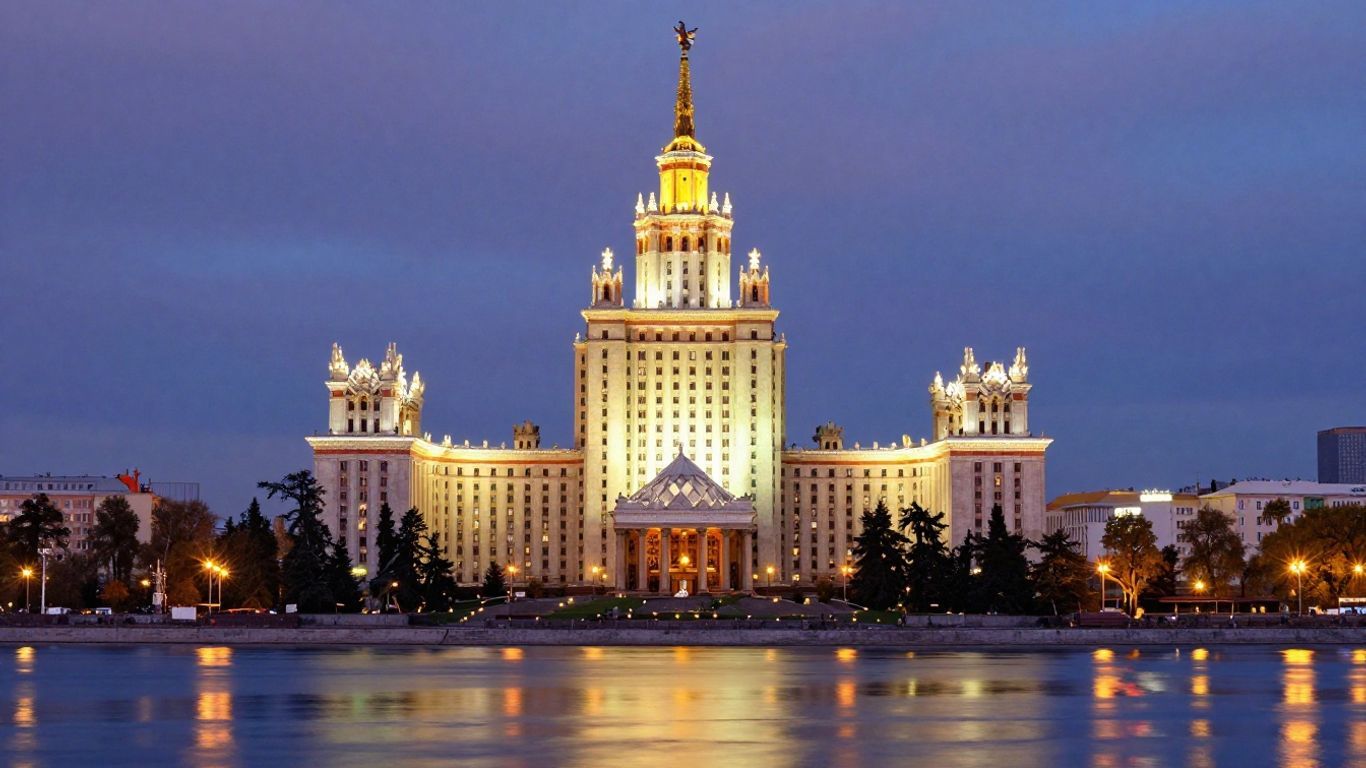
Minsk, the distinguished capital of Belarus, is centrally located within the nation's heartland. It is a city steeped in a profound history, much of which, it must be acknowledged, necessitated extensive reconstruction following the devastation of World War II. Today, it functions as the principal nexus for Belarus, a vibrant confluence where governmental administration, commercial enterprise, and rich cultural expression harmoniously coalesce.
When one contemplates Minsk, it is perhaps the imagery of wide, expansive avenues and magnificent, grand buildings that first comes to mind. This perception is entirely accurate, as a significant portion of the city's architecture eloquently reflects its Soviet past, characterized by vast public squares and imposing structures. Yet, Minsk is far from being solely defined by its history; it has also emerged as a thoroughly modern and dynamic European capital.
Allow us to highlight a few distinctive attributes that characterize Minsk:
- Independence Square: This expansive square stands as one of Europe's largest urban plazas, serving as a pivotal focal point for numerous significant events and public gatherings.
- National Library of Belarus: This architectural marvel is genuinely unique, famously shaped like a rhombicuboctahedron, and has become an enduring symbol of the country's intellectual heritage and vibrant culture.
- Victory Square: A profoundly prominent landmark, it solemnly commemorates the Soviet triumph in World War II, distinguished by a towering obelisk and perpetual eternal flames.
Indeed, Minsk is the preeminent city in Belarus, unequivocally serving as its political, economic, and cultural heart. The city's urban planning is notably organized, complemented by a sophisticated and well-developed public transportation system—encompassing a metro, buses, and trolleybuses—which facilitates effortless navigation throughout its expanse.
The city has experienced substantial and thoughtful development in recent decades, evidenced by the addition of modern residential areas, dynamic business centers, and verdant parks. It skillfully balances its deep historical roots with a decidedly forward-looking approach to contemporary urban living.
17. Belgium - Brussels
Belgium, a distinguished European nation widely celebrated for its rich history and, of course, its delectable chocolate, proudly claims Brussels as its capital. This vibrant metropolis undeniably buzzes with ceaseless activity, serving as the crucial nexus for numerous pivotal European Union institutions. Here, visitors will discover an intriguing fusion of the venerable and the contemporary, ranging from its magnificent historic squares to its sleek, modern business districts.
Brussels is, quite deservedly, frequently referred to as the 'Capital of Europe' precisely because it hosts such a significant concentration of vital EU buildings. It is, moreover, a truly cosmopolitan locale where diverse cultures and languages harmoniously converge.
What, specifically, makes Brussels so distinctive? Allow us to enumerate a few compelling points:
- Grand Place: This central square is, without hyperbole, absolutely breathtaking. Encircled by exquisitely ornate guildhalls, the historic Town Hall, and the regal King's House, it stands as a revered UNESCO World Heritage site. Its beauty is particularly pronounced when bathed in evening light or adorned with its famous flower carpet during specific seasonal events.
- Atomium: Originally conceived and constructed for the 1958 Brussels World's Fair, this architecturally unique structure symbolizes an iron crystal magnified an astounding 165 billion times. It consistently affords visitors spectacular panoramic views of the city from its uppermost sphere.
- Manneken Pis: This diminutive bronze statue depicting a boy urinating is, remarkably, one of Brussels' most celebrated landmarks. Despite its modest stature, it consistently attracts considerable crowds and even possesses an extensive wardrobe comprising hundreds of costumes, donned for special occasions.
Belgium's capital transcends the conventional definition of a mere political center; it is, rather, a vibrant and dynamic hub imbued with a truly unique character. The city graciously extends an authentic taste of Belgian life, encompassing everything from its renowned fries and waffles to its remarkably diverse and welcoming population.
Upon visiting Brussels, one is sure to discern the seamless integration of French and Flemish influences, which is elegantly reflected in every facet of urban life—from its distinctive culinary offerings to its varied architecture. It is, in sum, a city that offers an abundance of attractions, whether your interests lie in profound history, captivating art, or simply savoring an exceptional Belgian beer.
18. Belize - Belmopan
Belize, a comparatively small yet captivating country nestled on the eastern coast of Central America, proudly counts Belmopan as its capital city. This presents a somewhat unique scenario, as Belmopan is not, in fact, the largest city in Belize—that distinction belongs to Belize City. The strategic decision to relocate the capital inland to Belmopan was made after Hurricane Hattie inflicted devastating damage upon Belize City in 1961. Construction of Belmopan commenced in the early 1970s, and it formally assumed its role as the capital in 1970.
Indeed, Belmopan is a meticulously planned city, specifically designed with an emphasis on robust, modern infrastructure. It is situated within the Cayo District, a region justly renowned for its breathtaking natural beauty, encompassing lush rainforests and ancient Mayan ruins.
For those seeking a concise overview, here are a few essential facts regarding Belize and its capital:
- Location: Gracefully positioned in Central America, sharing borders with Mexico and Guatemala.
- Official Language: English.
- Currency: Belize Dollar (BZD).
- Key Features of Belmopan: The city proudly houses essential government buildings, the esteemed University of Belize, and a bustling, vibrant market.
While Belize City undeniably retains its status as the commercial hub and the most populous urban area, Belmopan effectively serves as the administrative heart of the nation. Its deliberate establishment represents a strategic and forward-thinking move, aimed at creating a capital that is both more secure and more centrally located for national governance.
The city's layout is remarkably organized, featuring clearly delineated residential, commercial, and administrative zones. It is, in essence, a locale where one can observe a compelling interplay of local life and governmental activity. Many visitors traverse Belmopan en route to explore the country's spectacular natural attractions, yet it is undoubtedly worthwhile to pause and fully appreciate its pivotal role as the nation's capital.
19. Benin - Porto-Novo
Our focus now shifts to Benin, a compelling nation situated in West Africa. Its official capital city is Porto-Novo. However, a fascinating administrative nuance emerges here: while Porto-Novo formally holds the capital designation and hosts the National Assembly, the city of Cotonou, in practice, functions as the largest urban center and the seat of the government's executive branch. One might, therefore, characterize it as a distinctive dual-capital arrangement.
Benin's geography is, indeed, quite intriguing. It manifests as a long, narrow country extending from its coastal regions northward. The southern portion of the nation is home to the majority of the population and serves as the epicenter for significant economic activity. Conversely, the northern areas are more sparsely populated and exhibit a markedly different, often drier, landscape.
To provide further clarity, here are a few key aspects that distinguish Benin:
- Official Capital: Porto-Novo is formally acknowledged as the capital, primarily housing the nation's legislative body.
- De Facto Economic Hub: Cotonou, while not the official capital, effectively serves as the principal administrative and economic center.
- Profound Historical Significance: The country boasts an exceptionally rich history, notably encompassing its critical role in the transatlantic slave trade and its legacy as the powerful Kingdom of Dahomey.
- Remarkable Cultural Diversity: Benin is home to a multitude of ethnic groups, each contributing its unique traditions and languages to the nation's vibrant cultural tapestry.
Upon examining Benin, one perceives a nation deeply anchored in its past, yet simultaneously embracing a dynamic present. It is a country that deftly balances its profound historical legacy with the intricate demands of modern development. The intriguing relationship between Porto-Novo and Cotonou, in particular, serves as an excellent illustrative example of how a country's administrative structure can organically evolve over time.
The nation's economy is substantially underpinned by its agricultural sector, with cotton and palm oil standing as crucial major exports. Furthermore, tourism is experiencing notable growth, drawing an increasing number of visitors keenly interested in Benin's rich history, distinctive culture, and captivating natural beauty.
20. Bhutan - Thimphu
Elegantly nestled amidst the majestic Himalayas, Bhutan stands as a unique kingdom that champions a distinctive approach to national development, famously prioritizing Gross National Happiness over mere Gross Domestic Product. Its capital, Thimphu, offers a captivating synthesis of tradition and modernity, conspicuously distinguishing itself as one of the rare capital cities globally that operates without traffic lights.
Indeed, Thimphu proudly holds the unique distinction of being the sole capital city in the world that does not utilize traffic lights. Instead, the city gracefully relies on the presence of decoratively uniformed police officers who courteously direct traffic at major intersections—a truly charming and unequivocally Bhutanese solution to urban flow.
For those interested, here’s a concise glimpse into the elements that render Thimphu truly special:
- Cultural Hub: The city serves as a profound repository of Bhutanese culture, home to numerous venerable dzongs (fortress-monasteries) and sacred temples. Among these is the iconic Tashichho Dzong, which not only houses the King's throne room but also functions as the very seat of government. The National Memorial Chorten stands as another profoundly significant landmark, frequently vibrant with devotees reverently circumambulating and spinning prayer wheels.
- Unique Urban Planning: In stark contrast to many sprawling global capitals, Thimphu consciously maintains a relatively low-rise skyline, with all new construction meticulously designed to complement and harmonize with traditional Bhutanese architecture. This deliberate and conscious effort is fundamental to preserving the kingdom's distinct cultural identity and breathtaking natural beauty.
- Economic and Administrative Nucleus: While it may not present itself as a bustling metropolis in the conventional sense, Thimphu unequivocally serves as the economic and administrative heart of Bhutan. It is, predictably, where the majority of governmental offices, key businesses, and international aid organizations are strategically situated.
Bhutan's overarching philosophy of Gross National Happiness profoundly permeates every aspect of its governance, from national policies to meticulous urban development. This guiding principle effectively cultivates a remarkably peaceful and culturally rich environment within its capital city.
21. Bolivia - Sucre
Bolivia, a captivating country situated in South America, distinctively operates with two capitals: Sucre and La Paz. Sucre holds the esteemed title of the constitutional capital, meaning it is the official, designated seat of the judicial branch of government. It truly is a remarkably picturesque city, widely celebrated for its distinctive white colonial architecture. Visitors will discover an abundance of impeccably preserved historical buildings throughout its charming urban landscape.
Beyond its national status, Sucre also functions as the capital of the Chuquisaca department. Gracefully nestled in a valley, it enjoys a consistently pleasant climate for the majority of the year. The city's population stands at approximately 300,000 residents, establishing it as a significant urban center, albeit not the largest in Bolivia.
For those intrigued, here are a few particularly compelling facts about Sucre:
- It is proudly designated a UNESCO World Heritage site. Its historic center, in particular, is formally recognized for its remarkably well-preserved colonial buildings—a testament to its rich past.
- The city is home to the venerable University of San Francisco Xavier of Chuquisaca, which holds the impressive distinction of being one of the oldest universities in the entire Americas.
- Remarkably, it serves as a noteworthy hub for paleontological discoveries, especially dinosaur footprints, with a local factory notably showcasing these ancient imprints.
Sucre's profound historical significance is inextricably linked to its pivotal role in Bolivia's arduous journey towards independence. It famously became the very first city to declare independence from Spain in 1809. This pivotal history is vividly manifest in its exquisitely preserved plazas and venerable churches, offering a tangible connection to the past.
22. Bosnia and Herzegovina - Sarajevo
Sarajevo, the capital of Bosnia and Herzegovina, is a city imbued with a profoundly compelling past. It is gracefully situated within a valley, dramatically encircled by the majestic Dinaric Alps—a setting that, it must be said, provides for some truly exquisite scenery. For centuries, the city has functioned as a vibrant crossroads of diverse cultures, often affectionately referred to as the 'Jerusalem of Europe' due to its remarkable intermingling of religious and ethnic groups.
Indeed, Sarajevo's history is indelibly marked by a succession of profoundly significant events, notably including its role as host city for the 1984 Winter Olympics and, of course, its infamous designation as the site of the assassination that irrevocably triggered World War I. This rich historical tapestry is palpably visible throughout the urban landscape, from its ancient Ottoman-era mosques and churches to its distinctive Austro-Hungarian architecture.
To highlight its unique character, here are a few elements that truly make Sarajevo stand out:
- Baščaršija: This constitutes the city's historic old bazaar area, a bustling and authentic hub teeming with traditional craft shops, inviting cafes, and local restaurants. To wander its lanes truly feels akin to stepping back in time.
- Latin Bridge: This iconic bridge marks the precise location where Archduke Franz Ferdinand was assassinated in 1914—an event that, without question, served as a monumental turning point in global history.
- War Tunnel Museum: Serving as a poignant and powerful reminder of the Bosnian War, this ingeniously constructed tunnel represented a vital lifeline for the city throughout the protracted siege.
To explore Sarajevo is to encounter rich, overlapping layers of history, spanning from its imperial past to its more recent struggles and remarkable resilience. It is, unequivocally, a place that offers a wealth of profound insights and contemplative experiences, standing as a genuine testament to the indomitable spirit of its people. For those keen to delve deeper into diverse global locales, additional details about various countries and their capitals are readily available for further interest and comparison.
23. Botswana - Gaborone
Our discussion now focuses on Botswana and its vibrant capital, Gaborone. Elegantly nestled in Southern Africa, Botswana is a nation widely acclaimed for its expansive, untouched spaces and truly magnificent wildlife. Gaborone, the country's capital city, is strategically positioned in the southeastern quadrant of the nation, a convenient distance from the South African border.
Gaborone stands as Botswana's largest city and unequivocally serves as its pivotal administrative and economic hub. It is, notably, a comparatively young capital, having been established in 1966 following Botswana's attainment of independence. Prior to this, the administrative center was historically located in Mafikeng, South Africa—an intriguing historical peculiarity indeed.
Upon visiting Gaborone, one will encounter a compelling synthesis of modern urban development seamlessly integrated with traditional cultural influences. The city is clearly in a phase of growth, with contemporary buildings and infrastructure steadily emerging, yet it graciously retains a friendly, approachable ambiance. It offers a pleasant departure from the sprawling metropolises that characterize some other African capitals, providing a refreshing change of pace.
For those interested, here are a few aspects that render Gaborone particularly fascinating:
- Government Buildings: Visitors can observe the nation's Parliament buildings and other essential government offices, which are prominently and centrally located within the city's well-planned layout.
- The National Museum and Art Gallery: This institution serves as an excellent venue for delving into Botswana's rich history, diverse culture, and vibrant artistic expressions.
- Mokolodi Nature Reserve: Situated merely a short drive from the city center, this reserve presents a wonderful opportunity to observe some of Botswana's celebrated wildlife—such as rhinoceroses and giraffes—within a carefully managed environment.
- Local Markets: Exploring the city's lively local markets offers an authentic means to experience daily life and acquire distinctive, handcrafted souvenirs.
Gaborone's urban development has unfolded with remarkable rapidity since its inception. The city was thoughtfully planned using a grid system, which, it must be noted, significantly simplifies navigation. It truly is a place where one can experience the dynamic pulse of modern Botswana while still enjoying close proximity to the nation's profound natural beauty.
It is pertinent to acknowledge that while Gaborone serves as the capital, other cities such as Francistown also hold significant economic importance within Botswana. However, for all governmental and primary administrative functions, Gaborone remains the indispensable focal point.
24. Brazil - Brasília
Our focus now turns to Brazil, a magnificent country truly expansive in both its geographical dimensions and its vibrant national spirit. Its capital city, Brasília, presents itself as quite unique—a compelling case, indeed. Unlike numerous capitals that organically evolved and expanded over many centuries, Brasília was, in fact, meticulously planned and constructed from its very foundations during the mid-20th century. The overarching strategic intent was to relocate the capital inland from the coast, thereby stimulating development throughout the country's vast interior.
Brasília formally assumed its status as the nation's capital in 1960. It is justly celebrated for its distinctive modernist architecture, masterfully conceived by the visionary Lúcio Costa and Oscar Niemeyer. The city's iconic layout is frequently described as resembling an airplane or, perhaps more poetically, a majestic bird in flight, featuring clearly delineated zones for residential, governmental, and commercial activities.
For those seeking more insight, here are a few particularly interesting points about Brasília:
- A Purpose-Built Capital: Brasília was uniquely conceived and meticulously constructed specifically to serve as the nation's capital—a truly audacious move aimed at centralizing governance and fostering nationwide development.
- Modernist Architectural Showcase: The city stands as a quintessential showcase of 1950s modernist architecture, with numerous buildings justly recognized as significant works of art and engineering.
- UNESCO World Heritage Site: Notably, Brasília holds the distinction of being one of the rare 20th-century cities to receive this prestigious designation, a testament to its unparalleled urban planning and profound architectural value.
The monumental construction of Brasília was, by any measure, an immense undertaking, requiring the dedication of tens of thousands of laborers who toiled tirelessly to bring this ambitious vision to fruition in a remarkably short span of just a few years. This rapid development and its unparalleled, distinctive design truly set it apart from other capital cities across the globe.
While Rio de Janeiro might, understandably, garner more immediate fame for its iconic beaches and exuberant Carnival celebrations, Brasília remains the indispensable administrative and political heart of Brazil. It is, in essence, a city that embodies a truly forward-looking vision for the nation, built on an impressively grand scale and imbued with an unequivocal sense of purpose.
25. Brunei - Bandar Seri Begawan and more
Brunei, officially designated as Brunei Darussalam, is a diminutive yet remarkably affluent nation gracefully situated on the northern coast of the island of Borneo in Southeast Asia. Its capital city is the vibrant Bandar Seri Begawan. This distinguished country is widely recognized for its abundant natural resources—most notably its substantial reserves of oil and natural gas—which have, without question, profoundly shaped its economy and overall national development.
Bandar Seri Begawan transcends its role as merely the administrative center; it is, indeed, a vibrant city characterized by a truly unique amalgamation of deeply rooted tradition and cutting-edge modernity. The city's distinctive skyline is majestically punctuated by the Omar Ali Saifuddien Mosque, a breathtaking exemplar of Islamic architecture, and the opulent Istana Nurul Iman, which serves as the official residence of the Sultan of Brunei and holds the remarkable distinction of being one of the largest residential palaces globally.
For a more detailed understanding, here are a few key aspects that define Brunei:
- Government: Brunei operates as an absolute monarchy, a system where the Sultan holds the dual and authoritative roles of both head of state and head of government.
- Economy: The nation's economy is profoundly reliant on its oil and gas exports, a factor that contributes significantly to the consistently high standard of living enjoyed by its citizens.
- Culture: Malay culture is unequivocally dominant, with the tenets of Islam playing a central and integral role in both daily life and the nation's legal framework.
While Bandar Seri Begawan functions as the capital, it's worth noting that the country itself is geographically separated into two distinct, unconnected parts, cleverly bisected by the Malaysian state of Sarawak. This unique geopolitical configuration undoubtedly enhances Brunei's already distinct character.
Brunei's steadfast commitment to preserving its pristine natural environment is particularly noteworthy, evidenced by significant portions of the country remaining cloaked in lush rainforest. This pronounced focus on environmental conservation, remarkably, progresses hand-in-hand with its robust economic prosperity.
Your Journey Around the World Continues
And so, our introductory exploration through 30 diverse countries and their respective capitals concludes for now. Is it not truly remarkable just how many singular and captivating locales exist on our planet, each proudly boasting its own principal city? Imagine, if you will, the sheer multitude of distinct cultures, profound histories, and breathtaking sights that still eagerly await discovery. This compilation, of course, serves merely as a foundational starting point. Perhaps this preliminary acquaintance with these fascinating destinations has ignited your innate curiosity, prompting you to delve further into a specific nation or even to meticulously plan a future international adventure. The world, unequivocally, remains a vast and endlessly intriguing place, and grasping its capitals offers an excellent initial stride towards a more comprehensive understanding of its rich complexity.
Frequently Asked Questions
What precisely constitutes a capital city?
A capital city typically serves as the primary urban center within a nation, designated as the location where the government officially resides. One might conceptualize it as the country's central headquarters—a pivotal locale where crucial decisions are formulated and foundational laws are enacted.
What is the fundamental rationale behind countries establishing capitals?
Countries establish capitals primarily to provide a centralized and efficient location for their governmental operations. This strategic centralization greatly facilitates the organization of the nation, making it more streamlined for leaders to administer affairs and for citizens to engage effectively with their government.
Do all capital cities invariably rank as the largest urban centers within their respective countries?
Not invariably, no! While a capital city is often a significant urban area, it is not uncommon for a nation to possess a larger city that does not hold the capital designation. Consider, for example, the United States: New York City vastly surpasses Washington D.C. in population and metropolitan size, yet Washington D.C. remains the indisputable capital.
How are capital cities typically selected or established?
The selection of a capital city can be driven by a multitude of factors. In some instances, they emerge from historical prominence or are chosen for their strategic central location. On other occasions, an entirely new city might be meticulously planned and constructed expressly for the purpose of serving as the capital.
Is it a universal truth that every country possesses a capital?
Yes, without exception. Every country officially recognized on the global stage maintains a designated capital city. This serves as a fundamental and indispensable component of how a nation is organized internally and recognized internationally.
Is it ever possible for a country to have multiple capitals?
While indeed rare, some countries do, in fact, maintain more than one capital. This arrangement might stem from historical precedents, or it could be a deliberate decision to distribute different branches of government across various cities. South Africa, for instance, famously operates with three distinct capitals!


