
resources
Discover the 20 Largest Cities in the World by Population in 2026
10 Apr 2026

Ever ponder where the majority of the world's populace resides? It's a rather compelling inquiry, one whose statistics naturally fluctuate year by year. We're about to delve into the 20 largest cities globally by population, as projected for 2026. This esteemed list is largely, though not exclusively, dominated by Asia, yet a handful of other significant urban centers from various continents also make a notable appearance. Let's explore which cities are anticipated to be home to the greatest numbers of people.
Key Takeaways
- In 2026, Jakarta is projected to emerge as the most populous city worldwide, housing an estimated 42.46 million residents.
- Dhaka is set to follow closely, with its population expected to reach approximately 37.43 million people.
- Asia impressively accounts for the majority of the largest cities; indeed, the top six on this list are all situated on the continent.
- Both India and China feature multiple urban centers within the top ten most populous cities.
- By 2026, an estimated 34 cities across the globe will boast populations exceeding 10 million.
1. Jakarta
Jakarta, the vibrant capital of Indonesia, represents an immense urban expanse that continues its relentless growth. Situated on the island of Java, it functions as a paramount economic and cultural nexus for the entire nation. This dynamic city is particularly renowned for its bustling street life and wonderfully vibrant markets, offering a sensory feast.
Jakarta's diverse population is a tapestry woven from numerous ethnic groups, each contributing to its rich cultural mosaic. However, the city grapples with challenges familiar to many global metropolises, including pervasive traffic congestion and the incessant need for infrastructure development to keep pace with its ever-expanding populace. Significant efforts are currently underway to mitigate these issues, even encompassing plans for establishing a new capital city elsewhere in Indonesia.
Here are a few integral aspects that define Jakarta:
- Economic Engine: Jakarta serves as Indonesia's undisputed financial center, hosting the headquarters of countless national and international corporations.
- Cultural Diversity: Home to individuals from every corner of Indonesia, the city pulsates with an incredible array of traditions, languages, and, of course, cuisines.
- Urban Development: Jakarta is perpetually evolving—new buildings and ambitious infrastructure projects continually reshape its iconic skyline and enhance its connectivity.
The sheer scale of Jakarta means that daily life for its residents often involves navigating a dynamic and undeniably crowded environment. Yet, this very energy is an intrinsic part of what renders the city truly unique.
As a pivotal gateway, Jakarta bridges Indonesia with the rest of the world, establishing itself as a significant player in both regional and global trade. It’s truly a city that never sleeps, perpetually buzzing with activity. For those interested in understanding the nuances of urban growth in Southeast Asia, Jakarta offers a compelling case study, much like other major cities such as Seattle, Washington.
2. Dhaka
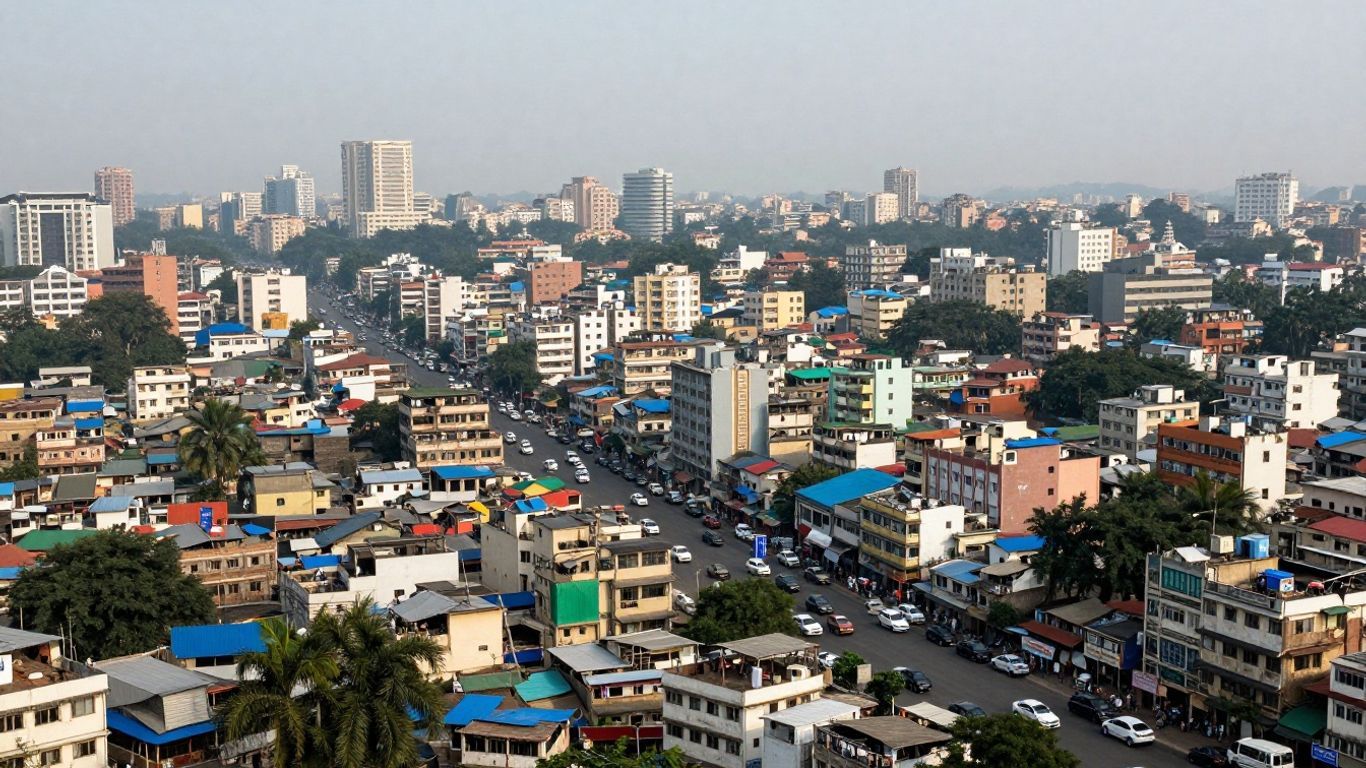
Dhaka, the capital of Bangladesh, is an urban center that genuinely pulses with an unparalleled vitality. It’s a place where deep-rooted history seamlessly intertwines with the present, fueled by a population that’s perpetually in motion. This burgeoning megacity stands as a major hub for both commerce and culture within its region.
Dhaka's expansion has been remarkably rapid, solidifying its status as one of the most densely populated locales on Earth. What does this mean for daily life? It implies a pace that is often fast and dynamic, where you'll encounter a fascinating blend of old and new, from venerable Mughal-era edifices to sleek, modern high-rises.
Here are a few distinctive features that highlight Dhaka's unique character:
- A Bustling Economy: Dhaka serves as the economic heart of Bangladesh, vigorously driving much of the country's industry and trade.
- Rich Cultural Heritage: The city boasts an extensive history, vividly expressed through its captivating architecture, enduring traditions, and vibrant arts scene.
- Dense Population: As one of the world's most sizeable cities, Dhaka navigates both the intrinsic challenges and the remarkable opportunities that arise when a vast number of people live in such close proximity.
The sheer energy of Dhaka is truly palpable—it’s a city that simply refuses to stand still, constantly evolving and adapting to the diverse needs of its millions of residents. Navigating its streets can certainly be an adventure, but it’s an integral part of experiencing this incredible urban center.
To truly understand Dhaka is to consider its people, its ongoing development, and its significant role in the broader global context. It’s a city that continues to grow and, in doing so, shapes its own compelling future.
Read More: mogadishu km square
3. Tokyo
Tokyo, Japan's capital, is an expansive metropolis that consistently ranks among the world's most populous urban areas. It's a place where futuristic skyscrapers stand in elegant juxtaposition with ancient temples, thereby forging an utterly unique urban landscape. This city serves as a major global nerve center for finance, culture, and technology, attracting individuals from every corner of the world with its myriad opportunities and exceptionally vibrant lifestyle.
Tokyo's sheer scale is nothing short of impressive, with its metropolitan area accommodating tens of millions of people—a fact that solidifies its status as a significant economic powerhouse and an undeniable hub for innovation.
Here are a few aspects that truly distinguish Tokyo:
- Advanced Public Transportation: The city proudly features one of the most efficient and extensive public transport systems globally, making navigation remarkably straightforward for residents and visitors alike.
- Culinary Delights: From its plethora of Michelin-starred restaurants to its charming, tiny street food stalls, Tokyo presents an astonishing array of dining experiences suitable for every palate.
- Cultural Richness: Tokyo masterfully preserves its rich history through numerous temples, shrines, and traditional arts, all while enthusiastically embracing modern pop culture.
The constant, low hum of activity and the sheer density of its populace create an energy that is difficult to replicate elsewhere. It is, unequivocally, a city that never truly sleeps, always offering something fresh and new to explore.
When considering other large urban centers, it's quite interesting to observe how cities like Shanghai also feature prominently on global population lists, each possessing its own distinct character and unique economic drivers.
4. New Delhi
New Delhi, India's capital, is a truly massive urban center that continues its impressive trajectory of growth. It's not merely a political nexus, but also a significant economic and cultural force in its own right. The city's population density is extraordinarily high, giving rise to an urban environment that is both dynamic and, at times, wonderfully chaotic.
The sheer magnitude of New Delhi's population renders it a critical subject of study for urban planners across the globe. Its ongoing growth presents a fascinating duality of both immense opportunities and formidable challenges—ranging from the necessity of infrastructure development to the intricate task of managing resources for its millions of residents.
Here are a few compelling characteristics that distinguish New Delhi:
- Historical Significance: This is a city with profoundly deep roots, where ancient history beautifully intertwines with modern development. This unique blend is palpable in its architecture and the very fabric of daily life.
- Economic Activity: New Delhi stands as a major epicenter for business, finance, and various services within India. Indeed, many national and international companies have chosen to establish a significant presence here.
- Cultural Melting Pot: The city acts as a magnet, drawing people from all over India and the wider world, thereby fostering a rich amalgamation of traditions, languages, and culinary experiences.
The rapid expansion of New Delhi implies that managing essential services like transportation, housing, and sanitation is a continuous, monumental effort. The city is perpetually adapting to accommodate its burgeoning population and evolving needs.
Understanding the intricate dynamics of cities such as New Delhi is absolutely crucial for grasping the future trajectory of urban development on a global scale. Its narrative is one of ceaseless change and remarkable adaptation.
5. Shanghai
Shanghai distinctly stands out as one of China’s most dynamic and densely populated cities. By 2026, experts anticipate Shanghai’s population will approach an impressive 25 million residents, unequivocally positioning it among the most populous cities worldwide. While the city itself stretches expansively along the coast, its numerous neighborhoods invariably feel packed with an energy that simply never wanes.
Let’s take a concise look at Shanghai’s population figures and a few pivotal facts:
| Year | Estimated Population |
|---|---|
| 2020 | 24.3 million |
| 2026 | 25 million+ |
A few defining features contribute to Shanghai’s distinct character:
- It functions as a global financial center, with towering skyscrapers dramatically defining its iconic skyline.
- The city masterfully blends its colonial heritage with ultra-modern development, perhaps best exemplified by the historic Bund facing the futuristic skyscrapers of Pudong.
- Public transportation is not only extensive but also continually expanding to meet escalating demand, boasting one of the world’s most expansive metro networks.
To live in Shanghai means anticipating change almost annually—new neighborhoods sprout, older districts undergo modernization, and one is never short of options for culinary exploration, engaging activities, or burgeoning business ventures.
6. Guangzhou
Guangzhou, a major city nestled in southern China, stands as an undeniable powerhouse of commerce and culture. It proudly holds the distinction of being one of the country's oldest port cities, boasting a rich history of trade that spans over two millennia. Today, it operates as a bustling metropolis, playing a pivotal role in China's robust economy, particularly through its formidable manufacturing and export industries.
The city serves as a key hub within the Pearl River Delta—a region universally recognized for its rapid development and intense economic activity. Guangzhou's strategic geographical location has historically cemented its position as a vital center for international trade for centuries, and that importance, thankfully, persists with vigor today.
Here's an overview of some integral aspects of Guangzhou:
- Economic Significance: Guangzhou is a primary manufacturing and trading epicenter. It notably hosts the Canton Fair, one of the largest trade fairs globally, which draws buyers and sellers from every corner of the world.
- Transportation Hub: The city boasts an exceptionally well-developed transportation network, encompassing a major international airport, a continually busy port, and an extensive subway system, which collectively facilitate effortless movement within the city and seamless connections to other parts of China and beyond.
- Cultural Heritage: Despite its embrace of modern development, Guangzhou meticulously preserves a rich cultural heritage. Visitors are encouraged to explore its numerous historical sites, savor traditional Cantonese cuisine, and immerse themselves in the city's vibrant local arts scene.
Guangzhou's sustained growth and its strategic position as a global trade center unequivocally solidify its place among the world's most significant cities.
The city's dynamic fusion of deep historical roots and ambitious modern aspirations renders it a truly fascinating location to observe urban development and global commerce in vivid action.
7. Mumbai
Mumbai, frequently hailed as India's financial capital, is a truly massive city that perpetually expands its reach. It’s a place where aspirations are relentlessly pursued, and the ambient energy invariably runs high. Picture bustling streets, an incredible culinary scene, and a pace of life that can be quite intense—indeed, it’s a city that keeps you on your toes.
This sprawling metropolis functions as a vibrant hub of economic activity and profound cultural diversity.
Here are a few key characteristics that make Mumbai undeniably stand out:
- Economic Powerhouse: It is home to the Bombay Stock Exchange and the corporate headquarters of numerous prominent Indian corporations. A significant portion of the nation's wealth, one might say, flows through this very city.
- Bollywood's Home: For film aficionados, it's widely known that Mumbai is the epicenter of the Indian film industry, Bollywood, which constitutes an enormous part of the city's identity.
- Coastal Charm: Given its advantageous coastal location, Mumbai boasts an extensive shoreline, including the iconic Marine Drive, offering a welcome respite from the city's ceaseless hustle.
Life in Mumbai is a captivating blend of the ancient and the contemporary. You'll often discover historic buildings standing proudly beside sleek, modern skyscrapers. The local trains are legendary for their capacity to become incredibly crowded, yet they remain the lifeline for millions of commuters daily. It is, without a doubt, a city that genuinely never sleeps.
Mumbai's sheer scale naturally presents challenges, such as effectively managing its dense population and intricate infrastructure. Yet, its inherent spirit and remarkable resilience are utterly undeniable.
8. Beijing
Beijing, the esteemed capital of China, is a truly massive city whose population continues its impressive ascent. It's not merely a political epicenter; it also serves as a colossal hub for culture, education, and business. Here, you can observe ancient history majestically juxtaposed with the sleek lines of modern skyscrapers.
The city stands as a major player in China's formidable economy and exerts a significant influence on the global stage.
Beijing's development has been remarkably swift. It's a place where millions of people reside, work, and pursue their studies. Navigating the city can, at times, present a challenge, but its public transport system, particularly the extensive subway network, is exceptionally efficient, facilitating the movement of vast numbers of people every single day.
Here are a few compelling aspects that make Beijing uniquely prominent:
- Historical Significance: Home to world-famous sites such as the Forbidden City and the Temple of Heaven, unequivocally showcasing its profound historical lineage.
- Economic Powerhouse: A pivotal center for finance, technology, and trade not just in China, but globally.
- Educational Hub: It proudly hosts many of China's premier universities and cutting-edge research institutions.
- Cultural Melting Pot: A place where age-old traditions meet contemporary urban life, offering an unparalleled cultural experience.
Beijing, like many large urban areas, faces challenges common to megacities, such as effectively managing vast resources, mitigating pollution, and ensuring comprehensive services for its immense population. The city is actively implementing solutions to enhance air quality and refine its urban planning strategies.
It’s a city that’s constantly evolving, perpetually busy, and undoubtedly one of the most important places in the world today.
9. Kolkata
Kolkata, also known historically as Calcutta, is undoubtedly one of the largest cities in eastern India and continues to expand its footprint annually. As of 2026, its population is estimated to reach nearly 20 million, firmly establishing it as a major urban center not only within India but also on the global stage. Kolkata is widely celebrated for its distinctive blend of historical architecture, esteemed cultural institutions, and vibrant, bustling markets.
Here are a few salient points concerning Kolkata's considerable size and influence:
- Kolkata functions as a crucial business and cultural hub for the entirety of eastern India.
- The city’s robust public transport system—most notably its metro and extensive bus network—efficiently conveys millions of passengers on a daily basis.
- Kolkata’s urban sprawl encompasses diverse areas like Howrah and Salt Lake City, effectively blending historic neighborhoods with burgeoning modern districts.
| Year | Estimated Population |
|---|---|
| 2020 | 18.1 million |
| 2023 | 19.2 million |
| 2026 | 20 million |
Despite frequently encountering challenges like seasonal floods and persistent traffic jams, Kolkata’s profound sense of community keeps its residents deeply connected. In fact, locals are quite accustomed to the constant noise, the daily challenges, and the palpable energy that imbue the city with an undeniable aliveness every single day.
Kolkata truly distinguishes itself with its lively street food scene, a calendar brimming with annual festivals, and an intense passion for sports like cricket and soccer. For anyone visiting or choosing to reside there, it unequivocally offers a unique and unforgettable experience.
10. Karachi
Karachi, Pakistan's largest city, is a truly massive urban center that continues its impressive growth trajectory. It serves as a major economic hub for the nation, boasting a bustling port that handles a considerable volume of international trade. The city itself presents a fascinating mosaic of old and new, with historic districts existing alongside modern, burgeoning developments.
Karachi's remarkable population growth is primarily fueled by a combination of natural increase and sustained migration. People are drawn here in search of employment and enhanced opportunities, which, while placing demands on resources, also invigorates the city's dynamic energy. It's a place where you can find virtually anything, from humble street food stalls to expansive shopping malls.
Here are a few key characteristics that define Karachi:
- Economic Engine: It stands as the financial capital of Pakistan, home to numerous industries and businesses.
- Cultural Melting Pot: Owing to its rich history and diverse migratory patterns, Karachi hosts a varied populace with a multitude of languages and traditions.
- Coastal Location: Strategically situated on the Arabian Sea, it boasts a significant coastline and plays a crucial role in maritime activities.
The sheer scale of Karachi means that effectively managing its intricate infrastructure and essential services is a constant, formidable challenge. Providing adequate housing, efficient transportation, and reliable utilities for millions of residents demands ongoing effort and meticulous planning.
Understanding Karachi requires an appreciation of its rapid expansion and the relentless efforts underway to meet the evolving needs of its residents. It's a city that’s perpetually in motion.
11. Cairo
Cairo, the sprawling capital of Egypt, is a city that pulses with a profound blend of ancient history and vibrant modern life. It's a place where millennia-old wonders meet the ceaseless hustle of a major global metropolis. As one of the largest urban centers across both Africa and the Middle East, Cairo serves as a significant hub for culture, politics, and commerce.
The sheer magnitude of Cairo's population firmly establishes it as a vital player in global urban discussions. Its continuous growth presents a compelling mix of both opportunities and significant challenges, particularly in crucial areas like infrastructure development and resource management.
Here are some key aspects that shape Cairo's distinctive urban landscape:
- Historical Significance: Home to iconic ancient Egyptian monuments and a rich Islamic heritage, Cairo continues to attract millions of visitors eager to explore its storied past.
- Economic Engine: The city is undeniably Egypt's primary economic center, boasting diverse industries that range from finance and manufacturing to tourism and cutting-edge technology.
- Cultural Melting Pot: Cairo stands as a vibrant epicenter for arts, music, and literature, beautifully reflecting centuries of varied influences.
- Urban Development: Ongoing projects are strategically aimed at managing the city's rapid expansion and enhancing living conditions for its vast populace.
Cairo's strategic location along the mighty Nile River has, throughout history, positioned it as a focal point of trade and power. Today, it steadfastly remains a crucial center for regional development and international engagement.
12. Sao Paulo
Sao Paulo stands as the largest city in Brazil and one of the most densely populated urban centers on earth. As of 2026, it’s projected to boast a population approaching 21.5 million residents. The city unequivocally serves as South America's financial hub, taking a leading role in industries, finance, and culture across the entire region.
Here's a concise snapshot of Sao Paulo's population data:
| Year | Population (Millions) |
|---|---|
| 2020 | 21.2 |
| 2026 | 21.5 |
A few defining characteristics make Sao Paulo truly distinctive:
- It is home to people from every corner of Brazil and indeed, the world, which fosters a rich and vibrant blend of cultures and traditions.
- The city’s economic prowess stems from robust industries in key sectors such as banking, manufacturing, and a diverse array of services.
- Urban sprawl remains a serious challenge, bringing with it pressing issues related to persistent traffic jams, housing shortages, and the complexities of public transport.
While daily life in Sao Paulo is invariably bustling, residents frequently highlight a profound spirit of community and a thriving street culture that collectively make urban living here exceptionally unique.
Even as it continues its expansive growth, Sao Paulo remains committed to addressing critical challenges, particularly in enhancing its transport infrastructure and striving to improve the quality of life for everyone within its crowded neighborhoods. The city’s booming population means these efforts are more critical than ever.
13. Mexico City
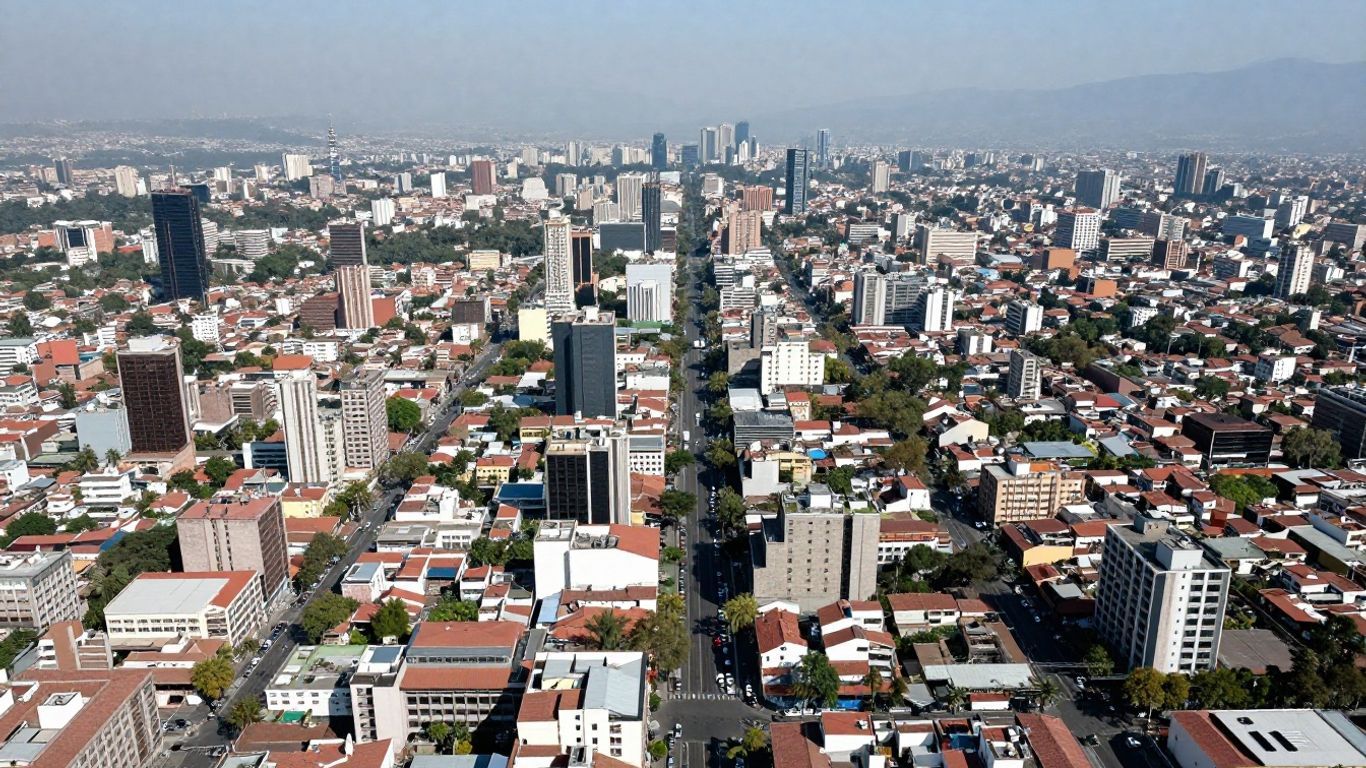
Mexico City, the vibrant capital of Mexico, stands as a profound testament to both human resilience and remarkable urban development. It's a sprawling metropolis that has expanded over centuries, impressively built upon the very foundations of the ancient Aztec city of Tenochtitlan. Today, it proudly serves as a global hub for culture, finance, and education, drawing individuals from virtually every corner of the world.
The sheer magnitude of Mexico City's population unequivocally establishes it as one of the most significant urban centers globally. Its metropolitan area is an intricate network of interconnected communities, each possessing its own unique character and fascinating history. Furthermore, the city's high altitude—situated as it is in a valley surrounded by majestic mountains—bestows upon it a distinct climate and an altogether unique urban landscape.
Here are a few pivotal aspects that define Mexico City's urban profile:
- Historical Depth: The city's historical center, a proud UNESCO World Heritage site, beautifully showcases remnants of its pre-Hispanic and colonial past, including the iconic Templo Mayor and the magnificent Metropolitan Cathedral.
- Cultural Melting Pot: As a major global destination, Mexico City is a vibrant amalgamation of indigenous traditions and powerful modern influences, vividly reflected in its art, music, cuisine, and countless festivals.
- Economic Engine: It functions as the primary economic and financial center for Mexico, hosting numerous multinational corporations and vigorously driving significant economic activity.
- Transportation Network: The city boasts an impressively extensive public transportation system, including one of the world's busiest metro systems, which is absolutely vital for moving its vast population efficiently.
Mexico City's continuous growth and ongoing development present an enduring set of challenges and opportunities, particularly in crucial areas like infrastructure, housing, and environmental sustainability. Its inherently dynamic nature means it is always, wonderfully, evolving.
With a population that continues its upward trend, Mexico City remains a captivating case study in megacity dynamics, skillfully balancing its rich heritage with the pressing demands of a modern, rapidly expanding urban environment.
14. Osaka
Osaka, Japan, functions as a major economic hub and a vibrantly bustling metropolis that consistently ranks among the world's most populous urban areas. It's widely celebrated for its striking modern architecture, a truly delicious food scene, and an irresistibly lively atmosphere.
The city's formidable population is an undeniably significant factor in its global standing. Osaka is an integral part of the Keihanshin metropolitan area, which also incorporates Kyoto and Kobe, collectively forming one of the largest urban agglomerations on the planet.
Here's a closer look at some key aspects of Osaka's character:
- Economic Powerhouse: Osaka boasts a long and storied history as a pivotal center for trade and commerce, stretching back for centuries. Today, it proudly hosts numerous multinational corporations and remains a key player in Japan's robust economy.
- Cultural Richness: From ancient temples like Shitennoji to cutting-edge modern art museums, Osaka offers an incredibly diverse cultural experience. The Dotonbori district, with its dazzling bright lights and tantalizing street food, serves as an iconic symbol of the city's palpable energy.
- Culinary Delights: Often affectionately dubbed "Japan's Kitchen," Osaka is a genuine paradise for food lovers. Local specialties, such as takoyaki (savory octopus balls) and okonomiyaki (a delightful savory pancake), are simply not to be missed.
Osaka's strategic location within the Kansai region has, throughout history, always positioned it as a crucial gateway for both domestic and international exchange, significantly contributing to its dense population and enduring economic importance.
15. Istanbul
Istanbul, a magnificent city quite literally straddling two continents—Europe and Asia—is a truly massive urban center with a population that continues its impressive ascent. It's a place where ancient history seamlessly converges with vibrant modernity, and that very energy is wonderfully reflected in its sheer, awe-inspiring size.
The city's unequivocally unique geographical position has, for millennia, rendered it a significant hub for trade and culture. This inherent advantage has played a substantial role in fostering its dense population over many centuries.
Here's a glimpse at some key aspects concerning Istanbul's populace:
- Historical Significance: Istanbul has proudly served as a capital city for formidable empires like the Byzantine and Ottoman, thereby attracting people for countless generations.
- Economic Magnet: Its pivotal role as a major economic and financial center within Turkey draws individuals from across the country and beyond, all seeking promising opportunities.
- Cultural Melting Pot: The city's incredibly vibrant arts scene, its wonderfully diverse neighborhoods, and its rich heritage collectively make it an exceptionally attractive place to reside.
Istanbul's population isn't merely a statistic; rather, it represents a dynamic and ever-evolving mix of cultures, cherished traditions, and soaring aspirations, all coexisting harmoniously in one of the world's most historically rich metropolises. The constant influx of people, whether for work or to immerse themselves in its unique charm, keeps the city perpetually bustling and endlessly evolving.
As of 2026, Istanbul stands as a powerful testament to urban development and population density—a truly global city with an indelible footprint that expansively spans continents.
16. Delhi
Delhi, the capital territory of India, is an undeniably massive urban area that consistently ranks among the world's most populous cities. It isn't just a singular city, but rather a sprawling metropolis that encompasses New Delhi, the official capital, alongside numerous surrounding urban centers that have organically coalesced over time. This makes precisely defining its exact population a nuanced endeavor, as varying sources might consider slightly different geographical boundaries.
The National Capital Territory (NCT) of Delhi functions as a vibrant hub of activity, skillfully blending ancient history with impressive modern development. It's a place where you can discover historical monuments nestled beside bustling markets and soaring high-rise buildings. The city's rapid and sustained growth is primarily fueled by migration from rural areas and smaller towns, with individuals universally seeking improved opportunities.
Here's a concise overview of some key aspects pertinent to Delhi's population:
- Population Growth: Delhi has experienced truly significant population increases over recent decades, positioning it as one of the fastest-growing megacities globally.
- Density: The sheer volume of people naturally leads to considerable population density, especially within specific districts, which, in turn, presents complex challenges for infrastructure and essential services.
- Demographics: The city is a vibrant melting pot of diverse cultures and languages, vividly reflecting its esteemed status as a national capital and a major economic center.
Delhi's immense size naturally means it grapples with complex issues related to housing provision, efficient transportation networks, and comprehensive environmental management. Planning for such a vast and continuously growing population demands constant adaptation and innovative solutions to maintain a decent quality of life for all its residents.
17. Lagos
Lagos, Nigeria, is a city that has experienced truly remarkable growth—and it's not just a major hub for Nigeria, but for the entire West African region as well. Picture it as a bustling epicenter for business, culture, and, quite frankly, a vast number of people.
The city's population has been climbing steadily, solidifying its position as one of the fastest-growing urban areas on a global scale. This rapid expansion, predictably, brings with it a unique set of both challenges and opportunities, profoundly shaping the daily lives of millions.
Here's a quick glimpse at some key facets of Lagos:
- Economic Engine: Lagos serves as Nigeria's financial capital. Many prominent companies, both local and international, have chosen to establish their headquarters here. This robust economic activity naturally draws people from all corners of the country and beyond, all seeking employment and a better life.
- Cultural Melting Pot: You'll discover a wonderfully vibrant mix of cultures and languages in Lagos. This rich diversity is beautifully reflected in its ever-evolving music, art, food, and fashion scenes.
- Infrastructure Demands: With such an enormous population, the city's infrastructure—including transportation and housing—is perpetually under pressure. City planners and residents are continually striving to keep pace with the escalating demand.
Lagos is, without a doubt, a city that truly never sleeps. Its energy is palpable—a captivating blend of ambition, creativity, and the everyday hustle of millions striving to make their way.
Understanding Lagos necessitates examining its dynamic population, its potent economic drive, and the ongoing efforts to skillfully manage its growth. It's a city that’s constantly in motion.
18. Kinshasa
Kinshasa, the capital of the Democratic Republic of the Congo, is a truly massive urban center gracefully situated on the Congo River. It proudly stands as one of the largest cities in Africa and is currently experiencing a period of exceptionally rapid growth. The city's population is confidently projected to sustain its upward trajectory, thereby establishing it as a significant megacity on the global stage.
Kinshasa thrives as a vibrant hub of culture and commerce, though it admittedly confronts many challenges common to rapidly expanding urban areas within developing nations. These include, but are not limited to, the critical need for infrastructure development, the creation of sufficient employment opportunities, and ensuring equitable access to essential services for its burgeoning population.
Here are some pivotal aspects that define Kinshasa:
- Economic Activity: The city functions as the economic heart of the DRC, characterized by a diverse range of industries where informal markets play an especially significant role.
- Cultural Significance: Kinshasa is widely recognized as a major center for music and arts throughout Central Africa, boasting an incredibly rich cultural heritage.
- Urban Challenges: Like many megacities, Kinshasa grapples with complex issues such as managing rapid urbanization, providing adequate housing, and effectively overseeing its public transportation systems.
The sheer scale of Kinshasa's population growth vividly underscores the dynamic demographic shifts currently unfolding across the African continent, presenting both immense opportunities and significant, immediate planning needs for the future.
19. Bangkok
Bangkok, the vibrant capital of Thailand, is an expansive metropolis that consistently ranks among the world's most populous cities. It's a place where ancient traditions gracefully meet modern life, collectively crafting a truly unique urban experience.
The city's impressive and rapid growth serves as a testament to its undeniable economic importance and profound cultural appeal. As a major hub for business, tourism, and transportation across Southeast Asia, Bangkok naturally draws individuals from every corner of the region and indeed, the wider world.
Here's a closer look at some key aspects concerning Bangkok's population:
- Population Size: Bangkok's metropolitan area is home to an exceptionally significant number of people, solidifying its status as one of the largest urban centers globally.
- Urbanization: Like many major cities worldwide, Bangkok has undergone substantial urbanization, with a notable migration of people from rural areas into the city in pursuit of opportunities.
- Cultural Melting Pot: The city presents a wonderfully diverse mix of traditional Thai culture and international influences, beautifully reflected in its culinary scene, its numerous festivals, and the rhythm of daily life.
Bangkok's infrastructure is perpetually adapting to support its ever-growing population, with ongoing developments in public transport and urban planning strategically aimed at managing the city's considerable expansion.
20. Moscow
Moscow, the esteemed capital of Russia, is an expansive metropolis that consistently ranks among the world's largest cities by population. It serves as a major political, economic, and cultural hub for Eastern Europe, wielding considerable influence.
The city's population has witnessed steady growth over recent decades, a trend driven by both natural increase and consistent migration. As a truly global city, Moscow attracts individuals from all across Russia and beyond, all seeking opportunities within its diverse and burgeoning industries.
Here's a concise overview of some key aspects pertaining to Moscow's populace:
- Historical Significance: Moscow has proudly served as the center of Russian power for centuries, a historical fact that has profoundly influenced its development and, consequently, its population density.
- Economic Magnet: The city offers an extensive array of employment opportunities, particularly in finance, technology, and government sectors, thereby attracting a vast workforce.
- Cultural Hub: Boasting numerous museums, theaters, and historical sites, Moscow stands as a significant cultural destination, which undeniably contributes to its vibrant and dynamic atmosphere.
Moscow's urban planning has meticulously focused on effectively managing its vast population, with extensive public transportation networks—most notably the iconic Moscow Metro—playing an absolutely vital role in connecting its many districts and facilitating daily life for millions of residents.
Looking Ahead: The Ever-Shifting Urban Landscape
As we've thoroughly explored, the roster of the world's largest cities projected for 2026 presents a remarkably dynamic picture, with many of the top positions confidently held by urban centers across Asia. Jakarta, Dhaka, and Tokyo, for instance, continue to stand out as truly massive population centers. It’s quite insightful to note just how many cities are now home to well over 10 million people, distributed across numerous countries globally. While some cities are experiencing robust and rapid growth, others, particularly in Japan, are actually witnessing a subtle contraction in their populations—an intriguing counter-trend. This constant state of flux vividly illustrates how urban areas are perpetually evolving, consequently presenting both complex challenges and significant opportunities for their inhabitants and, indeed, for the world at large.
Frequently Asked Questions
Which city is expected to be the most crowded in 2026?
Jakarta, Indonesia, is predicted to be the most populous city in the world in 2026, with an estimated 42.46 million people residing there.
How many cities will have over 10 million people in 2026?
In 2026, it's anticipated that 34 cities across the globe will achieve a population exceeding 10 million residents.
Which continent has the most cities with populations over 10 million?
Asia is home to the highest number of cities with populations exceeding 10 million, boasting 21 such urban centers. South America and Africa follow with 4 each.
Are there any cities with shrinking populations?
Yes, indeed, some cities are experiencing a decline in population. Notably, four cities in Japan are among those demonstrating negative population growth rates.
Which city has the fastest growing population?
Damascus, Syria, is projected to exhibit the highest population growth rate in 2026, with an increase of approximately 3.24%.
Besides Jakarta and Dhaka, which other cities have very large populations?
Tokyo and New Delhi are also expected to command populations exceeding 30 million people in 2026. Shanghai and Guangzhou in China likewise feature prominently among the top most populous urban centers.


