
resources
England's City Population: A 2026 Overview
27 Feb 2026

Considering the dynamic landscape of England's cities and their inhabitants? It's a vast and ever-evolving subject, with demographic patterns constantly shifting. This exploration delves into England's city population, particularly as we approach 2026. From the expansive reach of London to its numerous smaller towns, there’s a wealth of information to uncover. Let’s examine the figures and trends shaping the lives of people in England's urban centers.
Key Takeaways
- England's urban areas are meticulously defined by the Office for National Statistics (ONS) into categories such as major, large, and medium built-up areas, each with distinct population thresholds.
- London unequivocally remains the largest urban center, boasting an estimated population exceeding 10.9 million in 2024.
- Prominent cities like Birmingham and Manchester serve as crucial urban hubs, each accommodating millions of residents.
- Population growth throughout the UK, including England, is significantly influenced by factors such as international migration, birth rates, and death rates.
- The prevailing trend indicates a sustained move towards urban living, with the vast majority of the UK's population residing in cities and urbanized regions.
Understanding England's City Population Landscape
When discussing England's cities, it's easy to become overwhelmed by the sheer volume of data. Yet, grasping these statistics is fundamental to comprehending the nation's intricate social and economic fabric. This section aims to elucidate how urban areas are defined and classified, alongside the general migratory patterns of people within them.
Defining Urban Areas and Their Significance
At its core, an urban area represents a concentrated locale where people reside and work. These are far more than mere clusters of buildings; they function as vibrant centers of commerce, culture, and innovation. The Office for National Statistics (ONS) employs specific criteria to delineate these areas, primarily based on the density of built-up land. The profound significance of these urban centers lies in their pivotal role as drivers of economic activity and vital hubs for social interaction. They consistently attract individuals seeking employment, educational advancement, and a particular lifestyle—factors that, in turn, profoundly influence the nation's broader development. A clear understanding of these definitions is essential for interpreting the population data that follows.
Classifications of Built-Up Areas
The ONS systematically categorizes built-up areas by size, a methodological approach that greatly aids in analyzing population distribution. These classifications offer a much clearer perspective on the scale of various urban settlements scattered across England.
- Major: Encompassing populations of 200,000 and above. These typically represent large, bustling cities.
- Large: Featuring populations between 75,000 and 199,999. These can include smaller cities or substantial towns.
- Medium: Ranging from populations of 20,000 to 74,999. Generally, these are medium-sized towns.
- Small: With populations between 5,000 and 19,999. Often comprising larger villages or burgeoning small towns.
- Minor: Covering populations from 0 to 4,999. This category includes hamlets and traditional villages.
This comprehensive tiered system enables a more nuanced examination of where people live, extending well beyond just the largest metropolises. For instance, while London undeniably stands in a class of its own, understanding the populations of significant towns like Luton or Northampton provides a more complete picture of England's diverse urban composition.
The precise manner in which we define and measure urban areas directly impacts our understanding of critical factors such as population density, infrastructure requirements, and economic opportunities. It's not simply a matter of counting individuals; it’s about deciphering the underlying structure of our communities.
Population Trends in English Cities
Broadly speaking, England's cities have experienced notable population shifts over many years. Historically, there has been a consistent migration towards urban living—a trend that continues unabated today. While certain cities undergo rapid expansion, others might observe more gradual increases or even slight declines. These complex trends are shaped by a confluence of factors, including economic opportunities, housing availability, and evolving migration patterns. The ongoing digital transformation, much like the advancements seen in Industry 4.0, also plays a role in how and where people elect to live and work, potentially reshaping urban landscapes for decades to come.
Major Urban Centers and Their Populations
London: The Unrivaled Metropolis
When the conversation turns to cities in England, London is, quite simply, in a league of its own. It transcends its role as the capital, functioning instead as a colossal global hub for finance, culture, and myriad other sectors. Its sheer scale and pervasive influence are truly difficult to overstate. As per the 2021 census, the built-up area of London registered a population exceeding 8.7 million people, establishing it as by far the largest urban center not just in England, but throughout the entire United Kingdom.
London's population continues its upward trajectory, consistently attracting individuals from every corner of the globe. This ceaseless influx, coupled with its profound historical significance and boundless economic opportunities, firmly entrenches its status as a quintessential megacity.
Birmingham and Manchester: Key Urban Hubs
Moving beyond the capital, Birmingham and Manchester emerge as the next most significant urban areas. Birmingham, situated in the West Midlands, is a major city with a rich industrial heritage and a vibrant contemporary presence. Its built-up area population was recorded at over 1.1 million during the 2021 census.
Manchester, located in the North West, represents another powerhouse. Renowned for its immense cultural contributions and impressive economic resurgence, it's a city that commands considerable attention. While precise figures can fluctuate slightly depending on the exact boundaries applied, its population is substantial, frequently cited as comfortably exceeding a million within its broader urban expanse.
These two cities aren't just sizable in terms of population; they are also indispensable economic and cultural engines for their respective regions and, indeed, for the country as a whole.
Leeds, Liverpool, and Southampton: Significant Population Centers
Beyond the top two, several other cities boast substantial populations, fulfilling crucial roles within England's urban fabric. Leeds, in West Yorkshire, stands as a major financial and commercial nexus. Liverpool, gracing the banks of the Mersey, possesses a world-renowned cultural heritage and a burgeoning economy.
Southampton, a vital port city on the south coast, also represents a considerable urban area. These cities, alongside others such as Sheffield, Bristol, and Nottingham, collectively form the very backbone of England's urban landscape, each contributing its unique character and demographic weight to the national picture.
Here's a glimpse at some of these major urban areas and their approximate populations based on recent estimates:
| City | Estimated Population (2024) | Notes |
|---|---|---|
| London | ~10.9 million | Global financial and cultural hub |
| Birmingham | ~2.7 million | Major industrial and commercial center |
| Manchester | ~2.9 million | Cultural and economic hub in the North |
| Leeds | ~1.9 million | Financial services and retail center |
| Liverpool | ~0.9 million | Historic port city, strong cultural identity |
| Southampton | ~0.9 million | Major port and economic center |
The pronounced concentration of population in these major urban centers underscores the persistent trend of urbanization across England, where a significant proportion of the nation's residents both live and work within a relatively select group of large cities.
Population Dynamics Across England's Cities
England's cities are in a perpetual state of flux, with populations consistently growing, diminishing, and relocating. It's not merely about the grand totals; it’s about understanding how these numbers evolve over time and the profound implications for the places themselves.
Growth Patterns in Major Cities
Many of England's larger urban areas have witnessed consistent population increases over the past few decades. This growth, however, isn't uniform. Some cities are expanding at a rapid pace, drawing in new residents, while others are experiencing more modest gains or even slight contractions. This intricate dynamic is influenced by a blend of factors, ranging from robust job opportunities to the critical availability of housing.
Population Estimates for 2024
A review of the most recent estimates for 2024 offers a current snapshot of the situation. London, as anticipated, maintains its position as the most populous city by a considerable margin. Following closely are major hubs like Birmingham and Manchester, which continue to attract large numbers of people. Other significant centers such as Leeds, Liverpool, and Southampton also exhibit substantial populations, reflecting their roles as economic and cultural pillars.
Here’s a detailed look at some of the leading urban areas based on recent estimates:
| Rank | City | Estimated Population (2024) |
|---|---|---|
| 1 | London | 10,914,333 |
| 2 | Manchester | 2,857,875 |
| 3 | Birmingham | 2,685,039 |
| 4 | Leeds | 1,931,411 |
| 5 | Liverpool | 927,000 |
| 6 | Southampton | 917,596 |
| 7 | Newcastle | 824,390 |
| 8 | Nottingham | 784,649 |
| 9 | Sheffield | 721,879 |
| 10 | Bristol | 712,984 |
Historical Population Data and Trends
To truly grasp current population dynamics, it’s imperative to look back. Census data from preceding years unveils compelling long-term trends. For example, the profound shift from rural to urban living has been a consistent narrative for many decades. While the pace may fluctuate, the general movement towards cities for both work and lifestyle continues to indelibly shape England's demographic map.
The intricate interplay between natural population change (births and deaths) and migration (both international and internal) fundamentally drives the overall population figures across England's cities. Discerning these components helps explain precisely why some areas are flourishing while others are experiencing stagnation or decline.
Key components influencing these significant shifts include:
- Natural Change: This refers to the difference between the number of births and deaths occurring within a city's population over a given period.
- International Migration: The movement of people into England from other countries, contributing significantly to urban population growth.
- Internal Migration: The movement of people between different regions or cities within England, which can redistribute population density.
These elements combine in complex and unique ways, rendering the population story of each English city distinct.
Regional Population Distribution
Population by County and Administrative Area
England's population is far from uniformly distributed, and examining it by county or administrative area starkly illustrates this reality. Some regions are densely populated, bustling with activity, while others are considerably more spread out. For instance, the South East and the North West typically exhibit higher population counts compared to areas like the North East or specific parts of the East Midlands. These discrepancies aren't merely random occurrences; they are deeply rooted in historical development, the availability of job opportunities, and, crucially, housing supply.
Wondering how some major administrative areas stack up? Here’s a look, based on recent estimates:
| Administrative Area | Estimated Population (Mid-2024) |
|---|---|
| Greater London | 9,123,456 |
| West Midlands | 5,987,654 |
| North West | 7,234,567 |
| South East | 9,456,789 |
| East of England | 6,789,012 |
Note: These figures are illustrative and based on projected trends for mid-2024. Official statistics may vary.
Distribution of Medium-Sized Towns
Beyond the major cities and expansive counties, England is home to a crucial network of medium-sized towns that play an indispensable role in the national population narrative. These towns frequently serve as vital service centers for their surrounding rural areas and can exhibit their own distinct growth patterns. Factors such as excellent transport links, robust local employment, and a desirable quality of life can powerfully draw people to these locales. While some towns might be experiencing steady growth due to new housing developments, others could be observing slower increases or even a decline if key local industries are facing challenges.
- Growth Drivers: The emergence of new businesses, significant infrastructure improvements, and attractive local amenities frequently stimulate population increases in these towns.
- Challenges: Economic downturns, the loss of cornerstone industries, or an aging demographic can regrettably lead to population stagnation or even reduction.
- Connectivity: Proximity to larger cities or major transport routes can profoundly influence a town's population dynamics.
Smaller Towns and Villages: A Closer Look
When we further broaden our perspective, we find England intricately dotted with countless smaller towns and villages. While each might possess a relatively modest population individually, collectively they represent a substantial proportion of the country's residents. These communities frequently foster a strong, palpable sense of local identity. Their population changes can be notably sensitive to factors such as the availability of essential local services—schools, shops, healthcare—the prevailing cost of housing, and the feasibility of commuting to larger employment centers. Some villages, for instance, might experience an influx of younger families seeking a more tranquil lifestyle, while others could be grappling with a gradual decline as younger generations relocate for educational pursuits or career opportunities.
The intricate distribution of people across England forms a complex mosaic, meticulously shaped by centuries of history, profound economic shifts, and continually evolving lifestyle preferences. A nuanced understanding of these regional patterns is absolutely key to grasping the full, intricate picture of the nation's demographic landscape.
Factors Influencing City Population Growth
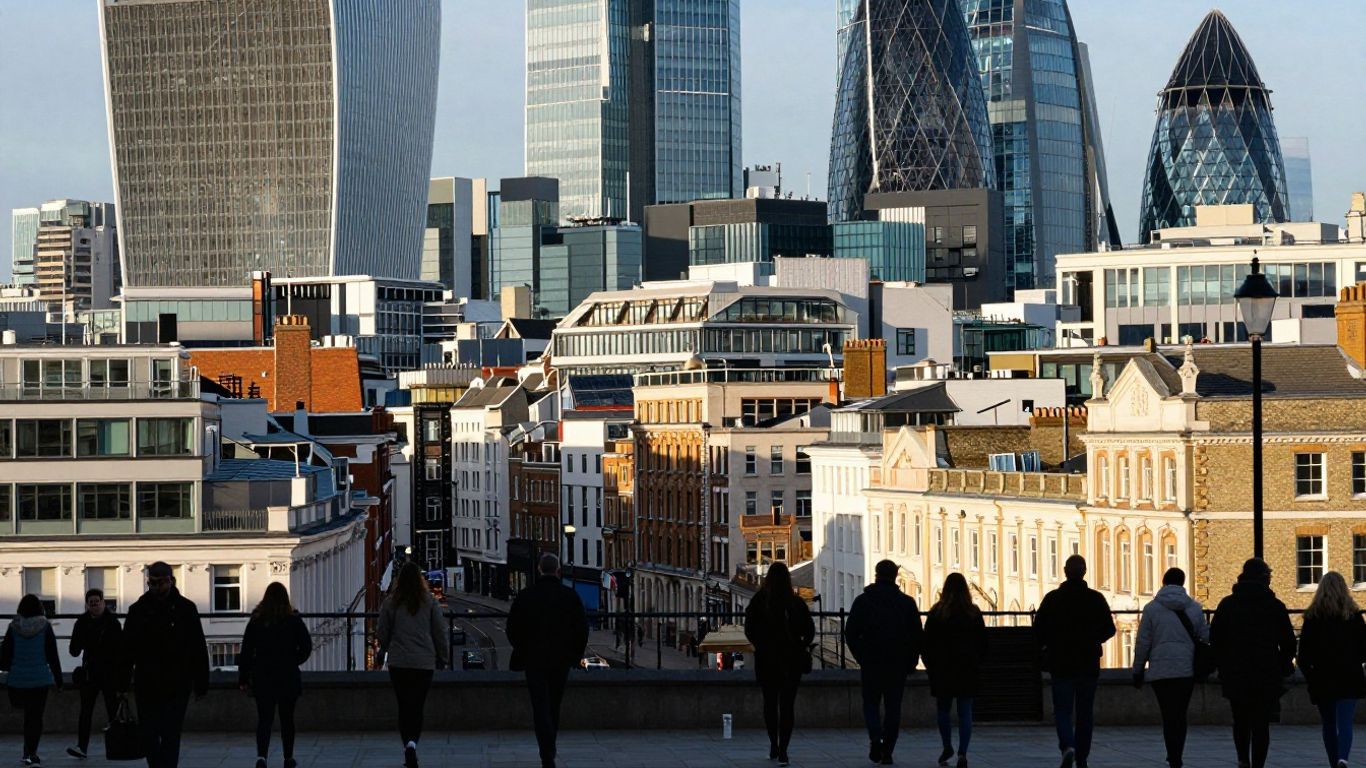
Population growth in England's cities doesn't merely happen by chance. A few primary elements invariably determine why one city might be experiencing a boom while another remains stagnant—or even diminishes. Comprehending these factors is crucial for making sense of the numbers and the ongoing changes anticipated by 2026.
The Role of International Migration
Net migration has unequivocally become the primary driver behind the increasing population in English cities as of mid-2024. Individuals arrive in England seeking work, educational opportunities, or to join family, and they frequently choose to settle in larger urban centers. But migration isn't just about arrivals—when more people move in than move out, that constitutes positive net migration. Conversely, if more individuals choose to depart, overall growth slows down, and a city might even experience a contraction.
| Year | Net International Migration | Approximate Contribution to Growth (%) |
|---|---|---|
| 2023 | 700,000 | 60% |
| 2024 | 650,000 | 55% |
- The majority of migrants tend to establish themselves in major cities such as London, Manchester, and Birmingham.
- The volume of arrivals can shift quite rapidly, particularly following significant policy changes or major global events.
- Migration patterns directly impact critical areas like housing, schooling, and public services within these cities.
The rich tapestry of people and languages found in cities today vividly reflects how international migration profoundly shapes both the culture and the economy in England's vibrant urban areas.
Births, Deaths, and Natural Increase
Natural change, in demographic terms, represents the difference between the number of births and deaths within a population. If births consistently outpace deaths, the city experiences internal growth. In some English cities boasting younger populations, this dynamic helps sustain steady growth. However, in others—particularly those with an older average age—deaths can unfortunately outnumber births for prolonged periods. This trend is, in fact, currently observed in certain regions of England.
- Urban areas that successfully attract young families typically see more births, thereby bolstering their population figures.
- Conversely, cities with a significant proportion of older adults may experience a higher number of deaths, which can consequently reduce overall growth.
- Recent years have indicated a trend of lower fertility rates, leading to more modest increases attributable to natural change.
Economic and Social Opportunities
Economic factors have consistently been a powerful catalyst for population growth.
- Cities with robust job markets unfailingly draw newcomers, both from other parts of the UK and from abroad.
- Access to prestigious universities and superior healthcare facilities naturally attracts younger individuals and families.
- A diverse economy, spanning from finance in London to burgeoning tech sectors in Manchester, generates a spectrum of opportunities and appeals to distinct demographic groups.
However, when employment prospects diminish or living costs become prohibitive, individuals sometimes begin to seek better opportunities elsewhere—or simply opt for a smaller city or town.
When new industries emerge or social services experience significant improvements, people often become more inclined to relocate, which fundamentally alters the population narrative in ways that become distinctly evident when analyzing city numbers over time.
Key Takeaways
- International migration currently stands as the foremost driver of city population growth.
- Birth and death rates (natural change) play a comparatively smaller yet still crucial role, particularly in cities characterized by young families.
- Economic and social opportunities, ranging from job availability to improved living conditions, ultimately dictate where people choose to reside—and these choices are continually reshaping how cities across England expand and contract.
Future Outlook for England's City Populations
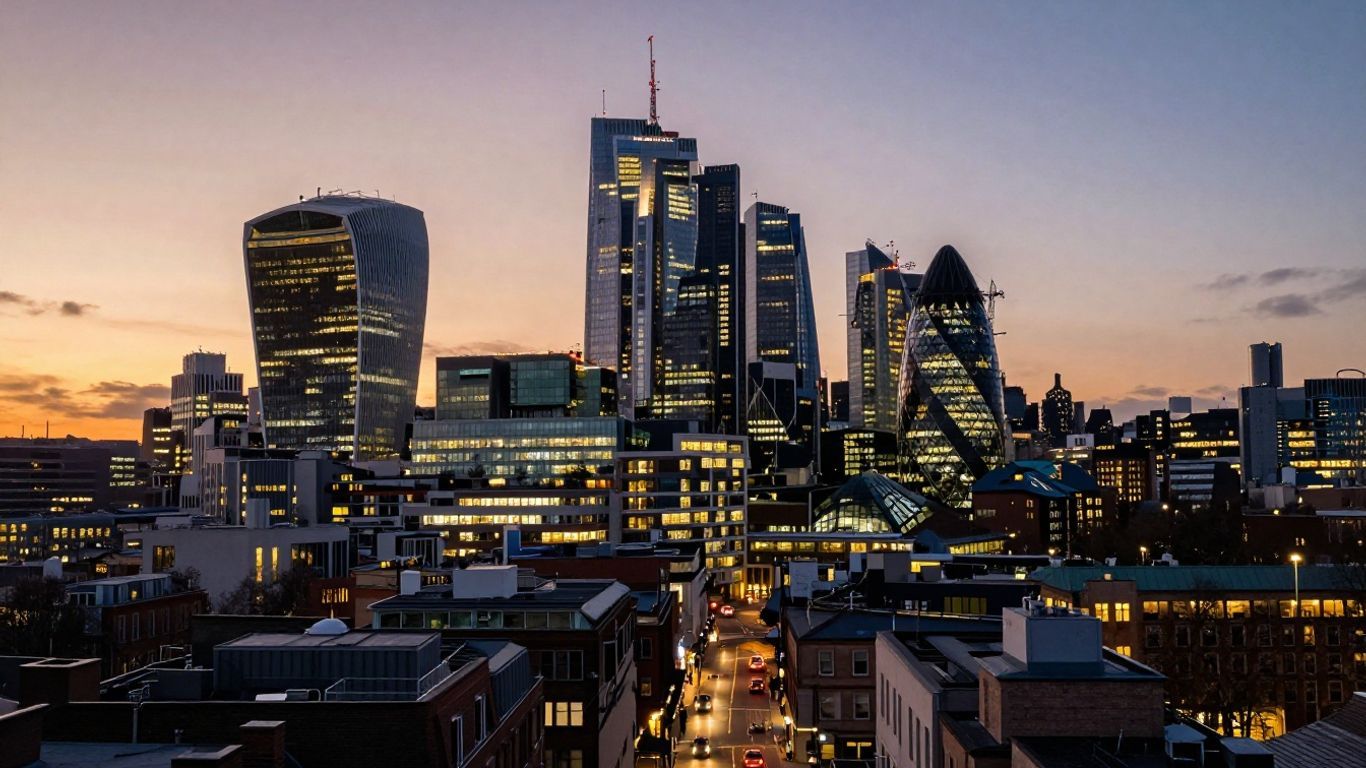
Looking towards the horizon, the population landscape of England's cities is undeniably poised for continued evolution. Several critical factors are expected to shape how our urban centers develop and transform over the forthcoming years. A clear understanding of these impending trends is absolutely vital for effective planning and strategic development.
Projected Population Changes
Estimates suggest that the majority of prominent English cities will experience some degree of population growth, though the pace of this expansion may vary significantly. London, as anticipated, will likely retain its status as the most populous city, but its growth rate might well moderate compared to smaller or mid-sized cities undergoing substantial regeneration or experiencing economic booms. Conversely, some cities could observe slower growth or even slight declines due to contributing factors such as an aging population and persistently lower birth rates.
Here’s a snapshot of potential shifts:
- Continued Urbanization: The long-standing trend of individuals migrating from rural areas to cities is expected to persist, primarily driven by the ongoing quest for employment and diverse lifestyle opportunities.
- Regional Disparities: Growth will not be uniform across the board. Cities in the South East may continue to exhibit robust growth, while some in the North or Midlands might experience more modest increases or focus intently on population retention strategies.
- Impact of Housing and Infrastructure: The critical availability of affordable housing and the strategic development of efficient transport links will undeniably play a significant role in a city's capacity to attract and, crucially, retain residents.
The Impact of Urbanization Trends
Urbanization transcends mere numerical growth; it fundamentally alters how cities function and how they adapt. We are witnessing a palpable shift towards more integrated living and working environments, accompanied by a greater emphasis on green spaces and sustainable transport solutions. Indeed, the very definition of a 'city' might broaden, increasingly encompassing surrounding commuter towns and villages that are becoming ever more intrinsically linked to the urban core. What does this mean for our communities?
The persistent movement towards urban living is a universal phenomenon, and England is certainly no exception. This overarching trend reshapes not only where people choose to reside but also how they interact with their environment and with each other, influencing everything from localized economies to intricate social structures.
Data Sources and Methodologies
Forecasting future population changes relies heavily on a robust combination of data. Official statistics from authoritative bodies like the Office for National Statistics (ONS) provide the foundational bedrock, leveraging comprehensive census data and regular population estimates. These are frequently augmented by sophisticated projections that model various scenarios based on evolving birth rates, death rates, and intricate migration patterns. A clear understanding of these methodologies is essential for interpreting the figures with appropriate context—for instance, projections regarding mortgage rates, which can significantly influence where people decide to live, suggest a gradual increase, potentially impacting housing demand in specific areas [c101].
| City | Estimated 2024 Population | Projected Change (Next 5 Years) | Key Influencing Factors |
|---|---|---|---|
| London | ~10.9 million | Moderate growth | International migration, housing affordability |
| Manchester | ~2.8 million | Strong growth | Economic development, regeneration projects |
| Birmingham | ~2.7 million | Moderate growth | Infrastructure investment, job creation |
| Leeds | ~1.9 million | Steady growth | Education sector, service industry expansion |
| Southampton | ~0.9 million | Slight growth | Port activity, tourism, regional connectivity |
Looking Ahead: England's Cities in 2026
As we conclude this exploration of England's cities, it becomes abundantly clear that population shifts are a constant, defining feature of the landscape. From the vibrant, bustling thoroughfares of London to the steadily growing towns scattered across the country, these demographic changes fundamentally shape our communities. A nuanced understanding of these trends helps us discern not only where people are choosing to live but also the underlying reasons driving those decisions. The available data consistently indicates a continued gravitation towards urban centers, propelled by the lure of jobs, educational opportunities, and a desirable lifestyle. As we cast our gaze towards 2026, these established patterns are highly likely to persist, influencing everything from the provision of local services to national strategic planning. It is, undeniably, a dynamic and complex picture, and keeping a close watch on these developments offers us a far better grasp of England's ever-evolving human geography.
Frequently Asked Questions
What is the total population of England?
As of mid-2024, the population of England is estimated to be approximately 58.6 million individuals. This figure has shown consistent growth over the past several years.
Which are the biggest cities in England?
London stands as the largest city by a considerable margin, home to well over 10 million people. Other significant urban centers include Birmingham, Manchester, Leeds, and Liverpool, each accommodating millions of residents within their wider urban areas.
How is the population of England's cities changing?
Many of England's cities are experiencing notable population growth. This increase is propelled by a combination of factors, including internal migration from other areas of the UK and international migration. Some smaller towns and villages are also expanding, albeit at a more moderate pace.
What are the main reasons people move to cities in England?
Individuals are primarily drawn to cities due to the abundance of job opportunities, superior educational institutions, and the vibrant cultural and lifestyle experiences they afford. Cities frequently offer a greater diversity of industries and services, making them highly attractive places to live and work.
Are there different ways to define a 'city' or 'urban area' in England?
Indeed, there are various definitions employed. Official bodies such as the Office for National Statistics (ONS) define 'built-up areas' based on the continuous development of land. These definitions help categorize areas ranging from major metropolises down to smaller towns and villages, each characterized by its specific population size.
Where can I find more detailed population data for England's cities?
For comprehensive and authoritative population data, official sources like the UK Office for National Statistics (ONS) provide detailed estimates and census information. Additionally, websites such as citypopulation.de offer compiled data on various urban areas and their respective populations.


