
resources, healthcare sustainability
Essential Tips for First-Time Pet Owners
10 Feb 2026

Bringing home a pet feels exciting and a little chaotic. The first weeks set patterns for health, behavior, and trust. A few smart choices early can prevent common problems later. Think of this guide as a starter plan for dogs and cats, with options for different homes and schedules.
Start With A Realistic Commitment
Pets need steady time, money, and attention. Food, routine vet care, and basic supplies add up fast, and surprise costs show up at the worst moments. A simple monthly budget and a small emergency fund can take a lot of stress out of decision-making.
Daily life matters, too. Dogs need outdoor breaks and active time, and cats need play and clean litter. If your schedule changes often, plan for backup help like a neighbor, family member, or a paid sitter.
Being honest about your limits protects both you and the pet. Planning reduces the risk of rushed or emotional choices later.
It helps set clear expectations for everyone in the household. When support is arranged in advance, disruptions feel more manageable. This kind of preparation lays the groundwork for a stable, long-term bond.
Set Up Sleep And Quiet Spaces
Most pets rest more than people expect, and good sleep helps their behavior. Give them a predictable spot that stays quiet, away from doorways and loud TVs. A crate for a dog can work as a safe bedroom if it stays positive and never turns into punishment.
Big dogs need more support than a thin pad on the floor. If your dog is heavy-boned or tall, choosing dog beds for giant breeds can reduce joint pressure and make it easier for them to settle. Put the bed where the family spends time, then add a second spot in a calmer room for deeper rest.
Consistent placement helps pets understand where they are expected to relax. Familiar scents like a favorite blanket can increase comfort and calm.
Keeping lighting soft in these areas supports better rest. Quiet zones give pets a way to self-regulate when the house gets busy. Well-rested pets tend to show better focus and mood.
Pick The Right Basics Before Day 1
A calm setup beats a pile of random gear. Start with the items your pet will use every day, then add extras after you learn their habits. For dogs, think leash, collar or harness, bowls, and a safe chew. For cats, think litter box, litter, scratching surface, and a carrier.
Scan your home like a curious animal would. Loose cords, open trash, cleaning products, and small objects on the floor can turn into a scary vet visit. Set boundaries early by blocking off one quiet starter area, then expand access room by room.
This keeps the environment predictable during the adjustment period. Pets settle faster when their daily needs are easy to understand.
A simpler setup makes it clear which items actually matter. As confidence grows, you can introduce new toys or spaces gradually. That slow expansion helps prevent overwhelm and unwanted behaviors.
Plan Your First Vet Visit And Routine Care
Book a vet visit soon after adoption, even if your pet looks healthy. That first appointment is a baseline for weight, teeth, skin, and parasites. It is a good time to talk about vaccines, spay or neuter timing, and what “normal” looks like for your specific pet.
Create a simple care calendar and stick it on the fridge or set phone reminders. It can include:
- Vaccine dates and booster windows
- Flea, tick, and worming reminders
- Nail trims, coat brushing, and ear checks
- A weight check every 4-6 weeks
Small routines like these catch problems early and make handling feel normal, not scary.
Keep Feeding Simple And Watch Weight
Pick one complete diet and give it time before switching. Sudden changes often lead to stomach upset, messy stools, and stress for everyone. If you want to change foods, do it slowly over 7-10 days by mixing small amounts of the new food into the old. For dogs with sensitive stomachs, add targeted support like tummy essentials for dogs to help maintain digestive balance during transitions.
Portion size matters more than most new owners think. Treats can quietly push a pet into weight gain, which strains joints and can affect energy. Use measured meals, keep treats small, and use play or praise as rewards when possible.
Regular weigh-ins help catch small changes before they become problems. Body condition is often a better guide than the number on the scale alone.
Adjust portions as activity levels change with age or season. Consistency from everyone in the household prevents accidental overfeeding. These habits support long-term health without making feeding complicated.
Handle ID, Microchips, And Health Records
Losing a pet is one of the most stressful things that can happen in the first year. UK government guidance says owners can face a fine of up to £500 if a dog or cat is not microchipped, so it is worth sorting out early.
Microchipping is only part of the job, since the database details need to stay current when you move or change phone numbers.
Keep a simple folder for paperwork, even if your pet never travels. The CDC notes that rabies documentation should include details like the pet’s age, microchip number, and a valid rabies vaccination, which shows how useful organized records can be.
A photo of key documents on your phone helps, and a printed copy in the folder covers tech failures.
Build Good Behavior With Kind, Clear Training
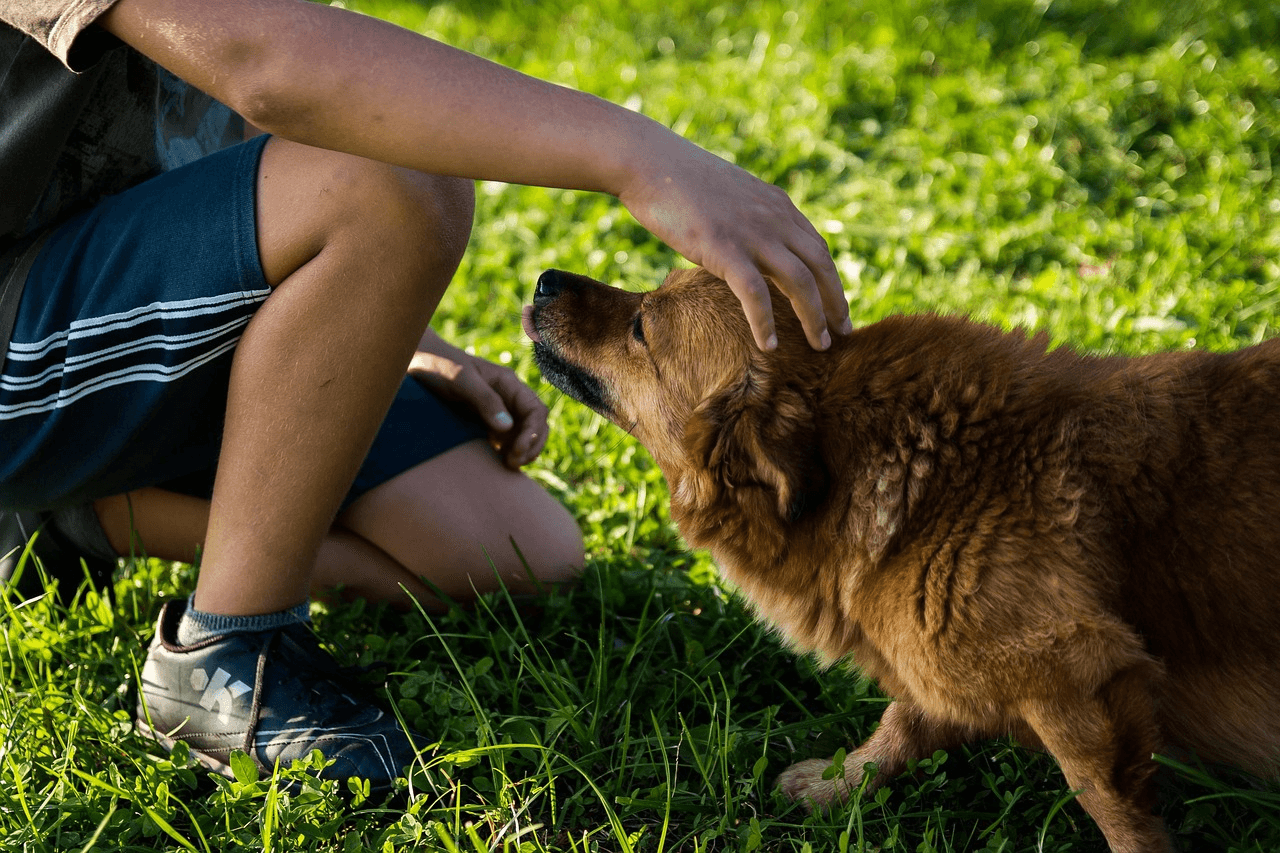
Pets learn fast, and they repeat what works. Focus on rewarding the behavior you want, then manage the environment so bad habits are harder to practice. If a puppy steals shoes, put the shoes away and give a chew that feels better than leather.
Harsh methods can backfire. The PDSA Animal Wellbeing Report 2024 found that 22% of dog owners have used aversive methods as a training aid, even though fear-based training can increase stress and worsen behavior. A simple daily routine keeps things steady:
- 5-10 minutes of training, 1-2 times a day
- Predictable meal times and potty breaks
- Short play sessions that end before your pet gets overtired
- Calm greetings that do not reward jumping or barking
Consistency beats intensity, and patience builds trust faster than force.
The goal is not perfection in week 1. It is a safe home, steady routines, and a pet that feels secure with you. Small, repeatable habits will carry you through the messy moments. Over time, your pet learns your rhythm, and you learn theirs.


