


resources
Explore Florida USA Cities: Your Interactive Map Guide
07 Feb 2026

Considering a journey to Florida? It’s quite a expansive state, brimming with diverse attractions—from vibrant urban centers to serene, unspoiled beaches. Deciding where to focus your exploration can indeed be a pleasant challenge, and that’s precisely where a comprehensive map of Florida’s cities proves invaluable. In this guide, we'll navigate through the state's distinct regions, highlight their unique characteristics, and help you pinpoint your ideal destination.
Key Takeaways
- Florida boasts prominent cities such as Miami, Orlando, Tampa, and Jacksonville, each presenting a unique appeal to visitors.
- The state is renowned globally for its stunning beaches and picturesque islands, including the iconic Florida Keys.
- Geographically, Florida encompasses flat coastal plains, areas of gentle hills in its northern reaches, and the unparalleled Everglades wetlands.
- Significant natural attractions and landmarks, like the expansive Everglades National Park, consistently draw a considerable number of tourists.
- Beyond its major metropolises, Florida offers a multitude of charming small towns and historically rich sites well worth discovering.
Navigating Florida's Major Urban Centers
Florida, as many discover, extends far beyond its celebrated beaches and theme parks; it’s also home to some incredibly dynamic cities. Each possesses its own distinctive ambiance, presenting a unique facet of what makes the Sunshine State so captivating. If you're currently piecing together a travel itinerary, familiarizing yourself with these urban hubs is an excellent starting point. They often serve as crucial gateways to the broader state, and truthfully, they stand as compelling destinations in their own right.
Miami: A Vibrant Cultural Hub
Miami is truly a city that pulses with an unmistakable energy. It's a rich melting pot of cultures, particularly those from Latin America and the Caribbean, and this vibrant influence is palpable everywhere—in the exquisite cuisine, the infectious music, and the striking street art. While South Beach, with its renowned Art Deco architecture, remains iconic, Miami’s various neighborhoods, such as Wynwood with its impressive galleries and murals, offer so much more to explore. The culinary landscape here is simply incredible, ranging from sophisticated high-end establishments to charming, casual Cuban cafes. And, of course, the beaches are nothing short of spectacular.
Orlando: The Theme Park Capital
When Florida enters conversation, Orlando frequently springs to mind first, and for very good reason. It stands as the undisputed champion of theme parks, attracting millions annually with world-class attractions like Walt Disney World and Universal Orlando Resort. Yet, Orlando isn't solely defined by its thrilling rides. It features a burgeoning downtown area, a surprisingly sophisticated food scene, and abundant shopping opportunities. Essentially, it's a place meticulously crafted for entertainment, and it delivers on that promise exceptionally well, making it an enormous draw for both families and intrepid thrill-seekers.
Tampa: Where History Meets Modernity
Situated on Florida's beautiful Gulf Coast, Tampa presents a distinctly different urban experience. It's a city steeped in a rich history, particularly evident in its Ybor City district, which once flourished as the heart of the cigar industry. That old-world charm, incidentally, is still quite visible today. Simultaneously, Tampa proudly showcases a modern waterfront, highlighted by the inviting Tampa Riverwalk—perfect for a leisurely stroll or an invigorating bike ride—and a vibrant sports scene. It truly is a city that comfortably embraces both its storied past and its forward-thinking future.
Jacksonville: A Riverfront Gem
As Florida’s largest city by land area, Jacksonville is strategically positioned in the northeast, gracefully bordering the St. Johns River. Its expansive riverfront has undergone significant revitalization, transforming it into a thoroughly enjoyable area for exploration. The downtown core seamlessly integrates urban living with convenient access to natural surroundings. Furthermore, it's a superb destination for golf enthusiasts and offers easy proximity to lovely beaches. While Jacksonville may not always command the same national spotlight as some other Florida cities, it unquestionably provides a wealth of attractions for visitors seeking a compelling blend of urban conveniences and coastal access.
These prominent cities serve as crucial cornerstones within Florida's remarkably diverse landscape. They function as dynamic centers for commerce, culture, and transportation, thereby offering an ideal starting point for countless travelers to immerse themselves in the unique spirit of the Sunshine State.
Exploring Florida's Diverse Regions
Florida, you'll find, is much more than just its iconic theme parks and bustling cities; it’s a state whose geography offers an astonishing array of landscapes. Gaining an understanding of these varied regions can genuinely enhance your trip planning, whether your quest is for sun-drenched beaches or something altogether different.
The Keys: A Tropical Archipelago
Extending gracefully from Florida’s southernmost tip, the Florida Keys comprise an exquisite chain of over 1,700 islands. These are linked by the renowned Overseas Highway, which, it must be said, offers some truly spectacular driving vistas. This entire region possesses an undeniable other-worldly feel, characterized by its remarkably clear, warm waters—perfect, really, for any aquatic adventure you might imagine.
- Snorkeling amidst the vibrant, colorful coral reefs.
- Scuba diving to discover fascinating shipwrecks and abundant underwater life.
- Fishing for popular game fish, an activity beloved by locals and visitors alike.
Indeed, this unique confluence of breathtaking natural beauty and an effortlessly relaxed island atmosphere truly makes the Keys a singularly special place.
Everglades National Park: A World Heritage Site
Often affectionately termed the "River of Grass," the Everglades represents a vast, slow-moving river system that meanders across South Florida. It stands as an unparalleled wetland ecosystem, providing a vital habitat for iconic species such as alligators, gentle manatees, and countless bird species. This expansive wilderness offers a striking contrast to the state's more developed areas, reminding us of nature's profound resilience.
This profoundly protected area is an absolutely vital component of Florida's natural heritage, beautifully illustrating a delicate equilibrium of water, land, and wildlife that is genuinely found nowhere else on Earth.
Coastal Plains: A Paradise of Beaches
This is, for many, the quintessential Florida experience. It encompasses a significant portion of the state, largely flat and low-lying, stretching gracefully along both the Atlantic and Gulf coasts. This gentle topography is precisely what contributes to Florida's seemingly endless miles of pristine, sandy beaches. Beyond the sands, you'll also discover a wealth of marshes and wetlands throughout this region, particularly as you approach the Big Bend area.
Upland South: Hills in the North
Venturing into Florida's northern reaches, you'll notice a subtle yet distinct shift in the landscape. This particular region, often referred to as North Central Florida, is characterized by its gentle, rolling hills. While certainly not mountainous, it presents a palpable difference from the flat coastal expanses. In fact, Florida's highest elevation, Britton Hill, is found right here, though it stands at a modest 345 feet above sea level. This nuanced elevation grants the northern part of the state its own unique and appealing character.
Discovering Unique Florida Destinations
Beyond the well-trodden paths of its major metropolises, Florida graciously unveils a collection of truly unique destinations, each imbued with its own distinct charm and flavor. These particular spots frequently offer a more relaxed ambiance, providing a wonderful opportunity to experience a different side of the Sunshine State, often away from the largest tourist throngs.
Key West: A Tropical Paradise
Nestled far down at the southernmost tip of the continental U.S., Key West truly feels like a world apart. It's celebrated for its wonderfully laid-back atmosphere and buildings painted in an exuberant spectrum of bright colors. Every evening, crowds naturally converge at Mallory Square to witness the sunset—an almost theatrical daily spectacle. Come nightfall, Duval Street bursts into life with a lively array of bars and musical venues. It's also an exceptional place to engage in snorkeling or diving, with vibrant coral reefs just a short distance from shore.
Fort Lauderdale: Sun, Sand, and Shopping
Sometimes affectionately dubbed the "Venice of America" due to its extensive network of canals, Fort Lauderdale is beautifully situated on the southeast coast. The beaches here are undeniably exquisite, perfectly suited for simply unwinding or embracing a variety of exhilarating water sports. For those with an inclination for retail therapy, Las Olas Boulevard is the ultimate destination, boasting sophisticated boutiques and captivating art galleries. It’s an ideal fusion of seaside relaxation and engaging urban exploration.
St. Augustine: A Historic Coastal City
As the oldest continuously inhabited European-established settlement in the U.S., St. Augustine is quite literally steeped in history. The imposing stone fortress, Castillo de San Marcos, stands as an absolute must-see. Visitors can leisurely wander through its ancient streets, delve into museums that eloquently narrate the city's rich past, and discover the distinctive shops and eateries that collectively define the old town's character. This remarkable city genuinely allows you to step back in time.
Here are a few other enchanting places truly worth considering:
- Dunedin: Celebrated for its charming downtown area and picturesque nearby parks, it’s a delightful spot on the Gulf Coast.
- Mount Dora: This town is known for its inviting shops and diverse dining options, all wrapped in a charming small-town atmosphere.
- Weeki Wachee: Famous worldwide for its enduring underwater mermaid show and its breathtaking natural springs.
Florida truly offers an astonishing array of places to visit. While its larger cities deservedly garner much attention, these smaller, unique locales provide a distinctly different kind of experience. They are perfect for uncovering genuine local charm and embracing a more leisurely pace.
Understanding Florida's Geographic Landscape
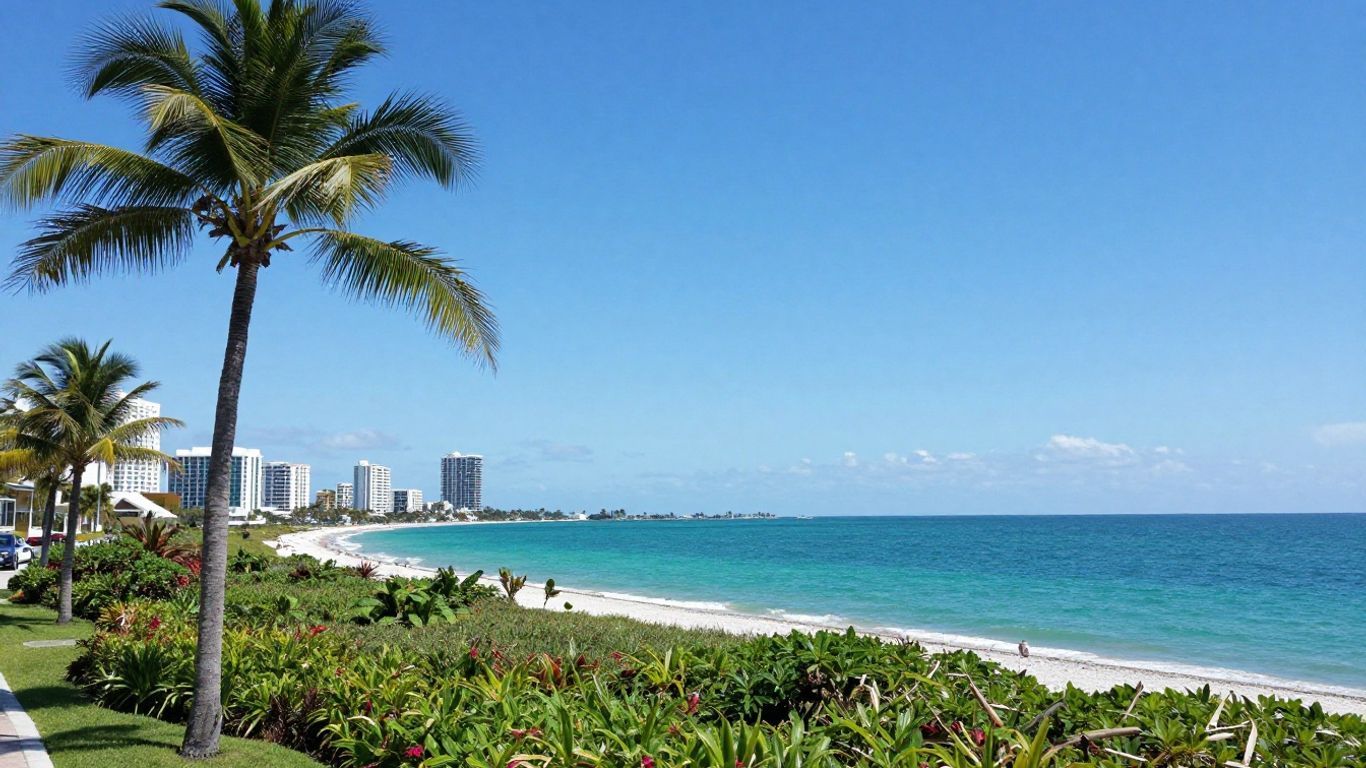
Florida’s distinctive shape and inherent character are profoundly interconnected with its surrounding waters and its generally low elevation. Contemplating the state’s geography helps tremendously in understanding why certain places manifest as they do. It’s certainly not just about beaches, although, rest assured, there are plenty of those to be found!
The Southeastern Coastline
This particular segment represents the Florida most people readily envision. It’s predominantly flat and quite close to sea level, extending gracefully along the Atlantic. Here, you’ll discover seemingly endless miles of sandy shores, absolutely perfect for basking in the sun. But it’s not exclusively dry land; there are also numerous marshy areas and extensive wetlands, particularly as you approach the Big Bend region, where the coastline makes a notable turn.
The Gulf Coast Beaches
Much like its Atlantic counterpart, the Gulf Coast is universally celebrated for its stunning beaches. The waters here are frequently calmer and noticeably warmer, while the sand itself can be astonishingly soft and brilliantly white. This region further boasts a myriad of bays, intricate inlets, and lush mangrove forests, collectively fostering a rich and vibrant environment for local wildlife. The coastline is gracefully punctuated by barrier islands, which provide a natural shield for the mainland from the expansive open sea.
Inland Waterways and Wetlands
Beyond its captivating coasts, Florida is characterized by a complex, interconnected network of rivers, lakes, and swamps. The Everglades, famously referred to as the "River of Grass," stands as a prime example—a vast, slowly moving sheet of water that sustains an incredible diversity of life. These vital inland waters are fundamental to the state's ecosystem and present truly unique recreational opportunities, from thrilling airboat tours to tranquil fishing excursions. Even areas that might appear dry can, surprisingly, be quite saturated, especially following a substantial rain event.
Florida's distinctive geography is marked by a constant, dynamic interplay between land and water. Grasping this intricate relationship is absolutely key to fully appreciating the state's natural splendor and understanding its patterns of development.
Planning Your Florida Adventure
Utilizing Interactive Map Tools
So, you’ve begun to form a general idea of what you’d like from your Florida trip—perhaps it's the thrill of theme parks, the tranquility of the beaches, or maybe a delightful blend of both. This is precisely where a high-quality map truly comes into its own. Think of it, if you will, as your personal roadmap to the Sunshine State. Rather than simply poring over a flat list of potential places, an interactive map allows you to visually grasp how everything connects. You can zoom in on a city like Tampa, for instance, and instantly see what attractions are nearby, such as Busch Gardens or the Florida Aquarium. Or, if the Keys are calling to you, you can easily trace the Overseas Highway and pinpoint charming little islands you might wish to stop at along the way. It genuinely helps you gain a tangible feel for the distances and the overall lay of the land, making your travel plans seem far more concrete and considerably less daunting.
Identifying Nearby Attractions
Once you’ve established your base, whether it’s a bustling city or a serene beach town, the logical next step is to discover what else lies within reach. This is where those interactive map tools truly shine, offering invaluable insights. Let's imagine you're stationed in Orlando for its renowned theme parks. You might not realize that just a short drive away, you have access to stunning natural springs like Wekiwa Springs State Park, or perhaps charming historic towns such as Mount Dora. Alternatively, if you find yourself in South Florida, you might be near Fort Lauderdale but entirely unaware of the unique boutiques on Las Olas Boulevard or the tranquil beauty of Hugh Taylor Birch State Park. Consulting a map helps you pinpoint these 'hidden' gems that aren't always central to mainstream travel guides but can, without a doubt, make your trip exceptionally memorable. Ultimately, it’s all about connecting the dots between your accommodation and the fascinating experiences you might otherwise overlook.
Finding Hidden Gems and Roadside Stops
Florida, as many seasoned travelers will tell you, is absolutely brimming with delightful surprises, and not all of them are meticulously detailed in the major guidebooks. Sometimes, the most cherished memories stem from those unexpected detours. Perhaps you’re cruising down I-75 and spot a sign for a quirky roadside attraction, or maybe you're on the hunt for a distinctive dining experience and stumble upon a local diner serving incredible seafood. Interactive maps can prove indispensable for unearthing these kinds of places too. Often, you can find layers on these maps that highlight state parks, local museums, unique independent shops, or even specific types of restaurants. It's almost like having a digital treasure map in your hands! Don't hesitate to venture off the main highway; you might just uncover your new favorite spot.
While thorough planning is certainly beneficial, sometimes the most profound adventures unfold when you embrace a degree of spontaneity. Therefore, leverage your map as an insightful guide, rather than a rigid itinerary. Allow yourself the flexibility to explore whatever genuinely captures your attention when you're actually out on the road.
Here's a concise overview of how you might effectively use a map to locate various types of attractions:
- Theme Parks & Major Attractions: Look for substantial clusters of activity or specific, well-known icons in prominent areas like Orlando or Tampa.
- Natural Wonders: Search for designated state parks, national parks (such as the Everglades), natural springs, and beaches, which are typically found along the coastlines or within the state's interior.
- Historic Sites: Keep a keen eye out for markers indicating historic districts, ancient forts, or museums, particularly prevalent in older cities like St. Augustine or Pensacola.
- Unique Roadside Stops: These can be somewhat more challenging to pinpoint but frequently appear as smaller, distinct icons or are referenced in local listings on your map.
Key Florida Cities and Their Charms
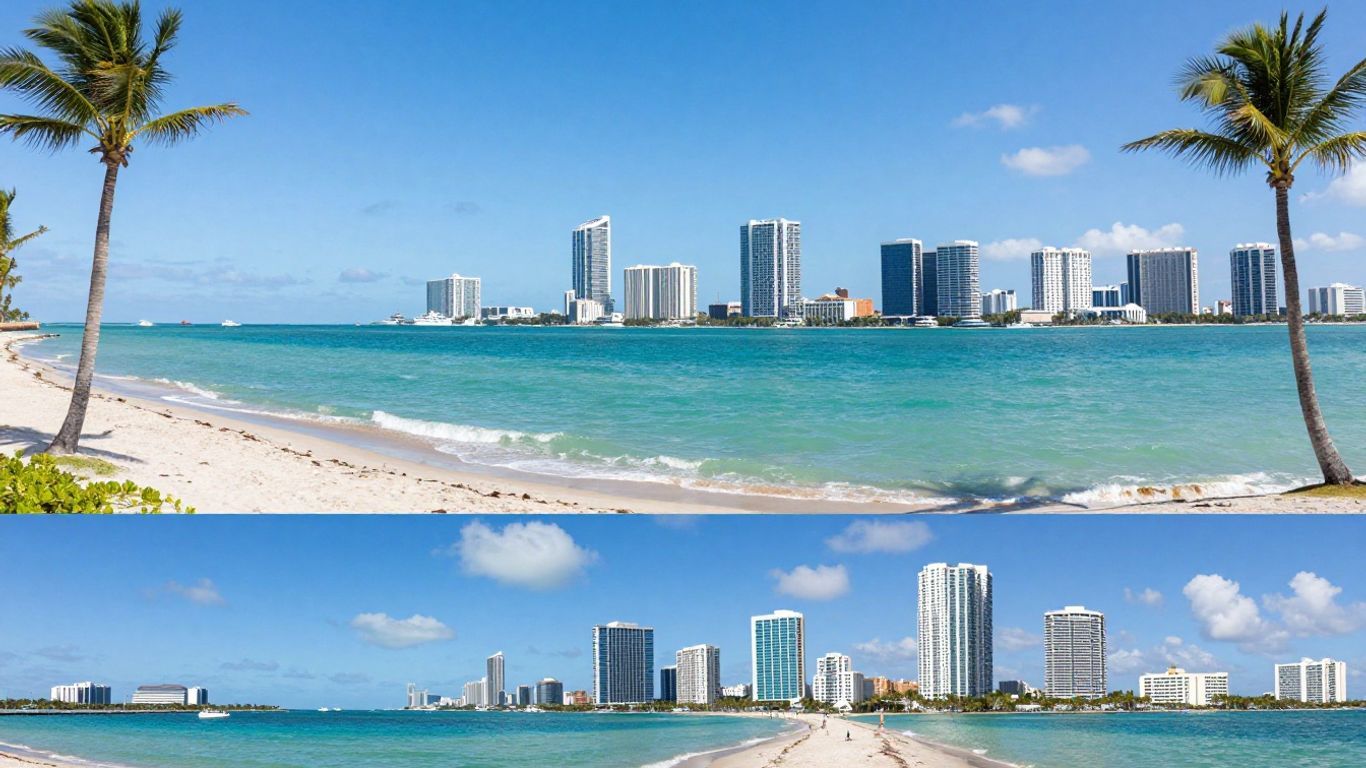
Florida is truly more than just its world-famous theme parks and stunning beaches; it’s a state teeming with diverse cities, each possessing its own unique narrative and undeniable appeal. Beyond the well-known tourist hubs, you’ll discover captivating places that offer a distinctly different pace and a fresh perspective.
Tallahassee: The State Capital
As Florida's venerable capital, Tallahassee is gracefully situated in the northwestern portion of the state, a region frequently referred to as the "Panhandle." It stands as a city deeply imbued with a sense of history, characterized by its stately government edifices and a landscape often dotted with impressive antebellum homes. In contrast to the bustling southern cities, Tallahassee offers a palpably more relaxed atmosphere, influenced by its close proximity to Georgia and Alabama. It’s an ideal locale where one can delve into significant historical sites and revel in the natural beauty of its gently rolling hills and numerous verdant parks.
- Florida Historic Capitol Museum: Step engagingly back in time and gain profound insights into the state's political evolution.
- Alfred B. Maclay Gardens State Park: Widely celebrated for its absolutely stunning azaleas and camellias, particularly when they burst into magnificent bloom during the spring.
- Cascades Park: A modern, expansive urban park featuring captivating fountains, well-maintained walking trails, and an amphitheater—perfect, really, for an enjoyable evening stroll.
Tallahassee offers a valuable glimpse into Florida's governmental heart and its foundational historical roots, presenting a quieter, more intellectually inclined ambiance compared to the state's vibrant coastal metropolises.
Gainesville: Home to a Major University
Positioned in North Central Florida, Gainesville is primarily recognized as the esteemed home of the University of Florida. This significant university presence imbues the city with an infectious youthful energy and a remarkably vibrant cultural scene. Visitors will find a lively downtown area, replete with an abundance of diverse restaurants, engaging bars, and numerous live music venues. Gainesville also conveniently serves as a gateway to some of Florida's truly unique natural attractions, including refreshing freshwater springs and extensive, carefully preserved nature areas.
- University of Florida campus: Take the opportunity to explore the expansive and beautiful campus, which notably includes the Florida Museum of Natural History and the impressive Harn Museum of Art.
- Paynes Prairie Preserve State Park: A vast, striking savanna where—with a bit of luck—you might spot wild horses, alligators, and an extraordinary variety of bird species.
- Gainesville's downtown: Immerse yourself in the local flavor, discovering its eclectic shops and wonderfully diverse culinary options.
Pensacola: The City of Five Flags
Pensacola, strategically positioned on the far western tip of the Florida Panhandle, boasts a history as rich and layered as its evocative nickname suggests. Having remarkably been under the governance of five distinct flags—Spanish, French, British, American, and Confederate—the city exudes a unique cultural amalgamation and a profound historical legacy. Its absolutely stunning white-sand beaches along the Gulf of Mexico are, naturally, a major draw, but the city's historic downtown and its deep-rooted naval aviation heritage are equally, if not more, compelling.
| Historical Influence | Key Contribution |
|---|---|
| Spanish | Established the first European settlement in North America |
| British | Founded a significant naval base |
| French | Contributed to early exploration and trade networks |
| Confederate | Served as an important port during the Civil War |
| American | Developed into a present-day naval and economic hub |
- Naval Air Station Pensacola: Home to the National Naval Aviation Museum—an absolute essential for any aviation enthusiast.
- Historic Pensacola Village: Wander captivatingly through beautifully preserved buildings that eloquently recount the city's profound past.
- Pensacola Beach: Indulge in the pristine Gulf Coast waters and the incredibly soft sand, perfect for a truly relaxing day.
Pensacola's critical strategic location and its extensive history have undeniably molded it into a city with a truly distinct character, seamlessly blending traditional Southern charm with breathtaking coastal beauty.
Your Florida Adventure Starts Now
So, we've now thoroughly explored the remarkable breadth of what Florida has to offer, from its bustling major cities like Miami and Orlando to its more tranquil hideaways and truly spectacular natural parks. It’s unquestionably a state of immense variety, ready to cater to whatever you seek—be it a lively, action-packed vacation or simply a peaceful, rejuvenating escape. We sincerely hope this comprehensive guide has furnished you with some excellent ideas and perhaps even sparked a few new ones for your upcoming trip. Florida is, indeed, full of delightful surprises, and the very best way to uncover them is to simply venture out and experience them firsthand. Happy travels!
Frequently Asked Questions
What are the most popular cities to visit in Florida?
Florida boasts an array of fantastic cities! Miami is world-renowned for its vibrant culture and beautiful beaches, Orlando stands as the ultimate destination for theme park aficionados, Tampa offers a captivating blend of historical charm and modern appeal, and Jacksonville shines as a picturesque city situated along its magnificent river. Each, in its own right, presents something truly special for every visitor.
Besides cities, what other kinds of places can I explore in Florida?
Oh, there's so much more to discover beyond the urban centers! The Florida Keys form a stunning, tropical chain of islands, absolutely perfect for a relaxing getaway. The Everglades National Park represents a unique wetland ecosystem teeming with fascinating wildlife. Moreover, Florida offers countless miles of breathtaking beaches along both its Atlantic and Gulf coasts, alongside some gentle rolling hills in the state's northern region.
Are there any historic places in Florida?
Absolutely, Florida is rich in history! St. Augustine holds the distinction of being the oldest European-settled city in the U.S. and is packed with historical significance. Fort Lauderdale is celebrated for its sun-kissed beaches and excellent shopping, while Key West, a wonderfully quirky and tropical island at Florida's southern tip, truly possesses a one-of-a-kind vibe.
What's the geography of Florida like?
Geographically, Florida is largely flat, particularly along its extensive coastlines bordering both the Atlantic Ocean and the Gulf of Mexico—which, of course, translates to an abundance of stunning beaches! In the northern part of the state, you'll find some modest hills. The southern expanse is home to the famous Everglades, often likened to a vast, slow-moving "river of grass."
How can a map help me plan my Florida trip?
An interactive map is an incredibly powerful planning tool! It provides a visual overview of where everything is located—cities, major attractions, and those glorious beaches. You can utilize it to pinpoint intriguing places near your accommodation, uncover hidden gems you might not otherwise hear about, and efficiently chart the most effective route for your entire adventure.
What are some other important cities in Florida besides the big tourist spots?
Certainly don't overlook Tallahassee, the state capital, which is rich with governmental history and beautiful architecture. Gainesville, home to the sprawling University of Florida, exudes a lively, youthful academic energy. And Pensacola, affectionately known as the 'City of Five Flags,' boasts a deep, multifaceted history shaped by the various nations that have laid claim to it over centuries.


