


resources
Explore the Largest Cities in California by Population: A 2026 Ranking
10 Apr 2026

California, a vast state bustling with vibrant urban centers, is home to a burgeoning populace. Pinpointing its largest cities, those with the highest populations, can prove quite intricate. However, we've meticulously compiled a ranking of the largest cities in California by population for 2026. Whether your interest stems from a potential relocation, a planned visit, or simply an innate curiosity, this list offers a comprehensive breakdown of the principal population hubs worth noting—the communities that truly shape the Golden State.
Key Takeaways
- Los Angeles remains the undeniably largest city in California, maintaining a substantial lead.
- San Diego and San Jose follow Los Angeles, firmly established as key population centers.
- Northern California's influence is clearly evident, with San Francisco and Oakland serving as prominent urban centers.
- Central California's agricultural heartland finds its representation in Fresno, a steadily expanding city.
- Southern California showcases several substantial cities, including Long Beach, Anaheim, and Santa Ana, each possessing distinct characteristics.
California's Population Centers: An Overview
Understanding California's Urban Landscape
California, a state renowned for its varied topography and vibrant economy, is also home to a myriad of urban centers. From sprawling metropolises to burgeoning mid-sized cities, a deep understanding of the state's urban landscape proves essential to comprehending its demographic and economic fabric. These cities, you see, are more than mere population concentrations—they are veritable crucibles of innovation, culture, and commerce that propel California's influence both nationally and globally. This section will establish the foundational context for our detailed exploration of the largest cities, thereby providing crucial insights into their significance.
Key Demographics of the Golden State
Before we dive into specific cities, let's cast our gaze upon the broader demographic landscape of California. As of early 2026, the state proudly hosts over 39 million individuals. The median age stands at approximately 36.7 years, suggesting a demographic that is both relatively youthful and active. The median household income is notably robust, a clear reflection of the state's significant economic might, though it's crucial to acknowledge the considerable disparity in incomes across different regions and cities. Housing expenditures, too, exhibit dramatic fluctuations—a pivotal factor profoundly influencing the daily lives of residents in these dynamic urban areas. Wondering about the general makeup? Here's a quick reference, a snapshot of California's general demographics:
- Population: Approximately 39.3 million
- Median Age: 36.7 years
- Median Household Income: Around $78,672
- Housing Costs: Median price of housing is roughly $538,500
- Population Density: About 252.4 people per square mile
These foundational figures, then, offer a vital baseline for appreciating the sheer scale and defining characteristics of California's populace, thereby establishing the essential context for the in-depth city rankings that lie ahead.
Related Contents:
interactive cities in california
Methodology for Ranking Cities
Our ranking of California's largest cities has been meticulously compiled using the most current population estimates projected for 2026. Our analysis specifically targets cities delineated by their official municipal boundaries, drawing upon official census data and well-regarded demographic projections. The paramount metric underpinning this ranking, it's worth noting, is the total resident population. While acknowledging the significance of factors such as metropolitan area size, economic output, and cultural prominence—indeed, these are undeniably important—this particular compilation places precedence on the absolute number of inhabitants residing within a city's defined limits. This precise methodology enables us to pinpoint the essential population centers that fundamentally shape California's distinctive urban geography.
The Golden State's Largest Metropolises
California is home to some of the most iconic and densely populated urban centers in the United States. These major urban centers are more than mere population concentrations; they stand as dynamic engines of culture, innovation, and formidable economic activity. We shall now delve deeper into examining three of the state's preeminent metropolises.
Los Angeles: The Southern California Giant
Los Angeles, often simply referred to as LA, reigns as California's most populous city—indeed, a veritable global powerhouse. A city that scarcely requires an introduction, it is globally celebrated for its inextricable link to the entertainment industry, with Hollywood as its luminous core. Yet, beyond the pervasive glitz and undeniable glamour, LA functions as a colossal economic engine for the entire West Coast, exerting substantial influence in international trade and global finance. Furthermore, it serves as a vibrant nucleus for education and culture, proudly hosting a myriad of renowned institutions and captivating attractions. Truly, what makes LA so immense? Its sheer scale and diverse industries make it a true force.
Los Angeles is the largest city in California and one of the largest cities in the Americas.
| Feature | Detail |
|---|---|
| Population (2026 est.) | Approximately 3.9 million |
| Key Industries | Entertainment, International Trade, Finance, Technology, Tourism |
| Notable Landmarks | Hollywood Sign, Griffith Observatory, Getty Center, UCLA, Walt Disney Concert Hall |
San Diego: Coastal Charm and Innovation
Nestled in the southern reaches of the state, San Diego stands as California's second most populous city. It's celebrated for its picturesque coastline, consistently agreeable climate, and a robust connection to Mexico, collectively forming an expansive cross-border metropolitan region. Frequently hailed as the "birthplace of California," San Diego boasts a profound historical legacy and is home to numerous significant landmarks and verdant parks. Moreover, it stands as a prominent hub for advanced research and higher education, featuring esteemed universities and a substantial military presence—its naval bases are particularly notable.
- Climate: Mild Mediterranean climate year-round.
- Economy: Defense, Biotechnology, Tourism, Research & Development.
- Attractions: Balboa Park, San Diego Zoo, USS Midway Museum, Gaslamp Quarter.
Indeed, San Diego presents a truly distinctive amalgamation of profound historical significance, breathtaking natural beauty, and cutting-edge modern innovation—qualities that collectively render it an exceptionally desirable destination for both residents and visitors alike.
San Jose: The Heart of Silicon Valley
San Jose proudly holds the distinction of being Northern California's most populous city and is universally acknowledged as the veritable capital of Silicon Valley. This dynamic city positions itself squarely at the vanguard of technological advancement, serving as the corporate home for an impressive array of major tech giants. Its wonderfully diverse population, for one, fosters a remarkably vibrant cultural landscape, and it provides an extensive spectrum of recreational and enriching cultural activities for its residents. What does it offer beyond tech? Quite a bit!
- Location: Northern California, heart of Silicon Valley.
- Major Companies: Adobe, Cisco, EBay, PayPal, Zoom (headquarters).
- Cultural Highlights: Winchester Mystery House, The Tech Interactive, diverse culinary scene.
Northern California's Major Urban Hubs
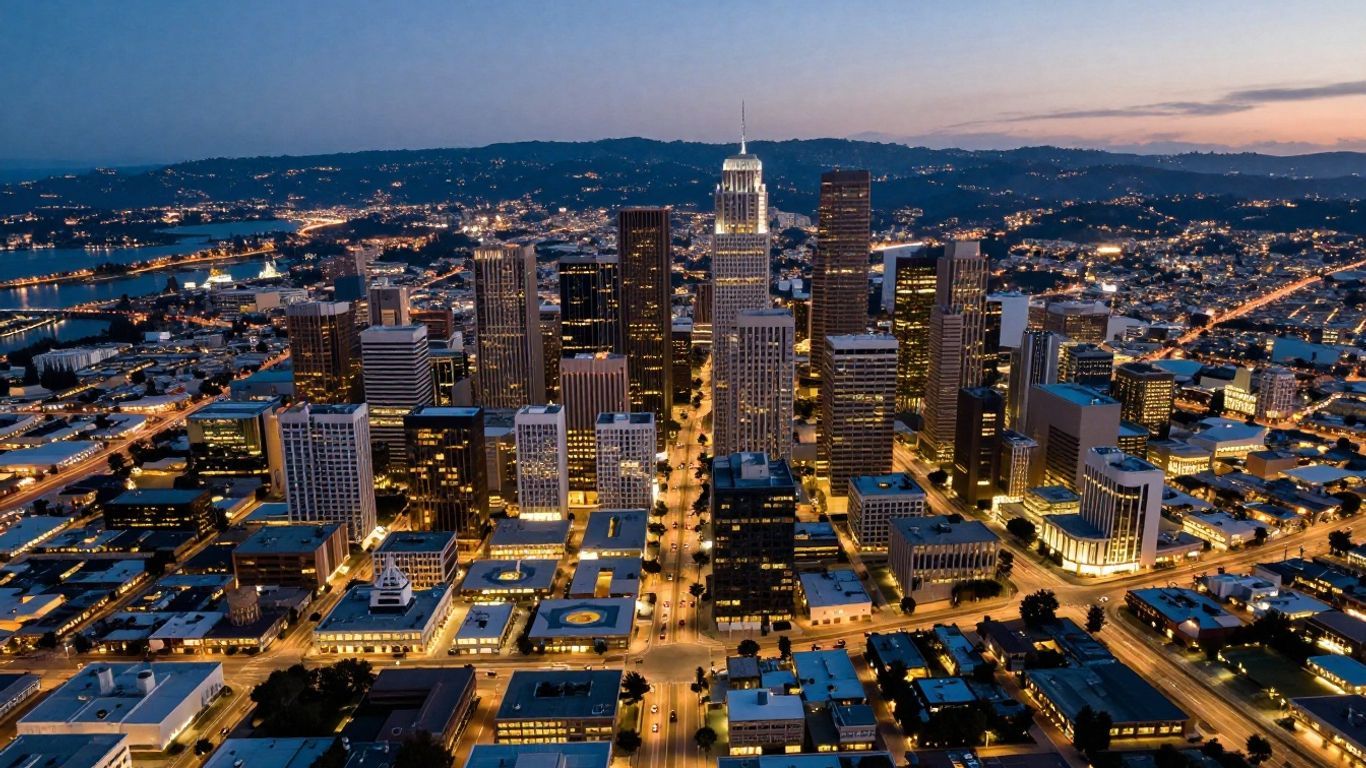
Northern California is home to an impressive collection of dynamic cities, each possessing its own distinct character and unique economic drivers. These urban centers, mind you, are more than mere population concentrations—they are also pivotal contributors to the state's rich culture, groundbreaking technology, and robust commerce.
San Francisco: A Global Icon
San Francisco, a globally acclaimed city, stands as a veritable beacon of culture and innovation. Its iconic skyline—featuring landmarks like the Golden Gate Bridge and the distinctive Transamerica Pyramid—is instantly recognizable across the globe. Yet, beyond its undeniable visual allure, San Francisco functions as a preeminent center for international finance, technological advancement, and thriving tourism. The city is also widely celebrated for its wonderfully diverse neighborhoods, each providing a distinct and immersive cultural experience, from the vibrant Mission District to the historic Japantown. How could one describe it succinctly? It's a city of contrasts and endless discovery.
San Francisco is the second most densely populated major city in the United States.
Oakland: The East Bay's Economic Engine
Just across the bay from San Francisco, one discovers Oakland, a bustling metropolis that undeniably serves as the cultural and economic nexus of the East Bay. Its strategically advantageous location renders it a pivotal hub for West Coast trade, boasting one of the nation's busiest ports, no less. Oakland is also acclaimed for its profound role in African-American culture and history, shaping much of its vibrant identity. The city is home to an array of significant institutions and burgeoning companies, all contributing to its robust economy and exceptionally vibrant community life.
Key aspects of Oakland:
- Port Activity: A major gateway for international commerce.
- Cultural Hub: A center for arts, music, and African-American heritage.
- Economic Diversity: Home to major corporations and a growing business sector.
Sacramento: The State Capital's Influence
As California's capital, Sacramento occupies a truly unique position in the state's political and economic landscape. The city's history is profoundly intertwined with the seminal Gold Rush era, and it persists as a pivotal center for governmental operations. Sacramento is also an expanding hub for both the healthcare industry and higher education, boasting prominent universities and leading medical institutions. Its location in the Sacramento Valley, naturally, makes it a crucial player in Northern California's ongoing development—a hub for more than just politics.
Sacramento's inherent role as the state capital profoundly influences its developmental trajectory, continually attracting a diverse workforce and fostering a distinctive blend of historical significance and dynamic modern growth. This city's strategic location, moreover, solidifies its status as an indispensable transportation and economic conduit for the entire region.
Here's a look at some key statistics for these Northern California cities:
| City | Estimated Population (2026) | County |
|---|---|---|
| San Francisco | 827,526 | San Francisco |
| Oakland | 443,554 | Alameda |
| Sacramento | 535,798 | Sacramento |
Central California's Growing Cities
Central California may not always capture the same prominent headlines as its coastal counterparts, but it's a region with a formidable identity and a consistent, impressive pace of growth. This area, frequently distinguished by its deep agricultural roots and its strategically advantageous location, is host to cities that are steadily gaining greater economic and cultural significance—and quite rightly so.
Fresno: Gateway to Agricultural Richness
Fresno, perfectly situated in the heart of the San Joaquin Valley, is undeniably a major hub for agriculture. It's often called the "Food Capital of the World," a moniker it truly lives up to, as the surrounding region produces an astonishing variety of fruits, vegetables, and nuts that feed the nation and beyond. This agricultural prominence underpins Fresno's economy and defines much of its character. However, Fresno is also experiencing significant growth in other sectors, including logistics and healthcare, diversifying its economic base. The city serves as a crucial urban center for Central California, offering residents access to higher education, cultural institutions, and—importantly—a more affordable cost of living compared to coastal metropolises.
Fresno's strategic location makes it a key distribution point for agricultural products throughout the United States.
| Feature | Detail |
|---|---|
| Population (2026 est.) | Approximately 550,214 |
| Key Industries | Agriculture, Food Processing, Healthcare, Logistics |
| Notable Highlights | Forestiere Underground Gardens, Fresno Chaffee Zoo, proximity to Yosemite and Sequoia National Parks |
Fresno also boasts a strong sense of community and a growing arts scene, often surprising visitors who expect a purely agricultural landscape. What about educational opportunities? It's becoming a significant center for learning, too.
The city's educational landscape is expanding with institutions like Fresno State University, which plays a vital role in agricultural research and community development.
Merced: A University Town on the Rise
Merced, located further north in the San Joaquin Valley, is a city experiencing dynamic growth, largely fueled by its educational advancements. It's quickly becoming recognized as a vibrant university town, thanks to the presence of the University of California, Merced. This institution, established in 2005, has not only boosted the local economy but also fostered an environment of innovation and intellectual curiosity. Merced's location also offers residents the benefit of a more relaxed pace of life while still providing access to major transportation corridors and, of course, the stunning natural beauty of the Sierra Nevada mountains—truly a best-of-both-worlds scenario.
Merced is the fifth-largest city in California. It's a major agricultural center and a gateway to national parks. The city is also home to the University of California, Merced, contributing to its growing educational and research landscape.
Bakersfield: Energy and Agriculture Nexus
Bakersfield, located in the southern part of the San Joaquin Valley, is a city built on a dual foundation of agriculture and energy. It's a significant player in California's oil production and also a vital center for farming, particularly for crops like grapes, almonds, and cotton. The city's economy benefits from this diverse base, making it a resilient and important economic engine for the region. Bakersfield, then, offers a compelling blend of traditional industries and community spirit.
Central California's cities are characterized by their strong ties to the land and their strategic positions within the state. They offer a different perspective on California living, often with a more grounded pace and a strong sense of community.
- Agricultural Powerhouse: The San Joaquin Valley is one of the most productive agricultural regions in the world, and cities like Fresno and Bakersfield are at its core.
- Economic Diversity: While agriculture is key, these cities are also developing in other sectors, including logistics, education, and energy.
- Gateway to Nature: Many of these cities serve as starting points for exploring California's natural beauty, from national parks to mountain ranges.
The growth in Central California is not just about population numbers; it's about developing a more diversified economy and improving the quality of life for its residents. These cities are actively working to balance their traditional strengths with new opportunities.
Southern California's Diverse Urban Areas
Southern California is a region known for its sunny skies and sprawling landscapes, but it's also home to a collection of vibrant and distinct cities that contribute significantly to the state's overall character and economy. Beyond the major metropolises, this area boasts a variety of urban centers, each with its own unique flavor and appeal.
Long Beach: A Coastal Powerhouse
Long Beach, strategically situated in Los Angeles County, is a major port city with a significant presence in trade and logistics. It's not just about shipping, though; the city offers a lively arts scene, a beautiful waterfront, and a wonderfully diverse population. The Aquarium of the Pacific is a major draw, and the Queen Mary, a historic ocean liner, serves as a unique hotel and attraction. Long Beach also hosts major events, including an annual Grand Prix that brings international attention—a true highlight on the racing calendar.
Anaheim: Entertainment and Community
Anaheim is perhaps most famous worldwide as the home of Disneyland Resort, a massive entertainment complex that draws millions of visitors each year. However, Anaheim is much more than just a theme park destination. It's a thriving city with a strong sense of community, a growing business sector, and a variety of cultural attractions. The city also boasts the Honda Center, a popular venue for sports and concerts, and Angel Stadium, home to the Los Angeles Angels baseball team. What a lineup of attractions!
Santa Ana: Orange County's Vibrant Core
As the county seat of Orange County, Santa Ana is a bustling urban center with a rich history and a strong cultural identity. It serves as a significant hub for business, government, and transportation, including being home to John Wayne Airport. The city is known for its large Mexican American population and vibrant cultural scene, featuring institutions like the Bowers Museum and the Discovery Science Center. Its downtown area retains historic charm while also being a center for modern commerce—a compelling blend of old and new.
These cities, while perhaps not always grabbing the same headlines as Los Angeles or San Diego, form the backbone of Southern California's urban fabric. They offer a mix of economic opportunity, cultural richness, and community life that defines the region.
Emerging and Mid-Sized California Cities
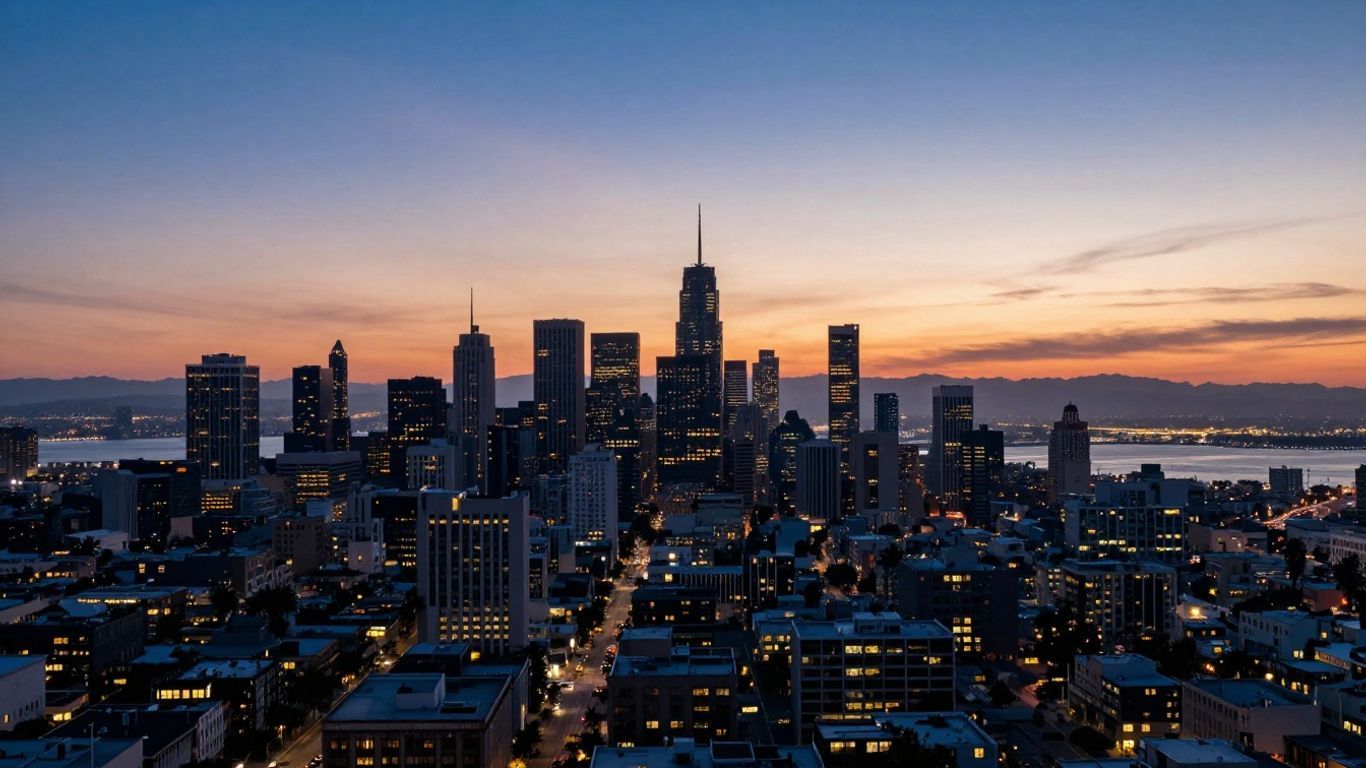
When most people picture California's cities, they often think of big, crowded places like Los Angeles or San Francisco. But, there’s another side to this state—one that’s made up of cities that are growing quickly and have their own unique identities. These mid-sized cities are attracting more people, businesses, and attention than ever before.
Stockton: Inland Port and Community
Stockton sits right in the heart of California’s Central Valley, and its position along the San Joaquin River has always been key—for shipping, farming, and more recently, a surge of new residents. It’s one of the biggest inland ports on the West Coast, connecting goods from all over Asia to the rest of the United States.
- Major industries: Agriculture, shipping, and distribution
- Character: Diverse population, historic downtown, growing university presence
- Recent trends: Steady population growth and new investment in public spaces
| Statistic | 2026 Value |
|---|---|
| Population | 320,470 |
| Median Income | $76,851 |
Stockton’s story is all about transition—it’s not just a port city anymore, but also a place people are choosing to call home, far from the coastal rush.
Riverside: Inland Empire Growth
Right next to Los Angeles, Riverside has always had its own thing going on. This is a city that mixes old history (it kickstarted the state’s citrus industry) with the buzz of a college town. Lately, you’ll see new companies moving in, drawing young families and commuters who want space without leaving Southern California behind.
Some things that set Riverside apart:
- University of California, Riverside anchors local innovation
- Lots of green spaces and original Spanish architecture
- Strong arts and festival scene
| Statistic | 2026 Value |
|---|---|
| Population | 316,241 |
| Median Income | $88,575 |
Huntington Beach: Surf City USA
Huntington Beach is famous for its sandy beaches, year-round events, and classic surf culture. But there’s more than just waves here—it’s also a hub for tourism, hospitality, and quality living.
- The city hosts the US Open of Surfing every summer
- Miles of public beachfront and parks draw locals and visitors alike
- Strong focus on preserving natural wetlands and local wildlife
| Statistic | 2026 Value |
|---|---|
| Population | 196,010 |
| Median Income | $103,838 |
Whether you’re into outdoor adventure or looking for a cool place to settle down near the water, these rising cities in California are proving there’s more to the state than just its famous metropolises.
Wrapping Up California's Population Leaders
So, there you have it—a comprehensive look at California's biggest cities as of 2026. From the sprawling metropolis of Los Angeles to the vibrant communities further down the list, each city brings its own unique character and energy to the Golden State. Whether you're drawn to the economic powerhouses, the cultural hubs, or the growing suburban centers, California's urban landscape is undeniably diverse and dynamic. Understanding these population shifts and detailed city profiles can offer a clearer picture of where people are choosing to live and build their lives in this ever-evolving state.
Frequently Asked Questions
What are the biggest cities in California based on how many people live there?
The biggest cities in California, meaning those with the most people, are Los Angeles, San Diego, and San Jose. These three cities are home to millions of residents and are major centers for business, culture, and entertainment.
How is the population data for these cities determined?
The population numbers are usually based on estimates from official sources like the U.S. Census Bureau. These estimates are updated regularly to give us the most current picture of how many people live in each city.
Are there many cities in California?
Yes, California has a lot of cities and towns! There are over 1,500 different cities and towns spread across the state, each with its own unique character and population.
What makes Los Angeles stand out among California's cities?
Los Angeles is California's most populous city and is famous worldwide for Hollywood and its influence on movies and music. It's also a huge economic center on the West Coast, with major universities and cultural attractions.
What is Silicon Valley, and which city is considered its heart?
Silicon Valley is a famous area known for its many technology companies. San Jose is considered the heart of Silicon Valley and is home to the headquarters of major tech companies like Adobe and Cisco.
Besides the very largest cities, are there other important urban areas in California?
Absolutely! Cities like San Francisco, known for its iconic landmarks and diverse culture, and Sacramento, the state capital, are also very important. Other growing cities like Fresno in the Central Valley and Long Beach in Southern California also play significant roles in California's urban landscape.


