
resources
Exploring the Biggest Cities in the United States of America by Population in 2026
08 Feb 2026

Ever wondered where Americans are choosing to make their homes in 2026? It’s an intriguing question, and the recent data certainly brings to light some fascinating transformations. We're not just talking about the usual suspects like New York or Los Angeles anymore. Across the nation, many locales are experiencing substantial growth, with some expanding at genuinely impressive rates. Indeed, this examination of the United States' largest cities provides a compelling insight into current demographic shifts, the reasons people move, and the broader implications for communities across the nation. In essence, it's a current snapshot—a living portrait, if you will—of our ever-evolving urban landscape.
Key Takeaways
- New York City maintains its status as the most populated urban center in the U.S., demonstrating consistent growth.
- Cities in the Southern and Western regions are typically experiencing more rapid growth than other areas.
- Several metro areas, such as Jacksonville, Florida, and Fort Worth, Texas, have recently surpassed the one million resident threshold.
- Despite the significant focus on major metropolises, the majority of U.S. locales remain charming small towns.
- Factors such as housing affordability and the ascent of remote work are increasingly influencing residential choices.
Understanding the Biggest Cities in the United States of America
Defining America's Largest Urban Centers
When we talk about the biggest cities in the U.S., we're primarily referring to metropolitan areas that serve as pivotal hubs for the country's economy, culture, and innovation. They are not merely densely populated locales; rather, they function as dynamic epicenters where nascent trends frequently emerge and where millions forge their livelihoods and futures. As our examination of the 2026 population projections reveals, a handful of cities steadfastly retain their preeminent positions. These urban centers are more than just population clusters; they are engines of national progress.
The Enduring Significance of Major Metropolitan Areas
These large cities continue to be profoundly significant. They attract individuals from diverse backgrounds, providing a wealth of employment opportunities, fostering vibrant, diverse communities, and cultivating distinct lifestyles. Even amidst the growth observed in other regions across the nation, these venerable urban centers uphold their status as crucial locales for both opportunity and rich cultural interchange. Indeed, their immense scale and the significant concentration of residents collectively forge a dynamic environment—one that is, quite frankly, unparalleled.
| City | Estimated Population (2026) |
|---|---|
| New York City | 8,450,000 |
| Los Angeles | 3,850,000 |
| Chicago | 2,650,000 |
Key Indicators of Population Gains in Major Cities
A confluence of factors invariably contributes to the sustained appeal of particular cities for prospective residents. Grasping these underlying drivers can, in turn, provide a more lucid understanding of the nation's evolving demographic trajectory. More than mere numerical growth, it's truly about discerning the forces propelling these figures.
- Job Markets: Cities with strong and diverse employment opportunities typically experience sustained growth, encompassing sectors such as technology, finance, and healthcare.
- Quality of Life: Factors including, but not limited to, good schools, cultural attractions, public transportation, and recreational spaces exert considerable influence.
- Affordability: While some major cities are expensive, others offer a more favorable equilibrium between living costs and earning potential, rendering them highly appealing.
- Infrastructure: Well-developed transportation networks and ready access to modern amenities are also powerful attractants.
The U.S. Census Bureau stands as the authoritative source for official population enumeration, conducting decennial censuses and issuing comprehensive annual updates to monitor demographic shifts. This meticulous methodology proves instrumental in discerning which urban centers are expanding—and, crucially, how these transformations are occurring.
Indeed, it's quite fascinating to observe how these multifaceted elements coalesce to sculpt our urban landscapes. For instance, the growth of remote work has also begun to significantly impact residential location decisions, occasionally enabling residents to relocate further afield from conventional employment hubs. This evolving paradigm is a subject we intend to delve into further as we look at current demographic shifts.
America's Most Populous Urban Centers in 2026
When we talk about the biggest cities in the U.S., we are, in essence, examining the engines that propel the country's economy, culture, and innovation. These are far more than mere geographical points dense with inhabitants; they are dynamic epicenters where novel trends frequently originate and where millions construct their futures. As current 2026 population projections clearly illustrate, a select group of cities consistently maintain their prominence.
New York City: A Global Metropolis
Unsurprisingly, New York City steadfastly retains its preeminent position as the most populous urban center. With its iconic skyline, a rich tapestry of diverse neighborhoods, and its pivotal role in global finance, cutting-edge fashion, and high culture, NYC consistently draws individuals from every corner of the globe. The sheer density of its populace and its ceaseless, palpable energy together forge an urban experience that is, quite frankly, unparalleled—a true one-of-a-kind.
Los Angeles: A Sprawling Urban Hub
Los Angeles continues to stand as an immense urban expanse, renowned for its expansive influence and profound impact on the global entertainment industry. It serves as a dynamic crucible where myriad cultures converge, thereby cultivating a truly distinctive ambiance. While the city's vast geographical footprint can certainly translate into extended commute times, it nonetheless presents a lifestyle deeply attractive to those seeking abundant sunshine and robust creative opportunities. Many are drawn to the opportunities in digital media.
Chicago: The Midwest's Economic Powerhouse
Chicago firmly establishes itself as a pivotal hub in the Midwest, lauded for its robust economic foundation and iconic architectural grandeur. It functions as an essential nexus for both transportation and commerce, attracting residents with its multifaceted job market and vibrant cultural tapestry. Indeed, the city's inherent resilience and continuous developmental strides contribute significantly to its unwavering presence among the nation's foremost populous urban centers.
Here's a look at how these top cities are doing:
- New York City: Persists in its leadership, exhibiting consistent population expansion.
- Los Angeles: Continues as an expansive urban metropolis, home to a substantial populace.
- Chicago: A pivotal economic and cultural engine powering the Midwest region.
The concentration of people in these major cities underscores their paramount importance as dynamic crucibles of commerce, culture, and boundless opportunity. Although growth trajectories may naturally fluctuate, these colossal urban entities steadfastly continue to mold the very fabric of the national landscape.
The Ever-Evolving Urban Landscape
Defining America's Largest Urban Centers
Urban environments are in a perpetual state of flux, wouldn't you agree? An examination of the 2026 population figures truly illuminates the dynamic patterns of human migration. The discourse has shifted beyond merely identifying the most populous cities; we're now keenly observing where significant growth is unfolding, and, crucially, the underlying motivations. Numerous locales are achieving novel population benchmarks, with several others experiencing notable resurgences.
The Enduring Significance of Major Metropolitan Areas
The criteria individuals seek in an urban environment have demonstrably evolved. The advent of widespread remote work has undeniably brought about a profound transformation, affording individuals the flexibility to reside further afield from their primary places of employment. Consequently, areas offering greater affordability or simply an enhanced quality of life are proving increasingly appealing—even if they don't rank among the absolute largest metropolises. Furthermore, climatic considerations and ready access to natural environments are emerging as increasingly influential factors.
Here’s a look at what’s influencing these decisions:
- Affordability: Encompassing both housing expenditures and broader cost-of-living indices.
- Quality of Life: Including, but not limited to, educational institutions, healthcare services, public safety, and diverse recreational opportunities.
- Work Flexibility: The proliferation of remote employment empowers individuals to select residences primarily based on desired lifestyle attributes.
- Environment: Proximity to green spaces and a favorable climate are gaining considerable weight in these decisions.
Indeed, the paradigm for residential choice is undergoing a significant transformation. No longer solely predicated on employment opportunities, individuals now seek an environment that harmonizes with their entire lifestyle—striking a balance between professional pursuits, leisure, and community engagement. Consequently, urban centers must demonstrate adaptability, providing more than just structural infrastructure—they must cultivate holistic living experiences.
Key Indicators of Population Gains in Major Cities
Rapid urban growth, it's fair to say, has pervasive implications. Infrastructure, particularly roadways and public transit systems, often experiences increased congestion. Housing demand invariably escalates, driving property values upwards. Moreover, the very character of a city can evolve as diverse new residents introduce fresh perspectives and needs. Crucially, it is the absolute volume of new residents, rather than merely percentage increases, that truly illustrates where the most substantial demographic shifts are unfolding. Observing these multifaceted transformations is, without a doubt, quite fascinating. These urban areas are not simply expanding; they are undergoing active metamorphosis, and comprehending this dynamic aids us in discerning contemporary residential preferences across the U.S. today.
Regional Growth Patterns in Big Cities
As we examine inter-state migration patterns within the United States for 2026, it becomes evident that distinct regions of the nation are experiencing varied demographic transformations. Indeed, the narrative is far from uniform across the map, with certain areas demonstrating remarkable accelerations in growth, whilst others expand at a more measured pace. Grasping these nuanced regional trends, therefore, provides a clearer, more comprehensive understanding of the overarching trajectory of America's population.
Accelerated Expansion in Southern and Western Cities
The Southern and Western regions consistently maintain their status as highly sought-after destinations for individuals seeking new residential opportunities. Urban centers within these locales—particularly those not categorized as the absolute largest—are experiencing notably swift growth. This phenomenon is frequently attributable to a confluence of factors: robust employment markets, often more manageable living costs relative to other regions, and generally more agreeable climatic conditions. The West, notably, continues to exhibit sustained growth across its prominent metropolitan areas. One might conclude that these regions simply possess an enduring, magnetic appeal.
Resurgence Observed in Northeastern and Midwestern Metropolises
However, the narrative is not exclusively dominated by the South and West. Intriguingly, certain metropolises within the Northeast and Midwest—areas that previously experienced more subdued growth or even population decline—are now demonstrating a notable resurgence. Their larger urban centers are registering modest yet discernible upticks in resident numbers. This trend suggests that even venerable, established cities can discover novel strategies to both attract and retain inhabitants, thereby signaling a broader urban revitalization.
Understanding Average Growth Rates by Region
To gain a more precise understanding of these demographic shifts, examining the average annual growth rates for urban centers exceeding 50,000 residents furnishes us with concrete data points. Such figures are invaluable in illustrating a more granular depiction of population mobility.
| Region | Average Annual Growth Rate (2026 Est.) |
|---|---|
| South | 1.5% |
| West | 1.3% |
| Northeast | 0.4% |
| Midwest | 0.3% |
Evidently, these statistics reveal that while the South and West are indeed spearheading population growth, the Northeast and Midwest are by no means experiencing stagnation. Instead, they point towards a more modulated—albeit slower—expansion within these historically significant urban centers, a trend that hints at either a renewed intrinsic appeal or the fruits of successful revitalization initiatives.
Ascending into New Population Categories
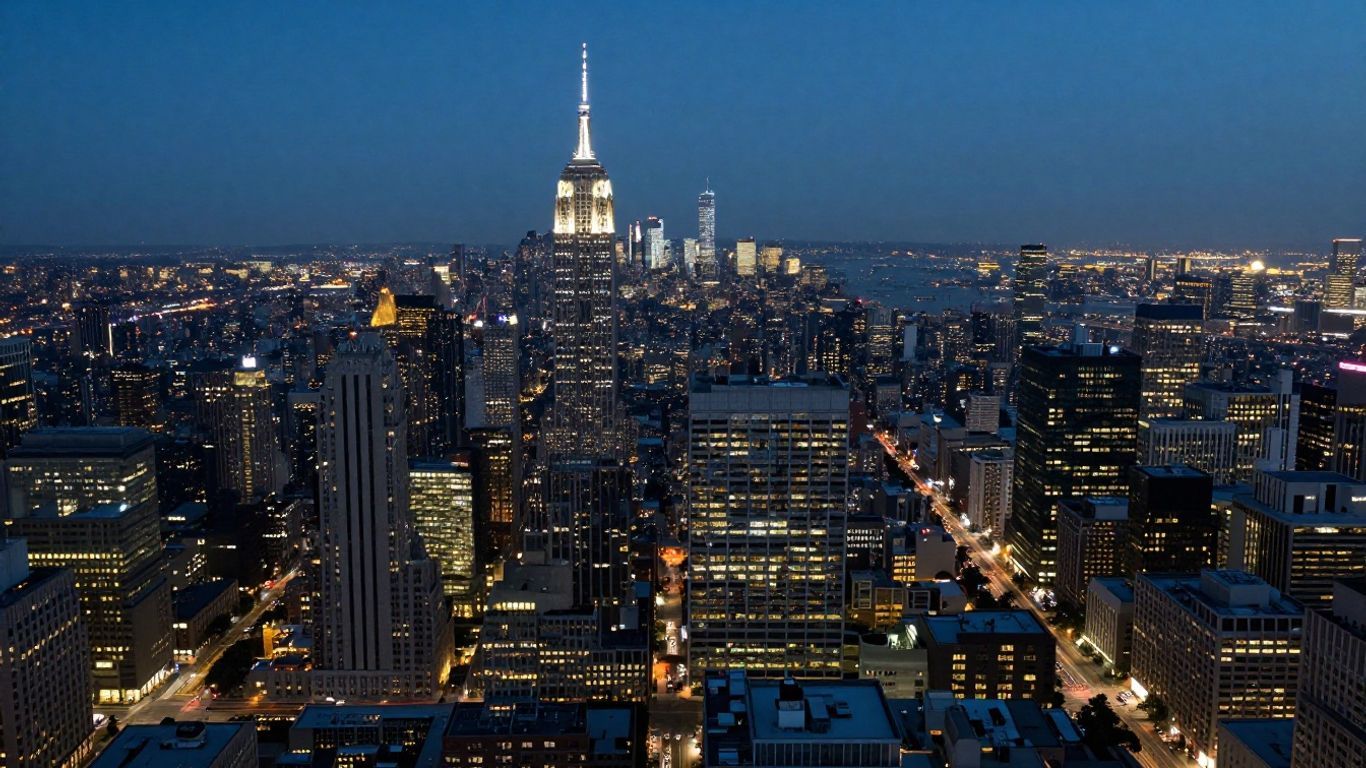
It truly is fascinating, isn't it, to observe the constant metamorphosis of urban landscapes? The 2026 population projections unmistakably demonstrate that urban evolution transcends mere expansion of the largest metropolises. Instead, numerous localities are achieving unprecedented population figures—a phenomenon invariably heralding substantial transformation. Indeed, certain smaller towns are experiencing such accelerated growth that they are, effectively, transitioning into significant urban centers in remarkably short order.
Such rapid growth, naturally, presents these burgeoning communities with a multitude of novel challenges. Consider the implications: an increased populace necessitates greater demand for housing, improved transportation infrastructure—both roadways and public transit—and expanded educational facilities. Moreover, it often fundamentally alters the prevailing character and ambiance of a locale. Previously tranquil suburban enclaves, for instance, may well transform into bustling urban cores.
Notable Cities Surpassing One Million Residents
Attaining the one million resident threshold represents a monumental achievement for any city. It signifies its ascent to the status of a major metropolitan area, wielding substantial influence—both economically and culturally. As of 2026, a handful of cities have recently achieved this significant milestone, thereby joining an exclusive cohort of prominent urban centers.
- Jacksonville, Florida
- Fort Worth, Texas
These cities now find themselves in a distinct category, poised to navigate both the expansive opportunities and the substantial demands inherent in their new status as major metropolises. Their remarkable growth underscores the continuing demographic realignments transpiring nationwide, with a pronounced concentration of these gains evident in the Southern and Western regions.
The Impact of Rapid Urban Expansion
Such accelerated urban expansion, it must be noted, invariably influences nearly every facet of civic life. To understand this better, let's briefly examine what this type of growth typically entails:
- Infrastructure Strain: Roads, public transit, and utilities frequently grapple with escalating demand, often struggling to keep pace.
- Housing Market Changes: An increased population inevitably translates to heightened housing demand, subsequently exerting upward pressure on property values.
- Community Identity: The fundamental character of a city can indeed transform as an influx of new residents introduces diverse perspectives and requirements.
Crucially, the absolute volume of new inhabitants—rather than solely percentage-based growth—serves as the truest indicator of where the most significant demographic shifts are currently unfolding. It offers unambiguous evidence as to which regions are solidifying their status as principal population centers.
Navigating the Challenges of Accelerated Growth
Such rapid urban expansion is rarely without its complexities, presenting unique challenges. Urban centers experiencing swift growth must engage in meticulous foresight and planning to effectively accommodate the burgeoning influx of new residents. This typically necessitates a focus on several key areas:
- Investing in Infrastructure: Upgrading roads, public transportation, and utilities emerges as a paramount priority.
- Addressing Housing Needs: Fostering the development of diverse housing options to accommodate the expanding populace, concurrently endeavoring to maintain affordability.
- Expanding Public Services: Augmenting the capacity of essential public services, including educational institutions, healthcare facilities, and emergency response units.
Successfully managing this rapid growth is pivotal for preserving the quality of life for both long-time residents and newcomers. This, in turn, demands astute strategic planning and substantial financial investment to ensure the urban environment can sustainably support its ever-expanding populace.
Looking Ahead: The Ever-Shifting Urban Landscape
Continuous Transformation of Urban Environments
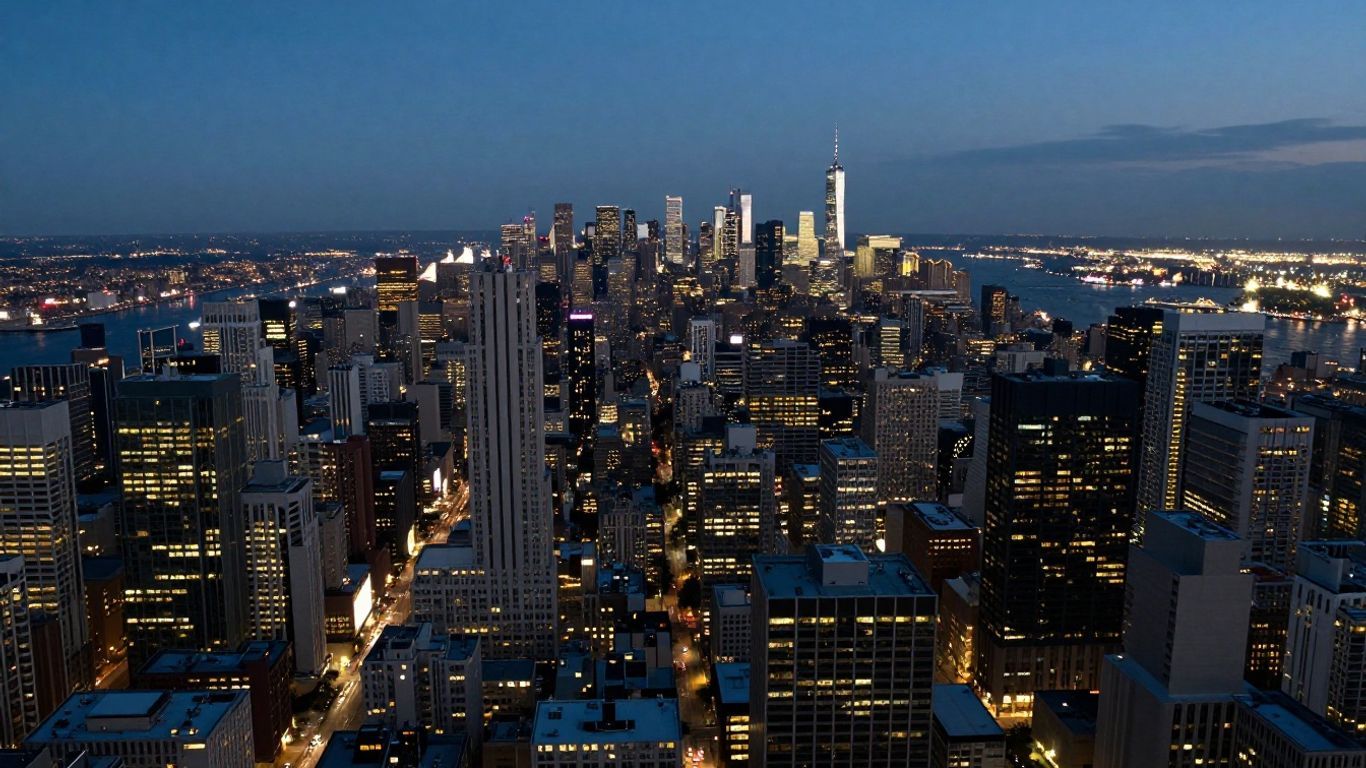
Our urban landscapes are in a ceaseless state of flux, are they not? Indeed, the 2026 population data compellingly illustrates the extent of these ongoing transformations. The focus has transcended merely identifying the most populous cities; instead, we are keenly observing where growth is manifesting, and, crucially, its underlying drivers. Numerous localities are achieving unprecedented population figures, while others are experiencing a notable resurgence. The idea of what makes a city desirable is undergoing a profound evolution. Individuals are no longer solely seeking employment opportunities; rather, they desire a locale that seamlessly integrates with their entire lifestyle—balancing professional pursuits, leisure, and a strong sense of community.
Grasping Demographic Shifts for Future Planning
These substantial demographic shifts carry tangible repercussions. Rapidly expanding urban centers must diligently keep pace with escalating demands for infrastructure—roads, housing—and essential public services. While challenging, this dynamic simultaneously presents significant opportunities for novel development. Remarkably, certain smaller towns are burgeoning at such a pace that they are transitioning into considerable urban centers virtually instantaneously. Such accelerated expansion necessitates meticulous foresight and planning to effectively accommodate new residents while preserving the distinctive character of the community. Indeed, drawing insights from locales that have successfully navigated similar growth trajectories can prove immensely beneficial.
Here's a look at what rapid expansion often involves:
- Infrastructure Strain: Roads, public transport, and utilities frequently contend with increased demand, sometimes struggling to adapt.
- Housing Market Changes: A swelling populace inevitably intensifies housing demand, potentially escalating property values.
- Community Identity: The intrinsic character of an urban area may evolve as incoming residents introduce fresh perspectives and evolving needs.
The fundamental calculus behind residential decisions is undeniably undergoing significant transformation. The prevalence of remote work now permits individuals to reside at greater distances from traditional urban cores. Consequently, locales boasting enhanced affordability or a superior quality of life are becoming increasingly compelling. Furthermore, climatic considerations and ready access to natural environments are growing in importance as determinants for choosing a home.
The Broader Implications for Communities Nationwide
Discerning these intricate population shifts provides a more expansive perspective regarding contemporary residential selections throughout the U.S. This data offers invaluable insights into emergent economic opportunities, evolving lifestyle preferences, and the dynamic metamorphosis of American communities. As urban centers persist in their growth and transformation, proactive future planning assumes an even greater—indeed, paramount—significance to ensure these locales remain vibrant, inclusive, and truly livable for all inhabitants.
The Ever-Shifting Urban Landscape
As we draw this exploration of the United States' most populous cities in 2026 to a close, it becomes abundantly clear that urban dynamics are in a state of ceaseless evolution. From the enduring expansion of colossal metropolises like New York and Los Angeles, to the burgeoning growth observed in numerous other locales, the underlying data articulates a compelling narrative regarding contemporary migration patterns and their motivating factors. Grasping these fundamental shifts allows us to discern the forces actively shaping American urban centers, whether one is contemplating a residential relocation or simply curious about the nation's evolving demographic distribution. Ultimately, these insightful urban statistics provide a profound glimpse—a veritable pulse-check, perhaps—into the ongoing transformations.
Frequently Asked Questions
Which urban centers are projected to be the most populous in the U.S. for 2026?
The United States' largest cities by population are anticipated to remain New York City, Los Angeles, and Chicago. These colossal metropolises serve as pivotal hubs for employment, cultural innovation, and the daily lives of millions of inhabitants.
How is population data for individual cities in the U.S. accurately determined?
The U.S. Census Bureau is the authoritative body tasked with comprehensive population enumeration. This agency conducts a nationwide census every ten years and also issues annual updates to meticulously monitor demographic shifts. Such diligent efforts are instrumental in identifying which urban areas are experiencing growth.
Do the largest U.S. cities consistently exhibit the most rapid growth?
Interestingly, not always! While major urban centers such as New York continue to expand their resident bases, numerous smaller cities—particularly throughout the South and West—are registering significantly faster percentage-based growth. Furthermore, it's quite noteworthy that some cities which previously experienced population declines are now beginning to observe a resurgence.
Which regions of the U.S. are experiencing the most substantial population growth?
Urban areas across the Southern and Western United States are witnessing significant inbound migration. These regions frequently offer an abundance of employment opportunities and can present more favorable affordability compared to other national sectors.
Are any U.S. cities achieving new population milestones?
Indeed, certain cities are expanding at such an accelerated pace that they are ascending into entirely new population categories. For instance, locales once categorized as smaller towns are now transforming into significant urban centers, necessitating augmented services and expanded infrastructure to accommodate their burgeoning populations.
What key factors motivate individuals to relocate to new cities?
A multifaceted array of factors influences residential relocation decisions. The availability of robust employment opportunities remains a primary driver. Furthermore, with the increasing prevalence of remote work, many are opting for locales offering greater affordability or more desirable climatic conditions—even if these are not the largest metropolitan areas.


