
resources
Exploring the Biggest Cities in the World: A 2026 Population Snapshot
11 Jan 2026

Considering the world's largest cities in 2026 presents an intriguing prospect, doesn't it? These urban centers are far more than mere population conglomerations; they are vibrant crucibles where innovative ideas flourish, where aspirations converge, and where culture profoundly evolves. They are, without question, in a perpetual state of flux. So, let's delve into what truly makes these prominent metropolises thrive in the present landscape.
Key Takeaways
- Historically, the designation of the world's most populous city has consistently shifted. Venerable places like Baghdad, London, and New York once held this esteemed position before Tokyo emerged as the contemporary leader. Pinpointing precise historical populations can be challenging, but this dynamic clearly illustrates the evolving nature of global demographic hubs.
- Major cities inherently act as magnets for tech professionals. Fields such as artificial intelligence and cybersecurity are expanding at an accelerated pace, and urban environments naturally attract skilled talent with compelling career opportunities, competitive remuneration, and clear avenues for professional advancement. The presence of leading corporations and extensive networking prospects also plays a significant role.
- Cities situated in Europe, Australia, and Canada frequently achieve high rankings for their exceptional liveability. Factors such as robust safety measures, efficient public transportation networks, comprehensive healthcare services, and quality educational institutions are paramount. Occasionally, unforeseen global events can indeed recalibrate these established rankings.
- Urban centers boasting vibrant arts scenes, diverse culinary offerings, and rich historical narratives consistently captivate individuals. Places that adeptly blend time-honored traditions with innovative concepts, alongside possessing iconic landmarks, typically prove to be immensely popular.
- The U.S. Census Bureau's 2024 estimates indicate that New York City, Houston, and Los Angeles experienced the most substantial population increases. Interestingly, some cities in the Northeast and Midwest are now witnessing renewed population growth after previous periods of decline. Princeton, Texas, notably recorded the most rapid growth rate at an impressive 30.6%.
Understanding The Scale Of Global Urban Centers
Pondering the sheer magnitude of the world's largest cities can feel quite expansive, can't it? It's not simply about their current population figures, but also encompasses the complex methodologies employed to ascertain these numbers, and how such calculations have evolved over extended periods. The concentration of so many people within urban areas fundamentally reshapes our contemporary global landscape. Yet, precisely defining what constitutes a truly 'big' city is often less straightforward than one might initially presume.
Related Content: kinshasa
Defining What Constitutes A Big City
When we refer to a 'big city,' our thoughts typically gravitate towards population size. However, the concept extends beyond a mere numerical count. Various organizations employ differing criteria for tabulation. Some focus exclusively on the city's administrative boundaries—the 'city proper'—while others consider the broader metropolitan area, which encompasses closely integrated suburban communities. This divergence in definition can, quite understandably, lead to substantially different statistical outcomes.
- City Proper: This refers to the core administrative boundary of the city. It represents the most fundamental population count.
- Metropolitan Area: This definition includes the central city along with its surrounding suburbs and towns that are economically and socially intertwined with it. Consider regions where residents regularly commute into the city for employment.
- Urban Agglomeration: Representing an even more expansive definition, this considers the continuously built-up area, irrespective of established administrative borders. It essentially captures the physical expanse of the city's development.
The methodology we employ to measure city populations significantly influences how they are ranked globally. A city might be deemed enormous by one definition, yet comparatively smaller by another, consequently altering its position on international lists.
Historical Perspectives On Population Epicenters
Humanity has always exhibited a propensity for communal living. Over millennia, certain locales blossomed into profoundly important population centers. Think, for instance, of ancient Jericho, or later, the illustrious city of Baghdad. These urban hubs once served as the preeminent centers of their known worlds, attracting vast populations and considerable influence. It's truly fascinating to observe how the title of 'world's largest city' has journeyed across continents and eras. For an extensive period, it was held by places like London, then New York, and today Tokyo is frequently cited as the most expansive.
| Historical Hub | Approximate Era | Notes |
|---|---|---|
| Mesopotamia | ~4000 BCE | Early settlements showing density |
| Baghdad | ~9th Century CE | Major center of learning and population |
| London | ~19th Century CE | Industrial Revolution hub |
| New York City | ~20th Century CE | Major economic and cultural center |
| Tokyo | ~21st Century CE | Current largest by many measures |
The Evolving Nature Of Urban Growth
Cities are anything but static; they are perpetually undergoing transformation. In our contemporary era, many urban centers are prioritizing enhanced sustainability and leveraging technology to augment the quality of life for their inhabitants. The overarching objective is to cultivate environments that function optimally for people while simultaneously fostering ecological responsibility. This necessitates careful consideration of elements such as green spaces, efficient transportation systems, and innovative building practices. The continuous metamorphosis of urban landscapes stands as a defining characteristic of modern city development—it's a constant process of adaptation and innovation aimed at addressing the requirements of burgeoning populations and shifting global conditions.
Historical Shifts In Global Population Hubs
Ancient Roots Of Urban Living
Humanity, since its earliest days, has demonstrated an innate tendency to congregate. Over thousands of years, specific locations evolved into truly pivotal centers of human activity. Consider sites like Jericho, a significant settlement dating back to 7000 BC, or later, the formidable cities like Baghdad. These locales once commanded the primary influence in their respective known worlds, drawing in considerable populations and power. It's quite remarkable to witness how this dynamic has evolved. Early settlements weren't confined to a single geographical area either; while Mesopotamia is often lauded as the 'cradle of civilization,' substantial early communities also emerged in regions such as Egypt, Turkey, and even parts of what we now know as Ukraine. This historical spread underscores a universal human desire to construct large, thriving communities, regardless of their geographical placement.
Centuries Of Shifting Capitals
The esteemed title of 'world's largest city' has rarely remained with one particular place for an extended duration. Throughout much of the 20th century, New York held this distinction. Prior to that, London stood as the preeminent population center. Journey further back in time, and Baghdad was a pivotal hub. This consistent movement unequivocally illustrates how global centers of civilization have perpetually transformed over the ages. Ascertaining precise population figures for these older cities presents a challenge, as we largely rely on estimates from dedicated historians and archaeologists. Even delineating where a city's core ends and its surrounding suburbs begin proves difficult, both in historical contexts and often in the present day. Furthermore, the sophistication of our population counting methods has vastly improved over time, rendering direct comparisons across disparate eras particularly complex.
Here's a look at how the largest city has shifted over time:
- Jericho: Around 7000 BC
- Baghdad: Around 1000 AD
- London: Around 1800 AD
- New York: Around 1900-2000 AD
- Tokyo: Present day
The precise boundaries and demographic counts of historical cities are frequently subjects of scholarly debate, making definitive lists challenging to compile. Nevertheless, the overarching trend vividly demonstrates the dynamic nature of human congregation throughout history.
The Rise Of Modern Megacities
Today, the sheer scale of urban populations is unprecedented, far surpassing anything witnessed in previous epochs. We now observe numerous cities boasting populations that dwarf even the most grandiose historical capitals. This immense growth is, in fact, a defining characteristic of our contemporary global landscape. The profound concentration of people in these colossal urban areas is a relatively recent phenomenon, propelled by a multifaceted interplay of factors that continue to mold where and how we reside. These modern megacities are not merely statistical anomalies; they serve as dynamic epicenters of innovation, culture, and economic vitality, drawing individuals from every corner of the globe.
Key Drivers Of Urban Magnetism
Attracting Tech Talent And Innovation
Cities have historically served as natural incubators where new ideas and entrepreneurial ventures tend to coalesce. This holds particularly true in our present age for sectors such as technology, finance, and the creative industries. These fields, characterized by their rapid evolution, demand individuals equipped with cutting-edge skills. When a significant concentration of intellectual capital and financial resources converges in one locale, it can catalyze exponential growth. However, this magnetic pull also often translates into increased living costs and intensified competition.
The tech industry, in particular, has experienced substantial expansion across many major cities, generating novel employment opportunities and fundamentally reshaping local economies. Keeping pace with these shifts is crucial, especially given the continuous advancement of technology itself.
The Appeal Of Liveable Urban Environments
What truly distinguishes one city from another in terms of desirability? It's typically a confluence of elements: robust employment prospects, the prevailing cost of living, engaging cultural attractions, and an overarching high quality of life. When discussions turn to a city's liveability, key indicators often include its safety record, the caliber of its healthcare system, and the environmental quality. Cities that excel in these domains tend to offer a balanced lifestyle, enabling residents to savor urban amenities without feeling unduly burdened or exhausted.
Cities consistently earning high liveability rankings often possess strong public services and skillfully manage to integrate new development with abundant, accessible green spaces. This thoughtful, holistic approach makes them genuinely appealing places to establish roots.
Cultural Richness As A Draw
Major cities frequently function as vibrant centers for the arts, music, diverse culinary experiences, and deep historical narratives. These cultural enticements make urban areas inherently thrilling for both residents and visitors alike. They seamlessly blend time-honored traditions with innovative ideas, thereby crafting unique and memorable experiences.
- Arts and Entertainment: A rich tapestry of museums, theaters, live music venues, and galleries provides constant intellectual and sensory stimulation.
- Culinary Diversity: Ranging from bustling street food markets to exquisite fine dining establishments, cities present an unparalleled array of global cuisines.
- Historical Significance: Many cities proudly showcase landmarks and districts that narrate compelling stories from centuries past.
These interwoven elements collectively create an incredibly dynamic atmosphere that powerfully attracts and continually engages people.
Contemporary Population Dynamics
Contemplating the sheer volume of individuals residing in major cities today can certainly be a bit astonishing. It's not merely about the current census figures, but also involves understanding the sophisticated methods employed to derive these numbers, and how those methodologies have evolved over time. Indeed, the concentration of such vast populations within urban areas represents a profound aspect of our contemporary global landscape. However, discerning what precisely qualifies as 'big' isn't always as simple as it might initially appear.
Numeric Growth In Major Cities
Generally speaking, cities across the board are experiencing population increases, though the pace of this growth is notably varied. Larger urban centers, specifically those with 50,000 or more residents, are typically expanding at a healthy rate. For example, within the U.S., cities in this population category recently observed an average growth rate of approximately 1.0%. Smaller towns, defined as those with fewer than 5,000 inhabitants, are also growing, albeit at a somewhat slower pace, averaging around 0.3%.
Regional Trends In Urban Expansion
Distinct regions globally, and even within individual countries, often exhibit unique patterns of urban expansion. The U.S. South, for instance, has emerged as a significant hotspot for growth, particularly in its mid-sized cities (those ranging from 5,000 to 49,999 people), where growth rates have reached an impressive 1.6%. The West also demonstrates robust growth, especially within its larger cities. Conversely, the Northeast, which previously saw declines in its smaller towns, is now experiencing a modest resurgence in growth for its larger cities, registering around 1.0%.
Here's a quick look at recent average growth rates by region for cities with 50,000 or more residents:
| Region | Average Percent Change |
|---|---|
| Northeast | 1.0% |
| Midwest | 0.7% |
| South | 1.3% |
| West | 1.0% |
Cities Surpassing Population Milestones
Some cities are truly distinguishing themselves, expanding at rates that are quite remarkable. Consider Princeton, Texas, a Dallas suburb, which almost doubled its population in just a few short years, surging from approximately 17,000 to over 37,000 residents. This caliber of rapid expansion implies that these communities are in a continuous state of adaptation and transformation to effectively accommodate their burgeoning populations.
The methods we use to count urban populations have become considerably more sophisticated over the centuries. What once relied on educated conjectures based on ancient texts or archaeological ruins is now meticulous demographic analysis. This evolution, while making direct comparisons between ancient and modern populations challenging, powerfully illustrates the dramatic shifts in human settlement patterns.
It's genuinely fascinating to observe the evolution of population density. Early civilizations in regions like Mesopotamia and the Indus Valley were pioneers in concentrating large numbers of people within a confined area. Later, centers of power and population migrated, with Europe and subsequently North America becoming significant hubs. Today, we are witnessing population figures that render even the grandest historical capitals appear modest by comparison.
Factors Influencing City Liveability
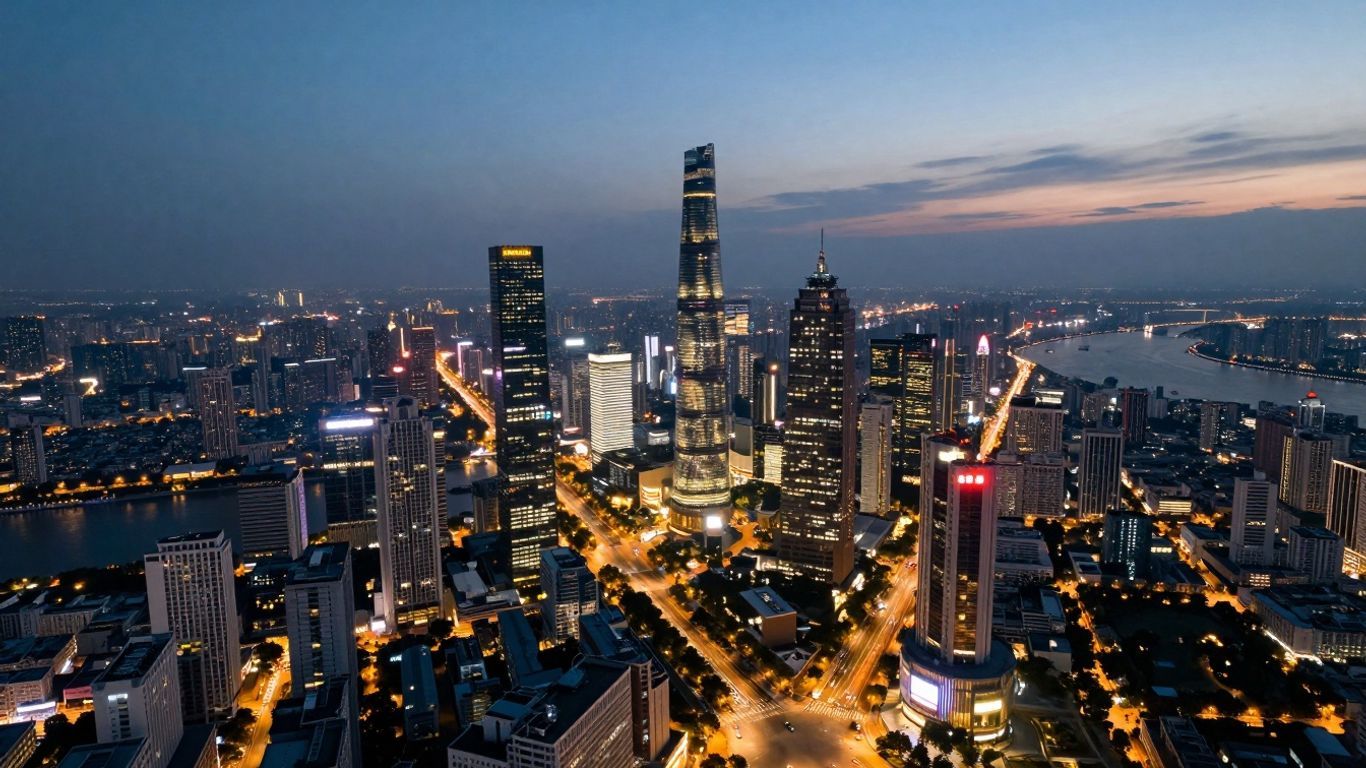
When our discussion turns to the world's largest cities, it's often all too easy to become engrossed solely in numerical metrics—how many people reside there, or the extent of their economic output. But what is the genuine, day-to-day experience of living in these places truly like? This is precisely where the concept of liveability becomes paramount. It centers on the actual quality of life for a resident, and numerous intricate elements contribute to making a city an excellent place to call home.
Prioritizing Safety and Healthcare
Feeling secure is undeniably a fundamental aspect, wouldn't you agree? Cities that consistently achieve high liveability rankings typically boast low crime rates and a pervasive sense of order. This translates to residents feeling comfortable walking around, even after dark, without constant apprehension. It's not merely about police presence, though; it also encompasses effective community programs and meticulously maintained public spaces that actively deter undesirable activities. Complementing safety, access to high-quality healthcare is absolutely non-negotiable. This includes everything from a sufficient number of skilled medical professionals and well-equipped hospitals to swift access to emergency services when they are most critically needed. Indeed, a city that demonstrably prioritizes the well-being of its inhabitants is invariably one that people aspire to live in.
The Role of Public Transportation
Navigating an urban environment constitutes a substantial portion of city life. If one consistently spends hours ensnared in traffic or contends with unreliable public transport, it can significantly diminish daily quality of life. The most exemplary cities feature public transportation systems that are efficient, immaculately clean, and provide extensive coverage across most areas. Envision subways that adhere to strict timetables, bus networks that seamlessly connect diverse neighborhoods, and perhaps even innovative bike-sharing initiatives. When transport functions effectively, it conserves residents' time and financial resources, simultaneously fostering a greater sense of urban connectivity. Furthermore, it invariably leads to fewer vehicles on the road, which contributes positively to air quality and mitigates congestion for everyone.
Educational Opportunities and Quality of Life
Beyond the fundamental tenets of safety and efficient transit, what other elements truly render a city liveable? Education plays a pivotal role. This extends beyond merely schooling for children; it encompasses opportunities for adults to engage in lifelong learning and personal growth. Consider accessible libraries, community colleges, and esteemed universities. Then there is the overarching quality of life itself: amenities such as well-maintained parks, a diverse array of cultural events, pristine air quality, and ready access to natural environments. Cities that adeptly strike a balance between their bustling urban core and ample green spaces coupled with compelling cultural attractions tend to be significantly more appealing. Ultimately, it's about crafting an environment where individuals can not only pursue their careers but also genuinely enrich their lives.
Ultimately, a city's liveability transcends its mere size or economic output. It is fundamentally about the daily experiences of its residents. When urban centers meticulously focus on safety, provide excellent healthcare, ensure efficient transportation, and cultivate opportunities for both personal growth and enjoyment, they transform into places where people truly flourish.
The Future Trajectory Of Big Cities In The World
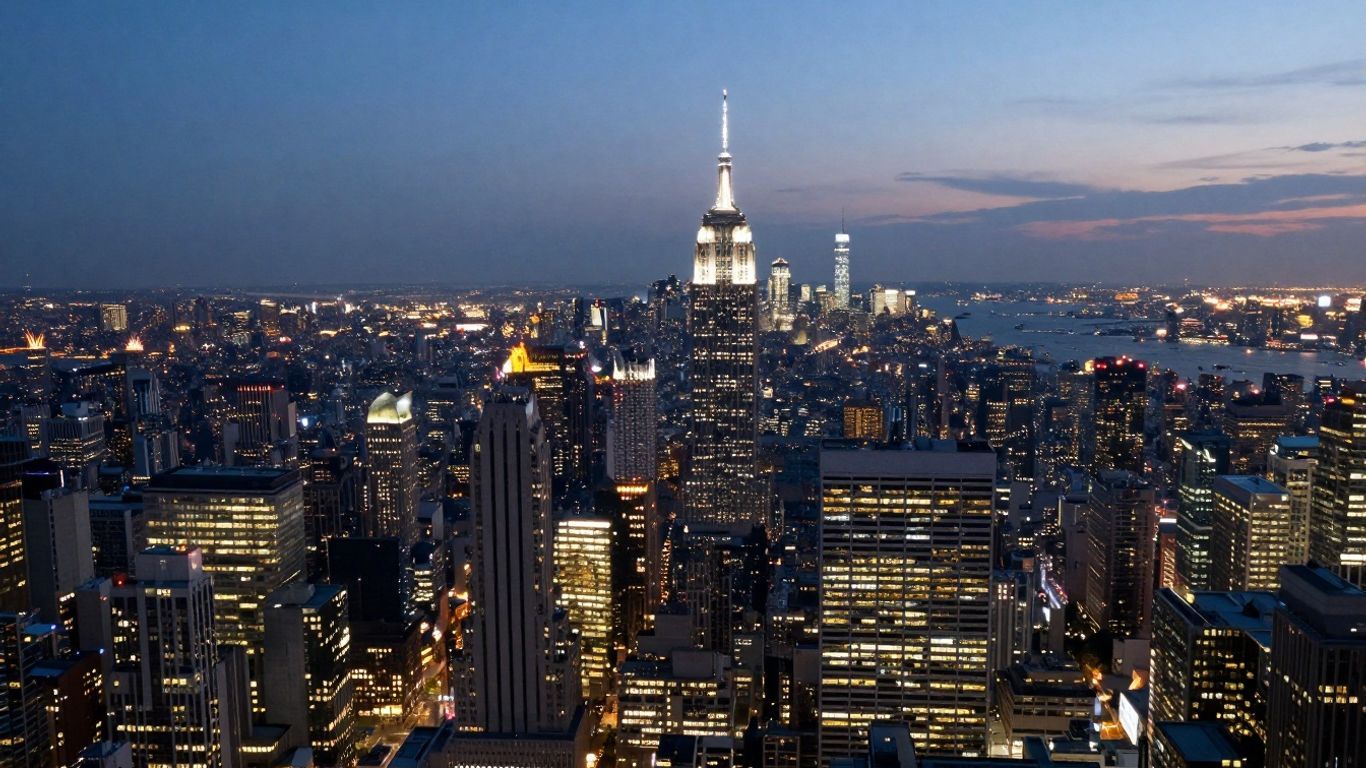
Continuous Transformation Of Urban Landscapes
Major cities are, in essence, never truly static entities, are they? They are in a constant process of construction, reconstruction, and metamorphosis. Consider this: the skyline one observes today might appear notably different in a mere few years. This relentless reshaping is propelled by emerging technologies, the evolving needs of their inhabitants, and even shifts in how we conceptualize communal living. We are increasingly witnessing the advent of flexible architectural designs, spaces optimized for pedestrian and cycling traffic, and a proliferation of innovative public areas designed for social interaction. It's all geared towards optimizing these vast urban environments for the benefit of all.
Anticipating Future Urban Living
So, what lies ahead for these colossal urban centers? Well, one can certainly anticipate an even deeper integration of smart technology into the very fabric of the city, rendering aspects like traffic management and energy consumption significantly more efficient. Housing solutions are likely to become more adaptable, with concepts such as co-living spaces gaining broader acceptance. The focus will probably shift even more decisively towards making neighborhoods inherently walkable and highly connected, thereby reducing the dependency on private automobiles.
Here’s a brief overview of what might become commonplace:
- Smart Infrastructure: Cities leveraging data analytics to optimize resource allocation and service delivery.
- Green Spaces: A greater emphasis on integrating parks and natural areas into comprehensive urban planning.
- Personalized Mobility: A diversified approach combining public transit, ride-sharing services, and potentially novel forms of personal transportation.
- Community Focus: Designing urban spaces that actively foster social interaction and a robust sense of belonging.
The fundamental paradigm of urban living is undeniably evolving. It's no longer solely about securing a place to reside and work. People are increasingly seeking cities that actively promote their health, demonstrate environmental responsibility, and cultivate a strong sense of community. This imperative will undoubtedly necessitate cities to be profoundly creative and exceptionally adaptable.
The Enduring Allure Of Dynamic Metropolises
Despite the myriad changes and inherent challenges, major cities will, in all likelihood, continue to exert a powerful magnetic pull on individuals. They serve as unparalleled epicenters of opportunity, culture, and innovation. The sheer dynamism and profound diversity found within these urban hubs are incredibly difficult to replicate elsewhere. While the precise definition of a 'big city' may evolve, and the modalities of living within them will undoubtedly transform, their fundamental appeal as vital nexus points for connection and progress appears destined to persist. It is, truly, a fascinating prospect to observe how these urban landscapes will continue to develop and, indeed, surprise us in the years to come.
The Ever-Shifting Urban Landscape
As we conclude our examination of the world's most prominent cities in 2026, it becomes abundantly clear that these places are in a perpetual state of flux. From the grand historical migrations of populations across continents—such as the shift from London's preeminence to Tokyo's contemporary scale—to the rise of today's tech hubs and the intricate factors defining a city's liveability, the narrative of urban life continuously unfolds. Individuals are drawn to these dynamic locales for a multitude of reasons: career prospects, cultural enrichment, or the pursuit of novel ideas. Gaining an understanding of these overarching trends not only elucidates the profound interconnectedness of global cities but also offers a compelling glimpse into the potential future of urban existence.
Frequently Asked Questions
What criteria typically define a city as one of the largest globally?
A city is primarily considered among the largest globally based on its population size. In some instances, the expansive geographical area it covers also plays a role. Essentially, it signifies a substantial concentration of people residing in close proximity within a single metropolitan entity.
How do we reconstruct the populations of historical cities?
Precisely determining the exact population of ancient cities can be quite challenging! Historians and researchers meticulously examine old texts, archaeological findings, and urban ruins. They then formulate informed estimates based on these discoveries. While not flawless, these educated guesses significantly enhance our comprehension of how cities have grown and evolved over vast stretches of time.
Do the largest cities consistently offer the best quality of life?
Not necessarily. While major cities often present abundant employment opportunities and a wealth of cultural attractions, they can also contend with issues like overcrowding and high living costs. Certain cities are frequently ranked higher for their overall liveability, taking into account factors such as safety, quality healthcare, and the availability of green spaces.
What makes certain cities particularly appealing for technology-related careers?
Cities characterized by a high concentration of technology companies and reputable universities that educate skilled tech professionals are typically excellent environments for tech careers. Locales where tech innovators can readily network and exchange ideas are also crucial. Furthermore, these cities often provide competitive salaries and clear pathways for career advancement.
Why do individuals choose to relocate to large cities?
People are drawn to major cities for a myriad of compelling reasons. Urban centers frequently offer a greater abundance of job opportunities, particularly in expanding sectors like technology. Cities also function as cultural epicenters, boasting diverse museums, vibrant music scenes, and global culinary experiences. The prospect of being part of a dynamic and evolving environment is, moreover, a significant attraction.
How are contemporary cities currently undergoing transformation?
Cities are in a constant state of transformation! Some are experiencing exceptionally rapid growth, notably in the Southern and Western regions of the United States. New technological advancements are fundamentally altering how we live and work within urban contexts. Additionally, there's an increasing emphasis on elements that contribute to a high quality of urban life, such as enhanced safety and efficient transportation. It is, truly, an ongoing evolution.


