


resources
Exploring the Charm of Suburban London: Beyond the City Center
24 Mar 2026

Have you ever pondered what life might be like beyond the relentless hustle and bustle of the city? England's suburban landscapes, too, tell a compelling story—one that has gracefully evolved from post-war aspirations into the intricate realities of the present day. Far from being mere tranquil havens, these areas have transformed into vibrant communities, grappling with emerging challenges while simultaneously unveiling novel opportunities. Join us as we delve into the intricate dynamics that define these suburban locales, explore their profound cultural resonance, and contemplate the possibilities that lie ahead. We'll even highlight some exceptional examples for a clearer picture.
Key Takeaways
- The quintessential notion of suburban living in England has undergone a significant transformation, evolving from a post-war ideal into a nuanced contemporary reality, thereby re-evaluating long-held perceptions.
- Suburban life has consistently served as a prominent motif in English literature and television, frequently offering incisive social commentary and profoundly influencing our collective understanding of these environments.
- Contemporary suburban areas contend with tangible challenges, including economic shifts and the imperative to accommodate increased population density without compromising their inherent tranquility.
- The trajectory for England's suburbs will foreseeably encompass innovative governmental policies, the invigoration of local commerce, and potentially their emergence as burgeoning technological hubs.
- Factors such as enhanced green spaces, robust internet infrastructure, the prevalence of remote work, and deeply rooted local communities are demonstrably revitalizing the allure of suburban life.
The Evolving Ideal of Suburban London
From Post-War Dream to Modern Reality
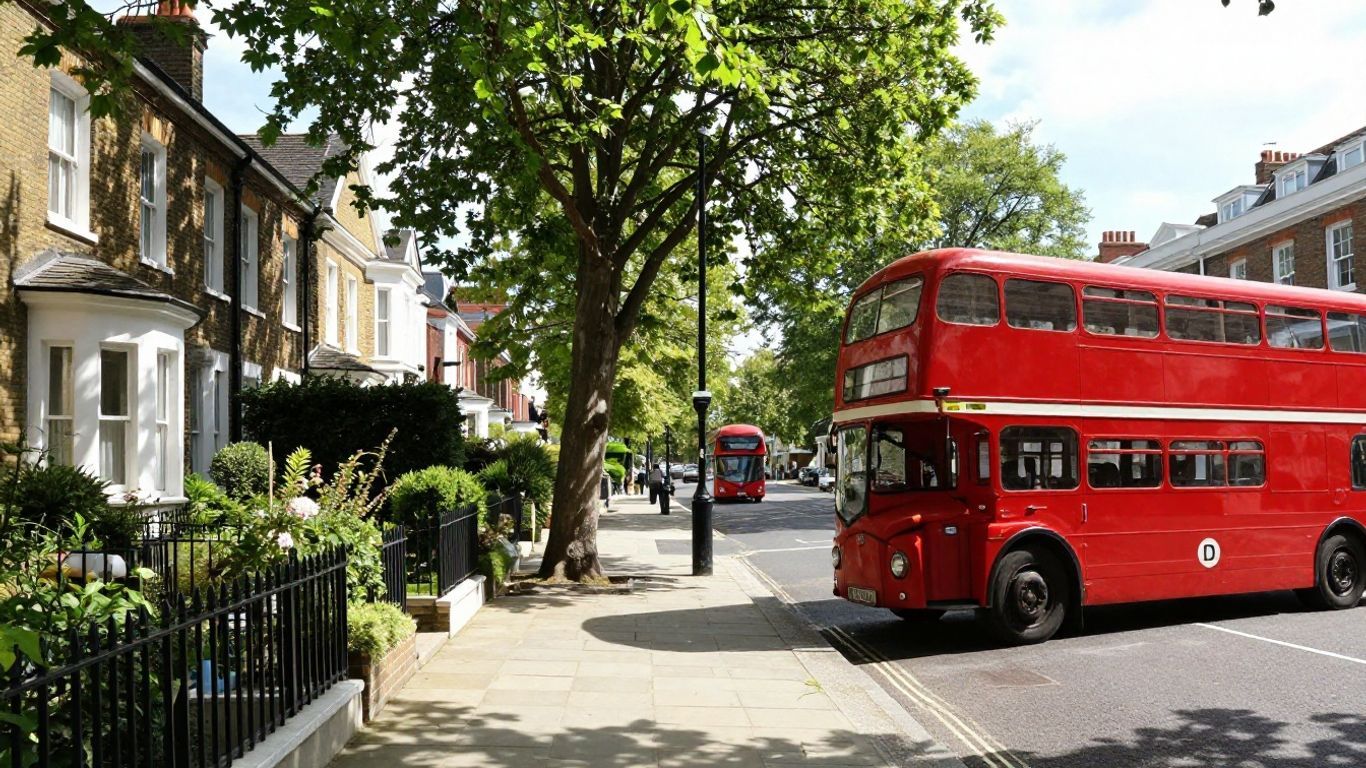
For an extended period, particularly in the aftermath of World War II, suburban residency was widely perceived as the ultimate aspiration for countless families across England. One might recall nostalgic advertisements depicting contented individuals enjoying expansive gardens, breathing crisp air, and seeking refuge from the congested urban environment. The essence lay in discovering tranquility, ample space, and a genuine sense of community removed from the incessant urban clamor. This vision profoundly captivated the public imagination, influencing the life goals of many.
However, this idyllic portrayal didn't always reflect the complete narrative. Indeed, certain prominent writers and intellectuals often found suburbs somewhat prosaic, perhaps even constricting. George Orwell, for instance, famously characterized them as "a prison with the cells all in a row," while others dismissed them as locales of tedium or futility. The reality, as is frequently the case, proved considerably more intricate than the straightforward, joyful imagery implied.
Challenging Stereotypes of Suburban Life
For a considerable period, suburban areas regrettably acquired a rather unflattering reputation. They were routinely depicted as monotonous, uniform, and largely uneventful places. The prevailing image often consisted of an endless expanse of identical dwellings, a discernible deficit of cultural dynamism, and an pervasive sense of homogeneity. This perspective positioned suburbs as antithetical to the vibrant pulse of city life – a destination for those ostensibly averse to adventure or diversity.
The Shifting Perceptions of Suburban Areas
Presently, the very concept of suburban living is undergoing a profound transformation. It transcends the mere act of escaping the city's confines. Individuals now actively seek a multifaceted blend of amenities: seamless access to natural environments, dependable internet connectivity for remote work, readily available local shops and services, and a robust sense of community. Consequently, the ideal suburban residence now embodies a balanced lifestyle, moving beyond the simple desire for a larger dwelling. This refreshed definition is undeniably rendering suburbs increasingly appealing to a new demographic.
The quintessential suburban abode is no longer solely defined by its proximity to professional commitments. Rather, it encapsulates the cultivation of a balanced existence that thoughtfully integrates personal space, reliable technological infrastructure, and an authentic connection to both the local community and the surrounding natural environment. This refreshed perspective is, quite understandably, rendering suburban living exceedingly attractive to a broad spectrum of individuals today.
Here's what people are looking for now:
- Abundant Outdoor Access: Plenty of verdant green spaces, well-maintained parks, and inviting walking paths.
- Seamless Connectivity: Dependable high-speed internet and robust mobile phone service.
- Vibrant Local Hubs: Lively main streets featuring a diverse array of shops and essential services.
- Profound Community Engagement: Ample opportunities to connect with others and cultivate a true sense of belonging.
Cultural Reflections of Suburban London
Poetic Visions of the English Suburb
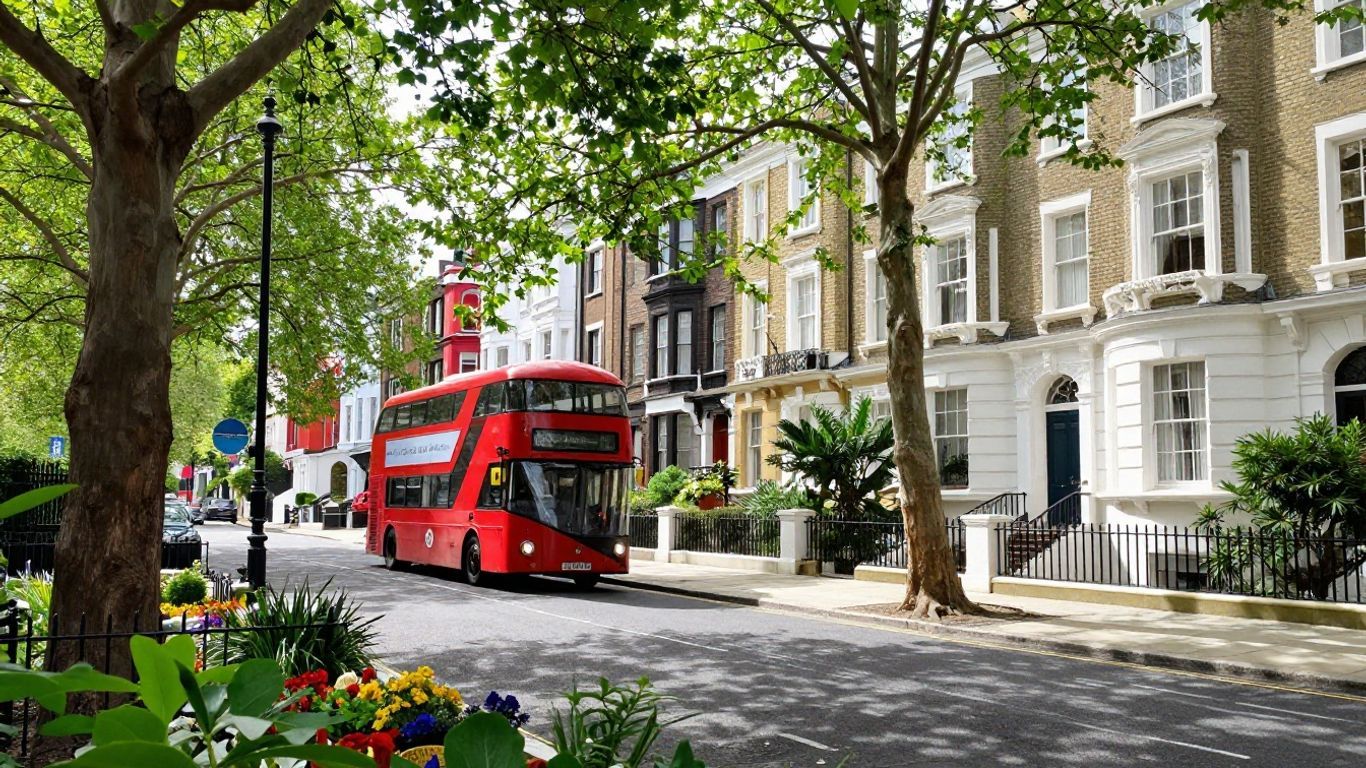
English suburbs have, for centuries, captivated the imaginations of poets, serving as a rich canvas for both wistful nostalgia and incisive social commentary. Consider, for instance, John Betjeman, whose verses frequently conveyed a tender ache for the disappearing rural peripheries of suburban landscapes, poignantly lamenting the erosion of hedgerows that once symbolized a more serene, verdant England. His oeuvre consistently evokes a retrospective sentiment, uncovering vestiges of a countryside gradually subsumed by relentless development. Conversely, T.S. Eliot perceived even ostensibly charming suburban locales such as Richmond and Kew as somewhat overwhelming—indicative of an encroaching sprawl that could feel utterly suffocating. These divergent poetic perspectives underscore the remarkably varied sentiments associated with suburbs, ranging from a profound yearning for what has passed to an acute sense of being inundated by the present reality.
Suburban Life in Literature and Television
One would be hard-pressed to overlook the ubiquitous presence of suburban life within both our literary works and on our television screens. Television, notably, has adeptly utilized suburban settings as a backdrop for exploring a diverse array of social dynamics. Programmes such as "The Good Life" deftly engaged with the aspirational facets of suburban existence, whereas characters like Hyacinth Bucket in "Keeping Up Appearances" comically underscored the social pretensions occasionally prevalent in these areas. Such productions, even in their satirical vein, frequently resonate deeply precisely because they tap into shared experiences and underlying desires intrinsic to suburban living. Literature, too, possesses a rich history of engaging with suburban landscapes. Critics have, at times, characterized them as locales of quietude or even tedium, famously dubbing them "prisons with the cells all in a row." Yet, an alternative narrative is concurrently emerging—one that uncovers unanticipated vitality and distinct character within these very communities.
The 'Suburban Dream' Re-evaluated
The enduring concept of the "suburban dream"—that quintessential vision of a family home, expansive green space, and invigorating fresh air—has persisted for generations. It was frequently marketed as an appealing escape from urban cacophony and congestion, posited as a sanctuary for an improved lifestyle and responsible citizenship. However, with the passage of time, this aspirational dream has undergone closer scrutiny. While a significant number of individuals continue to discover contentment and serenity in suburban environments, others contend that this very dream can occasionally foster pressures toward conformity or a sense of detachment from broader societal concerns. The initial promise of a straightforward, idyllic existence is now understood to be more intricate, with both its manifold advantages and its inherent disadvantages being candidly debated.
Contemporary Suburban London Living
The contemporary experience of living in suburban London is markedly different from its historical antecedents. This pronounced shift towards a hybridized lifestyle—one that seamlessly blends generous personal space, indispensable technological reliability, and a deeply interwoven community fabric—is far from a transient phenomenon. It represents a fundamental recalibration of residents' aspirations for their domiciles, profoundly influencing the evolving aesthetics and atmosphere of suburban areas.
Key Drivers of Suburban Appeal
- Generous Space is Paramount: Individuals increasingly desire larger homes, private gardens, or at minimum, convenient access to verdant outdoor areas—a clear departure from feeling confined.
- The Hybrid Work Model: This paradigm shift has fundamentally reshaped residential priorities. With a diminished daily commuting imperative, residents are more amenable to residing slightly further from the city's bustling core.
- Technology is Non-Negotiable: High-speed internet and dependable mobile coverage are now considered as fundamental utilities, alongside essentials like running water.
- Profound Community Engagement: A robust sense of belonging, fostered through genuine community and connection, stands as a paramount priority for a significant number of residents.
Suburban enclaves are demonstrably more than mere dormitory communities. They are vibrant spaces where children play freely outdoors, where neighbours engage by name, and where the rhythm of daily life unfolds with a discernibly less frantic pace.
Outdoor Access and Connectivity
For many individuals contemplating permanent residency, seamless outdoor access and robust digital connectivity have become intrinsically linked. Indeed, the desire is to effortlessly transition from stepping into a verdant park to seamlessly joining a virtual meeting. Here’s how it typically shakes out:
| Feature | Importance (1-5) | Notes |
|---|---|---|
| Gardens/private space | 5 | A strong preference |
| Walkable parks/trails | 4 | Enhances daily well-being |
| High-speed internet | 5 | Crucial for both professional and personal pursuits |
| Reliable mobile coverage | 5 | An absolute necessity |
The Importance of Local Hubs and Community Feel
Suburban London truly flourishes through its distinctive local enclaves. Vibrant local high streets, bustling markets, and inviting cafes transcend mere commercial functions—they are instrumental in transforming neighbourhoods into authentic communities. Residents frequently highlight these three critical elements as making a palpable difference:
- A diverse array of vibrant local shops and essential services—encompassing everything from artisan bakeries to indispensable hardware stores.
- Regularly scheduled community events, spirited street fairs, or lively markets that sustain the area's vibrant energy.
- Thoughtfully designed communal spaces for social interaction: verdant parks, engaging playgrounds, and welcoming community centres.
For an increasing demographic of Londoners, the evolving suburban landscape presents a compelling synthesis of cherished tradition and contemporary comfort. These are dynamic locales for both living and working, for unwinding and engaging—a genuine alternative to the city’s relentless pace.
Addressing Challenges in Suburban London
Stagnating Growth and Poverty Shifts
Suburban areas, traditionally conceived as purely residential havens, are now confronting their own distinct array of economic impediments. Indeed, for some time, numerous such locales have experienced a deceleration in job creation. Furthermore, in a notable departure from the conventional 'doughnut city' model—where affluence migrated outwards—poverty is now increasingly evident within certain suburban zones, not exclusively confined to urban cores. This phenomenon is not merely attributable to a decrease in new business formation. It also reflects a tendency for investment to disproportionately favor established city centers, thereby leaving suburban areas in greater need of robust support to genuinely flourish and generate quality local employment opportunities for their inhabitants.
The 'Supurbia' Concept: Intensifying Existing Suburbs
An innovative concept, 'Supurbia,' is currently garnering significant attention. One might envision it as a strategic methodology for optimizing the functionality of existing suburban areas, particularly those situated around crucial train stations and other vital transport infrastructure. The fundamental premise involves incrementally increasing building heights—perhaps from two stories to four—to achieve more efficient land utilization. This approach could additionally contribute to mitigating the pervasive reliance on private automobiles, a characteristic for which many suburbs were originally designed. Naturally, some express concerns that such intensification might inadvertently diminish the expansive, relaxed ambiance that underpins suburban appeal. It represents a delicate equipoise: striving for enhanced efficiency without compromising their inherent charm.
Balancing Density with Tranquility
This leads us directly to the pivotal challenge: how does one render suburban areas more dynamic and economically resilient without relinquishing the very peace and quiet that initially attracts residents? The answer lies in identifying judicious strategies for growth and adaptation. This could mean:
- Fostering the establishment of additional local businesses and essential services.
- Enhancing public transportation infrastructure to facilitate commuting and curtail reliance on private vehicles.
- Developing supplementary community spaces designed to foster social cohesion.
The overarching objective is to cultivate suburban environments that transcend mere residential dormitory status, transforming into vibrant communities brimming with opportunities for all, while steadfastly preserving their cherished sense of calm and spatial generosity.
This presents a complex conundrum, yet its resolution is undeniably vital for the enduring future of suburban living both within and beyond the greater London area.
Exploring Exemplary Suburban London Areas
Summertown: Bridging Cosmopolitan and Suburban Charm
Summertown, an attractive enclave nestled in North Oxford, presents a distinctive blend that manages to feel simultaneously sophisticated and comfortably familiar. While not strictly within the London metropolitan area, it nonetheless emanates a comparable aura of a well-connected, vibrant locale that retains a strong sense of community. Picture independent bookshops, exquisite artisan bakeries, and a bustling market scene. It embodies the essence of a place where one can procure a flat white and a freshly baked croissant from a charming local cafe, subsequently perusing for distinctive gifts, all conveniently accessible within a short stroll. The area is celebrated for its exquisite Victorian architecture and its close proximity to the city centre, rendering it a highly desirable option for those seeking the optimal convergence of urban amenities and suburban tranquility.
- A Bustling High Street: A vibrant centre featuring a wide array of unique shops, inviting cafes, and diverse restaurants.
- Abundant Green Spaces: Close proximity to the River Cherwell and Port Meadow, offering ample opportunities for outdoor recreation and serene walks.
- A Reputable Educational Hub: Home to several highly regarded schools and conveniently located near Oxford University.
Summertown serves as an excellent illustration of how a suburban locale can meticulously preserve a potent local identity while remaining seamlessly integrated with a larger urban centre, thereby providing an exceptionally high quality of life.
The Shelfords: Quintessential Village Life Near Cambridge
Though not directly within the London conurbation, the Shelfords—comprising Great Shelford and Little Shelford—epitomize the idyllic village life that many associate with the broader suburban aspiration, remaining conveniently accessible from the capital. These captivating villages provide a serene retreat imbued with a profound sense of community. Here, one discovers traditional public houses, picturesque village greens, and a notably more unhurried rhythm of life. Nevertheless, their close proximity to Cambridge ensures residents benefit from access to world-class educational institutions, cutting-edge research facilities, and diverse employment prospects. It truly is an environment where neighbours are acquainted, and local gatherings are enthusiastically embraced.
- Strong Community Spirit: Active village societies and a regular calendar of well-attended local events foster a strong sense of belonging.
- Undeniable Rural Charm: Picturesque surroundings, complete with scenic landscapes and extensive routes for walking and cycling.
- Excellent Connectivity: Robust transport links providing easy access to both Cambridge and London.
Norwich's Silver Triangle: Trendy Cafes and Local Charm
Once more, situated beyond the immediate London sprawl yet embodying a kindred spirit, Norwich's 'Silver Triangle'—an evocative designation covering locales such as Earlham Road, Dereham Road, and indeed the broader Golden Triangle—has evolved into a highly coveted neighbourhood. It stands as a remarkable testament to how a district can cultivate its own distinct identity, propelled by entrepreneurial independent businesses and a thriving creative community. This particular quadrant of Norwich pulsates with independent cafes, charming vintage shops, and convivial public houses. It consistently attracts a younger demographic, as well as those seeking a more bohemian yet grounded lifestyle. Crucially, the area vividly demonstrates a successful revitalization, inherently driven by local enterprise and an unwavering sense of place.
- A Thriving Independent Scene: A high concentration of unique shops, artisanal cafes, and distinctive eateries.
- A Diverse and Welcoming Community: Attracts a vibrant mix of students, young professionals, and families.
- Cultural Vibrancy and Accessibility: Close proximity to Norwich city centre's renowned arts and entertainment venues.
The Future of Suburban London
Suburban areas, particularly those encompassing greater London, are emphatically not static entities. They are, rather, in a perpetual state of flux, constantly adapting to evolving modes of living and professional engagement. The antiquated notion of a suburb as merely a tranquil dormitory community, serving commuters returning from the city, is demonstrably receding. In its place, we are witnessing the emergence of more dynamic suburban landscapes, each forging its own distinct identity and economic framework.
Policy Changes and Local Economies
Governmental policies exert a significant influence on the developmental trajectory of suburban regions. Historically, investment has sometimes tended to gravitate disproportionately towards city centers, thereby often leaving suburban areas in need of considerable revitalization. The foreseeable future will likely necessitate policies that actively champion local businesses and foster job creation directly within these communities. This entails a focused examination of elements such as:
- Implementing incentives designed to encourage new businesses to establish premises on suburban high streets.
- Rationalizing planning procedures for pertinent local development initiatives.
- Committing investment to infrastructure that robustly supports local commerce, including enhanced broadband connectivity and improved transport links.
Ultimately, the objective is to diminish suburban areas' reliance on the central city, fostering instead greater self-sufficiency.
Embracing Technology Hubs
An escalating trend views suburbs not merely as residential zones, but as fertile ground where genuine innovation can flourish. Consider the burgeoning number of individuals now engaged in remote or hybrid work models. This fundamental shift unequivocally presents myriad opportunities for suburbs to evolve into vibrant hubs for technology companies and burgeoning startups. Envision modern co-working spaces emerging within repurposed retail units, or innovative tech firms establishing their offices in areas boasting excellent transport connectivity and an agreeable environment. Such developments could introduce novel employment opportunities and a distinct dynamism to these locales.
Preserving Charm While Embracing Change
This, undoubtedly, represents the paramount balancing act, wouldn't you agree? Individuals are drawn to the suburbs precisely for a specific quality of life—the verdant spaces, the more tranquil thoroughfares, and that invaluable sense of community. The inherent challenge lies in strategically introducing new developments and fostering economic activity without inadvertently eroding that intrinsic appeal. Concepts such as 'Supurbia,' which advocate for increased density proximate to transport hubs, are certainly integral to this ongoing discourse. It fundamentally involves identifying intelligent approaches to growth, perhaps via judiciously taller buildings in specific, optimally connected locations, to maximize land utilization. This, however, must be executed with utmost circumspection.
The future trajectory of suburban London unequivocally hinges upon a thoughtful and nuanced approach—one that respectfully acknowledges its extant character while proactively strategizing for sustained growth and economic dynamism. It fundamentally entails cultivating environments that are simultaneously convenient and inherently charming, offering an elevated quality of life for residents without compromising the very attributes that initially render them so desirable.
Ultimately, the future envisioning suggests suburban areas that are more deeply integrated, economically vibrant, and intrinsically resilient, all whilst steadfastly preserving the core elements that define them as truly attractive places to reside.
The Enduring Appeal of London's Suburbs
Thus, as our exploration has revealed, London's suburban landscapes represent considerably more than mere dormitory communities. They have, in fact, evolved from post-war ideals into dynamic locales, each possessing its own distinctive character and confronting its particular set of challenges. Whether one considers their verdant green spaces, their charming local shops, or their robust sense of community, these areas collectively offer a distinct rhythm of life that many find profoundly appealing. As professional paradigms continue to shift and individuals increasingly seek an improved work-life balance, the intrinsic charm of these suburban enclaves—situated merely a stone's throw from the city's incessant buzz—is poised to strengthen considerably. They genuinely present a compelling synthesis of convenience and tranquility, unequivocally demonstrating that, at times, the most enriching discoveries lie just beyond the immediate urban periphery.
Frequently Asked Questions
What constitutes the principal distinction between suburban London and its city center?
The city center is characteristically bustling, defined by numerous towering edifices, extensive commercial enterprises, and prominent tourist attractions. In contrast, suburban London areas are typically more expansive, featuring a greater prevalence of residential properties, green spaces, and a discernibly more tranquil ambiance. They inherently provide an alternative pace of life, distinct from the intense dynamism of the urban core.
Do London's suburbs merely consist of monotonous locales characterized by identical housing?
That, indeed, is an outdated stereotype! Many suburban areas now boast distinctive local shops, charming cafes, and a profound sense of community. They have undergone significant transformation, now offering a blend of serene living complemented by ample access to green spaces and engaging local events—a combination that is, quite frankly, highly appealing.
What factors are contributing to the increased migration towards suburban areas presently?
With the growing prevalence of remote work arrangements, many individuals find the prospect of greater personal space, a private garden, and proximity to nature immensely advantageous. Furthermore, robust internet connectivity and a congenial neighbourhood atmosphere render suburbs highly attractive, often facilitating a superior work-life balance.
Could you provide some exemplary instances of charming suburban locales?
Certainly. Areas such as Summertown in Oxford adeptly merge urban-style retail opportunities with verdant, tree-lined thoroughfares. The Shelfords, situated near Cambridge, evoke the essence of traditional village life yet benefit from proximity to a significant city. And Norwich's 'Silver Triangle' is renowned for its array of trendy establishments and its welcoming, convivial atmosphere.
Are suburban areas confronting any specific challenges?
Indeed, certain suburban regions contend with a deceleration in employment growth compared to previous periods. Additionally, a notable challenge lies in increasing population density—for instance, through additional housing construction—without concurrently diminishing the serene, spacious ambiance that residents so deeply cherish about suburban living.
What is the projected outlook for suburban London?
The foreseeable future entails implementing judicious alterations, such as actively bolstering local businesses and potentially leveraging technological advancements more extensively. The overarching aim is to meticulously preserve the charm and tranquility that residents so highly value, whilst simultaneously ensuring these areas remain vibrant and inclusive for all.


