


resources
Exploring the Diverse Urban Landscapes: A Deep Dive into Cities of Africa
27 Mar 2026

Africa's cities are truly remarkable, wouldn't you agree? They're experiencing such rapid growth and continuous evolution. This transformation extends far beyond mere buildings and roadways; it encompasses the people, the vibrant culture, and the intricate ways communities navigate coexistence within these vast, bustling urban environments. This guide delves into the intricate workings of these urban centers, exploring everything from pioneering sustainable development ideas to innovative transportation solutions and the distinct characteristics that make each locale unique. It's an insightful journey into the dynamic cities of Africa.
Key Takeaways
- African cities are actively adopting innovative approaches to urban development, prioritizing sustainability and technological integration.
- Community engagement plays a crucial role in shaping the aesthetic and experiential aspects of these cities, harmonizing established traditions with contemporary needs.
- Urban mobility in African cities is undergoing a transformation, with significant investments in public transportation and non-motorized infrastructure.
- Securing adequate financing and fostering collaborative partnerships are essential for enhancing the resilience and adaptive capacity of these urban areas.
- At their core, African cities are defined by their vibrant public spaces, rich local cultures, and the dynamic daily lives of their inhabitants.
The Evolving Urban Fabric of African Cities
African cities are undergoing a profound metamorphosis, artfully blending historical patterns with contemporary methodologies to address the complexities inherent in rapid urbanization. This transformation is about more than just taller buildings or bigger roads—it's a narrative of communities pioneering new ideas, leveraging technology in fresh ways, and grounding themselves in local traditions to construct cities that genuinely serve their residents.
Innovations in Sustainable Urban Development
Today, African city dwellers and planners are increasingly championing approaches that foster both human well-being and ecological balance. Many initiatives focus on:
- Making neighborhoods greener, through tree planting and protecting urban parks
- Encouraging the use of local materials for construction to reduce costs and pollution
- Supporting waste recycling and cleaner energy solutions like solar panels
Demonstrations from pioneering cities like Nairobi and Accra unequivocally illustrate the feasibility of enhancing quotidian life while simultaneously addressing broader environmental imperatives. These efforts are not just about reducing pollution, but also about creating jobs and more welcoming public spaces.
African cities are not just expanding—they’re searching for smarter, friendlier paths forward so that everyone can benefit from urban development, not just a select few.
Related Content: kinshasa
Smart City Initiatives and Technological Integration
Technology is undeniably a formidable force reshaping African urban spaces. Smart city programs are empowering residents with enhanced informational access and more direct avenues for civic engagement. Some of the main changes happening include:
- Mobile apps for urban services, like paying for public transit or tracking garbage collection
- Bringing in affordable internet to underserved neighborhoods
Digital mapping tools to make community planning faster and fairer
These sophisticated tools are effectively lowering barriers—especially for young people and entrepreneurs eager to connect or launch new businesses. Cities such as Kigali and Lagos are at the forefront, experimenting with data-driven methodologies to tackle persistent challenges like traffic congestion, security concerns, and the efficient delivery of basic services.
The Role of Endogenous Approaches in Urban Shaping
In many African contexts, the most impactful urban initiatives often emerge organically from the very fabric of community ideas and long-standing traditions. Endogenous—or locally rooted—approaches naturally draw upon regional craftsmanship, communal spaces, and collaborative problem-solving methodologies.
Such grassroots solutions often feature:
- Community workshops to involve residents in design decisions
- Reviving traditional building techniques that suit local climates and materials
- Creating multi-use public spaces that reflect cultural events or local markets
By valuing local knowledge, these approaches not only foster greater project acceptance among residents but also render them significantly more adaptable when external circumstances shift. Indeed, cities that prioritize their own unique stories, indigenous skills, and collective wisdom tend to discover answers that imported blueprints simply cannot match.
Urban Planning and Design in African Metropolises
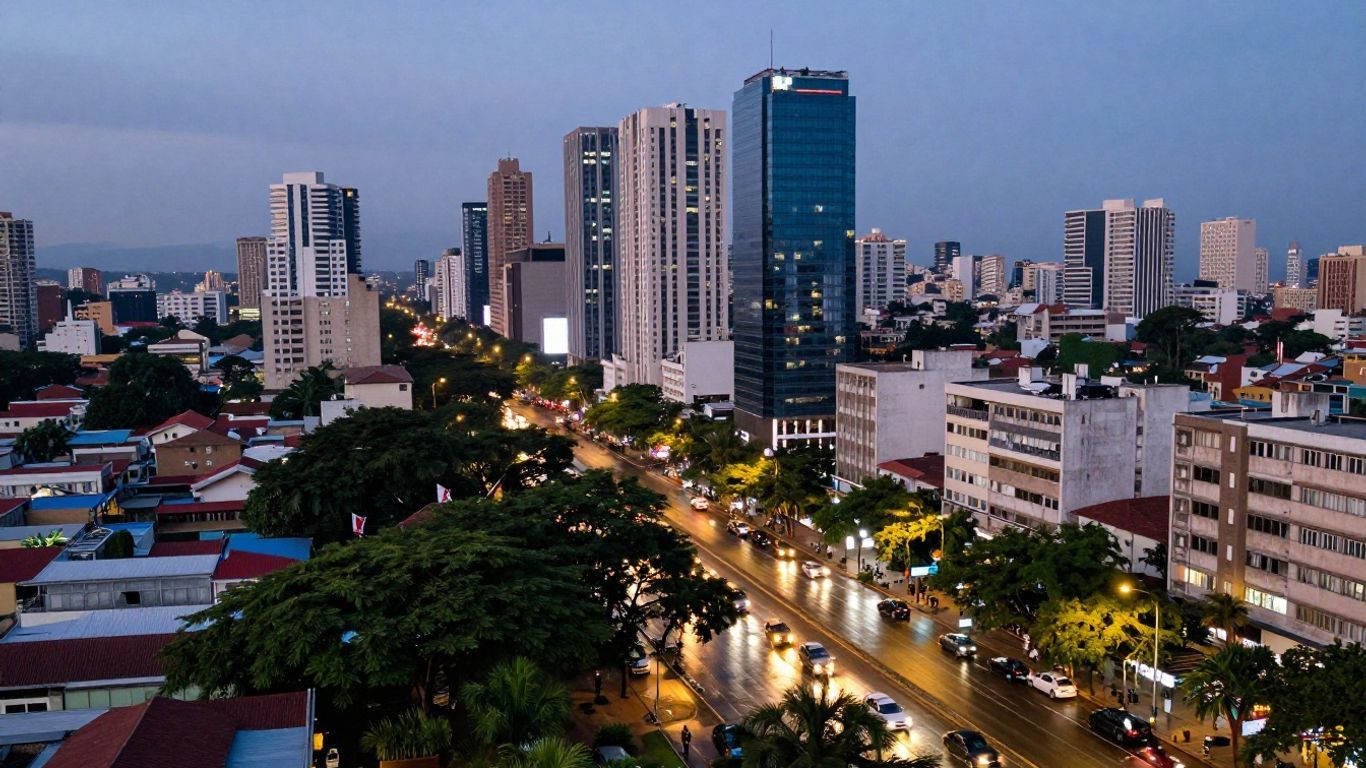
African cities are vibrant, evolving canvases, perpetually sculpted by a rich interplay of venerable traditions and progressive concepts. When we discuss planning and design in these dynamic environments, it's clearly not just about drawing lines on a map. Instead, it’s fundamentally about understanding how people live, how they connect with their surroundings, and how the city can grow in a manner that truly resonates with and benefits everyone.
Community-Driven Urban Renewal Projects
Many successful urban projects across Africa are rarely top-down mandates. Instead, they frequently originate from the grassroots—the very residents they are intended to serve. When communities get involved, they contribute invaluable local knowledge and articulate specific needs. This can lead to renewal efforts that genuinely resonate with the local context, thereby significantly enhancing their prospects for sustained success and longevity. Consider, for instance, revitalizing neglected districts; engaging residents ensures that interventions address their genuine desires and requirements, rather than imposing externally conceived solutions.
- Local residents identify key areas for improvement.
- Community input shapes the design and goals of renewal efforts.
- Projects often focus on practical needs like better housing, public spaces, or local services.
Architecture and Urban Heritage Preservation
African cities are imbued with profound historical depth, where their architectural legacies and venerable districts narrate compelling stories. Consequently, urban planning and design bear the significant responsibility of safeguarding this heritage while simultaneously accommodating the imperatives of modern life—a delicate balancing act indeed. How, one might ask, do you update a city without inadvertently erasing its past? This often means discovering creative methodologies for reusing existing historic buildings or designing new structures that respectfully integrate with the established character of a place. Ultimately, it’s about ensuring that the city’s rich history remains visibly present and deeply valued.
Preserving historical sites and architectural styles is not just about looking backward; it's about grounding future development in a sense of place and identity.
Balancing Modern Needs with Traditional Values
Striking this equilibrium is arguably one of the most intricate facets of urban planning across Africa. With the continent's cities experiencing rapid growth, there's an undeniable demand for contemporary housing, employment opportunities, and robust infrastructure. Yet, these burgeoning modern requirements frequently encounter and sometimes conflict with deeply ingrained cultural practices and resilient social structures. Effective planning, therefore, endeavors to forge a harmonious middle ground, meticulously examining traditional interaction patterns, familial structures, and communal functionalities, then artfully weaving these intrinsic values into novel urban developments. Ultimately, it’s about constructing cities that feel familiar and comfortable to those who call them home, even as they readily embrace new technologies and evolving ways of living.
Mobility and Connectivity in African Urban Centers
African cities are experiencing accelerated growth, and the dynamics of urban mobility are intrinsically linked to this transformation. The paradigm has shifted beyond sole reliance on private vehicles; the focus is now firmly on ensuring accessible and equitable movement for all, concurrently safeguarding environmental sustainability. Consequently, this necessitates a comprehensive reconsideration of diverse transportation modalities and strategic city-wide connectivity.
Sustainable Urban Mobility Strategies
Cities across Africa are actively pursuing strategies to foster more environmentally sound and efficient urban travel. Such endeavors typically integrate novel concepts with the optimization of existing infrastructure. The overarching objective, simply put, is to alleviate traffic congestion, curtail atmospheric pollution, and ensure public transportation emerges as a viable and attractive alternative for all.
- Promoting Public Transport: Investing in and improving bus systems, light rail, and other shared transport options is key. This includes making them more reliable and accessible.
- Encouraging Non-Motorized Transport: Creating safe and convenient paths for walking and cycling is vital. This means better sidewalks, dedicated bike lanes, and ensuring these routes are well-lit and secure.
- Exploring Electric Mobility: Many cities are looking into electric buses and taxis as a way to lower emissions and reduce noise pollution.
The shift towards sustainable mobility isn't just about the environment; it's about creating cities that are more livable and equitable for all residents.
Digital Public Transport Planning
Technology is revolutionizing the operational landscape of public transport within African cities. Indeed, digital tools are streamlining route planning, enhancing service management, and vastly improving passenger information dissemination, ultimately culminating in a significantly smoother and more predictable travel experience.
- Real-time Information Systems: Apps and digital displays that show when the next bus or train will arrive help reduce waiting times and frustration.
- Smart Ticketing: Moving towards digital payment systems makes paying for transport quicker and more convenient.
- Data Analytics for Route Optimization: Using data to understand travel patterns helps cities design better routes and schedules that match demand.
Infrastructure for Pedestrian and Cycling Networks
A burgeoning emphasis is being placed on cultivating urban environments that are conducive to pedestrians and cyclists alike. This commitment entails both the construction and enhancement of infrastructure explicitly designed to support these non-motorized transport modes, with the objective of establishing safe, interconnected, and aesthetically pleasing routes.
- Dedicated Bike Lanes: Separating cyclists from car traffic with protected lanes makes cycling much safer and more appealing.
- Improved Sidewalks: Wider, well-maintained sidewalks with good lighting encourage walking and make it easier for people with strollers or wheelchairs.
- Pedestrian Zones: Creating car-free areas in city centers or busy commercial districts can make them more enjoyable and accessible for pedestrians.
| City Example | Key Initiative | Impact |
|---|---|---|
| Kigali, Rwanda | Expanded pedestrian walkways | Increased foot traffic in commercial areas |
| Addis Ababa, Ethiopia | New dedicated cycling lanes | Growing use of bicycles for commuting |
| Nairobi, Kenya | Public transport app integration | Improved passenger experience and efficiency |
Financing and Development of African Cities
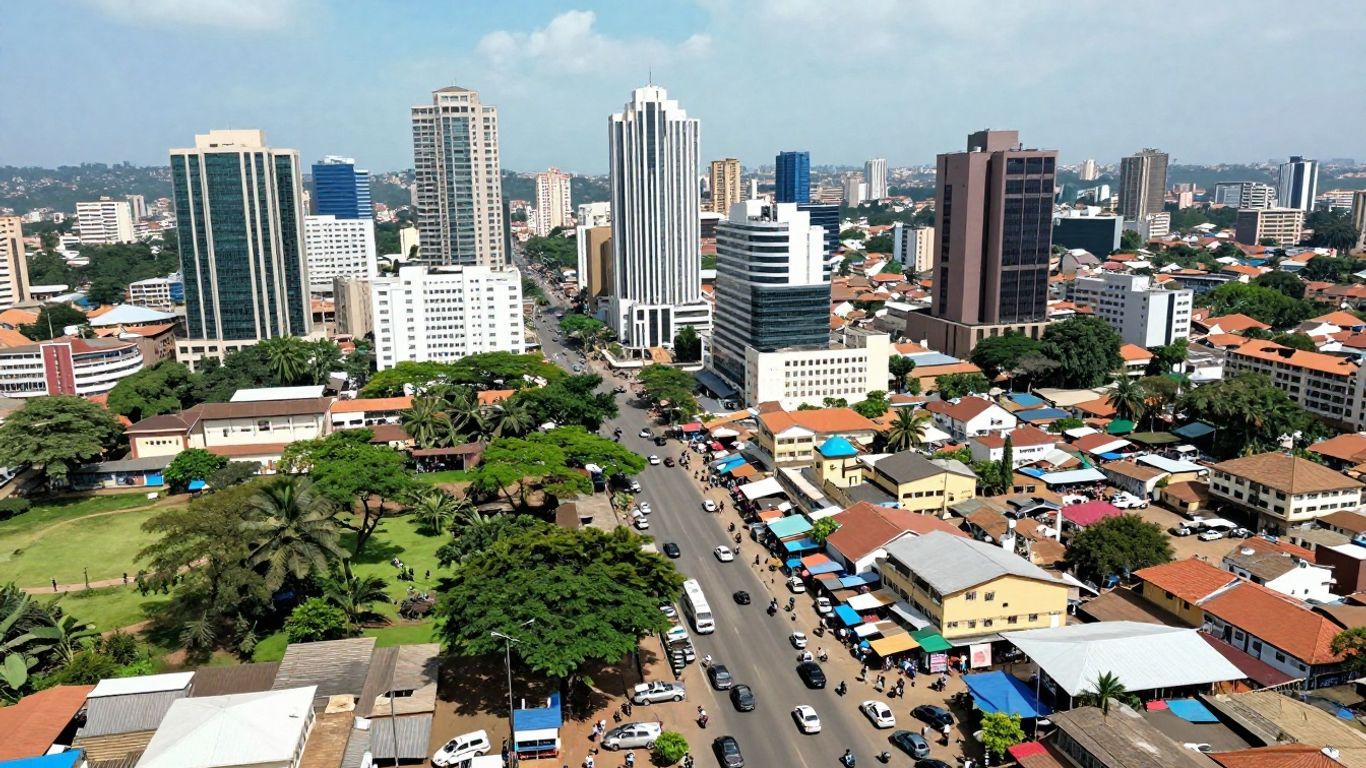
African cities are experiencing astonishing rates of growth, and sustaining this expansion necessitates substantial financial investment coupled with astute urban planning. Crucially, this extends beyond merely constructing additional infrastructure or housing; it involves ensuring that all developments are both ecologically sustainable and universally beneficial. This section explores the innovative financial strategies African cities are employing, along with how these resources are being deployed to forge a more promising urban future.
Innovative Funding Strategies for Urban Projects
Securing adequate capital for large-scale urban projects remains a persistent challenge. Conventional governmental budgets frequently prove insufficient, prompting cities to embrace highly innovative financing approaches. These strategies encompass exploring public-private partnerships—mechanisms where private entities invest in projects and participate in their returns. Additionally, there's a burgeoning interest in green bonds, exclusively earmarked for environmental initiatives, and impact investing, which prioritizes measurable social or environmental returns alongside financial gains. Furthermore, robust local resource mobilization—consider municipal taxes, user fees, and even grassroots community contributions—is proving equally pivotal. The goal is to create a mix of funding sources that can support a wide range of development needs.
Enhancing Urban Resilience Through Collaboration
Cultivating urban resilience implies equipping cities with the capacity to effectively recover from significant disruptions, whether these stem from natural calamities or economic downturns. This formidable task is not achievable by any single entity; rather, it mandates robust collaboration among city governments, local communities, private enterprises, and even international organizations. Through concerted collaborative efforts, stakeholders can collectively identify potential risks, meticulously plan for emergencies, and formulate protective strategies tailored to vulnerable populations. This might involve creating better drainage systems to prevent flooding, diversifying local economies, or setting up sophisticated early warning systems.
Connecting Funding with Impactful Urban Initiatives
The mere availability of funding is, of course, insufficient; its judicious deployment is paramount. Consequently, there's a discernible shift towards ensuring that invested capital demonstrably translates into tangible, positive transformations on the ground. Such an approach necessitates the meticulous selection of initiatives that genuinely address pressing needs, such as affordable housing, access to clean water, or enhanced public transport systems. It also critically involves tracking the results of these investments to ascertain their efficacy and identify areas for improvement. This essential feedback loop helps refine future funding decisions—ensuring that every dollar spent contributes meaningfully to making African cities more livable, equitable, and sustainable for all their residents.
Cultural Narratives and Public Spaces in African Cities
African cities are vibrantly imbued with rich narratives, and their public spaces serve as the dynamic arenas where these stories continuously unfold. Far from being mere transit points, they function as vital stages for community engagement and civic life, eloquently reflecting the singular spirit of each urban locale. From bustling markets to tranquil squares, these spaces articulate compelling tales of history, culture, and daily existence.
Co-Creating Inclusive and Resilient Public Spaces
The imperative of designing public spaces that genuinely serve everyone is a significant priority within African cities. This entails ensuring these communal areas are inherently welcoming and functionally beneficial for all residents, irrespective of their socio-economic or cultural backgrounds. This often necessitates a collaborative approach, with local communities working hand-in-hand with urban planners and designers. After all, when residents have a meaningful voice in the conception of their local park or plaza, aren't they far more inclined to utilize and steward it with pride?
- Community input is key: Gathering ideas from residents about what they need and want in a public space.
- Designing for all ages and abilities: Making sure spaces are accessible and enjoyable for children, the elderly, and people with disabilities.
- Incorporating green elements: Adding trees, gardens, and water features to make spaces more pleasant and environmentally friendly.
- Ensuring safety and security: Designing spaces that feel safe and are well-lit, encouraging people to spend time there.
The most successful public spaces are those that are not just built, but are actively lived in and cared for by the people who use them.
The Influence of Local Knowledge and Collective Practices
A hallmark distinguishing African urban spaces is their remarkable ability to seamlessly blend time-honored traditions with innovative contemporary ideas. Indigenous knowledge, meticulously transmitted across generations, plays an immeasurable role. Its influence is palpable in community self-organization, resource utilization patterns, and the ways in which environments are constructed and adapted. Collective practices, such as shared decision-making processes or community workdays, are similarly vital. These approaches frequently lead to solutions that are perfectly suited to the local context—a nuanced understanding that top-down planning methodologies might easily overlook.
Showcasing Projects Rooted in Experience and Innovation
Across the continent, there's a plethora of remarkable projects that exemplify the potent synergy between accumulated experience and forward-thinking innovation. These are far from mere abstract blueprints; they are tangible, real-world illustrations of how urban environments are being sculpted by their very inhabitants. One might discover everything from ingenious waste management systems championed by local collectives to compelling public art installations that eloquently narrate a neighborhood's story. These initiatives powerfully demonstrate an inherent capacity for adaptation and creativity, unequivocally proving that African cities are dynamic centers of ongoing transformation.
Socio-Economic Dynamics of Urban African Life
Social Mobility and Economic Opportunities in Cities
African cities serve as potent magnets for individuals aspiring to improved livelihoods, functioning as dynamic hubs for both economic vibrancy and profound social transformation. For countless individuals, relocating to an urban center symbolizes an opportunity to transcend rural constraints and pursue employment, educational advancement, or entrepreneurial endeavors. While this migration undeniably invigorates the urban economy, it simultaneously exerts considerable pressure on existing resources and infrastructure. The promise of upward mobility is a powerful draw, shaping the aspirations and daily lives of millions. Indeed, while a segment finds success and ascends the economic ladder, numerous others contend with significant hurdles, including modest wages, prevalence of informal employment, and intense job market competition.
Consider these pivotal aspects:
- Employment Landscape: A significant portion of urban employment is concentrated in the informal sector, offering flexibility but frequently lacking security and formal benefits. Formal sector jobs, while generally more stable, can be scarce and highly competitive.
- Entrepreneurship: Cities provide fertile ground for the establishment of small businesses and the flourishing of innovative ideas, with many residents proactively creating their own opportunities through trade, diverse services, and traditional crafts.
- Education and Skills: Access to quality education and relevant vocational training plays a vital, indeed determinative, role in an individual's capacity to secure enhanced economic opportunities.
Addressing Resource Consumption in Urban Settings
In tandem with urban expansion, there is a commensurate surge in demand for vital resources such as potable water, energy, and food. This escalating demand invariably strains both local resource supplies and the broader environment. Consequently, effective consumption management stands as a formidable challenge for urban planners and residents alike. Discovering and implementing methods for more efficient and sustainable resource utilization is therefore paramount for the enduring vitality of African cities.
- Water Scarcity: Many urban areas face acute challenges in providing clean and sufficient water to their rapidly growing populations.
- Energy Demand: The increasing need for electricity powers homes and businesses but also significantly contributes to pollution if not sourced sustainably.
- Waste Management: The sheer volume of waste generated by urban populations necessitates robust and effective collection and disposal systems to prevent environmental degradation and serious health hazards.
The growth of cities in Africa presents a complex picture. While they offer opportunities for advancement and economic development, they also concentrate resource demands and create unique social dynamics. Balancing these aspects is central to creating livable and sustainable urban environments for the future.
Governance Institutions and Marginalized Migrant Practices
Urban governance frameworks across Africa frequently contend with the complex task of integrating and adequately supporting diverse populations—especially migrant communities who may lack formal status or access to essential services. These communities frequently cultivate their own resilient practices and informal networks, enabling them to survive and even flourish, occasionally operating autonomously from or in parallel with formal institutional structures. A nuanced understanding of these informal systems is thus crucial for crafting truly inclusive urban policies.
- Informal Settlements: Many migrants, due to various socio-economic factors, often reside in informal settlements, which typically lack basic services and formal legal recognition.
- Community Networks: Migrant communities frequently build strong social networks for mutual support, efficient information sharing, and collective economic cooperation.
- Policy Challenges: City governments face the complex task of creating policies that acknowledge and support the contributions of all residents, including marginalized migrant groups, while simultaneously managing overall urban growth and equitable resource allocation.
Exploring the Diversity of African Urban Experiences
African cities are anything but monolithic; indeed, they thrum with individual rhythms, forming vibrant tapestries intricately woven from myriad threads of daily life, historical legacies, and groundbreaking innovation. Each metropolis, whether a vast sprawling urban expanse or a more modest burgeoning center, presents a singular perspective on contemporary urban living. This section peels back the layers to reveal the rich diversity that defines the urban landscape across the continent.
Vibrant Street Life and Local Markets
The pulsating heart of many African cities is undeniably found in their bustling street life and the vibrant energy of their local markets. These are not merely arenas for commerce; they function as quintessential social hubs—veritable theaters of daily life where countless stories unfold, profound connections are forged, and culture is experienced firsthand. From the intoxicating aromatic spices permeating a Marrakech souk to the visually stunning, colorful textiles of a Lagos market, these spaces offer a truly immersive sensory experience. They represent a dynamic form of urbanism, often organic and self-organized, reflecting the inherent ingenuity and profound resilience of their inhabitants.
Historic Districts and Contemporary Street Art
Numerous African cities are profoundly layered with historical narratives, strikingly evident within their meticulously preserved historic districts. These venerable areas frequently recount tales of colonial legacies, ancient trade networks, and rich indigenous heritage. Intriguingly, juxtaposed against this profound historical backdrop, a vibrant new wave of creativity is unmistakably emerging, manifesting as contemporary street art. Murals and dynamic graffiti adorn urban walls, transforming public spaces into expansive open-air galleries. This art often eloquently speaks to local identity, offers incisive social commentary, and articulates community aspirations, thereby creating a compelling dialogue between the past and the present.
The Role of Cultural and Religious Heritage
Cultural and religious traditions exert a profoundly significant influence on the very contours of the urban experience across Africa. Mosques, churches, temples, and indigenous gathering spaces transcend their structural forms to become dynamic, active epicenters of community life. Their pervasive presence influences urban design, shapes daily routines, and dictates social interactions. The thoughtful manner in which these heritage sites are integrated into modern urban planning—or how they steadfastly continue to function as vital community anchors—highlights a truly unique approach to urban development that deeply respects and skillfully incorporates long-standing traditions.
Conclusion
In conclusion, African cities invariably present a fascinating array of multifaceted surprises. Each possesses its own distinct narrative, meticulously sculpted by historical legacies, vibrant populations, and an unyielding drive for innovation. From the bustling, sensory-rich markets of Accra to the expressive, creative street art adorning Dakar’s walls, these urban centers vividly illustrate the immense dynamism and transformative change sweeping across the continent. Undeniably, challenges persist—issues like traffic congestion, housing deficits, and the demands of rapid growth—yet, amidst these, a profound sense of hope and ingenuity also thrives. Communities are coalescing to forge intelligent solutions, whether via grassroots projects, cutting-edge technological applications, or simply through daily collaborative efforts. Should you ever have the opportunity to visit or delve deeper into these cities, you will undoubtedly discover the extraordinary breadth of what they have to offer. African urban life, in essence, is perpetually in motion, constantly evolving, and unequivocally warrants our continued attention.
Frequently Asked Questions
What makes African cities special and different from cities in other parts of the world?
African cities are exceptionally distinctive because they are experiencing remarkable growth and radiating an undeniable dynamism! They seamlessly blend time-honored traditions with innovative concepts, fostering captivating environments where people reside, work, and engage socially. Imagine bustling markets, vivid public art, and architecture that eloquently narrates history while simultaneously embracing the future. Essentially, it encapsulates how African communities are forging their unique urban identities, leveraging indigenous resources and their inherent ingenuity.
How are African cities trying to be more eco-friendly and sustainable?
Cities in Africa are demonstrating remarkable ingenuity in embracing ecological sustainability! They are diligently discovering methods for development and expansion that significantly mitigate environmental impact. Such initiatives involve harnessing renewable energy sources like solar power, developing superior non-vehicular transport options, and designing energy-efficient structures. Ultimately, the goal is to cultivate urban environments that are conducive to long-term health and well-being for their inhabitants.
What does 'smart city' mean for African cities?
When we refer to 'smart cities' in Africa, it signifies leveraging technology to enhance the quality of life for all residents. Consider applications that facilitate public transit navigation, systems optimized for traffic management, or innovative approaches to more judicious energy consumption. Crucially, this extends beyond mere technological sophistication; it focuses on employing practical tools to address quotidian challenges and foster more seamless and efficient urban operations.
How do people in African cities get around?
Urban mobility in African cities presents a fascinating blend of traditional and contemporary modes. A significant portion of the populace relies on walking or cycling, prompting cities to invest in enhanced pedestrian and cycling infrastructure. Conventional options like buses and taxis remain prevalent, complemented by an increasing adoption of technology to streamline public transport, such as real-time bus tracking applications. Furthermore, several urban centers are exploring electric vehicles as a means to mitigate environmental impact.
What are public spaces, and why are they important in African cities?
Public spaces encompass areas such as parks, plazas, and markets—communal venues where individuals can congregate and socialize freely. Within African urban contexts, these areas hold immense significance, serving as crucial points for social interaction, the exchange of ideas, and fostering a profound sense of belonging. Urban authorities are diligently working to ensure these spaces are universally welcoming, whether for vibrant street festivals or simply as tranquil havens for repose.
How do African cities handle money for building new things?
Developing new infrastructure and amenities in urban centers invariably entails substantial financial investment. African cities are, consequently, demonstrating remarkable innovation in their funding acquisition strategies. This involves exploring diverse funding avenues, such as forging partnerships with private businesses or initiating specialized governmental programs. The paramount objective is to ensure these funds are allocated to initiatives that genuinely contribute to the city's progress and enhance the well-being of its residents.


