


resources
Exploring the Largest US Cities by Population: An In-Depth Look for 2026
13 Jan 2026

Ever ponder where people are truly choosing to live in this modern era? It’s quite a significant inquiry, particularly within a country as expansive as the United States. While we're all familiar with iconic metropolises like New York and Los Angeles, the urban landscape is, in fact, perpetually evolving. This article delves into the most populated U.S. cities, spotlighting not just the perennial giants but also those experiencing remarkable growth. We'll explore the essential elements that define a thriving urban center.
Key Takeaways
- New York City consistently holds its position as the most populated city in the US, a testament to its enduring appeal.
- The vibrant Sun Belt region, encompassing cities in states such as Texas, Florida, and Arizona, is witnessing substantial population expansion.
- To gain a comprehensive understanding, it's crucial to differentiate between a city's "city proper" population and its broader "metropolitan area."
- Economic opportunities, the cost of housing, and distinct lifestyle appeals significantly influence individuals' residential choices.
- While established urban centers continue to serve as major hubs, dynamic new urban landscapes are emerging, progressively reshaping the demographic map of the United States.
Understanding the Largest US Cities by Population
When we discuss the largest cities across the United States, the picture isn't always as straightforward as it might initially appear. There are actually a couple of distinct perspectives to consider, and grasping these differences is vital for truly comprehending population shifts and the ongoing narrative of urban development.
Defining City Proper vs. Metropolitan Area
First and foremost, it's essential to clarify precisely what we mean by 'city.' Are we referring to the population residing strictly within the official municipal boundaries—what's known as the 'city proper'? Or are we considering the more expansive 'metropolitan area,' which encompasses the central city along with its neighboring suburbs and commuter towns that are intrinsically linked economically? For the purposes of this article, our primary focus is on the city proper population, as it provides a clear and direct count of residents within defined municipal limits. However, one shouldn't underestimate the sheer vastness of metropolitan areas, for they truly represent the extensive economic and social footprint of these major urban centers.
Here's a quick glimpse at how these two definitions can vary significantly:
- City Proper: This refers to the population living within the legally established boundaries of a city. It's the figure most commonly referenced when discussing a city’s direct resident count.
- Metropolitan Statistical Area (MSA): A much broader region that includes a central city and its surrounding communities, all connected by shared social and economic ties. This metric offers a more holistic view of a city’s overall urban influence.
Key Population Trends Shaping Urban Growth
The demographic landscape of U.S. cities is, without question, in a perpetual state of flux. For a considerable period, the prominent cities of the Northeast and Midwest traditionally dominated the top rankings. More recently, however, we've observed a profound shift. A growing number of people are migrating to cities within the Sun Belt and the Mountain West regions. This notable migration is propelled by several key factors:
- Economic Opportunities: Vibrant new job markets are consistently emerging and expanding within these rapidly growing areas.
- Affordability: Housing costs in some of these newer growth areas can often be more accessible compared to the prices found in older, more established cities.
- Lifestyle: Milder climates and diverse lifestyle appeals are undeniably drawing people in.
These prevailing trends signify that while the long-standing urban giants continue to boast large populations, newer cities are experiencing significantly faster growth, thereby altering the overall map of America's most populous places.
Methodology and Data Sources for 2026 Estimates
To compile our population figures for 2026, we've carefully relied on the most current available data and projections. The U.S. Census Bureau serves as our principal source for population estimates; they provide regular updates, which we then utilize to project future trends. For this article, we are examining estimates that reflect the population as of mid-2026, building upon trends observed in recent years. It’s important to remember, of course, that these are indeed estimates, and actual numbers can always vary. We're primarily focusing on the 'city proper' definition for our main rankings, but we will also touch upon metropolitan areas where pertinent to provide a more complete picture of urban scale. Wondering about the reliability of these projections? While they offer a robust indication based on historical patterns, unforeseen events can always influence actual outcomes, making them a best estimate rather than a definitive forecast.
Understanding these critical distinctions is fundamental to appreciating the truly dynamic nature of urban populations across the United States. It transcends mere raw numbers, delving into the fascinating question of how and why people are making their residential choices in different locales.
The Top Tier: America's Most Populous Cities
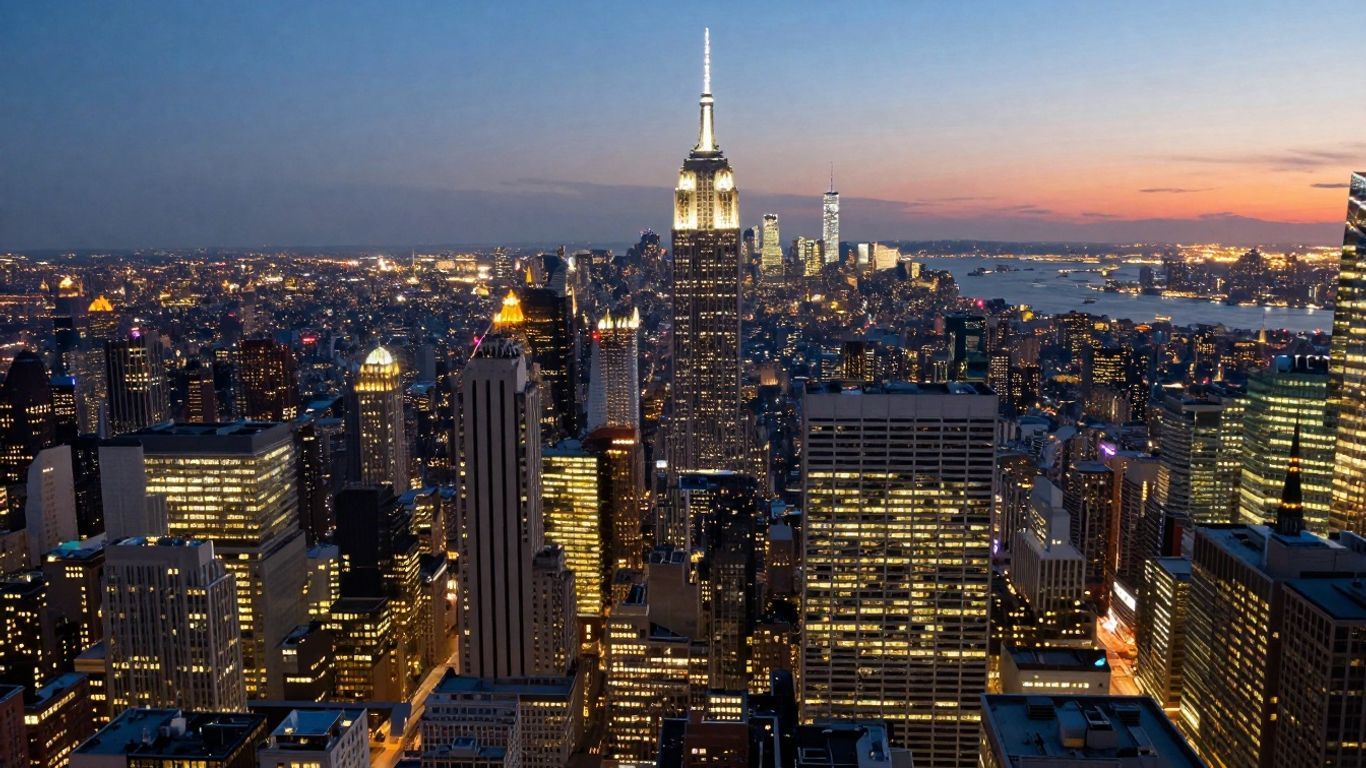
When we discuss the biggest cities in the U.S., certain names consistently emerge at the forefront. These are the places that have historically served as pivotal centers of commerce, culture, and dense population. Based on the latest estimates from the U.S. Census Bureau for 2026, the leading positions are firmly held by these familiar giants, each boasting its own distinct character and a truly massive resident count.
New York City: The Unrivaled Metropolis
New York City undeniably remains the supreme leader in terms of population. As of 2026, it is projected to be home to more than 8.4 million people residing within its official city limits. It's far more than just a city; it's an unparalleled global hub for finance, fashion, art, and countless other endeavors. The energy here is absolutely palpable, drawing individuals from every corner of the world. And while it did experience some population shifts in recent years, it steadfastly continues to be the most populous city in the United States—a truly magnetic force.
- Population (2026 Estimate): 8,478,072
- Key Characteristics: A global financial center, incredibly diverse culture, and an extensive public transit system.
- Nickname: The Big Apple
New York City's sheer scale and profound influence position it as a benchmark for urban living, shaping trends that resonate far beyond its immediate boundaries.
Los Angeles: A West Coast Powerhouse
Venturing to the opposite side of the country, Los Angeles stands as an immense cultural and economic powerhouse. Renowned for its expansive geography and, of course, its colossal entertainment industry, it ranks as the second-largest city by population. Its influence extends across media, burgeoning technology sectors, and international trade. The city's incredibly diverse neighborhoods collectively offer a unique and appealing lifestyle, continuously attracting millions.
- Population (2026 Estimate): Approximately 3.8 million
- Key Characteristics: The entertainment capital of the world, diverse geography, and a notably car-centric culture.
- Nickname: City of Angels
Chicago: The Heart of the Midwest
Chicago resolutely maintains its status as the third most populous city, serving as a vital anchor for the Midwest. This city is widely celebrated for its awe-inspiring architecture, a vibrant arts scene, and its significant contributions to transportation and industry. Despite famously colder winters, Chicago presents a rich urban experience complete with world-class museums and a remarkably strong sense of community. It truly stands as a testament to the enduring appeal of established urban centers. Have you ever considered exploring its innovative spirit firsthand? You can certainly do so at The Technology Museum of Innovation.
- Population (2026 Estimate): Around 2.7 million
- Key Characteristics: An architectural marvel, a major transportation hub, and a rich blues and jazz heritage.
- Nickname: The Windy City
These three cities collectively represent the pinnacle of urban population in the U.S., each possessing a distinct identity and an immense gravitational pull for both residents and visitors alike.
Emerging Giants and Shifting Demographics
The American urban map is, without a doubt, undergoing a profound transformation. We are clearly observing a pronounced trend where cities in the South and West—often collectively referred to as the 'Sun Belt'—are expanding at a much more rapid pace than their counterparts in older industrial regions or along the traditional coasts. This isn't merely a matter of numbers; it reflects people relocating for a variety of compelling reasons, including career prospects, climate preferences, and the ever-important cost of living.
Sun Belt Cities Leading the Growth Charge
Cities located in states like Texas, Florida, and Arizona are truly experiencing a boom. Consider places such as Houston and Phoenix, which are already considerable in size but continue to grow significantly. They're proving highly attractive to new residents, offering ample job opportunities—particularly in burgeoning tech and healthcare sectors—and generally lower living costs when compared to major hubs like New York or various Californian cities. The consistently warmer weather is undeniably a major draw too, wouldn't you agree?
Cities Surpassing the Million Resident Mark
As these regions expand, an increasing number of cities are confidently crossing that significant one-million-person threshold. Fort Worth, Texas, for instance, has quite recently joined this exclusive club. This trend underscores a broader pattern of population redistribution across the country, where some established cities are experiencing slower growth or even slight declines, while others are undergoing rapid expansion.
Here’s a closer look at how some cities are evolving:
- Houston, Texas: Continues its robust growth trajectory, consistently adding residents and solidifying its position as a major regional hub.
- Phoenix, Arizona: Remains a pivotal player in the Mountain West's expansion, drawing individuals with its dynamic job market and appealing climate.
- Fort Worth, Texas: Recently surpassed the one-million population mark, vividly highlighting the accelerated growth occurring throughout Texas.
Population Dynamics in the Mountain West
The Mountain West region, with Phoenix serving as an excellent example, is currently experiencing a remarkable population surge. This area presents an appealing combination of economic opportunities and a lifestyle that resonates with many. As more individuals choose to relocate here, the infrastructure and essential services within these cities are also rapidly expanding to accommodate this burgeoning growth—a critical balancing act for sustained development.
The migration patterns we are presently observing strongly suggest a long-term, fundamental shift in where Americans opt to reside, largely propelled by a confluence of economic factors, specific climate preferences, and evolving lifestyle choices. This significant redistribution is, without question, reshaping the entire demographic landscape of the United States.
Beyond Population: Other Measures of City Size
When we refer to the "biggest" cities, population typically comes to mind first. But is that truly the complete narrative? Sometimes, considering the sheer amount of land a city encompasses, or how it stacks up against massive global metropolises, offers us a profoundly different perspective on its true scale and influence.
Largest US Cities by Land Area
It might genuinely surprise you, but some cities with comparatively smaller populations actually span an immense amount of territory. This often occurs when a city's administrative boundaries extend far outwards, frequently incorporating significant tracts of undeveloped or less populated areas, or when city and county governments have undergone consolidation. Think about places like Jacksonville, Florida, or indeed, several of the consolidated city-counties found in Alaska—they boast truly vast areas within their official limits.
Here’s an overview of some of the leading cities when land area is the primary determinant:
| Rank | City | State | Land Area (sq mi) |
|---|---|---|---|
| 1 | Sitka | AK | 2,870.2 |
| 2 | Juneau | AK | 2,702.9 |
| 3 | Wrangell | AK | 2,556.1 |
| 4 | Anchorage | AK | 1,706.8 |
| 5 | Tribune | KS | 778.2 |
| 6 | Jacksonville | FL | 747.3 |
| 7 | Anaconda | MT | 736.7 |
| 8 | Butte | MT | 715.8 |
| 9 | Houston | TX | 640.8 |
| 10 | Oklahoma City | OK | 607.0 |
This particular approach vividly illustrates how administrative decisions and geographical definitions can dramatically alter our perception of a city's size, often revealing a distinct reality compared to population figures alone.
Comparing US Cities to Global Metropolises
It's also immensely interesting to position American cities within a broader global context. While New York, Los Angeles, and Chicago are undoubtedly giants within the US, how do they truly measure up against the world's most immense urban areas? When we examine metropolitan areas, which, remember, include surrounding suburbs and commuter towns, the sheer scale becomes even more strikingly apparent.
- The New York-Newark-Jersey City, NY-NJ metropolitan area is consistently ranked among the largest globally, frequently appearing within the top 10. Its economic and cultural reach undeniably extends far beyond its immediate borders.
- Los Angeles-Long Beach-Anaheim, CA, another massive US metro, also holds a high position on the world stage, reflecting its significant influence across the West Coast and much further afield.
- Conversely, cities such as Tokyo, Delhi, and Shanghai often occupy the very top spots in global population rankings for metropolitan areas, powerfully showcasing the immense scale of urbanization occurring in other parts of the world.
By viewing cities through these different lenses—population, land area, and global comparison—we gain a far more comprehensive picture of their true significance and considerable scale.
Factors Influencing Urban Popularity
Economic Opportunities and Job Markets
When individuals contemplate relocating to a new city, job prospects are typically quite high on their list of priorities. Larger cities often boast a greater abundance of job openings, particularly within specialized fields. Consider, for example, the dynamic tech hubs or areas rich in finance sector employment. These opportunities serve as a strong magnet, drawing people in, even if the cost of living might be notably higher. The overall health of a city's economy—with companies expanding and creating new roles—directly influences how many people aspire to live there. It's not just about securing a job; it's about finding a viable career path and opportunities for good earning potential.
Affordability and Housing Considerations
This is undeniably a significant factor, and it frequently presents a trade-off against job opportunities. Some of the most sought-after cities, such as New York or San Francisco, have become extraordinarily expensive. Housing costs, whether one is renting or buying, can make it incredibly challenging for many to establish roots. On the other hand, cities within the Sun Belt, like Phoenix or Houston, have experienced considerable growth partly because housing has historically been more affordable. However, as more people migrate to these areas, prices tend to appreciate, which can, in turn, alter the entire equation. What constitutes "affordable" is truly relative, isn't it?
Here’s a quick overview of median home values in a selection of major cities:
| City | Median Home Value (2024 Estimate) |
|---|---|
| New York | $750,000 |
| Los Angeles | $820,000 |
| Chicago | $310,000 |
| Phoenix | $430,000 |
| Houston | $245,000 |
Climate and Lifestyle Appeal
Beyond the critical factors of job availability and housing costs, people also carefully consider the daily experience of living in a city. The weather, for instance, plays a noteworthy role; many are drawn to year-round warmer climates, which partly explains the rapid growth observed in Southern and Western states. Then there’s the lifestyle itself. Some prefer the exhilarating pace and endless entertainment options of a massive metropolis, while others might seek a more relaxed atmosphere or simpler access to outdoor pursuits like hiking or beaches. Cities that offer a desirable blend of amenities, cultural richness, and recreational opportunities tend to be significantly more attractive.
The ultimate decision to relocate is rarely predicated on a singular factor. More often, it's a complex interplay of economic realities, deeply personal preferences, and what genuinely feels like the right fit for an individual or family at a particular juncture in their lives. What one person finds immensely appealing, another might perceive as a distinct drawback.
- Job Market Strength: The availability of diverse employment options and clear paths for career advancement.
- Cost of Living: Encompassing housing, transportation, and everyday expenses.
- Quality of Life: Access to cultural institutions, recreational activities, educational opportunities, and overall safety.
- Climate: Preferred weather patterns and environmental conditions.
- Community Feel: The overarching atmosphere and social environment of the city.
Navigating the Landscape of Major US Cities
As we examine the largest cities across the U.S., it's quite evident that understanding where one might fit in can feel a bit like solving a puzzle. It's not simply about knowing population figures; it involves grasping the various ways we define a city and how these definitions fundamentally influence our perception of urban life. Indeed, the distinction between a city proper and its wider metropolitan area is absolutely crucial for accurately interpreting population data.
Finding Your Place in Growing Urban Centers
When people talk about moving to a new city, they frequently mean the broader metropolitan region, not just the downtown core. This is precisely where things become particularly interesting, especially given the notable population shifts we are currently observing. Cities within the Sun Belt, for example, are expanding rapidly, enticing new residents with promising job opportunities and a different pace of life. This significant migration implies that housing markets in these areas are experiencing considerable activity—a real seller's market, perhaps?
- Economic Pull: Many individuals relocate primarily for enhanced job prospects. Cities boasting robust industries tend to attract a greater influx of residents.
- Lifestyle Choices: Climate, cultural offerings, and a sense of community all play a vital role in determining where people ultimately choose to settle.
- Affordability: While some major cities are notoriously expensive, others offer a more budget-friendly approach to urban living.
Locating a place to live in these dynamic areas can certainly present a challenge. Whether you're a student searching for an apartment near campus or a professional seeking a residence with modern amenities, demand often runs high. Services designed to connect individuals with rentals nationwide can considerably simplify this search, especially in bustling locales like New York City or other major hubs across the United States.
The Role of Metropolitan Statistical Areas
To acquire a clearer, more comprehensive picture of a city's true influence and total population, demographers frequently turn to Metropolitan Statistical Areas (MSAs). An MSA comprises the central city and its surrounding counties that are economically and socially intertwined with it. This provides us with a more realistic and expansive view of the urban footprint.
Here's a look at some of the largest MSAs:
| Rank | Metropolitan Area | 2024 Population Estimate |
|---|---|---|
| 1 | New York-Newark-Jersey City, NY-NJ | 19,726,871 |
| 2 | Los Angeles-Long Beach-Anaheim, CA | 12,886,400 |
| 3 | Chicago-Naperville-Elgin, IL-IN | 9,337,814 |
| 4 | Dallas-Fort Worth-Arlington, TX | 8,166,110 |
| 5 | Houston-The Woodlands-Sugar Land, TX | 7,617,700 |
Understanding these distinct population measures genuinely helps us to appreciate the immense scale and far-reaching influence of America's largest urban centers. It's clearly not just about the city limits; it's about the deeply interconnected communities that together form these vast and vibrant regions.
Wrapping Up Our City Exploration
So, we've taken a thorough look at the biggest cities across the US for 2026. It’s quite clear that while established giants like New York City continue to lead the pack, a significant demographic shift is definitely underway. Many people are increasingly gravitating towards warmer climates and areas offering a lower cost of living, particularly in the Southern and Western states. This trend means that cities in places like Texas, Florida, and Arizona are experiencing a considerable influx of new residents. Conversely, some older, well-established cities in the Northeast and Midwest are navigating their own unique population dynamics. It's truly an interesting period for urban growth in America, with new areas gaining popularity and established ones actively adapting to these changing tides. Do keep an eye on these evolving trends, as they are sure to shape the country's landscape for many years to come.
Frequently Asked Questions
What's the difference between a city and a metro area?
Think of a "city proper" as the main urban core itself, enclosed by its official, legally defined borders. A "metro area," on the other hand, is much more expansive. It typically includes that central city plus all the surrounding towns and suburbs that are closely connected to it—imagine residents who live just outside but commute into the main city for work. It's essentially like viewing the entire neighborhood, not just one specific house.
Which cities are the biggest in the U.S. right now?
New York City still reigns supreme when it comes to sheer population. Following closely, you'll find other major players like Los Angeles and Chicago. However, it's really worth keeping a close watch on cities in warmer climates, particularly those within the 'Sun Belt,' as they are currently experiencing incredibly rapid growth!
Are cities in the southern and western U.S. growing faster?
Yes, absolutely! Many cities located in the southern and western parts of the country are indeed growing significantly quicker than their counterparts in the north or east. This phenomenon is often attributed to several factors: they tend to offer more affordable housing options, boast more pleasant weather, and frequently present a wider array of job opportunities, all of which act as powerful draws for many people.
How many U.S. cities have over a million people?
Based on recent estimates, there are approximately 34 cities across the United States that are home to more than a million residents. This figure clearly indicates that a substantial portion of the population is choosing to live within large urban centers.
What makes a city a popular place to live?
People often choose to move to cities primarily for robust job markets and promising career advancement opportunities. They also actively seek out places that aren't overly expensive to live in, especially regarding housing costs—that's a big one! Furthermore, desirable factors like pleasant weather and an engaging lifestyle can significantly influence where individuals ultimately decide to settle down.
How does the biggest U.S. city compare to the biggest city in the world?
While New York City stands as the largest city in the U.S., when you broaden your perspective to encompass the entire globe, cities such as Tokyo in Japan are, by comparison, considerably larger. These global giants typically boast many more people living within their expansive metropolitan areas than even the largest U.S. cities do.


