
resources
Exploring the Top 10 Smart Cities in the World: Innovation, Sustainability, and Future Living
29 Jan 2026

Ever considered how urban centers are evolving in our rapidly changing world? The concept of a 'smart city' is undeniably at the forefront of this transformation, isn't it? Essentially, these are locales that leverage cutting-edge technology to enhance the quality of life for all residents. From streamlining daily commutes to actively purifying the air, such cities are truly mastering the art of modern urban living. This article delves into the top 10 smart cities globally, illustrating how innovative ideas are reshaping metropolitan environments and hinting at what the future holds.
Key Takeaways
- Cities are integrating advanced technologies, such as AI and the Internet of Things (IoT), to optimize essential services like traffic management, energy distribution, and public safety.
- A strong emphasis is placed on sustainability, with numerous cities prioritizing improved public transportation networks and reduced energy consumption.
- The overarching objective remains the enhancement of residents' well-being through superior services and meticulously planned urban infrastructures.
- While technological innovation is crucial, effective governance and overall livability are recognized as equally significant factors.
- Urban centers are becoming increasingly interconnected, efficient, and, quite simply, more desirable places to reside.
1. Zurich
Zurich consistently secures a high position on smart city rankings, and this acclaim isn't merely due to its adoption of the latest gadgets. This Swiss metropolis, you see, profoundly commits to enriching the daily lives of its inhabitants. Consider it a testament to intelligent urban planning that benefits both its people and the environment.
What truly distinguishes Zurich? It's a confluence of factors, actually. Substantial investment has gone into making public transport and cycling exceptionally convenient and accessible. This strategic focus translates directly to fewer vehicles on the roads, which, in turn, markedly improves air quality. Moreover, high-speed internet and comprehensive digital services are not merely available here; they are an integral expectation, ensuring everyone remains seamlessly connected.
Here’s a concise overview of some pivotal areas:
- Sustainable Transport: Facilitating effortless access to public transit and cycling infrastructure.
- Digital Inclusion: Guaranteeing universal access to rapid internet and essential digital tools.
- Community Well-being: Prioritizing the diverse needs of all residents.
Zurich exemplifies that being a smart city transcends merely possessing abundant technology—it's truly about harnessing technology to address tangible challenges and cultivate a more livable urban experience. It’s a pragmatic methodology that many other global cities are now carefully observing.
The city's unwavering dedication to sustainability and an exemplary quality of life is a paramount reason for its top-tier ranking. They are, quite deliberately, constructing a city that offers an outstanding living environment now and will continue to do so for generations to come.
Zurich stands as a significant financial hub, celebrated for its superb quality of life and a captivating blend of historic and contemporary architecture. Its infrastructure is truly first-rate, boasting an excellent international airport and an extensive public transport system. It's a city that presents considerable advantages for businesses and residents alike, gracefully melding a refined lifestyle with immediate access to stunning natural landscapes. You can find out more about Zurich's urban development.
2. Singapore
Singapore, a dynamic city-state, distinctly embraces technology as a means to streamline everyday life for its populace. It’s not just about integrating the newest gadgets; rather, it’s about deploying them strategically to simplify routine tasks and enhance the city’s overall operational efficiency. This comprehensive "Smart Nation" initiative has been a long-standing endeavor, and its tangible results are certainly evident today.
A cornerstone of their vision involves making governmental services remarkably accessible. Imagine managing your utility bills or submitting permit applications—much of this can now be completed online, directly from your smartphone or computer. Such advancements genuinely save citizens valuable time and mitigate unnecessary complications.
Transportation represents another domain where Singapore truly excels. Extensive data analytics are employed to optimize traffic management strategies and bolster the reliability of public transport. This translates to reduced time spent in congestion and more predictable bus and train schedules, making urban mobility considerably less stressful. Furthermore, significant investments have been made to ensure public transit and cycling are both effortless and readily available, which plays a crucial role in curbing vehicular emissions and enhancing air quality.
Singapore's progressive approach vividly demonstrates how a city can effectively leverage technology to resolve genuine urban challenges—from facilitating smoother commutes to delivering superior public services. It stands as a practical paradigm for cultivating a more refined urban environment, one that is truly responsive to its residents' needs.
Here are some pivotal areas currently commanding their attention:
- Digital Access for All: High-speed internet and comprehensive digital services are standard provisions, guaranteeing seamless connectivity and information access for everyone.
- Community Focus: The city actively works towards inclusivity, meticulously addressing the diverse needs of all its residents.
- Sustainability Efforts: Smart technology is instrumental in optimizing energy consumption, minimizing waste, and fostering a greener urban landscape.
Singapore, a prominent global financial hub, boasts robust infrastructure, and its unwavering commitment to innovation is unmistakably clear. For a deeper understanding of this vibrant city-state in Southeast Asia, further exploration is highly recommended.
3. Helsinki
Helsinki consistently garners high praise as a smart city—a place where technology and the natural world appear to coexist in harmonious synergy. The city steadfastly focuses on elevating the quality of life for its citizens through ingenious initiatives. While its precise position on various global lists might fluctuate, Helsinki's profound commitment to ecological sustainability and ensuring ubiquitous access to digital services is genuinely commendable.
What truly impresses about Helsinki is its methodical application of technology to not only enhance urban operations but also cultivate a more pleasant living environment. Their comprehensive approach scrutinizes every facet, from how people navigate the city to the seamless accessibility of online municipal services. Indeed, one might almost feel as though they are witnessing the very future of urbanism unfold before their eyes.
Helsinki's leadership stems significantly from its dedication to transparent information sharing and active citizen engagement. By making crucial data publicly available and actively soliciting residents' feedback on nascent projects, the city ensures that its smart initiatives genuinely address and benefit the populace.
Here are several areas where Helsinki truly excels:
- Smart Governance: Municipal services are progressively transitioning to digital platforms, thereby becoming more accessible and efficient for everyone.
- Sustainable Development: The city is strategically employing green technology to substantially mitigate its environmental footprint.
- Innovation and Technology: New ideas and research endeavors are actively fostered to ensure the city continues its forward momentum.
- Future Infrastructure: Helsinki is diligently exploring novel construction methodologies and developing advanced, high-speed transportation options.
The city's steadfast commitment to open data and the meaningful involvement of its citizens stands as a pivotal factor in its smart city triumphs.
Helsinki's thoughtful approach underscores a crucial point: true smart city status isn't merely about deploying novel gadgets. Instead, it's about judiciously utilizing technology to forge an urban environment that is inherently more livable and sustainable for the long term—a truly impressive feat. They are certainly not hesitant to experiment with new concepts, which, one might argue, is itself a very intelligent strategy for navigating the intricate challenges of contemporary urban life.
4. Copenhagen
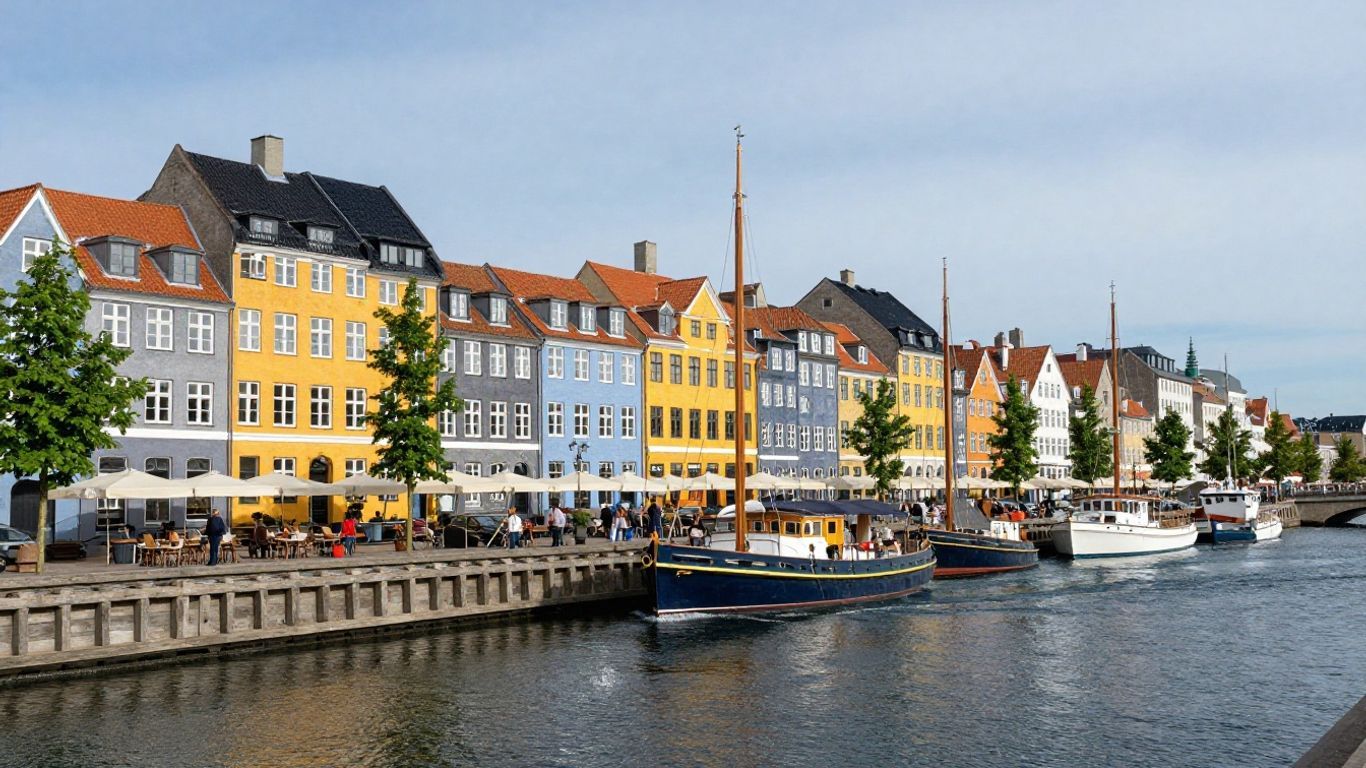
Copenhagen is decisively investing in enhancing urban living by intricately weaving smart technology with an earnest dedication to environmental stewardship. This isn't just about integrating a few new devices; rather, they are meticulously optimizing energy consumption, ensuring their transportation networks are impeccably clean, and engaging in far-sighted planning for the decades ahead. The central ethos, it seems, is to cultivate a city that operates more effectively for all who reside within its bounds.
With an ambitious goal of achieving carbon neutrality, Copenhagen is visibly integrating smart technology into its energy systems and public mobility strategies. It’s a monumental undertaking, and its progression is quite fascinating to witness. The city has implemented smart grids, for instance, which facilitate more efficient electricity distribution, thereby significantly curtailing waste. Public transportation is also undergoing a transformative upgrade, with electric buses and intelligent traffic lights contributing to smoother, cleaner transit. Furthermore, new architectural projects are designed with exceptional energy efficiency in mind, and existing structures are receiving retrofits to enhance their environmental performance.
Here are some of the principal areas Copenhagen is prioritizing:
- Smart Energy Grids: These advanced systems facilitate improved power distribution, thereby minimizing waste and ensuring energy is utilized judiciously.
- Sustainable Transportation: Envision electric buses and intelligent traffic management systems, all designed to make urban transit cleaner and more efficient.
- Green Building: The city actively encourages construction and renovation practices that reduce energy consumption and mitigate environmental impact.
Copenhagen has ingeniously developed a sophisticated system that constantly monitors critical metrics such as traffic congestion and air quality in real-time. This interconnected network links various municipal services, from parking meters to traffic signals, all with the unified aim of facilitating smoother city management. The system intelligently adapts its operations based on prevailing conditions—be it traffic flow, weather patterns, or even fuel prices. This continuous oversight is fundamentally geared towards optimizing the functionality of urban services.
For the city's myriad cyclists, there's even a specialized application that harnesses this data. It can guide them towards the most expedient routes and even suggest an optimal pedaling pace to seamlessly catch a sequence of green lights—a truly elegant example, one might argue, of how smart city data can subtly simplify daily routines.
The city is actively striving to cement its position as a global exemplar in sustainable urban living. Additionally, they are enhancing the ease with which citizens can engage with governmental services online, which is a significant advantage for digital government services. It’s unequivocally clear that they are dedicated to building a city that is not only technologically advanced but also a genuinely appealing place to inhabit.
5. Tokyo
Tokyo, a city that seemingly operates without pause, also stands as a formidable force in smart urban development. It’s an environment where state-of-the-art technology is seamlessly integrated into the daily routines of millions, all with the purpose of ensuring this colossal metropolis functions more efficiently and offers an enhanced quality of life.
One of the most substantial challenges Tokyo confronts is the management of its immense population and intricate traffic dynamics. To this end, the city has implemented intelligent, AI-powered traffic systems that demonstrably aid in maintaining vehicular flow, even during peak congestion. Furthermore, one can observe active advancements in autonomous vehicles, gradually transitioning from conceptual ideas to operational testing on select thoroughfares.
However, the focus extends beyond mere mobility. Tokyo is also earnestly committed to its environmental future. The city is proactively constructing solar-powered structures, aiming to establish itself as a leader in sustainability—a truly ambitious goal for an urban center of this magnitude.
Tokyo’s methodology for achieving smart city status presents an intriguing synthesis: it employs high-tech solutions to address contemporary issues while maintaining a vigilant focus on environmental stewardship for the long term. This approach remarkably illustrates how a city can foster growth and innovation while simultaneously striving to exist in greater harmony with the planet.
Here are some key areas where Tokyo is advancing significantly:
- Transportation Efficiency: Leveraging AI and data analytics to optimize traffic flow and propel self-driving vehicle initiatives.
- Public Safety: Introducing novel technologies to bolster security and accelerate the response times of emergency services.
- Sustainable Infrastructure: Prioritizing the construction of more solar-powered buildings and actively seeking cleaner energy alternatives.
- Citizen Engagement: Developing new technological avenues to enhance public services and simplify access to information for residents.
The city's primary focus lies in harmonizing advanced technology with pragmatic solutions for everyday living, all with the objective of fostering a more efficient and sustainable urban environment for its residents. This necessitates meticulous planning and the seamless integration of new systems within the existing urban framework—a complex, yet vital, undertaking.
Tokyo serves as a compelling illustration of how a megacity can adapt and innovate, demonstrating an unwavering commitment to improving the lives of its citizens through astute initiatives. Its work in domains such as intelligent transportation systems is particularly commendable.
6. New York City
New York City, that quintessential sleepless metropolis, is also an urban expanse perpetually striving for enhanced intelligence. This, of course, is a colossal undertaking, given the city’s sheer scale and the venerable age of some of its infrastructure, yet considerable headway is certainly being made. The principal aim is to ensure urban operations are more streamlined, resiliently sustainable, and that superior digital services are readily available to every inhabitant.
NYC is actively championing its PlaNYC initiative, which fundamentally revolves around achieving comprehensive sustainability objectives. This ambitious plan encompasses a multitude of diverse projects, with the majority progressing as anticipated. It truly is about realizing those significant aspirations for a greener, more enduring future.
Here are some key areas where New York is concentrating its smart city endeavors:
- Smarter Infrastructure: This entails modernizing critical components such as transportation and utility systems to operate more fluidly and exhibit greater resilience against disruptions.
- Leveraging Data for City Management: The city meticulously analyzes data to identify opportunities for improving public services and informing more judicious decision-making.
- Sustainability Projects: Various programs are actively in place to mitigate pollution and champion the adoption of clean energy sources.
New York unequivocally confronts its unique array of challenges, particularly given its dense population and the presence of aging buildings and roadways. Nonetheless, the city’s persistent drive for innovation and technological integration positions it favorably in the global pursuit of becoming a preeminent smart city. In a noteworthy first for the U.S., the current administration has even publicly unveiled a comprehensive blueprint for the responsible implementation of artificial intelligence within municipal governance.
The city is also in the process of deploying new online kiosks. These contemporary units are gradually supplanting antiquated payphone booths and are specifically designed to furnish internet access, thereby broadening the availability of digital services for both residents and visitors.
New York's trajectory toward becoming a truly intelligent city is, naturally, still unfolding. However, its profound commitment to novel concepts and enhanced sustainability unequivocally heralds a promising future—after all, this is a city perpetually in motion, tirelessly striving to address the intricate needs of those who proudly call it home.
7. London
London, a city that proudly showcases its rich history while perpetually gazing forward, is making some rather significant strides toward establishing itself as a top-tier smart city. Given its immense scale, orchestrating the seamless integration of technology across all facets is, without a doubt, a formidable undertaking. Their focus isn't confined to a single aspect; rather, it encompasses a comprehensive suite of intelligent initiatives.
A primary objective involves ensuring ubiquitous and facile internet access. The city is advocating for enhanced connectivity everywhere and has even mandated fiber optic installation in all new constructions—think of it as a strategic upgrade to the city's digital backbone. Furthermore, they are diligently identifying optimal placements for 5G antennas, which, being smaller, require closer proximity for effective coverage. Interestingly, they've even explored utilizing drones to pinpoint the most advantageous locations for these installations.
Here's a concise overview of London's ongoing efforts:
- Improving public transport: Enhancing efficiency and speed for urban mobility.
- Boosting renewable energy: Transitioning towards cleaner power sources for the city.
- Expanding internet access: Connecting more residents to the digital realm.
London is also exploring intelligent streetlights that extend beyond mere illumination; they can incorporate sensors and even serve as charging points for electric vehicles. It's truly about subtly simplifying daily life and fostering a greener urban environment.
The city is diligently endeavoring to strike a delicate balance between embracing nascent technology and meticulously managing an urban landscape steeped in centuries of history—a challenging, yet fundamentally crucial, undertaking.
They are additionally investigating how emerging technologies like AI can stimulate economic growth. It's a carefully orchestrated process, aiming to remain at the forefront of innovation while honoring the city's profound heritage.
8. Seoul
Seoul, South Korea, stands as a veritable powerhouse in smart city innovation, consistently earning high rankings on global indices. It’s an environment where cutting-edge technology converges with the daily experiences of millions, fostering urban living that is both more efficient and interconnected. The city doesn't merely adopt new technological solutions; it actively weaves them into the very fabric of its societal infrastructure.
One of Seoul’s most pronounced strengths lies in its unwavering commitment to smart governance. The municipality has extensively digitized a vast array of public services, significantly streamlining processes for citizens—making it considerably easier to accomplish tasks with minimal friction. Consider, for example, the convenience of applying for permits online or accessing city-specific information via dedicated applications—it's all meticulously designed to ensure governmental functions serve their citizens more effectively. This digital-first approach permeates how the city manages itself, employing data analytics to inform more astute decisions across the spectrum, from traffic flow optimization to enhancing public safety.
Here are some key areas where Seoul particularly excels:
- Digital Inclusion: Focused initiatives ensuring that all residents, irrespective of age or technological proficiency, can access and derive benefits from digital services.
- Smart Transportation: Advanced public transit systems, real-time traffic information, and integrated payment methods collectively render urban navigation remarkably smooth.
- Environmental Monitoring: The deployment of sensors and sophisticated data analytics to track air quality, optimize waste management, and advocate for sustainable practices.
- Public Wi-Fi: Extensive networks of free Wi-Fi span the city, effectively bridging the digital divide and keeping everyone connected.
Seoul also maintains a leadership position in the development and deployment of novel technologies, frequently serving as a crucial testbed for innovations that subsequently gain global traction. The city, for instance, exhibits no hesitation in experimenting with concepts such as autonomous vehicles and advanced robotics in public spaces.
The city's steadfast commitment to leveraging technology to resolve real-world dilemmas is manifestly evident in its continuous developmental trajectory—indeed, it is a dynamic environment where innovation remains a perpetual force.
From its hyper-connected public transportation system to its highly responsive digital governance, Seoul genuinely embodies the future of urban living. It's a city that consistently looks to the horizon, actively devising ways to enrich the lives of its inhabitants through thoughtfully conceived smart solutions.
9. Amsterdam
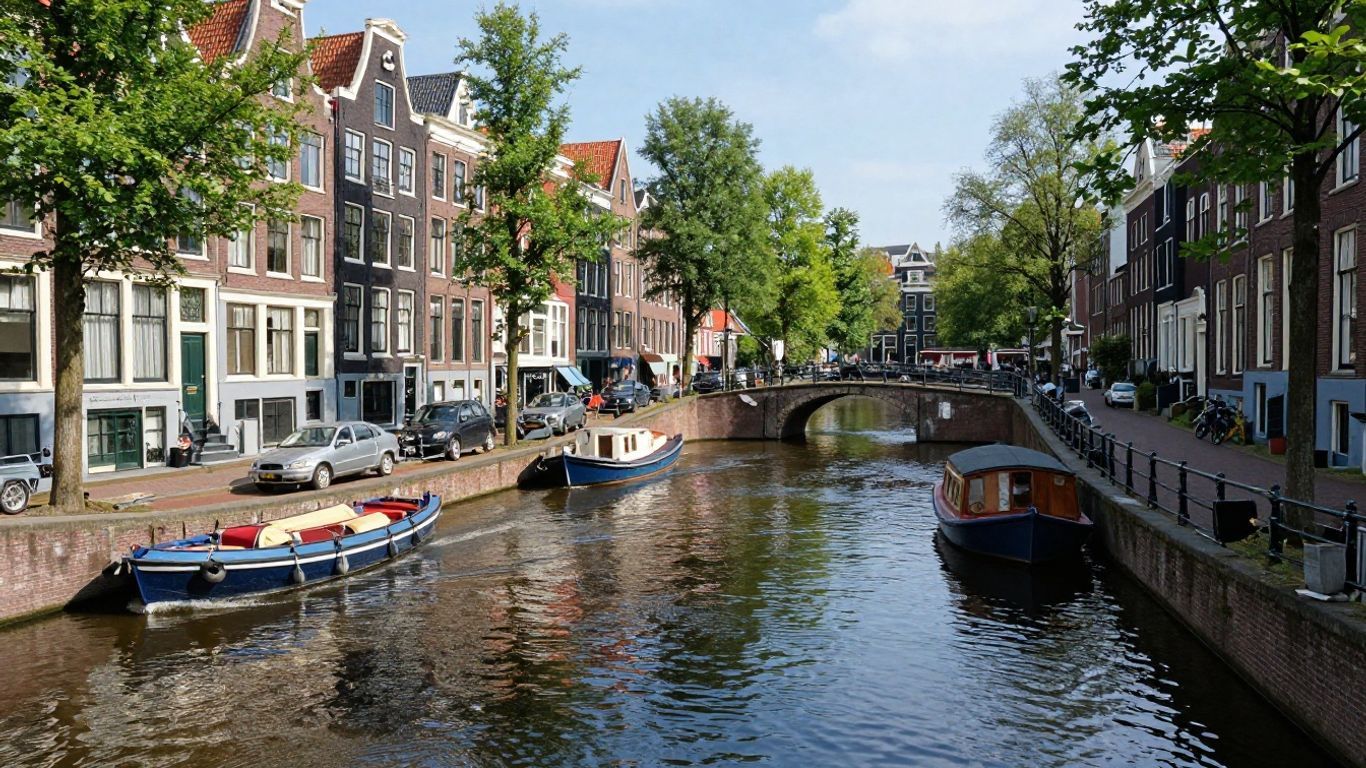
Amsterdam is an urban center that masterfully marries its historic charm with forward-thinking technology. It’s certainly not just about canals and bicycles, though those are, of course, abundant! The city has made truly commendable progress in evolving into a smarter place to reside, emphasizing initiatives that genuinely improve the daily lives of its citizens.
One of the prominent areas they are addressing is sustainability, and their approach is quite inventive. Consider, for instance, their utilization of smart grids to optimize energy management or their active promotion of electric vehicles, complemented by widespread charging stations. These efforts are entirely geared towards minimizing environmental impact while ensuring the city continues to operate seamlessly.
Here’s an overview of some of their intelligent initiatives:
- Smart Mobility: Amsterdam is renowned for its cycling culture, and technology has been integrated to further enhance it. This includes intelligent traffic management that prioritizes bicycles and public transport, facilitating easier and faster navigation without the need for a car.
- Digital Public Services: Significant efforts are underway to streamline interactions with the city government. This translates to an expansion of online services, allowing residents to manage permits or access information conveniently without visiting physical offices.
- Circular Economy Focus: Amsterdam is earnestly pursuing a circular economy model, which entails minimizing waste and maximizing material reuse. They are exploring innovative methods for resource management and actively encouraging businesses to adopt similar practices.
The city's methodology frequently involves active citizen participation. They inherently understand that a truly smart city transcends mere technology; it’s profoundly about how people utilize and benefit from it. This commitment means attentively listening to residents and businesses to guarantee that intelligent solutions genuinely serve the needs of everyone—a key differentiator, surely.
Amsterdam's dedication to innovation is unequivocally clear, particularly in its efforts to render the city more livable and sustainable for the coming generations. They are not simply adopting technology for its own sake; rather, they are employing it to resolve authentic urban challenges and enhance the quality of life for all who proudly call Amsterdam home.
10. Barcelona
Barcelona has truly distinguished itself through its smart city initiatives, and this success isn't solely attributable to flashy technology. The city has demonstrated astute judgment in seamlessly integrating technology into its daily operations, a strategy that has helped invigorate its economy, particularly following some challenging periods in the past. It comes as no surprise, then, that Barcelona hosted the inaugural Smart City Expo and World Congress back in 2011—they evidently harbored a clear vision for a city that is connected, sustainable, and fundamentally people-centric.
What is particularly impressive about Barcelona is its pragmatic application of smart systems to address genuine, everyday problems. The city employs an extensive network of sensors that meticulously monitor factors such as air quality and noise levels. Furthermore, smart grids are utilized for energy management, alongside enhanced systems for water distribution. And, for anyone who has ever experienced urban gridlock, their intelligent parking and traffic light systems—designed to alleviate congestion and improve air quality—are undoubtedly a welcome feature. It constitutes a noticeable enhancement for both residents and visitors alike.
Here’s a concise overview of some areas where Barcelona truly shines:
- Environmental Monitoring: Utilizing a comprehensive network of sensors to track air quality and noise levels in real-time.
- Efficient Resource Management: Implementing smart grids for energy and intelligent systems for optimized water distribution.
- Urban Mobility: Deploying intelligent traffic lights and innovative parking solutions to alleviate urban congestion.
- Citizen Engagement: Providing digital platforms for residents to report urban issues and conveniently access municipal services.
Barcelona’s methodology serves as an excellent illustration of how technology can be practically harnessed to elevate the urban living experience.
The city’s commitment to innovation is strikingly apparent in its concerted efforts to integrate technology that directly benefits both its citizens and the broader environment. It’s a place where smart solutions transcend merely the technology itself; rather, they are about thoughtfully creating a more livable and sustainable future for everyone—a truly inspiring endeavor.
The Evolving Urban Landscape
So, we've had the opportunity to explore several cities that are genuinely pioneering the forefront of 'smart' urban development. It's abundantly clear that technology plays a pivotal role, assisting in the more seamless management of aspects such as traffic and energy. Yet, as we've observed, it's not solely about the sophisticated gadgets. Many of these urban centers are equally dedicated to fostering greener environments and ensuring an improved quality of life for all who reside within their boundaries. The overarching objective, it appears, is to craft cities that are more comfortable to inhabit, more operationally efficient, and comprehensively prepared for future eventualities. This remains an ongoing process, and observing how these metropolitan areas are transforming—and what lies ahead for urban living—is indeed quite compelling.
Frequently Asked Questions
What exactly is a smart city?
A smart city is, in essence, an urban environment that strategically employs technology and innovative concepts to elevate the living experience for its inhabitants. It fundamentally aims to optimize functions like transportation, energy consumption, and public safety, ensuring they operate with greater fluidity and effectiveness.
Why is sustainability important for smart cities?
Sustainability is profoundly critical because smart cities are committed to safeguarding the environment. This involves fostering cleaner modes of transportation, minimizing energy usage, and actively working to reduce pollution, thereby preserving the planet's health for generations to come.
How do smart cities use technology?
Smart cities leverage a range of technologies, such as sensors and computational systems, to collect comprehensive data on urban operations. This invaluable information is then utilized to enhance the management of systems like traffic lights, power grids, and public services, resulting in a more intelligently functioning city.
Are smart cities only about technology?
No, not at all! While technology undeniably forms a significant component, smart cities also place strong emphasis on robust governance, ensuring equitable access to resources, and cultivating an agreeable living environment. Ultimately, it’s about employing technology to benefit people and strengthen community bonds.
What is the main goal of making a city 'smart'?
The primary objective of developing a 'smart' city is to tangibly improve the lives of its residents. This translates to making public services more user-friendly, enhancing urban safety, promoting cleanliness, increasing overall enjoyment, and ultimately ensuring a high standard of living for everyone.
How do smart cities help with transportation?
Smart cities frequently improve public transportation networks, rendering them more convenient and expeditious to use. They may also incentivize cycling or walking and deploy technology to optimize traffic flow, which significantly helps in mitigating congestion and expediting travel times.


