
resources
How Sample Makers Help Designers Go From Idea to Reality
18 Jan 2026

Every fashion designer starts with a vision. It might be a quick sketch. It could be a fabric swatch. Sometimes it's just a feeling. But a drawing on paper is not a dress. It's not something you can touch or wear. There is a crucial bridge between idea and reality. This bridge is built by sample makers. They are the unsung heroes of fashion. They turn dreams into tangible things. Their work is where true creativity meets the physical world.
The First Physical Form
Los Angeles is a creative hub. The fashion industry here moves fast. A designer has a brilliant concept. They need to see it immediately. They need to feel the fabric drape. They need to check the fit. This is where they call a professional. Finding the most talented sample maker Los Angeles has to offer is the way to go. This expert takes the two-dimensional sketch. They interpret the designer's notes. They select the right muslin. They begin the transformation. The first sample is rarely perfect. It is a conversation starter. It is a prototype full of potential.
The Language of Translation
Sample makers speak a unique language. They understand technical jargon. They also read between the lines of a creative brief. A designer might say "I want it to flow." The sample maker translates that. They choose a specific chiffon. They cut the pattern on the bias. They adjust the seam allowance for movement. Their job is part craftsman, part psychic. They solve problems the designer hasn't even seen yet. A sleeve might look beautiful in a sketch. In reality, it could restrict arm movement. The sample maker identifies this. They propose a new seam or a gusset. They make the idea not just real, but functional.
The Iteration Game
The first sample is just the beginning. It is often called a "toile" or a muslin. It's usually made in a cheap, plain fabric. The designer pins it on a mannequin. They see the silhouette come to life. They might hate the collar. The waistline could be wrong. This is not failure. This is the process. The sample maker takes the marked-up muslin. They note every pin and chalk mark. They go back to their workstation. They make precise adjustments to the pattern. They sew a second version. Then maybe a third. Each iteration gets closer to the vision. This cycle is essential. It prevents costly mistakes later in production.
The Fit Session Foundation
Fit models are vital. They have standard, industry-specific measurements. The sample is fitted on this live model. The designer and sample maker observe together. They look for drag lines. They check the hem length. They assess the comfort. The sample maker kneels with pins in their mouth. They make notes for alterations. The shoulder might need a tweak. The bust dart requires shifting. This collaborative session is where the garment becomes human-centered. The sample maker's skill ensures the final piece will flatter a real body. It won't just hang nicely on a hanger.
The Fabric Finale
After the muslin is approved, the real fabric arrives. This is a big moment. If you’ve felt it, you know there’s a big difference–a luxe silk behaves nothing like cheap cotton muslin. The sample maker now creates the "salesman sample." This sample uses the exact final materials. It includes the proper linings and buttons. Every detail must be perfect. This sample is used for photography. It is shown to buyers. It sets the quality standard for the entire production run. The sample maker's expertise with this specific fabric is crucial. They know how to handle delicate jerseys. They can structure a heavy wool blazer. They bring the designer's chosen material to life.
The Production Blueprint
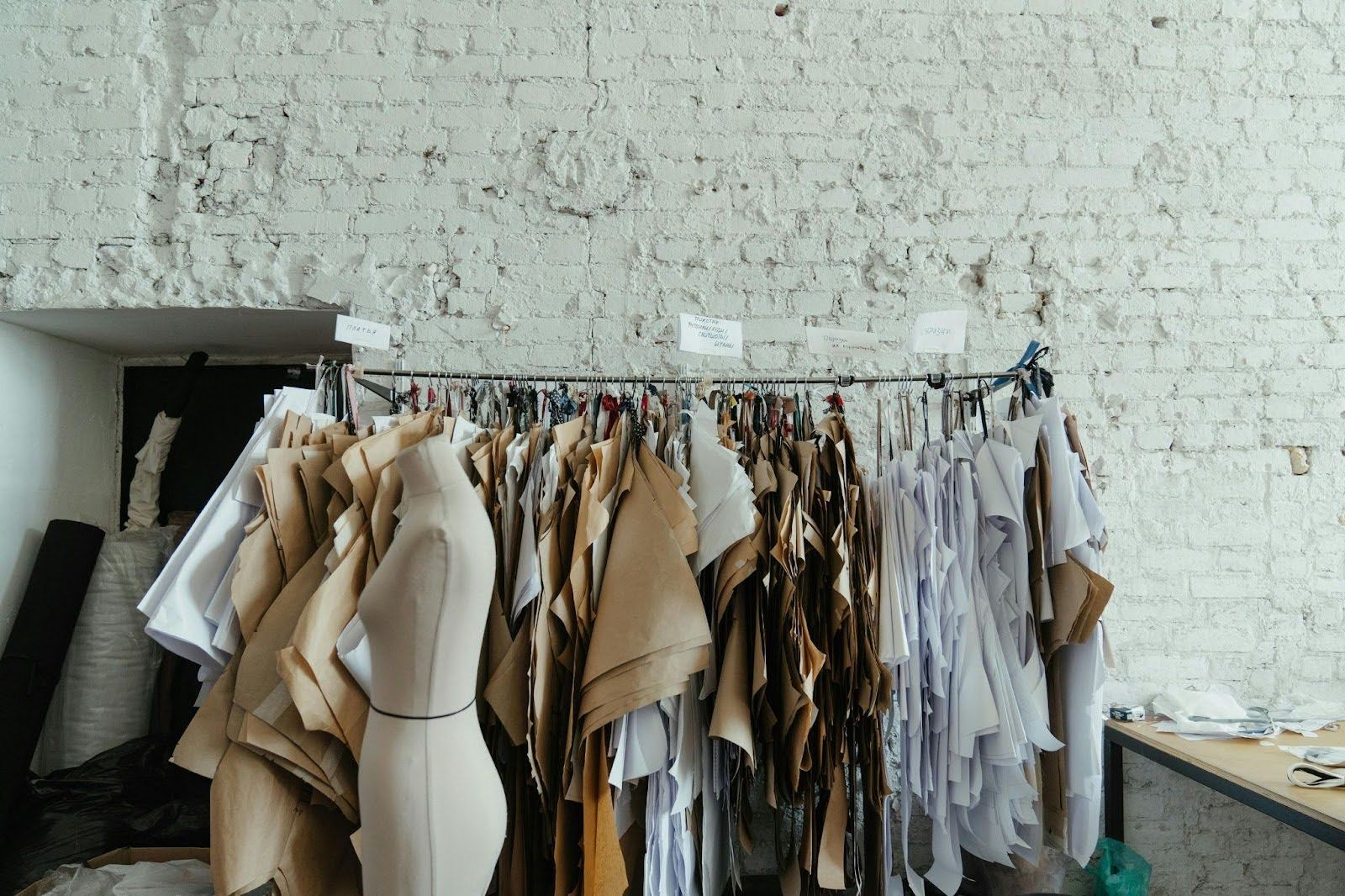
The sample maker's role extends beyond one garment. Their final, perfected sample becomes the master template. It is deconstructed sometimes. Its pattern pieces are copied exactly. Its construction notes are written down. These instructions form the "tech pack." This pack goes to the factory for mass production. The sample is the physical gold standard. Factory workers will match every seam to it. The sample maker has essentially written the recipe. Without their precise work, consistency in production would be impossible. A designer's vision would get lost in translation across continents.
The Unsung Collaborator
The relationship is deeply collaborative. A good sample maker is a designer's secret weapon. They offer technical creativity. They might suggest a more beautiful way to finish a seam. They can propose a clever shortcut that maintains quality. They save the designer from their own ambition sometimes. They ground wild ideas in the reality of physics and fabric. For many young designers in cities like Los Angeles, finding a great sample maker is everything. It allows them to compete. It lets them present professional work to stores. It transforms their passion into a viable business.
The Real Magic
In the end, sample makers are alchemists. They transform imagination into something you can hold. They work with their hands and their profound knowledge. They operate in small studios, not glamorous runways. But their impact is on every runway. Every garment you've ever worn started as a sample. It started with a person who could bridge the gap. They connect the spark in a designer's eye to the shirt on your back. That is their quiet, essential magic. They make the idea real.


