
resources
Making Friends & Social Life in Lisbon for Students in 2025

With more than a dozen major universities and polytechnics, and hundreds of courses in fields like business, engineering, arts, and social sciences, the city is packed with people who are here to study, explore, and build a new life.
This mix of locals, Erasmus students, as well as other international students has transformed Lisbon’s social scene into a fast-moving, diverse and auspicious scene. This can feel a bit overwhelming sometimes, so this guide is here to help you answer some of your doubts concerning social life in Lisbon.
How Students Actually Make Friends
Erasmus & International Student Groups
These are your fastest route to friends, events, and feeling settled—groups like ESN Lisboa (Erasmus Student Network) and Erasmus Life Lisboa organize weekly parties, day trips (Sintra, beaches), pub crawls, and welcome events for thousands of internationals yearly.
How to join:
- ESN Lisboa: Check esnlisboa.org or their Instagram for recruitment (January/August), fill the online form, or join events as a participant first. Get the ESNcard for discounts.
- Erasmus Life Lisboa: Sign up for their digital card at erasmuslifelisboa.com (under 2 minutes), get access to 100+ trips/parties per semester.
- Facebook/WhatsApp: Search "Erasmus Lisbon 2025/2026" groups or "International Students Lisbon" – request to join, introduce yourself.
University Events
Orientation weeks, faculty parties, and academic fairs are packed with free food, icebreakers, and people in the same boat as you.
How to join:
- Check your student email, university app/portal, or Instagram (e.g., @ulisboa, @novasbe) for "welcome week" schedules.
- Follow faculty associations (e.g., economics club at NOVA, engineering at IST).
- Show up early to events – grab a name tag and chat in lines for food/drinks.
Language Exchanges
Casual meetups where you practice Portuguese (or English/Spanish) over drinks – half internationals, half locals, super low-pressure.
How to join:
- Apps: Tandem/HelloTalk for 1-on-1, or Meetup.com ("Lisbon language exchange").
- ESN/ESN-style events: Weekly at cafés/bars in Bairro Alto or Cais do Sodré.
- Facebook groups: "Language Exchange Lisbon" or university-specific ones.
Shared Housing
Living with 3–6 other students (Erasmus or locals) turns your flat into a party hub and support network.
How to join:
- Platforms: Uniplaces, Erasmusu.com, Facebook ("Lisbon roommates Erasmus 2025").
- University housing offices or ESN for verified shares.
- Visit flats in person; vibe-check flatmates over tea. Aim for central spots like Alvalade or near campuses.
Sports & Hobbies
Football, surfing, hiking, or dance – Portuguese students join these for fun, not competition, so internationals fit right in.
How to join:
- University sports: Check portals (e.g., ULisboa sports pass ~€20/semester) for futsal, gym, volleyball.
- External: Meetup ("Lisbon hiking/football"), or apps like Playo for pickup games. Surf schools in Carcavelos offer student deals.
- ESN sports groups: WhatsApp for casual kickabouts or beach volleyball.
The Nightlife Scene
Lisbon's nightlife is great, and it can also destroy your budget if you're not careful.
Budget-Friendly Nightlife Tips:
- Pre-drink (supermarket beers cost €0.70-1.50)
- Go to student bars in Bairro Alto (drinks €3-5, not €10)
- Wednesday and Thursday nights often have student specials
- Skip clubs with cover charges unless it's really worth it
- Walk between neighborhoods instead of taking taxis
Popular Student Areas for Going Out:
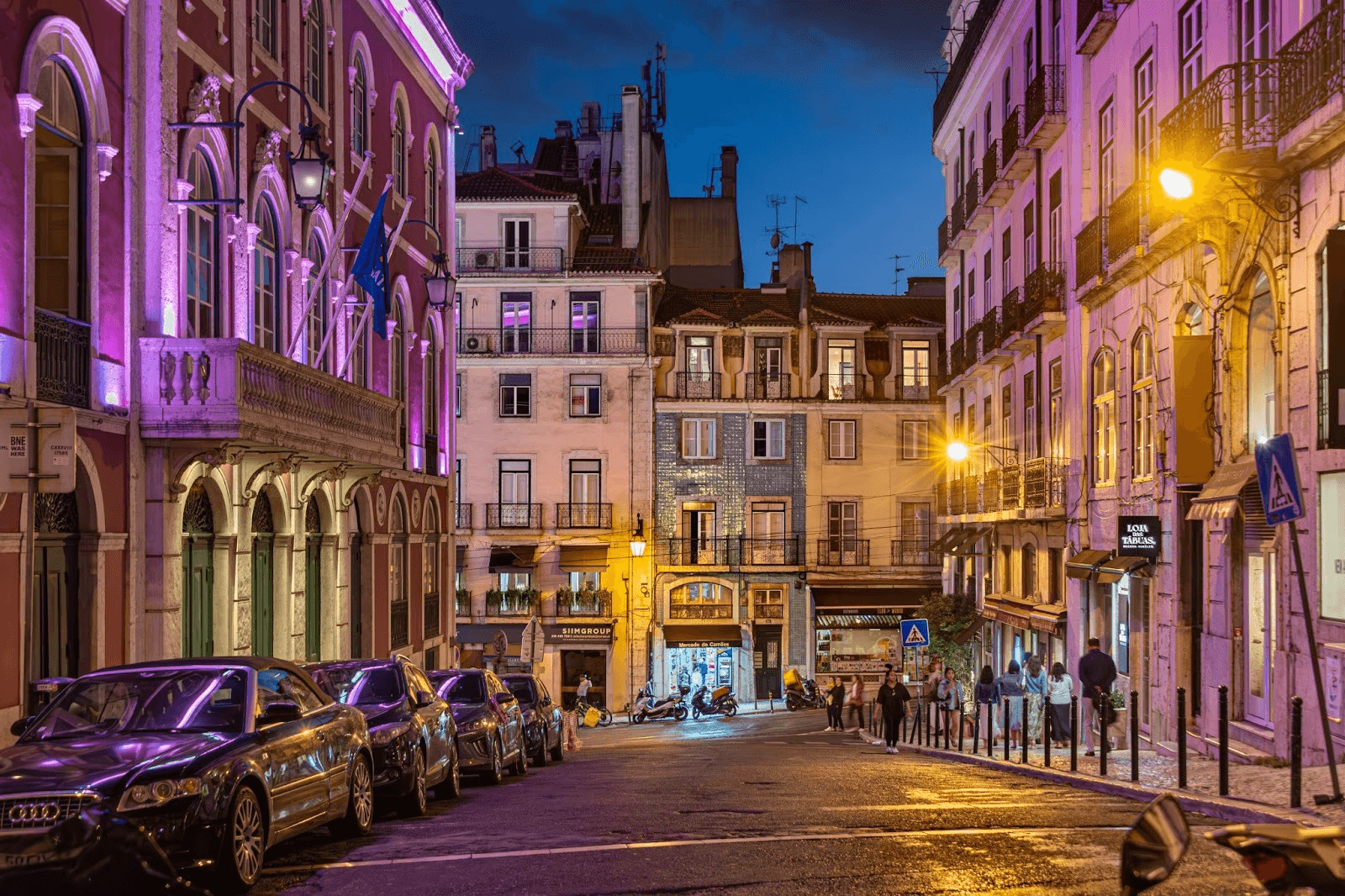
- Bairro Alto – Classic student party district, packed on weekends
- Cais do Sodré – Where the clubs are, younger crowd
- Santos – Slightly more upscale but still fun
- LX Factory – Hipster bars and cultural events
Many students balance going out big 1-2 nights a week with low-key socializing (beach days, picnics, house gatherings) the rest of the time.
Culture, Daily Life & Fitting In
The Lisbon Pace of Life
One of the first things you'll notice: Lisbon moves at a different speed than Northern European cities. This is part of its charm, but it takes adjustment.
What "Portuguese Time" Means:
- Things often start 15-30 minutes late (it's not rude, it's cultural)
- Bureaucracy moves slowly
- Shops close for lunch
- Dinner happens late (9-10pm is normal)
- Sundays are quiet—many things are closed
Portuguese Manners & Social Norms:
Portuguese social etiquette emphasises warmth, respect, and subtlety, fostering harmonious interactions in daily life. Greetings are essential: use "Bom dia" (good morning until noon), "Boa tarde" (afternoon), or "Boa noite" (evening/night) upon entering shops, lifts, or homes, followed by a firm handshake for men, two cheek kisses (right first) for women or mixed friends, and handshakes or kisses for mixed groups in casual settings. Dress remains casual yet neat, avoiding overly athletic wear or flip-flops in social or professional contexts, as presentation signals respect in a culture influenced by longstanding Catholic values.
Communication is indirect to preserve harmony; phrases like "maybe" or "we'll see" often mean "no," and public confrontation is avoided, addressing issues privately with tact. Family occupies a central role, evident in extended Sunday lunches where food circulates leftward anticlockwise, and declining seconds politely ("Obrigado, estou satisfeito") maintains goodwill. A notable cultural anecdote also involves the "Galo de Barcelos" legend: a pilgrim unjustly accused of theft is saved by a roasted rooster reviving to prove his innocence, symbolising faith, justice, and the triumph of truth, mirroring Portuguese preference for subtle resolution over conflict.
Superstitions persist, such as tossing salt over the shoulder for luck or avoiding Friday the 13th, while "saudade", a profound, bittersweet nostalgia, is intertwined with fado music and portuguese poetry, reflecting emotional depth. In groups, always introduce newcomers and offer birthday congratulations ("Parabéns"); the celebrant traditionally pays, sometimes biting a candle base discreetly for wishes. Public behaviours like pointing, loud stretching, or spitting are frowned upon, underscoring collectivism over individualism. Adhering to these norms builds trust and integration swiftly.
Outdoor Life & Exercise
One of the best parts of student life in Lisbon: incredible access to nature and outdoor activities.
What Students Do:
- Beach days – Train to Cascais or Carcavelos (20-30 minutes)
- Surfing – Lessons are affordable, waves are consistent
- Parks – Parque Eduardo VII and Parque das Nações for running/picnics
- Hiking – Sintra mountains are 40 minutes away
- Cycling – Along the river promenade
This outdoor lifestyle is part of why students love Lisbon, you can study hard but also get outside easily and cheaply.
Food:
Portuguese food is hearty, delicious, and surprisingly affordable if you know where to go.
Where Students Eat
University Canteens (Cantinas) – Your secret weapon:
- Full meals for €2.50-4
- Soup, main course, salad, dessert, drink included
- Not gourmet but totally adequate
- Open to all students with university ID
Local "Tascas" – Traditional Portuguese restaurants:
- Lunch specials ("prato do dia") for €6-9
- Authentic Portuguese food
- Usually outside tourist areas
- Look for places full of locals
Pastelarias – Bakery-cafés:
- Pastries for €1-2
- Sandwiches for €2-4
- Coffee for €0.70-1.20
- Perfect for breakfast or quick lunch
Supermarkets for Cooking:
- Pingo Doce – Mid-range, good quality
- Continente – Similar to Pingo Doce
- Lidl – Budget-friendly, great for basics
- Mini Preço – Discount chain, very cheap
Most shared flats have basic kitchens. Cooking your own meals is the biggest money-saver. A weekly grocery shop costs €20-30 if you're smart about it.
Portuguese Food You Must Try
- Pastel de nata – Custard tart, Lisbon's signature dessert (€1.30 at Pastéis de Belém)
- Bifana – Pork sandwich, simple but delicious
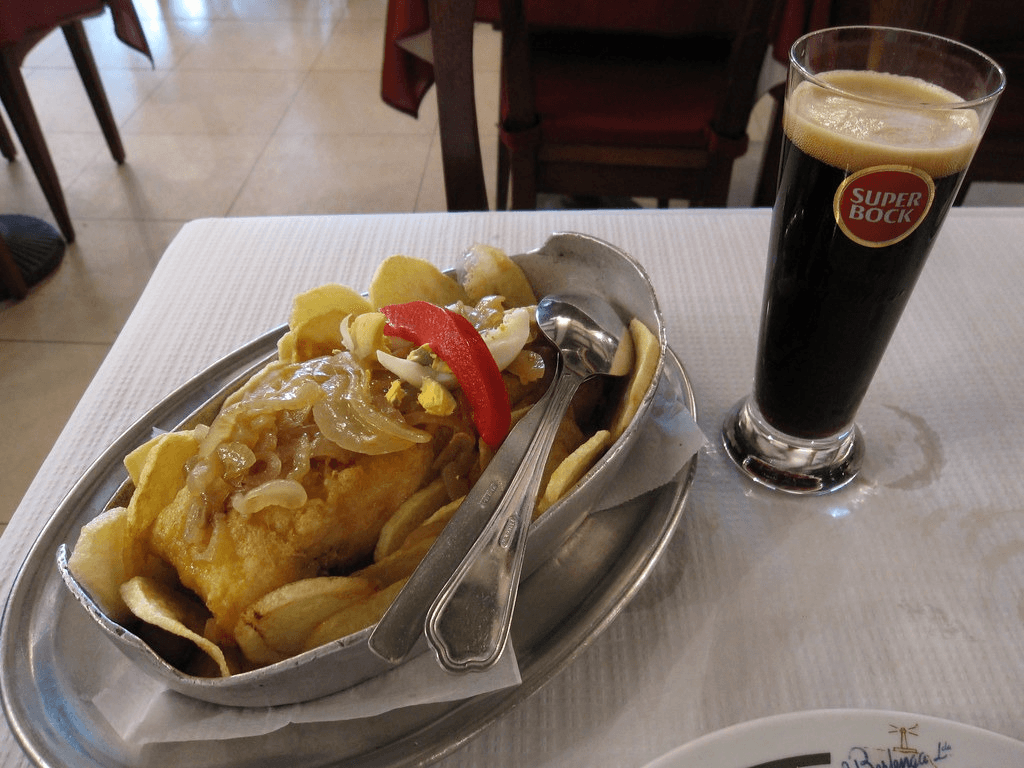
- Bacalhau – Salted cod, cooked a thousand ways
- Francesinha – Not from Lisbon but everywhere, indulgent sandwich, if you can travel to Porto and try them , do it, it’s worth the trip alone!
- Ginjinha – Cherry liqueur shot, local tradition
Things to Do:
Lisbon offers endless activities, many of them free or very cheap.
Free or Cheap Activities
- Museums – Most offer student discounts or free entry on certain days
- Beaches – Just the cost of the train Miradouros – Viewpoints throughout the city, stunning and free
- Street Art – LX Factory and other neighborhoods have amazing murals
- Markets – Feira da Ladra flea market, food markets
- Cultural Events – Free concerts, exhibitions, festivals
- Day Trips – Sintra, Cascais, Setúbal all accessible by cheap train
Weekend Escapes
Portugal is small and well-connected:
- Porto – 3 hours by bus/train
- Algarve – 3 hours south
- Évora – 1.5 hours, beautiful historic town
- Spain – Easy weekend trips to Seville or Madrid
Lisbon's dynamic student social scene provides ample opportunities for meaningful connections through ESN groups, university events, language exchanges, shared housing, and sports. Adapting to local norms, such as polite greetings, indirect communication, and the relaxed "Portuguese time" facilitates integration, while budget-conscious pursuits like tascas, miradouros, and beach trips enrich daily life. Active engagement in these avenues ensures a rewarding experience in one of Europe's most welcoming student cities.


