
resources
Mastering Your First Cities Skylines City: Essential Tips for a Thriving Metropolis
30 Dec 2025

Embarking on the creation of your first city in Cities: Skylines can certainly feel a bit overwhelming, can't it? Many of us recall initial attempts fraught with traffic snarls and less-than-content citizens. However, there's no need for your experience to mirror such early struggles. Having dedicated countless hours to mastering this intricate simulation, we've unearthed several key strategies that truly help launch your metropolis smoothly and efficiently. This guide will walk you through the fundamentals, from establishing robust road networks and essential services, to ultimately crafting a thriving urban center where people genuinely desire to reside.
Key Takeaways
- When commencing your urban development, select a map that aligns with your preferred playstyle, and meticulously plan your initial road network before placing any structures. Consider the strategic placement of residential, commercial, and industrial zones from the outset.
- Resist the urge to overbuild prematurely. Maintain a vigilant eye on your budget, allowing your city to expand organically and gradually. Crucially, introduce services like power and water only when dictated by actual population demand.
- An efficient road network stands as a paramount foundation for any successful city. Establish a clear road hierarchy, strategically space your intersections, and perhaps integrate roundabouts to ensure optimal traffic flow throughout your urban landscape.
- Public transportation—initially buses, evolving into metros—is indispensable for mitigating traffic congestion and fostering citizen contentment. Furthermore, prioritize pedestrian paths and bike lanes; they're ideal for facilitating shorter journeys within your city.
- Enhance your city's livability by incorporating parks and green spaces, which significantly boost land value and diminish noise pollution. Always site polluting industries well away from residential areas.
Laying the Foundation for Your Budding Metropolis
Choosing The Right Map
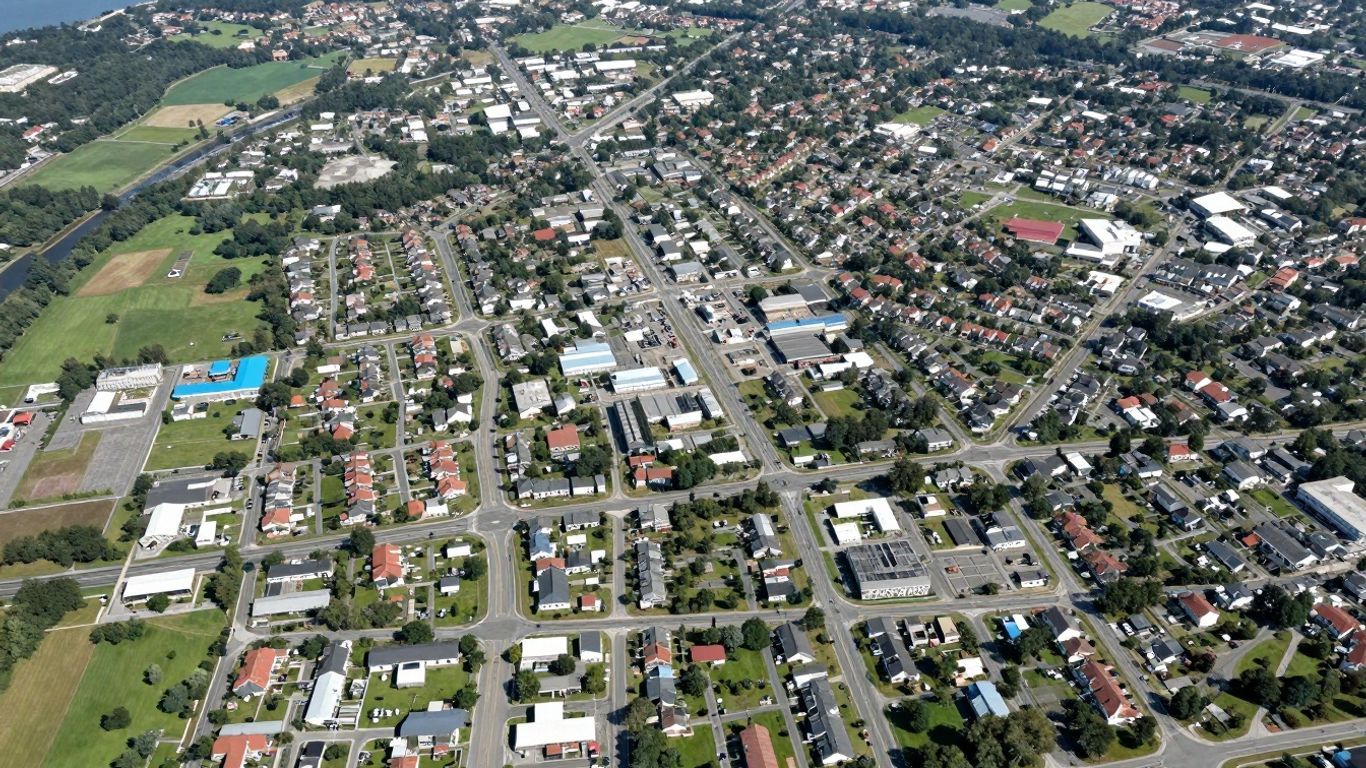
The journey to building your ideal city commences, naturally, with selecting the most suitable piece of land. Each map within Cities: Skylines presents a distinct landscape, characterized by varying terrain features, resource availability, and existing external connections. For a foundational first city, it's typically advisable to opt for a map that is relatively flat and provides straightforward access to major highways. This strategic choice will undoubtedly streamline the initial construction phase, enabling you to concentrate on core mechanics rather than contending with challenging geographical obstacles. When reviewing maps, seek out clear, ample areas designated for industry, commercial enterprise, and residential neighborhoods, giving thought to how water sources and natural resources might shape your urban blueprint. Indeed, a well-chosen map can lay a robust groundwork for success, whereas a more demanding one might well render early growth a considerable uphill battle.
Starting Small And Controlling Your Budget
While the allure of grand initial development is strong, remember that starting small is unequivocally key to a stable early game. Your city's financial health hinges on tax revenue, yet you'll face continuous expenditures for vital services such as power, water, and road upkeep. Should you expand too rapidly, your outlays can swiftly eclipse your earnings, potentially leading to dire financial straits. It's prudent to commence with just a few fundamental roads, select residential zones, a modest commercial district, and the essential utilities. As your population swells and demand escalates, you can progressively broaden your infrastructure, always maintaining a keen vigilance over your budget. After all, isn't a thriving, profitable town preferable to a sprawling, debt-laden metropolis?
Here's a simple budget breakdown to keep in mind:
| Expense Category | Initial Focus | Later Game | Notes |
|---|---|---|---|
| Power | Basic Generator | Upgraded/Multiple Sources | Costs increase with demand |
| Water & Sewage | Basic Pump/Outflow | Multiple Sources/Treatment | Essential for health and growth |
| Road Maintenance | Minimal | Significant | Depends on road length and traffic |
| Services (Police, Fire, Health) | Minimal | Expanded Coverage | Add as population grows |
Initial Road Layout Strategies
Your road network truly serves as the circulatory system of your urban creation. A thoughtfully designed layout from the outset can effectively preempt significant traffic congestion down the line. For your initial configuration, consider implementing a straightforward grid system, well-integrated with the primary highway. Employ smaller, two-lane roads for residential districts and allocate slightly larger—perhaps four-lane—thoroughfares for your principal commercial avenues or arterial routes connecting disparate segments of your city. Crucially, always ensure ample space between your main roads. This margin is invaluable for facilitating future expansion, accommodating service structures, and allowing traffic to flow unhindered. Resist the temptation to create too many intersections in close proximity during the early stages; this invariably leads to bottlenecks and gridlock later. Additionally, give careful thought to the placement of your inaugural industrial zone, endeavoring to keep it somewhat distinct from residential areas to mitigate nascent pollution concerns.
Planning your initial road layout transcends merely sketching lines on the map. It fundamentally involves anticipating future expansion, effectively managing the intricate flow of goods and people, and ultimately setting the stage for your city's operational efficiency for years to come. Dedicate ample time to this crucial step; it stands as one of the most impactful decisions you'll undertake in the early phases of the game.
Mastering Road Networks and Ensuring Seamless Traffic Flow
Achieving an optimal road infrastructure in Cities: Skylines is, arguably, among the most critical undertakings. It extends far beyond merely facilitating transit from point A to point B; rather, it’s integral to ensuring the seamless operation of your entire city. Inadequate road design invariably translates to disgruntled citizens, hobbled service delivery, and an pervasive sense of urban disarray. Allow us to delve into the principles of constructing a truly functional road system.
Establishing A Clear Road Hierarchy
Envision your urban road network as akin to a vast river system: smaller streams converge into larger rivers, which in turn flow ultimately into the ocean. Within Cities: Skylines, this concept translates directly into a distinct hierarchy of roads. The objective isn't for every vehicle to navigate the same minor thoroughfare across the entire city. Instead, you'll aim to establish a system where local roads efficiently gather traffic from residential areas and commercial establishments, channeling it into collector roads, which subsequently feed into more substantial arterial routes. These arterials, much like vital arteries, serve as the primary conduits of your city, linking various districts and ultimately providing access to highways for longer-distance journeys. Thus, a well-defined road hierarchy truly forms the backbone of efficient traffic flow.
Here's a simple breakdown:
- Local Roads: These are your neighborhood streets. They should be mostly two-lane, connecting directly to homes and small shops. Keep them quiet and low-speed.
- Collector Roads: These gather traffic from local roads and direct it towards larger routes. Four-lane roads often work well here, and sometimes adding bus lanes can be beneficial.
- Arterial Roads: These are your main thoroughfares, designed for higher traffic volumes and speeds. Six-lane roads are a good choice, and they should connect different parts of your city and lead to highways.
- Highways: For very high traffic and long-distance travel. Use ramps and careful connections to avoid bottlenecks.
Strategic Intersection Spacing
Intersections invariably represent points where traffic flow decelerates, even in the absence of traffic signals. Should you incorporate an excessive number of intersections in close succession, you risk generating congestion before vehicles can even establish a rhythm. A more effective strategy involves fewer, yet strategically well-spaced, intersections. Consider consolidating proximate intersections or, alternatively, designing parallel routes to efficiently divert traffic.
Efficiently Managing Your City's Essential Services
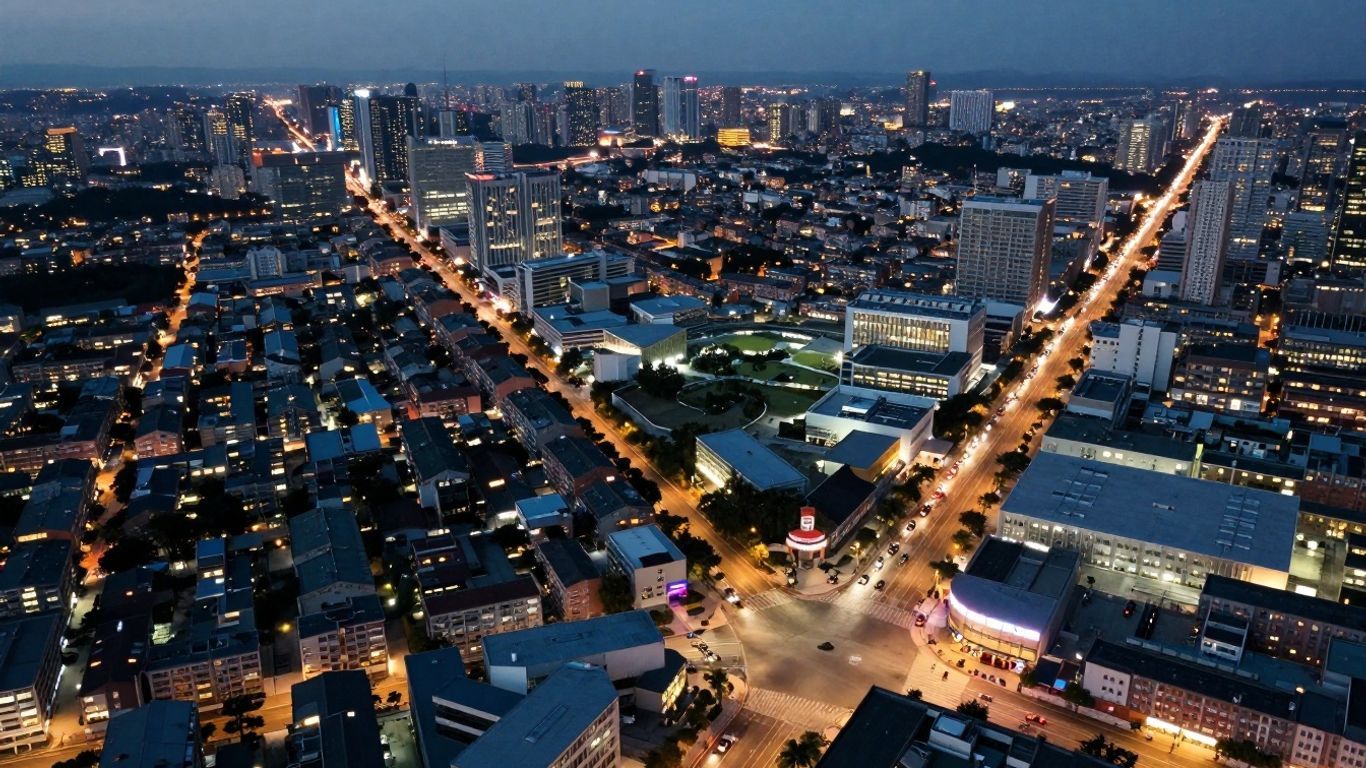
With your foundational road network firmly established, the next crucial step involves activating the city's essential utilities. Power, water, and waste disposal constitute the very lifeblood of any urban center, and ensuring their continuous, cost-effective operation is paramount. It's wise to resist the temptation to overbuild prematurely; instead, patiently await explicit indications from the game regarding burgeoning demand.
Powering Your Growing Metropolis
During the nascent stages of development, wind turbines often prove to be an invaluable asset, particularly if you've selected a map boasting favorable wind conditions. They are both economical and environmentally benign. As your city expands and its energy demands escalate, you'll likely find yourself needing to invest in coal or oil power plants. However, do remember to strategically locate these significant power generators well away from residential areas or recreational zones—such as parks—to prevent a detrimental impact on land values. Interestingly, you needn't connect every single structure with dedicated power lines; electricity has the capacity to arc between adjacent buildings, so direct lines are primarily necessary only across gaps or bodies of water.
Water, Sewage, and Pollution Control
Ensuring your citizens remain adequately hydrated and their waste is effectively managed is a relatively straightforward task in the early game. Initially, a single water pump paired with a sewage outlet can comfortably cater to the needs of a small town. The crucial element here is strategic placement: always position your water pump upstream from the sewage discharge point. Should your map lack a river, elevated water towers situated on pristine ground offer an excellent alternative. Maintain a close watch on the water budget slider. Operating pumps at 50% of their allocated budget, for instance, translates to approximately 25% efficiency—a setting often sufficient for a period. Only incrementally increase it to 100% when true capacity demands arise. As your population naturally expands, prioritize adding more pumps and outlets before opting to augment the budget.
Strategic Placement Of Service Buildings
While fire stations, police departments, and healthcare facilities are undeniably vital, their operational costs can be substantial. The game typically provides clear indicators when a particular service isn't adequately reaching all areas. Often, an optimized road network proves more effective in improving service coverage than simply erecting additional buildings. For facilities like landfills and cemeteries, adopt a long-term perspective. Position them thoughtfully where they can efficiently serve your city for an extended period, ensuring that essential vehicles—garbage trucks and hearses—have unobstructed routes to all destinations. You'll want to site these facilities judiciously near industrial zones and continually monitor their capacity, perhaps considering an upgrade to recycling centers or incinerators well before they reach maximum occupancy. Furthermore, distributing cemeteries strategically can significantly reduce the travel burden on hearses, preventing them from having to traverse the entire urban expanse.
Efficiently managing your city's services necessitates a clear understanding of both their operational reach and associated costs. Resist the impulse to construct simply because the option is available; rather, build in response to genuine demand, placing facilities judiciously to maximize their efficacy and minimize their strain on your budget and citizen satisfaction.
For further insights into optimizing your city's functionality, we invite you to explore methods for improving city services. This crucial aspect involves delicately balancing the evolving needs of your citizens with the finite resources at your disposal—a perpetual challenge within Cities: Skylines.
Optimizing Public Transportation for Your Metropolis
Facilitating the seamless movement of your citizens from point A to point B—without simultaneously engendering widespread road congestion—is indeed a cornerstone of urban efficiency. In this endeavor, public transportation emerges as your most invaluable ally. Its role extends beyond mere passenger conveyance; it's fundamental to maintaining your city's vibrancy and elevating its overall livability.
Implementing Bus Lines For Mass Transit
Buses typically represent the initial public transit option available, and they are commendably economical to establish. They excel at forging connections between diverse urban segments—for instance, linking residential districts with commercial zones or key employment centers. When initiating your network, prioritize simplicity in routing. Resist the temptation to design a single, all-encompassing bus line. Instead, focus on connecting a select few pivotal locations. Strategically placing bus stops near residential clusters, with routes extending to a central hub or a bustling commercial district, can yield significant results. After all, a well-placed bus stop possesses the potential to remove dozens of private vehicles from the road.
- Start Simple: Connect residential zones to commercial or industrial areas.
- Avoid Overlap: Try not to have too many bus lines covering the exact same route, as this can be inefficient.
- Check Effectiveness: Use the info views to see how many car trips your bus lines are saving. If a line isn't doing much, consider adjusting its route or stops.
Expanding With Metro And Passenger Trains
As your urban landscape expands and densifies—particularly within high-density zones—buses may eventually prove insufficient to meet demand. This is precisely where the robust solutions of metro systems and passenger trains become indispensable. Metros, in particular, are exceptionally advantageous: operating entirely underground, they consume no surface space and are completely impervious to road traffic congestion. Their subterranean tunnels enable highly efficient, rapid transit for substantial numbers of people between bustling districts. Passenger trains, conversely, are ideally suited for connecting more peripheral areas, such as outlying suburbs to the city center, or even for establishing links between distinct, separate urban centers that may develop over time.
- Metro Placement: Build metro lines where you have high population density or major employment centers.
- Train Connectivity: Use trains to link distant residential areas to downtown, or connect industrial zones to ports or cargo stations.
- Station Synergy: Place stations where they can serve multiple zones or connect to other transit types, like bus routes or future metro lines.
Integrating Bike Paths And Pedestrian Routes
Let's not overlook the pivotal role of active transportation modes. Walking and cycling, though frequently underestimated, are profoundly important for facilitating short trips and significantly alleviating overall traffic volume. The strategic integration of dedicated bike paths and pedestrian walkways, particularly within densely populated areas or as links between parks and residential zones, furnishes your citizens with valuable alternative transportation choices. Individuals are often quite willing to walk or cycle shorter distances, provided the infrastructure renders it both safe and convenient. This holds particularly true when endeavoring to connect proximate areas that are nonetheless bisected by a busy thoroughfare.
Cultivating a walkable and bikeable urban environment transcends merely diminishing vehicular traffic; it intrinsically elevates your city's overall desirability and quality of life. Citizens appreciate having viable alternatives for getting around that don't necessitate a car, and such amenities can even contribute to a tangible boost in land value within those well-connected areas.
Consider the strategic inclusion of bike lanes on existing thoroughfares or the establishment of entirely separate dedicated paths. These routes can effectively link residential zones to local retail outlets, parks, or even major transit hubs, thereby rendering these destinations far more accessible without requiring personal vehicle usage.
Cultivating a Thriving Urban Environment in Cities: Skylines
Crafting an urban landscape that is genuinely pleasant to inhabit holds equal importance to maintaining seamless traffic flow and a balanced budget. Contented citizens are inherently more productive, and a well-managed environment can significantly amplify your city's overall appeal. Let's delve into strategies for enhancing neighborhood desirability and effectively minimizing citizen grievances.
Boosting Land Value With Green Spaces
Are you looking to foster a profound sense of well-being among your residents? The strategic incorporation of trees and parks represents an exceptionally effective approach. Even modest green spaces, thoughtfully interspersed throughout residential areas, can yield substantial improvements. Larger parks and bustling plazas situated near commercial zones, for instance, have the capacity to attract shoppers and bolster the prosperity of local businesses. Moreover, it's worth noting that trees lining roadways play a crucial role in mitigating noise pollution, thereby contributing to more tranquil and appealing streetscapes. This seemingly simple tactic truly works wonders in rendering areas more inviting and economically valuable.
Managing Noise Pollution And Buffers
Noise pollution poses a significant concern for your city's inhabitants. Areas characterized by high noise levels—emanating particularly from industrial activities or heavily trafficked roadways—can markedly diminish quality of life and depress land values. Consequently, the establishment of effective buffers becomes imperative. Office buildings and commercial zones, for example, can serve as an excellent intermediary layer between clamorous industrial districts and serene residential neighborhoods. Moreover, positioning polluting structures such as power plants and waste disposal facilities at a considerable distance from homes is absolutely crucial. Bear in mind, citizens demonstrate a notable sensitivity to noise, and its adverse effects on their overall happiness can often be underestimated. Effective urban development, as such, inherently demands careful consideration of both citizen well-being and prevailing environmental factors.
Addressing Citizen Happiness And Complaints
Monitoring your citizens' happiness is a relatively intuitive process. By utilizing the game's data views, you can readily identify areas of dissatisfaction and endeavor to ascertain the underlying causes. Frequently, these issues trace back to inadequate services, pervasive pollution, or excessive noise. Should you observe a surge in complaints regarding healthcare, for instance, the strategic addition of another clinic might be warranted. Similarly, an uptick in crime rates could necessitate the establishment of an additional police station. However, exercise discernment; avoid simply scattering services indiscriminately. Instead, await the game's explicit cues indicating a genuine need. Often, a thoughtfully conceived road network can resolve service coverage deficiencies more effectively than merely constructing more facilities.
- Monitor Service Coverage: Use the info views to see where police, fire, and healthcare reach. Add facilities strategically where coverage is weak.
- Reduce Pollution: Keep industrial zones and waste management far from residential areas. Use commercial zones as a buffer.
- Add Greenery: Parks, plazas, and trees improve land value and reduce noise. Scatter them throughout your city.
- Respond to Needs: Build new services only when the game indicates a lack of coverage or a specific problem.
Crafting a city that residents genuinely cherish as their home entails a meticulous focus on myriad details. Lush green spaces, tranquil neighborhoods, and readily accessible services collectively contribute to a more contented, thriving, and ultimately prosperous population. This endeavor extends beyond merely undertaking expansive infrastructure projects; it's fundamentally about nurturing a truly livable and inviting urban environment.
Advanced Strategies for Scaling Your Cities: Skylines Metropolis
Developing Multiple City Centers
As your city begins its substantial expansion, depending solely on a single central downtown district can swiftly transform into a significant bottleneck. A pragmatic approach involves decentralizing your growing metropolis into several smaller, distinct urban centers. Each of these could conceivably feature its own harmonious blend of retail establishments, office spaces, and residential zones. The crucial factor, then, becomes connecting them with utmost efficiency. Leverage highways or high-capacity transit lines to effectively interlink these centers. Furthermore, constructing parallel one-way roads or dedicated expressways between them can profoundly aid in traffic management, ensuring vehicles maintain steady movement in opposing directions with minimal disruptive weaving.
Leveraging Data Views For Coverage
With the inevitable sprawl of your urban footprint, it's quite simple to overlook areas where critical services—such as police, fire stations, or hospitals—are failing to reach adequately. Therefore, it is essential to regularly consult the game's various info views. Scrutinize data pertaining to service coverage, traffic patterns, ambient pollution levels, and even fluctuating land values. Should you identify a deficient area, appropriate adjustments to service budgets or the strategic addition of more facilities can be implemented. Indeed, well-served districts typically exhibit accelerated development and contribute more substantially to tax revenue, underscoring the importance of diligently monitoring these crucial maps.
Considering Traffic Management Mods
For seasoned urban planners who have comprehensively mastered the base game and now seek an even greater degree of control, community-created traffic management modifications—or "mods"—can prove to be an absolute game-changer. These player-developed enhancements often introduce advanced tools for fine-tuning traffic flow, enabling the creation of intricate custom intersections, or even providing entirely new road typologies. It is generally advisable to explore these after you have attained a comfortable proficiency with the game's inherent systems. Always review the mod descriptions meticulously prior to integrating any into your game, and whenever feasible, conduct initial tests within a separate save file to ensure stability and compatibility.
The endeavor of constructing a sprawling, thriving city demands both considerable time and a resolute willingness to adapt. Initiate your project with a meticulously crafted plan, judiciously employ your road hierarchy and public transport networks, and never shy away from adjusting services as your population expands. Patience, it must be said, is paramount, and witnessing your urban creation evolve organically is, without doubt, a deeply gratifying aspect of the experience.
Your Thriving Metropolis Awaits
Constructing a successful city within Cities: Skylines is best approached as an engaging journey, rather than a frantic race. Throughout this guide, you’ve gained insights into establishing a robust foundation with intelligent road layouts and diligent budget management, efficiently overseeing essential services without undue financial strain, and fostering citizen contentment and mobility through effective public transportation. Always bear in mind to commence modestly, plan with foresight, and never hesitate to pause and meticulously re-evaluate your urban designs. Each city presents its unique set of challenges, and deftly navigating them forms an intrinsic part of the overall enjoyment. Continue to experiment, draw lessons from any missteps, and observe with satisfaction as your nascent town blossoms into the bustling metropolis you've always envisioned. Happy building!
Frequently Asked Questions
What's the best way to start building my city?
Initiate your urban development by selecting a map that is predominantly flat and offers excellent access to water sources and major highways. Establish your initial road networks simply, perhaps in a grid pattern, extending from the highway. Crucially, always allocate ample space between roads for future construction and services. Avoid the temptation to build too rapidly; allow your city to grow organically as demand dictates.
How can I stop my city from getting too much traffic?
Traffic management is, admittedly, a significant challenge! Ensure your road infrastructure adheres to a clear hierarchy: smaller feeder roads should connect to larger collector roads, which then lead to main arterials and highways. Employ roundabouts at busy intersections in lieu of traffic lights to maintain a continuous flow of vehicles. Furthermore, prioritize the establishment of comprehensive public transport systems, such as buses and metros, to reduce reliance on private cars.
When should I add more services like police or fire stations?
It's unnecessary to deploy every service building immediately. Defer their construction until the game explicitly indicates that specific areas are experiencing service deficiencies. Consult the service coverage maps to precisely identify where additional facilities are warranted. Occasionally, an optimized road network can resolve coverage issues more effectively and promptly than simply erecting more stations.
How do I make my city's neighborhoods nicer and increase land value?
To significantly enhance your city's appeal, integrate parks, plazas, and strategically plant trees along roadways. Ensure that noisy or polluting establishments—like factories and power plants—are situated well away from residential areas. Additionally, the provision of excellent schools and healthcare services invariably renders neighborhoods more desirable, thereby boosting their land value.
Is it okay to use one-way roads to help with traffic?
Yes, indeed, one-way roads can prove exceptionally beneficial, particularly for your primary thoroughfares. They are instrumental in directing traffic flow and can effectively mitigate congestion points where vehicles might otherwise become gridlocked. Just ensure their connectivity is logical, preventing the creation of dead ends or confusing routes for motorists navigating your urban landscape.
What's the best way to power my city and handle water and sewage?
For initial power generation, basic wind turbines are often the most pragmatic choice. Regarding water management, position your water pump strategically upstream from your sewage discharge point to prevent contamination. If a river is absent, water towers on unpolluted ground are a viable alternative. Keep a close watch on your budget sliders and only expand power generation or water systems when your city's actual demand necessitates it.


