
resources
Mastering Your Metropolis: A Guide to Building an Amazing Cities Skyline City
31 Mar 2026

So, you're contemplating the intricate task of building a city in Cities: Skylines, aren't you? It's undeniably an engaging game, yet its initial complexities can feel a tad overwhelming. Many experienced players, myself included, recall those early endeavors – often characterized by incessant traffic snarls, citizen grievances, and persistently strained budgets. Unraveling the nuances of effective urban planning took considerable time and dedication. This comprehensive guide, therefore, distills the crucial insights I wish I'd possessed from the outset. We'll navigate the essentials, from establishing your city on a solid footing and fostering citizen satisfaction, to curating a truly aesthetically pleasing metropolis. Let's embark on the journey to construct your remarkable Cities: Skylines urban landscape!
Key Principles for Success
- Prioritize Essential Utilities: Before embarking on extensive development, ensure fundamental services such as power, water, and sewage infrastructure are robustly established. These core utilities are, quite simply, the lifeblood of any thriving Cities: Skylines metropolis.
- Master Strategic Road Planning: The importance of a well-conceived road network cannot be overstated. Proactive planning from the game's earliest stages is crucial to prevent future traffic congestion – a common pitfall. Always visualize the actual flow of vehicular movement.
- Implement Intelligent Zoning Practices: Zoning dictates the allocation of residential, commercial, and industrial areas within your city. Strive for a harmonious balance across these zones, fostering an environment that feels organic and functional.
- Address Citizen Needs Holistically: Remember, your city is home to citizens who require more than just a place to live. Essential services like police, fire departments, and educational institutions are paramount for their well-being and contentment. Vigilantly monitor service demands.
- Mitigate Traffic Congestion with Public Transport: Traffic jams are an undeniable challenge in this simulation. Early integration of public transportation options – such as buses or trains – is highly advisable to maintain smooth urban mobility throughout your Cities: Skylines city.
Establishing the Core: Laying the Foundation for Your Cities: Skylines Metropolis
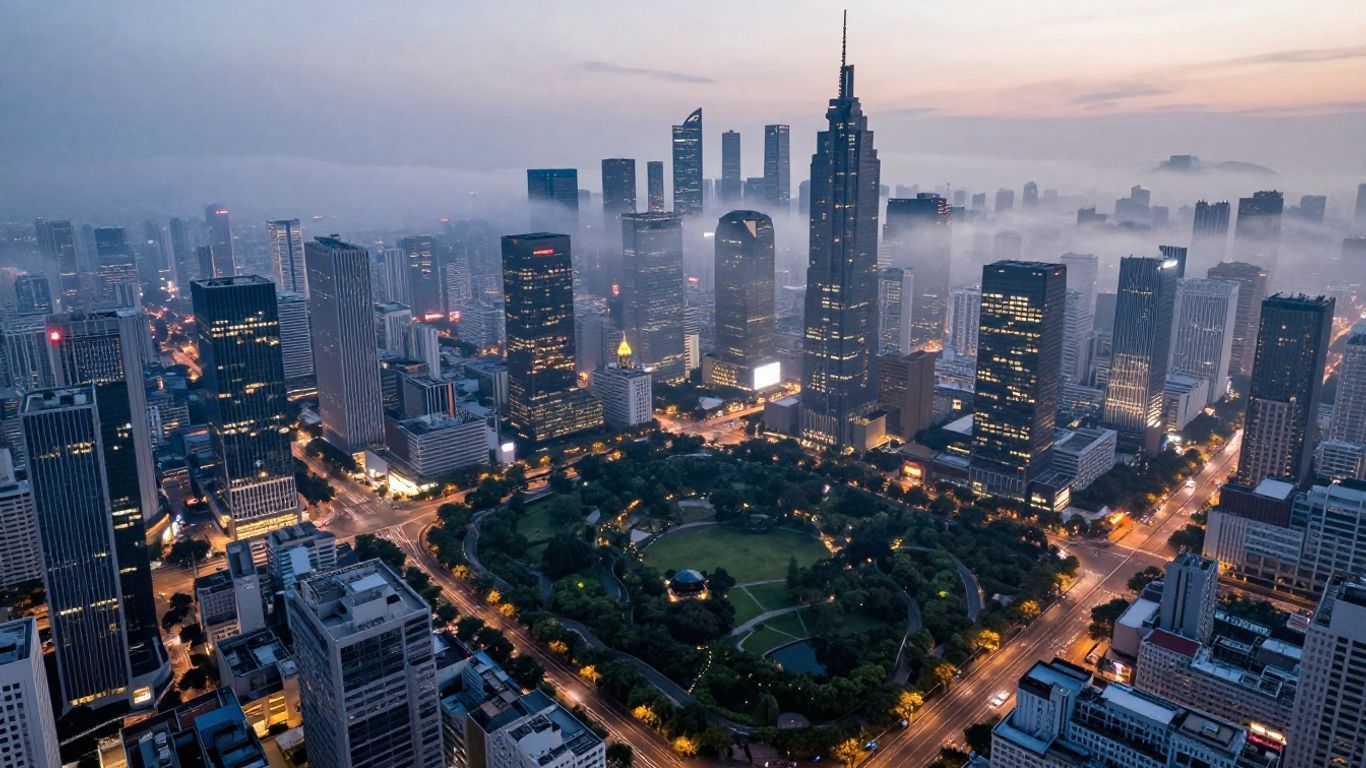
Embarking on the creation of your inaugural city in Cities: Skylines can, indeed, feel somewhat formidable, can't it? Many players, myself included, vividly recall those initial ventures often plagued by incessant gridlock and a chorus of discontented citizens. However, this doesn't have to be your experience! Through countless hours of gameplay, I've accumulated a wealth of strategies designed to ensure your city enjoys a propitious and seamless commencement. This section of our guide will delve into these foundational elements, encompassing everything from establishing robust road networks and deploying essential urban services to ultimately constructing an urban environment where your citizens genuinely aspire to reside.
Strategic Road Network Planning
Consider the road network as the veritable circulatory system of your city; every facet of urban life flows through it. Establishing this correctly from the outset is absolutely paramount. Prior to even laying down your first residential dwelling or commercial establishment, devote careful thought to the anticipated movement of traffic. You'll want to implement a clear road hierarchy – envision primary highways transitioning into broader avenues, then into smaller thoroughfares, and finally, culminating in minor local lanes. Placing intersections in close succession, incidentally, is a surefire recipe for disaster, inevitably leading to frustrating gridlock long before your city truly takes shape. On busier routes, the strategic deployment of roundabouts can prove remarkably effective in sustaining smooth traffic flow.
- Outline Primary Arterial Routes: Begin by mapping out your main transportation corridors. These critical pathways will serve to efficiently connect your distinct zones and link your city to the external world.
- Anticipate Zonal Connections: Meticulously consider the prospective locations of your industrial, commercial, and residential districts. Your road infrastructure must be designed to facilitate seamless and efficient travel between these vital areas.
- Minimize Intersection Density: A common pitfall among new city planners is the creation of too many closely spaced intersections. This frequently leads to significant traffic impediments and should be consciously avoided.
- Account for Future Growth: Always build with an eye toward expansion. Deliberately allocate space for the introduction of new roads and infrastructure as your burgeoning city inevitably grows.
A well-thought-out road network is the backbone of a successful city. It's not just about connecting places, but about managing the flow of vehicles and people effectively, which directly impacts citizen happiness and economic growth.
Establishing Essential Utility Services
These fundamental provisions – electricity, clean water, and efficient sewage management – are, without question, indispensable for your citizens' well-being. Their strategic placement is therefore crucial. Power plants and water facilities, whether towers or pumps, must be integrated with your existing road network, as buildings draw their essential services from adjacent roads. Similarly, sewage outlets also connect via roads; however, it's imperative to position them downstream from your primary water sources to circumvent any risk of contamination. A word to the wise: resist the urge to overbuild and establish too much infrastructure prematurely. Exercise prudence and expand only as your population demonstrably requires these services, thereby keeping your municipal budget judiciously managed. Indeed, accurately deploying these vital utilities early on is absolutely key to preventing a host of early-game complications.
Implementing Intelligent Zoning Practices
Zoning serves as your directive to the game, delineating where various building types are permitted to materialize: residential districts (for housing your populace), commercial zones (for retail and offices), and industrial sectors (for factories and manufacturing). Striking the right balance here is profoundly important. For instance, situating industrial facilities immediately adjacent to residential areas is ill-advised, primarily due to concerns about noise and environmental pollution. A generally effective strategy involves positioning industry somewhat further afield – perhaps even downwind, if geographical conditions permit – with commercial districts serving as a beneficial buffer between these industrial hubs and residential dwellings. Ideally, residential zones should be allocated to the quieter, more pristine sections of your city. Securing the optimal zoning blend from the outset unequivocally establishes the groundwork for a harmonious and profoundly functional urban environment.
Fostering Urban Vitality: Cultivating Citizen Contentment and Seamless Mobility
As your burgeoning city begins its natural expansion, you'll invariably observe an influx of new residents. This growth, while desirable, inherently entails an increased responsibility to ensure the welfare and contentment of a larger populace. Indeed, the scope of urban planning extends far beyond merely providing housing and employment; it necessitates a thoughtful consideration of citizens' daily experiences and the various factors that contribute to their overall satisfaction with city life.
Ensuring a Balance of Essential Services
Citizens, quite rightly, rely heavily on the provision of robust public services. These extend beyond the foundational utilities such as water and electricity; they encompass the crucial amenities that transform your city into a place where people genuinely desire to live, rather than merely a place where they can exist. Consider vital provisions like efficient waste management, comprehensive fire and police protection, and accessible healthcare facilities. Should these essential services prove inadequate, citizen dissatisfaction will inevitably rise – a scenario that, to put it mildly, isn't conducive to the flourishing of your urban endeavor.
- Healthcare Accessibility: Ensure an ample supply of clinics and hospitals. Illness is an unavoidable aspect of life, and your populace requires prompt and effective medical attention. A scarcity of healthcare infrastructure can lead to widespread unhappiness and may even correlate with diminished birth rates.
- Public Safety & Security: Police and fire stations are absolutely indispensable. They are instrumental in crime deterrence and in preventing the unchecked spread of fires. Strategic placement is key, aiming for comprehensive coverage across the majority of your city's area.
- Consistent Utilities Provision: Never overlook the ongoing demand for water, sewage, and electricity. Power outages or, worse yet, sewage overflows, are remarkably swift means to plunge your entire populace into misery.
Keeping your citizens happy is more than just a nice-to-have; it directly impacts your city's productivity and tax income. Content citizens are less likely to complain and more likely to contribute positively to your urban experiment.
Developing Efficient Public Transportation Networks
As your urban landscape expands, traffic congestion on roads will become an increasingly pronounced challenge. This is precisely where public transportation assumes its pivotal role. Its function extends beyond merely relocating citizens; it's about empowering them with viable alternatives and, crucially, mitigating the sheer volume of private vehicles on your roadways. Indeed, a city characterized by robust connectivity is invariably a more content and efficient city.
To guide your planning, let's briefly examine the various public transport options at your disposal:
| Transport Type | Pros | Cons |
|---|---|---|
| Buses | Inexpensive to deploy, offers flexible routing | Susceptible to traffic delays, lower passenger capacity |
| Metro | High passenger capacity, impervious to surface traffic | Significant initial construction cost, rigid route structure |
| Trams | Good capacity, generally quieter than buses | Requires dedicated track infrastructure, potentially slower operating speeds |
| Ferries | Ideal for cities with water bodies, offers scenic routes | Restricted by waterways, typically slower than metro systems |
Furthermore, give careful consideration to the interconnections between disparate areas of your city. Residential districts, for instance, demand efficient transit links to both commercial hubs and industrial zones. It's also wise to facilitate seamless transfers between different modes of transport – for example, enabling easy transitions from a bus route to a metro station.
Enhancing Livability Through Thoughtful Green Spaces
Citizens inherently value access to areas for relaxation and recreation. The strategic inclusion of parks, plazas, and sports fields profoundly impacts overall citizen contentment. These green amenities provide a welcome respite from the urban hustle and bustle, simultaneously elevating the aesthetic appeal of surrounding neighborhoods. Indeed, imagine the difference a quiet park bench can make to someone's day!
- Neighborhood Parks: Even modest park developments can yield significant benefits. They enhance visual appeal and offer residents accessible spaces for leisurely strolls or quiet contemplation.
- Urban Plazas: Particularly effective in commercial districts, plazas can serve as magnets for shoppers, imbuing the area with a more vibrant and engaging atmosphere.
- Street Trees: The strategic planting of trees along roadways not only contributes to noise reduction but also creates more visually appealing and pleasant streetscapes.
Moreover, it's crucial not to overlook the pervasive issue of pollution. Industrial zones and areas with high traffic density can unfortunately contribute to compromised air quality, potentially leading to citizen illness. Strive to situate polluting structures a considerable distance from residential areas and ensure your traffic management systems operate with optimal efficiency. Ultimately, a clean city invariably fosters a healthy city, and healthy citizens are, by extension, happy citizens.
Curating Urban Aesthetics: Designing a Visually Appealing Cities: Skylines Metropolis
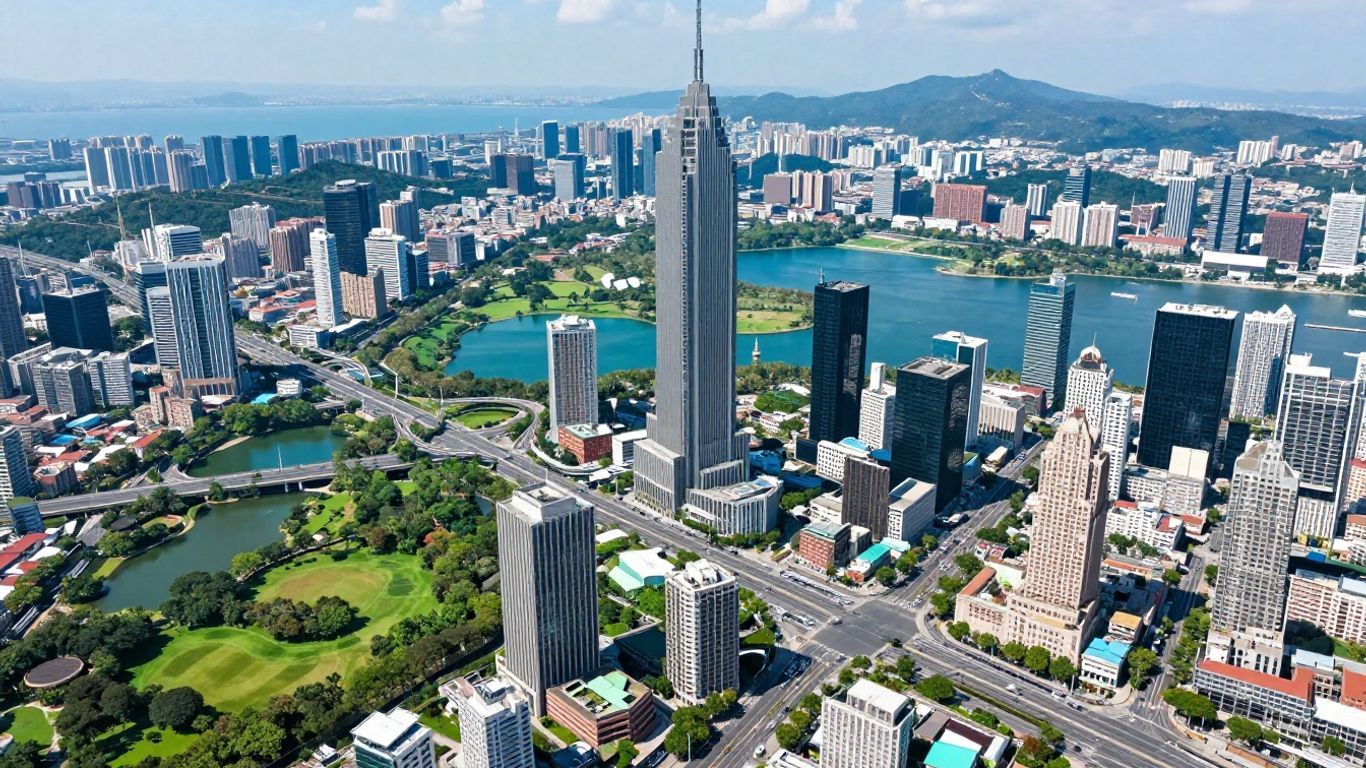
With the foundational infrastructure meticulously established, your focus can now pivot towards enhancing the visual appeal of your urban creation. This is the exciting stage where your metropolis truly begins to acquire its distinct character and atmosphere, transcending its utilitarian function to become a place people genuinely yearn to experience. In essence, it's about imbuing your city with its own unique personality and charm.
Crafting a Dynamic and Memorable Skyline
The skyline of your city serves as its immediate visual identifier – the distinctive silhouette against the horizon that renders it instantly recognizable. To achieve a truly remarkable skyline, it's imperative to blend a variety of building heights and architectural styles. Resist the temptation to populate every area with uniform towering structures; instead, introduce diversity to cultivate a more captivating visual narrative. One effective strategy involves concentrating your tallest, most contemporary edifices within a central downtown core, then gradually transitioning to slightly shorter, perhaps more traditional-looking, buildings in the surrounding districts.
- Introduce Varied Building Heights: A skyline composed of structures of identical stature can often appear monotonous. Integrating diverse building sizes will invariably produce a more visually stimulating and dynamic aesthetic.
- Embrace Architectural Diversity: Allow different sectors of your city to manifest distinct architectural expressions, ranging from classic, heritage-inspired designs to cutting-edge contemporary styles.
- Thoughtful Building Density: The proximity of buildings to one another significantly influences overall visual appeal. Occasionally, strategic open spaces can actually amplify the prominence and distinctiveness of individual structures.
The skyline is the first impression your city makes. It should tell a story about the city's character and aspirations.
Strategic Placement of Iconic Landmarks
Landmarks, in essence, function as your city's unique signature – the distinctive edifices or structures that render your urban creation truly unforgettable. These can range from renowned real-world architectural marvels to exclusive in-game monuments. Thoughtful placement of such features can significantly enhance tourist appeal, elevate citizen happiness, and imbue your city with a singular identity. Deliberate on where a grand statue, an intriguing museum, or a soaring tower might exert the most profound visual and cultural impact. Frequently, these structures evolve into natural rendezvous points or serve as crucial visual anchors for various districts within your city. Moreover, a strategically positioned landmark can even aid in traffic navigation by offering drivers clear points of reference. For a deeper understanding of sophisticated urban planning methodologies, you might consult the insightful Blueprint for Smart Cities report.
Integrating Parks and Vibrant Recreational Facilities
Citizens unequivocally require dedicated spaces for both relaxation and leisure. Parks, plazas, and various recreational facilities aren't merely decorative; they tangibly contribute to citizen well-being and, moreover, appreciate the value of proximate real estate. When conceptualizing these vital areas, it's beneficial to consider a diverse range of spatial typologies:
- Intimate Neighborhood Parks: These smaller green spaces are ideal for local residents, offering convenient access directly from their homes.
- Expansive Central Parks: Capable of becoming major urban attractions, these larger parks can feature extensive sports fields, engaging playgrounds, and scenic walking trails, serving the entire populace.
- Developed Waterfront Zones: Thoughtfully developing riverbanks or coastlines with appealing pathways and inviting leisure areas can significantly elevate your city's overall attractiveness and desirability.
The integration of green spaces, ultimately, transcends mere aesthetic enhancement; it fundamentally contributes to making your city a superior place to reside and plays a role in purifying the urban atmosphere. Indeed, a park judiciously situated can profoundly transform the quality of life for nearby residents.
Advancing Your Vision: Mastering Sophisticated Cities: Skylines Design
So, your burgeoning city is now largely humming along quite smoothly, isn't it? Roads are predominantly clear, citizens appear reasonably content, and the municipal budget remains commendably balanced. Yet, one might contend that you aspire to achieve something far beyond mere 'adequacy.' This juncture marks our transition from simply constructing a habitable space to meticulously crafting a truly authentic, dynamic metropolis imbued with its own distinct character. Fundamentally, it's about elevating your city to truly stand apart.
Strategic Progression: Leveraging the Skill Tree for Urban Development
The skill tree in Cities: Skylines II functions as a dynamic blueprint for your city's evolutionary trajectory. Upon achieving predefined urban milestones, you're awarded valuable progression points. These points are not simply a means to unlock novel architectural structures; rather, they fundamentally influence the very essence and direction of your city's development. Do you intend to prioritize robust public transportation infrastructure in the early stages? Or perhaps you're inclined to foster specialized industrial sectors? The decisions you render within this framework will, quite literally, chart your city's future course. It represents an intelligent and flexible mechanism to guide your urban expansion without the game imposing a rigidly prescribed development path.
- Early-Game Emphasis: During the initial phases, it's prudent to allocate points towards fundamental services and essential road network enhancements, ensuring a stable and uninterrupted commencement of urban growth.
- Mid-Game Specialization: This period prompts strategic choices regarding your city's economic and cultural identity. Will you cultivate a vibrant tourism sector, foster a robust industrial base, or enhance residential desirability? The skill tree provides distinct pathways to realize these ambitions.
- Late-Game Refinement: In the later stages, utilize points to unlock sophisticated features such as unique districts, city-wide policy initiatives, and intricate transportation solutions, all designed to meticulously refine your advanced metropolis.
Mastering Traffic Flow in Expansive Metropolises
As your city inevitably expands, traffic congestion frequently escalates into a significant management challenge. The conventional model of a singular, dominant downtown area often proves incapable of efficiently handling the burgeoning demands. Consequently, your focus must broaden to encompass the macroscopic movement of traffic across your entire urban region.
- Cultivate Multiple Urban Centers: Strategically decentralize your city by developing several distinct, smaller hubs. These centers should be robustly interconnected via high-capacity highways or efficient mass transit lines.
- Implement Dedicated Traffic Corridors: Employ one-way road systems or expressways to facilitate the swift and efficient movement of traffic between these various hubs. The establishment of distinct routes for inbound and outbound traffic, in particular, yields substantial benefits.
- Reinforce Road Hierarchy: Ensure the implementation of a meticulously structured road hierarchy, ranging from localized residential streets to expansive arterial routes and high-speed highways. This systematic approach is crucial for effectively directing traffic to its intended destinations.
Keeping traffic moving smoothly in a large city is less about individual intersections and more about the overall network design. Think about how people travel between different parts of your city, not just within one neighborhood.
Vigilant Monitoring of Service Coverage Across Your City
Within the intricate tapestry of a sprawling urban landscape, it's remarkably easy for certain districts to experience deficits in critical services such as police protection, fire suppression, or healthcare provision. Maintaining a constant and diligent oversight of this aspect is therefore essential.
- Utilize Information Overlays: Routinely consult the game's various data views, focusing on metrics for services, traffic, pollution levels, and land value. These visual aids are indispensable for identifying areas where service coverage is suboptimal.
- Employ Strategic Facility Placement: Introduce new municipal facilities precisely where demand is most acute. Resist the urge for arbitrary construction; instead, meticulously consult coverage maps to guide your decisions.
- Implement Budgetary Adjustments: On occasion, it may become necessary to modify the budgetary allocations for specific services. This can enhance their operational reach or bolster their overall effectiveness across the city.
Diligent attention to comprehensive service coverage ensures that all your citizens possess equitable access to essential provisions, thereby fostering a more contented populace and, consequently, a more stable and resilient city.
Mastering the Environment: Navigating Terrain and Optimizing Resource Management
Alright, so your city's intricate layout is established, its roadways are a hive of activity, and your citizens are, by and large, content. However, our attention must now turn to the foundational element upon which all this rests: the very terrain itself. The inherent characteristics of the land you build upon matter profoundly, influencing virtually every aspect of your urban development.
Deciphering Terrain Advantages and Overcoming Challenges
Each new parcel of land acquired presents its unique geological characteristics and inherent challenges. Flat expanses, for instance, offer unparalleled ease of construction – truly, no fuss, no unnecessary complications – allowing for high-density development. However, they can, at times, appear somewhat... uninspired. Conversely, hilly and mountainous regions often provide breathtaking vistas for residential areas, though constructing efficient road networks in such topography becomes significantly more complex, and development costs can ascend far more rapidly than anticipated. Waterfront properties, while ideal for port facilities or vibrant tourist attractions, typically offer constrained buildable space and carry the potential for flooding concerns.
For your convenience, here's a succinct overview:
- Expansive Flat Plains: Facilitate straightforward construction and high-density urban planning. However, they occasionally lack distinctive visual appeal.
- Rugged Hilly/Mountainous Regions: Offer picturesque views and natural demarcations. Yet, road construction is often arduous, and overall development proves more costly.
- Coastal/Waterfront Properties: Excellent for maritime industries and tourism. Be mindful of limited land area and the inherent risk of inundation.
- Densely Forested Zones: Aesthetically pleasing and a potential source of timber. Nonetheless, land clearance requires substantial time, and the threat of wildfires is a tangible consideration.
The fundamental principle is to harmonize your development with the natural landscape, rather than contending against it. Endeavoring to level an entire mountain range, for example, is not only fiscally prohibitive but also yields an aesthetically unnatural outcome. Instead, seek innovative methods to leverage the existing terrain to your advantage.
Harnessing Resource-Rich Maps for Economic Specialization
Certain maps are naturally endowed with valuable subsurface deposits – such as abundant ore reserves or fertile agricultural soil. Should you encounter a map featuring such resources, it's frequently a strategic imperative to secure that land early in your development cycle. By establishing industries that specifically leverage these natural assets, you can provide a substantial and enduring boost to your city's economy. Consider this a distinct, inherent advantage. It's crucial to bear in mind, however, that these resources are finite, and the extraction processes themselves can sometimes result in a less-than-pristine appearance for the surrounding area.
Mitigating Environmental Impact in Urban Development
With the sustained growth of your city, it becomes increasingly important to factor in environmental considerations. The establishment of industrial sectors, particularly those reliant on resource extraction, inevitably generates pollution, discernible in both water bodies and atmospheric quality. This isn't merely an aesthetic concern; it can detrimentally affect citizen health and diminish surrounding land values. Effective management of this environmental footprint is therefore essential. Initially, a prudent step involves strategically locating polluting structures at a considerable distance from residential districts. As your city progresses, you might also invest in more advanced, cleaner technologies or proactively create parks and green spaces to help counterbalance the effects of pollution. Ultimately, maintaining a delicate equilibrium between economic growth and preserving a healthy, aesthetically pleasing urban environment is paramount.
Amplifying Your Vision: Leveraging Mods and Community-Created Content
While the foundational Cities: Skylines game offers an expansive toolkit for urban construction, those aspiring to truly differentiate their metropolis will discover an invaluable resource in the vibrant community content. Indeed, a veritable universe of player-made creations awaits, capable of transforming both your gameplay experience and the distinct visual identity of your city.
Delving into the Rich World of Player-Made Assets
Consider player-made assets as the fundamental architectural components that define your city's visual character. The Steam Workshop, for example, overflows with an extraordinary array of custom-designed buildings – ranging from meticulously rendered replicas of world-renowned landmarks to entirely novel architectural styles that extend far beyond the game's default offerings. Furthermore, you'll discover bespoke vehicles, innovative park designs, decorative props, and a multitude of other elements. These diverse assets are, in essence, instrumental in forging a truly unique visual identity for your urban creation. Whether your ambition is to imbue your downtown with the iconic flair of New York City or evoke the charm of a specific European town in your suburban areas, you're almost certain to find the perfect assets to realize that vision.
To provide a clearer picture, here’s a brief glimpse into the extensive categories of content you can explore:
- Architectural Structures: This broad category includes residential, commercial, and industrial buildings, unique signature structures, and even comprehensive themed building sets.
- Transportation Infrastructure: Discover custom road designs, bridges, tunnels, and a variety of vehicle models to enhance your city's mobility.
- Decorative Props & Embellishments: Enhance urban realism with custom trees, streetlights, benches, statues, and countless other intricate details.
- Parks & Leisure Facilities: Access distinctive park assets and a wide range of recreational amenities to enrich your citizens' leisure options.
Implementing Effective Mod Organization Strategies
As you delve deeper into the world of custom content, subscribing to numerous mods and assets can quickly lead to a crowded game environment. It's surprisingly easy to lose track of your downloaded items, and, occasionally, different mods can clash, resulting in unforeseen operational issues. While the Steam Workshop provides a convenient subscription mechanism, the responsibility for maintaining a well-organized and conflict-free setup ultimately rests with you.
- Diligently Review Descriptions: Prior to subscribing, always thoroughly examine a mod's description. This will inform you of its intended function, any known incompatibilities, or prerequisite installations.
- Leverage Workshop Collections: Utilize Steam's functionality to create custom collections of mods and assets. This proves exceptionally beneficial for systematic categorization – for example, grouping traffic management mods, European-themed assets, or North American architectural styles.
- Thoroughly Test New Integrations: When introducing novel mods, particularly those with significant impact, it's highly advisable to test them within a dedicated, separate save file initially. This precautionary measure ensures that should any unexpected issues arise, your primary city remains secure and uncompromised.
The sheer volume of available content can be overwhelming at first. It's a good idea to start small, adding a few assets or mods at a time, and see how they impact your game and your city's performance before going all-in.
Prudent Experimentation with Save File Backups
While mods possess the remarkable capability to introduce profound enhancements – from rectifying intricate traffic AI patterns to integrating entirely novel gameplay mechanics – they can, regrettably, also exhibit instability. There are instances where a mod update inadvertently causes unforeseen issues, or two different mods simply prove incompatible. It is precisely in these scenarios that diligent backup practices become your most indispensable ally.
Therefore, prior to implementing any significant modifications – such as the installation of a substantial collection of new mods or attempting an overhaul of a complex traffic configuration – always create a comprehensive backup of your existing save files. These are typically located within your Cities: Skylines game directory. Possessing a current backup ensures that you can reliably revert to a fully functional iteration of your city should any unforeseen complications arise. This invaluable safeguard liberates you to experiment freely, unburdened by the apprehension of losing countless hours of dedicated urban planning. In essence, it provides a vital safety net for your meticulously crafted digital metropolis.
Your Metropolis Awaits: A Concluding Perspective
Constructing a truly exceptional city in Cities: Skylines is, unequivocally, an enriching journey rather than a mere sprint. Throughout this guide, we've systematically explored the essentials: from initiating your urban project with intelligent road layouts and judicious financial management, to ensuring essential services operate efficiently without overstretching your budget, and ultimately, cultivating a contented and mobile citizenry. Always remember to commence with manageable proportions, think strategically for the future, and never hesitate to pause and critically reassess your city with a fresh perspective. Every urban center presents its unique array of challenges, and the process of methodically resolving them forms an integral and rewarding aspect of the gameplay. Continue to innovate, glean insights from less successful endeavors, and observe with satisfaction as your humble settlement evolves into the extraordinary city you’ve envisioned. Happy building!
Frequently Asked Questions
What is the primary objective in Cities: Skylines?
The overarching goal in Cities: Skylines is to meticulously design, construct, and manage your very own vibrant city! Players are empowered to dictate the layout of crucial infrastructure, designate residential and commercial zones, and establish industrial districts. Ultimately, it’s a comprehensive exercise in urban planning aimed at cultivating an exceptional environment for both residents and visitors alike.
Why is early road network planning considered so vital?
Imagine your city's roads as its lifeblood, its circulatory system. If these pathways are inadequately planned from the outset, pervasive traffic congestion will inevitably ensue, impeding mobility and frustrating citizens. Therefore, sound road planning in the initial stages is paramount to ensuring smooth and efficient urban movement as your city expands.
Which essential services should be prioritized during initial development?
For your city to function effectively, the provision of power and water is absolutely non-negotiable. Following these fundamental utilities, ensuring proper waste management and efficient sewage disposal becomes critically important for maintaining public health and citizen satisfaction.
How does one cultivate and maintain citizen happiness?
A contented citizenry requires a multifaceted approach! Ensure they have convenient access to employment opportunities, diverse commercial establishments, and engaging recreational spaces such as parks. Furthermore, robust public transportation significantly enhances their ability to navigate the city without succumbing to traffic woes. And, of course, the presence of police and fire stations is crucial for their safety and security!
What role do mods play in Cities: Skylines?
Mods represent supplementary content, typically created by other players, introducing elements like impressive new buildings or specialized road types. While they can profoundly enrich the gameplay experience, it's generally advisable to first familiarize yourself thoroughly with the core game mechanics. Always exercise caution and consider backing up your game saves before integrating new mods!
My city is experiencing significant traffic issues. What strategies can I employ?
Traffic congestion is a pervasive challenge in urban simulation! Consider constructing additional arterial roads to bypass high-traffic areas, or establish alternative routes for commuters. Introducing comprehensive public transportation networks, such as buses, trams, trains, or even subways, can substantially alleviate road congestion by offering citizens viable alternatives to private vehicle use.


