


resources
Navigating the Future: Key Trends Shaping the Smart Buildings Market
11 Feb 2026

The landscape of modern buildings is undergoing a rapid and profound transformation. It's no longer simply about brick-and-mortar structures; we're now envisioning buildings that possess the capacity to think, adapt, and even contribute positively to our planet. From fostering inclusive environments, whether in the office or at home, to significantly curtailing energy consumption, a great deal is in motion. This article delves into the pivotal concepts currently shaping the smart buildings market and offers a glimpse into what lies ahead.
Key Takeaways
- The emphasis is increasingly shifting from new construction to retrofitting older buildings, primarily to enhance their energy efficiency and overall sustainability credentials.
- Artificial intelligence (AI) is evolving beyond mere data provision; it’s now actively making decisions to optimize building operations, resulting in considerable energy and cost savings.
- Ensuring seamless communication between diverse building systems—known as interoperability—has transitioned from a desirable feature to an absolute expectation. This critical integration helps avert data fragmentation and ensures cohesive functionality.
- Stringent new regulations concerning energy usage and carbon emissions are compelling buildings to become smarter and greener, effectively transforming sustainability from a compliance requirement into a catalyst for growth.
- Companies are increasingly forging alliances, acquiring niche technology firms, and prioritizing partnerships to extend smart building solutions to a broader range of sectors, including healthcare and hospitality.
The Evolving Landscape of Smart Buildings
Decarbonization and Retrofit Strategies
The discourse surrounding smart buildings is undoubtedly shifting. It’s no longer solely about layering on more technology; rather, it’s fundamentally about optimizing buildings to better serve both the planet and their occupants. A significant aspect of this evolution involves aggressively tackling carbon emissions. Considering that the majority of buildings projected to exist in 2050 are already standing today, the focus is progressively gravitating towards modernizing existing structures—a process termed retrofitting. This entails discovering ingenious methods to render older buildings more energy-efficient and, crucially, more sustainable.
- Upgrading HVAC systems: This involves replacing outdated heating, ventilation, and air conditioning units with more intelligent, high-efficiency models. AI, for instance, can empower these systems to learn usage patterns and adjust autonomously.
- Improving insulation and windows: Enhancing a building's ability to effectively retain heat during colder months and exclude it during warmer ones is paramount.
- Integrating renewable energy: Incorporating sustainable energy sources, such as solar panels, offers a clear path towards a greener footprint.
The drive for greener buildings isn't just an admirable environmental choice; it's rapidly becoming an inescapable business imperative. Regulations are tightening globally, and tenants are actively seeking spaces that align with their own burgeoning sustainability objectives.
The Role of Artificial Intelligence
Artificial intelligence (AI) is rapidly becoming the central nervous system—the very brain—of smart buildings. It's progressing far beyond basic automation, now capable of genuinely learning and predicting a building's operational needs. Imagine a building that can anticipate potential issues even before they manifest.
- Predictive Maintenance: AI can meticulously analyze data streamed from various sensors to forecast when critical equipment, such as an elevator or an HVAC unit, might be on the verge of failure. This proactive approach facilitates repairs *before* a costly breakdown occurs, saving both money and preventing significant disruptions.
- Energy Optimization: Sophisticated AI algorithms continuously monitor energy consumption, deftly adjusting systems like lighting and heating based on real-time occupancy, prevailing weather conditions, and even fluctuating energy prices. This intelligent management dramatically curtails waste.
- Occupant Comfort: AI possesses the remarkable ability to learn individual preferences for ambient temperature and lighting, thereby cultivating a more personalized and comfortable environment for everyone within the space.
Indeed, AI is fundamentally transforming buildings from static structures into dynamic, responsive, and truly intelligent environments.
Enhancing Occupant Well-being
Modern smart buildings are increasingly being designed with human experience at their core. The ultimate objective is to cultivate spaces that are not only remarkably efficient but also inherently healthy and genuinely pleasant to inhabit. This necessitates a keen examination of factors that directly influence how people feel and perform while inside these structures.
- Air Quality Monitoring: Advanced sensors can diligently track CO2 levels, humidity, and various pollutants, prompting systems to automatically adjust ventilation to maintain consistently fresh and optimal air quality.
- Lighting Control: Intelligent lighting systems can dynamically adjust brightness and color temperature throughout the day to closely mimic natural light patterns—a feature known to significantly improve mood and boost productivity.
- Space Utilization: Gaining a deep understanding of how spaces are actually used is crucial. This insight helps in intelligently redesigning layouts to be more functional and comfortable, effectively reducing crowding and enhancing overall flow.
Ultimately, the overarching focus is firmly on creating environments where individuals can genuinely thrive, irrespective of whether they are working, living, or merely visiting.
Key Technological Drivers in the Smart Buildings Market
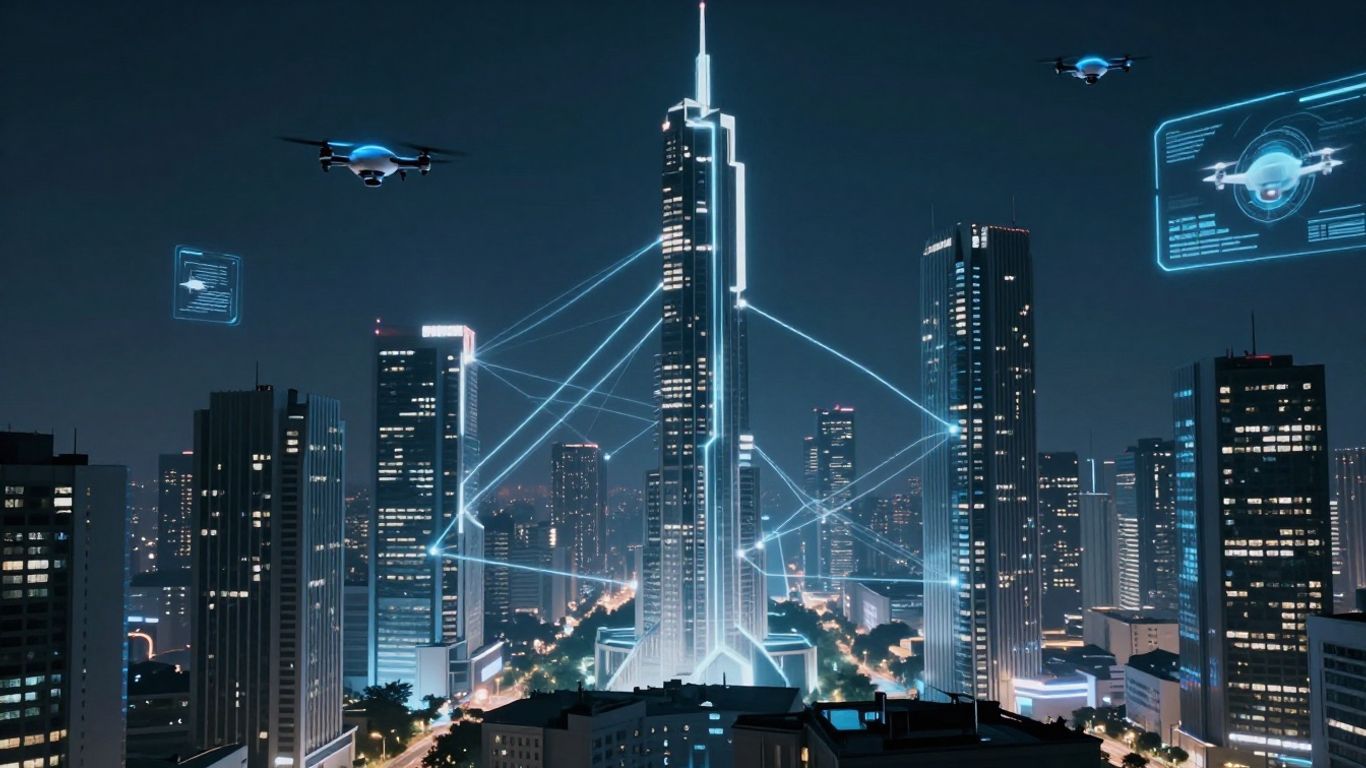
The smart buildings sector is truly gaining momentum, and a significant portion of that acceleration can be attributed to several pivotal technologies working in concert. We are witnessing a fundamental shift from buildings that simply exist to those that actively respond and adapt—making them smarter, undeniably more efficient, and ultimately better places to be.
Artificial Intelligence and Machine Learning
Artificial intelligence (AI) and machine learning (ML) are progressively becoming the intellectual core, the very brains, behind smart buildings. One might consider them the sophisticated systems that learn, evolve, and improve over time. They meticulously analyze vast quantities of data streamed from sensors strategically placed throughout a building to discern the most judicious ways to utilize energy, proactively predict when equipment might require maintenance before it ever fails, and even intelligently adjust lighting and temperature based on occupancy patterns and time of day. This foresightful, proactive methodology dramatically reduces waste and ensures operations run with exceptional smoothness. For instance, AI can optimize HVAC systems not merely for occupant comfort but also to substantially reduce energy consumption and effectively manage water usage, thereby making buildings profoundly more sustainable [41ac].
Cybersecurity as a Foundational Element
As buildings become increasingly interconnected, the imperative for robust security escalates dramatically. Safeguarding the sheer volume of data that smart buildings accumulate—ranging from how occupants utilize spaces to precise energy consumption patterns—is a paramount concern. Consequently, robust cybersecurity measures are no longer an afterthought; they are meticulously integrated into the very design process from the outset. This commitment involves protecting both the intricate physical systems of the building and the sensitive information pertaining to its occupants. Without formidable security, the myriad benefits offered by smart technology could regrettably be jeopardized by risks such as debilitating data breaches or critical system disruptions.
The Rise of Digital Platforms
Digital platforms serve as the essential 'glue' that binds all elements together. They establish a centralized hub for managing the myriad smart technologies and systems residing within a building. Rather than contending with disparate, disconnected systems, these platforms facilitate seamless communication across the entire technological ecosystem. This integration simplifies performance monitoring, streamlines the integration of new technologies, and provides a lucid, comprehensive overview of the building's operational status. This unified approach is absolutely critical for preventing data silos and guaranteeing that all smart features function effectively as a cohesive unit. The prevailing trend, as we can see, is firmly towards interconnected, building-wide ecosystems, moving away from isolated legacy systems.
Interoperability and Data Integration
Unifying Disparate Systems
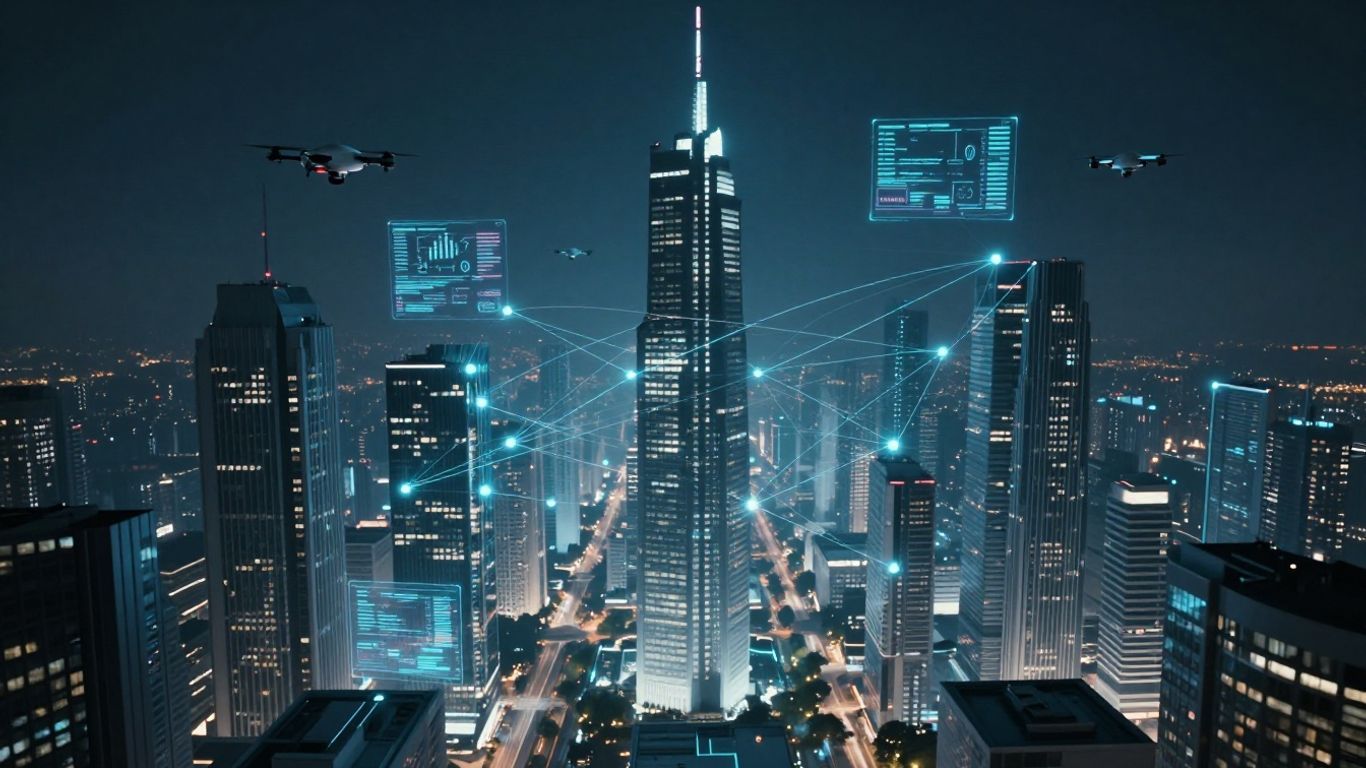
Consider, for a moment, a typical large building or even an entire campus, teeming with a multitude of distinct systems—heating, cooling, lighting, security cameras, access control, and perhaps even elevators. For many years, these systems frequently operated in their own isolated worlds, often incapable of communicating with one another. This scenario meant facility managers were compelled to log into numerous separate software programs, manually extract data, and then painstakingly attempt to piece together a coherent picture of what was transpiring. It was an arduous task, frequently leading to missed opportunities and inefficiencies. The truly transformative value in smart buildings materializes when all these disparate systems can readily share information and collaborate effectively. This, in essence, is where interoperability comes into play. It's about ensuring that diverse technologies can communicate seamlessly, utilizing common languages and established standards, thereby allowing data to flow unimpeded between them. Such integration furnishes a far clearer and more comprehensive understanding of the building's overall performance.
From Aspiration to Expectation
Not so long ago, achieving harmony among different building systems was merely a 'nice-to-have'—an ambitious goal companies aspired to reach. Today, however, it has undeniably become a 'must-have.' As an increasing number of devices become connected and a greater volume of data is generated, businesses now fully expect their building technology to adeptly manage it all. They seek platforms constructed upon open standards, signifying that they are not tethered to a single manufacturer's proprietary methods. This flexibility enables the connection of systems across multiple buildings, various types of equipment, and even geographically dispersed locations. Artificial intelligence plays a pivotal role here, helping to make coherent sense of all the signals emanating from these diverse sources and presenting them in a manner that is both easy to comprehend and actionable. The prevailing focus, then, is shifting from simply possessing connected devices to truly understanding how effectively those devices and systems collaborate as a cohesive team.
Enabling Portfolio-Wide Optimization
When systems are capable of communicating with each other and data is seamlessly integrated, it unlocks immense potential for managing entire portfolios of buildings. Instead of viewing each structure as an isolated entity, managers can now discern overarching trends across all of them. This unified perspective significantly aids in making smarter decisions regarding energy consumption, optimizing maintenance schedules, and even refining how space is utilized. For instance, data gleaned from occupancy sensors in one building might intelligently inform energy management strategies in another, or maintenance requirements identified at a particular site could be proactively addressed across similar equipment in other facilities. This elevated level of insight allows for the optimization of operations not merely within a single building, but across an entire company's real estate holdings—leading to substantial cost savings and markedly improved efficiency.
For organizations overseeing numerous buildings scattered across various locations, making sense of the influx of information presents a significant challenge. Everyone, it seems, desires a singular, effective solution—and that fundamentally necessitates different systems being able to connect and communicate. This vision is now becoming a tangible reality.
Here's a closer look at how various systems might integrate:
- HVAC and Lighting: Imagine adjusting lighting levels based on occupancy detected by HVAC sensors, or intelligently dimming lights in unoccupied zones to conserve energy.
- Security and Access Control: This involves linking door access logs directly with corresponding camera footage to furnish a complete and incontrovertible audit trail for any security incidents.
- Occupancy Sensors and Space Management: Utilizing real-time occupancy data to intelligently inform cleaning schedules or to reconfigure office layouts for more efficient and comfortable space utilization.
- Energy Meters and Building Management Systems (BMS): Directly feeding energy consumption data into the BMS for highly accurate performance monitoring and precise fault detection.
Regulatory Influence and Sustainability Imperatives
Governments across the globe are progressively enacting new regulations that are unequivocally propelling the smart building market forward. It's no longer solely about being 'green'; these mandates are swiftly becoming a primary driver compelling buildings to adopt smarter technologies—and at an accelerated pace. Consider, if you will, how rules governing a building's energy consumption or the materials permissible in its construction directly influence how buildings are designed, constructed, and ultimately managed.
Impact of New Regulations
These evolving regulations are fundamentally reshaping the landscape. For example, some jurisdictions are beginning to mandate 'building passports'—comprehensive documents that track a building's materials and its environmental impact throughout its entire lifecycle. This initiative is effectively pushing companies towards more sustainable building practices. Furthermore, cybersecurity is gaining increased prominence within these regulatory frameworks, meaning that protecting building systems and the data they collect is becoming a non-negotiable requirement from the outset, rather than a belated consideration.
Sustainability as a Growth Catalyst
What's particularly noteworthy is that sustainability is increasingly perceived less as a burdensome obligation and more as a compelling opportunity for growth. When buildings achieve greater energy efficiency, they naturally generate cost savings. These savings can then be strategically reinvested back into the business for other crucial initiatives. Moreover, by significantly reducing their carbon footprint, companies can effectively circumvent potential taxes or penalties linked to emissions. It truly represents a win-win scenario: beneficial for the planet and advantageous for the bottom line.
- Track emissions: Diligently monitor and report the building's carbon output.
- Optimize energy use: Continuously seek innovative ways to consume less power without compromising occupant comfort or operational efficiency.
- Use eco-friendly materials: Prioritize building supplies and components that boast a lower overall environmental impact throughout their lifecycle.
- Plan for electrification: Strategically prepare building systems for a transition to cleaner, electrically-powered energy sources.
The profound shift towards smarter, more sustainable buildings isn't just about adhering to mandates. It's decisively becoming a savvy business maneuver that can yield substantial cost savings, superior operational performance, and a building that is inherently more appealing to both prospective tenants and astute investors alike.
Meeting Net-Zero Goals
Many cities and nations have articulated ambitious targets to achieve 'net-zero' carbon emissions. In this pursuit, smart building technology plays an absolutely pivotal role. Through the strategic deployment of sensors, sophisticated data analysis, and intelligent controls, buildings can dramatically reduce energy waste. This encompasses actions such as intelligently adjusting heating and cooling based on real-time room occupancy, or meticulously optimizing lighting schemes. The compelling drive towards net-zero is a formidable force accelerating the adoption of advanced smart building solutions. Ultimately, it's about optimizing buildings to function more effectively for our environment and, crucially, for the people who inhabit them.
Strategic Approaches to Smart Building Implementation
Successfully launching a smart building project and ensuring its optimal performance involves far more than simply selecting the latest technological innovations. It necessitates a meticulously crafted plan and a thoughtful consideration of how all interconnected elements will seamlessly integrate. Without a robust, clear strategy, even the most cutting-edge systems can regrettably prove to be a costly waste of both financial resources and effort.
Defining Clear Objectives and Roadmaps
Before any thought is given to acquiring sensors or software, it's imperative to define precisely what outcomes you aim to achieve. Are you primarily looking to drastically cut energy bills, significantly enhance employee satisfaction, or perhaps a synergistic combination of both? Establishing specific, measurable goals marks the foundational first step. For instance, a clear objective might be to reduce overall energy consumption by 15% within a two-year timeframe. Once these objectives are solidified, you can then construct a comprehensive roadmap—a detailed, step-by-step blueprint illustrating precisely how you intend to reach those goals. This roadmap should meticulously outline timelines, delineate responsibilities, and identify all necessary resources.
- Identify Key Performance Indicators (KPIs): What quantifiable metrics will definitively demonstrate your success? Consider factors like energy usage, scores from occupant satisfaction surveys, or demonstrable reductions in operational costs.
- Phased Implementation: It's often pragmatic to segment the project into manageable stages. Begin with a pilot program in a confined area before executing a broader rollout across the entire building or even an entire portfolio.
- Budget Allocation: Clearly delineate the financial resources available for technology acquisition, installation services, staff training, and ongoing maintenance.
Securing Systems and Data Governance
Smart buildings, by their very nature, collect a prodigious amount of data—ranging from real-time occupancy figures to precise energy consumption metrics. Protecting this sensitive information is of paramount importance. This mandates the implementation of robust security measures from the project's inception. It's not merely about thwarting malicious hackers; it's equally about ensuring that data is utilized responsibly and ethically. Effective data governance, therefore, entails establishing clear, unequivocal rules regarding who can access specific data, how it may be legitimately used, and for what duration it will be retained.
Cybersecurity isn't an optional add-on; it fundamentally needs to be engineered into the system from the very beginning. This proactive approach safeguards both the physical integrity of the building and the sensitive information pertaining to its occupants.
Strategic Alliances and Partnerships
No single company, it's fair to say, possesses all the requisite expertise when it comes to the intricate world of smart buildings. You will almost certainly need to collaborate with various vendors, technology providers, and quite possibly, specialist consultants. Cultivating strong, synergistic relationships with these partners is absolutely crucial. They can contribute specialized knowledge and assist in integrating diverse systems seamlessly. Selecting the right partners—those who genuinely grasp your objectives and can collaborate effectively—will undeniably make a substantial difference in the ultimate success of your smart building project. Think of it much like assembling a formidable team: you want individuals who excel in their respective domains and can work together cohesively.
| Partner Type | Role in Smart Building Project |
|---|---|
| Technology Providers | Supply essential hardware (sensors, controllers) and proprietary software platforms. |
| Integration Specialists | Crucial for connecting disparate systems and ensuring they function harmoniously. |
| Cybersecurity Experts | Offer invaluable advice on and implement comprehensive security measures. |
| Facility Management | Responsible for the day-to-day operation and diligent maintenance of the smart building systems. |
The Future of Workplace Experiences
Workplaces are undergoing a dynamic evolution, and not merely due to the increased prevalence of hybrid work models. The buildings themselves must adapt to these shifting paradigms. We are moving beyond simply tallying daily office attendance; the true emphasis now rests on optimizing the physical space to enhance productivity and well-being for everyone, irrespective of whether they are physically present in the office or connecting remotely. This fundamentally means leveraging technology to ensure the office transforms into a destination people genuinely desire to be in, rather than merely a place they feel obligated to attend.
Delivering Equitable Hybrid Experiences
While the shift towards hybrid work isn't novel, ensuring an equitable experience for all employees remains an ongoing endeavor. It encompasses far more than just facilitating video calls. We urgently require tools that ensure remote workers feel just as included and integrated as their desk-bound colleagues. Consider innovative solutions for seamless screen sharing, engaging group discussions, or even fostering a palpable sense of shared presence in a virtual setting. Actively soliciting input from employees about their specific needs is absolutely critical to crafting a workspace that truly serves everyone.
Implementing Next-Generation Workplace Technologies
Workplace technology is becoming undeniably smarter and more intuitive. We are witnessing a surge in AI-powered tools designed to streamline everyday tasks, thereby creating a smoother and more efficient operational flow. Imagine, for instance, voice assistants that can instantaneously adjust your meeting room settings or intelligent systems that learn and anticipate your personal preferences. These are not merely sophisticated gadgets; their purpose is to render the workplace more intuitive and markedly more efficient. The ultimate goal is to significantly reduce repetitive tasks, allowing individuals to concentrate their energies on their core, meaningful work.
Optimizing Space Utilization
Modern buildings generate a wealth of data, and our ability to intelligently harness this information is continuously improving. By meticulously analyzing how spaces are actually used, building managers can precisely discern what is functioning optimally and what, conversely, is not. This process isn't about tracking individuals; rather, it’s about comprehending broader patterns. Are certain meeting rooms consistently vacant? Is there an abundance of underutilized desk space? Leveraging this granular information empowers smarter decisions regarding how to arrange and deploy our existing spatial resources. Ultimately, it’s about ensuring the building actively supports the work being conducted, transcending its role as a mere structural shell.
The overarching objective is to transition from static buildings—structures that simply exist—to dynamic environments that actively empower individuals to perform their best work. This intrinsically involves understanding precisely how people interact with the space, and subsequently adjusting both the technology and physical layout to optimally match those needs. It’s an ongoing, iterative process of continuous learning and adaptation.
Looking Ahead: The Evolving Smart Building Landscape
So, where does this collective journey leave us? The smart building market, as we've explored, is clearly no longer confined to merely showcasing advanced technology; it’s fundamentally about cultivating buildings that perform optimally for both humanity and the environment. We're observing a significant push towards intelligently upgrading older structures, rather than exclusively focusing on new construction. Furthermore, with new regulations emerging and a sharpened emphasis on minimizing waste, smart buildings are becoming an indispensable component of how we live and work. It's unequivocally apparent that maintaining competitiveness requires a proactive embrace of these shifts, ensuring our buildings are inherently safe, highly efficient, and remarkably adaptable. The future, without a doubt, belongs to buildings that can intelligently respond and adjust—and successfully navigating this future necessitates a keen understanding of how diverse technologies converge and, crucially, what building owners and managers truly need to succeed.
Frequently Asked Questions
What is a smart building?
A smart building can be thought of as an intelligently empowered structure that leverages technology to optimize its operations. It's capable of autonomously controlling elements like lighting, heating, and cooling to conserve energy. Moreover, it employs sensors to detect occupancy, thereby enhancing efficiency and ensuring a more comfortable environment for everyone within its walls.
Why are smart buildings important now?
Smart buildings have become increasingly vital, primarily due to the urgent global need to reduce energy consumption and mitigate environmental impact. They also contribute significantly to creating safer and more pleasant indoor environments. Additionally, new regulatory mandates are pushing for greener buildings, and smart technologies are instrumental in meeting these critical objectives.
What is 'retrofitting' a building?
Retrofitting refers to the process of upgrading an existing, older building with modern technology to transform it into a 'smart' structure. Given that the majority of buildings we'll use in the coming decades are already standing, modernizing them—rather than always constructing anew—is crucial. This approach significantly boosts energy efficiency and overall functionality, much like giving a classic property a state-of-the-art makeover.
How does Artificial Intelligence (AI) help in smart buildings?
AI effectively acts as the central intelligence, or 'brain,' of a smart building. It meticulously analyzes all the data streamed from sensors and various systems to determine the most efficient way to manage operations. For example, AI can predict future heating requirements or dynamically adjust lighting based on real-time room occupancy, leading to substantial energy savings and heightened comfort.
What does 'interoperability' mean for smart buildings?
In the context of smart buildings, 'interoperability' signifies the crucial ability of different smart systems to communicate and work together seamlessly, even if they originate from diverse manufacturers. Imagine all your various personal devices being able to effortlessly share information and coordinate tasks—that's precisely what interoperability achieves for building technologies.
How can smart buildings improve the experience for people working in them?
Smart buildings can significantly elevate the workplace experience by offering advanced features such as intuitive controls for lighting and temperature, superior air quality monitoring, and spaces meticulously configured for diverse tasks. They are also instrumental in fostering equitable and engaging experiences for individuals working both on-site and remotely, ensuring a sense of connection and comfort for all.


