
resources
Reasons Why Corporate Events Are Essential for Business Growth
15 Jan 2026

Corporate events are more than calendar fillers. They anchor relationships, spark momentum, and give teams a place to focus. In a noisy market, a well-run gathering creates clarity. It shows what matters and why it matters now.
Events also make strategy visible. Leaders can set direction in person, answer questions, and hear concerns in real time. Customers see commitment. Partners see opportunity. Employees see themselves in the story. That mix leads to durable growth.
The Business Case In 2026
Budgets chase value. Events win because they move deals, align people, and create assets that keep working after the lights go out. When designed with intent, one day on site can cut weeks of email and guesswork.
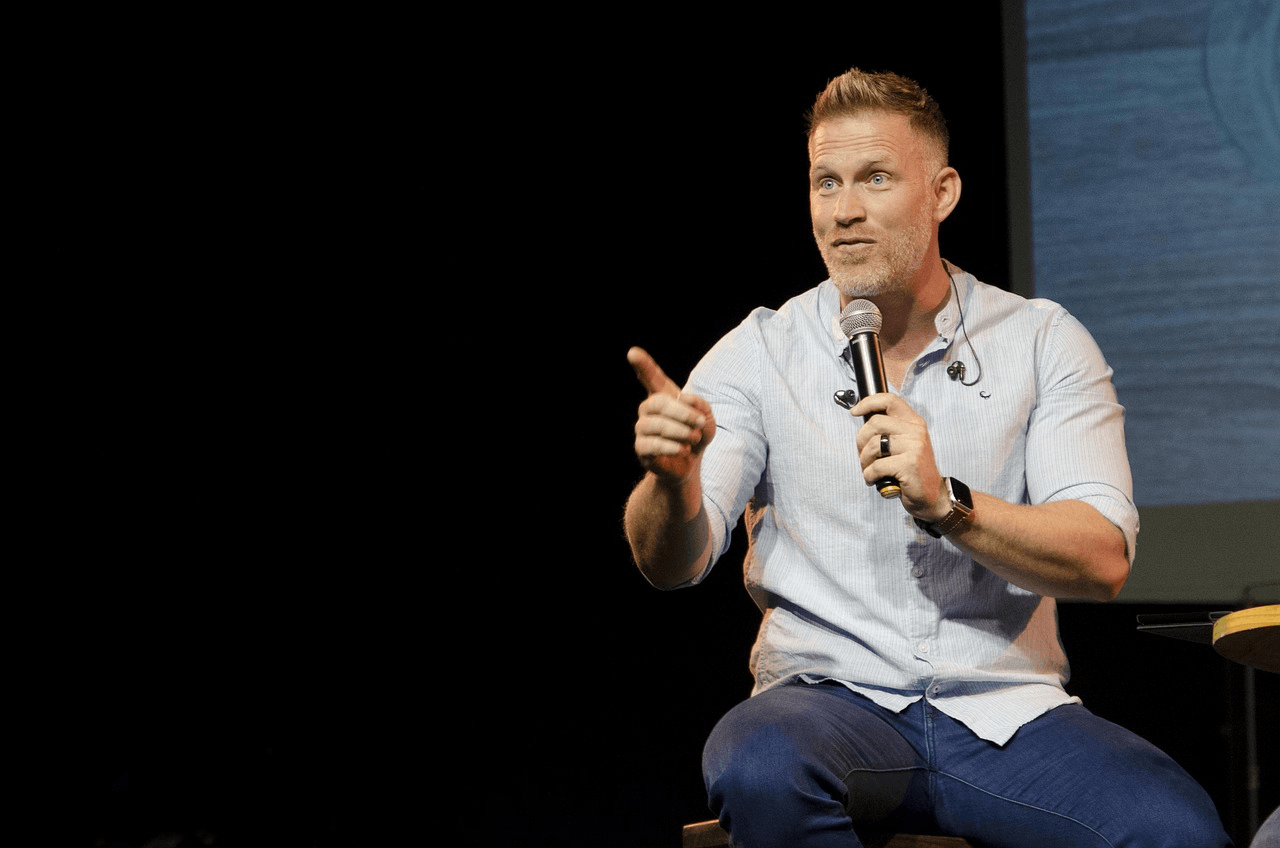
You can raise the bar with the right voices. The JLA event speaker experts can help teams match topics to outcomes, so programs land with clarity. The effect compounds when sessions are tied to product roadmaps and customer wins. Teams leave with direction they can act on.
A recent report noted that travel and events are fueling wider economic strength. Reuters reported that global travel and tourism were on track to contribute around $11.1 trillion to GDP in 2024, signaling sustained demand and confidence. That tailwind helps attendance, sponsorship, and pipeline.
Building Trust And Brand Affinity
Trust grows face-to-face. A handshake, a live demo, and an honest Q&A do more than a dozen ads. People remember how your brand made them feel, not just what you said.
Events let you show proof. Customers on stage tell stories that cut through claims. Prospects see the product working, ask hard questions, and watch you handle them.
Keep the focus on service. Offer simple registration, clear wayfinding, and helpful staff. Small touches like quiet zones and accessible seating show respect. Trust rises when care shows up in the details.
Accelerating Sales Pipeline Momentum
Events compress the sales cycle. Decision makers who never answer emails will sit for a 30-minute session. Afterward, they can walk to your booth and get a tailored demo.
Sales teams should work from a shared hit list. Book meetings ahead, protect time blocks, and track outcomes in the CRM. Warm introductions on site often turn stalled opportunities into next steps.
Speed matters after the event. Send personalized recaps within 48 hours. Include session clips, answers to open questions, and a suggested plan. Momentum fades fast without a clear follow-up path.
Deepening Customer Insights And Feedback
In-person time reveals the why behind user behavior. You hear the exact words customers use. You see where they hesitate in a workflow. Those signals are gold for product teams.
Design sessions to collect structured feedback. Use short live polls, roundtables, and office hours. Rotate PMs and designers through the room so they absorb context, not just survey scores.
Close the loop. Share what you learned, what you will change, and when. Customers feel heard when their words show up in release notes. That invites even richer insight next time.
Strengthening Employee Engagement And Culture
Corporate events boost morale when they celebrate real work. Recognize teams for outcomes, not overtime. Share the story behind wins so people see the link between effort and impact.
Balance inspiration with skill building. Keynotes set tone, but workshops build capability. Offer tracks for sales, success, engineering, and ops, each with hands-on practice.
Connection is part of the job. Mix seating, host small group dinners, and include service projects. People who feel seen and supported bring more energy back to their roles.
Catalyzing Innovation And Partnerships
Breakthroughs often start in hallway chats. When customers, partners, and your experts share a table, new ideas surface fast. A whiteboard and an hour can unlock a quarter of progress.
Curate collisions. Seat competitors in debates. Invite startups to pitch. Pair customers from different industries to swap tactics. Fresh perspectives reveal blind spots.
Protect next steps. Capture ideas, assign an owner, and set a 30-day check-in. Partnerships fade without structure. Simple governance turns a spark into a program.
Measuring ROI And Making Events Repeatable
If you cannot measure it, you cannot scale it. Define success before invites go out. Tie goals to revenue, retention, product adoption, and hiring.
Use a simple scorecard that combines leading and lagging indicators:
- Pre-booked meetings, on-site attendance, and content views
- Opportunity stage movement and deal velocity
- NPS by segment and post-event product usage
Build a repeatable playbook. Document timelines, templates, staffing ratios, and budgets. Each event should teach the next one how to run smoother, cost less, and deliver more value.
Corporate events work because they make business human. They put names to needs and ideas to action. When you plan for outcomes and design for people, growth follows.
Treat each gathering as a product, not a party. Keep improving the experience, measure what matters, and share the wins. Do that, and your events will turn into a durable engine for progress.


