
resources
The Top 20 Smart Cities in the World: Innovations Shaping Our Future
08 Apr 2026

Cities are undeniably transforming, and at a remarkably swift pace. It often feels as though a new technological advancement or innovative concept emerges daily, each designed to streamline urban living in some meaningful way. Indeed, we're witnessing the rise of municipalities that excel in leveraging technology and astute planning to genuinely enhance the quality of life for their inhabitants. This comprehensive list delves into the top 20 smart cities globally, showcasing the diverse and often inventive approaches various locales are employing to tackle everything from persistent traffic congestion to ensuring equitable access to essential services. It's quite fascinating, wouldn't you agree, to observe who’s truly leading the charge and the specific initiatives driving their success?
Key Takeaways
- Zurich continues to hold the coveted number one position, largely attributed to its exemplary urban planning and unwavering commitment to environmental sustainability.
- Oslo and Canberra are demonstrating significant progress, particularly with their advanced systems for public safety and efficient urban mobility.
- Singapore and Abu Dhabi are expertly deploying digital tools to simplify processes for everyone, from individual residents to bustling businesses.
- Taipei has impressively ascended into the top 20, a clear testament to Taiwan's strategic focus on developing robust infrastructure and ensuring widespread technological accessibility.
- Cities such as Luxembourg and Kuala Lumpur are steadily climbing the ranks, propelled by their effective governance and adoption of innovative urban solutions.
1. Zurich
Zurich has consistently maintained its leading position in smart city rankings for quite some time now, and frankly, it's a distinction that makes perfect sense upon closer examination of their efforts. This isn't merely about integrating cutting-edge technology into existing structures; rather, it reflects a deeply thoughtful and holistic approach to elevating the quality of life for all residents, all while remaining steadfastly mindful of environmental impact. It appears they’ve truly grasped that being 'smart' encompasses practicality and a resolute focus on people.
What truly distinguishes Zurich is its profound dedication to green living and its concerted efforts to facilitate seamless mobility without reliance on private vehicles. Consider this: extensive public transport networks, an abundance of well-maintained bike lanes, and an overarching civic ethos that actively promotes walking. These aren't just benefits for the planet; they inherently transform the city into a more agreeable and pleasant place to reside. Furthermore, Zurich has certainly mastered the digital realm, providing excellent internet access and an array of services that significantly reduce the common frustrations associated with municipal affairs.
Here are a few aspects that particularly stand out:
- Eco-friendly Mobility: A robust emphasis on public transit and comprehensive cycling infrastructure.
- Digital Access: Widespread availability of high-speed internet and streamlined digital city services.
- Community Focus: Thoughtful initiatives specifically designed to foster inclusion among all residents, irrespective of their background.
Zurich eloquently demonstrates that a truly smart city transcends mere gadgetry. It’s fundamentally about leveraging technology and intelligent planning to cultivate a sustainable, highly livable environment that genuinely serves its people.
Related Content: agenda 2030 smart cities list
2. Oslo
Oslo stands out as a city that expertly integrates technology with a profound commitment to sustainability. Its approach isn't simply about possessing the latest technological marvels; it's about systematically improving life for everyone who calls it home, with the ambitious overarching goal of achieving zero emissions. They are tackling this formidable challenge by examining the entire urban ecosystem, rather than focusing on isolated components.
Here’s a glimpse at some of the intelligent initiatives Oslo is implementing:
- Electric Public Transport: Significant investments are being channeled into electric buses and ferries. This crucial step not only helps diminish pollution but also contributes to cleaner air for all inhabitants.
- Smarter Traffic Flow: By utilizing data to understand vehicular movement patterns, Oslo can adjust traffic lights in real-time. This translates to less time spent in gridlock and notably smoother commutes for everyone.
- Citizen Involvement: Digital platforms are actively employed to empower residents, allowing them to effortlessly report issues, share their perspectives, and even participate in shaping crucial city decisions.
Oslo is also pioneering advancements in making construction practices more environmentally friendly. The city actively advocates for and implements more sustainable building methods, showcasing how an urban center can influence and shift an entire industry towards greater ecological responsibility.
The city's comprehensive approach vividly illustrates that being 'smart' encompasses far more than just technology. It's about cultivating a place that offers an excellent quality of life, diligently stewards the environment, and ensures every individual is included. They certainly aren't hesitant to experiment with novel ideas and adapt as they progress, which is, in itself, a remarkably intelligent way to navigate contemporary urban challenges.
3. Canberra
Canberra, Australia's capital, distinguishes itself as a premier smart city primarily due to its unwavering focus on seamlessly integrating technology into daily life for tangible, practical advantages. Unlike numerous cities that merely pursue fleeting trends, Canberra strategically invests in smart solutions that genuinely benefit its residents. The local government diligently employs detailed data analysis to inform and refine every aspect of urban management, from optimizing waste collection schedules to calibrating traffic signals. The emphasis here isn't on deploying impressive gadgets for their own sake—rather, the paramount objective is simpler, more efficient living for everyone.
A significant factor contributing to Canberra's distinctiveness is its steadfast dedication to environmentally conscious travel. The city consistently expands its electric bus fleet and enhances connectivity between neighborhoods with an ever-growing network of bike paths, thereby offering a greater array of emissions-free options for getting from point A to point B. Concurrently, there’s a substantial push to actively involve everyday citizens in the urban planning process. Locals are afforded a genuine opportunity to provide input before new technologies or policies are rolled out, a practice that not only fosters trust but also ensures new projects remain relevant and beneficial.
Here's how Canberra is progressively solidifying its position as a leading smart city:
- Sustainable public transit: Ongoing investment in electric buses, light rail, and an expanded cycling infrastructure.
- Data-driven services: Utilizing advanced analytics to ensure every city service—from waste removal to traffic management—operates with enhanced efficiency.
- Community-first approach: Regular feedback sessions that ensure residents' insights are prioritized in the evolution of the city's technological landscape.
| Area | Initiative Example | Day-to-Day Impact |
|---|---|---|
| Transportation | Electric Buses, Bike Paths | Less traffic, cleaner air |
| City Planning | Digital Feedback Platforms | Residents' input prioritized |
| Safety & Security | AI-powered alert systems | Faster emergency responses |
Canberra is effectively demonstrating that smart cities are not simply about gleaming new tools—they are fundamentally about employing technology to make daily life easier, safer, and more interconnected for every individual who proudly calls the city home.
4. Singapore
Singapore, as a distinctive city-state, has truly embraced the ambitious vision of becoming a "Smart Nation." Its strategy extends well beyond merely adopting the latest technological novelties; it’s fundamentally about harnessing technology, data, and sophisticated networks to enrich the lives of its residents, stimulate economic growth through new job creation, and cultivate more resilient communities. This long-standing commitment to intelligent urban development is quite evident in its present-day landscape.
One of the cornerstone achievements has been their profound focus on making governmental services exceptionally accessible and user-friendly. Just imagine the ease: applying for permits or settling bills—a significant portion of these processes have been digitized, saving individuals considerable time and alleviating unnecessary hassle. It’s an unwavering dedication to both convenience and efficiency.
When it comes to navigating the city, Singapore maintains a very serious approach to smart transportation. They skillfully leverage data to optimize traffic flow and enhance the reliability of public transport systems. What does this mean in practice? Fewer commuters caught in frustrating traffic jams and more efficient bus and train services. Clearly, it’s a win-win scenario for both daily commuters and the broader environment.
Sustainability represents another pivotal area of focus. Singapore is actively employing smart technology to meticulously manage energy consumption, significantly reduce waste, and, generally speaking, foster a greener urban environment. While this is certainly a long-term endeavor, their unwavering commitment to these goals is unmistakably clear.
Singapore’s comprehensive approach serves as an exemplary model of how an urban center can strategically deploy technology to address tangible, real-world problems and substantively improve the daily lives of its citizens, rather than merely adopting technology for its own inherent appeal.
Here are a few key areas where Singapore consistently excels:
- Digital Government: Streamlining public services through intuitive online platforms and applications such as LifeSG, thereby simplifying citizens' interactions with governmental bodies.
- Smart Mobility: Implementing intelligent traffic management systems and significantly enhancing public transport efficiency through the use of real-time data.
- Sustainable Living: Employing advanced technology to meticulously optimize energy consumption, effectively manage precious resources, and minimize overall environmental impact.
- Innovation Hub: Actively attracting top talent and assiduously fostering an environment where novel technologies and groundbreaking solutions can be robustly developed and rigorously tested.
5. Abu Dhabi
Abu Dhabi is undoubtedly elevating its standing in the smart city arena. The ambition here isn't just about integrating new technologies; rather, the overarching objective is to genuinely improve the quality of life for those who reside and work within its vibrant confines. The city is diligently weaving digital tools into its very fabric, aiming to streamline daily routines and foster sustained economic growth. It’s, by all accounts, a remarkably well-conceived and comprehensive plan.
One of the most distinguishing aspects of Abu Dhabi's strategy is its resolute commitment to sustainability. This isn't merely about constructing a city with intelligent technology; it's about creating a green smart city. Such an endeavor entails significant investment in clean energy solutions, proactive measures to reduce waste, and a strong encouragement for residents to adopt more environmentally friendly modes of transportation.
Here’s an overview of some pivotal areas where Abu Dhabi is demonstrating significant progress:
- Smart Transportation: They are implementing intelligent systems designed to manage traffic flow, with the clear aspiration of alleviating congestion and ensuring smoother commutes for everyone.
- Sustainable Energy: Substantial investments are being directed towards renewable energy sources and enhancing the energy efficiency of its buildings.
- Digital Government Services: Accessing essential government services is becoming increasingly straightforward, thanks to the continuous development of online platforms and user-friendly mobile applications.
Abu Dhabi's unwavering dedication to smart city initiatives is clearly evident through its strategic investments and forward-thinking policies. The city is actively striving to create an urban environment that is interconnected, highly efficient, and conscientiously mindful of the environment—benefits designed for both its residents and thriving businesses.
6. Taipei
Taipei has achieved a truly commendable leap into the top echelons of smart cities, clearly signaling Taiwan's serious commitment to upgrading its urban infrastructure and ensuring pervasive digital access and literacy for all its citizens. It is indeed encouraging to witness a city prioritizing initiatives that profoundly improve the daily experience for its people.
Taipei's strategy is fundamentally rooted in understanding residents' needs and then skillfully deploying technology to address them. The city launched the "smarttaipei" project back in 2016, an initiative primarily focused on transforming the city government's operational framework to become more receptive to innovative ideas. To steer this ambitious development, they even established a dedicated "Taipei Smart City Project Management Office" (PMO). This office effectively serves as a crucial intermediary, connecting companies with promising concepts to relevant city departments that can help materialize these innovations. As part of this drive, over 150 pilot projects have been initiated to rigorously test new technologies, though a number of these are still in various stages of completion.
Here are some of the key areas Taipei is meticulously focusing on:
- Improving public transport networks to alleviate traffic congestion.
- Utilizing advanced technology to enhance safety and security in public spaces.
- Empowering citizens to become more proficient in using digital tools and understanding technology.
- Creating an environment where new business ideas can be effectively prototyped, tested, and implemented.
The city's overarching strategy centers on a "bottom-up" approach, actively fostering the generation of novel concepts and cultivating a vibrant culture of innovation within its local government. This citizen-focused methodology is meticulously designed to create a more livable and genuinely efficient urban environment for everyone.
Taipei's unwavering commitment to citizen-centric solutions is unequivocally yielding positive results, firmly establishing it as a distinguished leader in the evolving smart city landscape.
7. Luxembourg
Luxembourg, a nation rightly renowned for its financial acumen, is concurrently making substantial strides as a smart city. It stands as a compelling example of how a smaller country can undeniably exert influence far beyond its size, particularly when it comes to harnessing technology to enhance its citizens' quality of life. Its notable ascent in recent smart city rankings is a clear indication of its earnest dedication to digital innovation and streamlined urban management.
What truly impresses about Luxembourg’s strategy is that it extends beyond merely acquiring the latest gadgets. Instead, it prioritizes practical applications that genuinely benefit its residents. Consider, for instance, how they are strategically employing technology to facilitate easier movement throughout the city and to rigorously maintain a clean environment. Furthermore, it has become an attractive hub for companies seeking to pilot cutting-edge mobility solutions within the European context.
Here’s a glimpse into some of their primary areas of focus:
- Digital Access for Everyone: Ensuring that all residents have reliable online connectivity and straightforward access to digital services.
- Smooth Public Transport: Continuously enhancing bus and train systems to be more efficient, user-friendly, and dependable.
- Green Initiatives: A steadfast commitment to sustainable practices aimed at safeguarding the environment for future generations.
Luxembourg is compellingly demonstrating that smart city development isn't an exclusive domain for sprawling mega-cities. It's fundamentally about astute planning and thoughtfully deploying technology to work in service of its people.
8. Kuala Lumpur
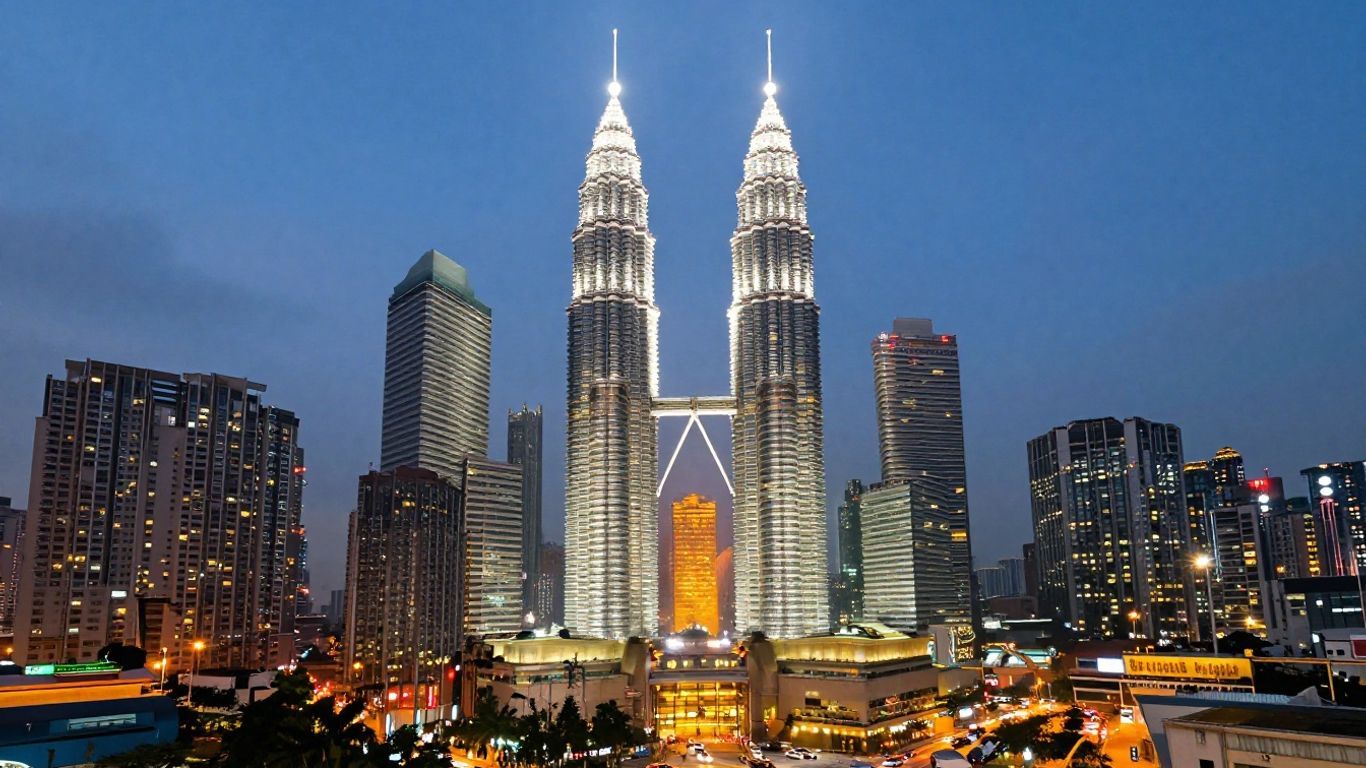
Kuala Lumpur, Malaysia, is diligently working to integrate its vibrant cultural heritage with advanced modern technology, with the clear objective of improving the daily lives of its residents. The focus here isn't simply on adding new devices; rather, it’s centered on making the city a more livable and efficient urban environment.
One of the most significant challenges Kuala Lumpur consistently faces is traffic congestion. To proactively address this, the city is in the process of implementing sophisticated smart traffic management systems. The primary goal is to alleviate gridlock and make daily commutes considerably less stressful. Concurrently, there’s a strong push to enhance public transportation, actively encouraging more individuals to utilize trains and buses as a preferred alternative to private vehicles.
Sustainability represents another crucial area of concentration. Kuala Lumpur is actively exploring various strategies to diminish its environmental footprint. This includes promoting the construction of green buildings and investigating viable renewable energy alternatives. While it is undoubtedly a substantial undertaking, the city appears unwavering in its commitment to making discernible progress.
Here are some of the principal areas Kuala Lumpur is prioritizing:
- Smart Mobility: Optimizing traffic flow and significantly improving public transit options.
- Sustainable Environment: Reducing pollution and actively encouraging eco-friendly urban practices.
- Digital Infrastructure: Boosting internet connectivity and expanding access to vital information for everyone.
The city's comprehensive approach aims to create an urban space that is not only technologically progressive but also a genuinely pleasant and practical place for all its people to reside.
9. San Francisco
San Francisco, gracefully situated at the nexus of Silicon Valley, is often among the first cities that come to mind when the concept of "innovation" is discussed. The city's distinctive approach to becoming a smart city intelligently intertwines groundbreaking technical ideas with an earnest focus on meeting local community needs. Yet, this journey hasn't always been seamless—the challenges here are every bit as profound as the technological advancements achieved.
Here's how San Francisco is notably asserting its influence:
- Smart transportation: Strategic investment in connected public transit systems and intelligent traffic signals is actively working to mitigate congestion. Commuters can readily access live updates and adjust their routes based on real-time data, enhancing their daily travel experience.
- Green goals: San Francisco meticulously operates multiple pioneering programs dedicated to clean energy, robust waste reduction, and is steadfastly pursuing ambitious carbon emissions targets, demonstrating a strong environmental stewardship.
- Tech for city services: From comprehensive city-wide high-speed internet pilot programs to innovative digital tools facilitating government interactions, innovation remains paramount. The city frequently serves as an invaluable testing ground for both established corporations and emerging startups to trial the next groundbreaking technology.
| Area | Major Initiatives |
|---|---|
| Transportation | Smart signals, transit apps, bike/scooter networks |
| Energy & Emissions | Solar incentives, building standards, composting |
| Digital Services | Online voting pilots, city data portals |
Even amidst all this significant progress, the city continues to confront familiar hurdles: housing remains prohibitively expensive, and socioeconomic disparities are conspicuously evident. A crucial question many are now posing is whether these new technologies can genuinely alleviate these long-standing systemic problems, or if they merely serve to underscore them further.
San Francisco's smart city journey aptly illustrates how leveraging technology to resolve urban issues can indeed be intricate and complex, yet simultaneously brimming with profound promise if executed with careful deliberation and foresight.
10. New York
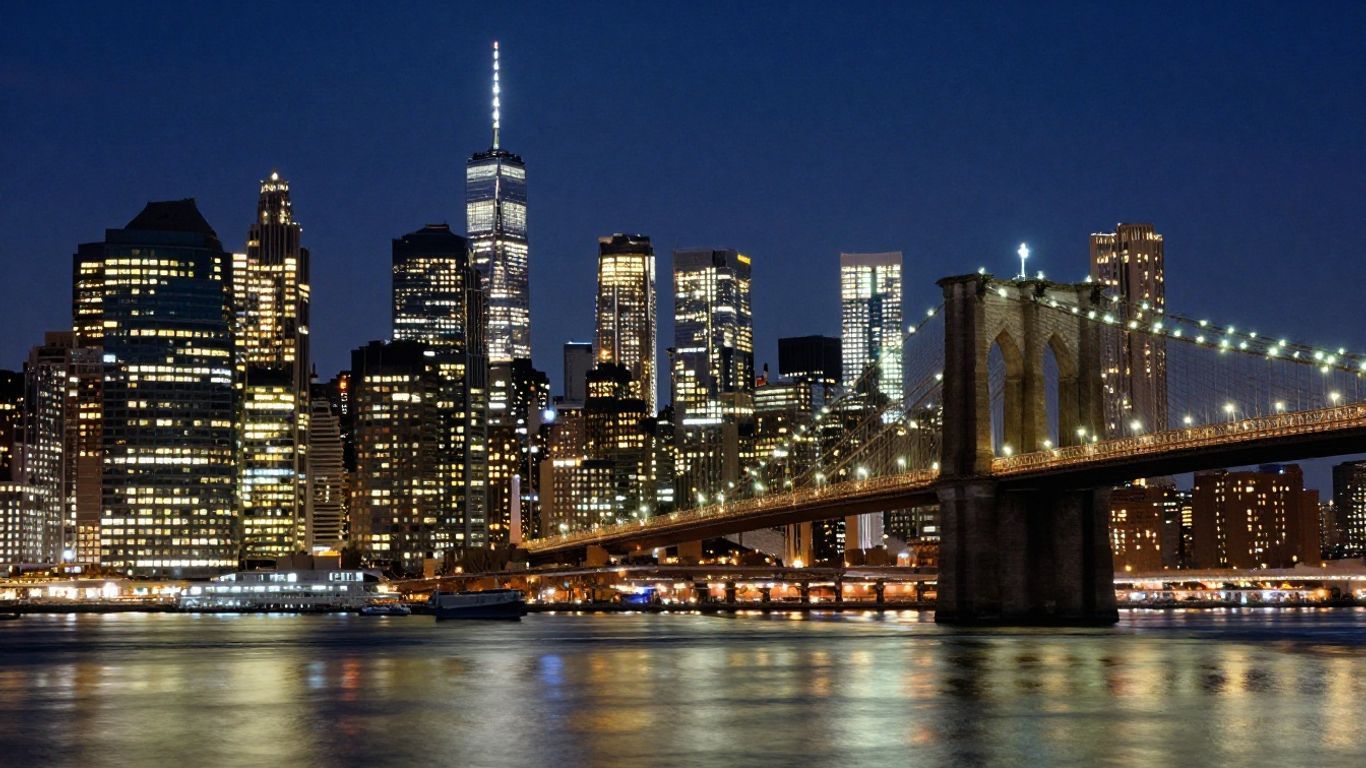
New York City, a metropolis that truly embodies the adage of never sleeping, is also diligently working towards becoming a smarter urban center. This is, by any measure, a monumental undertaking, especially considering the city's sheer scale and its considerable legacy infrastructure; however, tangible progress is certainly being made. The strategic focus is squarely on enhancing the city's operational systems, bolstering sustainability efforts, and delivering digital services that genuinely simplify daily life for all who reside here.
One of the most readily apparent smart initiatives is the expansive LinkNYC network. These distinctive kiosks are strategically deployed throughout the city, offering complimentary Wi-Fi, free phone calls, and convenient charging stations. What's particularly ingenious is their funding model: they are supported by advertising revenue, providing these valuable services without direct cost to either the city or its residents. It stands as an excellent example of New York's concerted efforts to broaden digital access for a greater segment of its population.
The city is also making significant strides in data-driven governance and sustainability. This commitment translates into utilizing comprehensive information to optimize the efficiency of municipal services and making conscious choices that actively contribute to reducing pollution and promoting clean energy alternatives. Furthermore, they have pioneeringly introduced the first AI Action Plan in the U.S., a visionary move designed to ensure that artificial intelligence is deployed responsibly and ethically within governmental operations. The overarching goal, then, is to leverage technology not just for its own sake, but to substantively improve daily life and proactively prepare for the future.
Here are some pivotal areas New York is intently focusing on:
- Smart Infrastructure: Modernizing transportation and utility systems to enhance both efficiency and resilience.
- Data-Driven Governance: Employing advanced data analytics to refine city services and inform decision-making processes.
- Sustainability Initiatives: Implementing targeted programs to significantly reduce carbon emissions and actively promote renewable energy adoption.
New York faces a unique set of challenges owing to its immense density and aging infrastructure. Nevertheless, the city’s unwavering commitment to innovation and technology positions it as a formidable contender in the global smart city race. Notably, the Adams administration has introduced the first AI Action Plan in the U.S., specifically aimed at ensuring the responsible and ethical integration of AI within city government operations.
It is, after all, a city in perpetual evolution, and its smart city endeavors constitute a substantial chapter in that ongoing narrative. The ultimate ambition is to forge a more livable, efficient, and sustainable urban environment for its millions of inhabitants. One can clearly observe how cities are actively striving to empower communities to leverage AI for broader public benefit.
11. Dubai
Dubai has truly embraced the comprehensive smart city paradigm, meticulously striving to create a smoother and more efficient daily experience for everyone who calls it home. Back in 2013, the emirate inaugurated the ambitious "Smart Dubai" project with a vast array of objectives, prominently including the digitization of government services and ensuring effortless, often mobile-first, access for its populace. Since then, they've been diligently working on initiatives ranging from self-driving public transport to the pervasive digitalization of various urban information streams.
One of their remarkable achievements has been the development of incredibly user-friendly applications and smart cards. Consider this: platforms like mPay and DubaiNow enable you to settle a multitude of payments—utilities, traffic fines, even school fees—all from a single, convenient location. Then there’s the Smart Nol Card, which functions as a truly universal pass for the entire public transport network, encompassing the metro, buses, and taxis. They’ve even implemented an innovative system where buildings are assigned a unique QR code; scanning it instantly provides all essential information about that particular structure.
Dubai also demonstrates a strong commitment to integrating emerging technologies such as AI and the Internet of Things (IoT) to establish seamless connectivity across the urban landscape. Their planning extends beyond immediate needs, focusing strategically on how to optimize the city's functionality for the long term.
Dubai's approach is characterized by its remarkable practicality, emphasizing digital solutions that directly enhance daily life and streamline city operations. It's unequivocally about fostering greater ease and connectivity for both its residents and visitors alike.
Here are a few key areas Dubai has robustly focused on:
- Digital Government Services: Simplifying interactions with municipal services through intuitive online platforms and versatile mobile applications.
- Smart Transportation: Developing advanced systems for more fluid commutes, including forward-thinking plans for autonomous vehicles.
- Connected Infrastructure: Skillfully employing technology to manage urban resources and services with heightened effectiveness.
Dubai was justifiably recognized as one of the smartest cities in the Middle East and North Africa region. It is, without doubt, a city resolutely committed to leveraging technology to sculpt its future trajectory.
12. Helsinki
Helsinki, Finland, consistently impresses with its dedicated focus on harmoniously integrating technology into everyday life, all with the clear aim of fostering a more sustainable and truly livable urban environment. It's a city that genuinely appears to have mastered the art of blending the digital with the inherently natural.
What truly sets Helsinki apart is its unwavering commitment to a citizen-first approach. They aren’t merely implementing technology for the sake of technological advancement; rather, it’s about making systems and services function more effectively for the individuals who reside there. This often involves making city data openly accessible and actively inviting residents to participate in the developmental process. It’s a remarkably intelligent strategy for ensuring that new projects genuinely address the community's actual needs.
Here are a few specific areas where Helsinki is making a tangible impact:
- Smart Mobility: Envision electric buses, seamlessly integrated bike-sharing systems, and real-time traffic updates that collectively enable smoother journeys for everyone navigating the city.
- Digital Services: From convenient online health appointments to essential government services available at one's fingertips, Helsinki is progressively simplifying access to vital resources.
- Sustainability Initiatives: The city is earnestly dedicated to significantly reducing its environmental footprint, exemplified by projects such as highly efficient district heating systems and innovative waste-to-energy conversion programs.
Helsinki's comprehensive approach eloquently illustrates that being a smart city isn't merely about possessing the latest gadgets. It’s fundamentally about thoughtfully utilizing technology to resolve tangible problems and thereby enhance the overall quality of life for all its inhabitants. They are indeed constructing a city that is both deeply connected and conscientiously green.
One of their particularly noteworthy projects is the Helsinki 3D+ initiative, developed in collaboration with Nokia. This pioneering project aims to create an incredibly detailed digital model of the city, which can then be rigorously employed for more effective urban planning and management. It represents a substantial stride towards a more data-driven and intelligent approach to city administration.
13. Seoul
Seoul, South Korea, stands as a prime example of a city that expertly integrates cutting-edge technology with the daily rhythms of its residents. The focus here transcends mere flashy gadgets; instead, it's profoundly about optimizing functionality for everyone.
One of Seoul's significant areas of concentration has been smart transportation. Consider, for a moment, the considerable time individuals often spend ensnared in traffic or patiently awaiting public transit. Seoul has diligently developed systems that skillfully employ data to manage traffic flow more fluidly and enhance the reliability of its extensive public transportation network. Furthermore, technology has been seamlessly integrated into its transit infrastructure, simplifying fare payments and providing real-time travel information. This unwavering emphasis on connectivity and intelligent mobility is a cornerstone of what distinguishes Seoul as a truly smart city.
Beyond merely facilitating movement, Seoul is also actively exploring how technology can elevate overall living conditions. This encompasses initiatives such as smart energy management and rendering public services more accessible through intuitive digital platforms. Their strategy involves leveraging technology to thoughtfully address some of the inherent challenges of a vast, bustling metropolis.
However, it must be acknowledged that not every aspect is perfect. Like many major urban centers, Seoul contends with its own unique set of issues. One particular challenge often cited is the pronounced disparity in housing prices between the city center and its periphery, a factor that can regrettably compel younger generations to seek residences elsewhere. This represents a common predicament that smart city planning must carefully consider—how to judiciously employ technology to foster more equitable living conditions for all residents.
Here are a few key areas where Seoul is making commendable progress:
- Smart Transportation: Utilizing data analytics for sophisticated traffic management and significantly improving public transit efficiency.
- Digital Public Services: Making governmental services more readily accessible and exceptionally user-friendly through online platforms.
- Connectivity: Expanding high-speed internet access to robustly support a broad spectrum of smart city applications.
- Urban Living Improvements: Actively exploring technological solutions for enhanced energy efficiency and more effective resource management.
Seoul's comprehensive approach clearly illustrates that being a smart city isn't simply about possessing the latest technological marvels; it's fundamentally about thoughtfully deploying that technology to resolve real-world problems and thereby enhance the quality of life for its citizens, even amidst complex urban challenges.
14. Copenhagen
Copenhagen has truly distinguished itself by concentrating on how technology can proactively contribute to making the city both greener and more livable. This isn't just about superficially deploying sensors; it represents a comprehensive strategic approach to utilizing smart solutions across energy, transportation, and urban planning. Indeed, they even received an accolade back in 2014 for their visionary "Connecting Copenhagen" plan.
One of their significant undertakings involves improving air quality. They’ve ingeniously partnered with Google, installing monitoring equipment in Street View cars. This collaboration facilitates the creation of detailed air quality maps across the city, which is quite an innovative feature for cyclists and runners planning their optimal routes. It offers a fascinating glimpse into a future where real-time data from an ubiquitous network of city sensors could dynamically assist in managing traffic and substantively enhancing our immediate environment.
Here’s an overview of some of their pivotal smart city endeavors:
- Sustainable Transportation: Envision electric buses and intelligent traffic systems that keep urban flow remarkably smooth. Moreover, immense effort has been invested in making cycling exceptionally easy and safe, with dedicated lanes integrated throughout the city.
- Energy Efficiency: They are actively deploying smart energy grids designed to ensure power is utilized judiciously, thereby minimizing waste.
- Green Buildings: Both new constructions and extensive renovations are prioritizing robust energy efficiency standards.
- Open Collaboration: The Copenhagen Solutions Lab has established the innovative Copenhagen Street Lab. This unique platform allows major companies like Cisco, among others, to collaborate directly with the city to devise novel solutions for pressing urban challenges. This collaborative approach profoundly relies on transparent information sharing and collective effort towards a shared objective.
The city's overarching approach eloquently demonstrates that being "smart" fundamentally means being deeply thoughtful about how technology can genuinely improve daily life for everyone, transcending mere innovation for its own sake.
It is precisely this synthesis of practical technological application and an unwavering commitment to sustainability that renders Copenhagen truly exceptional.
15. London
London, a city that consistently buzzes with activity and is perpetually reinventing itself, is concurrently making some very serious strides in the smart city domain. It’s an enormous undertaking, without a doubt, attempting to seamlessly integrate cutting-edge technology into a place with such a profound and layered history; nevertheless, they are earnestly striving to perfect it. Their focus encompasses optimizing various aspects of urban life, such as streamlining transportation, adopting cleaner energy sources, and ensuring widespread digital connectivity for all.
The city is strategically placing considerable emphasis on burgeoning sectors like artificial intelligence and life sciences, which are poised to provide a significant economic impetus down the line. This isn't merely about deploying flashy gadgets; the underlying objective is to genuinely elevate the quality of life for every individual residing within its limits. Imagine, for instance, fewer traffic jams, cleaner air, and public services that are far more accessible and responsive.
Here’s a snapshot of some pivotal areas London is actively developing:
- Smarter Transportation: They are investing substantially in advanced systems designed to manage traffic flow more effectively, such as the SCOOT system, which dynamically adjusts traffic lights in real-time to alleviate congestion. This instrumental effort helps keep the sprawling city moving efficiently.
- Sustainable Energy: London is proactively exploring and committing resources to renewable energy sources, aiming to power the city in a more environmentally responsible manner.
- Digital Access: Significant efforts are underway to expand broadband internet access, with the clear goal of connecting a greater number of people and businesses across the metropolis.
- Open Data and Participation: London is prioritizing open data initiatives and actively fostering citizen involvement in the development of smart city solutions, often collaborating with esteemed partners like Arup.
London's strategy appears to be geared towards practical, incremental improvements, directly addressing everyday challenges such as traffic and connectivity while simultaneously eyeing future growth in technology and scientific innovation. It's unequivocally a delicate balancing act, but they are certainly forging ahead with determination.
16. Paris
Paris, a city deeply steeped in centuries of history and rich culture, is concurrently making noteworthy advancements in the smart city domain. While it may not consistently capture headlines quite like some technology-centric hubs, the French capital is diligently integrating innovative solutions aimed at enhancing urban living. The city is strategically pursuing a balanced approach, skillfully blending its illustrious heritage with forward-thinking technology.
Paris is actively working across several key areas to elevate its status as a smarter urban center:
- Sustainable Mobility: Significant efforts are underway to markedly improve public transportation, actively encourage cycling, and manage traffic flow with greater efficiency. This comprehensive approach includes extending metro lines and developing superior infrastructure for diverse alternative transport options.
- Environmental Initiatives: The city is firmly committed to substantially reducing its carbon footprint through ambitious green energy projects and more sophisticated waste management systems. There is a palpable drive towards incorporating more green spaces within the existing urban fabric.
- Digital Inclusion: Paris aims to ensure that all residents possess equitable access to digital services and the requisite skills to effectively utilize them. This involves bolstering internet connectivity and offering comprehensive digital literacy programs.
Paris is deftly addressing urban challenges by focusing on practical enhancements that directly and positively impact residents' daily lives. It's fundamentally about cultivating a city that is more livable, inherently efficient, and truly sustainable for everyone, rather than merely adopting the latest technological novelties for their own sake.
The city's overarching strategy often involves fostering robust public-private partnerships to bring these intelligent initiatives to fruition, with the ultimate goal of delivering a more interconnected and responsive urban experience for its populace.
17. Tokyo
Tokyo is truly a city that masterfully blends its ancient traditions with groundbreaking modernity. It’s not just about the gleaming skyscrapers that pierce the skyline; it's profoundly about how technology seamlessly smooths the fabric of everyday life, even in a city with a history stretching back many centuries. When it comes to adeptly managing unforeseen events, Tokyo stands as an exemplary model. They have meticulously implemented systems that excel at promptly detecting and effectively responding to natural disasters, an imperative capability given its geographical context.
Consider, for instance, the unparalleled efficiency of getting around. Tokyo's public transport system is legendary—it's incredibly efficient, with trains and subways that operate with almost clockwork precision. This isn't merely a matter of convenience; it constitutes a fundamental component of what enables the city to function with such remarkable efficacy. The city's remarkable ability to integrate advanced robotics and sophisticated AI into various facets of daily life is a defining characteristic of its comprehensive smart city strategy.
Here’s a closer look at some key areas where Tokyo consistently shines:
- Disaster Preparedness: Advanced sensor networks and robust communication systems enable the city to respond swiftly and effectively to earthquakes and other natural phenomena.
- Transportation: An extensive and exceptionally reliable public transit system significantly contributes to reduced congestion and mitigated pollution.
- Technology Integration: Intelligent systems are intricately woven into the very fabric of the city, spanning from sophisticated traffic management to streamlined public services.
- Economic Hub: Tokyo steadfastly remains a preeminent global financial center, a powerful engine driving innovation across a diverse array of industries.
Tokyo's comprehensive approach eloquently demonstrates that being a smart city isn't simply about possessing the latest gadgets. It’s fundamentally about thoughtfully employing technology to bolster safety, enhance efficiency, and elevate the overall quality of life for its residents, all while maintaining a profound respect for its rich cultural heritage.
18. Amsterdam
Amsterdam has justifiably earned a reputation as one of Europe's most forward-thinking cities when it comes to smart city initiatives. What makes Amsterdam truly distinctive is the collaborative spirit—how local residents, dynamic businesses, and visionary city officials all actively engage in co-creating tech-driven solutions to enhance urban life. Since 2009, their smart city initiative has successfully launched over 170 projects, each meticulously aimed at making daily life smoother and markedly more efficient.
A few tangible examples clearly illustrate how daily routines are transformed through this intelligent approach:
- The city strategically employs smart street lamps, which possess the capability to automatically dim when pedestrian traffic lessens—a clever way to conserve energy without compromising on public safety.
- Residents can conveniently utilize applications like Mobypark to rent out their private parking spaces, effectively helping to alleviate the city's notorious parking challenges while also enabling city officials to monitor real-time parking availability and traffic flow.
- An increasing number of homes are now equipped with smart meters, and compelling incentives are in place to actively encourage a reduction in power consumption, underscoring that the focus isn't merely on possessing the technology, but on genuinely leveraging it for impact.
- Traffic is no longer simply something to endure; an advanced smart traffic management system diligently monitors urban movement in real-time, then broadcasts current travel times, empowering drivers to proactively identify and choose the most efficient routes.
Here’s a snapshot of some current focus areas for Amsterdam’s dynamic smart projects:
| Focus Area | Example Initiative |
|---|---|
| Energy Efficiency | Smart energy meters |
| Urban Mobility | Real-time traffic info |
| Public Safety | Adaptive street lighting |
Amsterdam’s ongoing success largely stems from the city's willingness to pilot novel ideas originating from both residents and companies, skillfully transforming common urban frustrations—such as persistent parking headaches or avoidable energy waste—into tangible opportunities for consistent, incremental improvements year after year.
It is, indeed, a place where thoughtful, regular tech enhancements consistently contribute to making everyday life a little easier and considerably smarter.
19. Stockholm
Stockholm has been meticulously constructing its smart city foundation for quite some time, with foundational efforts truly commencing back in 1994 with the implementation of the Stokab dark fibre system. Picture it as a sophisticated, city-wide digital highway for data, uniquely owned by the municipality itself, yet made openly accessible for private companies to utilize. This innovative setup forms the bedrock upon which Stockholm vigorously pursues its Green IT strategy.
The core philosophy underpinning Green IT is to proactively reduce the city's overall environmental footprint through strategic technological deployment. This encompasses a range of initiatives: enhancing building energy efficiency to conserve heating, utilizing advanced traffic monitoring to minimize time spent in congestion, and developing comprehensive e-services to reduce paper consumption. The e-Stockholm platform plays a significant role here, offering convenient services such as online parking reservations and even real-time updates on snow clearance operations. Furthermore, they are actively exploring the integration of GPS data to empower individuals in planning their routes more effectively.
One particularly compelling area of innovation is Kista Science City. This dynamic hub serves as a collaborative ecosystem where universities, businesses, and government entities collectively converge to conceptualize, develop, and rigorously test novel computing ideas specifically tailored for urban life. It stands as an excellent illustration of how diverse groups can effectively synergize to enhance a city's intelligence.
Stockholm's smart city endeavors clearly reflect a long-term, strategic vision, focusing intently on establishing a robust digital infrastructure that simultaneously champions both groundbreaking innovation and crucial environmental objectives. Its approach emphasizes building a solid, accessible network for future development, rather than merely showcasing fleeting, flashy new technologies.
Here are some key aspects of Stockholm's nuanced smart city approach:
- Stokab Dark Fibre System: A city-owned fiber optic network providing a foundational base for advanced digital services.
- Green IT Strategy: A strategic plan dedicated to significantly reducing environmental impact through judicious use of technology, with a focus on energy efficiency, traffic optimization, and comprehensive e-services.
- e-Stockholm Platform: A centralized digital hub offering a wide array of citizen services, including convenient parking management and essential snow clearance updates.
- Kista Science City: A dynamic innovation district fostering impactful collaboration among academia, industry, and governmental bodies.
20. Madrid
Madrid is adopting a remarkably thoughtful approach to its evolution as a smarter city, prioritizing the resolution of tangible problems for its residents above all else. They effectively utilize a platform known as MiNT Madrid Inteligente, which essentially functions as a central nexus for managing an extensive array of city services. Consider it this way: rather than merely integrating new technology for technology's inherent appeal, they meticulously identify the specific challenges the city faces—be it optimizing garbage collection efficiency or enhancing public spaces—and then pinpoint the most appropriate technology to address that particular issue. This ensures that the technology deployed genuinely serves a meaningful purpose.
The city has strategically partnered with leading companies such as IBM to leverage their advanced data analysis capabilities, a collaboration that profoundly aids in understanding urban dynamics and informing better decision-making. Moreover, this commitment isn't solely confined to large-scale government projects. Madrid actively supports startups through initiatives like the Madrid Digital Start Up program, which assists nascent businesses with innovative ideas in gaining traction. This "bottom-up" strategy means that solutions frequently emerge from the community level, directly addressing specific neighborhood needs.
Here’s a glimpse into some of the pivotal areas Madrid is focusing on:
- Sustainable Infrastructure Management: Employing technology to meticulously monitor and manage critical elements such as energy consumption in buildings and the efficiency of public lighting.
- Efficient Waste Management: Implementing intelligent bins and optimizing collection routes to effectively reduce both operational costs and environmental impact.
- Enhanced Public Spaces: Deploying sensors and sophisticated data analytics to improve the maintenance and overall usability of parks and other vital public areas.
- Support for Innovation: Cultivating an environment where new technology companies can rigorously test and refine their solutions for pressing urban challenges.
Madrid's comprehensive strategy compellingly illustrates that a smart city isn't merely about futuristic gadgets; it's fundamentally about pragmatically utilizing technology to elevate the daily lives of everyone residing there. It's about being judiciously clever with resources and focusing intently on what genuinely matters to the community.
Looking Ahead: The Ever-Evolving Smart City
As we've thoroughly explored, cities across the globe are proactively and diligently striving to become smarter, more efficient, and ultimately, better places to live. From Zurich's consistent leadership at the forefront to the exciting and rapid ascent of urban centers like Taipei, the overarching commonality is an unwavering dedication to leveraging technology and astute planning to significantly improve daily life. It’s important to emphasize that this pursuit extends well beyond mere reliance on sophisticated gadgets; it’s fundamentally about ensuring cities function optimally for the individuals who call them home—whether that translates to enhanced public transportation, cleaner atmospheric conditions, or more responsive municipal services. The journey towards truly intelligent urban environments is unequivocally ongoing, and it's abundantly clear that innovation will continue to profoundly shape our urban futures, fostering environments that are both more connected and inherently sustainable for everyone.
Frequently Asked Questions
What exactly is a smart city?
A smart city is essentially an urban area that intelligently uses technology and comprehensive information to genuinely enhance the quality of life for its inhabitants. Think of it as deploying innovative tools to refine crucial aspects like urban mobility, air quality management, and ensuring municipal services operate with greater speed and efficiency.
Why are smart cities considered so vital today?
Smart cities are undeniably crucial because they actively help in resolving pervasive urban challenges, such as excessive traffic congestion, environmental pollution, and the inefficient use of resources. Their primary objective is to render city living more straightforward, more comfortable, and ultimately more enjoyable for every resident.
Which city is presently recognized as the smartest?
Zurich has consistently been designated as the smartest city for a considerable period. It garners this recognition due to its exemplary urban planning, steadfast commitment to ecological sustainability, and adept integration of technology.
How do smart cities utilize technology to achieve their goals?
Smart cities proficiently employ various technological elements, including ubiquitous sensors, specialized mobile applications, and advanced computer analysis, to more effectively manage urban resources. This strategic deployment significantly contributes to enhanced public safety and the provision of superior services to their communities.
Could you provide some concrete examples of smart city initiatives?
Certainly! Illustrative examples include traffic lights that dynamically adjust to facilitate smoother vehicle flow, intuitive mobile applications designed to help you locate buses or trains in real-time, and sophisticated systems that continuously monitor and assess air quality levels across the urban landscape.
What is the overarching objective for cities striving to become smarter?
The paramount objective is to fundamentally improve cities as places to live. This entails elevating the overall quality of life for residents by thoughtfully leveraging technology and intelligent concepts to cultivate urban environments that are more sustainable, better connected, and remarkably efficient.


