
resources
Top 10 Most Populated Cities in the US: A 2026 Ranking
15 Feb 2026

Considering the distribution of population across the United States is quite an intriguing subject, especially as demographic trends consistently evolve. We have compiled an overview of the most populated cities in the U.S., based on projections for 2026. This serves as an excellent means to grasp where the nation's populace is primarily concentrated. Let's delve into these prominent urban centers.
Key Takeaways
- New York City consistently retains its long-standing title as the most populated city in the U.S.
- Los Angeles and Chicago follow closely behind New York, maintaining their positions as the second and third most populous cities, respectively.
- Southern cities, such as Houston and Phoenix, are exhibiting robust population growth, firmly establishing themselves as major population hubs.
- The compilation of the most populated cities in the U.S. showcases a blend of well-established large cities and dynamic, rapidly expanding regions.
- Discerning these population shifts offers valuable insight into residents' evolving preferences for where they choose to establish roots across the country.
1. New York City
New York City, affectionately known as the "Big Apple," undeniably stands as the most populated city in the United States. Often heralded as 'the city that never sleeps,' it serves as a truly vibrant hub for global culture, finance, and groundbreaking innovation.
Boasting an estimated population exceeding 8.4 million people within its municipal boundaries, New York City exemplifies a powerhouse of urban living. Its remarkable density means a substantial number of individuals reside within a relatively compact area. This concentration of people undeniably fuels its dynamic atmosphere and the perpetual hum of activity that defines the city.
Here's a concise overview of some key figures for New York City:
- Population (2026 Estimate): Approximately 8,478,072 residents
- Population Density: Around 29,298 people per square mile
- Land Area: Roughly 300.5 square miles
New York City's significance, however, extends far beyond mere population statistics. It operates as a pivotal global center for a multitude of industries:
- Finance: As the home of Wall Street, it is a preeminent financial capital worldwide.
- Culture: World-class museums, iconic theaters (including Broadway), and incredibly diverse art scenes are abundant throughout the city.
- Media: Numerous major media corporations have chosen New York as their headquarters.
- Fashion: It remains a leading city within the international fashion industry.
- Food: An astonishing array of culinary experiences, drawing from cultures across the globe, can be savored here.
The sheer scale of New York City dictates a landscape of perpetual motion and transformation. Its extensive infrastructure, ranging from its comprehensive subway system to its instantly recognizable skyline, is meticulously designed to support millions of both residents and visitors. Indeed, it is a city that, in many ways, encapsulates the very essence of a global metropolis.
While the city itself is undeniably vast, it also forms an integral part of an even larger metropolitan area, which encompasses surrounding suburbs and communities. This broader region accounts for an even greater number of inhabitants, underscoring New York's profound and far-reaching influence.
Related Content: kinshasa
2. Los Angeles
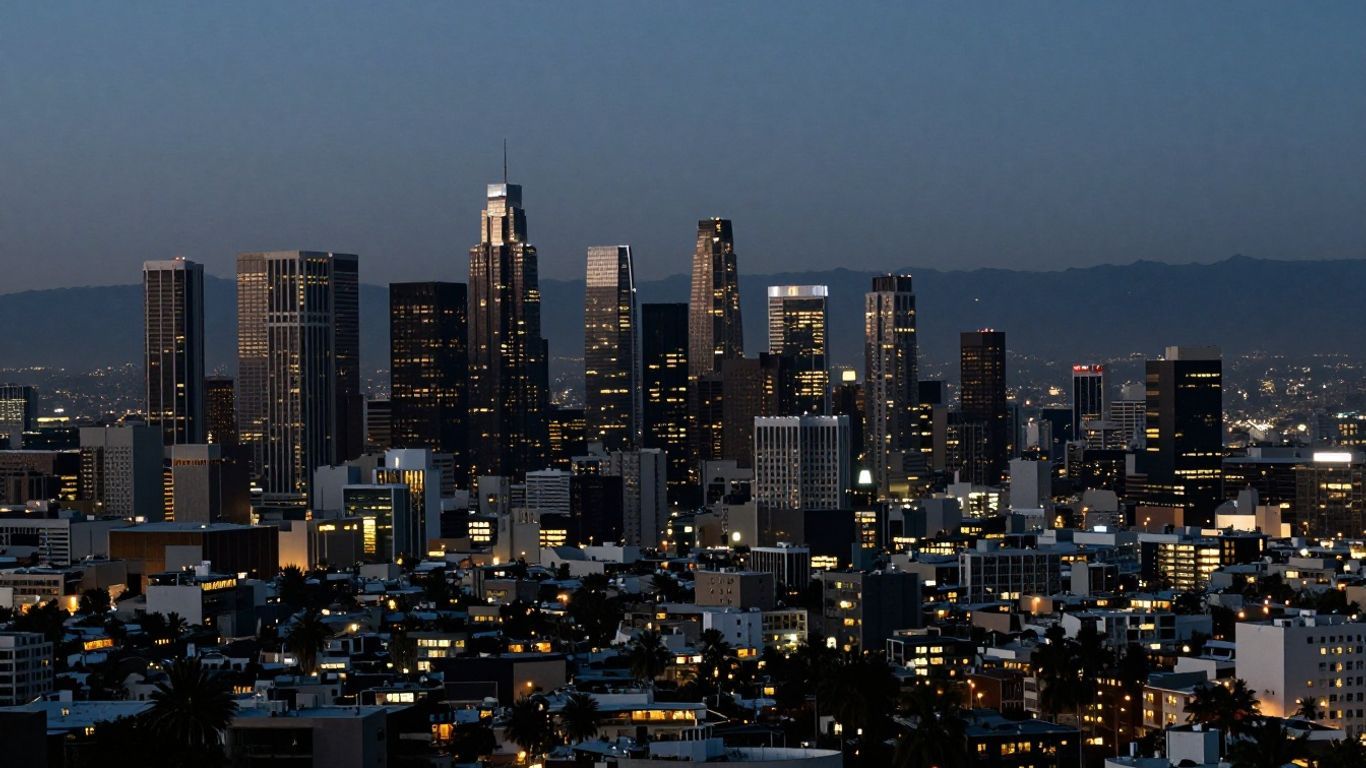
Securing the second position on our list is Los Angeles, California. This expansive metropolis is renowned for its iconic entertainment industry, rich cultural diversity, and stunning beaches. Los Angeles notably functions as a global nucleus for media, technology, and commerce.
Established in 1781, Los Angeles has undergone a remarkable transformation, evolving from a modest pueblo into one of the most populous cities in the United States. Its economic vitality is primarily driven by several critical sectors:
- Entertainment: Hollywood steadfastly remains the beating heart of the film and television industry, continually attracting talent and productions from across the globe.
- Technology: The city boasts a burgeoning tech scene, frequently dubbed "Silicon Beach," hosting numerous startups and well-established technology companies.
- International Trade: The Port of Los Angeles ranks among the busiest container ports worldwide, facilitating a substantial volume of international trade.
- Tourism: Millions of visitors flock to Los Angeles annually to experience its myriad attractions, from expansive theme parks and world-class museums to its iconic coastline.
Here's an overview of some key figures pertaining to the Los Angeles metropolitan area:
| Metric | Value |
|---|---|
| Estimated Population (2026) | 12,770,000 |
| Land Area (sq mi) | 468.7 |
| Population Density (per sq mi) | 27,246 |
The sheer scope of Los Angeles ensures it is a city characterized by distinct neighborhoods, each possessing its own unique character and ambiance. From the artistic enclaves of Silver Lake to the serene coastal charm of Santa Monica, a suitable corner of LA seems to exist for nearly every preference.
3. Chicago
Occupying the third spot on our ranking is Chicago, Illinois. This dynamic metropolis, gracefully situated on the shores of Lake Michigan, serves as a prominent center for finance, culture, and industry throughout the Midwest. Chicago is widely celebrated for its awe-inspiring architecture—including the formidable Willis Tower (formerly known as Sears Tower)—and its profound historical connection to jazz and blues music.
The city's distinctive character is intrinsically shaped by its diverse neighborhoods, each offering a unique flavor and palpable community spirit. Whether one seeks the bustling retail experience of the Magnificent Mile or the artistic milieu of Wicker Park, there is always something novel and engaging to explore.
Here are a few notable aspects for which Chicago is particularly renowned:
- Deep-Dish Pizza: A culinary institution that stands as an essential gastronomic experience for any visitor.
- The Art Institute of Chicago: Home to an extensive and world-class collection of Impressionist and Post-Impressionist masterpieces.
- Millennium Park: Featuring iconic public art such as "The Bean" sculpture and the architectural marvel of the Pritzker Pavilion.
- A Rich Blues and Jazz Scene: With legendary clubs and venues dispersed throughout the city, offering authentic musical experiences.
Chicago's population continues to exert a significant influence on the U.S. urban landscape, reflecting its enduring status as a vital economic and cultural nexus. Indeed, its robust infrastructure and cultural offerings are a testament to its enduring appeal.
Chicago's expansive public transportation system, affectionately known as the 'L', is recognized as one of the nation's oldest and busiest. This robust network facilitates effortless navigation, allowing residents and visitors alike to fully experience all the city has to offer without the necessity of personal transport.
4. Houston
Claiming the fourth position on our list is Houston, Texas. This expansive metropolis functions as a pivotal hub for energy, medicine, and aerospace, distinguished by its exceptionally diverse population and vibrant cultural scene. Houston's economy has consistently demonstrated robust growth, successfully attracting individuals from across the globe.
Houston's population continues its upward trajectory, firmly establishing it as a significant and growing player in the U.S. urban landscape.
Here's a concise overview of some key figures for Houston:
| Metric | Value |
|---|---|
| Estimated Population (2026) | ~2,350,000 |
| Population Change (2020-2025) | +5.2% |
| Land Area (sq mi) | ~640 |
| Population Density (per sq mi) | ~3,670 |
What, then, defines Houston's unique appeal? Several factors distinguish this dynamic city:
- Economic Diversity: Beyond its powerful ties to the oil and gas industry, Houston boasts a highly robust medical center—the largest in the world—and a rapidly expanding tech sector.
- Cultural Melting Pot: The city presents a rich tapestry of cultures, vividly reflected in its diverse culinary offerings, numerous festivals, and distinct neighborhoods.
- Space City: As the home to NASA's Johnson Space Center, Houston plays an unparalleled and unique role in space exploration and scientific advancement.
Houston's sustained growth serves as a powerful testament to its extensive economic opportunities and the welcoming environment it consistently extends to new residents. It is, undeniably, a city in a perpetual state of evolution and expansion.
5. Phoenix
Rounding out the top five on our list is Phoenix, Arizona. This prominent desert metropolis has experienced substantial growth over recent years, a trend that shows little sign of decelerating. Phoenix is widely recognized for its consistently sunny weather, which naturally attracts a considerable populace, and its continuously expanding job market, particularly within the technology and healthcare sectors.
By 2026, Phoenix is projected to be the fifth most populated city in the U.S.
Here's a concise overview of some key figures for Phoenix:
| Metric | Value |
|---|---|
| Estimated Population (2026) | ~1,700,000 |
| Land Area (sq mi) | ~518 |
| Population Density (per sq mi) | ~3,280 |
What precisely sets Phoenix apart from other major urban centers?
- Year-round sunshine: With over 300 sunny days annually, it proves a significant draw for individuals who appreciate an outdoor-oriented lifestyle.
- Economic opportunities: The city sustains a diverse economy, featuring robust sectors in aerospace, cutting-edge technology, and finance.
- Cultural attractions: From the insightful Heard Museum to the breathtaking Desert Botanical Garden, a wealth of engaging activities and sights awaits.
- Outdoor recreation: The surrounding Sonoran Desert offers unparalleled opportunities for hiking, mountain biking, and a myriad of other adventurous pursuits.
Phoenix, in essence, is a city that wholeheartedly embraces its desert surroundings. It offers a unique setting where a bustling urban core seamlessly blends with dramatic natural beauty. The city consistently draws new residents and businesses, solidifying its position as a dynamic and integral part of the American landscape.
The impressive growth trajectory of Phoenix undeniably attests to its considerable appeal as both a place to live and work—offering a distinctive synthesis of modern urban amenities and the innate allure of its desert environment.
6. Philadelphia
Philadelphia, a city profoundly steeped in American history, steadfastly retains its status as a prominent population hub in the United States. Affectionately known as the "City of Brotherly Love," it represents a captivating fusion where historical landmarks seamlessly coexist with a dynamic, contemporary urban landscape.
As per our 2026 ranking, Philadelphia firmly holds its position as a significant metropolitan area. While precise population figures are always subject to minor fluctuations, the city's enduring appeal consistently draws both new residents and businesses alike.
Here's a look at some key figures for Philadelphia:
| Metric | Value |
|---|---|
| Estimated Population (2026) | ~1.57 Million |
| Land Area (sq mi) | ~134.4 |
| Population Density (per sq mi) | ~11,933 |
Philadelphia's attractiveness, however, is not solely defined by its demographic metrics. It boasts a rich and intricate cultural tapestry, featuring world-class museums, a highly renowned culinary scene, and an undeniable, deep connection to the very founding of the nation. Furthermore, the city's strategic location on the East Coast plays a crucial role in bolstering its economic and demographic strength.
While the city's historical significance is indisputable, Philadelphia also presents itself as a forward-looking locale. It serves as a vital hub for education, advanced healthcare, and innovation, continuously evolving while resolutely preserving its unique and cherished identity.
7. San Antonio
Continuing our survey down the list, we encounter San Antonio, Texas—a city imbued with a rich history and experiencing steady population growth. It is a place where one can distinctly perceive a vibrant blend of cultures, notably evident in its diverse culinary traditions and striking architecture.
San Antonio is recognized as a major city in south-central Texas, particularly celebrated for its enduring Spanish colonial heritage.
Here's a concise overview of some key figures for San Antonio:
- Population (2026 Estimate): Approximately 2.56 million individuals.
- Growth Rate: The city has enjoyed consistent growth over recent years, effectively attracting new residents.
- Key Industries: Prominent sectors include healthcare, finance, and tourism, all contributing significantly to its economic stability.
San Antonio's ongoing development represents a compelling narrative of expansion and adaptive integration. The city has diligently worked to harmonize its treasured historical sites with modern infrastructure, thereby cultivating a truly unique urban environment. It is a destination that offers a distinctive Texan experience, drawing both curious visitors and prospective new residents.
The city's economy has undergone considerable diversification, moving beyond its historical foundations to embrace emergent technologies and industries. This proactive, forward-looking strategy is instrumental in shaping its future growth and enhancing its broad appeal.
8. San Diego
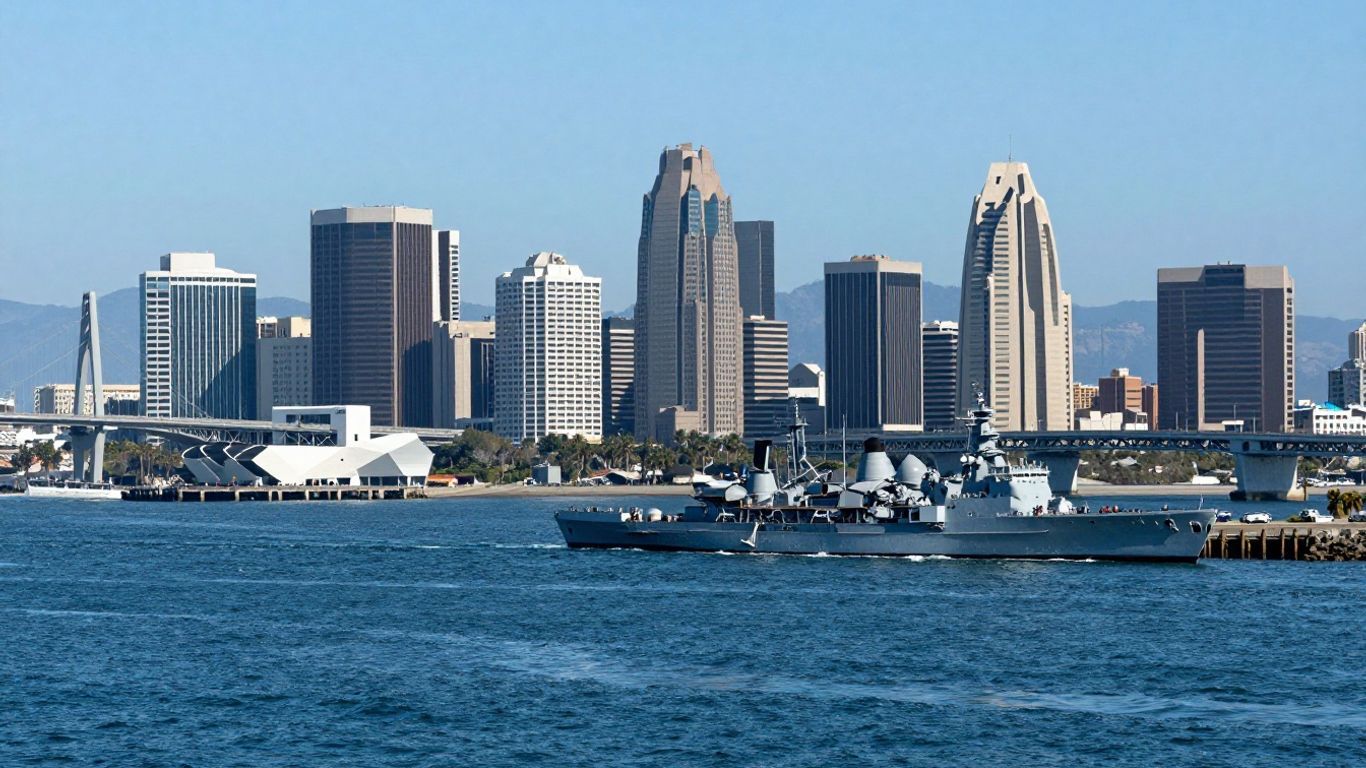
Holding the eighth position on our list is San Diego, California. This captivating coastal city is celebrated for its stunning beaches, remarkably pleasant climate, and a significant military presence. As of 2026, San Diego continues to function as a major nexus for both trade and tourism.
San Diego's population is estimated to hover around 1.4 million residents.
Here's a concise overview of some key figures for San Diego:
- Population: Approximately 1,400,000 individuals
- Land Area: Around 372 square miles
- Key Industries: Defense, thriving tourism, biotechnology, and crucial international trade
San Diego's economy is notably diverse. The city greatly benefits from its advantageous proximity to Mexico, establishing it as a significant conduit for cross-border commerce. It also remains a highly sought-after destination for those seeking a relaxed lifestyle complemented by an abundance of outdoor recreational opportunities.
The city's strategic placement on the Pacific coast has historically positioned it as an important port and a central hub for naval operations. This historical influence has profoundly shaped its culture and economy over many decades, contributing to its distinct identity.
9. Dallas
Securing the ninth spot on our list is Dallas, Texas. This dynamic city in North Texas has experienced consistent growth over the years, solidifying its role as a significant regional hub.
Dallas is widely recognized for its robust economy, particularly within sectors such as finance, technology, and transportation. It is, indeed, a place where business endeavors thrive, consequently attracting individuals from various locales.
Here's a concise overview of some key figures for Dallas:
- 2026 Estimated Population: Approximately 1,326,087 residents
- 2020 Census Population: 1,304,379 individuals
- Population Change (2020-2026): A growth of +1.66%
- Land Area: 339.6 square miles (879.6 km²)
- Population Density: Around 3,841 people per square mile (or 1,483 per km²)
Beyond these numerical indicators, Dallas presents a rich cultural landscape featuring numerous museums, a vibrant arts district, and an exceptional culinary scene. Furthermore, it serves as a major transportation nexus, facilitating convenient travel and connectivity.
The city's ongoing development has been undeniably shaped by its historical significance as a prominent center for the oil and cotton industries—foundations that effectively paved the way for its current economic diversity and significant expansion.
Dallas continues to assert itself as a dynamic and expanding urban center, a testament to its abundant economic opportunities and appealing lifestyle.
10. Jacksonville
Concluding our top ten ranking is Jacksonville, Florida. This notable city has demonstrated robust growth, thereby establishing itself as a significant population center within the Sunshine State.
Jacksonville's population has been on a clear upward trajectory, a trend that reflects its expanding economic prospects and attractive lifestyle offerings.
Here's a snapshot of its recent population figures:
| Year | Population |
|---|---|
| 2020 Census | 949,611 |
| 2024 Estimate | 1,009,833 |
This growth is quite remarkable, particularly when one considers the city's expansive land area. Jacksonville is, in fact, one of the largest cities in the contiguous U.S. by landmass, which inherently implies that its population density is relatively dispersed compared to more compact major urban centers.
Key insights regarding Jacksonville's population:
- It holds the distinction of being the most populous city in Florida.
- The city has experienced a notable population increase of over 6% between the 2020 census and the 2024 estimate.
- Its substantial land area contributes to a comparatively lower population density, offering a distinct urban experience divergent from that of more densely packed cities.
Jacksonville's distinctive consolidated city-county government structure, which was established in 1968, effectively merges the city with Duval County. This organizational model means that the reported population figures represent a significantly large geographic area, encompassing not only the urban core but also surrounding suburban and even some rural sections within the county limits. This unique consolidation is, without question, a critical factor in comprehending its impressive population size and vast land area.
The city's economy is broadly diversified, featuring strong sectors in logistics, finance, and healthcare—industries that undoubtedly contribute to its ongoing population growth. As it continues its development, Jacksonville steadfastly remains an important and growing component of the American urban landscape.
Looking Ahead
Thus concludes our examination of the top 10 most populated cities in the U.S. for 2026. It is quite insightful to observe the constant flux within these urban centers—some experiencing rapid expansion, while others might encounter slight declines. New York City, for instance, firmly maintains its top position, yet cities like Houston and Phoenix are undeniably making significant demographic strides. It remains crucial to monitor these cities, as population distribution profoundly influences everything from localized culture to the broader national economy. This presents a dynamic picture, and it will be fascinating to witness how these trends continue to shift and evolve in the years to come.
Frequently Asked Questions
What are the biggest cities in the U.S. based on population?
Indeed, the United States boasts a considerable number of large cities! New York City consistently ranks as the most populated, closely followed by Los Angeles and Chicago. Other significant urban centers include Houston, Phoenix, Philadelphia, San Antonio, San Diego, Dallas, and Jacksonville. These cities collectively serve as home to millions of people.
How many cities in the U.S. have over a million people?
As per recent demographic assessments, approximately 12 cities across the U.S. currently host more than one million residents. This figure, however, can experience slight variations over time as populations naturally expand or contract.
Are there more cities with over 100,000 people now than before?
Yes, unequivocally! The count of cities with populations exceeding 100,000 has been steadily increasing. This trend clearly indicates a broader pattern of more individuals choosing to reside in urban areas throughout the country.
Which states have the most cities with over 100,000 people?
California leads the nation with the highest number of cities boasting populations exceeding 100,000. Following closely, both Texas and Florida also possess a substantial number of these sizable urban locales.
What does 'incorporated place' mean?
An 'incorporated place' is the official term utilized by the U.S. Census Bureau to denote a city, town, village, or borough that legally possesses its own local government. Essentially, it defines a designated geographic area with its distinct administrative framework and public services.
Do these rankings include people living in suburbs?
Typically, these particular rankings focus solely on the population residing within the official city limits. Individuals living in the surrounding suburban areas are generally accounted for separately. Therefore, if one considers the entire metropolitan area, the overall population figures would indeed appear different.


