
resources
Unveiling the 10 Biggest States in the USA by Land Area
16 Feb 2026

When one considers the United States, images of vibrant urban centers or seemingly endless highways often come to mind. Yet, what about the sheer magnitude of the land itself? Certain states are, quite simply, immense, offering expansive landscapes ripe for exploration. We are about to delve into the 10 largest states in the USA by land area, and rest assured, these regions are truly colossal. Let's embark on a journey to discover these geographic giants.
Key Takeaways
- Alaska stands as the largest state in the USA, holding this distinction by a considerable margin.
- California and Montana follow, effectively rounding out the top three largest states by landmass.
- This definitive list of the 10 biggest states encompasses a diverse collection of Western and Mountain states.
- These expansive states frequently showcase a rich variety of geographies, spanning from majestic mountains to arid deserts.
- Grasping the sheer land area of these regions significantly enhances one's appreciation for the impressive scale of the United States.
1. Alaska
When contemplating the largest states in the U.S. by land area, Alaska truly occupies a category of its own. It isn't merely the biggest; it is absolutely gargantuan, encompassing more territory than the next two largest states combined. Alaska's sheer size is, frankly, difficult to fully comprehend, stretching over an astonishing 665,000 square miles. That represents an extraordinary expanse of wilderness, towering mountains, and intricate coastline.
To provide a clearer perspective on just how vast Alaska truly is, consider these compelling points:
- It boasts a land area more than twice that of Texas, which, notably, is the second-largest state within the contiguous U.S.
- It features over 33,000 miles of coastline, a length surpassing that of all other U.S. states combined.
- Such is the state's immense scale that it spans no fewer than three distinct time zones.
Most of Alaska's population resides in the southern reaches of the state, with Anchorage serving as its most populous city. Conversely, the immense interior and northern regions remain sparsely populated, presenting unparalleled opportunities for those yearning for remote landscapes and authentic outdoor adventures.
Alaska's immense size inherently means it harbors an incredibly diverse array of climates and ecosystems, extending from the lush, temperate rainforests of the Panhandle to the stark, arctic tundra in the north. This remarkable geographic variety undeniably contributes to its unique natural beauty and abundant wildlife.
Related Contents: biggest state in usa
2. California
California, a state synonymous with innovation and natural splendor, secures its position as the second-largest state in the US by land area, sprawling across a remarkable 155,779 square miles. Its vast and varied landscape stretches majestically from the iconic Pacific coast to towering mountain ranges and sweeping agricultural valleys, rendering it profoundly diverse—both geographically and culturally. Indeed, California's sheer scale allows ample room for bustling metropolitan centers, exceptionally fertile farmland, and numerous iconic natural wonders.
For a brief overview of what truly distinguishes California, let's examine some key statistics:
| Feature | Detail |
|---|---|
| Land Area | 155,779 sq mi |
| Population (2020) | 39,538,223 |
| Population Density | 254 per sq mi |
| Largest City | Los Angeles |
| Major Industries | Technology, agriculture, film |
A few aspects that particularly highlight California's prominence:
- It is home to two of the nation's largest and most influential metropolitan areas: Greater Los Angeles and the dynamic San Francisco Bay Area.
- California consistently maintains one of the strongest state economies in the US, an economic powerhouse that even ranks among the top 10 economies globally.
- The state is widely recognized as a leading trendsetter in critical areas such as environmental conservation, technological innovation, and progressive social policy.
California's distinctive blend of sophisticated urban development, incredibly fertile agricultural regions, and breathtaking natural sites—like the majestic Yosemite and the stark beauty of Death Valley—renders it truly unique among US states. From its pivotal role as a global technology hub to the enduring legacy of Hollywood, California exerts a profound influence, both nationally and across the globe.
Should you be interested in how this pervasive drive for innovation shapes other top-tier institutions across the nation, an examination of the campus and academic strengths of MIT in Cambridge reveals another facet of American excellence.
3. Montana
Securing the third position on our comprehensive list of the largest states by land area is Montana—a place that unquestionably lives up to its evocative moniker, "Big Sky Country." When picturing Montana, one naturally envisions vast, open spaces, imposing mountain ranges, and perhaps scenes of expansive ranches. And, indeed, those visions would be entirely accurate! It is a state that inherently feels boundless, brimming with an abundance of natural beauty just waiting to be explored.
Montana spans an impressive landmass, establishing it as a significant entity in terms of sheer geographical size. It is an integral part of the Mountain States region, an area celebrated for its dramatic landscapes and notably low population density. This characteristic, of course, translates into an extraordinary amount of room for genuine exploration.
Here’s a concise overview of its considerable dimensions:
- Total Area: Approximately 145,545 square miles (or 376,961 square kilometers).
- Land Area Rank: Holding the distinction of being the third largest in the U.S.
- Population Density: A remarkably sparse figure of around 7 people per square mile.
Beyond its impressive size, Montana truly offers a wealth of experiences. Portions of the magnificent Rocky Mountains traverse the state, providing not only incredible scenery but also boundless opportunities for outdoor pursuits. Furthermore, one finds vast plains and distinctive geological features throughout. It is, undeniably, a state where nature takes center stage—offering an unparalleled sense of freedom and a profound connection to the wild.
Montana's landscape is a captivating mosaic of rugged mountains dominating the west and gently rolling plains stretching across the east. This inherent diversity in terrain profoundly contributes to its unique character and firmly establishes it as a compelling destination for those who cherish natural grandeur and aspire to a more deliberate pace of life.
4. New Mexico
New Mexico, affectionately and accurately dubbed the "Land of Enchantment," is a state that truly embodies its captivating nickname. It represents a distinctive nexus where ancient cultures gracefully intertwine with modern life, and where the landscapes themselves are as richly varied as the people who proudly call this place home. When discussing the largest states by land area, New Mexico consistently ranks among the top contenders, presenting vast, unbroken stretches of open country.
Its considerable size is complemented by a rich, layered history and an utterly unique cultural tapestry. The state's heritage is deeply ingrained with Native American traditions and the profound influences of Spanish colonial presence, a legacy unmistakably evident in its architecture, vibrant art, and even the melodic cadence of its place names. This exquisite blend fosters a distinctive atmosphere—one truly unparalleled elsewhere in the United States.
Let's take a brief look at what specifically makes New Mexico such a standout:
- Geographic Diversity: From the expansive high desert plains to the majestic mountainous regions in the north, New Mexico's terrain is remarkably varied. Here, one can discover everything from arid basins to surprisingly lush, verdant forests.
- Cultural Melting Pot: As one of the celebrated Four Corners states, it shares borders with Arizona, Colorado, Oklahoma, and Texas, as well as Mexico. This geographical confluence has fostered a vibrant, intricate mix of Hispanic, Native American, and Anglo cultures.
- Historical Significance: New Mexico existed as part of Spanish and Mexican territories for centuries before its eventual inclusion as a U.S. state. This extensive history has bequeathed a wealth of numerous historical sites and monuments for visitors and residents alike to explore.
The state's vastness transcends mere square mileage; it speaks to the sheer scale of its breathtaking natural beauty and the profound depth of its cultural history. Indeed, it is a place that actively invites exploration—offering an undeniable sense of wide-open spaces and a tangible connection to the past.
New Mexico's expansive land area firmly establishes its place in any discussion of the largest states, providing a cherished home for a unique blend of natural wonders and enduring traditions.
5. Arizona
Arizona, a state widely celebrated for its dramatically striking desert landscapes and vibrant cultural tapestry, confidently claims the fifth position among the largest U.S. states by land area. Encompassing a substantial portion of the American Southwest, its sheer vastness is expertly mirrored by its incredibly diverse geography, which stretches from the universally recognized Grand Canyon to the surprising pine forests found in its northern reaches.
The Grand Canyon State is, unequivocally, far more than just its famous natural wonder; it is a place steeped in a rich history and animated by a truly dynamic present. Its extensive land area measures approximately 113,594 square miles, establishing it as a considerable territory within the contiguous United States.
Here’s a concise comparison of its size relative to some of its neighboring states:
| State | Land Area (sq mi) | Rank by Area |
|---|---|---|
| Arizona | 113,594 | 5 |
| New Mexico | 121,298 | 4 |
| Colorado | 103,642 | 7 |
| Nevada | 109,781 | 6 |
Arizona’s expansive size profoundly contributes to its varied climate and unique ecosystems. From the intense, scorching heat of the Sonoran Desert to the noticeably cooler temperatures found at its higher elevations, the state presents an impressive array of natural environments. This remarkable geographical diversity has, throughout history, significantly influenced settlement patterns and continues to shape the state's economy and distinctive lifestyle.
The state's vast landmass implies that travel between its disparate regions can, indeed, require considerable time, serving to underscore the sheer scale of its territory. This profound expanse also plays a crucial role in shaping its unique cultural identity, skillfully blending indigenous Native American heritage with Spanish colonial history and dynamic modern American influences.
6. Nevada
Next on our comprehensive list is Nevada, a state that often immediately calls to mind images of glittering casinos and expansive, stark desert landscapes. While destinations like Las Vegas and Reno certainly command significant attention, Nevada is, in fact, far more than just its renowned entertainment hubs. It is a state boasting a substantial land area, notably ranking sixth in the U.S. by sheer size.
Nevada's unique geography is predominantly arid, distinctly characterized by vast basins interspersed with numerous mountain ranges. This specific environment has profoundly shaped both its historical trajectory and its ongoing development. The state's economy, while heavily influenced by the tourism and gaming industries, also encompasses vital sectors such as mining, agriculture, and an increasingly prominent technology sector.
Nevada's inherent vastness is truly a defining characteristic, offering a stark, captivating beauty and an unparalleled sense of open space. Its population, quite notably, is concentrated within a few key urban areas, leaving expansive portions of the state exceptionally sparsely inhabited. This distinct distribution significantly contributes to its unique cultural and political landscape.
Here’s a quick comparative glance at Nevada’s size against some other states:
| State | Land Area (sq mi) | Rank by Area |
|---|---|---|
| Nevada | 109,781 | 6 |
| Arizona | 113,594 | 5 |
| Colorado | 103,642 | 7 |
| California | 155,779 | 2 |
Politically, Nevada is frequently regarded as a bellwether state, meaning its voting patterns can often provide strong indications of broader national trends. It is, undeniably, a place where the enduring spirit of the West remains vibrantly alive, skillfully blending a storied history of frontier independence with remarkable modern innovation.
7. Colorado
Continuing our exploration, we arrive at Colorado, a state renowned for its breathtaking Rocky Mountain scenery and its dynamic, vibrant cities. It is truly a place where one can discover both expansive, wide-open natural spaces and bustling, energetic urban centers.
Colorado, a landlocked state, forms an integral part of the Mountain West region. It is famously characterized by its consistently high elevation, with much of the state situated considerably above sea level. The magnificent Rocky Mountains majestically traverse the very heart of Colorado, presenting not only incredible vistas but also an abundance of opportunities for thrilling outdoor adventures.
The state's remarkably diverse geography spans from the rolling eastern plains to the towering, snow-capped peaks of the Rockies. This inherent variety in landscape supports a wide and appealing array of activities, from traditional farming on the plains to world-class skiing in the mountains.
Here’s a concise summary of some key facts concerning Colorado:
- Total Area: Approximately 104,094 square miles.
- Rank by Area: Holding the distinction of being the 7th largest in the USA.
- Key Geographic Features: Encompassing the formidable Rocky Mountains, the sweeping Great Plains, and numerous significant rivers.
- Major Cities: Including Denver, Colorado Springs, and Aurora.
When most people envision Colorado, they often conjure images of dramatic snow-capped mountains set against brilliant, clear blue skies. It is, without question, a state that truly embodies the quintessential spirit of the American West, offering a unique blend of unparalleled natural beauty and sophisticated modern living. The state's unwavering commitment to both preserving its pristine natural landscapes and fostering the growth of its urban areas is certainly a characteristic that makes it notably stand out.
Colorado's consistently high elevation means it experiences a wide spectrum of temperatures and distinct weather patterns throughout the year. While this can present certain challenges for some, it undeniably contributes to the state's unique beauty and the remarkable resilience of its diverse ecosystems.
8. Oregon
Oregon is a state that, surprisingly, often goes unnoticed when discussions turn to the largest states in the US, yet it firmly occupies a significant position on that very list. Indeed, it offers a remarkable range of features, stretching from its extensive coastline along the magnificent Pacific Ocean to its richly diverse inland landscapes.
Based on numerical data, Oregon ranks as the eighth-largest state. It encompasses a total area of approximately 95,988 square miles. This represents a substantial expanse of land, providing ample room for everything from dense, verdant forests to vast, high desert plains.
Below is a brief comparison of its size alongside some of its neighboring states:
| State | Land Area (sq mi) |
|---|---|
| California | 155,779 |
| Montana | 145,546 |
| New Mexico | 121,298 |
| Arizona | 113,594 |
| Nevada | 109,781 |
| Colorado | 103,642 |
| Oregon | 95,988 |
| Wyoming | 97,093 |
| Idaho | 82,643 |
This particular state is an integral part of the Pacific region, sharing its borders with California, Nevada, Idaho, and Washington. Crucially, it also boasts that considerable stretch of Pacific coastline, an element that profoundly shapes its distinct climate and unique geography.
Oregon's considerable size inherently means it harbors a wide and fascinating variety of natural features. Here, one can discover everything from the rugged coast and lush, verdant forests in the west to drier, more expansive open country in the east. This inherent variety constitutes a significant part of what makes the state truly unique.
It's quite interesting to observe how Oregon fits into the broader fabric of the Western United States. While it may not possess the sheer immensity of Alaska or California, its substantial land area is certainly sufficient to place it firmly within the top ten. This remarkable size, without a doubt, contributes to its varied ecosystems and its significant role in the region's economy and vibrant culture.
9. Wyoming
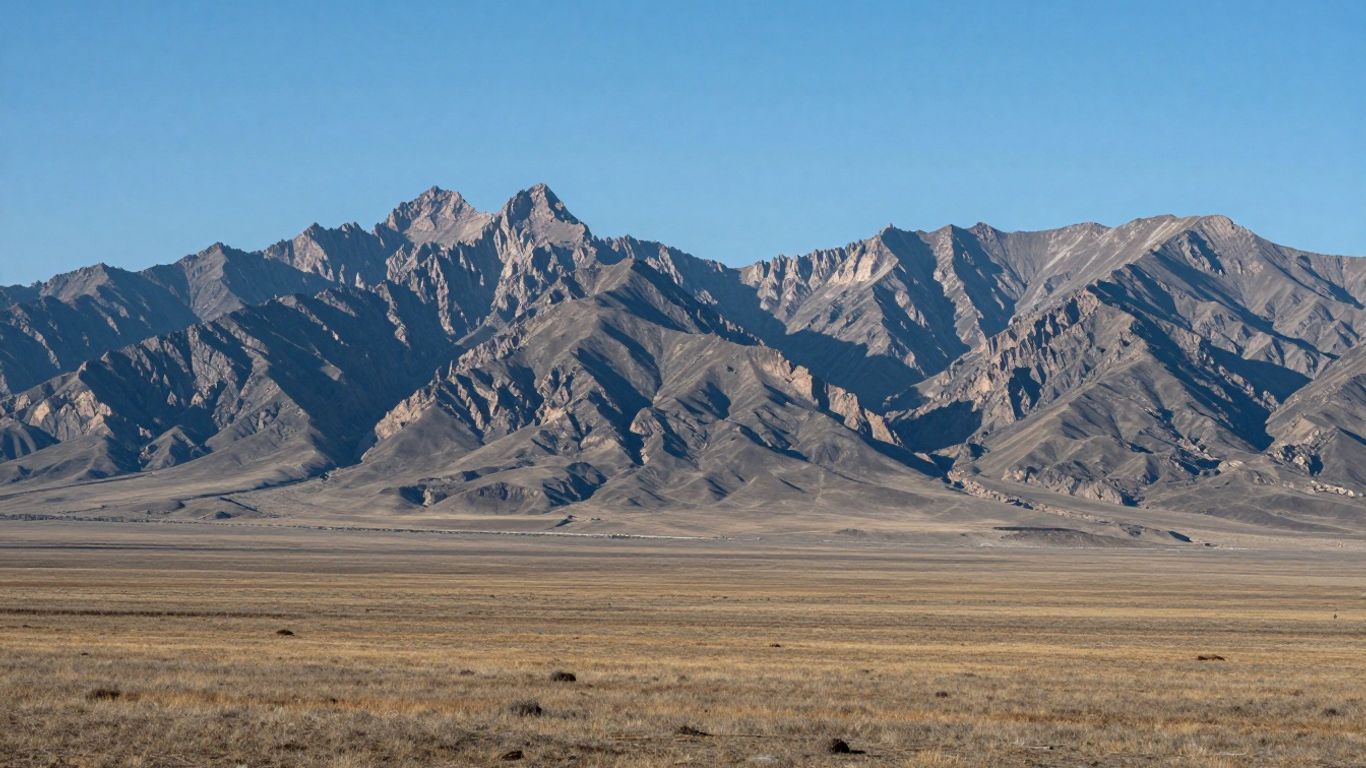
Wyoming, frequently heralded as the "Equality State," is an extraordinary land of expansive wide-open spaces and truly rugged beauty. It proudly holds the ninth position in size among U.S. states, encompassing a notably significant amount of territory. Despite its immense vastness, Wyoming is distinguished by having one of the smallest populations in the entire country, a characteristic that directly contributes to its remarkably low population density.
This notably low population density means that a substantial portion of Wyoming remains wild and largely undeveloped, offering an authentically unique experience for both visitors and residents alike. The state's landscape is predominantly characterized by majestic mountains, sweeping plains, and elevated desert regions, positioning it as an ideal destination for outdoor pursuits such as hiking, camping, and unparalleled wildlife viewing. Here, you'll encounter iconic natural landmarks, including portions of the world-renowned Yellowstone National Park and the awe-inspiring Grand Teton National Park.
Here’s a concise overview of Wyoming’s land area in comparison to some of its neighboring states:
| State | Land Area (sq mi) | Population (2020 Census) | Density (per sq mi) |
|---|---|---|---|
| Montana | 145,545 | 1,084,225 | 7 |
| Wyoming | 97,093 | 576,851 | 6 |
| Colorado | 103,641 | 5,773,714 | 56 |
| Idaho | 82,643 | 1,839,106 | 22 |
Wyoming's rich history is also quite compelling. It famously became the first territory in the U.S. to grant women the right to vote—a profoundly progressive move that rightfully earned it the venerable nickname "Equality State." This enduring spirit of independence and self-reliance remains a fundamental and cherished part of Wyoming's identity even today.
The state's economy has historically relied heavily upon its natural resources, most notably coal mining and agriculture. However, there is a discernable and growing focus on tourism and outdoor recreation, continually drawing visitors who profoundly appreciate its natural splendor and the liberating feeling of its wide-open landscapes.
10. Idaho
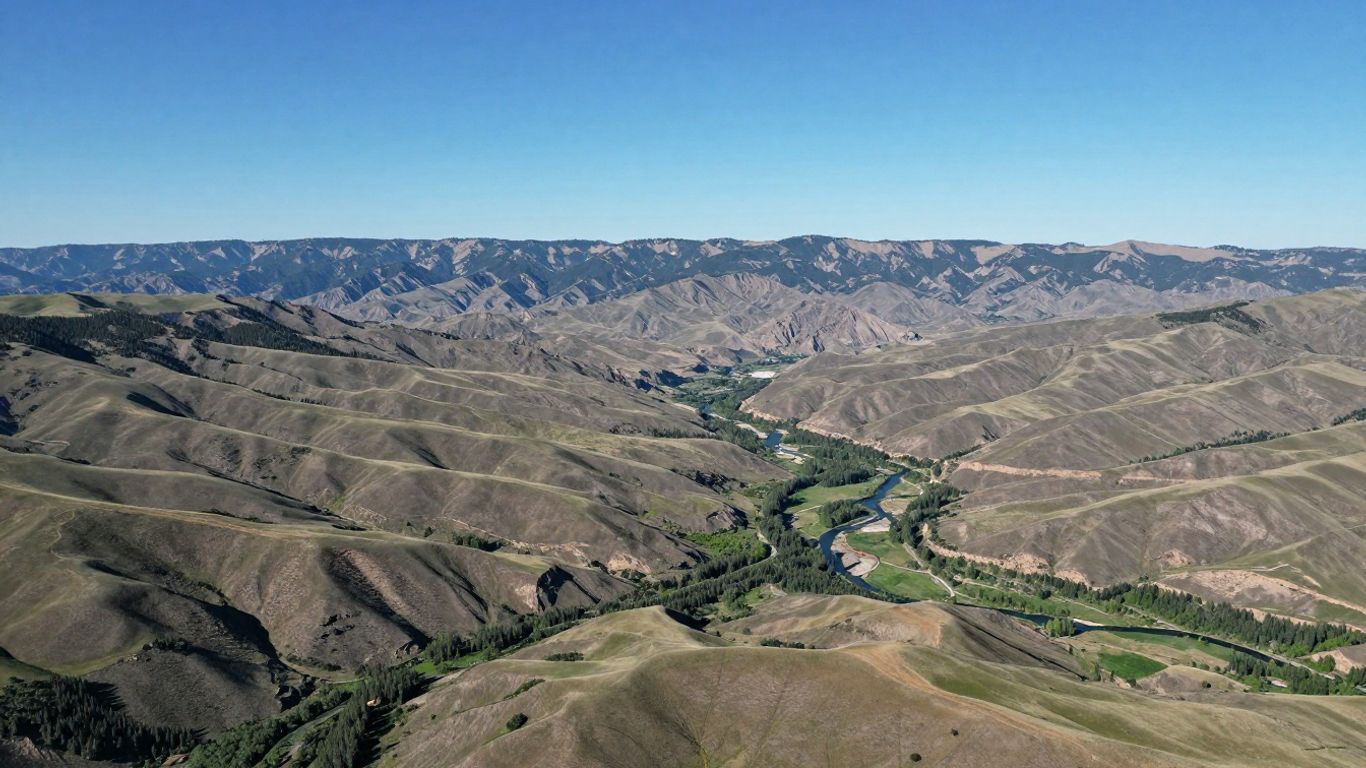
Rounding out our distinguished top 10 is Idaho, a state celebrated for its rugged mountains and expansive, wide-open spaces. It is, in essence, a place where one can readily discover vast wilderness areas coexisting harmoniously alongside its growing, vibrant communities.
Idaho encompasses a significant portion of land, thereby establishing it as a key player in terms of sheer size within the United States. It belongs to the Mountain States region, an area predominantly characterized by its dramatic, breathtaking landscapes and, generally speaking, lower population densities when compared to other parts of the country.
The Gem State, as it is often affectionately called, proudly boasts a total area exceeding 82,000 square miles. A substantial segment of this land is dedicated to pristine forests, formidable mountains, and extensive agricultural use, particularly prominent within its fertile valleys.
Here's a concise comparison of its size relative to some of its neighboring states:
| State | Land Area (sq mi) |
|---|---|
| Montana | 145,545 |
| New Mexico | 121,298 |
| Arizona | 113,594 |
| Nevada | 109,781 |
| Colorado | 103,641 |
| Idaho | 82,643 |
| Wyoming | 97,093 |
While its size is undeniably impressive, Idaho's population remains relatively modest, consequently leading to a lower overall population density. This favorable ratio means there is an abundance of room to roam, whether one's interests lie in engaging outdoor recreation or simply savoring the scenic grandeur.
Idaho's geography is remarkably diverse, spanning from the expansive high desert plains to the majestic peaks of the Rocky Mountains. This inherent variety in terrain profoundly influences everything from its robust economy to the distinctive lifestyles of its residents.
Wrapping Up Our Tour of the Largest States
So, there you have it—a comprehensive tour of the top 10 largest states in the U.S. by sheer land size. It’s quite extraordinary to truly contemplate the immense space these regions encompass, isn't it? From the vast, untamed wilderness of Alaska to the sprawling, rugged landscapes of the Mountain West, these states collectively offer an incredible diversity of geography and, quite simply, an expansive canvas for exploration. Whether one is drawn to dramatic mountain peaks, wide-open plains, or the rugged beauty of coastlines, these massive states represent a fundamental and significant part of what makes the American landscape so uniquely varied. Ultimately, it serves as an excellent reminder that when we speak of the United States, we are indeed referring to a nation blessed with some truly enormous territories.
Frequently Asked Questions
What is the largest state in the USA by land area?
Alaska holds the distinction of being the biggest state in the U.S. when considering its total land size. It stands as considerably larger than any other state, covering an immense expanse of territory.
How do California and Montana compare in size?
While California ranks as the second-largest state overall, Montana is actually larger than California by land area. It’s an interesting point, as population density doesn't always align with a state's physical size!
Are the Mountain States mostly large in area?
Yes, indeed, many of the states located within the Mountain region—such as Montana, Colorado, New Mexico, Arizona, Nevada, and Idaho—are counted among the largest in the country by land area. They are characterized by vast, open spaces.
Why is Alaska so much bigger than other states?
Alaska was famously acquired from Russia in 1867 and has historically always been an exceptionally massive territory. Its impressive size is primarily attributable to its distinct geography and a relatively sparse population, which has allowed much of its land to remain largely untouched.
What makes some states larger than others?
The size of a state is fundamentally determined by its geographical boundaries. Some states were formed from considerably larger territories, or they possess extensive coastlines that contribute significantly to their total area. Primarily, it relates to how the land was historically and geographically demarcated.
Does the size of a state affect its population?
Not necessarily! Alaska, despite being the largest state, has one of the smallest populations. Conversely, California ranks as the third-largest state by area but is the most populated. Therefore, sheer size and population figures don't always directly correlate.


