
resources
Unveiling the Biggest Cities in the United States: A 2026 Population Snapshot
29 Mar 2026

Have you ever pondered the current geographic distribution of the U.S. population? It's quite an intriguing question, and recent data certainly highlights some significant shifts. We're not merely discussing the perennial giants such as New York or Los Angeles; a multitude of other urban centers are also experiencing substantial growth, with several emerging as veritable boomtowns. This comprehensive analysis of the largest cities in the United States offers valuable insights into current migration patterns—detailing where individuals are relocating, the reasons behind their moves, and the broader implications for communities nationwide. Essentially, it serves as an up-to-date demographic map charting the nation's evolving population landscape.
Key Takeaways
- International migration, for instance, proves to be a pivotal factor for U.S. cities, contributing millions to metropolitan populations and thereby fostering the expansion of numerous urban centers.
- Notably, cities such as Jacksonville, Florida, and Fort Worth, Texas, have recently surpassed the one-million-resident milestone, while a host of other, smaller cities are simultaneously experiencing considerable population surges.
- Interestingly, some urban areas previously experiencing population decline—think New York and Washington D.C.—are now witnessing renewed growth. Concurrently, Sun Belt states, particularly Texas and Florida, continue to attract a substantial influx of new residents.
- Despite our frequent focus on major urban hubs, it’s worth remembering that the majority of U.S. localities remain relatively small; indeed, approximately three-quarters of all incorporated places boasted fewer than 5,000 inhabitants in 2024.
- Housing construction is notably increasing, particularly in states like Idaho, Utah, and North Carolina. This trend often correlates directly with areas experiencing significant population migration and robust job market expansion.
Understanding the Biggest Cities in the United States
When discussing the largest cities across the U.S., one can easily become engrossed by the sheer magnitude of their populations. We frequently hear—and for compelling reasons—about formidable urban centers like New York, Los Angeles, and Chicago; they are, after all, truly immense. However, comprehending these metropolitan titans involves much more than simply tallying residents. It's truly about deciphering their underlying dynamics, recognizing their profound influence on the broader national landscape, and observing the continuous evolution they undergo.
Defining Metropolitan Dominance
What exactly makes a city
America's Population Powerhouses in 2026
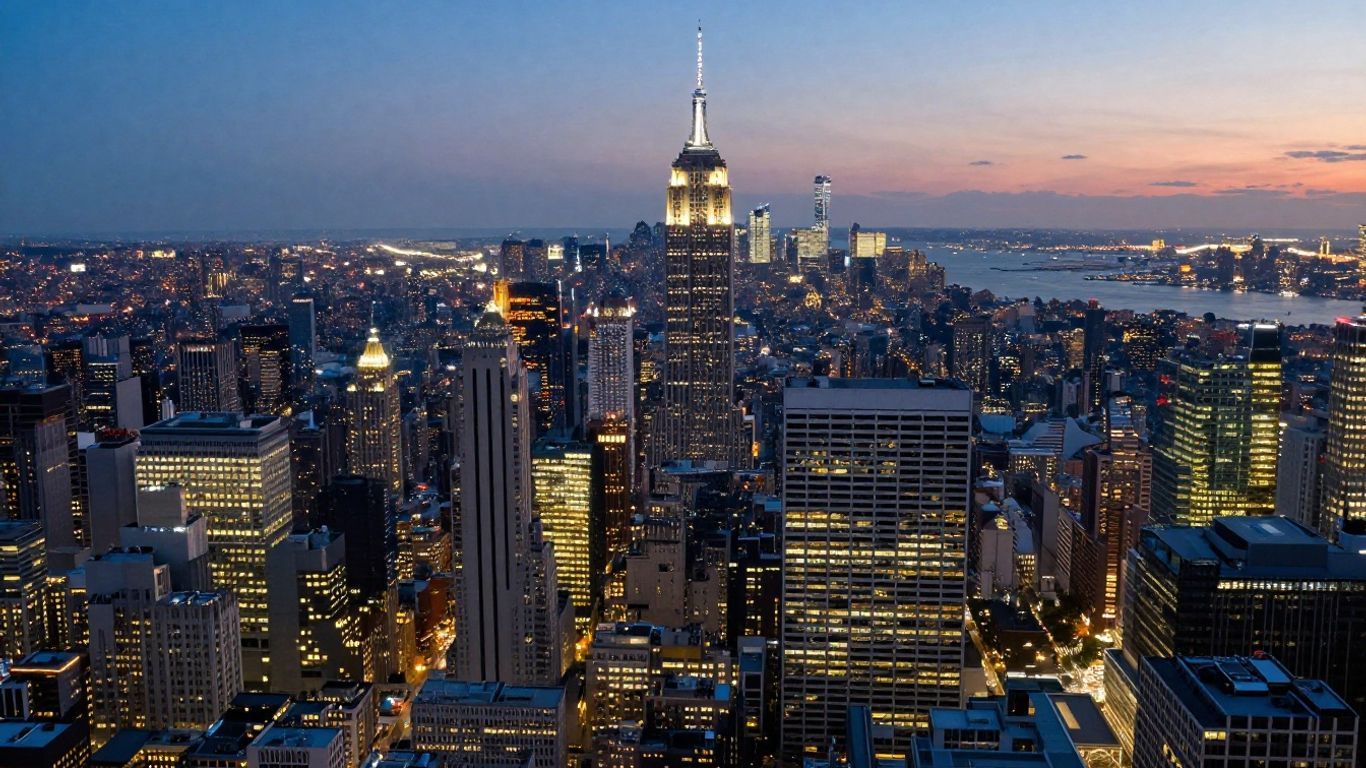
When we delve into the topic of America's largest cities, we are, in essence, examining the pivotal centers that largely propel the nation's economic, cultural, and intellectual currents. These aren't merely densely populated geographic points; rather, they are bustling epicenters where emerging trends frequently originate and where millions conduct their daily lives. Indeed, as we anticipate the demographic projections for 2026, it becomes clear that a handful of cities will steadfastly remain at the apex of population dominance.
New York City: A Global Metropolis
It's certainly no revelation that New York City maintains its status as the nation's most populated urban expanse. Boasting an iconic skyline, an eclectic tapestry of diverse neighborhoods, and a paramount role in global finance, fashion, and the arts, NYC consistently attracts individuals from every corner of the globe. The sheer density of its inhabitants, coupled with its incessant dynamism—its almost palpable buzz—creates an urban experience truly unparalleled. New York City, it seems, is poised to continue as the U.S.'s most populous city, demonstrating remarkably steady growth.
Los Angeles: A Sprawling Urban Hub
Los Angeles stands as an expansive, sprawling metropolis, widely recognized for its considerable influence, particularly within the entertainment industry. It is a vibrant melting pot where countless cultures converge, cultivating a truly distinctive atmosphere. While the city's sheer scale often translates into lengthy commutes, it nonetheless offers a lifestyle—replete with abundant sunshine and ample opportunities for creative pursuits—that proves highly appealing to many. Moreover, the emergence of new tech and information sector jobs is notably reshaping how individuals reside and operate within these vast urban environments.
Chicago: The Midwest's Economic Powerhouse
Chicago resolutely holds its ground as a dominant force in the Midwest, functioning as a critical nexus for business, transportation, and cultural endeavors. Its strategic placement along Lake Michigan, coupled with its robust infrastructure, firmly establishes it as a vital hub for both commerce and industry. The city's remarkably diverse economy—spanning finance, technology, manufacturing, and logistics—consistently draws both residents and enterprises, thereby solidifying its reputation as an economic powerhouse.
| City | Estimated Population (2026) | Key Characteristic |
|---|---|---|
| New York City | ~8.8 million | Global Finance & Culture |
| Los Angeles | ~3.9 million | Entertainment & Diversity |
| Chicago | ~2.7 million | Midwest Economic Hub |
These formidable urban centers transcend mere residential conglomerations; they are, in fact, dynamic environments that perpetually shape national trends and furnish truly distinctive living experiences. Their sustained growth and considerable sway underscore their enduring importance within the rich and diverse tapestry of the United States.
Shifting Demographics and Growth Centers
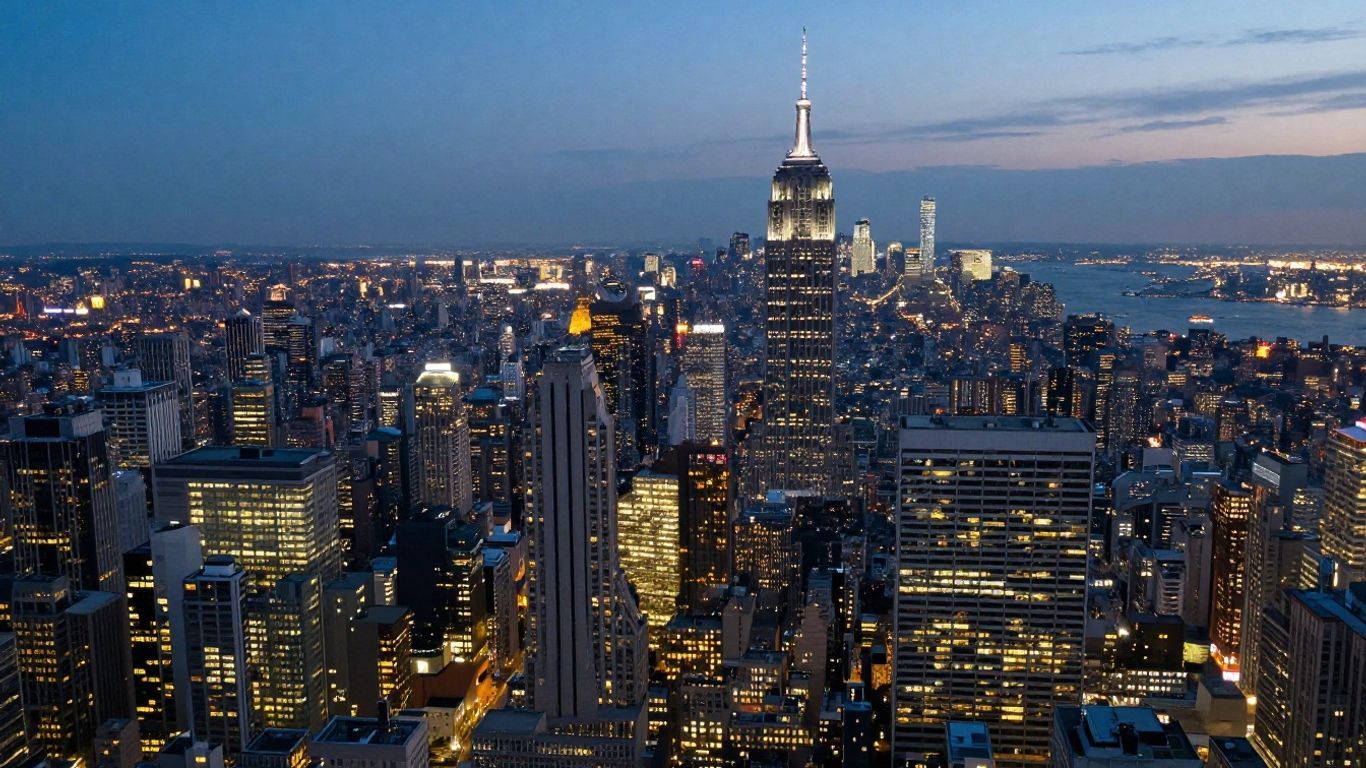
Sun Belt States Lead Population Gains
The demographic map of the United States, it seems, is undergoing a perpetual redraw, and as we approach 2026, a discernible trend emerges: the Sun Belt states steadfastly continue to lure a substantial influx of new residents. While this phenomenon isn't entirely novel, its current pace and sheer scale are certainly noteworthy. States spanning the South and Southwest are experiencing vigorous growth, appealing to individuals with their warmer climes, a generally more affordable cost of living when contrasted with some older industrial regions, and burgeoning job markets. This significant regional shift transcends mere statistics; it truly reflects evolving preferences and expanding economic horizons. As diverse industries flourish in these areas, they organically generate more employment opportunities, which, in turn, draws an even greater populace—a self-perpetuating cycle that is undeniably reshaping the nation’s demographic fabric.
Cities Surpassing One Million Residents
Beyond these expansive regional trends, numerous individual cities are now crossing significant population thresholds. The roster of U.S. cities boasting populations exceeding one million is, in fact, growing. What’s particularly compelling is that this expansion isn't confined solely to the already colossal metropolises; rather, it encompasses a considerable number of mid-sized cities undergoing remarkably swift development. Consider, for instance, these urban centers, which are projected to hover around or just surpass the one-million-resident mark by 2026:
- Raleigh, North Carolina: This dynamic city greatly benefits from its robust tech and research sectors.
- Nashville, Tennessee: Its growth is demonstrably fueled by a vibrant cultural scene and a continually expanding economy.
- Austin, Texas: Continues its impressive, rapid expansion, largely propelled by its thriving technology industry and a youthful workforce.
- Jacksonville, Florida: Here, a substantial land area, coupled with consistent population increases, positions it uniquely.
These burgeoning cities are progressively establishing themselves as crucial economic and cultural epicenters, thereby exerting considerable influence on both regional development and broader national trends.
Emerging Cities Crossing New Milestones
While our attention frequently gravitates towards the largest cities, it’s equally crucial to acknowledge the smaller and mid-sized urban areas that are experiencing substantial growth and attaining new population milestones. These burgeoning centers are often defined by several key attributes:
- Affordability: They typically offer a significantly lower cost of living compared to their major coastal counterparts.
- Quality of Life: Such places appeal to residents by providing an excellent equilibrium of amenities, opportunities for outdoor recreation, and a strong sense of community.
- Job Growth: These cities are actively cultivating new economic prospects, frequently within specialized sectors.
Consequently, these locales are becoming increasingly appealing alternatives for individuals and families seeking diverse lifestyle choices. Their ascent indicates a more geographically dispersed pattern of development across the nation, moving beyond an exclusive concentration in just a handful of mega-cities. The intricate and dynamic interplay between expansive regional shifts and the localized growth of individual urban centers truly paints a complex—yet utterly fascinating—portrait of America's continually evolving population.
The contemporary migration patterns we’re observing are undeniably intricate, shaped by a multifaceted confluence of economic factors, lifestyle preferences, and even environmental considerations. As an increasing number of individuals acquire greater flexibility regarding their place of residence and work, the long-standing determinants of population distribution are undergoing a significant re-evaluation. This, in turn, is directly contributing to the emergence of novel growth centers and the profound transformation of many established urban areas.
Factors Driving Urban Migration
What precisely motivates individuals to pack their bags and relocate to different urban landscapes? It’s rarely a singular factor, but rather a complex interplay of reasons that are profoundly reshaping where Americans opt to establish their lives. Consider this for a moment: people inherently seek to forge a fulfilling existence, and that aspiration frequently translates into identifying the ideal setting to achieve it.
Employment Opportunities as a Key Magnet
This factor, quite frankly, stands out as a primary driver—and for very logical reasons. Urban centers boasting an abundance of employment opportunities, particularly within burgeoning sectors such as technology or healthcare, inherently draw a greater populace. When corporations are actively hiring and expanding, it creates an irresistible pull. Indeed, it functions much like a magnet, attracting individuals eager for that crucial next career progression or a more secure professional environment. This ultimately fosters a self-reinforcing cycle: an increase in available positions attracts more residents, which can then stimulate further economic development and broader opportunities.
The Influence of Remote Work
Can you recall a time when residing in close proximity to one's workplace was practically a mandate? That paradigm, it's fair to say, is rapidly evolving. With an increasing proportion of the workforce operating from home or in remote capacities, the conventional constraints no longer universally apply. This newfound flexibility liberates individuals from being tethered to often-costly city centers. They now possess the autonomy to select a domicile in areas with a more manageable cost of living—perhaps a charming smaller town or a quiet suburb—all while retaining their professional commitments. It has, in essence, unveiled a myriad of new possibilities for where people might choose to put down roots.
Housing Affordability and Climate Preferences
Beyond the undeniable allure of employment and the growing impact of remote work, two additional factors are gaining paramount importance: the overall cost of living and prevailing climate conditions. Individuals, without question, are meticulously considering their financial well-being when making relocation decisions. Consequently, regions offering more affordable housing—both for purchase and rental—are becoming increasingly attractive. And then, of course, there's the weather. While certainly not the sole determinant, a notable trend indicates many are gravitating towards warmer climates, particularly within the Sun Belt states. It appears that a synergistic blend of fiscal prudence and agreeable sunshine constitutes a compelling proposition for a considerable segment of the population.
It's quite fascinating to observe the intricate interaction of these various factors. A city, for instance, might present outstanding career prospects, but if housing costs are exorbitant and winters prove relentlessly harsh, prospective residents might reasonably seek alternatives. Conversely, a locale blessed with a pleasant climate and judicious living expenses could very well emerge as a more appealing destination—even if its immediate job market isn't as robust, particularly given how remote work now facilitates connections to opportunities far afield.
Beyond the Megacities: A Broader Perspective
It’s surprisingly easy to become fixated solely on the absolute largest cities when discussing population dynamics. We encounter them constantly in the news, don’t we? Yet, a closer examination of the data reveals that the majority of Americans do not, in fact, reside within these colossal urban centers. While the top 10 or 20 cities undoubtedly hold immense significance and a substantial number of inhabitants, there exists an even greater multitude of smaller cities and towns that, when collectively considered, accommodate a vast proportion of the nation's populace.
The Significance of Smaller Communities
When we articulate the term "cities," our immediate thoughts often gravitate toward sprawling metropolises teeming with millions. The reality, however, is that a substantial number of American communities are considerably smaller. These aren't merely quaint villages; many are officially incorporated towns and cities, complete with their own established local governments and essential services. They frequently serve as the veritable backbone of numerous regions, providing a distinctly different—and often more deliberate—pace of life compared to the frenetic energy of larger urban centers. Such places, it must be said, often cultivate an exceptionally strong sense of local identity and cohesive community.
International Migration's Urban Contribution
International migration, it bears mentioning, constitutes a significant factor in population growth across a wide spectrum of areas, extending well beyond just the largest cities. Individuals relocating from other nations are inherently drawn to the opportunities and diverse lifestyles that various urban centers present. This vital influx consequently enriches the diversity and stimulates economic activity within countless communities, whether they are grand metropolises or more modest towns.
Housing Construction and Population Influx
The trajectory of urban growth is also inextricably linked to the volume of housing construction underway. When new residences are erected, they naturally facilitate the accommodation of more incoming residents. This holds true across all manner of locales, from the burgeoning suburbs encircling major cities to novel developments within mid-sized towns. Indeed, the sheer availability—and even the specific typology—of housing directly shapes where individuals elect to establish themselves and, consequently, how entire communities undergo expansion.
Here's a look at how the population might be spread out across different types of places:
| City Size Category | Approximate Population Range | Estimated Percentage of U.S. Population (2026) |
|---|---|---|
| Mega Cities | 5 Million+ | 15% |
| Large Cities | 1 Million - 5 Million | 25% |
| Mid-Sized Cities | 100,000 - 1 Million | 35% |
| Small Cities/Towns | Under 100,000 | 25% |
The intricate distribution of people across varied community types profoundly influences everything from localized economies to essential infrastructure requirements. It's certainly not solely about the grandest urban hubs; rather, it’s within the smaller and mid-sized locales where the rhythms of daily life genuinely unfold for an immense proportion of Americans.
Tracking Population Dynamics
Comprehending the fluid dynamics of population shifts throughout the United States is absolutely crucial for grasping the complete panorama of our nation's urban landscape. It extends beyond merely identifying the largest cities; it fundamentally concerns the intricate 'how' and 'why' behind people's movements. This endeavor necessitates a careful examination of official data, a nuanced understanding of varying population measurement methodologies, and a vigilant awareness of the overarching trends that dictate where individuals ultimately choose to reside.
The Role of the U.S. Census Bureau
The U.S. Census Bureau stands as the authoritative fount for all national population data. While they undertake a comprehensive decennial census, they also furnish crucial yearly estimates. These interim figures prove invaluable for tracking demographic shifts in the periods between the major counts. Indeed, these official statistics form the bedrock upon which most researchers and policymakers depend to truly grasp evolving demographic landscapes. Staying abreast of their meticulous reports, therefore, offers an unambiguous perspective on population movements, helping us discern which regions are expanding and which might be contracting.
Distinguishing City vs. Metro Area Populations
It’s absolutely crucial to recognize that when we refer to a city's population, we are frequently speaking of two distinct metrics: the populace residing strictly within its official municipal boundaries, and the broader population encompassed by its metropolitan area. The latter, the metropolitan area, extends beyond the principal city to include all adjacent suburbs and towns that maintain significant economic and social ties to the core. Consider, for example, how the New York City metropolitan area vastly exceeds the confines of its five boroughs alone. Grasping this distinction is paramount, as a multitude of economic and social trends are often more accurately represented by metropolitan area data. For instance, robust job growth in industrial sectors—a significant consideration for investors—frequently extends well beyond the core city itself, as discussed in how industrial investors in 2026 face a shifting landscape.
Understanding Growth Trends in U.S. Largest Cities
When we turn our attention to America's most expansive cities, the observed trends can be remarkably diverse. Some urban centers, for example, are undergoing rapid expansion, successfully drawing new residents with promising job opportunities and compelling lifestyle attractions. Conversely, others might be registering more modest growth, or even a marginal decrease in population. This natural ebb and flow is, in truth, quite typical for urban environments. Interestingly, while certain cities are currently experiencing boom conditions, others that previously witnessed an outflow of residents may now be enjoying a resurgence. Factors such as housing affordability, the availability of employment, and even prevailing climate preferences all exert considerable influence on these pivotal decisions. It truly is a complex tapestry that ensures our cities remain perpetually dynamic and ever-evolving.
Looking Ahead: Our Evolving Urban Landscape
As we conclude our comprehensive examination of the largest cities in the U.S. for 2026, one overarching truth becomes abundantly clear: the urban landscape is in a constant state of flux. We've observed how established metropolises like New York and Los Angeles continue their growth trajectories, while emerging centers such as Jacksonville and Fort Worth have achieved significant new population milestones. It’s also quite intriguing to note that the majority of incorporated places nationwide remain relatively modest in size, with populations under 5,000. Furthermore, international migration clearly emerges as a substantial impetus behind the expansion of many cities, underscoring the enduring appeal of the opportunities found within these borders. We will, no doubt, continue to diligently monitor these intricate shifts to fully appreciate how America's diverse cities and towns evolve in the years ahead.
Frequently Asked Questions
Which U.S. cities are the biggest in 2026?
The urban centers projected to hold the largest populations in the U.S. by 2026 are New York City, Los Angeles, and Chicago. These colossal cities serve as primary hubs for employment, culture, and daily life for millions of residents.
How do we know how many people live in each city?
The U.S. Census Bureau is the federal agency primarily tasked with enumerating the nation's population. They conduct a comprehensive census every decade and, importantly, also release annual estimates to monitor changes between these larger counts. This meticulous work provides invaluable insight into which cities are experiencing growth or undergoing other demographic shifts.
Are the biggest cities always growing the fastest?
Not necessarily. While major metropolitan areas such as New York City continue to accrue residents, numerous smaller cities—particularly those situated in the Southern and Western regions—are, in fact, growing at a significantly faster percentage rate. What's also quite noteworthy is that some cities that previously experienced population decline are now witnessing a resurgence in growth.
Where in the U.S. is the population growing the most?
Urban areas located in the Southern and Western sectors of the U.S. are currently experiencing the most substantial increases in resident populations. These regions frequently present a greater abundance of employment opportunities and tend to offer a more affordable cost of living compared to other parts of the country.
What's the difference between a city's population and its metro area population?
A city's population refers exclusively to individuals residing within its officially designated municipal boundaries. In contrast, the metropolitan area population encompasses the central city along with all adjacent towns and suburbs that are economically and socially integrated with it for employment and daily activities.
What is driving people to move to certain cities?
Robust job opportunities stand out as a primary catalyst for relocation. Additionally, the increasing prevalence of remote work grants individuals the flexibility to choose residences in locales that offer greater affordability or a more desirable climate. Furthermore, the availability of suitable housing stock also significantly influences these migration decisions.


