


resources
Unveiling the Largest Cities in the UK: A 2026 Population Snapshot
23 Mar 2026

Ever wondered about the population spread across the United Kingdom? It offers fascinating insights into how some places continue their impressive growth trajectories, while others, though perhaps not expanding as rapidly, retain immense significance. London, for instance, truly stands in a league of its own; indeed, no other urban centre approaches its sheer scale. This article will meticulously break down the UK's most populated cities, utilising the most current available data. While many names will likely be familiar, a few might well prove surprising. These projections offer valuable insights into settlement patterns—where individuals are electing to reside, work, and build their lives across the nation in 2026. Let us now delve into these figures to identify the preeminent urban centres by population.
Key Takeaways
- London undeniably remains the United Kingdom's largest city, with its population projected to reach approximately 9.5 million by 2026.
- Beyond the capital, significant metropolitan areas such as Birmingham, Manchester, and Glasgow consistently rank among the UK's most populous.
- These demographic figures illuminate contemporary settlement patterns, revealing where individuals are opting to reside and seek employment opportunities in 2026.
- While certain cities maintain their prominent positions, others are demonstrating notable population expansion.
- This comprehensive overview encompasses the most densely populated urban areas throughout the entirety of the UK, from England to Scotland.
Understanding the Largest Cities in the UK
London: A Category of Its Own
When discussing the largest cities across the United Kingdom, London truly occupies a singular position, distinctly set apart from its counterparts. It consistently operates in a class all its own. Its population is undeniably immense, substantially eclipsing that of any other urban area nationwide. Yet, its prominence transcends mere numerical superiority; it encapsulates London's essence as a paramount global hub—a dynamic nucleus for finance, culture, and an array of other vital sectors. Indeed, its sheer scale and pervasive influence collectively render it an unparalleled entity within the UK's intricate urban landscape.
Key Population Trends Across the Nation
An examination of the United Kingdom's population distribution consistently uncovers several compelling patterns. While London unquestionably remains the demographic behemoth, numerous other cities also emerge as significant contributors to the national urban fabric. We are observing sustained growth in specific regions, concurrently with others steadfastly maintaining their robust demographic presence. Such demographic shifts narrate a compelling story about where individuals are electing to reside, pursue careers, and establish their lives in 2026. It is, without doubt, a dynamic national portrait, characterised by distinct regions experiencing their own unique and evolving demographic movements.
Insights into Urban Growth and Significance
A deeper comprehension of the scale of these urban centres offers us an invaluable, clearer perspective on the United Kingdom's demographic tapestry. Crucially, it extends beyond mere population counts, encompassing a city's profound economic impact, its distinct cultural vibrancy, and its overarching national significance. Indeed, these population figures transcend simple statistics—they powerfully embody thriving communities, burgeoning opportunities, and the perpetually evolving character of urban life throughout the nation.
The pronounced concentration of people within major urban areas stands as a defining characteristic of the United Kingdom's geographic landscape. These cities function as vital engines of economic dynamism and rich cultural exchange, fundamentally shaping the daily lives of millions of inhabitants.
Presented below is an overview of some of the leading metropolitan areas and their projected populations for the year 2026:
| Metropolitan Area | Estimated Population (2026) | Key Cities Included |
|---|---|---|
| Greater London | ~9,500,000 | London |
| West Midlands (Birmingham) | ~3,100,000 | Birmingham, Coventry, Wolverhampton |
| Greater Manchester | ~2,900,000 | Manchester, Salford, Bolton, Stockport |
| West Yorkshire (Leeds) | ~2,700,000 | Leeds, Bradford, Wakefield |
| Greater Glasgow | ~1,200,000 | Glasgow, Paisley, East Kilbride |
These compelling figures unequivocally underscore the significant population clusters that intricately define the United Kingdom's urban geography. Beyond the data, each of these vibrant areas possesses its own compelling narrative of development and the diverse individuals who proudly call it home.
The Dominance of London's Population
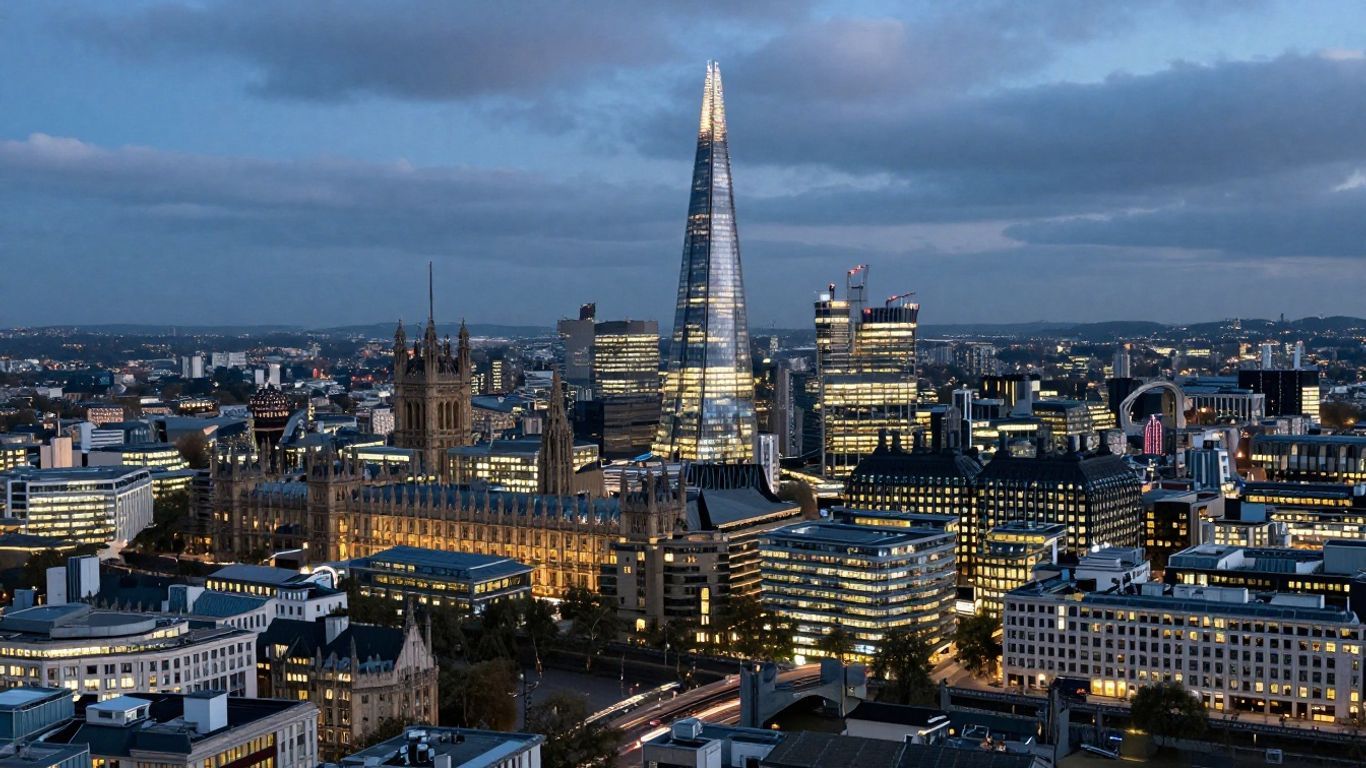
Indeed, when we delve into the discourse surrounding the United Kingdom's most populous cities, London unequivocally stands in a league of its own. It functions not merely as the nation's capital, but as a preeminent global centre, consistently drawing individuals from every corner of the world. The sheer volume of its residential population is immense, establishing it as the largest metropolitan area in the UK by a truly substantial margin.
Greater London's Estimated 2026 Population
London's sheer scale is, quite frankly, astonishing. It functions as a potent magnet, attracting enterprises, fostering cultural innovation, and welcoming people from diverse backgrounds globally. This immense concentration of residents, naturally, engenders its own unique array of challenges—consider, for instance, the intricate task of managing its sprawling transportation networks or ensuring adequate housing provisions for its vast populace.
Below is an outline of the population projections for London in 2026:
| Area | Estimated Population (2026) |
|---|---|
| Greater London | ~9,500,000 |
This figure encompasses not only those residing within the city's formal administrative boundaries but also the myriad surrounding towns and suburbs, all intricately linked through daily commuting patterns and robust economic relationships. A bustling metropolis with a rich and enduring history, its profound influence persistently molds the entirety of the UK's urban landscape.
London as a Global Hub and Magnet
London's esteemed status as a premier global city is certainly not a recent phenomenon; indeed, its roots extend back through many centuries. It has undeniably evolved into an unparalleled powerhouse for finance, arts, and education. This enduring appeal, harmoniously combined with its robust economy and wonderfully diverse culture, serves as a formidable draw for millions of individuals worldwide.
- A Financial Epicenter: As a preeminent global financial hub, London consistently attracts businesses and skilled professionals from across the international spectrum.
- Cultural Melting Pot: The city proudly boasts an extraordinary diversity of cultures, languages, and traditions, thereby establishing itself as an exceptionally vibrant and appealing place to reside.
- Educational Excellence: Being home to numerous world-renowned universities and leading research institutions, it naturally attracts a vast cohort of students from every continent.
Challenges and Dynamics of a Mega-City
Residing within such a colossal urban expanse inherently implies the perpetual existence of complex logistical and social challenges. The sheer magnitude of its population necessitates constant, concerted effort and astute strategic planning to ensure the seamless functioning of its intricate systems.
The scale of London presents ongoing needs for infrastructure development, housing solutions, and sustainable urban planning to accommodate its vast and growing population.
From the daily imperative of maintaining the timely operation of the Tube network to the critical pursuit of securing affordable housing, the city persistently adapts to the multifaceted needs of its millions of residents. Indeed, it is a locale of perpetual activity, presenting boundless opportunities while simultaneously demanding meticulous management to ensure a high quality of life for all.
Major Urban Centers Beyond the Capital
While London undeniably commands a unique prominence, the United Kingdom proudly hosts a substantial array of other cities that serve as profoundly significant population centres. These urban areas are not merely extensive; they function as vibrant epicentres of activity, rich culture, and robust economic life, consistently attracting individuals from diverse locales.
Birmingham: The Midlands' Population Powerhouse
Birmingham is frequently lauded as the United Kingdom's 'second city,' and with ample justification. It represents a vast urban conurbation situated squarely in the nation's heartland, distinguished by a population that has experienced consistent and sustained growth. Historically, it functioned as an industrial powerhouse, and whilst its economic landscape has certainly transformed, it undeniably remains a pivotal economic driver for the entire Midlands region. One might envision it as a locale rich in profound historical resonance, yet one that simultaneously undergoes perpetual evolution.
- Estimated 2026 Population: Exceeding 1.1 million residents.
- Key Features: Characterised by a diversified economy, a notably younger demographic profile compared to many other substantial cities, and a rich industrial heritage.
- Growth Trend: Persistently attracts new residents, thereby demonstrating consistent population augmentation.
Manchester and Glasgow: Dynamic Urban Hubs
Journeying northward, Manchester and Glasgow emerge as two further cities of considerable distinction. Both have experienced profound transformations in recent decades, successfully shedding earlier industrial images to re-emerge as vibrant, thoroughly modern metropolises. They are celebrated for their dynamic arts scenes, influential music, and significant sporting achievements, but also – importantly – for providing robust employment opportunities, particularly within burgeoning sectors such as technology and media. Is it any surprise, then, that individuals are increasingly drawn to these thriving urban centres?
- Manchester: A pivotal centre in the North West of England, acclaimed for its extensive regeneration efforts and pronounced cultural identity.
- Glasgow: Scotland's largest urban expanse, renowned for its welcoming ambience and its crucial function as a cultural and economic linchpin.
Other Significant Metropolitan Areas
Beyond these universally recognised names, the UK is home to numerous other cities that function as substantial and impactful population centres. Cities such as Leeds, Liverpool, Sheffield, and Bristol each command significant populations and fulfil vital roles within their respective regions. While perhaps not consistently garnering the same national headlines as London or Birmingham, they are, without question, undeniably crucial components of the United Kingdom's intricate urban tapestry.
The concentration of people in these cities isn't accidental. It's a result of history, economic opportunities, and the sheer convenience and variety of services that larger urban areas tend to offer. These aren't just numbers—they represent the pulse of the nation.
| City | Estimated 2026 Population (Approx.) | Region |
|---|---|---|
| Leeds | 800,000 | Yorkshire |
| Liverpool | 500,000 | North West |
| Sheffield | 580,000 | Yorkshire |
| Bristol | 470,000 | South West |
Regional Distribution of UK's Most Populous Cities
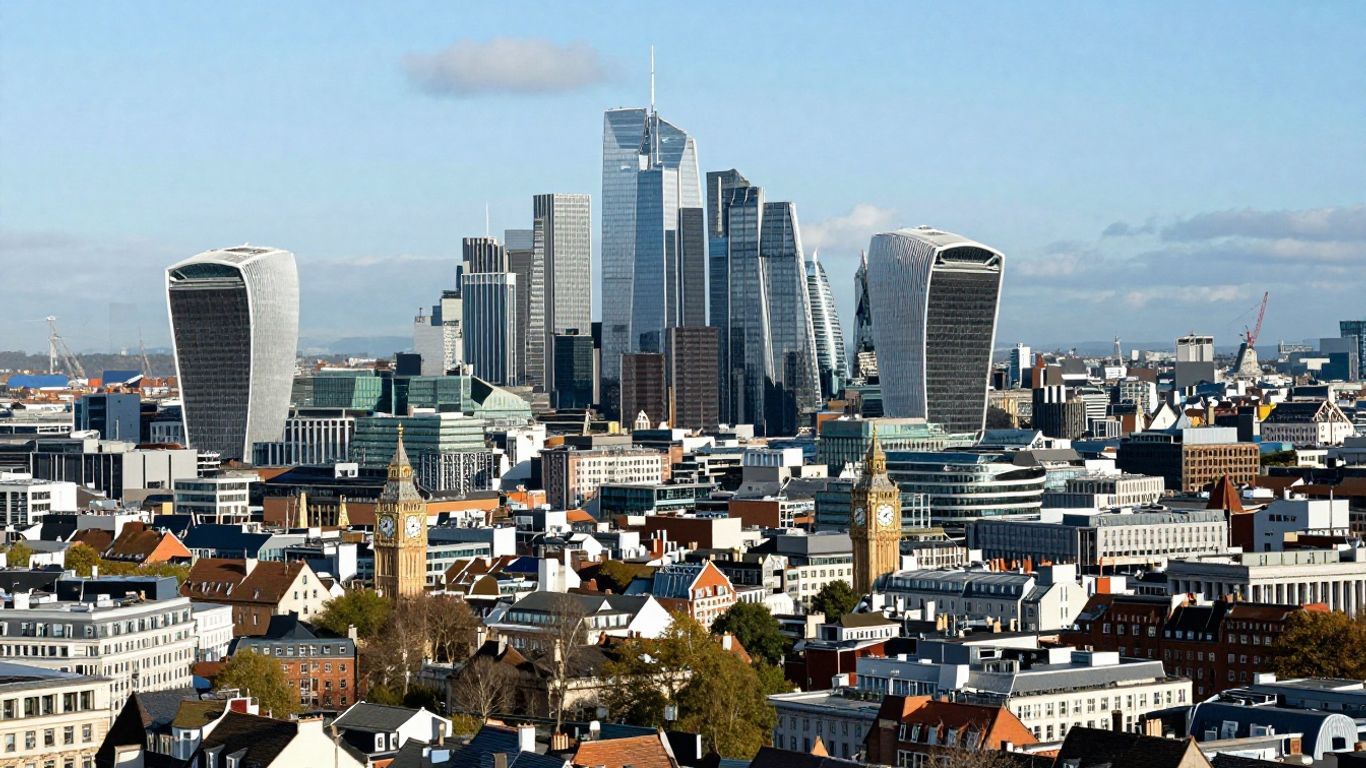
Upon examining the geographical distribution of the United Kingdom's largest cities, a distinct pattern readily emerges: England predominantly hosts the majority of these urban powerhouses. This is no mere coincidence; rather, it is intricately linked to the nation's historical development—the concentration of economic opportunities, and the extensive transport infrastructure established over centuries. While London undeniably remains in a category unto itself, other significant English cities, such as Birmingham and Manchester, also function as substantial population centres.
England's Concentration of Large Urban Areas
England genuinely accounts for the lion's share of the United Kingdom's most populous urban areas. Consider London, naturally, but also the formidable West Midlands conurbation—anchored by Birmingham—Greater Manchester, and West Yorkshire, an expansive region encompassing Leeds and Bradford. These regions frequently capitalise on robust economic linkages and comprehensive transport infrastructure, rendering them highly appealing locations for both residence and employment. The sheer geographic and demographic scale of these English urban areas is, indeed, quite remarkable.
Presented below is an outline of some prominent English metropolitan areas and their estimated populations for 2026:
| Metropolitan Area | Estimated Population (2026) | Key Cities Included |
|---|---|---|
| Greater London | ~9,500,000 | London |
| West Midlands | ~3,100,000 | Birmingham, Coventry, Wolverhampton |
| Greater Manchester | ~2,900,000 | Manchester, Salford, Bolton, Stockport |
| West Yorkshire | ~2,700,000 | Leeds, Bradford, Wakefield |
| Merseyside | ~1,500,000 | Liverpool, Birkenhead, St Helens |
| Tyneside | ~1,200,000 | Newcastle upon Tyne, Gateshead, South Shields |
Scotland's Primary Population Centers
Within Scotland, Glasgow distinctly emerges as the nation's largest city and a profoundly significant demographic hub. While its population is admittedly considerably smaller than that of England's preeminent cities, it nevertheless endures as an absolutely vital urban centre. Edinburgh, the capital, likewise maintains a substantial population, albeit one that does not attain the demographic scale of Glasgow. Collectively, these cities serve as crucial economic and cultural drivers for the entirety of Scotland.
Northern Ireland and Wales' Urban Landscape
Northern Ireland's most populous city is, unequivocally, Belfast. It functions as the principal urban centre and the economic heartland of the region. While it certainly holds considerable significance for Northern Ireland, its population magnitude positions it within a distinct demographic category when compared against the largest cities in England or Scotland. In a similar vein, Cardiff in Wales stands as both the capital and the nation's largest city. It serves as the primary nexus for commerce and culture within Wales, yet much like Belfast, it does not feature within the uppermost echelons of UK-wide city populations. This observation thereby highlights a discernible divergence in urban concentration patterns when juxtaposed with England.
The distribution of large cities across the UK isn't just about numbers—it tells a story of history, trade, and where people have chosen to build their lives over centuries. This pattern continues to shape the country's social and economic makeup today.
Factors Influencing City Population Growth
What, then, are the underlying drivers that propel a city's growth? Typically, it isn't a singular factor, but rather a confluence of diverse elements that collectively attract individuals, contributing to an urban area's expansion. Consider, for a moment, the myriad reasons an individual might choose to relocate to a new city. Most frequently, the compelling impetus boils down to opportunity.
Migration Patterns and Demographic Shifts
The dynamics of human migration constitute a pivotal component in the evolution of urban populations. This encompasses both international migrants, frequently seeking employment or educational pursuits, and internal migrants. It also includes individuals relocating within the UK, for example, from rural areas to urban centres, typically driven by career prospects or academic opportunities. Crucially, these shifts indicate that urban growth is not solely attributable to natality rates; rather, it is significantly shaped by individuals' active decisions regarding their place of residence.
Economic Opportunities and Employment
The vibrancy of a city's job market represents a particularly potent attraction. When an urban area boasts abundant employment opportunities and thriving diverse industries, it naturally becomes a desirable destination for prospective residents. This holds especially true for young professionals embarking on their careers or for individuals seeking a significant career transition. Cities recognised for their robust business environments frequently draw a skilled workforce. This phenomenon is particularly evident as emerging technologies reshape global economies; urban centres that adeptly adapt often experience notable surges in their population figures.
Below is an illustrative overview of the interplay between job growth and concomitant population shifts:
| City | Estimated Job Growth (2025-2026) | Estimated Population Growth (2025-2026) |
|---|---|---|
| Manchester | +3.5% | +1.8% |
| Bristol | +3.0% | +1.5% |
| Leeds | +2.8% | +1.4% |
| Birmingham | +2.5% | +1.2% |
Infrastructure and Living Arrangements
Beyond economic opportunities, cities present a compelling array of additional attractions. Consider, for example, the distinctive urban ambience, the vibrant cultural mosaic, and the rich diversity of its populace. Urban centres renowned for their inclusivity and welcoming atmosphere typically draw a wide spectrum of residents. Furthermore, the presence of universities plays a substantial role. Locations boasting prestigious educational institutions frequently witness an influx of young individuals pursuing higher education, with a significant proportion choosing to remain post-graduation. This phenomenon significantly contributes to both the city's dynamic energy and its overall demographic count. Additionally, factors such as efficient public transportation, housing availability, and the intrinsic allure of urban living all exert influence on attracting residents and shaping the trajectory of urban expansion.
The way we measure a city's population can sometimes be quite nuanced. Official boundaries might not always fully encapsulate the actual residential footprint. This inherent complexity can, at times, render inter-city comparisons somewhat imprecise—a crucial consideration when interpreting demographic data.
The Evolving UK Population Map
Identifying Areas of Expansion
The demographic map of the United Kingdom is far from static; instead, it represents a dynamic tableau, perpetually reconfigured by individuals' choices regarding their place of residence and employment. While prominent urban centres such as London, Birmingham, and Manchester consistently attract substantial populations, we are simultaneously observing distinct growth trends in specific emerging areas. Numerous local authorities, particularly those situated within the South East, South West, and East of England, are currently witnessing a discernible increase in their resident populations. This notable influx frequently indicates regions that present attractive new housing developments, enhanced transport connectivity, or a more accessible lifestyle when contrasted with long-established urban centres. It represents a subtle yet consequential shift, one that is rendering these areas progressively more significant within the national demographic mosaic.
Understanding Population Density
Population density serves as a fundamental metric for comprehending the perceived 'crowdedness' of any given city or region. England, on a nationwide scale, generally exhibits a higher population density compared to other constituent nations of the UK. Nonetheless, this metric can fluctuate considerably even within England's own borders. For instance, while Greater London demonstrates extraordinary density, other expansive urban areas across the nation may exhibit comparatively lower densities, often attributable to more dispersed development patterns. An analysis of density assists us in grasping the tangible implications of raw population figures, influencing a spectrum of urban elements—from the efficacy of public transport systems to the accessibility of vital green spaces. Ultimately, it is not merely the aggregate number of people that matters, but critically, how they are strategically distributed across the landscape.
The Narrative Behind the Numbers
These significant population shifts are not merely statistical—they tell a profound story. They distinctly mirror individual choices, often propelled by economic opportunities, familial requirements, and evolving lifestyle preferences. We observe a compelling pattern where certain urban centres exhibit robust growth, whilst conversely, particular rural or even some inner-city areas may be experiencing a decline in resident numbers. This dynamic movement is influenced by an array of factors, notably including fluctuating job markets, the cost of housing, and the accessibility of essential amenities. Indeed, the United Kingdom's population map functions as a living, breathing document, intricately shaped by both individual decisions and pervasive societal trends. A nuanced understanding of these underlying narratives is crucial for appreciating the intricate and complex forces actively shaping our communities. For those interested in the economic forces influencing these shifts, keeping an eye on economic data from key European countries can provide valuable context.
Below, we present an overview of how populations have evolved over a defined period:
| Country | Mid-2011 Population | Mid-2022 Population | Percentage Change |
|---|---|---|---|
| United Kingdom | 63,187,000 | 66,436,000 | 5.1% |
| England | 53,012,000 | 56,554,000 | 6.7% |
| Scotland | 5,295,000 | 5,437,000 | 2.7% |
| Wales | 3,063,000 | 3,170,000 | 3.5% |
| Northern Ireland | 1,816,000 | 1,903,000 | 4.8% |
The figures we see are more than just numbers; they represent where people are choosing to build their lives, find work, and raise families. This ongoing demographic evolution fundamentally shapes the character and future of towns and cities across the nation.
Wrapping Up Our Population Journey
Thus far, we have meticulously explored the United Kingdom's most populous cities, examining their demographic standings. London, as anticipated, commands a substantial lead. However, it remains quite fascinating to observe how other significant urban areas, such as Birmingham, Manchester, and Glasgow, consistently retain their positions as pivotal population centres. These figures, therefore, illuminate where individuals are electing to establish their residences, pursue careers, and build their lives in the year 2026. Indeed, these are more than mere statistics; they narrate a broader story about employment prospects, available opportunities, and the intrinsic qualities that define a desirable place to live. While the preeminent cities continue to experience growth, it serves as an important reminder that the UK's demographic landscape is in a state of perpetual, albeit sometimes subtle, evolution. Monitoring these ongoing trends offers invaluable insight into the nation's developmental trajectory and potential future directions.
Frequently Asked Questions
What is the biggest city in the UK by population?
London unequivocally stands as the largest city in the United Kingdom. It truly occupies a distinct category, setting it apart from all other urban centres. By 2026, its population is projected to reach approximately 9.5 million, thereby solidifying its status as an immense global hub for individuals from every continent.
Which cities are the next biggest after London?
Following London, cities such as Birmingham, Manchester, and Glasgow are consistently ranked among the most populous urban centres. These metropolitan areas function as significant magnets, drawing substantial populations due to their employment opportunities and vibrant urban lifestyles. They consistently feature as exceptionally large and influential urban conurbations.
Why do some cities have more people than others?
A combination of factors contributes to urban growth. Individuals frequently relocate to areas offering enhanced employment prospects and greater opportunities for career advancement. Furthermore, the presence of efficient transportation networks, accessible housing, and an overall high quality of life significantly augments a city's appeal to potential residents.
Are most of the big cities in England?
Indeed, England is home to the majority of the United Kingdom's largest cities. This phenomenon is largely attributable to its extensive historical development, robust economy, and well-established transportation infrastructure. While urban centres such as Glasgow in Scotland and Belfast in Northern Ireland hold considerable significance, England unequivocally hosts the most densely concentrated population hubs.
Does population density matter?
Population density is a crucial metric, as it provides insight into the spatial distribution of residents and the resulting perception of 'crowdedness' within an area. Regions surrounding major cities such as London and Birmingham are indeed characterised by very high population densities, signifying a substantial number of residents occupying a comparatively compact geographic area. This contrasts sharply with many areas in Scotland or Wales, where the populace tends to be more geographically dispersed.
How do these population numbers change over time?
Urban populations are inherently dynamic, undergoing continuous evolution. Individuals frequently relocate due to employment opportunities, educational pursuits, or familial considerations. Furthermore, both birth rates and mortality rates exert an influence on these demographic shifts. Collectively, these shifts imply that the demographic map of the United Kingdom is in a state of perpetual, albeit subtle, transformation—effectively illustrating where new opportunities are emerging and where communities are experiencing growth.


