


resources
Washington DC Smart City: Innovations Shaping the Future of the Capital
30 Jan 2026

Washington, D.C. is truly stepping up its game, enthusiastically embracing innovative smart city initiatives. At its core, this ambitious endeavor centers on leveraging cutting-edge technology to significantly enhance the quality of life for everyone who calls the capital home, as well as for its many visitors. Imagine—smarter traffic flows, more seamlessly connected public services, and increasingly effective strategies to maintain our environment's pristine condition. Indeed, this robust push towards becoming a "smart Washington D.C." is profoundly shaping how the city operates not only today but also for generations to come.
Key Takeaways
- Washington, D.C. is harnessing the power of technology to elevate the daily experience for both its residents and those visiting.
- Sophisticated smart traffic systems, coupled with real-time data, are instrumental in alleviating congestion and streamlining urban mobility.
- A core focus of these initiatives is enhancing the city's sustainability footprint through advanced energy and water efficiency measures.
- Critically, active citizen participation is being prioritized in the strategic planning and evolution of novel smart city solutions.
- Indeed, a dynamic collaboration between public and private sector entities is serving as the primary catalyst for groundbreaking innovations across the capital.
Washington, D.C. Smart City Initiatives
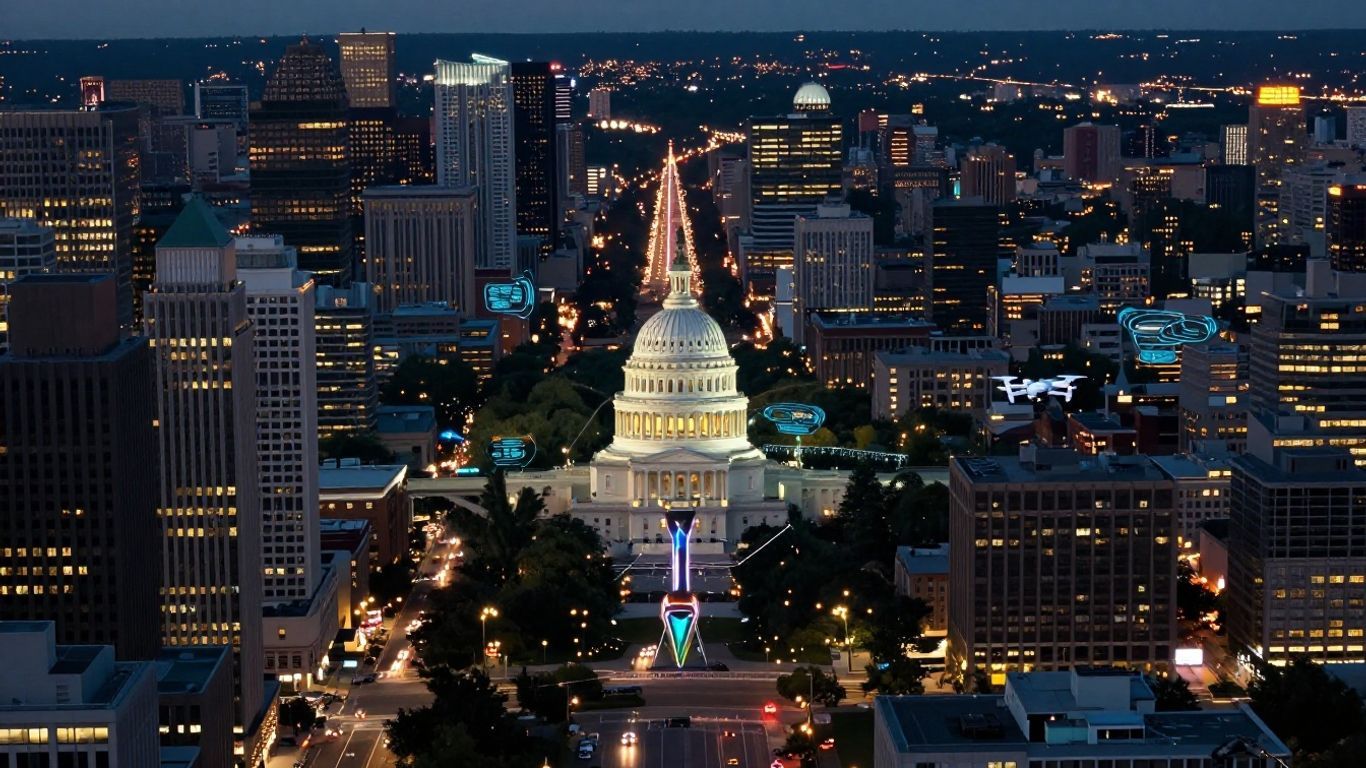
Washington, D.C. is wholeheartedly embracing smart city concepts, striving to elevate urban living for everyone. The capital is strategically deploying technology and leveraging data to refine its operations, ranging from enhancing daily commutes to optimizing the delivery of essential city services. Ultimately, the overarching goal is to cultivate a capital that is even more connected, remarkably efficient, and profoundly livable for both its cherished residents and its many welcome visitors.
Leveraging Technology for Enhanced Urban Living
Urban environments are inherently complex, and D.C. is keenly exploring how technology can effectively simplify the rhythms of daily life. This endeavor entails examining how sensors and interconnected devices might be utilized to ensure smoother city functions. Can you imagine, for instance, traffic lights that autonomously adjust based on real-time traffic flow, or receiving instantaneous updates on the optimal location to park your vehicle? It truly is all about making the city considerably easier to navigate and, indeed, a more pleasant place to inhabit.
Data-Driven Solutions for City Operations
Modern cities, D.C. included, generate an immense volume of information, and the capital is adeptly learning to harness this wealth of data for more informed decision-making. By meticulously analyzing information from diverse sources, city officials can gain an exceptionally clear perspective on unfolding events. This analytical approach proves invaluable in managing resources with greater efficacy and addressing potential issues proactively, often before they escalate into significant challenges. For example, a granular understanding of movement patterns can help optimize public transportation routes or streamline waste collection processes more efficiently.
Fostering Connectivity for All Residents
Connectivity stands as a foundational pillar of any truly smart city. To that end, D.C. is diligently working to ensure that every individual has equitable access to the digital tools and crucial information they require. This commitment manifests through various initiatives, such as deploying public Wi-Fi in an expanded number of areas and meticulously ensuring that digital services are universally accessible.
- Digital Kiosks: These innovative installations are progressively appearing in public spaces, providing convenient free Wi-Fi and direct access to vital city information.
- Broadband Expansion: Substantial efforts are actively underway to significantly enhance internet access across all neighborhoods, bridging potential divides.
- Digital Literacy Programs: Offering crucial support, these programs empower residents to acquire the essential skills needed to effectively utilize new technologies.
The underlying philosophy is clear: by seamlessly connecting people to critical information and essential services, we can collectively forge a more informed and actively engaged community—one where every individual truly has the opportunity to benefit fully from the city's continuous advancements.
Innovation in Transportation and Mobility
Navigating Washington, D.C. is truly experiencing a significant upgrade. The capital is diligently exploring and implementing novel approaches designed to render travel smoother, more expeditious, and notably more convenient for everyone. This evolution isn't merely about augmenting the number of buses or trains; rather, it’s a strategic deployment of smart technology to fundamentally reimagine urban mobility.
Smart Traffic Management Systems
Can you envision traffic lights that actively communicate with one another, dynamically adjusting their timing based on real-time traffic flow? That's precisely the vision underpinning smart traffic management. Sophisticated sensors strategically positioned throughout the city gather comprehensive data on vehicle movement, and this critical information is then utilized to optimize signal sequencing. The primary objective is to significantly reduce unnecessary stops, drastically cut down on idling time, and generally facilitate a freer, more fluid movement of traffic. Furthermore, this proactive system is instrumental in helping emergency vehicles reach their destinations more rapidly by effectively clearing a path.
- Real-time traffic data collection
- Adaptive signal control
- Reduced congestion and travel times
- Improved emergency response
Real-Time Wayfinding and Parking Solutions
Who hasn't endured the exasperating experience of circling a block for what felt like an eternity, desperately seeking a parking spot? Smart city technology is explicitly designed to put an end to such frustrations. Today, intuitive apps and dynamic digital signs can precisely indicate the location of available parking spaces, guiding you directly to them. Concurrently, access to real-time transit information is becoming increasingly ubiquitous, allowing you to know with absolute certainty when your bus or train will arrive. This invaluable, readily available information empowers individuals to make more informed travel decisions and appreciably lessens the inherent stress of urban commuting. Moreover, cities like D.C. are actively investigating methods to ensure this information is universally accessible to all residents, extending beyond just those equipped with the latest smartphones. For instance, some forward-thinking municipalities are even integrating traffic and land use planning to further enhance the efficacy of these systems, much like the progressive efforts seen in Helsinki.
Making it effortlessly simpler to locate parking and ascertain the arrival time of your chosen mode of transport isn't merely about enhancing convenience; it fundamentally contributes to making the city more accessible and significantly less frustrating for daily life.
Promoting Sustainable Transit Options
Beyond the immediate goal of expedited travel, D.C. is also intensely focused on cultivating a greener transportation landscape. This commitment encompasses expanding and refining public transit options, rendering them both more reliable and inherently user-friendly. A robust push is also underway for more extensive bike-sharing programs and substantially improved infrastructure tailored for cyclists and pedestrians alike. By rendering sustainable choices more appealing and readily accessible, the city ardently hopes to diminish its overall carbon footprint and tangibly enhance air quality. Ultimately, the emphasis is squarely on forging a comprehensive transportation network that harmoniously serves both its people and the planet.
- Expanding public transit networks
- Supporting bike-sharing and micro-mobility
- Improving pedestrian infrastructure
- Incentivizing the use of electric vehicles
Sustainable Urban Development
Cities globally are increasingly examining how cutting-edge technology can serve as a powerful catalyst for becoming more environmentally responsible. Washington, D.C. is certainly no exception, steadfastly focusing on innovative methods to significantly diminish its ecological footprint while simultaneously enhancing the quality of life for its cherished residents. This commitment necessitates intelligent, holistic approaches to energy, water, and waste management.
Energy Efficiency Through Smart Lighting
Among the most immediately noticeable transformations within a smart city is often the evolution of its streetlights. D.C. is diligently exploring sophisticated smart lighting systems that transcend mere street illumination. These advanced lights can be outfitted with an array of sensors designed to detect motion, intelligently dimming when areas are unpopulated and brightening responsively as people or vehicles approach. This not only yields substantial energy savings but also effectively curtail many forms of light pollution. Moreover, beyond simply conserving power, these interconnected lights possess the capability to function as versatile hubs for other environmental sensors, diligently collecting crucial data on air quality or traffic flow—thereby rendering them truly multi-functional assets for the municipality.
Water Conservation and Management
The judicious management of water resources represents a critically important undertaking, particularly within densely populated urban areas. Smart city technologies are empowering Washington, D.C. to maintain a more vigilant oversight of its water consumption and proactively identify potential issues. This comprehensive approach incorporates smart meters that furnish real-time data on usage, enabling both municipal authorities and individual residents to meticulously track consumption and pinpoint any leaks or inefficiencies. Furthermore, advanced sensor networks are deployed to rigorously monitor the quality of water in rivers and throughout distribution systems, which is vital for preventing contamination and stewarding resources more effectively. Indeed, proactive maintenance of the city's vital water infrastructure is paramount to ensuring uninterrupted service and realizing significant cost savings, ultimately preventing more costly repairs down the line. Check out San Francisco's dedication to robust water infrastructure for a compelling parallel.
Reducing Environmental Impact with Technology
Beyond the realms of smart lighting and water management, technology undeniably plays a pivotal role in numerous other facets of sustainability. For instance, intelligent waste management systems can meticulously optimize collection routes, leading to discernable reductions in fuel consumption and vehicle emissions from garbage trucks. Sensors embedded within waste bins can autonomously signal when they are full, ensuring that collection vehicles are dispatched only where truly needed. The city is additionally exploring how to effectively leverage data for better stewardship of green spaces, vigilantly monitor air quality across its diverse neighborhoods, and vigorously promote the adoption of electric vehicles through a well-designed smart charging infrastructure.
Ultimately, the ambition is to meticulously craft a city that is not merely technologically advanced but also demonstrably healthier and a more genuinely pleasant place to reside—adroitly balancing continued urban growth with an unwavering commitment to environmental responsibility.
Here are some of the key strategies D.C. is employing to realize this vision:
- Implementing smart grids for more efficient energy distribution.
- Utilizing advanced sensors to continuously monitor and enhance air and water quality.
- Optimizing waste collection routes to tangibly reduce emissions.
- Actively promoting the integration of renewable energy sources across all city operations.
Community Engagement and Empowerment
Ensuring a smart city genuinely serves everyone necessitates robust public involvement. It extends far beyond the mere implementation of novel technologies; it's fundamentally about ensuring residents feel genuinely heard and can effectively utilize these emergent systems. Washington, D.C. is thoughtfully addressing this crucial aspect from multiple perspectives.
Digital Kiosks for Public Access
Consider these innovative installations as contemporary, digital town squares. These strategically placed kiosks are progressively appearing in public spaces, offering individuals a convenient gateway to access vital city services, acquire essential information, and even connect to free Wi-Fi. They represent a significant stride towards bridging the digital divide, empowering those without consistent internet access to remain well-informed and connected. Users can leverage them for a wide array of functions, from checking real-time bus schedules to discovering upcoming local events. Ultimately, the overriding goal is to render city information and services universally available to all, irrespective of their personal technological setup.
Citizen Input in Smart City Planning
Who possesses a deeper understanding of a neighborhood's nuances than the very individuals who reside there? This profound insight is precisely why D.C. is proactively integrating citizens into the foundational planning process for its smart city projects. This initiative transcends merely soliciting opinions; it’s about actively seeking substantive feedback on community needs and discerning how nascent technologies can most effectively address localized challenges. Such engagement might manifest through interactive workshops, comprehensive online surveys, or even dedicated community town halls.
- Identifying local needs and priorities.
- Gathering insightful feedback on proposed technology solutions.
- Building invaluable trust through transparent communication.
When municipalities thoughtfully involve their residents during the initial planning stages, the resulting projects are demonstrably more likely to achieve widespread adoption and prove genuinely beneficial. This approach effectively shifts the paradigm from simply deploying technology to truly resolving tangible community issues.
Enhancing Civic Participation Through Connectivity
Improved internet accessibility and sophisticated digital tools possess the remarkable capacity to significantly facilitate greater public participation in local governance and community life. This could encompass online platforms designed for streamlined issue reporting, innovative digital instruments for voting on local initiatives, or simply more robust and transparent communication channels between residents and city officials. In essence, it’s about leveraging technology to render civic life more approachable and profoundly engaging for everyone. For instance, cities are actively exploring how to utilize these powerful tools to enhance communication during emergencies or to solicit invaluable input on novel park designs. This comprehensive approach helps cultivate a more connected and responsive city, where every voice truly matters. As Gregory Pranzo compellingly advocates, you can clearly observe this intrinsic connection to fostering smarter communities through the implementation of fit-for-purpose technologies here.
Driving Innovation Through Collaboration
The Accelerate Smart Cities Innovation Challenge
Indeed, cities rarely become smarter in isolation. This is precisely where pioneering programs like the Accelerate Smart Cities Innovation Challenge prove invaluable. At its heart, this dynamic initiative is meticulously designed to unite astute individuals from the tech industry with imaginative entrepreneurs and burgeoning startups. For approximately six intensive weeks, participating teams collaborate on forging innovative solutions poised to make a tangible difference. They gain the unparalleled opportunity to learn from and work alongside esteemed experts across diverse fields. Moreover, it serves as an exceptional avenue for cities to rigorously pilot new technologies aimed at resolving specific, pressing urban challenges.
Participating companies are afforded the crucial opportunity to present their groundbreaking ideas on a spectrum of vital topics, including enhanced internet accessibility, affordable housing, multimodal transportation, public health, water management, food security, educational advancement, robust infrastructure, sustainable energy, and comprehensive public safety. The overarching ambition is to unearth solutions that genuinely foster equitable opportunities for all inhabitants of the Washington, D.C. metropolitan area. This prestigious challenge offers attractive prizes, invaluable opportunities to prototype projects, and even coveted office space. Selection criteria are multifaceted, typically hinging on the novelty of the idea, its demonstrable feasibility and scalability, its potential regional impact, and its inherent fairness and broad benefit to the community.
This distinctive challenge program not only significantly strengthens connections within the vibrant startup ecosystem but also furnishes municipalities with an invaluable mechanism to rigorously vet fresh concepts. It represents a substantial stride towards cementing our region's status as a preeminent leader in technological advancement and forward-thinking urban solutions.
Public-Private Partnerships for Urban Solutions
Cultivating a smarter urban environment frequently demands more than governmental action alone. Public-private partnerships are, in fact, absolutely critical for introducing fresh perspectives, innovative ideas, and vital resources to the municipal landscape. These synergistic collaborations empower cities to tap into the boundless innovation and crucial funding that private companies can provide, while the public sector, in turn, contributes its profound understanding of community needs and essential regulatory frameworks. It truly represents a cooperative model for sharing both the diligent work and the resultant benefits.
Consider, for example, the transformation of antiquated payphones into sleek, modern smart kiosks offering Wi-Fi connectivity—a project that can be ingeniously financed through advertising revenue generated by the kiosks themselves, thereby alleviating the burden on taxpayer funds. This exemplary approach underscores how creative problem-solving can simultaneously address urban needs and enhance city services. Such partnerships are incredibly versatile, spanning a broad spectrum of initiatives, from fundamentally improving public transit networks to managing municipal resources with greater efficiency.
Connecting Innovators and Municipalities
Translating novel ideas from conceptualization to tangible real-world implementation necessitates robust and dynamic connections. Events and curated programs that converge city officials, pioneering tech developers, and engaged community members are unequivocally vital. These gatherings serve as essential forums for openly sharing successful strategies, identifying areas for improvement, and exploring nascent possibilities. Learning collectively from the experiences of other cities and diverse stakeholder groups is fundamentally how we collectively advance.
- Information Sharing: Transparent and open discourse regarding challenges and solutions profoundly benefits all parties involved, including tech enterprises, academic institutions, and citizen advocacy groups.
- Pilot Projects: Municipalities can prudently test new technologies on a circumscribed scale prior to a comprehensive rollout, thereby mitigating risk and diligently gathering essential feedback.
- Networking: Cultivating environments that foster opportunities for individuals from disparate backgrounds to convene and exchange ideas invariably ignites new and fruitful collaborations.
These vital connections are instrumental in propelling Washington, D.C. and other forward-thinking cities onward, meticulously ensuring that the technology being developed genuinely addresses and fulfills the actual needs of its residents.
Building the Smart City Workforce
Addressing the Talent Gap in Urban Technology
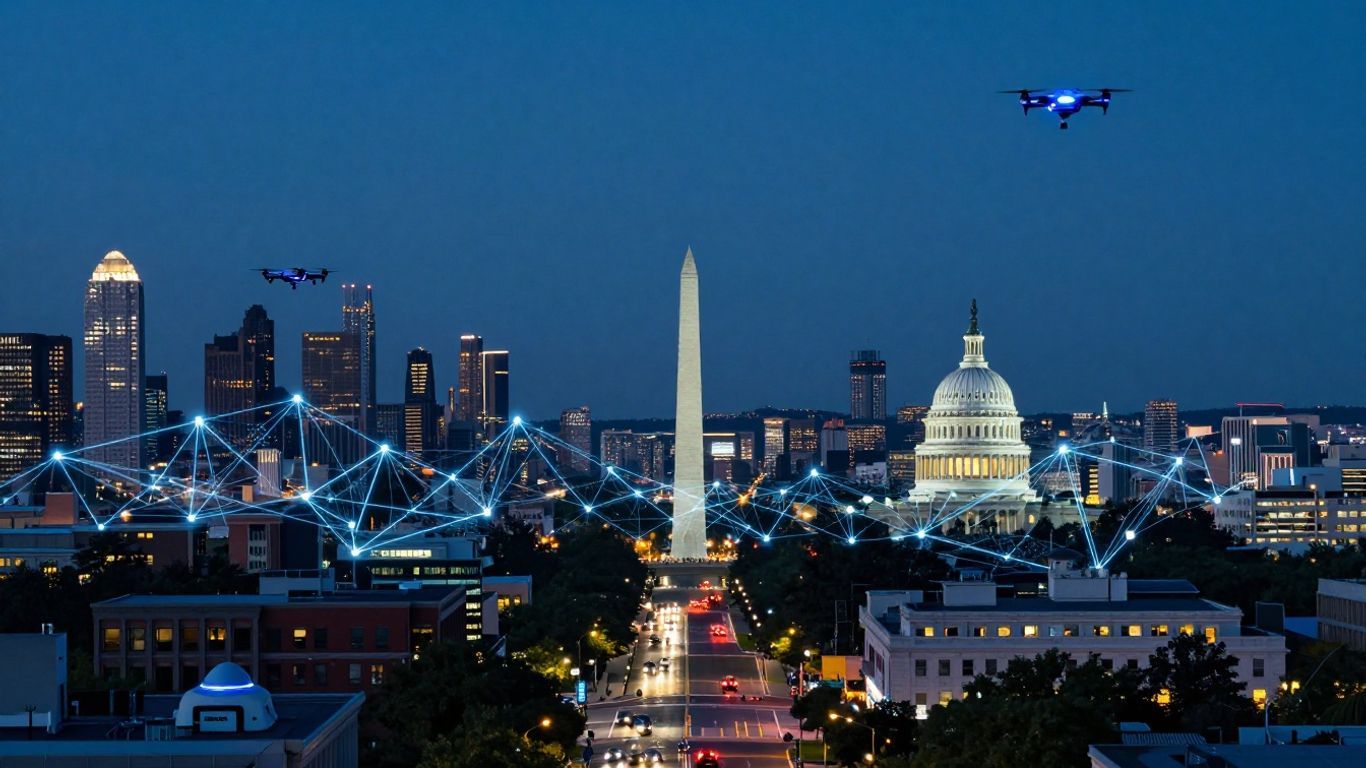
As Washington, D.C. resolutely advances its ambitious smart city vision, a notable and often significant hurdle invariably emerges: the critical task of identifying and retaining the requisite skilled personnel. It is simply insufficient to possess the latest gadgets and cutting-edge software; competent individuals are indispensable to ensure these sophisticated tools function effectively. One might liken it to constructing an intricate machine—even with all the finest components, without someone possessing the expertise to assemble them and maintain their operational integrity, it remains merely a collection of inert parts.
Consequently, municipalities must proactively consider strategies for both upskilling their existing workforce and strategically attracting new talent. This represents a substantial undertaking, one that numerous cities are actively navigating to ascertain the most efficacious approaches. Indeed, the enduring success of any smart city initiative critically hinges on cultivating a capable workforce adept at implementing and assiduously managing these transformative new technologies.
Developing Skills for Future Infrastructure
What precisely constitutes these essential skills we're discussing? It's, in fact, a multifaceted blend. We require professionals who possess a deep comprehension of data analysis, robust cybersecurity protocols, and the intricate workings of the Internet of Things (IoT). Yet, the demand extends beyond purely high-tech specializations. There's also a pressing need for individuals proficient in project management, adept at communicating complex changes to the public, and capable of understanding how novel systems seamlessly integrate into the city's established day-to-day operations.
Here are some of the pivotal areas cities like D.C. are prioritizing:
- Data Science and Analytics: Extracting meaningful insights from the vast amounts of information meticulously gathered by smart city sensors.
- Cybersecurity: Safeguarding critical city systems and sensitive resident data from an ever-evolving landscape of threats.
- Network Infrastructure: Designing, building, and diligently maintaining the robust digital backbone that interconnects every element.
- Urban Planning with Technology: Thoughtfully integrating smart solutions into the fabric of city design and comprehensive development strategies.
- Public Engagement: Articulately communicating complex technological advancements and their implications to the broader public.
Attracting and Retaining Tech Talent
Securing individuals with such highly sought-after skills for municipal roles can admittedly pose a formidable challenge. The private sector, after all, frequently presents opportunities boasting more competitive salaries and distinct work environments. Consequently, cities are compelled to adopt increasingly inventive strategies. They are actively exploring avenues such as:
- Training Programs: Offering specialized workshops and comprehensive courses to elevate the skill sets of existing city employees.
- Partnerships: Fostering strategic collaborations with universities and leading tech companies to cultivate robust talent pipelines.
- Apprenticeships: Establishing structured, hands-on training opportunities that provide practical experience.
- Clear Career Paths: Articulating transparent growth trajectories to prospective employees, illustrating how they can advance within city government.
Fundamentally, cultivating a smart city workforce transcends merely recruiting new individuals. It's about making a profound investment in the invaluable people already serving the city and, crucially, fostering an environment where tech talent genuinely desires to remain and dedicate their expertise to public service. This undeniably necessitates a long-term, comprehensive strategy that extends well beyond immediate project requirements.
Looking Ahead: The Smart City Journey Continues
Washington, D.C. is unequivocally charting an exciting course towards becoming a truly smarter city—and this transformation is about far more than merely deploying sophisticated technology. At its heart, it’s a deliberate strategy focused on leveraging powerful tools such as robust data analytics, seamlessly connected systems, and groundbreaking new ideas to genuinely enhance the quality of life for every individual who resides, works, or visits the capital. From ensuring smoother urban traffic flows to implementing more judicious energy consumption and fostering universal digital connectivity, these ongoing changes are already making a tangible, positive difference. Initiatives like the Accelerate Smart Cities Innovation Challenge powerfully underscore the city's earnest commitment to discovering and rigorously piloting novel solutions, effectively uniting brilliant minds with innovative companies. This vital work extends beyond immediate concerns; it's profoundly about meticulously constructing a more livable, efficient, and interconnected capital for many years into the future. The journey, certainly, is ongoing, and sustained collaboration among forward-thinking city leaders, visionary innovators, and engaged residents will prove absolutely pivotal in shaping a truly intelligent and vibrant future for Washington, D.C.
Frequently Asked Questions
What exactly defines a smart city?
Fundamentally, a smart city leverages advanced technology and comprehensive data to significantly enhance the urban experience for all its inhabitants and visitors. One might conceptualize it as endowing the city with an intelligent "brain" that facilitates smoother operations, optimizes energy consumption, and seamlessly connects people to vital information and essential services.
How does technology assist with traffic management in Washington, D.C.?
Washington, D.C. actively deploys intelligent traffic lights capable of dynamically adjusting their sequencing based on real-time traffic volumes, thereby effectively mitigating congestion. Furthermore, the city offers sophisticated systems that can direct you to available parking spaces and provides intuitive applications that delineate optimal travel routes, whether you choose to commute by public transit, bicycle, or personal vehicle.
Are smart cities inherently beneficial for the environment?
Absolutely, smart cities are fundamentally designed with environmental stewardship in mind! This commitment includes the implementation of smart streetlights that intelligently dim when areas are unoccupied, leading to substantial electricity savings, and the judicious management of water resources. By fostering more efficient transportation systems, these initiatives also play a crucial role in reducing urban air pollution.
How can individual citizens contribute to making D.C. a smart city?
Your insights are highly valued! Citizens are encouraged to share their perspectives and innovative ideas through accessible online platforms or during community engagement sessions. Your active input is instrumental in helping city leaders discern precise community needs and in ensuring that smart city projects are genuinely effective and inclusive for everyone. It truly is a collaborative effort to shape our urban future.
What is the Accelerate Smart Cities Innovation Challenge?
This distinctive program serves as a collaborative arena where talented individuals, including students and innovative companies, converge to conceptualize and develop novel solutions aimed at urban improvement. Their focus spans critical areas such as transportation, sustainable energy, and community welfare. It provides a unique conduit for new technologies to be rigorously tested and ultimately deployed to address tangible city problems.
Are specialized skills necessary for employment within a smart city framework?
As urban environments increasingly integrate technology, a demand for diverse skill sets naturally arises. This encompasses a broad range of expertise, from understanding complex computer systems and data analytics to possessing the technical knowledge required to construct and maintain innovative urban infrastructure. Cities are proactively investing in initiatives to help individuals acquire these emerging proficiencies, enabling them to actively participate in shaping our future urban landscape.


