
resources
Your Essential Quebec City Travel Guides: Planning the Perfect Trip
15 Jan 2026

Planning a trip to Quebec City can certainly feel a bit overwhelming, couldn't it? There's just so much to discover and experience in this truly historic locale. Naturally, you'll want to ensure you don't miss out on any key sights, but equally, you'd prefer to avoid that common rushed feeling. These Quebec City travel guides are thoughtfully designed to help you navigate it all. We'll meticulously break down the optimal times to visit, offer insights on how to get around like a seasoned local, and point you toward the most delightful culinary experiences. Ultimately, our aim is to make your visit as smooth and memorable as possible, whether you're embarking on your first adventure here or simply seeking a fresh perspective.
Key Takeaways
- Quebec City presents a distinctive fusion of old-world European allure and the familiar warmth of North American hospitality, establishing it as a truly special destination.
- When orchestrating your visit, it's wise to consider the best time to arrive based on both weather patterns and local events, and to factor in your desired length of stay to craft a well-rounded itinerary.
- Navigating Old Quebec predominantly involves exploring its charming, albeit often hilly, cobblestone streets on foot, though various local transport options are readily available for convenience.
- Ensure you indulge in authentic Québécois cuisine, sampling everything from offerings at bustling local markets to dishes served in quaint bistros and elegant fine dining establishments.
- To fully enrich your experience, consider familiarizing yourself with a few basic French phrases and gaining an appreciation for the local culture and its vibrant seasonal festivals.
Understanding Quebec City's Unique Appeal
Why Quebec City Captivates Travelers
Quebec City isn't merely another destination; it truly is a journey back in time, boasting a distinctly European atmosphere right here in North America. It often surprises many visitors, particularly those who might typically associate Canada solely with vibrant metropolises like Vancouver or Toronto. What truly distinguishes this city is its profound historical foundation, evident in the intricate architecture and the very ambiance of its old quarter. Indeed, this stands as the only fortified city north of Mexico—a remarkable fact that speaks volumes about its rich past and enduring appeal. Here, history isn't just confined to museums; it's alive in the cobblestone streets beneath your feet and the ancient walls that gracefully encircle you.
A Blend of European Charm and North American Warmth
Can you picture yourself meandering through narrow, winding streets, flanked by buildings that seem plucked straight from Paris or Brussels, only to be greeted by a friendly "Bonjour" and a genuine, welcoming smile? That's the quintessential Quebec City experience. It masterfully intertwines the romantic mystique of old-world Europe with the inviting spirit so characteristic of North America. You could easily spend your morning exploring historic ramparts, then dedicate your afternoon to savoring a coffee at a cozy café, all the while feeling a profound sense of ease and hospitality. It's this singular blend that gives visitors the impression of having traveled far, yet remaining comfortably close to home.
UNESCO World Heritage Significance
Old Quebec, the very heart of the city, holds a distinguished designation from UNESCO. This isn't just an honorary title; it signifies that the area is recognized for its outstanding universal value and is thus safeguarded for future generations. This esteemed status has been instrumental in preserving the historic architecture and the urban landscape, rendering it one of the most intact historic districts on the entire continent. A stroll through Old Quebec genuinely feels like stepping onto a meticulously crafted movie set, yet everything you see is real—the formidable fortifications, the venerable churches, and the iconic squares like Place Royale, where Samuel de Champlain founded the city way back in 1608. It's truly a living museum, and its UNESCO recognition plays a pivotal role in why it feels so uniquely special and authentic.
The dedicated preservation efforts within Old Quebec ensure that visitors can immerse themselves in a remarkably authentic historical environment. This steadfast commitment to maintaining its heritage is, without question, what truly sets Quebec City apart from numerous other North American urban centers.
Planning Your Quebec City Itinerary
Figuring out how to best spend your time in Quebec City is undeniably half the fun, isn't it? It's a destination brimming with history and charm, all neatly packed into a relatively compact area, particularly within Old Quebec. You'll naturally want to ensure you experience the iconic highlights, but also allow ample room for those delightful, spontaneous discoveries. The most rewarding itineraries, we find, strike a perfect balance between must-see sights and genuine local experiences.
Best Times to Visit Quebec City
Your choice of when to visit can profoundly alter the overall character of your trip. Summer, spanning from June through August, brings the warmest weather, creating ideal conditions for leisurely strolls along the Terrasse Dufferin or extensive explorations of the Plains of Abraham. However, do be mindful that this is also peak tourist season, meaning you should anticipate larger crowds and, typically, higher prices.
Autumn, from September to October, is visually stunning, with the foliage transforming into a vibrant tapestry of colors, especially around the city and on Île d’Orléans. It's generally cooler, but the scenery is simply breathtaking. This remains a highly sought-after period, so booking your accommodations and key activities well in advance is a smart move.
Winter, from December to March, is undeniably cold, but it’s also undeniably magical. Picture snow-dusted rooftops, inviting, cozy cafes, and, of course, the world-renowned Quebec Winter Carnival. If you're prepared to bundle up, you'll uncover a truly distinctive side of the city.
Spring, covering April and May, offers a bit of a mixed bag weather-wise, yet it's generally less crowded than summer or fall, and you'll witness the city gradually awakening after its winter slumber. You might also find prices to be a bit more favorable during this shoulder season.
Here's a concise overview of what you can expect:
- Summer (June-August): Warmest temperatures, highest tourist volume, and peak pricing.
- Fall (September-October): Exquisite foliage, cooler air, and moderate crowds.
- Winter (December-March): Cold, snowy conditions, unique festivals like the Winter Carnival, and fewer crowds outside of holiday periods.
- Spring (April-May): Variable weather, lighter crowds, and the city's gradual reawakening.
Crafting Day Trips and Extended Stays
Whether you have merely a day or a full week at your disposal, you can undoubtedly create an incredible experience. For a brief visit, concentrating your efforts on Old Quebec is ideal. You can walk the historic ramparts, admire the majestic Château Frontenac, and explore the charming byways of Petit Champlain.
Should your schedule permit more time, consider incorporating:
- Montmorency Falls: Just a short drive or bus ride from the city, these impressive falls actually surpass Niagara Falls in height and provide magnificent vistas, particularly from the suspension bridge.
- Île d’Orléans: This picturesque island, nestled in the St. Lawrence River, feels like a delightful step back in time. It's celebrated for its rich agricultural heritage, quaint villages, and delicious local products such as artisanal cider and fresh strawberries.
- Museums: Quebec City is home to several excellent museums, including the highly regarded Musée de la Civilisation and the Musée National des Beaux-Arts du Québec.
Strategic planning truly helps you maximize your time. Consider what you're most eager to see and do, and then group activities by their geographical location to minimize travel time within the city itself.
Curated Itineraries for Every Traveler
To assist you in beginning your planning, here are a few suggested ways you might structure your visit:
One Day in Quebec City:
- Morning: Embark on an exploration of Old Quebec, including a walk along the city walls, and take in the grandeur of the Château Frontenac.
- Lunch: Savor a delicious meal within the vibrant Petit Champlain district.
- Afternoon: Visit the expansive Plains of Abraham or delve into the exhibits at the Musée de la Civilisation.
- Evening: Conclude your day with a memorable dinner, perhaps with a scenic view.
Three Days in Quebec City:
- Day 1: Dedicate your time to Old Quebec, encompassing both the Upper and Lower Towns, with special attention to Place Royale and Petit Champlain.
- Day 2: Enjoy a captivating day trip to Montmorency Falls and the idyllic Île d’Orléans.
- Day 3: Explore the impressive Parliament Building, discover the treasures within the National Museum of Fine Arts, and perhaps indulge in some boutique shopping.
A Week in Quebec City:
- Build upon the three-day itinerary, allocating more time for exploring neighborhoods beyond Old Quebec, visiting additional museums, relishing leisurely meals, and perhaps embarking on a guided tour focused on history or gastronomy. You could also contemplate a day trip further afield, such as to the revered Sainte-Anne-de-Beaupré Shrine.
Navigating Quebec City Like a Local
Exploring Old Quebec's Cobblestone Streets
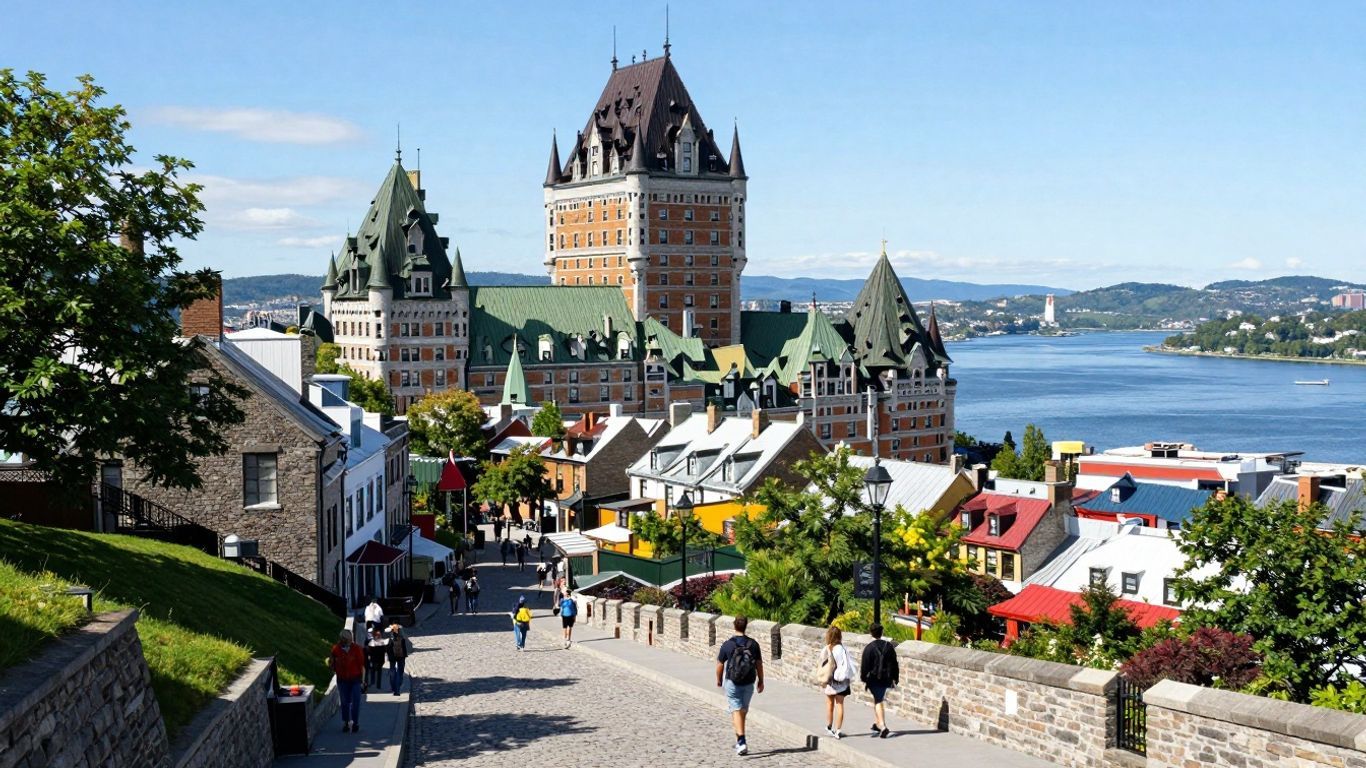
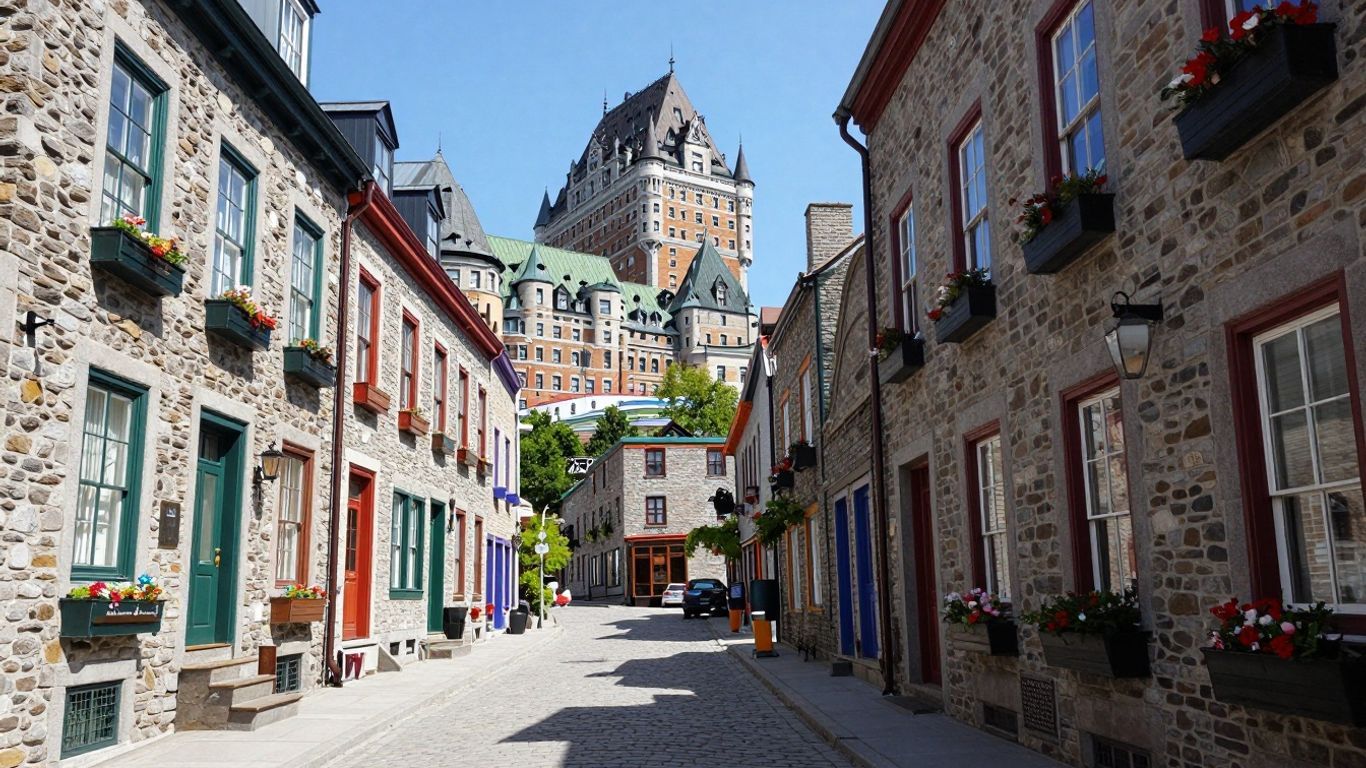
Walking through Old Quebec really does feel like a delightful step back in time. The streets here are delightfully narrow, wonderfully winding, and paved with authentic cobblestones, which, admittedly, can be a bit uneven underfoot. Our top tip? Wear comfortable shoes—think sturdy sneakers or reliable walking boots, definitely not heels or flimsy sandals. Many of the buildings boast historical significance, and you'll continuously stumble upon charming little shops, inviting cafes, and secluded courtyards tucked away from plain sight. Don't shy away from venturing off the main thoroughfares; that's often where the most genuine discoveries await. Also, keep an eye out for the Funiculaire, a charming funicular railway that efficiently connects the Lower Town (conveniently near Petit Champlain) to the Upper Town (close to the majestic Château Frontenac). It's a quick and scenic way to traverse between levels, offering fantastic views along the way.
Understanding Local Transportation Options
While Old Quebec is exceptionally walkable, you might find yourself needing alternative modes of transport, especially if your accommodation is a bit further afield or if you're planning day trips. The city operates an efficient public bus system, RTC (Réseau de transport de la capitale), which is quite effective for covering longer distances. You can easily purchase single tickets or multi-day passes, and it offers an excellent way to see more of the city beyond its historic core. Taxis and ride-sharing services are also readily available, providing convenience, particularly during late evenings or when you're managing luggage. Should you opt to rent a car, be aware that parking within Old Quebec is severely limited and can prove quite expensive. Many hotels do offer parking facilities, but it's always prudent to confirm this detail when making your reservation.
Embracing Quebec's Walkable Neighborhoods
Quebec City offers far more than just Old Quebec. Neighborhoods like Saint-Roch, for instance, exude a more modern, urban energy, complete with trendy boutiques, innovative restaurants, and vibrant art galleries. Montcalm, conversely, is renowned for its elegant architecture and its close proximity to the expansive Plains of Abraham. Navigating between these distinct areas is straightforward, thanks to the local bus system or a swift taxi ride. The real key, we believe, is to venture beyond the most celebrated sights. Each neighborhood possesses its own distinct character and boasts local spots that truly offer a genuine glimpse into the city's daily rhythm.
Quebec City's unique topography, characterized by its historic fortifications and elevated position, means that certain areas are quite hilly. While this undoubtedly enhances its charm, it also implies you'll gain a rather good workout exploring on foot. But do embrace these inclines; the panoramic views from the top are, almost without exception, well worth the effort.
Discovering Quebec City's Culinary Delights
Quebec City's culinary landscape is a truly delightful journey, masterfully blending traditional French-Canadian comfort food with a modern, innovative spirit. It’s a place where history isn't just etched into the buildings, but also deliciously present on your plate. From hearty, soul-warming dishes to delicate, exquisite pastries, the city extends an authentic taste of its rich heritage and the bountiful produce of its local region.
Savoring Authentic Québécois Cuisine
When one typically thinks of Québécois food, poutine often springs to mind first. This iconic dish—a delectable combination of fries, fresh cheese curds, and savory gravy—is an absolute must-try, and you'll discover numerous local establishments proudly serving their own unique and delicious variations. However, the culinary tapestry here extends far beyond just poutine. Seek out dishes that prominently feature local ingredients, such as flavorful game meats, freshly caught fish from the majestic St. Lawrence River, and, of course, maple syrup, cleverly incorporated into both sweet and savory creations. Traditional tourtière, a savory meat pie, is another time-honored classic that delivers an authentic taste of Quebec's gastronomic soul.
The culinary traditions deeply rooted here are a direct reflection of the region's compelling history, profoundly influenced by Indigenous ingredients, sophisticated French techniques, and the practical necessity for hearty, sustaining meals. Delving into these distinct flavors is akin to perusing a truly delicious history book.
Recommendations for Charming Bistros and Fine Dining
Quebec City proudly showcases a fantastic array of dining experiences to suit every palate. For a relaxed yet thoroughly satisfying meal, you might consider establishments like Chez Ashton for their classic poutine or Le Chic Shack for their elevated gourmet burgers. If your preference leans towards something more refined, Chez Boulay presents a unique Nordic-inspired menu, meticulously crafted using locally sourced Quebec ingredients. Restaurant Légende consistently delivers an inventive and truly memorable dining experience, making it perfect for a special evening out. For comforting, local-inspired fare with a twist, Buffet L’Antiquaire comes highly recommended.
Exploring Local Markets and Artisanal Foods
Beyond the city's diverse restaurants, its local markets stand as vibrant epicenters of flavor and culture. A visit to a market such as the Grand Marché de Québec offers you the opportunity to both see and taste the region's fresh produce, exquisite cheeses, delectable baked goods, and an impressive array of artisanal products firsthand. It’s a wonderful avenue to connect directly with local producers and, perhaps, acquire some truly authentic edible souvenirs. Be sure not to miss out on trying local honey, a myriad of maple products, and perhaps some exquisitely handcrafted chocolates. These markets are far more than just places to shop; they are bustling, lively spaces that beautifully highlight the very best of Quebec's agricultural and culinary talent.
Immersing Yourself in Quebec City Culture
Quebec City isn't merely a place to observe; it's profoundly a place to feel. It's where history seems to whisper from every old stone, and vibrant traditions permeate the very air. Truly engaging with the local culture, we believe, will make your trip exceptionally special.
Cultural Insights and French-Canadian Heritage
Quebec City stands as the veritable heart of French-Canadian culture—a dynamic place where rich history and contemporary life seamlessly intertwine. You'll witness this blend in the captivating architecture, hear it in the melodic language, and savor it in the distinctive cuisine. The city's past, meticulously shaped by Indigenous peoples, early French settlers, and subsequent British influences, has forged a unique and compelling identity. This intricate tapestry, indeed, is precisely what renders Quebec City so utterly captivating. It holds its UNESCO World Heritage site designation for a compelling reason—it preserves a significant piece of history that, remarkably, feels vibrantly alive.
The city's heritage isn't confined solely to its museums; it thrives within everyday interactions, bursts forth during its lively festivals, and subtly colors the way people live their lives. It represents a living history, warmly welcoming visitors to experience it firsthand.
Essential French Phrases for Travelers
While a significant number of people in Quebec City readily speak English, knowing just a few basic French phrases can genuinely enhance your experience. It demonstrates a respectful acknowledgment of the local culture and often leads to smoother and more enjoyable interactions. Here are some fundamental phrases to get you started:
- Bonjour (Hello) - Always a good idea to use this when entering shops or greeting people.
- Merci (Thank you) - Universally appreciated.
- S'il vous plaît (Please) - Both polite and incredibly useful.
- Excusez-moi (Excuse me) - Perfect for politely getting someone's attention or offering an apology.
- Parlez-vous anglais? (Do you speak English?) - A highly practical question if you find yourself struggling with communication.
- Au revoir (Goodbye) - A friendly and courteous way to conclude a conversation.
Experiencing Seasonal Festivals and Events
Quebec City truly comes alive with its impressive array of festivals and events throughout the year. Each season ushers in its own distinct celebrations, providing a fantastic, immersive glimpse into local life and traditions.
- Winter Carnival (Carnaval de Québec): Typically held in February, this ranks among the largest winter festivals globally. Imagine elaborate ice sculptures, vibrant parades, exhilarating snow slides, and an abundance of hot beverages to keep you wonderfully warm.
- Festival d'été de Québec: During the summer months, this extensive music festival transforms the city, featuring a diverse lineup of concerts and performances spanning various musical genres.
- New France Festival (Festival Nouvelle-France): Often occurring in the summer, this engaging event celebrates the city's rich history with costumed characters, captivating historical reenactments, and traditional music.
- Christmas Markets: As the holiday season approaches, Old Quebec magically transforms into a whimsical winter wonderland, complete with charming markets offering handcrafted goods and delicious local treats.
Accommodation and Practical Travel Tips
Finding the ideal place to stay and equipping yourself with a few essential local insights can truly streamline your Quebec City trip. It’s not just about securing a room; it’s about strategically setting yourself up for an outstanding experience.
Choosing the Right Place to Stay
Quebec City boasts a diverse spectrum of lodging options, ranging from venerable historic hotels nestled within Old Quebec to more contemporary establishments in the Upper Town, or even outside the primary tourist zones. Give some thought to the specific atmosphere you're hoping for. Staying within the ancient walls of Old Quebec immerses you directly in its historic charm, allowing easy walking access to countless sights. However, hotels here can sometimes command higher prices and might present limitations regarding parking.
- Historic Hotels: Many offer a unique ambiance infused with old-world charm, frequently situated in beautifully preserved heritage buildings. Some even include breakfast, which can be a delightful added perk.
- Boutique Hotels: These often promise a more personalized guest experience and can be discovered in various appealing neighborhoods.
- Chain Hotels: You’ll find familiar brands readily available, typically offering consistent amenities and, at times, better value, particularly if you venture outside the most popular historic precincts.
- Vacation Rentals: For extended stays or families, opting for an apartment rental can provide significantly more space and the convenience of a kitchen.
Consider your proximity to public transport if your plans involve exploring beyond comfortable walking distance. Furthermore, it's wise to review feedback regarding noise levels, especially if you're sensitive to sounds emanating from cobblestone streets or nearby attractions.
Navigating Parking and Local Customs
Should you be driving to Quebec City, be advised that parking can present a genuine challenge, particularly within Old Quebec. Many hotels do offer parking facilities, but this often comes with an additional fee. Public parking garages are available, but they, too, can be quite costly. It’s highly recommended to research parking options near your chosen accommodation well before your arrival.
When it comes to local customs, remember that Quebec City is situated in a predominantly French-speaking region. While most individuals working in the tourism sector are proficient in English, knowing a few fundamental French phrases is invariably appreciated. A simple "Bonjour" (hello) and "Merci" (thank you) go a remarkably long way. Tipping is customary in restaurants and for various services, generally aligning with practices in the United States, typically around 15-20%.
Budgeting for Your Quebec City Adventure
Proactively planning your budget helps ensure you can fully enjoy your trip without undue financial stress. Costs can fluctuate considerably based on the season, your chosen accommodation, and your dining preferences.
Here’s a general framework to consider:
- Accommodation: Prices vary significantly. Anticipate higher rates during peak summer months and major holiday periods.
- Food: Quebec City offers a spectrum of options, from budget-friendly bakeries and casual bistros to sophisticated fine dining. Budgeting for a mix can allow you to savor a taste of everything.
- Activities & Attractions: Entrance fees for museums, guided tours, and day trips can accumulate. Investigate city passes if you intend to visit numerous paid attractions.
- Transportation: If you're not driving, factor in expenses for public transit, taxis, or ride-sharing services.
- Shopping: Souvenirs, local crafts, and delicious maple products can be tempting additions to your budget.
It's always a prudent idea to allocate a daily buffer for incidentals and spontaneous purchases. Having this flexibility can prevent you from having to forgo something you truly wished to do or experience.
Must-See Attractions and Hidden Gems
Quebec City is absolutely packed with sights that genuinely feel like a journey back in time, all beautifully interspersed with natural beauty just a stone's throw away. While it's easy to gravitate towards the main attractions—and rightly so—there are also those smaller, less obvious spots that can make a trip truly exceptional.
Iconic Landmarks and Historic Sites
No visit to Quebec City is truly complete without experiencing the grandeur of the Château Frontenac. This magnificent hotel, perched dramatically above the St. Lawrence River, looks as if it's been plucked straight from a fairytale. Simply strolling around its majestic exterior and the adjacent Dufferin Terrace is an experience in itself, offering incredible panoramic views of both the river and the Lower Town below. Don't overlook the Plains of Abraham either—a vast urban park that was once a pivotal battlefield—it's now a tranquil haven perfect for a leisurely walk and steeped in historical significance. Furthermore, the impressive ramparts encircling Old Quebec are uniquely the only remaining fortifications in North America north of Mexico; walking along them provides a profound sense of the city's storied past defenses.
Exploring Montmorency Falls and Île d’Orléans
Just a short, scenic drive from the city center, Montmorency Falls is undeniably impressive. Did you know it's actually taller than Niagara Falls? You can ascend to the top via a convenient cable car for truly breathtaking views, or for an even more exhilarating experience, walk across the suspension bridge that spans directly over the falls. It's an absolutely fantastic spot for photography and a refreshing dose of nature. Nearby lies Île d’Orléans, an enchanting island in the St. Lawrence River that feels wonderfully frozen in time. It's dotted with quaint villages, historic homes, and thriving farms. This is the perfect setting for a picturesque drive, with ample opportunities to stop and sample delectable local products like artisanal cider, farm-fresh cheese, and, of course, irresistible maple treats. It truly offers a delightful glimpse into rural Quebecois life.
Uncovering Boutique Shopping and Souvenir Finds
Old Quebec, particularly in the Lower Town area around Rue du Petit-Champlain, is an absolute paradise for shoppers. This enchanting district is renowned for its narrow, winding streets and vibrantly colored buildings, which house a plethora of unique boutiques. Here, you can unearth everything from exquisite handmade crafts and local art to fashionable Quebec-made apparel and specialty food items. It’s an ideal place to acquire souvenirs that deviate from the standard tourist fare. Keep an eye out for items meticulously crafted from local materials, such as cozy woolens or distinctively Quebecois jewelry. The Morrin Centre, while primarily a historic site and library, also features a charming small gift shop offering intriguing books and local crafts—a different kind of discovery altogether.
Quebec City genuinely rewards those who embrace the spirit of wandering. While the celebrated landmarks are undoubtedly essential, do allow yourself the luxury of time to lose yourself delightfully in the myriad of side streets. You might just stumble upon a serene courtyard, an inviting hidden café, or a quaint artisan shop that, surprisingly, becomes the undeniable highlight of your entire trip.
Ready for Your Quebec City Adventure?
So, there you have it—a comprehensive overview for planning your unforgettable journey to Quebec City. From discerning the perfect time to visit, whether your heart yearns for crisp autumn air or the magical enchantment of winter, to knowing precisely where to lay your head and how best to navigate the city, it’s all about maximizing your precious time. Always remember, Quebec City isn't merely a destination to observe; it's a living, breathing place meant to be experienced. Take a moment to truly wander those ancient streets, savor the unique local cuisine, and simply soak in that unparalleled French-Canadian ambiance. With just a touch of thoughtful planning, your visit to this historic gem is bound to be nothing short of memorable.
Frequently Asked Questions
Why should I visit Quebec City?
Quebec City offers a truly immersive experience, feeling much like stepping into a European fairytale, yet it's conveniently located right here in North America! It's celebrated for its ancient, wonderfully charming streets, proudly recognized as a UNESCO World Heritage site. You'll encounter a rich tapestry of history, indulge in delicious cuisine, and discover a unique culture that beautifully blends French and Canadian influences. It's an ideal destination for a getaway if you appreciate exploring historic places and enjoying fine food without the need for a long-haul flight.
Do I really need to know French to travel there?
You really don't need to fret too much if French isn't your strong suit! The vast majority of people in Quebec City, particularly within the tourist-heavy areas, are proficient in English. Furthermore, picking up just a few simple French phrases can actually be quite enjoyable and prove very helpful. Most guidebooks, for instance, typically include a handy list of useful words and phrases to assist you in getting by and connecting more genuinely with the locals.
When is the best time to go?
The optimal time to visit truly hinges on your personal preferences. Summer, from June to August, brings warm, delightful weather, perfect for extensive outdoor exploration. Autumn, spanning September and October, is breathtakingly beautiful with its vibrant foliage and remains a highly popular period. Winter, while undeniably cold, transforms the city into a magical wonderland if you're eager to experience snow and, perhaps, the world-renowned Winter Carnival. Spring, generally quieter, can be a bit cool but is still a lovely time to visit.
What are the must-see places?
You absolutely must explore Old Quebec, with its famous cobblestone streets and iconic historic buildings. The Château Frontenac hotel is, of course, instantly recognizable and a true landmark. Don't miss Montmorency Falls, which impressively stands taller than Niagara Falls, and the nearby Île d’Orléans for a charming taste of the countryside. Leisurely walking through areas like Petit Champlain is also an essential experience.
How do I get around the city?
Quebec City is incredibly walkable, especially within Old Quebec itself! Do be prepared for some inclines, though. If you're not inclined to walk constantly, the city offers reliable bus services and taxis. Taking the ferry across the St. Lawrence River also presents a fantastic, inexpensive way to admire the city's stunning skyline from a different perspective.
What kind of food should I try?
Prepare your taste buds for some truly amazing food! You absolutely have to sample traditional Québécois dishes like poutine—those delicious fries smothered in cheese curds and gravy—and tourtière, a hearty meat pie. Maple syrup-infused treats are ubiquitous, so be sure to try some maple taffy or other delightful desserts. Exploring the local markets and savoring dishes from charming bistros is, undoubtedly, a significant and rewarding part of the overall experience.


