
resources
Your Ultimate Park City Ski Guides: Expert Tips for Epic Slopes
06 Feb 2026

So, you're eyeing Park City, and it's clear you're not here for the gentle slopes, is it? You're after the true thrill – the steep pitches, the hidden bowls, those exhilarating lines that leave your legs burning and your heart racing. While you've likely heard that Park City Mountain Resort is vast, indeed, it holds the title of the largest ski resort in the U.S. Yet, sheer size doesn't automatically reveal where the most formidable challenges lie. This isn't just another ski guide; it's tailored for those dedicated to earning their turns, keen on discovering the very stashes locals often try to keep under wraps. We’ll equip you with the right gear and direct you to the terrain guaranteed to make your trip utterly unforgettable.
Key Takeaways
- Park City Mountain Resort reigns as the largest ski resort in the U.S., boasting an impressive array of terrain for advanced skiers, particularly on the Canyons side, with highlights like 9990 Bowl and Peak 5.
- The Park City base side also presents its share of expert terrain, featuring McConkey's Bowl and Jupiter Bowl as premier locations for navigating steep pitches and fresh powder.
- Selecting appropriate gear is paramount; consider opting for performance rentals or bringing your own equipment to ensure superior control and enjoyment on demanding slopes.
- Strategize your visit by understanding the various lift ticket and pass options, and aim for optimal conditions, especially after a fresh snowfall, to truly elevate your experience.
- Beyond the resort's boundaries, safe sidecountry exploration or guided tours offer distinct expert adventures – but always, always be prepared with essential avalanche safety gear.
Navigating Park City's Expert Terrain
Park City Mountain Resort extends far beyond mere wide-open groomers; it's a colossal playground, brimming with challenging terrain for anyone eager to push their limits. If you're looking to truly earn your turns and carve some serious steep lines, you've certainly arrived at the right destination. The resort's sheer scale means that knowing precisely where to go can genuinely transform your quest for those legendary runs.
The Canyons Side: A Realm of Steep Challenges
The Canyons Village side of the resort often feels like an entire mountain unto itself, densely packed with the kind of steep terrain that advanced skiers and riders will undoubtedly relish. It's an exceptional area for exploration, particularly if you're seeking a more adventurous edge compared to the main Park City side.
- 9990 Bowl: Accessible via the 9990 Express lift, this zone exudes big-mountain grandeur. You can venture into bowls like Dutch Draw or Square Top, which are technically sidecountry—so be sure to have avalanche gear if you step beyond the marked boundaries. For an in-bounds thrill, Devil's Fiddle stands out as one of the resort's steepest runs, frequently ungroomed and mogul-laden, making it perfect for those who thrive on a fast, challenging descent.
- Peak 5 & Dreamcatcher: These lifts become absolute gold on a powder day. Here, you'll discover abundant tree runs, which naturally translate to fewer crowds and delightful pockets of soft snow. Pine Draw and Desert Sam, for instance, offer short, steep tree shots that can brilliantly hold fresh powder. Even a day or two post-storm, you might still uncover excellent snow here while others are flocking to more obvious, popular spots.
The Canyons side is celebrated for its expansive feel and demanding pitches. Don't, for a moment, underestimate its potential for unearthing fresh tracks and exhilarating steep descents, especially when you venture beyond the most apparent routes.
Park City Base Side: Iconic Bowls and Steep Lines
While The Canyons often garners significant attention for its expert terrain, the Park City base side certainly holds its own, offering fantastic options for advanced skiers—you simply need to know precisely where to look.
- Crescent Ridge: Ascend the Crescent lift to find some truly fast groomers. Runs like Crescent and Willy's Run can be incredibly quick, particularly if they've been groomed overnight. These trails are rarely congested, affording you ample space to really open it up and carve.
- Silverlode and Thaynes Areas: While these lifts primarily service intermediate terrain, they also cleverly provide access to steeper challenges. Keep an eye out for opportunities to link runs or explore those steeper sections that might not be heavily trafficked. For instance, a focused exploration around the King Con and Silverlode lifts can yield some exhilarating, steeper pitches, perfect for showcasing speed and control.
Exploring Jupiter Bowl: The Crown Jewel for Experts
Jupiter Bowl is widely regarded as the ultimate destination for expert skiers at Park City Mountain. It's renowned for its steep, open bowls and often challenging snow conditions, particularly following a generous snowfall.
- Access: Jupiter Bowl is typically accessed from the Jupiter lift. Do be aware that this area is frequently subject to avalanche control, so always verify conditions and lift status before making your ascent.
- Terrain: Expect steep, wide-open bowls, absolutely ideal for executing sweeping turns in powder. When conditions align perfectly, it truly is an incredible place to ski. Given its popularity, arriving early on a powder day is always a wise strategy.
- Conditions: While Jupiter Bowl can retain snow remarkably well, conditions here are known to change rapidly. Consequently, you should always assess the snowpack and be prepared for variable terrain.
Jupiter Bowl unequivocally stands as the premier destination for those seeking an authentic high-alpine experience complemented by genuinely challenging descents.
Essential Gear for Advanced Skiing
When you're preparing to tackle Park City's steeper slopes, having the right equipment isn't just helpful—it makes a monumental difference. It's not merely about maximizing enjoyment; it's fundamentally about control and, crucially, safety. Consider your gear as your trusted companion on the mountain; you absolutely need it to perform at its peak when you need it most.
Choosing the Right Rental Equipment
If you're opting to rent, especially for a dedicated ski trip, prioritize packages specifically designed for advanced skiers. These typically include skis with a bit more stiffness and superior edge hold, qualities absolutely vital for carving confidently on hardpack or skillfully navigating icy patches. For snowboarders, you'll want something offering excellent responsiveness and perhaps a slightly wider profile if you're eagerly anticipating those deep powder runs.
- Performance skis, often featuring race-inspired edges, for maintaining a solid grip on steep, groomed runs.
- All-mountain skis, versatile enough to adeptly handle varied conditions, from bumps to challenging crud.
- Powder skis, essential for those truly epic days when the call of Jupiter Bowl becomes irresistible.
- Expert snowboards, providing the critical edge grip for attacking big lines or ample float for navigating deep snow.
Never underestimate the significant value of a "Gold Package" or similar premium rental option; it invariably grants you access to newer, higher-performance gear that's been meticulously tuned. This small additional cost is, in our estimation, unquestionably worth it for the remarkably improved ride.
Performance Gear for Expert Skiers
Beyond the core skis and boards, dedicate some thought to your boots and bindings. Boots should offer a snug fit without ever causing pain—they are, after all, your direct connection to the skis. As for bindings, ensure they've been correctly set by a professional, tailored precisely to your weight, height, and skiing ability. This isn't just a suggestion; it's a critical safety imperative.
- Boots: Seek out a stiffer flex rating (e.g., 110+) for enhanced power transfer and vital support on steep terrain. A precise, comfortable fit is, quite simply, paramount.
- Bindings: Properly calibrated DIN settings are non-negotiable. Always have them thoroughly checked by a qualified ski technician before you even contemplate hitting the slopes.
- Poles: Lighter, stronger poles can genuinely enhance your performance, especially if you anticipate extensive hiking or precise pole planting on challenging descents.
Your gear should never be a limiting factor. When you're pushing your boundaries on demanding terrain, you absolutely require equipment that can keep pace and instill the confidence needed to execute bold maneuvers. Investing in quality rentals or bringing your own meticulously maintained gear is, without doubt, a shrewd decision for any dedicated skier.
Understanding Ski and Snowboard Options
Park City's terrain diversity is remarkable, meaning your gear selection ought to perfectly align with your planned adventures. If your aim is to spend the majority of your time on groomed runs, a narrower, stiffer ski might prove most effective. Conversely, if you're actively hunting for powder stashes in Jupiter Bowl or exploring the Canyons side after a storm, wider skis featuring more rocker will deliver superior floatation.
- Groomer Skis: Typically narrower underfoot (85-95mm) with a stiffer flex, designed for quick edge-to-edge transitions and unwavering stability at speed.
- All-Mountain Skis: A truly versatile choice (95-105mm underfoot) that deftly balances performance on groomed trails with the capability to manage off-piste conditions like crud and light powder.
- Powder Skis: Significantly wider (105mm+ underfoot) and featuring pronounced rocker for maximum float in the deepest snow.
- Snowboards: Consider directional boards for optimal freeriding and all-mountain performance, or twin-tip boards if your plans involve hitting the park or riding switch. Board width is also a crucial consideration for accommodating boot size and enhancing floatation.
Maximizing Your Park City Ski Experience
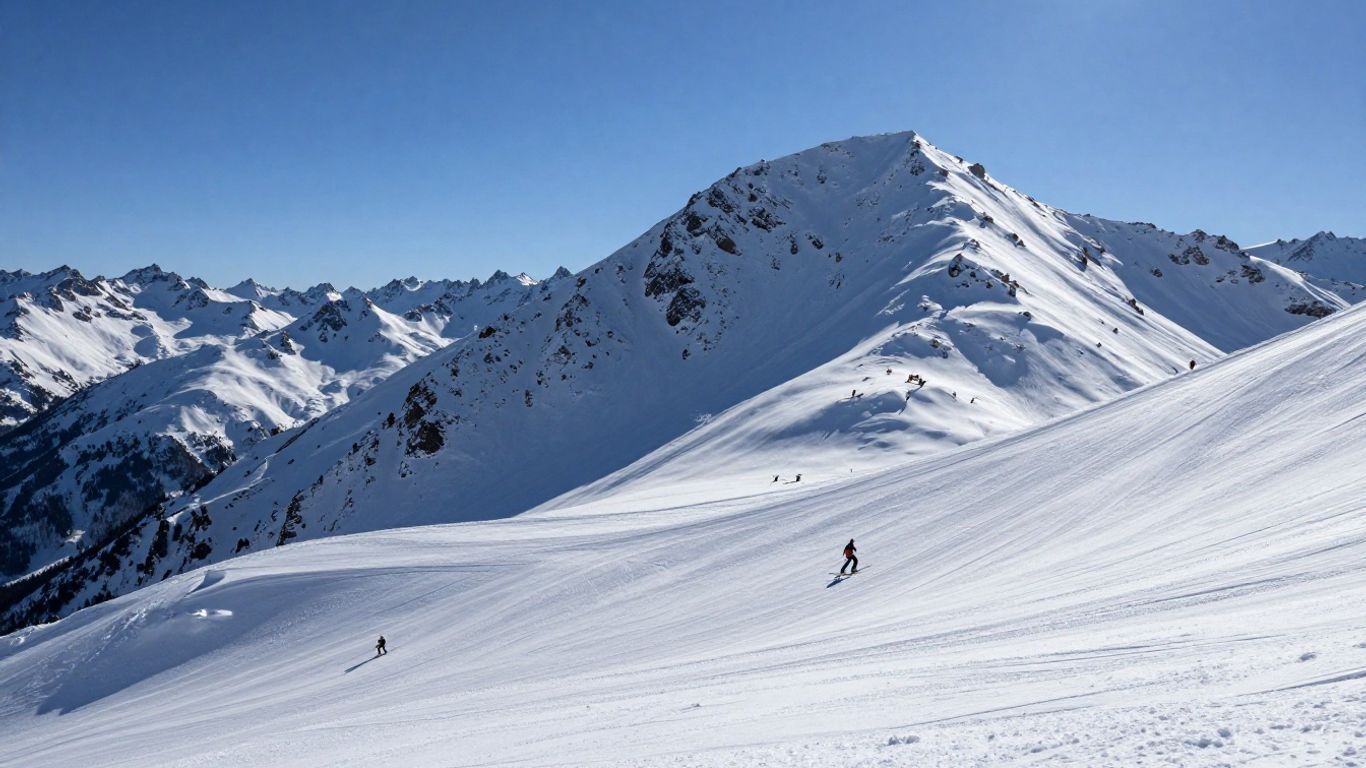
Park City is expansive, and simply arriving without a cohesive plan can easily lead to missing out on the very best runs. To truly optimize your time on the mountain, a bit of strategic foresight goes an incredibly long way. It’s not exclusively about possessing the correct gear, though that undeniably plays a significant role. Thoughtfully considering when you go and how you navigate the resort can dramatically enhance your entire trip.
Understanding Lift Ticket and Pass Options
Park City offers several avenues for accessing its slopes, and a thorough understanding of your options can save both money and unnecessary hassle. Most visitors will either utilize an Epic Pass or purchase single-day tickets. If your intention is to ski for more than a couple of days, an Epic Pass generally presents the most cost-effective choice, granting access to Park City and numerous other resorts. For shorter visits, single-day tickets are available, but be forewarned—they can become quite pricey. Keep a keen eye out for potential deals or multi-day passes if they align with your schedule.
- Epic Pass: Ideally suited for those planning multiple resort visits throughout the entire season.
- Single-Day Tickets: A viable option for a solitary visit or if you're only skiing for a day or two.
- Multi-Day Passes: Occasionally offered at a discounted rate for consecutive days of skiing.
Strategic Planning for Peak Conditions
The timing of your visit can profoundly influence your overall experience. The most consistently excellent snow conditions at Park City typically occur between January and February. This period offers the highest probability of encountering those legendary deep powder days that make skiing here so renowned. However, it's essential to note that this also coincides with peak season, meaning you should anticipate more skiers and snowboarders on the mountain, along with potentially higher prices for both lodging and lift tickets.
- December: Early season, where the snowpack can be variable, but generally, crowds are noticeably lighter.
- January-February: Widely considered prime time for snow, though you should expect a higher volume of skiers and snowboarders.
- March: Characterized by longer daylight hours, warmer temperatures, and frequently excellent spring snow, typically with fewer crowds than the mid-winter rush.
Planning meticulously around major holidays is also a crucial aspect. If you're able to circumvent key holiday weeks like Christmas or Presidents' Day, you'll likely discover shorter lift lines and a far more relaxed atmosphere across the slopes.
Leveraging Local Knowledge for Hidden Gems
While the primary trails are undeniably fantastic, Park City boasts countless smaller, nuanced spots known predominantly by locals—think secret stashes of untouched powder, less-crowded tree runs, or steeper lines that don't always appear on the official maps. Engaging in conversation with ski patrol members or seasoned locals at the base areas can often yield invaluable pointers. Sometimes, simply exploring a different, less-familiar side of the mountain can uncover something entirely new and exciting. So, don't hesitate to inquire around, but always, always remain mindful of safety protocols and your own skill level when venturing off the well-trodden path.
Advanced Skiing Hotspots
Park City Mountain Resort isn't solely defined by its wide-open groomers; it's a dynamic landscape packed with areas specifically designed to get your heart pumping. If your goal is to rigorously test your skills and truly challenge yourself, these are unequivocally the locations where you'll want to focus your attention.
The Thrills of McConkey's Bowl
Named in honor of skiing legend Shane McConkey's father, this bowl represents a truly serious playground for experts. Accessed via the McConkey's Express lift, it delivers big drops, exhilarating natural features, and expansive steep pitches. The panoramic views are, admittedly, incredible—but you'll likely be far too engrossed in perfecting your line to admire them for long. For an insider's tip, try dropping in on the skier's right side for expansive carving opportunities, or pivot left into the trees if there's fresh snow to be found. On a clear day, the skiing here is, quite frankly, just unreal.
Conquering Steep Pitches on the Canyons Side
The Canyons side of the resort genuinely feels like an entirely distinct mountain, laden with challenging terrain at every turn. Whatever you do, don't overlook areas such as 9990 Bowl. Descending off the backside into Dutch Draw or Square Top technically places you in sidecountry, necessitating avalanche gear if you decide to venture out of bounds. If you prefer to remain within the resort's official boundaries, Devil's Fiddle stands as one of Park City's steepest runs. It's typically ungroomed and quite bumpy, but for those who master controlling their speed on a formidable pitch, this run is an absolute gem. For storm days, make a point to check out Peak 5 and Dreamcatcher. These areas are dense with trees, see fewer skiers, and feature natural pockets where snow accumulates and remains soft. Runs like Pine Draw or Desert Sam offer short, steep tree skiing with opportunities for wonderfully deep turns. You can often uncover leftover powder here a day or even two after a significant storm, while others are still patiently waiting in crowded lift lines.
Discovering Hidden Gems in Silverlode and Thaynes
When conditions at Jupiter Bowl might be less than ideal, or if you're simply in search of a different kind of challenge, the Silverlode and Thaynes zones are certainly worth exploring. Runs such as Dynamite and Silver Queen are frequently overlooked yet can offer fantastic chalky snow and steeper pitches than their initial appearance suggests. These areas prove particularly rewarding when Jupiter might be wind-blown or already heavily tracked out. For dedicated tree skiing enthusiasts, Motherlode Meadows provides a lower-angle yet deep and incredibly enjoyable terrain experience. If, however, you favor tighter lines and possess the confidence to maintain continuous momentum, Seldom Trees delivers a more demanding tree-skiing adventure.
Remember that conditions on the mountain are subject to rapid change. Always consult the resort's daily report for the most current lift status and terrain openings before embarking on your exploration of these advanced areas.
Beyond the Resort: Expert Adventures
While Park City's resort boundaries enclose an incredible expanse of terrain, the true adventure often beckons just beyond the ropes. For those possessing advanced skills and a genuine thirst for untracked snow, exploring the sidecountry and backcountry can prove immensely rewarding. It is crucial to always remember that venturing out of bounds inherently carries significant risks, and thorough preparedness is the ultimate key to safety.
Exploring Sidecountry Safely
The sidecountry offers an enticing taste of the wild without demanding a full-scale expedition. These areas are typically accessible through designated boundary gates from the resort and frequently retain fresh snow long after the in-bounds runs have been skied out. However, a vital distinction is that they are not patrolled, meaning you bear full responsibility for your own safety.
- Know Before You Go: Always, without exception, check the current avalanche forecast for the specific area. Resources like the Utah Avalanche Center provide comprehensive daily reports. Develop a clear understanding of the snowpack conditions and any potential hazards.
- Gear Up: Carry indispensable avalanche safety equipment: a transceiver (beacon), a shovel, and a probe. Furthermore, ensure you are proficient in their use and that your batteries are fully charged.
- Buddy System: Never, under any circumstances, ski sidecountry alone. Always go with experienced partners who are equally equipped and knowledgeable.
- Plan Your Exit: Have a clearly defined plan for how you will return to the resort or reach a safe exit point. Getting lost is not an option.
The powerful allure of untouched snow and the serene solitude of the mountains are undeniable draws for expert skiers. Yet, these majestic mountains also demand profound respect. A little extra time invested in meticulous planning and preparation can genuinely make the difference between an epic, memorable day and a dangerous, regrettable situation.
The Allure of Backcountry Exploration
For the truly adventurous at heart, backcountry skiing and snowboarding present the ultimate expression of freedom. This pursuit involves traveling into terrain that remains entirely unmanaged or unpatrolled by the resort, often requiring strenuous hiking or skinning to reach remote, pristine lines. It's a unique opportunity to experience the magnificent Wasatch Range in its most raw and unadulterated form.
- Skill Level: Backcountry travel mandates not only strong skiing or riding abilities but also excellent physical fitness, coupled with a solid understanding of avalanche safety and terrain assessment.
- Navigation: Proficiency with a map and compass, or reliable GPS devices, is essential. Weather conditions can deteriorate rapidly, and visibility can drop to zero unexpectedly.
- Leave No Trace: Adhere strictly to the principle of packing out everything you pack in, and always remain thoughtfully mindful of the delicate natural environment.
Considering Cat Skiing and Guided Tours
If you're eager to experience the backcountry's magic without the comprehensive commitment of self-guided tours, cat skiing and professionally guided excursions offer truly excellent alternatives. These services provide privileged access to remote terrain, bolstered by the invaluable benefit of experienced guides and robust safety support.
- Cat Skiing: A specialized snowcat transports you and a small group to remote mountain areas, facilitating multiple runs of fresh, untracked powder. This truly is a fantastic method for covering substantial ground and skiing pristine, uncrowded slopes.
- Guided Tours: Local guiding services offer a range of tours catering to various skill levels, from introductory backcountry experiences to genuinely challenging expeditions. Guides prove invaluable for their unparalleled local knowledge of snow conditions, terrain intricacies, and critical safety protocols.
- Ski Utah Interconnect Tour: For a uniquely comprehensive experience, consider the Ski Utah Interconnect Tour. This expertly guided journey links multiple Utah resorts, including Park City, via a compelling combination of lift rides, hiking, and skiing through both resort and pristine backcountry terrain. It promises a full-day adventure, perfectly suited for strong, capable skiers.
Getting Around and Staying Prepared
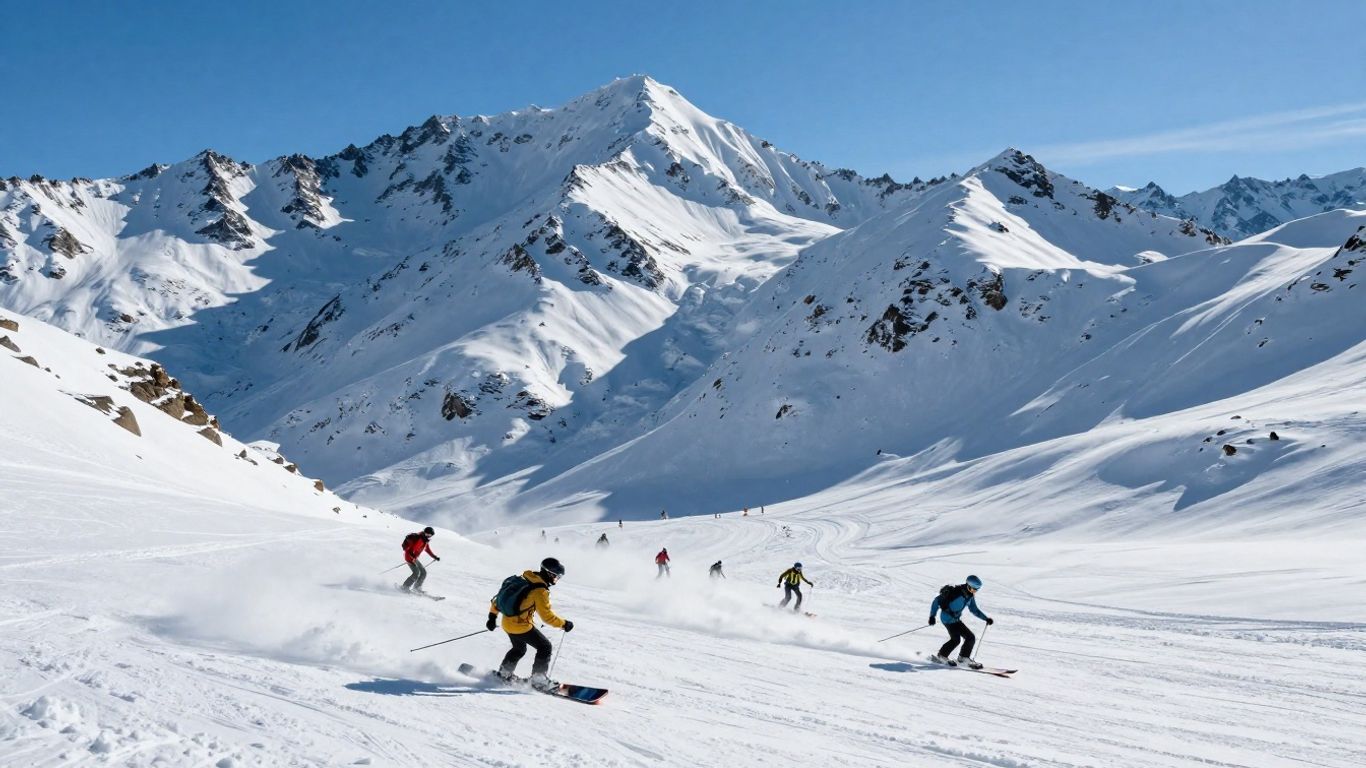
Park City is, without a doubt, a superb destination for skiing, but navigating your way there and being thoroughly prepared for the mountain's ever-changing conditions will significantly impact your trip's enjoyment. It's wise to consider both how you'll move around town and what essential items you need to have with you before you even strap on your skis.
Efficient Transportation in Park City
Getting around Park City during the winter season is notably straightforward, largely thanks to its excellent public transit system. Both Park City Transit and High Valley Transit provide free bus routes that conveniently connect major lodging areas, the base areas of the resorts, and the bustling Historic Main Street. This system is incredibly beneficial because resort parking lots can fill up remarkably quickly, especially on busy days. Many visitors find it far more convenient to park in designated outlying lots and then simply hop on a shuttle. If your accommodations are located outside of Park City proper, perhaps in Heber City, remember to allocate extra travel time, particularly if a significant snowstorm has occurred. Always, without fail, check road conditions before setting out.
- Utilize the free bus system: It’s both convenient and a fantastic way to bypass parking woes.
- Monitor road conditions: This is especially crucial during and immediately following snowfall.
- Consider ride-sharing or taxis: These can be ideal for direct trips or returning late at night.
Winter driving in mountainous regions can change in an instant, can't it? Roads are generally well-maintained, but patches of snow and ice are commonplace after heavy snowfall. Utah enforces specific traction and chain laws during severe weather, which might necessitate snow tires, all-wheel drive, or even chains for certain vehicles.
Choosing Your Ideal Accommodation
Where you choose to stay can truly define the character of your ski trip. If being right at the heart of the action is your priority, ski-in/ski-out accommodations place you mere steps from the lifts, effectively eliminating any morning travel stress—a definite bonus! These options offer unparalleled convenience, although it's worth noting they typically come with a higher price tag. Staying closer to Historic Main Street presents another excellent choice; you'll be within easy reach of charming shops and diverse restaurants, and transit stops are usually just a short walk away. Some visitors, however, prefer lodging a little outside the main town for a quieter ambiance and potentially easier parking, which can be an ideal setup if you're planning multiple ski days and desire a more relaxed start to your mornings.
The Importance of Avalanche Safety Gear
If your plans involve exploring beyond the resort's marked trails, even venturing just a little into the sidecountry, possessing the correct safety gear is absolutely non-negotiable. This equipment is, quite literally, what can save your life should you unfortunately get caught in an avalanche. You will need a transceiver (often called a beacon), a sturdy shovel, and a probe. Crucially, knowing how to competently use these tools is just as important as simply owning them. It’s also incredibly wise to go with someone experienced or to consider hiring a certified guide if these types of areas are new to you. Always, without fail, check the avalanche forecast before heading out into any backcountry terrain.
Ready to Hit the Slopes?
So, there you have it—the comprehensive lowdown on confidently tackling Park City's most challenging runs. We've explored everything from selecting the right gear and unearthing those hidden bowls to knowing precisely which lifts to prioritize when the snow conditions are prime. Remember, Park City is immense, and there's always something fresh to discover, even if you've visited before. Don't shy away from a little exploration, perhaps even politely ask a local for a tip, and most importantly, ski or ride what genuinely feels right and exhilarating for you. Go have an absolutely awesome time out there, and may your lines be legendary and your powder endlessly deep!
Frequently Asked Questions
What makes Park City Mountain Resort great for expert skiers?
Park City Mountain Resort is truly enormous—the biggest in the U.S.! It boasts a fantastic array of challenging slopes, steep hills, and exhilarating bowls that are absolutely perfect for skiers eager to test their abilities. Here, you'll discover tricky tree runs, impressive drops, and wide-open faces that offer an awesome experience for advanced riders.
Which side of the resort has the best expert terrain?
Both sides of the resort present excellent challenges, but the Canyons side is frequently highlighted for its particularly steep and expansive terrain. It honestly feels like a whole separate mountain, brimming with amazing bowls and formidable steep lines. However, the Park City base side also holds iconic spots like McConkey's Bowl, which is undoubtedly a must-try for any expert.
What is Jupiter Bowl and why is it special?
Jupiter Bowl is widely considered the ultimate destination for experts, especially if you have a passion for powder. While reaching some sections might involve a bit of a hike, it's absolutely worth the effort for the steep slopes, natural jumps, and secluded chutes it offers. It’s truly a dream come true for anyone chasing fresh snow and the thrill of big mountain skiing.
Should I rent or bring my own ski gear?
If you're an advanced skier, it's highly advisable to consider renting high-performance gear from a reputable local shop that specifically offers specialized packages for experts. These setups are meticulously tuned for optimal speed and control, unlike basic rentals that might inadvertently hold you back. Booking your rentals ahead of time is a smart move to secure the best gear and potentially better prices.
How can I make the most of my ski trip to Park City?
Plan ahead, that's key! Research lift ticket and pass options well in advance, especially if you intend to ski for multiple days. Aim to visit when the conditions are at their best, and don't hesitate to respectfully ask locals for their tips on finding the best, less-crowded spots. A solid understanding of the mountain coupled with the right gear will undoubtedly elevate your entire experience.
What about skiing outside the resort boundaries?
Park City certainly provides opportunities for adventure beyond its marked trails, including exploring the sidecountry or even venturing into the true backcountry. However, these excursions are strictly for very experienced skiers and demand proper safety gear, such as avalanche equipment, along with significant knowledge. Guided tours or cat skiing can offer safer, supported ways to experience these areas if you're relatively new to them.


