


resources
America's Megacities: Unveiling the Largest Cities of America by Population
30 Mar 2026

So, you're curious about the largest cities in America, are you? It's quite a common inquiry, and for good reason. For many years, a familiar handful of urban centers consistently dominated the discussion. However, the urban landscape is indeed shifting, and people's preferences for where they choose to reside are evolving. With a growing number of individuals embracing remote work and actively seeking places that offer more budget-friendly options or more favorable climates—cities across the South and West are experiencing significant growth. We've delved into the latest demographic data to discern which cities are leading the charge, which are rapidly gaining ground, and what these fascinating trends signify for America's urban fabric. Let's explore the largest cities of America.
Key Takeaways
- New York City robustly maintains its status as the largest city in the U.S. by population, significantly surpassing other major urban centers.
- Los Angeles and Chicago reliably hold their positions as the second and third largest cities, respectively, a testament to their enduring influence.
- Urban areas within the Sun Belt and Mountain West, such as Houston, Phoenix, Dallas, and San Antonio, are undergoing remarkable expansion.
- The criteria for defining a 'large city' are subject to interpretation, with some analyses focusing on city proper populations and others on more expansive metropolitan regions.
- Prevailing population trends reveal a clear demographic shift towards warmer climates and more affordable regions, fundamentally altering the geographical spread of America's largest cities.
Defining the Largest Cities of America: Population Versus Land Area
When discussing America's biggest cities, isn't it tempting to focus solely on numerical figures? But what specific metrics are we truly examining? As it happens, there are a couple of primary methodologies for gauging a city's size, and these can present markedly distinct perspectives on what "largest" genuinely entails. Here, we'll delve into the two most common approaches to defining city size: by its resident population and by its geographic footprint.
Understanding City Proper and Metropolitan Areas
To begin, it's crucial to distinguish between a city's official boundaries and its wider metropolitan area. The "city proper" comprises solely the population residing within its officially demarcated municipal boundaries—consider it the urban core, the administrative heart. Conversely, a "metropolitan area" encompasses the city proper alongside its extensive network of surrounding suburbs and economically intertwined communities from which residents commute. When examining metropolitan areas, one typically encounters a substantially larger figure, which better illustrates the true economic and cultural reach of a major urban center. For instance, the New York-Newark-Jersey City, NY-NJ metropolitan area is vastly larger in population than just New York City itself.
Related Contents: biggest state in usa
Measuring by Population versus Geographic Size
So, which measure is better? The answer, as often happens, hinges on your specific analytical objectives. Population is typically the preferred metric because it effectively reflects the density of human habitation, economic dynamism, and cultural sway. A city boasting a substantial population invariably indicates a vibrant economy, a rich tapestry of communities, and a considerable impact on national trends. However, examining land area presents an altogether different narrative. Some cities, particularly in regions like Alaska, possess expansive geographic boundaries, frequently incorporating vast stretches of wilderness. These cities may indeed rank highly in terms of land size, yet paradoxically possess relatively modest populations.
Here's a quick look at how these two measures can differ:
- Population: Primarily focuses on the number of residents, thereby signaling density and human activity.
- Land Area: Concentrates on the physical space a city occupies, potentially encompassing undeveloped or sparsely inhabited regions.
Why Rankings Can Differ Based on Criteria
Given these divergent measurement methodologies, one inevitably observes disparate cities leading the respective rankings. If one focuses on population, the customary titans—New York, Los Angeles, and Chicago—consistently remain at the zenith. These are, after all, the undisputed powerhouses of American urban life. However, if you switch your focus to land area, you're likely to encounter some rather striking surprises. Cities like Sitka, Alaska, for instance, spanning thousands of square miles, can unexpectedly ascend land-area rankings, despite its population being comparatively modest when set against the major population centers.
The way we define and measure a city's size profoundly influences our perception of its importance and influence. Population figures typically serve as indicators of economic and social density—while land area may underscore unique geographical characteristics or administrative mandates that incorporate expansive, undeveloped territories.
Grasping these distinctions is paramount for appreciating the multifaceted nature of America's urban landscape. It's not merely about who lives in the biggest buildings; rather, it extends beyond mere concentrations within monumental structures, encompassing the far-reaching influence of expansive metropolitan regions and the sheer geographic vastness some city boundaries entail.
Spotlight on the Top Three Largest Cities of America by Population
When the conversation turns to America's biggest cities, a few names invariably surface. These urban centers have long served as the perennial engines of the nation's economy and cultural innovation. Based on the latest population estimates, the top three cities by population within their official city limits reliably hold their positions, even as the internal dynamics within them are in perpetual flux. So, what makes these behemoths tick? Let's delve deeper into these urban giants.
New York City: The Nation’s Urban Giant
New York City stands as the undisputed leader, a sprawling, vibrant metropolis that consistently draws individuals from all corners of the globe. As of 2024, its population stands at approximately 8.48 million residents. More than merely a city, it functions as a paramount global hub for finance, media, and culture. Even with certain demographic shifts observed during the pandemic, New York City's enduring appeal as a nexus for international migration and unparalleled economic opportunity remains robust. Its iconic landmarks and dynamic, diverse neighborhoods are globally recognized—a true testament to its magnetic pull.
- Population (2024): 8,478,072
- Key Characteristics: Paramount global center for finance, media, and culture.
- Nickname: The Big Apple
New York City's sheer scale and unparalleled influence render it a singular entity, not only within the United States but, indeed, upon the global stage. Its dense urban environment and perpetual dynamism are truly unparalleled.
Los Angeles: A West Coast Powerhouse
On the West Coast, Los Angeles retains its long-held position as the second-largest city. With a population standing at approximately 3.88 million, L.A. functions as a diverse economic engine, propelled by sectors such as international trade, technology, and, naturally, the omnipresent entertainment industry. Though various Californian urban centers have experienced modest population declines, Los Angeles continues to exert a significant magnetic pull. It's a city distinctively characterized by its expansive geography and its undeniable status as the entertainment capital of the world—a hub where innovation meets creativity.
- Population (2024): 3,878,704
- Key Industries: Entertainment, technology, international trade.
- Nickname: The City of Angels
Chicago: Midwest’s Cultural and Economic Hub
Chicago, often referred to as the heart of the Midwest, firmly secures its place as the third most populous city, hosting approximately 2.72 million residents. Historically a pivotal hub for rail and industrial enterprises, it persists as a significant financial center and a crucial transportation nexus. Despite having experienced certain demographic fluctuations in recent years, Chicago remains an indispensable cultural and economic anchor for the entire Midwest region. Its distinctive architecture and rich historical tapestry attract numerous visitors and residents alike—a testament to its enduring appeal and foundational role.
- Population (2024): 2,721,308
- Key Role: Midwest economic and transportation hub.
- Nickname: The Windy City
These three cities truly embody the very core of America's urban landscape, each possessing its own distinctive character and profound influence. Understanding their populations provides a crucial baseline for appreciating the sheer scale of urban life in the U.S., and indeed, how these formidable urban environments compare to other major urban centers globally.
Emerging Megacities: Fastest-Growing Urban Centers in the United States
While the established giants of New York, Los Angeles, and Chicago tend to dominate the headlines, America's urban landscape is, however, in a state of perpetual transformation. A number of cities are currently experiencing truly remarkable population booms, fundamentally reshaping regional demographics and economies alike. These emerging megacities are adeptly attracting new residents through a confluence of factors, ranging from robust job opportunities to a more accessible cost of living relative to older, more densely populated urban centers.
Houston and Phoenix: Southern Growth Leaders
Houston, Texas, and Phoenix, Arizona, emerge as quintessential examples of this rapid expansion. Both cities have witnessed substantial population increases over the past several years, propelled by robust job markets—particularly in burgeoning sectors such as energy, technology, and healthcare. Furthermore, the warmer climate and a relatively lower cost of living compared to traditional coastal cities also play a considerable role in enticing new residents. These areas are not merely expanding in size; they are actively solidifying their positions as major hubs for commerce and culture.
The Rise of Texas Cities: Dallas and San Antonio
Texas, as a state, is proving to be a veritable epicenter of demographic expansion, with Dallas and San Antonio simultaneously experiencing substantial population surges. Dallas continues to capitalize on its strategic status as a major business and transportation hub, magnetically attracting professionals and families alike. San Antonio, distinguished by its rich history and unique cultural appeal, is also observing a consistent influx of new residents. The state's generally business-friendly environment and continually expanding infrastructure are pivotal contributors to this overarching trend, wouldn't you agree?
Fort Worth and Charlotte: Rapid Expansion and Opportunity
Fort Worth, Texas, has earned recognition as one of the nation's most rapidly expanding cities, frequently lauded for its robust economic development and increasingly attractive housing market. Concurrently, Charlotte, North Carolina, is undergoing swift expansion, propelled by its burgeoning financial sector and a well-earned reputation as a dynamic locale to live and work. These cities truly epitomize a new wave of urban development, presenting diverse opportunities for their rapidly growing populations. Indeed, housing demand in these areas has been notably elevated, with new construction projects striving to keep pace with the influx of people. Securing suitable accommodation in these bustling cities can indeed present a challenge, but fortunately, resources exist to help connect people with apartments for rent in the United States uhomes.com.
The growth in housing units serves as a compelling indicator of migratory patterns. When more homes are being built, it typically signifies robust demand from new residents seeking to settle in the area—often spurred by burgeoning job opportunities or a coveted lifestyle.
Here's a closer look at some of the key drivers behind this urban expansion:
- Economic Opportunities: Vibrant job markets across diverse sectors serve as a principal magnet.
- Affordability: Compared to older, established megacities, these areas often present a more approachable cost of living, particularly regarding housing.
- Climate and Lifestyle: Many of these growing cities are situated in warmer regions, appealing to individuals in pursuit of a different climate and lifestyle.
- Infrastructure Development: Sustained investments in transportation and public services are instrumental in supporting and attracting larger populations.
Largest Metropolitan Areas: Expanding Beyond City Borders
Major Metros Across the United States
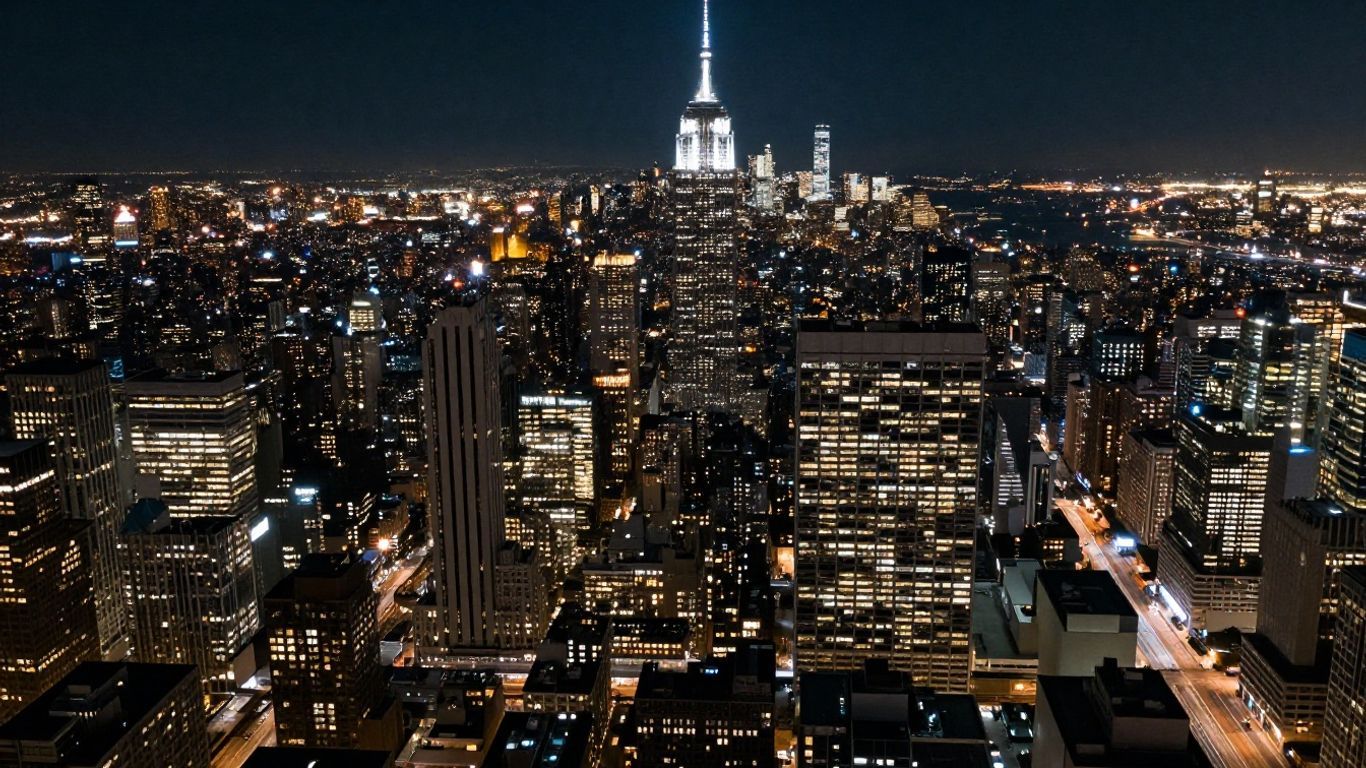
When we discuss America's biggest cities, isn't it tempting to focus solely on the population residing within their official city limits? Yet, that doesn't always tell the whole story, does it? Many of the most significant urban centers in the U.S. are, in fact, considerably more extensive when one accounts for their surrounding suburbs and connected towns. These broader areas, formally known as metropolitan statistical areas (MSAs), provide a far more comprehensive picture of where most people truly live and work. Indeed, these sprawling regions are often where the real economic and social action happens.
Below, we detail some of the foremost metropolitan areas by population:
- New York-Newark-Jersey City, NY-NJ: Encompassing nearly 20 million people, it stands as the nation's largest metropolitan area.
- Los Angeles-Long Beach-Anaheim, CA: This expansive Southern California region hosts over 12.8 million residents.
- Chicago-Naperville-Elgin, IL-IN: As the demographic heart of the Midwest, this metro area is home to more than 9.3 million people.
- Dallas-Fort Worth-Arlington, TX: This dynamic Texas metroplex now accommodates over 8.1 million residents.
- Houston-The Woodlands-Sugar Land, TX: Yet another prominent Texas hub, boasting a population that exceeds 7.6 million.
Population Reach and Regional Influence
The influence of these extensive metropolitan areas reaches far beyond their immediate resident populations. They function as powerful economic engines, consistently attracting businesses and top talent from across the country—and indeed, from around the globe. The intricate infrastructure, robust transportation networks, and rich cultural offerings within these regions profoundly shape the lives of millions and exert considerable influence on national trends.
International migration also plays a pivotal role in this narrative. Between 2023 and 2024, nearly 2.7 million new residents arrived in the U.S. from other countries, and a significant majority chose to settle within these expansive metropolitan areas. This influx invariably enhances the diversity and economic vitality of these places. It's particularly noteworthy that every single one of the nation's 387 metro areas experienced a degree of positive international migration during this period, underscoring their universal appeal.
Comparing American Metropolises to Global Cities
When considering the sheer scale of American metropolitan areas, such as New York or Los Angeles, they certainly compare favorably against major global cities. The precise methodologies used to define and measure these urban areas can, however, vary significantly. For instance, certain international cities may exhibit considerably denser populations within their urban cores, while American metros frequently encompass vast suburban expanses. Grasping these nuances is instrumental in appreciating the distinctive character of urban development in the United States compared to other parts of the world.
Cities with One Million Residents: The Growing List of Urban Giants
Understanding the Million-Plus Club
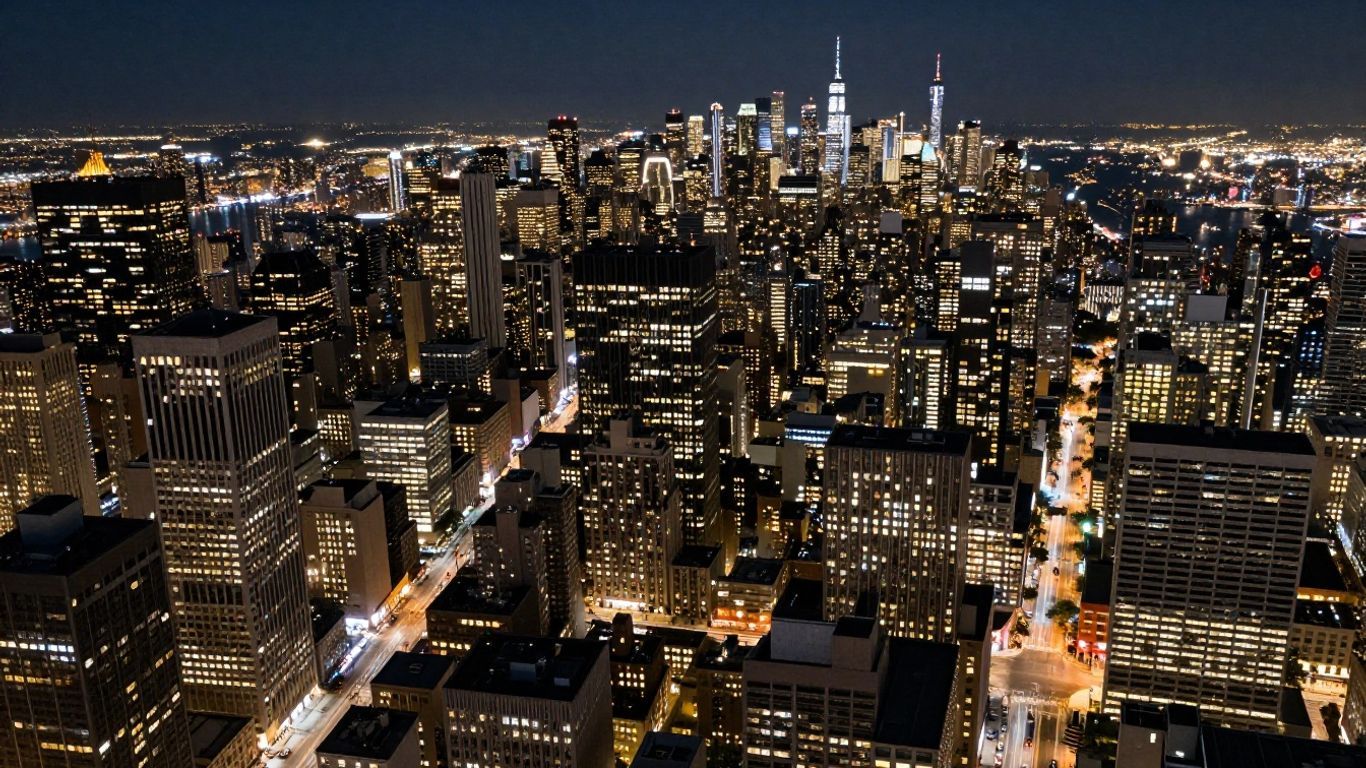
It's always fascinating to observe which cities are experiencing substantial growth and achieving significant new population milestones. Currently, a vast majority of the U.S. population resides within designated metropolitan areas, a trend that shows little sign of abatement. As of 2026, most Americans call these big areas home. But what about the cities themselves—the municipal cores? Attaining a population of one million residents is, unequivocally, a significant achievement for any city. It signifies increased population density, heightened activity, and a greater demand for essential infrastructure, such as roads and public services. Ultimately, it stands as a clear indicator of a thriving, dynamic community.
Recent Additions to the Million Residents Club
In the past year, a notable pair of cities officially surpassed that impressive one million resident mark. This, undoubtedly, represents a significant milestone for each. These figures are more than mere statistics; they embody dynamic communities experiencing profound growth and transformation. The cities that recently joined this exclusive group are:
- Jacksonville, Florida
- Fort Worth, Texas
These recent additions vividly illustrate the ongoing demographic shifts, particularly evident in the warmer, more amenable regions of the country.
Factors Driving City Growth and Expansion
So, what exactly compels a city to expand sufficiently to reach a million residents? It's typically a synergistic blend of factors. Abundant employment opportunities undeniably draw individuals, and their subsequent relocation necessitates adequate housing. Consequently, this frequently translates into a surge in new home construction. Additionally, cities occasionally undertake boundary adjustments to encompass greater land area and population. This, in essence, creates a continuous cycle of growth and development.
- Job Growth: Expanding employment opportunities serve as a primary magnet for new residents.
- Housing Development: Robust new construction initiatives provide essential residential accommodation.
- Migration: Both internal U.S. migration and international immigration contribute significantly to population increases.
The growth of cities is a multifaceted process, intrinsically influenced by economic opportunities, housing availability, and evolving migration patterns. It's a dynamic demographic tableau that continues to evolve across the United States.
Regional Distribution of Large Urban Populations
While numerous cities are indeed growing, it's clear they are not uniformly distributed across the nation. A significant proportion of cities achieving these substantial population milestones are primarily located in the southern and western parts of the U.S. This discernible trend is frequently correlated with the allure of warmer climates and burgeoning job markets prevalent in those regions. It represents a consistent pattern that has developed over the last several years and shows every indication of continuing into the foreseeable future.
City Size by Geography: America’s Largest Cities by Land Area
When we discuss the "largest" cities, we almost invariably refer to population, don't we? But what if we considered a different metric altogether—sheer physical space? As it happens, measuring by land area presents an entirely distinct portrait of America's urban landscape. Some places that may not even register on population charts are, in fact, geographically massive in terms of square miles.
Unique Cases: Alaska’s Vast City Boundaries
Alaska is precisely where the narrative becomes particularly compelling. Due to the distinctive administrative definitions of cities within the state, one encounters some of the nation's most expansive cities by land area, even if their resident populations are remarkably modest. Consider, for example, Sitka, Alaska. It covers a truly enormous territorial expanse—exceeding 4,800 square miles! Much of this encompasses wilderness, islands, and bodies of water, all formally contained within its official municipal limits. This is, undeniably, a stark contrast to the dense urban cores we typically envision. Other Alaskan cities like Juneau and Anchorage also possess surprisingly extensive boundaries, encompassing truly vast natural landscapes.
Merged City-County Governments and Their Impact
Another significant factor contributing to a city's extensive land area is the consolidation of its municipal government with that of the county. This administrative integration frequently occurs in regions where the urban footprint has expanded to encompass the majority of its county. Jacksonville, Florida, serves as a compelling illustration: in 1968, the city and Duval County formally consolidated their governmental structures. Consequently, the city's official boundaries now extend across the entirety of the county, rendering it one of the largest cities in the U.S. by land area, notwithstanding that its population density may not rival that of some physically smaller, yet more densely populated, urban centers. This kind of consolidation can dramatically redefine a city's geographic footprint, offering a unique perspective on urban scale.
Comparing Land Size Rankings to Population Rankings
The disparity between population and land area rankings is quite stark. While New York City, Los Angeles, and Chicago reliably feature at the apex of population rankings, they often don't even appear within the top 10 when assessed by land area. Conversely, cities like Sitka, Juneau, and Jacksonville, ranking considerably lower on population lists, ascend significantly when measured by square miles. This vividly underscores how divergent criteria can lead to fundamentally different understandings of what makes a city "large." Indeed, it serves as an excellent reminder to scrutinize the specifics when looking at city data, especially when considering global city rankings.
Let's examine how some cities stack up in terms of sheer geographical footprint:
- Sitka, Alaska: Over 4,800 sq mi (mostly wilderness)
- Juneau, Alaska: Approximately 3,200 sq mi (encompassing glaciers and fjords)
- Jacksonville, Florida: Over 870 sq mi (consolidated city-county)
- Anchorage, Alaska: Exceeding 1,900 sq mi (a significantly large geographic area)
Grasping these distinctions is fundamental. A city's land area may encompass extensive undeveloped or sparsely populated territory, which does not consistently mirror the concentrated urban experience typically associated with megacities. It's a fascinating lens through which to view the diverse geography of American urban centers.
Key Population Trends Shaping the Largest Cities of America
The way Americans live and where they choose to settle is in a state of continuous flux, profoundly impacting our biggest cities. It's no longer solely about the sheer quantitative mass of residents in established metropolises such as New York or Los Angeles; rather, it concerns the underlying forces propelling these demographic shifts—what drives these numbers up or down—and, crucially, what these trends portend for our collective future.
Migration to the Sun Belt and Mountain West
One of the most frequently discussed demographic trends is the discernible, ongoing migration towards the Sun Belt and Mountain West regions. States such as Florida, Texas, Arizona, and North Carolina are witnessing a significant influx of new residents. Why, you might ask? Indeed, it's attributable to a synergistic combination of factors: the allure of warmer climates; generally more accessible housing costs compared to older, established metropolises; and dynamic job markets across various burgeoning sectors. Consequently, this influx signifies rapid growth for urban centers in these regions, occasionally even eclipsing older, more established urban centers in terms of population growth rate. This marks a profound departure from historical patterns where the Northeast and Midwest traditionally held demographic sway.
Urbanization and International Migration
While interstate migration patterns are certainly at play, international migration likewise exerts a profound influence on the growth trajectory of our cities. A considerable number of individuals immigrating to the U.S. elect to settle in major metropolitan areas, often attracted by abundant job opportunities and established cultural communities. This trend contributes a substantial demographic component to the populations of cities across the country, thereby bolstering their diversity and economic vitality. Indeed, it's a perennial factor that assists in sustaining the vibrancy and growth of numerous urban centers, even as other domestic migration patterns may be shifting.
The Spread Between Large Cities and Smaller Towns
It's tempting to presume that everyone resides within the absolute largest urban centers, but such a perspective doesn't encompass the entire demographic reality. While the top 10 or 20 cities certainly garner significant attention and indeed concentrate a substantial portion of the population, the preponderance of incorporated places across the U.S. are, in fact, considerably smaller. A great many individuals inhabit the suburbs and surrounding towns that form integral components of larger metropolitan areas; yet countless smaller cities and towns also exist, forming the veritable backbone of the nation. Grasping this nuanced distribution is fundamental to comprehending the full demographic tapestry of America. The growth we observe in megacities is undoubtedly significant, but it does not diminish the profound importance of these smaller communities.
The demographic landscape of the United States is in a perpetual state of transformation. While major urban centers continue to attract substantial populations, largely driven by economic opportunities and evolving lifestyle preferences—this expansion is far from uniform. A discernible shift towards warmer climates and more financially accessible regions is fundamentally reshaping where Americans choose to live, impacting both established metropolises and rapidly emerging urban areas. International migration, moreover, continues as a consistent contributor to urban population growth, further enhancing the dynamic nature of these communities.
Let's consider some of the principal drivers underpinning these trends:
- Economic Opportunities: Dynamic job markets, particularly in sectors such as technology, healthcare, and manufacturing, are consistently attracting individuals to burgeoning areas.
- Cost of Living: The imperative of housing affordability remains a paramount factor, compelling some residents to relocate from high-cost areas to more budget-friendly locales.
- Climate Preferences: A distinct preference for warmer weather significantly influences migration patterns, particularly towards the southern and western parts of the country.
- Remote Work Flexibility: The increasing prevalence of remote work flexibility has empowered many individuals to select residential locations based primarily on lifestyle factors rather than strict proximity to a physical office, thereby profoundly impacting city growth patterns.
These trends unequivocally demonstrate that the U.S. urban map is in a constant state of redefinition. Monitoring these ongoing shifts is crucial for comprehending the nation's future trajectory. For those seeking a more profound understanding of urban evolution, exploring resources like Citiesabc offers further invaluable insights into global urban development.
Looking Ahead: Our Evolving Urban Landscape
Thus, we've thoroughly examined America's largest cities through the lens of population density. It's abundantly clear that the urban dynamic is in perpetual flux. While established titans like New York and Los Angeles retain their immense scale, we're concurrently observing significant growth in other regions, notably the Sun Belt. It's also salient to recall that the majority of the U.S. populace does not reside exclusively within these colossal cities; rather, countless smaller towns and communities form the expansive fabric of the nation. As internal migration patterns continue and new employment opportunities emerge, our urban centers will undoubtedly continue their transformation. Monitoring these crucial shifts is essential to anticipate the future contours of America's urban landscape—what will it look like down the road?
Frequently Asked Questions
What are the top 10 biggest cities in the U.S. based on how many people live there?
The biggest cities in the U.S. by population consistently feature New York City, Los Angeles, and Chicago. New York City is unquestionably the largest by a considerable margin. Other cities such as Houston, Phoenix, Philadelphia, San Antonio, San Diego, Dallas, and Jacksonville also boast substantial populations.
Which city is the absolute largest in the United States?
New York City is unquestionably the largest city in the United States. It possesses the highest number of residents within its official municipal limits, establishing it as a preeminent global center for business, culture, and innovation.
What's the biggest city in America if we're talking about land size?
When considering land area, Sitka, Alaska, emerges as the most expansive city. It encompasses an immense geographical area, primarily due to its inclusion of vast natural areas and numerous islands. However, it possesses a relatively modest population compared to its sheer land area.
Are there many cities in the U.S. with over a million people?
Indeed, there are quite a number! As of recent estimates, there are 34 cities in the U.S. whose populations exceed one million residents. Many of these are primarily found in the southern and western parts of the country, reflecting the regions currently experiencing the most pronounced demographic expansion.
Why are cities in the South and West growing so fast?
Cities in the Sun Belt and Mountain West regions are experiencing rapid growth often due to a synergistic combination of factors, including a lower cost of living, more favorable weather, and abundant job opportunities—particularly with the advent of widespread remote work. Consequently, many individuals are relocating to these regions.
How does the biggest U.S. city compare to the biggest city in the world?
New York City is the largest in the U.S., with approximately 8.5 million residents. In contrast, the world's largest city by population is Tokyo, Japan, boasting over 37 million people within its metropolitan area. While New York is undeniably a huge global hub, Tokyo's sheer population scale within its broader metro area is significantly larger.


