
resources
Unveiling Texas Cities by Population: A 2026 Ranking
30 Mar 2026

Texas is experiencing a remarkable surge in population, and interestingly, this dynamism extends far beyond its major metropolitan centers. Recent figures released by the U.S. Census Bureau reveal that certain smaller Texan municipalities are witnessing population increases at a pace nearly unparalleled nationwide. Our focus here is on dissecting these latest statistics to identify the Texas cities at the forefront of this population boom and to explore the broader implications for the Lone Star State. Indeed, it's quite fascinating to observe how the demographic landscape of Texas cities is currently undergoing such a significant transformation.
Key Takeaways
- Princeton and Fulshear, Texas, stand among the fastest-growing cities in the U.S., with Princeton recording a 30.6% growth rate and Fulshear an impressive 26.9%.
- Several Dallas suburbs, including Celina, Anna, and Fate, are also experiencing substantial population increases, constituting a large proportion of the nation's top-growing cities.
- Major Texas metropolises like Houston, San Antonio, and Fort Worth continue to expand, with Fort Worth officially crossing the significant one-million-resident mark.
- While overall growth remains robust, migration patterns are noticeably shifting, with a prominent trend of residents relocating from urban cores to surrounding suburban areas.
- Economic opportunities, the availability of housing, and evolving lifestyle preferences—including the rise of remote work—are paramount factors driving these profound population changes across Texas.
Texas Cities Leading National Population Growth
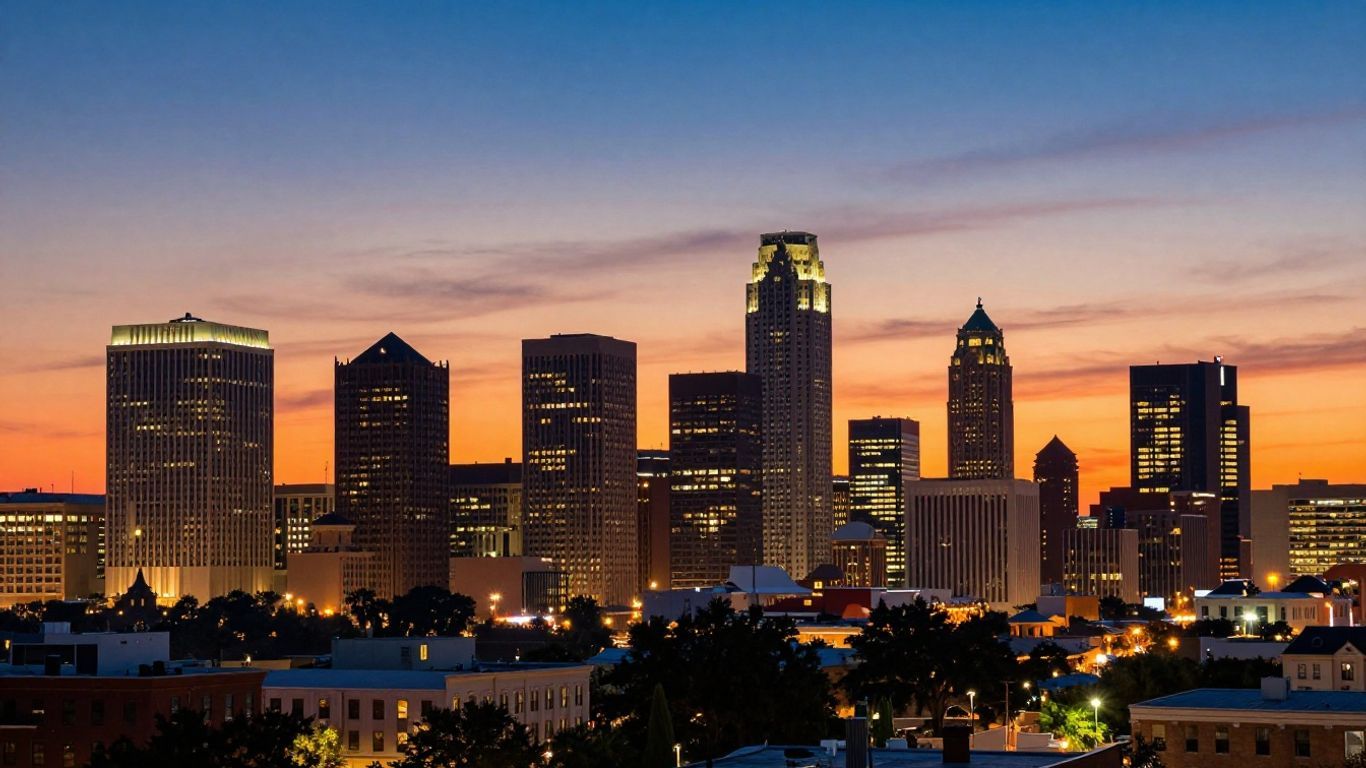
It's certainly well-established that Texas has long been a powerful magnet for individuals seeking fresh horizons and robust economic prospects, and recent demographic data unequivocally reinforces this perception. Several Texas cities, particularly those situated on the outskirts of major metropolitan areas, are experiencing population growth rates that are, quite frankly, extraordinary, far exceeding those witnessed in numerous other regions nationwide. Indeed, what we're witnessing is more than mere expansion; these aren't just small towns anymore; they're rapidly evolving into significant population centers at an incredible pace.
Princeton's Remarkable Expansion
Princeton, nestled in Collin County northeast of Dallas, has experienced a truly remarkable—almost astonishing—surge. According to the latest U.S. Census Bureau estimates, this city has seen its population grow by a staggering 30.6% within a mere twelve-month period. That's a profound leap, a growth trajectory that has seen its population more than double since 2020. This transformation from what was once a quiet farming community into a burgeoning, bustling area vividly illustrates the dynamic shifts unfolding across the state.
Fulshear's Explosive Gains
West of Houston, Fulshear is yet another Texas city experiencing an explosive ascent. Remarkably, it clinched the top national position for population growth, recording an impressive 26.9% increase in just one year. To put this into perspective, Fulshear's population has swelled from approximately 17,600 residents in 2020 to exceeding 54,600 by 2024—representing a gain of over 210% in merely a few years. Truly, an astounding trajectory.
Dallas Suburbs Showing Significant Growth
Beyond Princeton and Fulshear, the Dallas-Fort Worth metroplex presents itself as a veritable epicenter of rapid expansion. Indeed, numerous other suburban communities within the region are mirroring this growth, prominently featuring on the national list of fastest-expanding cities. Municipalities such as Celina, Anna, Fate, and Melissa, for instance, are all reporting substantial double-digit percentage increases in their resident counts. This discernible trend underscores a broader demographic shift—individuals and families are increasingly choosing locales that promise greater spaciousness and enhanced affordability, all while maintaining convenient proximity to significant employment hubs. It's a profound pattern, one that is actively reshaping the very landscape of North Texas.
To contextualize this remarkable expansion further, consider these leading Texas cities and their impressive growth rates:
- Princeton: 30.6% growth rate
- Fulshear: 26.9% growth rate
- Celina: 18.2% growth rate
- Anna: 14.6% growth rate
- Fate: 11.4% growth rate
- Melissa: 10.0% growth rate
One might ask, what fuels this rapid expansion? The answer, quite often, lies in the fact that the rapid expansion in these suburban areas is frequently linked to new housing developments and the ready availability of land for building. As more people move in, the demand for services and infrastructure naturally follows, creating a self-sustaining cycle of growth.
This sustained surge in population across these Texas cities serves as a compelling indicator of the state's overarching appeal and robust economic vitality. It represents a highly dynamic situation, one that persistently garners attention nationwide, positioning municipalities like Princeton as quintessential examples of accelerated, modern development.
Major Texas Metropolises and Their Population Dynamics
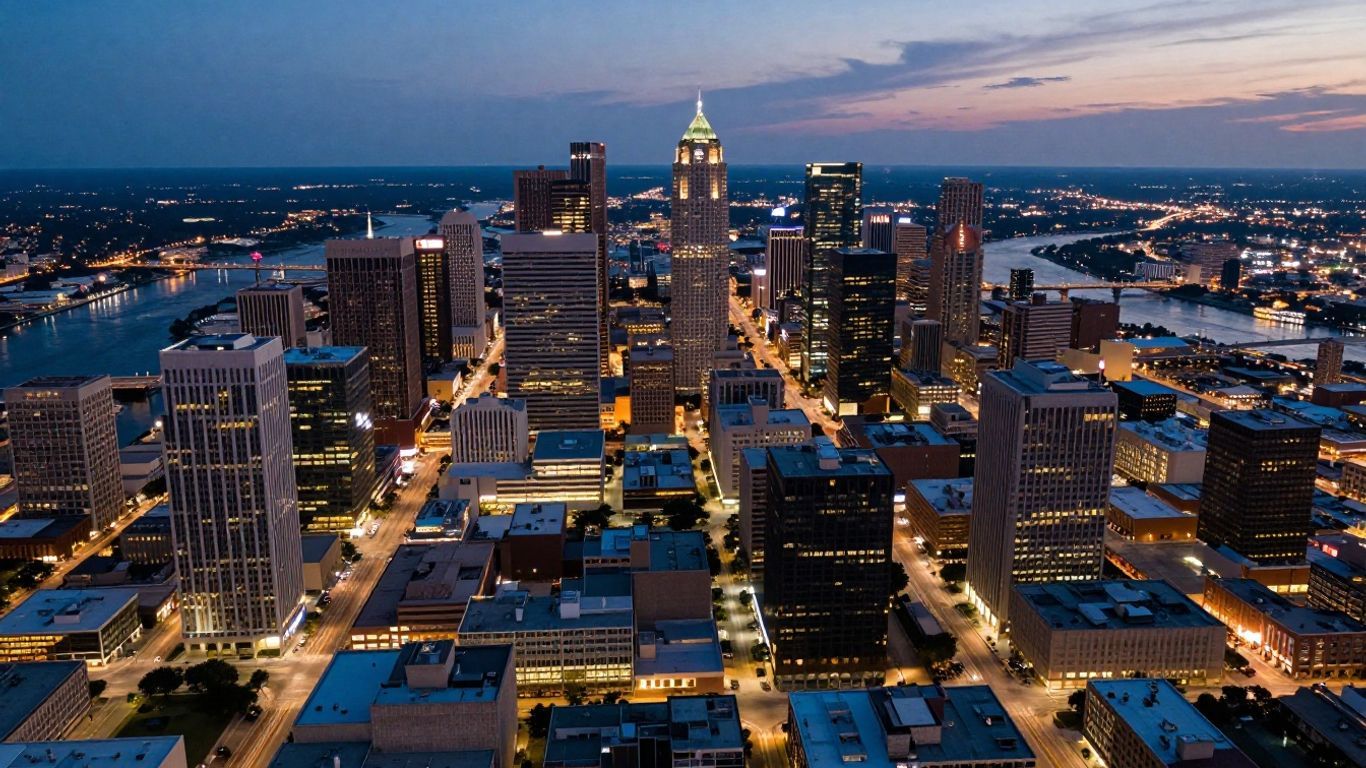
Houston's Continued Dominance
Houston, Texas's largest city, firmly maintains its status as a pivotal population hub. Between July 2024 and July 2025, the Houston metropolitan area experienced an impressive surge of over 126,000 residents, thus earning it the distinction of being the leading metropolitan area in the U.S. for numerical population growth within that timeframe. Such a sustained influx vividly underscores Houston's enduring allure—a city where countless individuals choose to establish roots and forge their futures.
San Antonio's Steady Increase
San Antonio is also experiencing steadfast population expansion. Though its growth trajectory may not mirror the accelerated pace of some smaller cities or burgeoning suburbs, its consistent accretion of residents contributes substantially to the state's overarching demographic profile. Indeed, the Alamo City—a popular destination—continues to captivate new residents with its distinctive cultural heritage and an abundance of economic prospects.
Fort Worth Surpasses One Million Residents
Fort Worth has officially achieved a momentous population milestone by exceeding the one-million-resident mark. This noteworthy accomplishment firmly positions it among the nation's largest cities and vividly accentuates the dynamic expansion unfolding within the broader Dallas-Fort Worth metroplex. Fort Worth's growth stands as a clear testament to its continually developing economy and its escalating appeal to an increasingly diverse populace.
The growth in major Texas cities, while undeniably substantial in absolute figures, is happening at a different pace compared to the explosive gains seen in some suburban areas. This indicates a nuanced demographic evolution where established urban centers continue to attract large numbers of people, even whilst smaller communities register significantly higher percentage increases.
Shifting Migration Patterns Within Texas
The narrative of Texas's population—its growth, its distribution—is demonstrably shifting. While the state continues to expand, the migratory patterns within its expansive borders are undergoing a notable evolution. A distinct trend has emerged: suburban areas are experiencing considerable booms, while the urban cores of several major cities are observing a reduction in new arrivals, or even marginal declines. This phenomenon, it must be stressed, transcends mere statistical tabulation; it profoundly reflects contemporary preferences regarding residence and the underlying motivations driving these choices.
Suburban Boom Continues
The areas surrounding our major cities are experiencing exceptional dynamism. Consider, for instance, Waller County, situated just northwest of Houston. It has consistently ranked among the fastest-growing counties nationwide. But what, precisely, accounts for this remarkable ascent? It appears that individuals are increasingly seeking greater spaciousness and a less dense environment than typically found within major urban centers. Furthermore, the availability of more affordably priced land for both new residential developments and critical infrastructure frequently serves as a compelling draw. While not exclusive to the Houston area, this trend is certainly replicated in counties surrounding Dallas and other Texas metropolitan regions, which are also witnessing substantial influxes of new residents. Indeed, it's a pattern discernible across the nation, yet Texas unquestionably stands as a quintessential exemplar.
Urban Core Growth Slows
Conversely, the centers of some of our largest cities are not expanding at their previous accelerated rates. Dallas County, to cite one example, has actually registered a net out-migration over the preceding year. This is not to imply that these cities are depopulating; rather, the brisk growth observed in recent years—often considerably bolstered by international migration—has markedly decelerated. The underlying causes are multifaceted, though a substantial reduction in international arrivals into the country has undeniably exerted a palpable influence on urban population statistics. This represents a profound demographic adjustment, actively reshaping the very contours of our principal urban centers.
County-Level Population Shifts
Looking at the data on a county level illuminates these transformative shifts most clearly. While certain urban counties are indeed registering attenuated growth or even slight declines, numerous adjacent suburban and exurban counties are, conversely, witnessing vigorous expansion. For instance, counties such as Kaufman, Liberty, and Caldwell—alongside Waller—feature prominently among Texas's most rapidly expanding regions. This trend signifies a distinct migratory pattern: a movement away from the most densely populated urban cores toward peripheral areas, where a greater array of housing options and more developable land are often accessible. Relocating within the state can also involve practical matters such as transferring vehicle ownership, where a Texas bill of sale template can help buyers and sellers properly document the transaction. What emerges is a nuanced tableau, demonstrating unequivocally that population growth is by no means uniform throughout the state. Crucially, the accessibility of land for development and excellent highway connectivity to primary employment centers constitute significant enticements for these expanding regions, rendering them highly appealing destinations for both families and enterprises alike.
The desire for more personal space, coupled with the increasing feasibility of remote work, is a major driver behind this suburban expansion. People are re-evaluating their living situations, and for many, that often entails trading shorter commutes for an enhanced quality of life characterized by greater living space.
To illustrate these county-level dynamics, observe some of the regions currently experiencing substantial growth:
- Waller County: Experiencing rapid expansion, driven by available land and job growth.
- Kaufman County: Benefiting from its proximity to Dallas and development opportunities.
- Liberty County: Seeing increased interest due to its location and housing options.
- Caldwell County: Growing as a desirable area for those seeking more space outside of Austin.
Understanding these intricate shifts is paramount as we analyze the broader population trends shaping Texas. Texas remains a profoundly dynamic state, and the preferences dictating where individuals elect to establish their homes are perpetually evolving. For more insights into how cities are growing and changing, you can explore resources like citiesabc.
Factors Influencing Texas's Population Trends
So, what exactly compels so many individuals and families to pack their bags and relocate to the Lone Star State? The answer, it turns out, isn't a singular cause but rather a synergistic confluence of factors that render Texas an exceptionally appealing place to reside in the current climate.
Economic Opportunities and Development
To be frank, robust employment opportunities invariably constitute a primary attraction. Texas has, for a considerable period, distinguished itself as an economic growth powerhouse. The continuous establishment of new enterprises, coupled with the expansion of existing ones, perpetually generates a wealth of job openings across an eclectic range of industries. This palpable economic dynamism naturally translates into more individuals considering Texas as a prime destination for their professional trajectories. Moreover, the state's notably business-friendly environment plays an indisputable and significant role, streamlining the process for companies to expand and, consequently, to recruit.
Housing Availability and Affordability
Compared to some other parts of the country, Texas has traditionally presented more accessible housing options. While property values have certainly been on an upward trajectory, particularly in high-demand locales, the expenditures associated with purchasing or leasing a residence often remain more financially viable for numerous families and individuals when contrasted with many coastal metropolises. This relative affordability, synergizing with a healthy inventory of new housing developments—especially prevalent in suburban corridors—significantly simplifies the process for individuals to establish roots. Indeed, it stands as a paramount reason underpinning the substantial, rapid growth observed across so many suburban communities.
Lifestyle Preferences and Remote Work
The professional landscape has undergone a profound transformation, particularly with the widespread adoption of remote work modalities. This paradigm shift liberates many from the traditional imperative of residing within immediate proximity to their workplace. Texas, notably, presents an exceptionally diverse array of lifestyle options, ranging from vibrant, bustling city centers to tranquil suburban enclaves, and even serene rural environments. Consequently, individuals are increasingly empowered to select residences that align with their ideal way of life—a preference Texas is uniquely positioned to accommodate with its vast variety. Moreover, the comparatively lower cost of living prevalent in many Texan regions often translates into greater purchasing power for residents' salaries, an undeniable advantage. The state's broad appeal truly extends to those in pursuit of an alternative pace of life, and with the ascendance of remote work, this particular factor has become more influential than ever before. You can check out some of the leading cities on citiesabc to see how they're adapting.
The combination of compelling job prospects, manageable housing costs, and the invaluable ability to choose a lifestyle that fits—all while potentially maximizing their financial resources—creates a truly compelling case for Texas. For many, it's not merely a desirable option, but a practical choice.
In summary, here’s an overview of some key drivers behind this widespread appeal:
- Job Market Strength: Consistent job creation across multiple sectors.
- Cost of Living: Generally lower than many other major states, especially regarding housing.
- Development: Ongoing construction of new homes and infrastructure.
- Quality of Life: Diverse options from urban to suburban and rural living.
- Remote Work Flexibility: Increased ability to live in Texas while working for companies elsewhere.
Texas Cities Among the Nation's Most Populous
Texas continues to maintain a formidable presence in the national urban landscape when considering sheer population size. Here, the discussion transcends mere growth rates; it encompasses the impressive magnitude of absolute numbers. Indeed, multiple Texan cities consistently secure high positions on the roster of the nation's most populous locales, unequivocally demonstrating the state's profound attractiveness to potential residents.
Houston's National Ranking
Houston steadfastly maintains its standing as a top-tier city on the national stage. According to the most recent estimates, it continues to be among the most populous in the U.S.—a clear testament to its abundant economic opportunities and exceptionally diverse community. The city's sheer scale ensures a substantial annual increase in its population, thereby securing its unwavering presence in the national spotlight.
San Antonio's Position
San Antonio is yet another Texan urban behemoth, regularly featuring among the nation's most densely populated urban centers. Its consistent increase in residents conspicuously underscores its inherent appeal as a locale boasting a rich cultural heritage and a continually expanding job market. The sustained growth of this historic city represents a pivotal chapter in Texas's broader demographic narrative.
Dallas and Fort Worth's Standing
Both Dallas and Fort Worth are significant urban hubs that have each traversed impressive population milestones. Fort Worth, notably, has recently exceeded the one-million-resident threshold, thereby joining Dallas among the esteemed ranks of the nation's largest cities. Their collective presence unequivocally highlights the formidable strength of the Dallas-Fort Worth metroplex as a preeminent national population center.
For a clearer perspective, consider how these prominent Texas cities compare nationally:
| City | State | 2024 Population | National Rank |
|---|---|---|---|
| Houston | Texas | 2,390,125 | 4 |
| San Antonio | Texas | 1,526,656 | 7 |
| Dallas | Texas | 1,326,087 | 9 |
| Fort Worth | Texas | 1,008,106 | 11 |
The continued presence of multiple Texas cities in the top national population rankings is an unequivocal indicator of the state's ongoing appeal and economic vitality. These urban centers are not only expanding; they are becoming some of the largest and most significant population hubs in the entire country.
What drives this remarkable prominence? Key factors contributing to this elevated status include:
- Economic Opportunities: A strong job market across various sectors attracts people from all over.
- Affordable Living: Generally lower than many other major U.S. cities, Texas often offers a more accessible cost of living.
- Quality of Life: A blend of cultural attractions, recreational activities, and a generally welcoming environment plays a role.
- Business-Friendly Environment: Policies that encourage business growth often translate into job creation and population influx.
The Role of Immigration in Texas's Growth
Texas has long served as a formidable magnet for individuals from across the globe, and immigration, undeniably, constitutes a pivotal chapter in its ongoing demographic narrative. While the state's comprehensive growth profile is a complex amalgamation of natural increase (births minus deaths), domestic migration, and international arrivals, it's the latter component that has historically exerted a particularly noticeable influence, especially within our major urban centers and their contiguous regions. These demographic patterns are also reflected in Texas vital records, which document major life events such as births and deaths across the state.
Impact of International Migration
International migration has been a fundamental driver fueling Texas's population boom, most notably in the years immediately subsequent to the global pandemic. A considerable number of our larger municipalities and their surrounding suburban communities witnessed swift expansion, attributable, in part, to the consistent arrival of newcomers from international locales. This steady influx has, in turn, profoundly enriched the diverse cultural fabric and bolstered the economic vitality of these vibrant regions.
Recent trends, however, indicate a discernible deceleration in international migration. This shift has directly impacted the growth trajectories of certain urban areas that had previously enjoyed exceptionally rapid population increases. Indeed, the state demographer has highlighted a notable reduction in international residents, a factor that is now serving to temper the overall pace of growth in these specific locales.
Regional Differences in Immigration Effects
The impact of international migration is not uniformly distributed across the expanse of the state. Certain border cities, for example, have experienced this slowdown with a heightened acuity. Regions that once witnessed substantial growth propelled by international arrivals are now recording a markedly attenuated pace of expansion.
Conversely, the thriving suburbs encircling major metropolitan centers such as Houston and Dallas continue to accrue residents, albeit with the sources of that growth becoming increasingly diversified. While the contribution of international migration may indeed be less pronounced in specific areas, other powerful demographic factors—such as domestic migration and natural increase—persistently bolster the overall population numbers.
For a numerical perspective on these regional dynamics, consider the following:
| Region | Population Change (July 2024 - July 2025) | Notes |
|---|---|---|
| Houston Metro | +126,720 | Largest numerical increase in the US |
| Dallas-Fort Worth Metro | +123,557 | Second largest numerical increase in the US |
| Harris County | +48,695 | Largest increase among US counties |
| Collin County | +~43,000 | Second largest increase among US counties |
Future Outlook for Immigration-Driven Growth
As we cast our gaze forward, it's evident that immigration patterns will invariably continue to mold the demographic tapestry of Texas. While the cadence of international arrivals is subject to fluctuations, Texas's well-established standing as a welcoming state rich with economic opportunities strongly implies it will persist as a desirable destination for individuals globally.
The state's ability to attract and integrate new residents, regardless of their origin, will be a paramount factor in its continued development and prosperity. Even with shifts in migration trends, the inherent allure of Texas—its robust economy, appealing lifestyle, and expansive spaces—remains a powerful draw for countless individuals.
Indeed, natural population increase through family formation and persistent domestic migration are anticipated to sustain robust population growth within Texas's major metropolitan areas, even as the complexities of international immigration continue to evolve. The state's substantial existing population base, moreover, confers a significant degree of resilience against pronounced downturns in any singular growth component.
Looking Ahead: Texas's Evolving Landscape
Ultimately, what comprehensive conclusions can we draw from this extensive population data concerning Texas? Evidently, the state unequivocally maintains its status as a principal magnet for individuals, with numerous cities—particularly in the burgeoning suburban rings surrounding Dallas and Houston—experiencing substantial growth. While the largest metropolises continue to accrue significant numbers of residents, the most accelerated percentage gains are, quite consistently, being registered in smaller towns and newly developing regions. It would appear that Texas, despite its vast scale and ongoing changes, remains a highly desirable place for individuals to establish roots, construct homes, and discover new opportunities. As we contemplate the future, it will be exceptionally fascinating to observe how these persistent trends further sculpt the state's diverse communities and which novel locations might ultimately emerge onto our collective population radar.
Frequently Asked Questions
Which Texas cities are growing the fastest?
Princeton, Texas, is leading the vanguard with an exceptionally high growth rate. Fulshear, located near Houston, and several Dallas suburbs like Celina, Anna, and Melissa are also expanding with remarkable rapidity. It appears that numerous smaller towns and cities are undergoing significant transformations into larger urbanized areas.
Are the biggest Texas cities still growing?
Yes, major cities like Houston, San Antonio, and Fort Worth are indeed continuing to attract more residents. Fort Worth even recently surpassed the one-million-resident threshold! While they are still growing, some of the most accelerated growth is, however, occurring in the smaller communities situated around them.
Why are so many people moving to Texas?
Texas offers a wealth of job opportunities and ongoing new developments, which serve as strong attractants for newcomers. Plus, the cost of housing can often be more affordable compared to other regions, and with the increasing prevalence of remote work, individuals are granted greater flexibility in choosing their place of residence.
Where do most people moving to Texas come from?
While many people have moved to Texas from other states, international immigration has also contributed significantly to the state's growth. However, recent changes in immigration patterns may be influencing growth rates in some areas.
Are people moving away from the big cities in Texas?
Some of the biggest cities, like Dallas County, have experienced a marginal decrease in population as people move to the surrounding suburbs and smaller towns. This phenomenon of suburban migration is observable across Texas.
Which Texas cities are among the most populated in the U.S.?
Texas boasts multiple cities among the nation's most populous. Houston is ranked fourth, San Antonio is seventh, Dallas is ninth, and Fort Worth is eleventh. Additionally, Austin is recognized within the top 15 most populous cities nationwide.


