
resources
American Cities Population: Key Trends and Top Rankings for 2026
16 Feb 2026

What trends are currently shaping American urban populations? A newly released 2026 report offers valuable insights into residential patterns and the attributes that contribute to a high quality of life in cities across the nation. Interestingly, this study doesn't solely highlight major metropolitan centers; a significant number of smaller and mid-sized cities are also distinguishing themselves. The comprehensive analysis delves into various critical factors, including the cost of living, healthcare accessibility, and the strength of community bonds. Let's explore some of the top-performing locations that made the cut.
Key Takeaways
- Washington, D.C., secures the leading position for 2026, earning high marks for its exceptional quality of life and robust community atmosphere.
- Portland, Maine, claims the second spot, demonstrating commendable performance in community engagement and overall livability, even amidst a higher cost of living.
- Kansas City, Missouri, ranks third, presenting an attractive blend of lower living expenses, a robust job market, and convenient access to recreational activities.
- Des Moines, Iowa, follows in fourth, with its notably short commute times and diverse housing options significantly enhancing residents' daily lives.
- Ann Arbor, Michigan, rounds out the top five, distinguished by its excellent healthcare infrastructure, abundant wellness programs, and strong job growth prospects for professionals.
1. Washington, D.C.
Washington, D.C. leads the charge in 2026 for overall livability, a testament to its consistent efforts in urban development. This bustling metro area particularly excels in fostering an outstanding quality of life and a strong sense of communal connection. It appears the city has made substantial investments in enhancing healthcare accessibility, cultivating inviting public spaces, and enriching its vibrant cultural landscape.
When evaluating the hallmarks of a truly great place to reside, D.C. consistently achieves high scores across the board. Its appeal extends beyond mere entertainment options, encompassing crucial practical aspects such as readily available healthcare services and a palpable sense of belonging among its residents.
Here’s a concise overview of the principal factors contributing to D.C.'s top-tier ranking:
- Healthcare Access: Residents benefit from a meticulously developed network of medical facilities and highly skilled professionals.
- Public Spaces & Culture: Strategic investment in parks, museums, and a diverse array of cultural institutions significantly enriches daily life.
- Community Engagement: A vibrant atmosphere fosters a strong sense of belonging and provides ample opportunities for residents to connect and interact.
The city's consistent performance underscores a strategic focus on resident well-being and forward-thinking urban development, effectively establishing it as a benchmark for other metropolitan areas to emulate.
While other cities are certainly making strides, D.C.'s distinctive combination of favorable factors ensures its preeminence for individuals seeking a dynamic and well-supported environment to call home.
2. Portland, Maine
Portland, Maine, has earned a commendable second spot in our 2026 rankings, marking a slight shift from its leading position last year. This dynamic New England city is widely recognized for its robust performance in both quality of life and its location and community metrics—truly, it appears residents here enjoy a particularly advantageous lifestyle.
So, what exactly elevates Portland's standing?
- Access to Healthcare: The city boasts an extensive network of healthcare providers, which means obtaining medical attention is typically straightforward and convenient.
- Educational Opportunities: Portland provides excellent access to higher education institutions, a significant advantage for students and professionals alike seeking intellectual growth.
- Community Engagement: A high prevalence of membership associations points to a citizenry that is both active and deeply involved in local affairs.
Despite the cost of living in Portland being somewhat above the national average, the city effectively counterbalances this with consistent job growth and encouraging income increases. This favorable economic equilibrium helps sustain its impressive livability score.
Portland's allure isn't merely about statistical figures; it embodies a lifestyle that skillfully harmonizes urban conveniences with a strong sense of community and unparalleled access to natural beauty. Indeed, the city's infrastructure is thoughtfully designed to support an excellent quality of life for its inhabitants.
Here’s a concise summary of Portland's performance across key metrics:
| Metric | Ranking |
|---|---|
| Overall Livability | 2 |
| Quality of Life | 5 |
| Location & Community | 2 |
3. Kansas City, Missouri
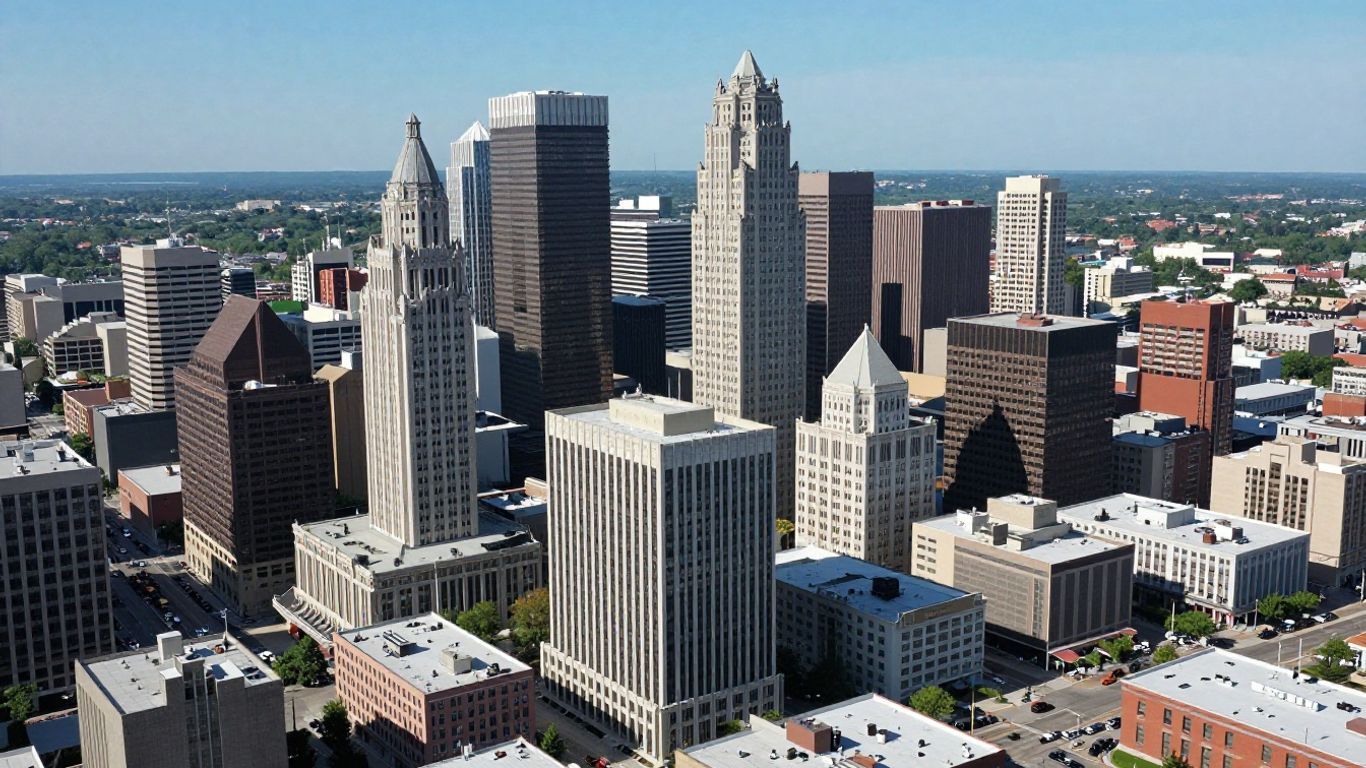
Kansas City, Missouri, secures a prominent third place on our 2026 list, and its appeal is quite evident. This vibrant metro area offers a compelling blend of affordability and robust community characteristics. It truly distinguishes itself when assessing its socioeconomic standing, achieving a remarkable fourth nationally, and for its location and community attributes, which rank an impressive sixth.
What specifically makes Kansas City such a standout?
- Exceptional Value: The cost of living here is generally more favorable than the national average, allowing residents' incomes to extend further.
- Efficient Commutes: Navigating the city is often quicker, translating into less time spent in traffic and more personal time for residents.
- Abundant Recreation: Inhabitants enjoy access to a wide array of recreational facilities, encompassing everything from serene parks to dynamic sports complexes.
- Dynamic Economy: Consistent income growth contributes positively to the area's optimistic economic outlook.
The synergy of economic stability, readily accessible amenities, and a more moderate cost of living crafts an exceptionally attractive proposition for individuals seeking a place to establish roots and truly flourish.
Kansas City's performance serves as a clear illustration of how an urban center can effectively balance growth with a high quality of life for its residents. It stands as a strong contender for anyone considering a relocation to a place that feels both energetic and firmly grounded.
4. Des Moines, Iowa
Des Moines, Iowa, proudly claims the fourth spot on our list, and its merits are quite apparent. This thriving Midwestern hub is effectively cultivating an excellent standard of living for its residents. It garners particularly high marks in the location and community categories, ranking third nationally for these crucial aspects. Picture shorter commute times and a housing market that's considerably more accommodating than those found in many other urban centers—this combination undeniably simplifies daily life and fosters a sense of stability.
What else contributes to Des Moines' allure? The city benefits from a growing base of educated professionals, a direct result of its local colleges and universities. This skilled workforce is a substantial asset for the region's key industries, including insurance, finance, and technology. Clearly, Des Moines is a city strategically building upon its inherent strengths.
Here’s a concise overview of Des Moines' distinguishing features:
- Strong Community Feel: High rankings for location and community indicate residents feel connected and have convenient access to essential services.
- Housing Stability: Compared to numerous other cities, Des Moines presents greater stability and fewer challenges when it comes to securing desirable housing.
- Educated Workforce: Local educational institutions consistently produce graduates who fill vital roles within the city's primary economic sectors.
- Economic Diversity: The robust presence of insurance, finance, and tech industries provides a solid and resilient economic foundation.
Des Moines exemplifies a mid-sized city that offers a remarkably balanced lifestyle, integrating economic opportunities with a high quality of life and a profound sense of community. Its consistent performance across several pivotal metrics emphatically highlights its appeal to both current and prospective residents.
It's not exclusively about professional pursuits, though. The city's dedicated focus on creating a truly livable environment, complete with excellent access to education and amenities, significantly bolsters its overall attractiveness. Des Moines is confidently demonstrating that one needn't be situated on the coasts to discover an exceptional place to call home.
5. Ann Arbor, Michigan
Ann Arbor, Michigan, gracefully secures the fifth overall spot in our 2026 city rankings. This vibrant city truly excels in terms of quality of life, achieving a notable fourth position nationally. A substantial factor contributing to this distinction is the sheer abundance of healthcare providers available—one of the highest concentrations you'll encounter anywhere.
When one considers the elements that make a place desirable for living, Ann Arbor scores remarkably well because its residents enjoy excellent access to education, a plethora of wellness options, and abundant outdoor activities. It appears to be a city that has struck a fine balance. Furthermore, the city is experiencing solid income growth, and its robust network of colleges and professional organizations consistently attracts bright, skilled individuals.
Here’s a concise summary of some key factors for Ann Arbor:
- High concentration of healthcare providers
- Strong access to education and wellness resources
- Growing income levels
- Attracts young professionals and skilled workers
The synergistic combination of a well-educated populace and a dense academic and professional environment makes Ann Arbor a perennial magnet for talent. This dynamic interplay fuels its economic stability and significantly contributes to its consistently high quality of life.
Ann Arbor's impressive performance stands as a clear testament to its unwavering focus on resident well-being and its proven ability to both attract and retain a highly skilled workforce, solidifying its position as a standout city in the Midwest.
6. Albany, New York
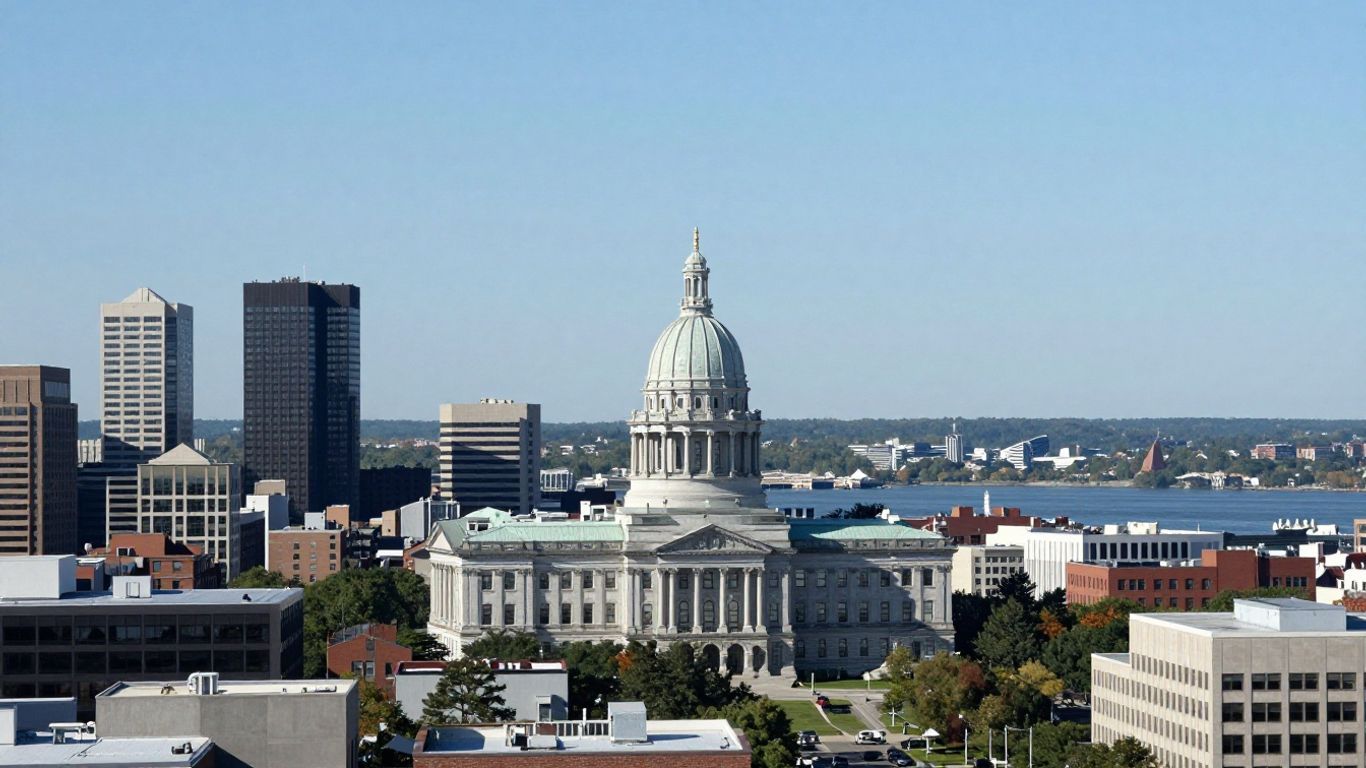
Albany, New York, confidently secures the sixth position in our 2026 city rankings, primarily owing to its robust performance in location and community metrics. This prominent northeastern capital city offers a commendable equilibrium for its residents, establishing itself as a noteworthy place to reside.
The city's appeal is significantly bolstered by its advantageous commute times and readily accessible educational resources. Albany also provides a respectable amount of recreational infrastructure, which collectively contributes to a well-rounded and fulfilling living experience.
Here’s a concise overview of Albany's distinguishing attributes:
- Location and Community: Ranks fourth nationally in this category, underscoring the ease of mobility and access to vital community resources.
- Employment Stability: The area boasts stable job market conditions and a commendably low unemployment rate—an undeniable advantage for residents.
- Educational Access: The proximity to esteemed colleges and universities supports both a skilled local workforce and continuous opportunities for personal and professional development.
Albany's consistent performance across several key areas strongly suggests a city that actively prioritizes the daily well-being and connectivity of its inhabitants. It's a place where navigating to work and accessing essential amenities doesn't necessarily entail significant hassle.
While perhaps not always the first city that comes to mind in national rankings, Albany's solid standing in 2026 clearly indicates it offers a compelling combination of practical benefits and a community-centric focus that many are actively seeking.
7. Columbus, Ohio
Columbus, Ohio, is making a strong impression in the 2026 rankings, having landed at number seven. This vibrant Midwestern city significantly benefits from a cost of living that is generally more affordable than the national average—a definite advantage for its residents. Its economy is notably diverse, with stable foundations in education, technology, and finance.
When considering day-to-day life, Columbus consistently scores well. It's recognized for its proactive focus on wellness, ensuring its populace enjoys good access to nutritious food options and a wealth of recreational activities. This commitment undoubtedly contributes to its solid placement in both quality of life and location and community metrics.
Here’s a concise overview of how Columbus measures up:
- Cost of Living: Consistently below the national average, enhancing affordability for residents.
- Economic Base: A diversified economy, prominently featuring education, technology, and finance sectors.
- Quality of Life: Strong performance, particularly notable in wellness initiatives and food accessibility.
- Location & Community: Ranks well, highlighting excellent recreational opportunities and community amenities.
The city's inherent economic stability, coupled with its clear commitment to resident well-being and readily accessible amenities, renders it an increasingly attractive destination for both living and working.
Columbus is, in fact, part of a broader trend where the Midwest is experiencing a resurgence in population growth, with states like Ohio observing positive net domestic migration. This pattern certainly suggests a growing appeal for the region's affordability and its strong sense of community.
8. Asheville, North Carolina
Asheville, North Carolina, is making a notable impact in the 2026 rankings, securing the eighth spot overall. This vibrant city is particularly recognized for its impressive income growth rate—one of the highest among all metropolitan areas included in the study. It also performs commendably in terms of community and location, achieving a national ranking of sixth for these important factors.
What precisely underpins Asheville's high marks?
- Efficient Commute Times: Residents generally spend less time traveling to and from work, significantly enhancing daily convenience.
- Robust Healthcare Access: The city offers excellent access to medical services, a crucial element for overall community well-being.
- High Community Engagement: There's a discernible level of active participation and strong social connection among residents.
The city's palpable economic vitality, seamlessly combined with its appealing lifestyle factors, makes it a truly noteworthy place to reside.
Asheville's unique synthesis of economic opportunity and a profound sense of community is undeniably a major draw. It appears to be a place where individuals genuinely connect with their surroundings and with one another, fostering a distinctly positive living experience.
9. Harrisburg, Pennsylvania
Harrisburg, Pennsylvania, merits its ninth position on our list, and its rationale is quite clear. It presents an appealing combination of affordability and a strong community atmosphere, earning it a respectable ninth place in the location and community category. The city's infrastructure seems thoughtfully designed to facilitate ease of movement, allowing residents to navigate without excessive time spent in traffic—which is always a significant advantage. Moreover, a stable job market exists, with healthcare and other regional businesses providing consistent employment opportunities.
The synergy of manageable living costs and a dependable employment landscape positions Harrisburg as an attractive option for many prospective residents.
Here’s a concise overview of Harrisburg's key strengths:
- Affordability: Generally more budget-friendly when compared to other major metropolitan areas.
- Commute: Infrastructure is optimized to support shorter travel times, enhancing daily convenience.
- Employment: A stable job market, particularly robust in the healthcare and various regional industries.
- Community: Ranks well for its distinct sense of place and the strong connections among its inhabitants.
Harrisburg's appeal lies in its fundamental practical advantages. It is an environment where daily life feels distinctly more manageable, thanks to sensible urban planning and a clear focus on what truly matters to its residents—efficient commutes, promising employment prospects, and a genuine connection to the community.
10. Boise, Idaho
Boise, Idaho, triumphantly rounds out our top 10 list for 2026. This dynamic city is experiencing considerable growth, particularly in sectors such as construction, manufacturing, and education. Furthermore, the unemployment rate here remains commendably low, always a positive indicator for any urban center.
While Boise might not achieve the highest scores in terms of its overall economic standing—it's ranked 30th in socioeconomics—it admirably compensates with a growing population and a lifestyle that profoundly appeals to outdoor enthusiasts. This strong emphasis on outdoor living and community connection was instrumental in securing its spot at number 19 for location and community.
Here’s a concise overview of Boise's distinguishing features:
- Labor Force Growth: Demonstrates robust increases in employment across key economic sectors.
- Low Unemployment: Presents a stable and favorable job market for its residents.
- Outdoor Amenities: Offers excellent access to natural beauty and a diverse range of recreational activities.
- Population Growth: An increasing number of individuals are actively choosing to establish their homes in Boise.
Boise's appeal is unequivocally linked to its seamless blend of economic opportunities and a lifestyle that fully embraces its stunning natural surroundings.
The city's ranking serves as a clear testament to how pivotal factors like job availability and the opportunity to engage with nature can significantly influence where people choose to settle. It underscores that a city doesn't necessarily need to be the largest or the wealthiest to offer a truly high quality of life.
Looking Ahead: What These Trends Mean
So, what critical insights can we glean from this extensive population data and these city rankings? It appears the U.S. is experiencing a moderate deceleration in overall population growth, primarily attributable to a decrease in international migration. Yet, even within this broader trend, numerous cities continue to expand, particularly in regions like Texas and the Southeastern states. When we examine where people genuinely desire to live, it's evident that the allure extends well beyond just the largest metropolises. Cities such as Washington D.C., Portland, Maine, and Kansas City are demonstrating exceptional performance, largely because they offer an attractive synthesis of job opportunities, reasonable living costs, and a palpable sense of community. It's truly fascinating to observe how different regions, including the Midwest, are significantly enhancing their livability profiles. Moving forward, it is clear that factors like robust job markets, affordability, and an elevated quality of life will remain paramount in shaping Americans' decisions on where to call home.
Frequently Asked Questions
What makes a city a good place to live in 2026?
Cities are assessed and ranked based on their comprehensive ability to provide a balanced array of attributes, including factors like the cost of living, the quality and accessibility of healthcare, educational opportunities, and the strength of community cohesion. Ultimately, it’s about identifying environments that are not only economically viable but also conducive to health, safety, and a fulfilling lifestyle.
Why is Washington, D.C. ranked number one?
Washington, D.C., secures the top position due to its exceptional performance in providing superior healthcare services, maintaining well-developed public spaces, and offering a rich tapestry of cultural activities. Residents within the district appear to experience a high quality of life complemented by a profound sense of community engagement.
What are the main reasons Portland, Maine is ranked so high?
Portland, Maine, is a strong contender, placing a close second. It boasts an extensive network of medical professionals and facilities, access to quality higher education institutions, and a thriving ecosystem of community organizations. Despite the somewhat higher cost of living, the presence of stable employment and favorable income growth significantly contributes to its appeal as an excellent place to reside.
How did Kansas City, Missouri, make it into the top three?
Kansas City, Missouri, achieved its top-three status because the cost of living there is generally more favorable compared to many other major urban centers. It also performs commendably in terms of employment prospects and the strength of its community connections. Furthermore, residents benefit from relatively short commute times and abundant opportunities for recreation and physical activity.
Are there any surprises in the top 10 list for 2026?
The compiled list presents a compelling mix of both widely recognized cities and several smaller metropolitan areas that are demonstrating surprisingly strong performance. Cities such as Des Moines, Iowa, and Ann Arbor, Michigan, effectively illustrate that a significant urban footprint isn't a prerequisite for offering a high quality of life to inhabitants.
What does 'livability' mean in these rankings?
Livability, within the context of these rankings, refers to the overall quality of life a city offers its residents. This metric considers a broad spectrum of factors, including the affordability of housing, the ease of access to quality healthcare and educational resources, the safety and security of neighborhoods, and the availability of both career opportunities and recreational pursuits.


