


resources
Top Cities in England by Population: A Comprehensive Ranking
16 Feb 2026

Ever wondered where the majority of England's population resides? It’s an excellent question, and the answer isn't always as straightforward as one might assume. We're about to embark on an exploration of England's most populous cities, essentially a fascinating look at where people have chosen to establish their homes. It's quite intriguing to observe how these urban centers have evolved over time and what attributes make them so appealing. Let's delve into the data and uncover which cities truly lead the pack.
Key Takeaways
- London indisputably reigns as England's most populated city, and by a significant margin.
- Birmingham and Manchester follow as the subsequent largest cities in terms of resident numbers.
- Leeds and Liverpool also feature prominently among England's most populous urban areas.
- City population size is heavily influenced by historical development and available economic opportunities.
- These major cities function as vital centers for culture, innovation, and employment.
1. London
London, England's vibrant capital, commands its position as the country's most populous city by an undeniably vast margin. Its significance isn't a recent phenomenon; indeed, its roots stretch back to Roman times, when it first emerged as a crucial trading hub. Over many centuries, it progressively solidified its status as the nucleus of British government and culture, with its pivotal role during the Industrial Revolution and the expansive British Empire truly cementing its enduring prominence.
Today, London operates as an undisputed global powerhouse. It's a significant player across finance, media, technology, and the arts, with its robust economy contributing a substantial portion to the UK's overall economic output. Moreover, it serves as an irresistible magnet for individuals from every corner of the globe, whether they arrive for work, academic pursuits, or simply to immerse themselves in its rich tapestry.
Here are a few key facts about this remarkable metropolis:
- Population: Over 8.8 million people call the city itself home, with the wider metropolitan area encompassing an even larger demographic.
- Economic Impact: London alone generates a substantial portion of the UK's Gross Domestic Product (GDP).
- Global Hub: Renowned for its extraordinarily diverse population, speaking upwards of 300 languages, and its profound influence on international business and culture.
London's unparalleled capacity to adapt and innovate while remaining intrinsically connected to the global stage is a primary driver of its sustained eminence. It's a city perpetually in motion, deftly blending its profound historical legacy with cutting-edge modern innovation.
2. Birmingham
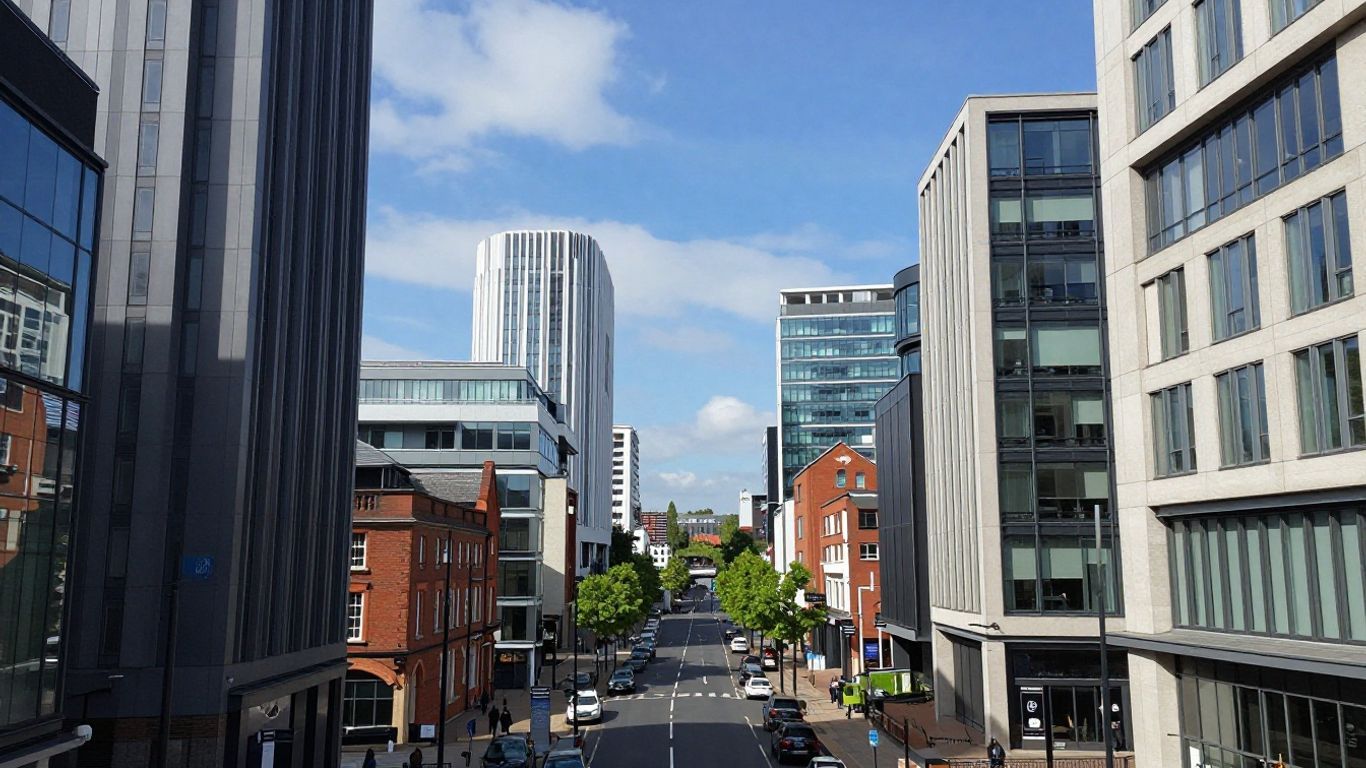
Following closely behind the capital, Birmingham emerges as another formidable urban center in England, particularly distinguished by its substantial population. Nestled in the heart of the West Midlands, this city boasts a history profoundly intertwined with the Industrial Revolution, a legacy that earned it the venerable moniker "Workshop of the World." It was, without a doubt, a vibrant hub for ingenious craftspeople and relentless innovators, playing an instrumental role in shaping much of Britain's manufacturing prowess.
In the present day, Birmingham continues to exert its influence as a dynamic economic force. Its economy has undergone significant diversification, now showcasing robust sectors in finance, technology, and professional services. The city also proudly hosts several respected universities and benefits from exceptional transport connections, solidifying its position as a key player within the national landscape.
Here's a concise overview of some key figures for Birmingham:
- Population: Exceeding 1.15 million residents
- Region: West Midlands
- Key Industries: Finance, Technology, Professional Services, Manufacturing
- Notable Attractions: Cadbury World, Birmingham Museum & Art Gallery, Jewellery Quarter, Bullring Shopping Centre
Birmingham's strategic geographical location and its remarkable evolution from an industrial juggernaut to a contemporary economic nucleus underscore its enduring significance in England's urban hierarchy. Its youthful and wonderfully multicultural population further enriches its vibrant character, making it a truly captivating place.
3. Manchester
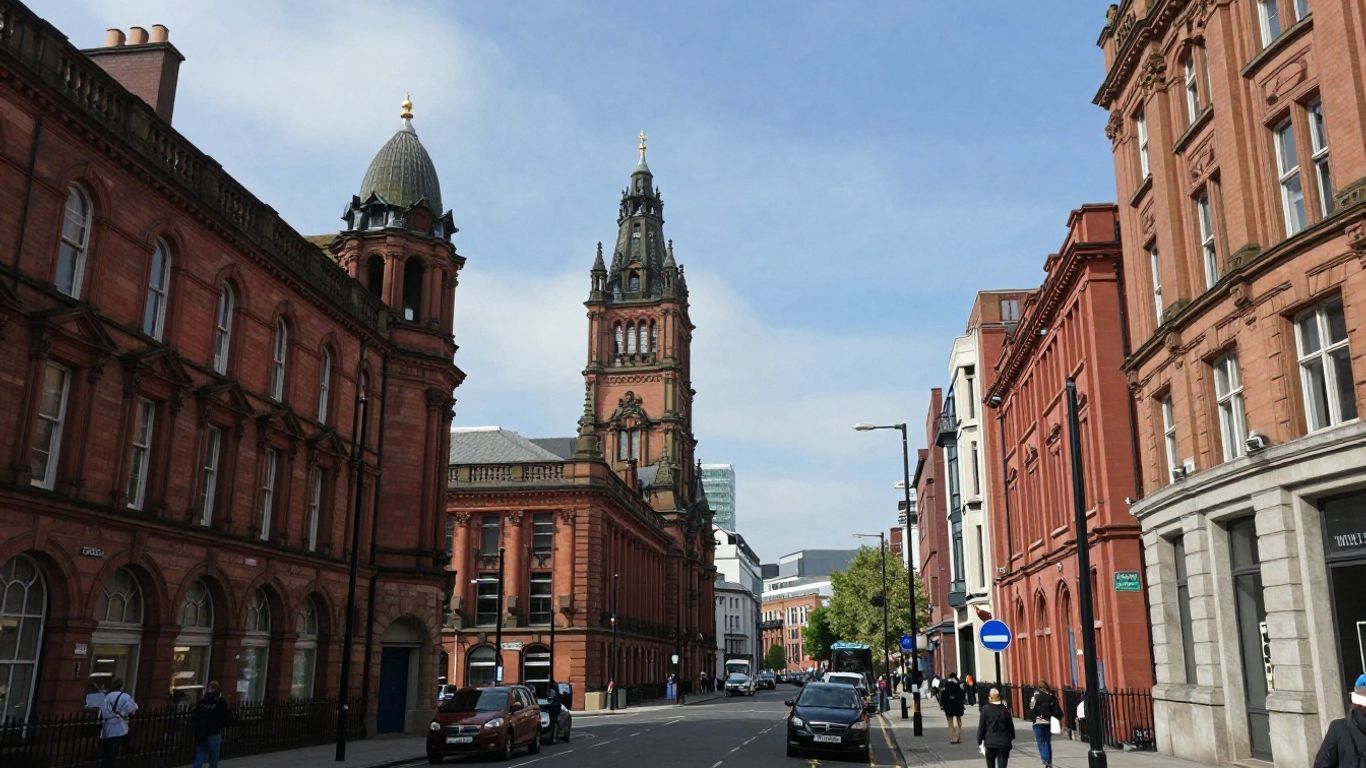
Manchester, an influential urban center with an approximate population of 550,000 within its official boundaries, holds a significant place in England's tapestry. While its resident count may be comparatively smaller than some other major cities, its profound historical importance and considerable modern influence are simply undeniable.
This city played an absolutely massive role in the Industrial Revolution, rightfully earning it the distinction of the world's first industrial city. This powerful legacy continues, in many ways, to shape its identity, even as its economy has deftly transitioned from traditional manufacturing to embrace dynamic, newer sectors.
Here's a quick glimpse at some key figures for Manchester:
- Region: Greater Manchester
- Approximate Population: 550,000
- Key Industries: Media, Science, Engineering, Music
- Notable Attractions: Old Trafford, Science & Industry Museum, Manchester Art Gallery
Today, Manchester is celebrated for its incredibly vibrant culture, its world-class universities, and its iconic football clubs—truly a city with something for everyone. It's also home to MediaCityUK, a pivotal hub for media and digital industries. This compelling fusion of deep historical significance and forward-thinking innovation undeniably positions Manchester as a dynamic and influential urban environment.
The city's remarkable transformation from an industrial powerhouse to a thriving center for creative and digital industries vividly highlights its adaptability and enduring appeal to both residents and visitors alike.
4. Leeds
Leeds, gracefully situated in West Yorkshire, stands as a major urban center boasting a population exceeding 500,000 individuals. It is a city steeped in a rich and extensive history, having originated as a humble market town that subsequently experienced significant growth during the flourishing wool trade era.
Fast forward to today, and Leeds has undergone a remarkable transformation, evolving into a pivotal financial and legal hub. It proudly hosts the largest regional financial district outside of London, a testament to its economic prowess. Its retail scene is also exceptionally vibrant, particularly within the exquisite Victoria Quarter, and the presence of highly regarded universities—like the prestigious University of Leeds—consistently attracts students and professionals from across the globe.
Here's a concise overview of some key details for Leeds:
- Region: West Yorkshire
- Population: Approximately 503,388
- Key Industries: Finance, Law, Retail, Education
- Notable Attractions: Royal Armouries Museum, Leeds Kirkgate Market, Roundhay Park
The city's centuries-long development—from its Viking origins and immense prominence in the wool trade to its modern status as a leading business and educational center—vividly underscores its impressive adaptability and persistent importance in the North of England.
5. Liverpool
Coming in at number five on our list is Liverpool, a captivating city with a population of approximately 579,000 residents. Poised elegantly on the Mersey River, this city possesses an profound connection to the sea, having served as a major global port during the zenith of the British Empire. That rich maritime history undeniably sculpted Liverpool into the diverse and dynamic place it is today, drawing people from all over the world to call it home.
Liverpool's very identity is robustly interwoven with its maritime past and its exceptionally vibrant cultural scene.
Here's a quick overview of some key details for Liverpool:
- Region: Merseyside
- Population Density: Approximately 4,000 people per square kilometer
- Known For: The Beatles, its UNESCO-listed waterfront, and a robust presence in logistics, tourism, and various creative industries.
Yet, it's certainly not just about history. Liverpool is, of course, famously the birthplace of The Beatles, and you can still distinctly feel that indelible musical energy pulsating throughout the entire city. Plus, it proudly hosts world-class institutions such as Tate Liverpool. The city continues its focused efforts on expanding its economy through vital sectors like logistics, tourism, and creative endeavors, ensuring its role as a continuously dynamic urban center.
The city's development received a significant boost from its crucial role in international trade, handling lucrative goods like sugar and tobacco—factors that profoundly contributed to its historical wealth and wonderfully diverse population.
Wrapping Up Our City Tour
So, we've journeyed through the prominent players in England's population landscape. London, as anticipated, truly stands in a league of its own. However, it's abundantly clear that other urban centers, such as Birmingham, Manchester, and Liverpool, are also incredibly significant hubs, each with its unique narrative and undeniable importance. These population figures are more than just mere statistics; they offer a compelling insight into where people are actively choosing to live, pursue their careers, and build their lives. Understanding this demographic tapestry helps us appreciate how England's urban landscape is continually shaped, and how these vital centers continue to evolve and adapt. It’s a truly dynamic picture, and one that absolutely warrants ongoing observation.
Frequently Asked Questions
Why is London the most populated city in England?
As the capital, London naturally functions as a key magnet for employment, culture, and educational opportunities. Many individuals relocate there for professional advancement, to attend its renowned universities, or simply because its allure as a tourist destination also generates a wealth of job prospects.
How do cities like Manchester and Birmingham compare in population?
Birmingham, in fact, maintains a noticeably larger population than Manchester. With over 1.1 million residents, Birmingham houses roughly twice as many people within its official city limits compared to Manchester's approximately 550,000 inhabitants.
Are these population numbers for the city center or the whole area?
These figures typically refer to the population residing strictly within the established official city boundaries. However, it's worth noting that many of these urban centers encompass expansive surrounding metropolitan areas where numerous additional people live and commute into the city for work or leisure.
How has the population of these cities changed over time?
Urban populations often fluctuate over extended periods, influenced by historical events like the Industrial Revolution, which, for instance, spurred significant growth in places such as Manchester. Migration for employment and opportunities also plays a crucial role, meaning populations shift in response to broader economic trends and demographic movements.
Besides population, what makes these cities important?
Beyond their sheer numbers, these major cities are absolutely vital to England's economy. They serve as pivotal hubs for innovation, commercial activity, and job creation. Furthermore, they offer a rich array of cultural attractions—including museums, theaters, and music venues—which contribute significantly to their vibrancy as places to both live and visit.
Is London the biggest city in Europe?
No, London does not hold the title of Europe's largest city. While it is undoubtedly a massive metropolis with approximately 9 million residents, cities such as Istanbul and Moscow boast considerably larger populations, often encompassing greater land areas as well.


