
resources
Beyond the Obvious: Unveiling the 3 Biggest Cities in US by Population in 2026
27 Jan 2026

Ever pondered where the pulse of America's urban population truly lies? It’s an intriguing question, particularly as cities across the nation continually evolve. This article delves into the three largest U.S. cities by population, and the rankings—based on 2026 projections—may indeed surprise you. Join us as we explore which metropolitan areas are poised to lead the charts.
Key Takeaways
- New York City remains a major hub, showing strong signs of growth and development.
- Los Angeles continues to be a significant population center, with ongoing projects and a focus on sports and culture.
- Houston is attracting new residents and businesses, with notable growth in its metro area.
- These cities are not just large in population but also centers of economic activity and development.
- The landscape of major US cities is dynamic, with ongoing changes influencing population and growth.
1. New York
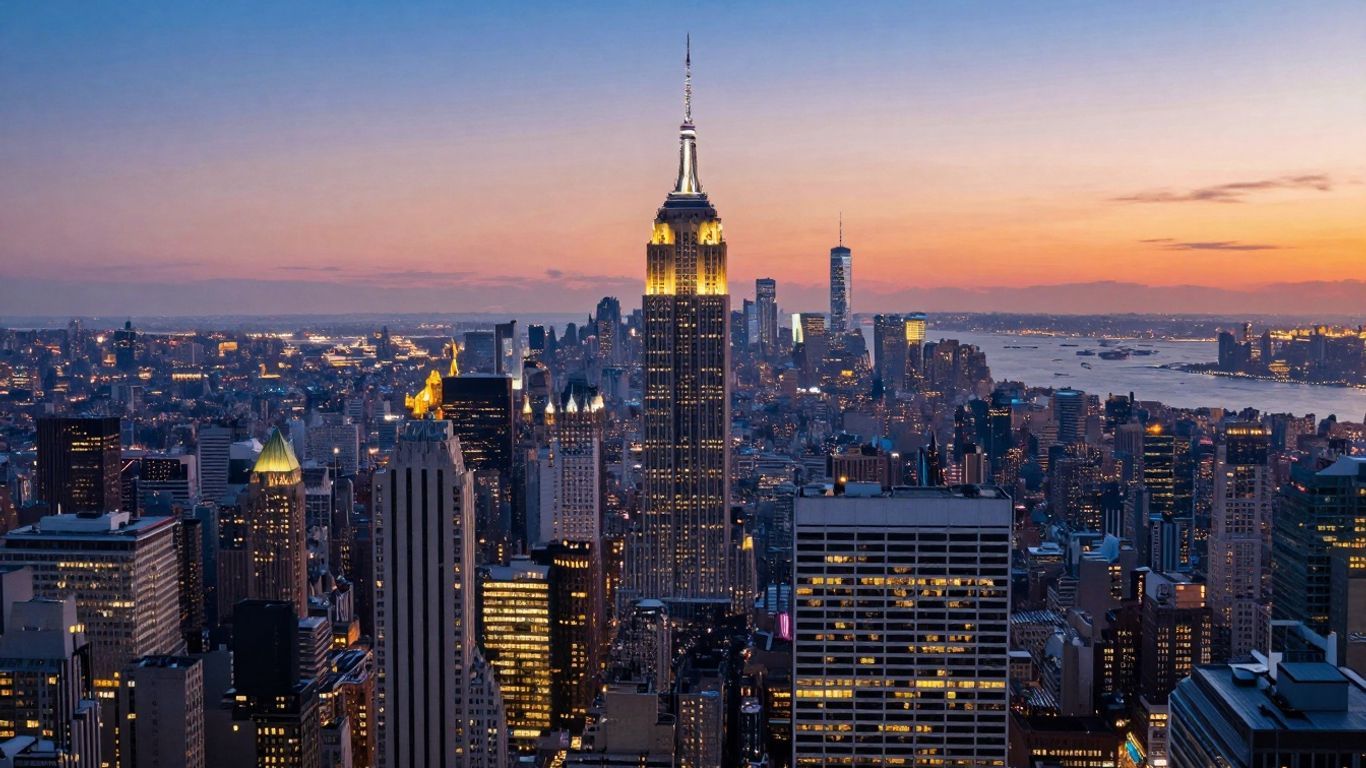
New York City, a metropolis that perpetually pulsates with energy, is firmly maintaining its position as a leading population center. It is a city in a ceaseless state of transformation, marked by ongoing construction and a steady influx of residents. Its vibrant dynamism is palpable, whether one is amidst the sleek confines of a corporate tower or simply strolling through its diverse streetscapes.
The city is actively building, hiring, and opening new places at a pace truly characteristic of New York City alone. This vigor is starkly reflected in its housing market, where escalating rents underscore a robust and persistent demand for residential spaces. Even with an anticipated increase in housing units, availability remains constrained—a scenario that generally bodes well for property owners.
For context, consider these key population figures:
| Area | Population (2026 Estimate) |
|---|---|
| Metro Area | 19,940,000 |
New York is also drawing substantial investment, particularly within sustainable architecture and innovative housing developments. Ambitious plans are currently unfolding for its waterfront districts, prioritizing resilient designs engineered to mitigate the impacts of climate change. Indeed, these represent long-term projects—strategic investments, really—that unequivocally demonstrate a profound commitment to the city's enduring future.
The municipality's unwavering commitment to growth is evident, with major developments happening across different boroughs. These encompass new housing initiatives, commercial office complexes, and enhanced public spaces—all meticulously designed to foster a more livable and dynamic urban environment.
Tourism, too, is a pivotal element of New York's enduring allure. Following a robust 2024, tourist arrivals are projected to remain elevated, bolstered by significant upcoming events such as the FIFA World Cup. Such sustained visitation injects considerable revenue into the municipal economy, bolstering enterprises across all five boroughs. Furthermore, the extensive modernization of its airports, particularly JFK, serves as a powerful testament—a clear signal, if you will—to New York's indispensable role as a premier global nexus.
2. Los Angeles
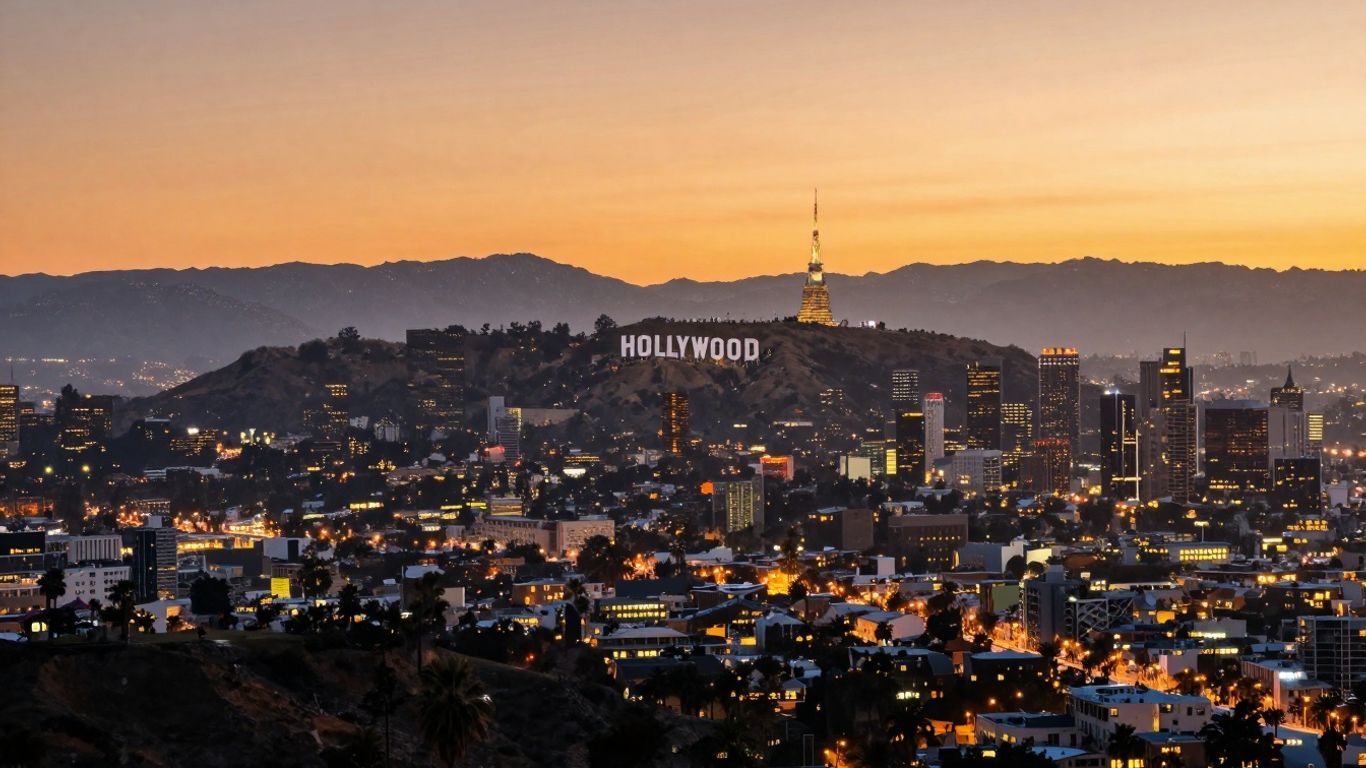
Securing its position at number two, Los Angeles steadfastly serves as a preeminent center for culture, entertainment, and innovation. The metropolis is abuzz with preparations, keenly anticipating a series of high-profile events poised to profoundly shape its developmental trajectory.
Los Angeles is strategically embracing its "Decade of Sport," with major events like the 2026 FIFA World Cup, the 2027 Super Bowl, and the 2028 Olympic Games on the horizon. This strategic emphasis is actively catalyzing substantial investment and widespread infrastructure enhancements throughout the region.
Consider these noteworthy developments:
- The Rams Village at Warner Center: This expansive 52-acre mixed-use development, situated in Woodland Hills, is slated to commence groundwork in 2027. Envisioned to feature offices, residential apartments, entertainment venues, and nine acres of dedicated parkland, it unequivocally signals a robust belief in the Valley's ongoing transformation—from a predominantly commercial to a more residential character.
- Cultural Expansion: The Natural History Museum's NHM Commons has already gracefully opened its doors, while the much-anticipated Lucas Museum of Narrative Art is slated for a 2026 debut. These significant projects further enrich the city's already vibrant cultural landscape.
- Technological Growth: UCLA's groundbreaking DataX center is rapidly attracting top-tier talent in AI and STEM fields, thereby further cementing the city's esteemed reputation as a nexus for innovation.
The municipality's infrastructure is concurrently undergoing notable enhancements, with projects like the reopened Sixth Street Viaduct revitalizing neighborhoods and drawing both novel businesses and new residents. Indeed, despite navigating various challenges, Los Angeles consistently demonstrates a formidable capacity for both sustained growth and profound reinvention.
Although the city has historically contended with natural challenges, its inherent resilience, coupled with extensive ongoing development initiatives, unequivocally points toward a remarkably dynamic future. The venerable "City of Angels" persistently draws individuals and capital alike, thereby solidifying its distinguished standing as a premier global metropolis.
3. Houston
Completing our analysis of the top three is Houston, Texas—a city of remarkable growth. This dynamic metropolis continues its impressive expansion, drawing in a diverse populace and fostering a robust economy. It is, indeed, a unique convergence point where significant corporate endeavors intersect with a notably welcoming and grounded local culture.
Houston's substantial population growth stands as a pivotal factor in its impressive ranking. Its sprawling metropolitan area already hosts millions, and that figure continues its upward trajectory. This continuous expansion is significantly underpinned by a flourishing job market and, notably, a comparatively accessible cost of living relative to other major U.S. urban centers.
To further illustrate, consider these salient aspects of Houston's urban fabric:
- Economic Powerhouse: Houston consistently achieves high rankings for economic output, serving as a pivotal hub for numerous large corporations, especially within the energy sector. Recent strategic investments in burgeoning technologies—such as hydrogen production, for example—are demonstrably diversifying its economic foundation.
- Growing Infrastructure: The city is currently experiencing substantial developmental activity, spanning from innovative retail and community spaces to large-scale transportation initiatives. This continuous infrastructural growth is strategically designed to accommodate its burgeoning population and expanding economic footprint.
- Quality of Life: Notwithstanding its considerable industrial and corporate presence, Houston provides a commendable standard of living. The municipality is actively dedicated to enhancing its green spaces and communal areas, thereby establishing it as an increasingly appealing destination for both families and individuals.
Recent noteworthy developments—including the relocation of major corporate headquarters to the region and substantial capital injections into nascent industries—underscore Houston's distinctly forward-thinking approach. The city is proactively laying groundwork for sustained future expansion, undeniably positioning it as a compelling urban center to observe closely in the years ahead.
Houston's distinctive capacity to draw in both prominent corporations and an expanding workforce, all while sustaining a comparatively accessible cost of living, unequivocally serves as a primary impetus behind its significant population surge.
Looking Ahead
As we conclude our examination of the projected largest U.S. cities for 2026, it becomes patently clear that these urban centers transcend mere population figures. Indeed, they stand as dynamic epicenters of innovation, cultural vibrancy, and robust economic activity. From New York's perpetual reinvention to Houston's consistent expansion, and even touching upon—as the broader urban dialogue often does—Atlanta's burgeoning tech scene, each city presents a distinct and compelling narrative. These are not merely statistical entries; rather, they embody millions of lives, countless opportunities, and the continuous evolution of America's urban tapestries. It is, undeniably, profoundly interesting to observe the persistent transformation and growth of these metropolitan areas, and to consider the broader implications this holds for society at large.
Frequently Asked Questions
What makes New York City a top city for population?
New York City is a perpetually bustling nexus, imbued with an unparalleled energy. It is a metropolis where ceaseless construction, creative endeavors, and groundbreaking innovation are the norm. This relentless dynamism, coupled with its richly diverse neighborhoods and myriad cultural attractions, consistently draws a vast populace to reside and work within its confines.
Why is Los Angeles considered a major city?
Los Angeles is renowned as the 'City of Stories' and serves as a global epicenter for entertainment and artistic innovation. Furthermore, its preparations to host monumental sporting spectacles such as the FIFA World Cup and the Olympic Games are generating considerable excitement and stimulating significant regional development. Moreover, its robust university system continues to draw in brilliant minds.
What's drawing people to Houston?
Houston is garnering considerable attention due to its expanding job market and an exceptionally welcoming atmosphere. Prominent corporations are actively relocating their headquarters to the area, and the city is simultaneously experiencing substantial investment in novel projects. Consequently, it is evolving into an increasingly sought-after destination for both skilled professionals and families alike.
Are there any new developments in these cities?
Indeed, all these urban centers are in a perpetual state of evolution. New hotels, residential complexes, and public amenities are actively under development. For instance, Los Angeles is constructing cutting-edge sports venues, while Houston is attracting substantial corporate investments. New York City, too, is experiencing a remarkable construction boom—a testament to its ongoing vitality.
How do these cities compare in terms of growth?
While all three are demonstrably large and experiencing growth, each possesses a distinct developmental trajectory. Houston, for example, has witnessed a noteworthy surge in its population in recent times. New York City, conversely, is defined by its intense velocity of development and unrelenting activity. Los Angeles is strategically preparing for significant upcoming events, a factor that is considerably propelling its growth.
What is the outlook for these cities in the coming years?
The outlook for these prominent urban centers appears unequivocally promising. They are actively drawing substantial investment, fostering job creation, and advancing new infrastructural developments. Consequently, with continuous projects and a consistent influx of residents, they are poised to retain their status as significant and dynamic places to call home.


