
resources
Discover the Top 10 Largest UK Cities by Population in 2026
27 Jan 2026

Ever wondered which cities in the UK boast the largest populations? It's a rather common query, and the answers can sometimes be quite surprising. We've meticulously compiled a list of the top 10 most populous UK cities, drawing on the latest available estimates for 2026. It's truly fascinating to observe how these major urban centers stack up against one another in terms of sheer scale.
Key Takeaways
- London indisputably holds its position as the most populated city in the UK, maintaining a substantial lead.
- Birmingham consistently secures the second spot, reaffirming its high rank in population density.
- Glasgow stands as Scotland's largest city, earning it the third position overall within the UK.
- Other prominent cities such as Liverpool, Sheffield, Manchester, Bristol, Leeds, Edinburgh, and Leicester also feature prominently among the top 10.
- Population figures are derived from recent census data and informed estimates, though it's worth noting that definitions of city boundaries can occasionally differ.
1. London
London, a metropolis requiring little introduction, unequivocally reigns as the largest urban center in the United Kingdom. By 2026, its population is projected to be approximately 8.8 million residents, firmly establishing it as a global megacity. This immense populace speaks volumes about its enduring stature as a preeminent international hub for finance, culture, and commerce.
Established by the Romans over two millennia ago, London's historical resonance is profound. For centuries, it has served as the epicenter of British power—a role that has fundamentally shaped its development and solidified its overarching importance. The city's phenomenal growth was further propelled by the transformative Industrial Revolution and the expansive British Empire, drawing people and trade from every corner of the globe.
Today, London's influence stretches far beyond its physical confines. It is an economic powerhouse, contributing a significant portion of the UK's Gross Domestic Product. The city leads in diverse sectors, including finance, technology, media, and the arts. This remarkable economic dynamism, coupled with its storied past and vibrant cultural tapestry, continues to attract millions of visitors and residents alike year after year.
Here are a few key aspects that define London:
- Global Financial Center: Home to the London Stock Exchange and countless international banks.
- Cultural Melting Pot: With over 300 languages spoken, it truly is one of the most diverse cities worldwide.
- Historical Landmarks: Iconic sites like Buckingham Palace, the Tower of London, and the Houses of Parliament garner global attention.
- Educational Hub: Hosts several world-renowned universities, attracting students from across the globe.
London's unparalleled ability to adapt and evolve while steadfastly maintaining its international connections remains a primary driver of its sustained prominence. It's a city that constantly reinvents itself, offering something for everyone—from deep historical exploration to cutting-edge innovation.
Related Content: is london in europe
2. Birmingham
Securing the second spot on our list is Birmingham, a major urban center nestled in England's West Midlands. It's a place with a truly compelling history, one inextricably linked to the Industrial Revolution, which was instrumental in forging its identity as a significant manufacturing and trade hub.
Birmingham's population is estimated to be around 1.1 million people, underscoring its status as a substantial metropolitan area.
Here's a quick glimpse at some key facets:
- Industrial Heritage: Affectionately known as the "Workshop of the World" during its zenith, Birmingham was a nexus for skilled artisans, groundbreaking inventors, and pioneering thinkers.
- Economic Diversity: In contemporary times, it functions as a robust economic center, boasting notable strengths in finance, technology, and professional services.
- Cultural Attractions: The city presents a broad spectrum of attractions, ranging from the Birmingham Museum and Art Gallery to the celebrated Bullring shopping center and its distinctive network of canals.
Birmingham's remarkable journey—from a medieval town to an industrial titan and now a modern economic powerhouse—vividly demonstrates its adaptability and enduring importance within the UK's urban landscape.
While its industrial roots are undeniably deep, Birmingham has undergone a profound evolution. It is now celebrated for its lively cultural scene, its esteemed universities, and its exceptional transport infrastructure, all of which contribute to its standing as a dynamic and influential city.
3. Glasgow
Glasgow, often referred to as Glaschu in Scottish Gaelic, stands proudly as Scotland's most populous city and a truly significant urban center within the wider UK. Originating as a modest fishing village, it underwent a dramatic transformation into an industrial colossus, particularly excelling in shipbuilding and engineering throughout the 19th and 20th centuries. At its zenith, Glasgow was reputedly responsible for producing fully half of Britain's ships and an astounding quarter of the world's railway engines.
Today, Glasgow is highly regarded for its vibrant arts scene, its magnificent Victorian architecture, and a dynamic cultural panorama. The city proudly hosts world-class institutions such as the University of Glasgow and the internationally renowned Kelvingrove Art Gallery and Museum. Its impressive metamorphosis from an industrial hub to a forward-looking modern city has cemented its reputation as a sought-after destination for both tourists and residents alike.
Here's a brief overview of some key aspects of Glasgow:
- Region: Central Scotland
- Estimated Population (2026): Approximately 635,000
- Key Attractions: Kelvingrove Art Gallery & Museum, Glasgow Cathedral & Necropolis, George Square, Riverside Museum.
The city's rich history is palpably evident in its numerous landmarks, yet it's the modern, dynamic spirit that truly defines contemporary Glasgow. It's a place where a profound heritage gracefully converges with innovation, creating a uniquely compelling urban experience.
4. Liverpool
Next on our exploration is Liverpool, a city steeped in history and brimming with a vibrant cultural tapestry. Strategically positioned on the River Mersey, Liverpool's past is intimately interwoven with its crucial role as a major port during the British Empire era. This formidable maritime heritage profoundly shaped the city, transforming it into a nexus for international trade and a melting pot where people from diverse backgrounds settled, thereby cultivating the rich, multicultural community we encounter today.
Liverpool is perhaps most famously known as the revered birthplace of The Beatles. The city proudly embraces its profound musical legacy, with attractions like The Cavern Club consistently drawing devoted fans from every corner of the globe. Beyond its musical prowess, Liverpool boasts a breathtaking waterfront, designated a UNESCO World Heritage site, which encompasses the iconic Royal Albert Dock and the insightful Museum of Liverpool. Furthermore, it's a city where football is taken with utmost seriousness, boasting passionate supporters for its world-renowned clubs.
Here’s a snapshot of some key figures for Liverpool:
- Population (2026 Estimate): Approximately 506,000
- Region: Merseyside
- Key Industries: Logistics, Tourism, Creative Industries
- Notable Attractions: The Beatles Story, Albert Dock, Anfield Stadium, Liverpool Cathedral
The city's economic focus has undergone a notable evolution over time, transitioning from its formidable historical maritime strength to embrace contemporary industries such as logistics, tourism, and the burgeoning creative arts. This remarkable adaptability has been pivotal in helping Liverpool maintain its status as a significant urban center.
From its historic docks to its cutting-edge cultural offerings, Liverpool consistently proves itself to be a dynamic and engaging city.
5. Sheffield
Sheffield, affectionately known as the "Steel City," is a prominent urban hub nestled in South Yorkshire. While historically recognized for its industrial might, particularly in steel production, the city has undergone a truly remarkable transformation. Today, it stands as a leading center for advanced manufacturing and engineering, with a keen focus on pioneering new technologies.
Sheffield also holds the distinction of being recognized as the UK's greenest city, boasting an impressive abundance of parks, woodlands, and meticulously maintained gardens. This steadfast commitment to green spaces forms a core part of its identity, providing residents and visitors alike with a refreshing and inviting environment.
Here’s a quick glance at some essential details:
- Region: South Yorkshire
- Estimated Population (2026): Approximately 500,000
- Key Industries: Advanced Manufacturing, Engineering, Sustainable Technologies
- Notable Attractions: Peak District National Park (conveniently nearby), Winter Garden, Kelham Island Museum
The city's evolution from its industrial bedrock to a modern nexus for innovation and sustainable living is genuinely remarkable. It deftly balances its significant historical legacy with a forward-thinking approach to urban development and environmental stewardship.
6. Manchester
Manchester, a vibrant city with an estimated population of approximately 470,000, stands as a powerful testament to both Britain's industrial past and its dynamic present. Once the undisputed engine room of the Industrial Revolution, it proudly earned the moniker of the world's first industrial city, largely owing to its preeminence in textile manufacturing. Today, while its manufacturing roots are still discernible, Manchester has skillfully transformed itself into a hub for innovation, particularly excelling in music, media, and scientific research.
The city's influence now extends far beyond its industrial heritage, encompassing a truly dynamic cultural scene and making significant economic contributions. It is home to world-class universities, including the prestigious University of Manchester, and serves as a major center for media production, notably exemplified by the BBC's substantial presence at MediaCityUK.
Here's a brief overview of some key aspects that define Manchester:
- Cultural Hub: Renowned for its lively music and arts scene, featuring countless venues and galleries.
- Sporting Powerhouse: Home to two of the world's most celebrated football clubs, Manchester United and Manchester City.
- Innovation Center: Demonstrates a rapidly growing focus on science, engineering, and digital industries.
- Historical Landmarks: Attractions such as the Science and Industry Museum and the historic Northern Quarter offer fascinating glimpses into its past and present.
Manchester's remarkable journey from a manufacturing giant to a modern, diverse city brilliantly highlights its adaptability and forward-thinking spirit. Its robust infrastructure and energetic culture continue to draw people from across the globe.
Its strategic location within Greater Manchester and excellent transport links establish it as a pivotal player in the UK's economy. The city's continuous development and its inherent appeal to both businesses and residents firmly solidify its place among the UK's largest urban centers. For those intrigued by the evolution of industrial cities, Manchester offers a compelling case study, much like Istanbul's own remarkable transformation.
7. Bristol
Bristol, a city rich in history and buzzing with a vibrant contemporary spirit, holds a significant place as an urban center in the South West of England. Established around 1000 CE, its advantageous location on the River Avon swiftly positioned it as a crucial port. This historical asset played a key role in its early development, particularly in trade with Ireland and, later, in the expansive transatlantic trade throughout the 18th century.
Today, Bristol is celebrated for its diverse economy, boasting robust sectors in aerospace, electronics, green technology, and media. It stands as a genuine hub for innovation and business across its region. The city's distinctive character is also profoundly shaped by its artistic flair, famously being the birthplace of the enigmatic street artist Banksy. Visitors can readily explore iconic landmarks that vividly narrate its engineering prowess and enduring maritime past.
Bristol’s unique amalgamation of historical significance and cutting-edge modern industry truly makes it a captivating city to explore.
Key attractions and features include:
- Clifton Suspension Bridge: An iconic engineering marvel offering spectacular views.
- SS Great Britain: Brunel's groundbreaking steamship, now preserved as a fascinating museum.
- Street Art Scene: Possessing a global reputation for vibrant and thought-provoking urban art.
- Aerospace and Technology Hub: A leading center for cutting-edge industries.
The city's historical role as a major port has undeniably left an indelible mark on its identity, profoundly influencing its architecture, culture, and economic trajectory across the centuries. This enduring legacy continues to shape its modern outlook.
8. Leeds
Leeds, gracefully situated in West Yorkshire, stands as a formidable economic and cultural hub. With a history spanning over a millennium, it evolved from a modest market town to flourish spectacularly thanks to the wool trade. In the present day, it is widely recognized as a major financial and legal center, proudly boasting the largest regional financial district outside of London.
The city's dynamic retail scene and its esteemed universities consistently draw individuals from all walks of life. Leeds is also celebrated for its historical landmarks, including the impressive Royal Armouries Museum and the bustling Leeds Kirkgate Market, which together offer a compelling glimpse into its past while embracing contemporary development. Notably, the city is actively engaged in smart city initiatives, drawing inspiration from global examples to enhance urban living and optimize resource management.
Key aspects of Leeds:
- Economic Strength: A leading financial and legal center.
- Retail Hub: Home to prominent shopping destinations like the Victoria Quarter.
- Cultural Attractions: Features a wealth of museums, galleries, and historical sites.
- Educational Institutions: Hosts several world-class universities.
Leeds has undergone a profound transformation, evolving from its medieval market roots into a dynamic modern city. Its strategic location and diverse economy continue to attract both talent and investment, firmly establishing it as a key player in the development of Northern England.
9. Edinburgh
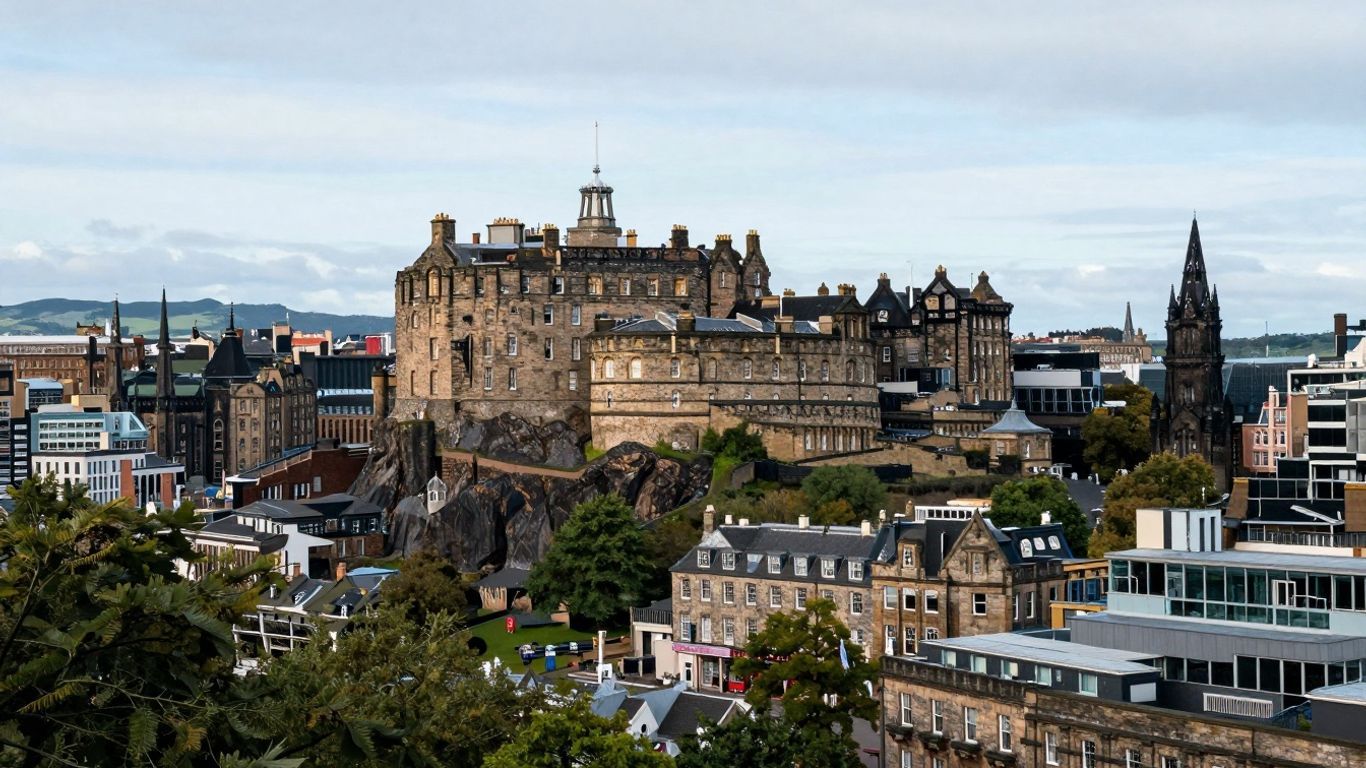
Edinburgh, the majestic capital of Scotland, is a city that genuinely captivates the imagination. It’s a place where history doesn't just reside but truly feels alive, with its medieval Old Town and elegant Georgian New Town coexisting in remarkable harmony. This unique architectural blend has rightfully earned it a prestigious UNESCO World Heritage status, making it a standout destination on the global stage.
Edinburgh's population is estimated to be around 490,000 people. While it might not be the absolute largest city on our comprehensive list, its cultural significance and substantial economic contributions are, without question, immense. The city serves as a major hub for financial services and boasts a strong presence in the education sector, home to several prestigious universities.
Here's a brief overview of some key aspects:
- Population: Approximately 490,000
- Key Industries: Financial services, education, tourism, technology
- Notable Landmarks: Edinburgh Castle, the Royal Mile, Arthur's Seat, Palace of Holyroodhouse
- Cultural Highlights: The Edinburgh Festival Fringe, recognized as the world's largest arts festival
Beyond the famed castle and the historic Royal Mile, Edinburgh generously offers a surprising array of green spaces, including the dramatic volcanic plug of Arthur's Seat right within the bustling city center. It's a city that practically beckons exploration, from its winding closes to its grand, sweeping avenues. Indeed, a wealth of information about the city's rich history and diverse attractions can be readily found online.
The city's atmosphere is frequently described as both grand and intimately inviting—a true testament to its distinctive urban planning and venerable past. It's a place that magnetizes visitors and residents alike with its unique charm and vibrant cultural tapestry.
10. Leicester
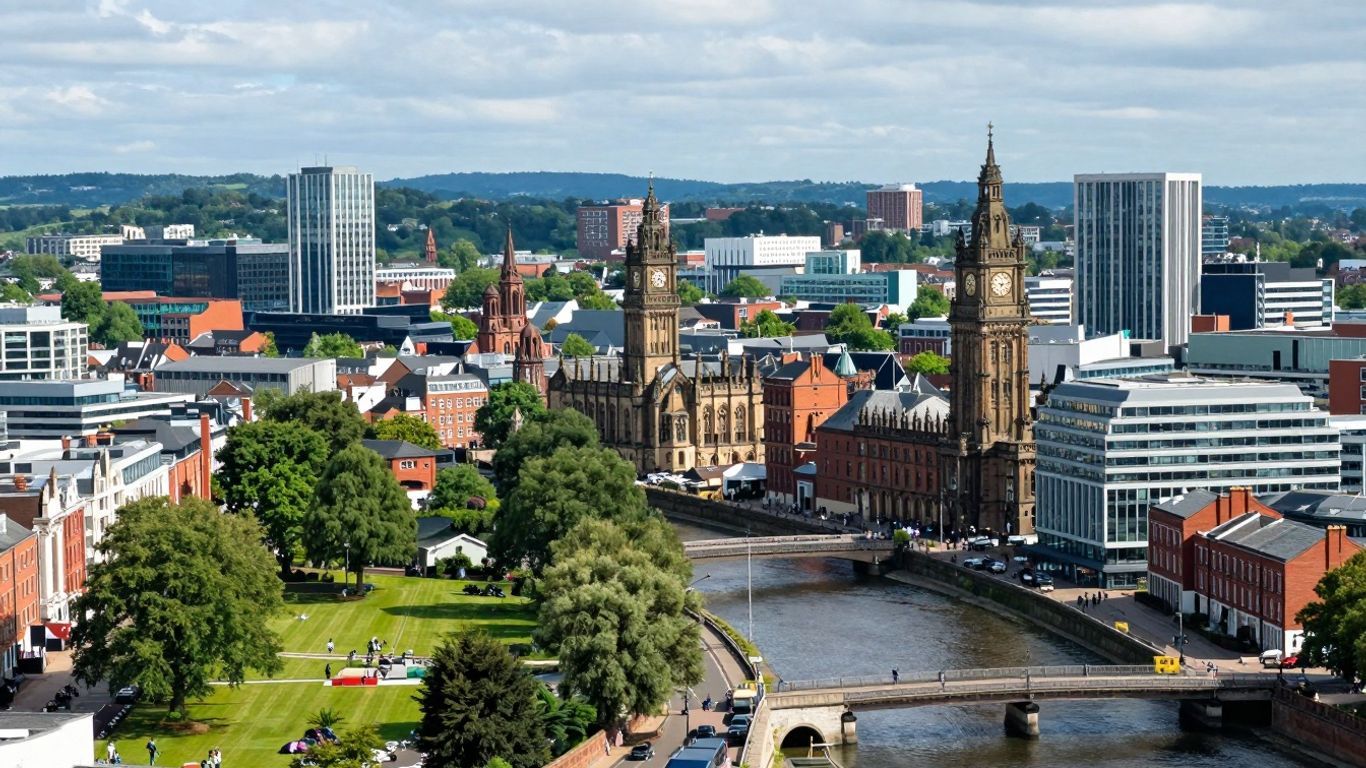
Leicester, a city whose origins trace back over two millennia, firmly holds a significant position among the UK's most populated urban areas. Originally established as a Roman fort, it has since blossomed into a vibrant hub nestled in the East Midlands. Leicester is widely recognized as one of the UK's most multicultural cities, impressively boasting around 70 languages spoken within its boundaries. This profound diversity is beautifully reflected in its rich culture, eclectic culinary scene, and close-knit community.
Historically, Leicester has been a central player in manufacturing and trade. Following the close of World War II, the city experienced considerable population growth, which, in turn, spurred the development of new housing estates. Today, its economy thrives, particularly strong in retail, manufacturing, and logistics.
Leicester offers a compelling array of attractions that consistently draw both visitors and residents:
- King Richard III Visitor Centre: This remarkable site commemorates the final resting place of the English monarch, famously discovered beneath a city car park.
- National Space Centre: An engaging and educational venue entirely dedicated to the wonders of space exploration and science.
- Leicester Market: As one of Europe's oldest and largest outdoor markets, it offers an astonishing variety of goods.
- Jewry Wall Museum: A fascinating glimpse into Roman and medieval Leicester.
The city's distinctive blend of ancient history and contemporary multiculturalism renders it a truly unique destination. Its strategic geographical location and dynamic economic activity continue to bolster its growth and influence across the region.
Leicester's population is estimated to be around 406,000 people, securing its place as a substantial city within the UK's urban landscape.
Wrapping Up Our Look at the UK's Biggest Cities
So, there you have it—a comprehensive overview of the United Kingdom's most populated cities as we approach 2026. London, of course, remains the undisputed behemoth, with Birmingham and Glasgow following closely in its wake. It's genuinely intriguing to witness how these major urban centers continue to grow and evolve. Each city on our carefully curated list, from the bustling capital to the dynamic northern hubs, presents something truly unique, whether it's a rich tapestry of history, a vibrant cultural scene, or compelling economic opportunities. Grasping these ongoing population shifts offers us a clearer lens through which to understand where people are choosing to live and work across the United Kingdom. It is, after all, a remarkably dynamic landscape, and these major cities are undeniably at its very heart.
Frequently Asked Questions
What is the most populated city in the UK?
London is, by a considerable margin, the largest city in the UK, boasting an estimated population of approximately 8.8 million people. It serves as a pivotal global center for both finance and culture.
How are city populations measured?
Population figures can indeed vary quite significantly depending on whether one is considering a city's strict official administrative boundaries, its broader urban area, or a specific built-up zone. Different research and data collection methodologies may lead to distinct ways of counting residents.
What data is used to determine city populations?
These population figures typically originate from official census data, such as the comprehensive UK census, complemented by ongoing population estimates provided by reputable organizations like the Office for National Statistics (ONS). Such data is usually updated on an annual or biennial basis.
Are there other major cities besides London?
Yes, absolutely! Cities such as Birmingham, Glasgow, Liverpool, and Manchester are also exceptionally large and critically important centers within the UK, each with populations of around a million people or very close to it when considering their wider metropolitan areas.
Why is London so much larger than other UK cities?
London's monumental size is the result of a long and complex history, commencing as a crucial Roman trading post. Its pivotal role as the seat of government and finance, combined with its exponential growth during the Industrial Revolution and the expansive British Empire, transformed it into an irresistible magnet for people and trade from every corner of the world.
Do these population figures include the surrounding areas?
Sometimes, the quoted figures refer exclusively to the population residing within strict city limits, while at other times, they encompass the larger metropolitan or local authority areas. This distinction can certainly make direct comparisons a little tricky, but generally speaking, the list of top-ranking cities remains consistent.


