
resources
Bill Gates' Arizona Smart City: A Glimpse into Belmont's Futuristic Design
28 Jan 2026

The concept of Bill Gates planning to construct an entirely new city in Arizona has certainly captured widespread attention. This ambitious endeavor, named Belmont, is slated to become a highly advanced urban center. Imagine a landscape where autonomous vehicles are commonplace and smart technologies are intricately integrated into every aspect of daily life. It sounds rather extraordinary, doesn't it—perhaps even reminiscent of a futuristic film? The development is unfolding on a vast expanse of desert land strategically located near Phoenix. This is undoubtedly a monumental undertaking, and one can't help but feel a keen sense of anticipation regarding its eventual realization. Indeed, this smart city initiative by Bill Gates in Arizona is truly a project worth observing.
Key Takeaways
- Bill Gates is spearheading a new smart city development in Arizona, officially named Belmont.
- The city will prioritize cutting-edge technologies, including autonomous vehicles and high-speed digital networks.
- Arizona’s geographic advantages and supportive policy environment make it an ideal location for this technologically driven development.
- The construction of Belmont necessitates overcoming significant challenges, particularly water scarcity in a desert region.
- This pioneering project aims to serve as a global exemplar for future urban living and sustainable development practices.
Bill Gates' Vision for a Smart City in Arizona
The Concept and Origins of Belmont
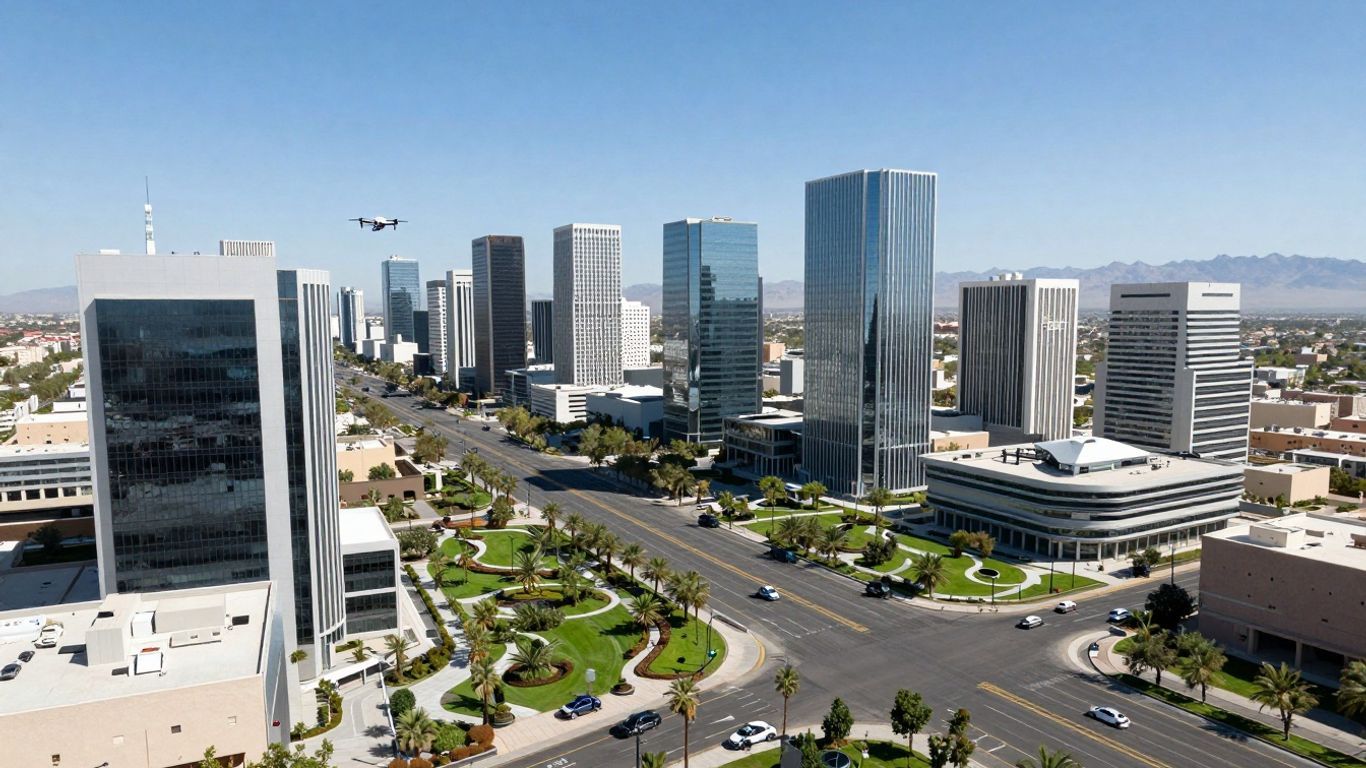
Bill Gates, a figure synonymous with pioneering technological advancement, is embarking on a truly ambitious project: building a smart city from the ground up in Arizona. Dubbed Belmont, this is far more than a typical housing development; it's envisioned as a dynamic, living laboratory for urban innovation. The fundamental idea is to forge a community where technology is intrinsically woven into the very fabric of daily life, influencing everything from how residents commute to how energy is efficiently managed. The initial spark for Belmont materialized circa 2017 when an investment firm connected to Gates commenced acquiring vast tracts of desert land—nearly 25,000 acres in total. This expansive, undeveloped canvas offers a singular opportunity to design a city unencumbered by the limitations of existing infrastructure, thereby enabling the seamless integration of future-ready systems.
Investment and Development Plans
This grand vision is underpinned by a substantial financial commitment. An investment firm associated with Bill Gates has already allocated an impressive $80 million to initiate the crucial land acquisition and initial planning phases. The comprehensive blueprint for Belmont includes a diverse array of residential, commercial, and educational spaces. Current plans outline the development of approximately 80,000 homes, alongside significant areas designated for offices, retail establishments, and public schools. This strategic investment aims to transform a largely undeveloped area into a thriving, technologically advanced urban center. But it's about more than just construction; it's about meticulously laying the groundwork for a city designed to adapt and evolve in tandem with ongoing technological progress. Indeed, isn't that the hallmark of true foresight?
Strategic Location and Importance
The selection of Arizona for Belmont’s location was a thoroughly considered decision. Situated approximately 45 minutes west of downtown Phoenix, this site offers several compelling advantages. Arizona has notably demonstrated a proactive approach to fostering an environment conducive to innovative technologies, particularly evidenced by its supportive stance on autonomous vehicle testing. Furthermore, the state's plentiful sunshine offers an unparalleled opportunity for widespread solar energy adoption—a cornerstone of Belmont's ambitious sustainability goals. The proximity to Phoenix also places Belmont within reach of a burgeoning tech ecosystem, potentially drawing skilled talent and fostering vital collaboration. A planned freeway connection to Las Vegas further enhances its accessibility and potential for regional impact, thereby solidifying its position as a strategically important hub for future growth and innovation.
The fundamental premise behind Belmont is to construct a city that is not only technologically advanced but also inherently sustainable and efficient, directly addressing many of the complex challenges confronting modern urban environments.
Innovative Technologies Powering Belmont
Belmont is being meticulously designed from the ground up with technology as its intrinsic core, aspiring to create a city that is not merely connected, but intelligently so. This goes beyond mere ubiquitous Wi-Fi access; it involves crafting a digital and physical infrastructure that synergistically operates to facilitate a smoother, more sustainable urban existence.
High-Speed Digital Networks and Data Centers
The bedrock of any smart city is its digital nervous system. Belmont plans to integrate high-speed internet connections that will permeate the entire urban area. Consider it the primary conduit for all the information that the city will manage. This robust network will support everything from interconnected smart home devices communicating with each other to complex operational systems utilized by businesses. To efficiently manage this immense volume of data, advanced data centers will be established. These serve as the operational nerve centers, processing and storing the massive amounts of information essential for the city to function optimally. This sophisticated setup is paramount for delivering swift services to residents and ensuring businesses possess the requisite connectivity for their operations.
Autonomous Vehicles and Logistics
Efficient transportation and the movement of goods are fundamental aspects of urban existence, and Belmont is pioneering future-forward solutions in this domain. The master plan includes integrating autonomous vehicles into the comprehensive transportation system. The underlying premise is that these self-driving vehicles could significantly contribute to alleviating congestion and enhancing overall road safety. Beyond personal transport, Belmont is also meticulously considering how goods will be delivered throughout the city. It plans to establish specialized areas, or logistics hubs, specifically engineered for the efficient movement of products. These hubs will likely leverage smart technology and automation to ensure expedited and seamless deliveries, potentially positioning the city as a model for urban logistics globally—a truly transformative approach.
Renewable Energy and Smart Grids
Sustainability represents a paramount consideration for Belmont, beginning with its energy procurement strategies. The city is poised to extensively utilize clean energy sources, such as solar and wind power. Yet, the mere presence of renewable energy sources is insufficient; their management must be intelligently orchestrated. This is precisely where smart grids become indispensable. These advanced power networks possess the capability to dynamically adjust energy flow in real-time based on fluctuating demand. What does this mean for residents? It translates into minimized energy waste and a more resilient, reliable power supply. Ultimately, the aim is to ensure the city operates with optimal efficiency and a significantly lighter environmental footprint.
The integration of these advanced technologies isn't merely for demonstration; it's about cultivating a functional, efficient, and environmentally conscious urban environment that possesses the inherent capacity to adapt to future needs.
Here's a quick look at the tech focus:
- Connectivity: High-speed networks for all data requirements.
- Transportation: Autonomous vehicles for both passenger and freight movement.
- Energy: Renewable sources intelligently managed by smart grids.
- Data Management: Centralized data centers for efficient processing.
Arizona: The Ideal Setting for Belmont
Geographical and Climatic Advantages
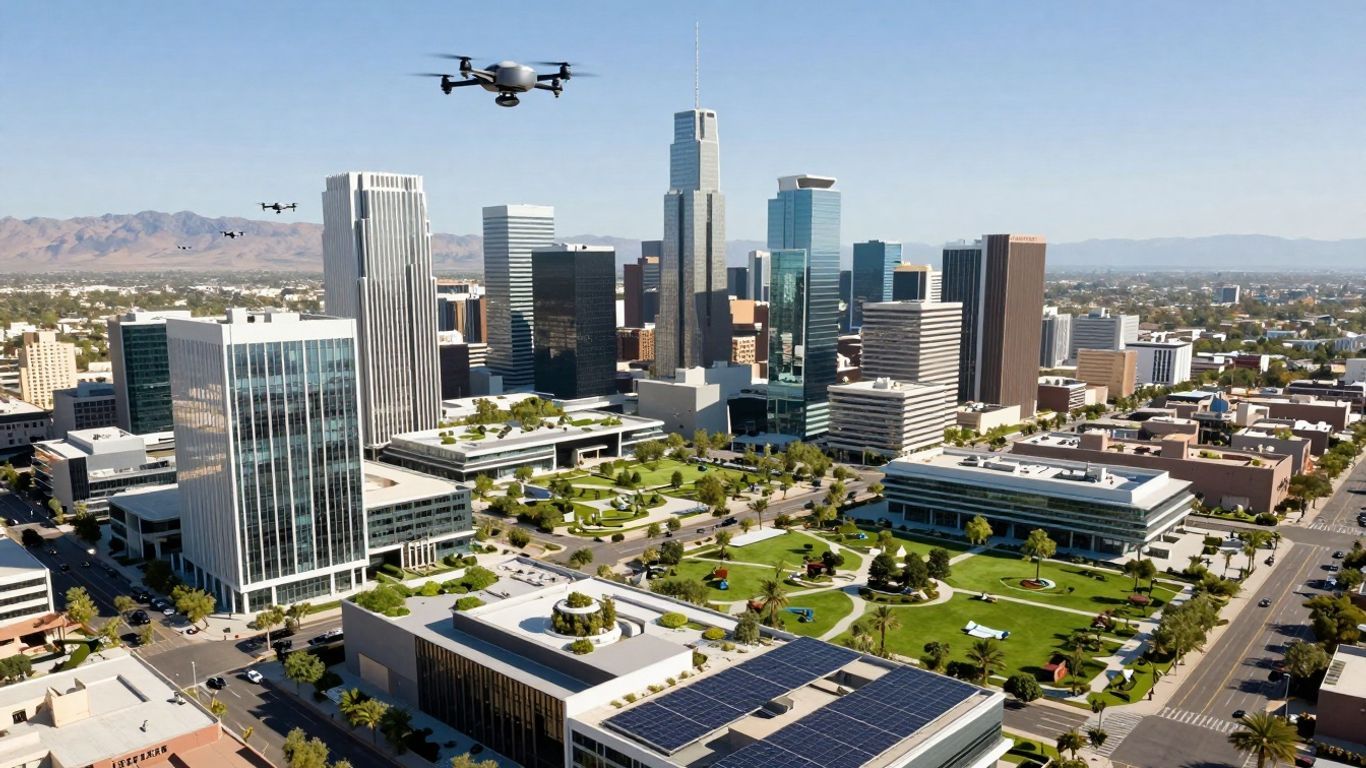
Arizona offers a unique landscape that's virtually bespoke for constructing a city from scratch. Unlike older urban centers that often have to contend with pre-existing infrastructure and outdated utility networks, Arizona provides an expansive, undeveloped terrain. This invaluable advantage means planners can integrate cutting-edge technologies from inception, circumventing the need for costly demolition and rebuilding. Moreover, with its abundant sunshine, it presents a natural, unparalleled fit for widespread solar power adoption—a cornerstone of Belmont’s sustainable urban design. Indeed, one might view it as a veritable blank canvas, ready for a fresh, innovative start.
Proximity to Phoenix's Tech Ecosystem
Phoenix isn't merely the state capital; it has rapidly evolved into a vibrant nexus for tech companies and talented innovators. Positioning Belmont relatively close to this burgeoning tech scene is a remarkably strategic decision. It ensures immediate access to a pool of skilled professionals, fosters opportunities for collaborative ventures, and facilitates engagement with the latest research. Essentially, it resembles having a robust, supportive neighbor that can readily provide both talent and innovative ideas, thereby strengthening Belmont's developmental trajectory. Wouldn't you agree that such synergy is invaluable?
Supportive State Policies and Incentives
Arizona has actively cultivated an environment conducive to businesses, particularly those embarking on large-scale, innovative undertakings. The state offers various incentives, such as tax breaks for utilizing renewable energy, and has established streamlined regulatory processes designed to facilitate ambitious projects. These types of supportive policies significantly enhance the feasibility of ventures like Belmont. The state, it appears, is committed to establishing itself as a leader in new technology—precisely the supportive framework crucial for Belmont's success and its aspirations to redefine urban living.
Building a city like Belmont in Arizona isn't solely about having available space; it's fundamentally about securing the optimal conditions. The state's open land, consistently sunny weather, burgeoning tech community, and proactive governmental support all converge to establish an environment where a truly futuristic city can genuinely take root and flourish.
Here’s a quick look at why Arizona makes sense:
- Open Land: Ample space for construction without significant demolition.
- Sunshine: Ideal conditions for solar energy, a core element of Belmont's design.
- Tech Hub: Proximity to Phoenix offers talent and innovation opportunities.
- Business-Friendly: State policies actively encourage new development and technological advancement.
Addressing the Challenges of Belmont's Development
Building a city from the ground up, especially one as ambitious and technologically forward-thinking as Belmont, naturally entails a unique array of challenges. Beyond the installation of fiber optic networks or the setup of charging stations for electric vehicles, tangible, real-world issues necessitate pragmatic, actionable solutions.
Water Scarcity and Conservation
Arizona is, by nature, an arid region. Consequently, determining effective strategies for water provision for a growing city, while simultaneously being acutely mindful of environmental sustainability, represents a paramount concern. Belmont plans to address this proactively and comprehensively.
- Advanced Water Recycling: Implementing sophisticated systems that treat and reuse wastewater for non-potable applications, such as irrigation and industrial processes.
- Drought-Resistant Landscaping: Employing native plant species and smart irrigation technology to significantly minimize outdoor water consumption.
- Water Conservation Education: Encouraging residents and businesses to adopt water-saving habits through targeted awareness and educational programs.
The desert environment inherently demands a meticulously thoughtful approach to water management. Belmont's strategy emphasizes both efficiency and extensive reuse, aiming to establish a new benchmark for sustainable urban development in arid regions.
Regulatory and Environmental Considerations
Any large-scale construction project necessitates adherence to stringent regulatory frameworks and securing requisite approvals. For a smart city, this extends to careful deliberation regarding the potential environmental and communal impacts of novel technologies.
- Environmental Impact Assessments: Conducting thorough studies to comprehensively understand and mitigate any potential harm to local ecosystems during both the construction and operational phases.
- Permitting and Zoning: Working closely with state and local authorities to obtain all necessary permits and establish clear, adaptable zoning laws suitable for innovative urban uses.
- Community Engagement: Hosting public forums and workshops to discuss development plans openly and gather invaluable feedback from nearby residents and key stakeholders.
Infrastructure and Resource Management
The successful construction and seamless operation of such an undertaking—ensuring everything from roads and power lines to waste disposal and emergency services runs smoothly—is, without doubt, a complex logistical challenge.
- Phased Development: Building the city in carefully planned stages allows for continuous adjustments and learning as new technologies are progressively integrated.
- Smart Grid Implementation: Creating an intelligent energy network capable of efficiently managing power distribution, seamlessly integrating renewable sources, and dynamically responding to demand fluctuations.
- Sustainable Waste Management: Developing comprehensive systems for recycling, composting, and potentially converting waste into energy, thereby minimizing landfill reliance.
The enduring success of Belmont hinges critically on its ability to integrate cutting-edge technology with pragmatic, sustainable solutions for the intricacies of everyday urban living.
Belmont's Role in Future Urban Development
Aligning with Global Urban Trends
As the world population continues its trajectory toward urbanization—expected to reach over two-thirds by 2050—urban centers globally face mounting pressures. Issues such as overcrowding, escalating pollution, and strained resources are becoming increasingly prevalent. Belmont is expressly designed to directly address these formidable challenges head-on. It's conceived with technology at its very core, aiming to create a city that is not only smart, but also inherently sustainable and, crucially, a genuinely pleasant place to live. This progressive approach reflects a worldwide shift towards what we term "smart cities," where novel ideas and advanced urban planning converge to meet the multifaceted demands of the future. Belmont is far from a mere residential or commercial development; it's a seminal prototype for the reimagination of modern urban living.
A Prototype for Modern Urban Challenges
Belmont is more accurately described as a dynamic, living laboratory rather than just a collection of advanced technologies. The city's design incorporates built-in flexibility, allowing it to proactively adapt as technology inevitably evolves. This forward-thinking strategy means Belmont will resist rapid obsolescence—a common pitfall in urban development. Conceive of it as a comprehensive blueprint for how future cities can be intelligently constructed and efficiently managed. The project aims to powerfully demonstrate how technology can be leveraged to create urban environments that are both resilient and inherently adaptable to changing times. The invaluable lessons gleaned from Belmont could profoundly inform urban planning initiatives across the globe, offering a compelling model for sustainable and highly efficient city living.
Economic and Social Impacts
Constructing a city of Belmont’s magnitude necessitates substantial capital investment and extensive collaborative efforts. Public-private partnerships are pivotal, with governments providing essential support and private companies contributing both technology and crucial funding. This collaborative model could fundamentally reshape urban planning and financing paradigms in the future. Furthermore, the success of Belmont could readily inspire similar projects worldwide, potentially catalyzing a global wave of innovation in urban development. Ultimately, it's about establishing a place that not only functions with remarkable efficiency but also significantly enhances the quality of life for its inhabitants, thereby establishing a new benchmark for urban living.
The development of Belmont is meticulously planned in stages. Initially, foundational elements, such as robust digital networks and essential utilities, will be established. Subsequently, more advanced features like self-driving transport systems and smart homes will be progressively integrated. This step-by-step methodology allows for ongoing improvements and ensures Belmont maintains its vanguard position in smart city technology. The city is also ingeniously designed with inherent scalability and capacity for iterative innovation, making it an environment that can adapt seamlessly to future changes and emerging needs. This comprehensive approach is vital for creating a city that can truly serve as an exemplary urban model globally, much like the innovative work being consistently pursued in Milan.
Here's a look at how Belmont plans to integrate key aspects:
- Phased Development: Starting with foundational infrastructure and gradually introducing advanced technologies.
- Adaptability: Designing for future growth and the seamless integration of emerging innovations.
- Sustainability: A core focus on renewable energy and exceptionally efficient resource management.
- Connectivity: Establishing robust digital networks to support all city functions comprehensively.
Looking Ahead: Belmont's Potential Impact
So, what implications does all this hold for the future of urban environments? Bill Gates' Belmont project in Arizona transcends the mere sum of its advanced infrastructure and technological features. It represents a significant, real-world experiment, seeking to ascertain how to construct urban environments that genuinely enhance the quality of life for all inhabitants. By focusing on elements like ultra-high-speed connectivity, autonomous vehicles, and clean energy right from its inception, Belmont could offer innovative methodologies for mitigating prevalent urban issues such as traffic congestion and environmental pollution. Inevitably, challenges persist—for instance, ensuring sustainable water resources in an arid climate. However, should it prove successful, Belmont could very well provide a compelling glimpse into the future of urban living, fostering a more streamlined and interconnected daily existence for its residents. Its progression is undoubtedly one to observe with keen interest.
Frequently Asked Questions
What is Bill Gates' smart city project in Arizona called?
Bill Gates' ambitious project to construct a new city in Arizona is named Belmont. It is envisioned as a pioneering urban center where technology is intrinsically woven into daily life.
What kind of technologies will be used in Belmont?
Belmont plans to integrate a range of advanced technologies, including ultra-high-speed internet, autonomous vehicles for transportation, and intelligent energy systems harnessing renewable sources such as solar power. Additionally, robust data centers will manage the vast information flow.
Why did Bill Gates choose Arizona for this smart city?
Arizona was selected as an ideal location due to its ample undeveloped land. Furthermore, the state is recognized for its supportive regulatory environment for innovations, particularly in autonomous vehicle testing, and its abundant sunshine—perfect for extensive solar energy integration.
How big is Belmont going to be?
The plan projects Belmont will cover a substantial area, approximately 25,000 acres. The master plan anticipates it will ultimately accommodate around 80,000 homes, alongside dedicated zones for businesses, retail establishments, and educational institutions.
What are some of the biggest challenges for building Belmont?
A primary challenge centers on water scarcity, given Arizona's arid climate. Consequently, the city's design must incorporate intelligent strategies for water conservation and management. Navigating regulatory compliance and ensuring environmental protection throughout the construction process also present significant considerations.
What's the main goal of building Belmont?
The principal objective is to establish an exceptionally efficient and environmentally responsible urban environment, leveraging technology to enhance the quality of life for its residents. It is envisioned as a living laboratory for novel solutions that could assist global cities in addressing challenges such as urbanization pressures and resource consumption.


