
resources
Explore the Historic Heart: Your Ultimate City of London Guides
28 Jan 2026

Considering an exploration of the City of London? You're about to delve into a locale with a profound and extensive history, one that often predates common perceptions. Indeed, this district isn't solely defined by the towering financial edifices visible today; rather, it’s a veritable tapestry woven with countless narratives, each layer revealing centuries of stories. Whether your interests lie in ancient ruins, magnificent historical architecture, or the haunts of renowned literary figures, this extraordinary area truly offers something for every curious visitor. This guide aims to help you navigate its intricate past and vibrant present.
Key Takeaways
- The City of London possesses deep historical roots, tracing back to Roman times, with tangible ruins still discoverable beneath its modern facade.
- Architectural splendors, such as the majestic St. Paul's Cathedral and the charming Leadenhall Market, vividly illustrate the city's evolution across various historical periods.
- The presence of celebrated literary figures and pivotal historical events has indelibly marked the City, rendering it a rich source of captivating tales.
- Far from being merely a financial hub, the City of London masterfully blends modern business dynamism with its enduring historic institutions, creating a unique synthesis of old and new.
- Utilizing specialized City of London guides can prove invaluable for uncovering the hidden gems and detailed history of this remarkably distinctive area.
Uncovering the City's Ancient Roots
Long before the rise of its impressive skyscrapers and the bustling financial district, there was Londinium. This very area, now recognized as the City of London, began its existence over two millennia ago as a pivotal Roman settlement. It’s quite remarkable, isn't it, to consider that the ground beneath your feet holds such a long and deeply layered history? The City of London is, in essence, the very genesis of this sprawling metropolis—the original London, its earliest incarnation.
Exploring Roman Beginnings
The Romans strategically established Londinium around 43 AD, quickly recognizing its prime location on the River Thames. Consequently, it rapidly flourished into a significant port and commercial hub. Evidence of their enduring presence remains scattered throughout the district, often subtly hidden in plain sight. Visitors can still discern remnants of the ancient Roman wall, which once encircled the burgeoning city, along with portions of its original road network. It’s truly fascinating to ponder that the fundamental layout of some modern streets may still echo those ancient Roman pathways.
Discovering Hidden Roman Ruins
While much of Roman Londinium still lies buried beneath subsequent layers of history, archaeological excavations have consistently unearthed incredible artifacts and structures. The London Mithraeum, for instance, offers an extraordinary glimpse into a Roman temple dedicated to the god Mithras, famously discovered during construction work. It serves as a powerful, tangible reminder—if one were needed—of the diverse religious practices that characterized the era. Furthermore, you can discover sections of the Roman Amphitheatre, nestled beneath the Guildhall Art Gallery. These discoveries are far more than mere old stones; they represent tangible links to the very people who lived and toiled here centuries ago. It certainly makes you wonder what other secrets are still waiting to be found just below the surface, much like the unseen infrastructure that keeps a modern city running, akin to San Francisco's essential horizontal infrastructure.
The Ancient City at Night
Exploring the City of London after sunset unveils an entirely different perspective on its ancient roots. The interplay of modern lights casting long shadows dramatically highlights the striking contrast between the enduring old and the vibrant new. Wandering through dimly lit alleyways and historic courtyards can transport one back in time—you can almost conjure the sounds and sights of Roman Londinium or medieval London. It offers a unique opportunity to connect with the city's profound past in a more atmospheric way, far removed from the bustling daytime crowds. Interestingly, some specialized tours specifically focus on these nocturnal explorations, revealing historical secrets that, perhaps, are best discovered under the cloak of darkness.
Architectural Marvels and Masterpieces
The City of London is considerably more than a mere financial hub; it stands as a living museum, chronicling architectural evolution through the ages. From its ancient foundations to its audacious, soaring modern structures, the skyline itself narrates a compelling story of resilience, innovation, and an enduring sense of style. This compact yet potent area proudly showcases a remarkable fusion of historical significance and cutting-edge design.
Sir Christopher Wren's Legacy
In the aftermath of the devastating Great Fire of London in 1666, Sir Christopher Wren was entrusted with the monumental task of rebuilding much of the city. His visionary architectural designs profoundly shaped the City's landscape for centuries to come. Wren meticulously designed over 50 churches, many of which impressively still stand today, each a testament to his singular genius.
- St. Paul's Cathedral: Undoubtedly the crown jewel of Wren's extensive work, it remains an enduring symbol of national pride.
- St. Bride's Church: Renowned for its elegant tiered spire, whose influential design has inspired countless others.
- St. Stephen Walbrook: Widely praised for its beautifully proportioned dome and its serene, intricate interior.
These magnificent churches, often subtly tucked away amidst imposing modern office blocks, serve as quiet yet powerful reminders of a city triumphantly reborn.
St. Paul's Cathedral: A National Symbol
St. Paul's Cathedral transcends its role as a mere building; it is a monumental landmark that has borne witness to countless pivotal moments in British history. Its iconic dome majestically dominates the skyline, serving as a steadfast beacon of hope and resilience, particularly during the harrowing period of the Blitz. Inside, the vast, echoing nave and intricate architectural details draw visitors into a space steeped in profound history. It is a sacred place where national heroes are laid to rest and where significant national events are reverently commemorated. One can deeply explore the cathedral's rich history and profound significance on a dedicated walking tour.
Victorian Elegance at Leadenhall Market
Step back in time as you enter Leadenhall Market, a truly stunning exemplar of Victorian architecture. With its ornate ironwork, exquisitely painted roof, and charming cobbled walkways, it presents a vibrant, bustling hub that feels utterly removed from the surrounding glass and steel towers. Originally the site of a Roman basilica, the market's current, impressive structure dates back to 1881. It remains a popular destination for both locals and visitors alike, offering a delightful glimpse into the City's vibrant past commercial life—and it even famously served as a filming location for some of the Harry Potter movies.
The market's intricate design, with its meticulous details and grand scale, perfectly encapsulates the confidence and soaring ambition that characterized the Victorian era. It continues to thrive as a functional and strikingly beautiful space, providing compelling evidence that historic architecture can indeed flourish within the dynamism of a modern city.
Literary and Historical Journeys
Fleet Street's Ink-Stained Past
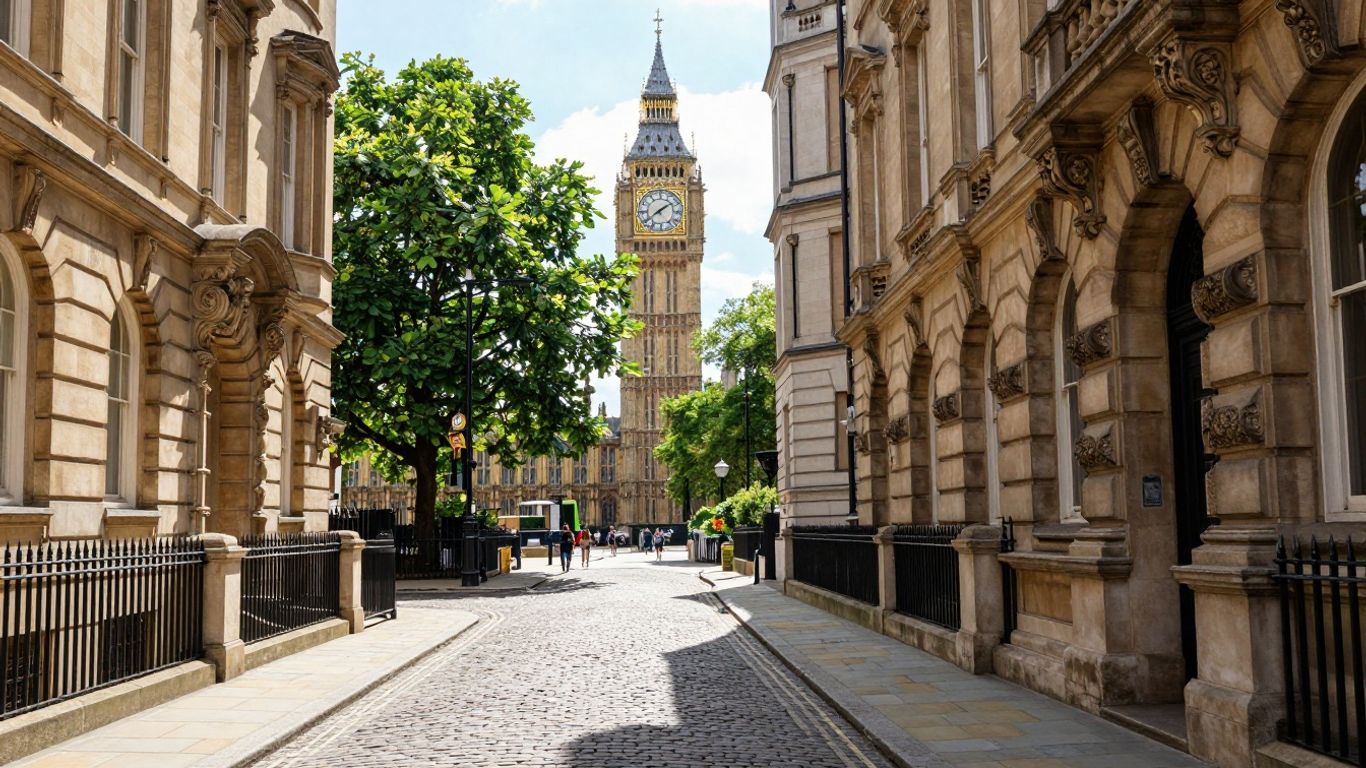
Fleet Street, once the pulsating epicenter of London's printing and publishing world, boasts a history as rich and complex as the very stories it once produced. Can you imagine the relentless clatter of printing presses and the hurried footsteps of journalists rushing to meet their deadlines? This iconic street truly served as the lifeblood of the news industry for centuries, earning it the evocative moniker 'the street of ink.' Indeed, countless famous writers and poets traversed these very pavements, drawing profound inspiration from the city's vibrant pulse. Even today, a palpable echo of this dynamic past lingers, especially when one visits atmospheric establishments like Ye Olde Cheshire Cheese, a historic tavern that has graciously hosted literary giants for generations.
Literary Connections Through the Ages
The City of London has consistently served as a muse for countless authors, its distinctive streets and venerable institutions inextricably woven into the fabric of literature itself. From the sweeping narratives of historical epics to the gritty, poignant tales of urban life, the city perpetually provides a compelling backdrop. Consider, for a moment, just how many novels have featured its iconic landmarks or its labyrinthine hidden alleyways. It is, undeniably, a place where history and fiction often delightfully blur, rendering it an endlessly fascinating destination for anyone who cherishes a good story.
- Shakespearean Echoes: Discover tangible connections to the Bard himself, with sites intrinsically linked to his remarkable life and influential times.
- Dickensian London: Explore the very settings that profoundly inspired Charles Dickens' vivid characters and his powerful social commentary.
- Modern Narratives: Observe how contemporary authors continue to draw upon the City's unique and ever-evolving atmosphere in their works.
Tales of Rebellion and Retribution
Beyond the captivating world of literature, the City of London's ancient streets have borne witness to centuries of dramatic events—from ancient uprisings and fierce rebellions to more recent, impactful protests. It is a place where history’s pivotal turning points have frequently unfolded, leaving their indelible mark on the very stones beneath your feet. Visitors can trace the footsteps of those who bravely challenged authority, faced the consequences of justice, or ignited significant societal change. These compelling narratives of defiance and consequence add yet another profound layer to the City's already rich and compelling story.
The City possesses a remarkably long memory, preserving tales ranging from Boudicca's fiery rebellion against the Romans to more contemporary acts of protest that have fundamentally shaped its trajectory. Understanding these profound events truly helps to paint a fuller, more nuanced picture of London's enduring and resilient spirit.
The Heart of Commerce and Culture
Welcome to the dynamic core of London, a truly remarkable place where history and modernity converge in a spectacular display of global finance, cutting-edge innovation, and enduring tradition. This district, often affectionately known as the 'Square Mile,' is far more than just the financial district; it is, in fact, the ancient, beating heart of the city, pulsating with centuries of commerce and profound cultural significance. It is precisely here that the City of London's unique identity—as both a venerable historic center and a global economic powerhouse—truly comes into its own.
Iconic Modern Architecture
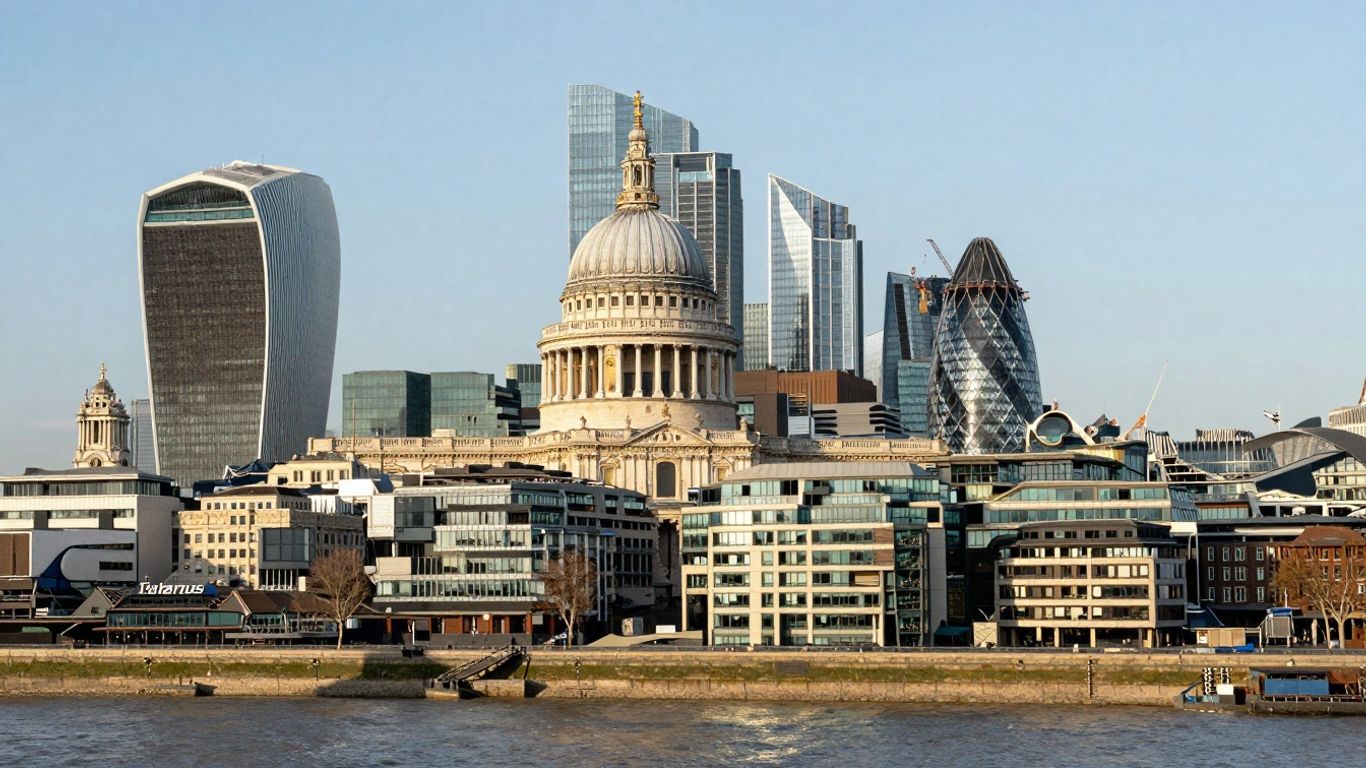
As you meander through the City, you’ll undoubtedly be struck by the dramatic contrast between its ancient cobblestone lanes and its soaring, contemporary skyscrapers. Distinctive buildings like the Gherkin (30 St Mary Axe), the Cheesegrater (Leadenhall Building), and the Lloyd's building stand as impressive testaments to contemporary architectural ambition. These structures are not merely office spaces; they are powerful symbols of London's forward-looking spirit and its sustained role as a global leader in business. They collectively create a skyline that is in a constant state of evolution, yet always remains firmly rooted in the city's deep and illustrious history. One can discover some of the most striking examples of this new wave of design remarkably juxtaposed right alongside centuries-old churches.
The Famous Square Mile
The evocative term 'Square Mile' specifically refers to the City of London's ancient boundaries—a remarkably compact area that has been central to English life for over two millennia. This small yet incredibly mighty district possesses its own unique system of governance, with the Lord Mayor playing a significant and deeply ceremonial role. It is a place where you can quite literally walk from a fragment of the Roman wall to a cutting-edge financial institution in a matter of mere minutes. The City's history is magnificently layered; archaeological discoveries, such as those prominently displayed at the Bloomberg HQ, offer tantalizing glimpses into its Roman past, while historic thoroughfares like Bow Lane have been in continuous use for 2,000 years. Exploring this area often feels like stepping directly through time, with hidden alleys and venerable coffee houses—the fascinating precursors to modern exchanges—still whispering tales of eras long past.
Guildhall and Historic Institutions
At the very nucleus of this vibrant district stands the Guildhall, a magnificent edifice that has served as the seat of London's civic government for centuries. It is a place where civic life and profound history are intricately intertwined, regularly hosting important ceremonies and significant events. Beyond the Guildhall, the City is home to numerous Livery Company Halls. These direct descendants of medieval guilds—such as the Fishmongers, Goldsmiths, and Mercers—represent trades that have meticulously shaped London's economy for ages. Even as the nature of trades evolves, these esteemed companies continue to play a vital role in the city's cultural and charitable life. Indeed, you might stroll past the Mercers' Hall, the company of which both Dick Whittington and Winston Churchill were members, and almost palpably feel the immense weight of history.
The City of London, despite being a global hub for finance today, meticulously retains a profound connection to its past. Its unique administrative status and ancient traditions distinctly set it apart from any other part of Great Britain. This inherent distinctiveness is a core component of its historical identity. Walking its streets offers a truly immersive journey through countless layers of history, from Roman foundations to the sleek lines of modern skyscrapers, all encompassed within a remarkably small geographical area.
Here's a glimpse into some of the City's enduring institutions:
- Guildhall: The historic nucleus of civic government and a distinguished venue for a myriad of significant events.
- Livery Halls: Home to venerable ancient trade guilds, many boasting stunning architecture and exceptionally rich histories.
- Churches: Over 40 Wren churches—each a masterpiece in its own right—provide serene places of quiet reflection amidst the urban bustle.
These venerable institutions, alongside the striking modern architectural marvels, collectively contribute to the truly unique character of the City of London, rendering it an absolutely unforgettable destination for any visitor keen on exploring London's rich history.
Exploring the City's Unique Heritage
The City of London, frequently referred to as the 'Square Mile,' transcends its identity as merely a financial hub; it is, in fact, a place where centuries of history, rich culture, and distinctive traditions are intimately woven into the very fabric of its streets. This particular area possesses a unique and palpable character, profoundly shaped by its ancient governance and its enduring, paramount economic importance.
A Richer Jewish Heritage
While many may primarily associate London's Jewish history with the East End, the City itself actually boasts a deep and often regrettably overlooked Jewish heritage. From the arrival of vibrant communities from Normandy centuries ago to the poignant stories of Kindertransport children in the late 1930s, the City's historic streets have witnessed numerous significant moments in Jewish history. Exploring these compelling narratives provides a distinct and invaluable perspective on the area's rich and multifaceted past.
The City's Path to Prosperity
How, one might ask, did this comparatively small area evolve into such a global powerhouse? Its remarkable journey is a fascinating chronicle of trade, relentless innovation, and incredible adaptability.
- Early Trade Routes: From the earliest Roman times, the City's strategic location on the River Thames naturally positioned it as a preeminent center for commerce.
- Guilds and Merchants: The subsequent rise of powerful guilds and influential merchant associations solidified its economic might, meticulously establishing the rules and standards that fostered its remarkable growth.
- Financial Innovation: Over centuries, the City continuously evolved into a leading global financial center, constantly adapting to emerging technologies and shifting market demands. This continuous reinvention, wouldn't you agree, has been absolutely key to its enduring success.
The City of London's singular status as a self-governing entity, complete with its own Lord Mayor and ancient rights, distinctly sets it apart from any other part of Great Britain. This inherent distinctiveness remains a fundamental component of its historical identity.
Secrets of the Square Mile
Beyond the well-trodden tourist paths lie hidden courtyards, ancient alleyways, and tranquil, quiet corners that subtly whisper tales of London's bygone eras. These less-explored areas unveil intricate layers of history, from Roman foundations discovered beneath modern structures to the very sites of pivotal historical events. Undertaking a guided walk through these hidden secrets can truly transform one's perception of the City, revealing captivating stories that one simply wouldn't uncover in a typical guidebook. You might even unexpectedly stumble upon remnants of old Roman walls or discover commemorative plaques dedicated to forgotten historical figures. It's about consciously looking up and around—not just down at your phone—to truly appreciate the layers of history so abundantly present here.
Guided Exploration of the City of London
Expert City of London Guides
Sometimes, merely reading about a place just isn't quite enough, is it? One yearns to feel its essence, to hear the stories that resonate within its ancient stones. That's precisely where expert guides become indispensable. These aren't simply individuals reciting facts; they are seasoned storytellers, passionate historians, and dedicated locals who genuinely adore the City of London. They possess an intimate knowledge of its hidden alleys, its charmingly quirky details, and the grand narratives that render this area so exceptionally special. They truly help you look beyond the modern glass and steel to discern the profound layers of history nestled beneath. Consider them your personal key to unlocking the City's most cherished secrets. They can deftly point out Roman wall fragments you'd undoubtedly miss otherwise, elucidate the significance of a seemingly ordinary church, or share captivating tales of famous figures who once traversed these very streets.
Themed Walking Tours
If you harbor a specific historical or cultural interest, rest assured, there’s likely a dedicated tour for it. Forget the notion of aimlessly wandering; these tours are meticulously crafted to take you on a truly immersive journey. Are you keen to trace the chilling footsteps of Jack the Ripper through the shadowy lanes of Whitechapel? Or perhaps you're utterly fascinated by Sir Christopher Wren's architectural genius and wish to witness his masterpieces up close? A diverse array of tours focuses specifically on:
- Literary Connections: Follow in the footsteps of celebrated writers along Fleet Street and discover their favored haunts.
- Ancient Roots: Explore Roman London, uncovering the fascinating remnants of Londinium and its formidable defensive walls.
- Architectural Wonders: Focus keenly on Wren's iconic churches, modern marvels like the Gherkin, or the charming Victorian elegance of Leadenhall Market.
- Hidden Histories: Venture into the City's less-trodden paths, revealing secret courtyards and forgotten corners that hold untold stories.
- The City's Wealth: Delve into how merchants, the monarchy, and other influential forces collectively contributed to the City's remarkable financial ascent.
These specialized tours offer a superb way to gain a focused and profoundly engaging experience, bringing history vividly to life in a manner a mere guidebook simply cannot replicate.
Virtual Tours of London's Past
Unable to journey to London in person, or perhaps you're simply seeking a fascinating preview? Virtual tours offer a surprisingly effective means of acquainting oneself with the City's rich history. These engaging online experiences frequently feature expert guides leading you through intricate digital reconstructions or actual footage of key historical sites. Via these tours, you can explore:
- Archaeological Discoveries: Witness incredible artifacts unearthed during major projects, such as Crossrail, which have revealed millennia of hidden history.
- Iconic Streets: Embark on a digital stroll down famous thoroughfares like Fleet Street, learning extensively about its printing past and legendary literary figures.
- Specific Landmarks: Gain a guided, in-depth look at iconic places like St. Paul's Cathedral or delve into the captivating stories behind the Great Fire.
This provides a remarkably convenient way to commence your exploration from virtually anywhere in the world, offering a tantalizing glimpse into the City's rich tapestry even before your physical arrival.
Exploring the City of London alongside a knowledgeable guide fundamentally transforms a visit from a simple sightseeing trip into an immersive historical adventure. Guides possess a unique ability to bring the past to vivid life, forging a direct connection between you and the compelling people and pivotal events that meticulously shaped this truly unique urban landscape.
Your City of London Adventure Awaits
So, there you have it—a comprehensive overview. The City of London is, unmistakably, far more than just a place for business; it is a living, breathing history book, brimming with countless stories eagerly awaiting discovery. From the remnants of ancient Roman walls to the sleek, gleaming towers of today, virtually every street corner possesses a tale to tell. Whether you find yourself drawn to the lingering echoes of literary giants on Fleet Street, the architectural marvels like St. Paul's Cathedral, or the captivating hidden histories unearthed by modern archaeological projects, a unique path of exploration awaits everyone. Don't merely read about it—get out there, look up, and allow the City to reveal its extraordinary secrets to you. You might just be utterly surprised at what wonders you discover when you step off the well-worn path and truly delve into this incredible part of London.
Frequently Asked Questions
What is the oldest part of London?
The City of London, commonly referred to as the 'Square Mile,' represents the original and most ancient part of London. It is precisely where the city commenced its long history over 2,000 years ago, as a significant Roman settlement.
What are some famous buildings in the City of London?
Within the City of London, you'll discover a wealth of remarkable buildings, including St. Paul's Cathedral, a masterpiece by Sir Christopher Wren, and striking modern marvels such as the Gherkin and the Cheesegrater. Historic sites like Guildhall and Leadenhall Market are also essential visits for any explorer.
Can I explore Roman history in the City of London?
Absolutely! Visitors can indeed uncover fascinating remnants of Roman London, such as sections of the ancient Roman Wall and hidden bathhouses. Many specialized virtual and walking tours are dedicated specifically to exploring these ancient beginnings.
Are there guided tours available in the City of London?
Yes, numerous guided tours are readily available! You can select from a variety of expert-led walking tours that cover specific themes, ranging from literary history and architectural wonders to the City's intriguing, darker tales. Some guides even offer private tour experiences.
What's special about the City of London's government?
The City of London maintains its own unique government and adheres to ancient traditions, distinguishing it from the rest of Great Britain. For example, the reigning monarch must be formally welcomed by the Lord Mayor upon entering the City's historic boundaries.
What kind of literary history can I find in the City of London?
The City boasts an exceptionally rich literary past. Historic thoroughfares like Fleet Street were once vibrant hubs for printers and acclaimed writers. Visitors can explore profound connections to famous authors and discover actual locations mentioned in many classic stories.
Share

citiesabc resources
Citiesabc is a digital transformation platform dedicated to empowering, guiding, and indexing cities worldwide. Established by a team of global industry leaders, academics, and experts, it offers innovative solutions, comprehensive lists, rankings, and connections for the world's top cities and their populations


