
resources
California's 2028 Smart City List: Unpacking the Vision for Los Angeles
01 Apr 2026

Los Angeles is embarking on an ambitious journey toward 2028, with significant discourse centered on its evolution into a 'smart city.' This concept may indeed sound quite futuristic, wouldn't you agree? The city has articulated a comprehensive vision for its operational future, one deeply infused with advanced technology and enhanced connectivity across its diverse neighborhoods. We'll delve into the practical implications of this transformation for the metropolis, examining its impact on everything from residential life to urban transit. It's a substantial undertaking, and observing the thoughtful approach being applied to its realization is certainly compelling.
Key Takeaways
- Los Angeles is strategically planning for 2028, focusing intently on becoming a 'smart city' by integrating technology to connect various facets of urban living.
- To mitigate the housing crisis and expand options for residents, the city is exploring innovative construction methods for housing, such as Accessory Dwelling Units (ADUs).
- A considerable effort is underway to revolutionize urban mobility, enhancing streets for pedestrians and cyclists, and exploring novel public transit concepts.
- Community engagement and exceptional design principles are recognized as pivotal elements in fostering an improved urban environment for all Angelenos.
- Technology is poised to play an increasingly integral role in how the city is managed and how its infrastructure functions in the years leading up to and beyond 2028.
Understanding Los Angeles's Smart City Ambitions
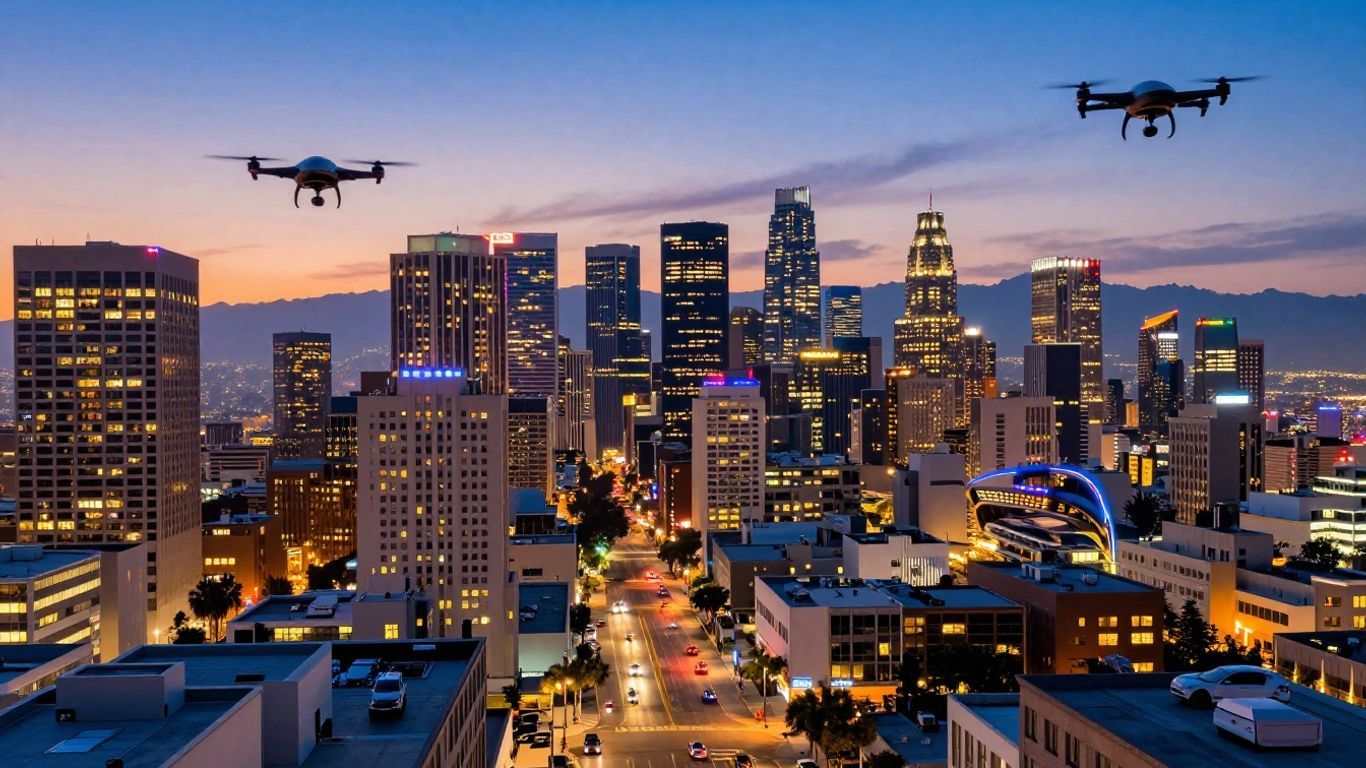
Los Angeles is actively preparing for 2028 with a vision that extends far beyond the mere hosting of the Olympic Games. This endeavor is fundamentally about transforming the city into a smarter, more interconnected, and ultimately more livable place for every resident. It isn't simply a matter of introducing dazzling new technology; rather, it represents a profound exploration into how technological advancements can effectively address some of the city's most pressing challenges—from persistent housing shortages to debilitating traffic congestion.
The Vision for a Connected Future
At its core, this initiative seeks to optimize L.A.'s functionality for its inhabitants. Can you imagine a city where information flows seamlessly, services are more readily available, and daily routines are notably smoother? This aspiration translates into embedding technology within the very fabric of the city—influencing everything from how we commute to how we locate suitable housing.
Key Initiatives for 2028
As L.A. progresses toward its 2028 objectives, several crucial areas are receiving significant attention:
- Housing Solutions: This involves investigating groundbreaking methods to increase the availability of affordable housing, notably through the expanded development of Accessory Dwelling Units (ADUs), often referred to as 'granny flats.'
- Mobility Improvements: A comprehensive reevaluation of transportation strategies aims to enhance efficiency and user-friendliness, prioritizing pedestrian and cyclist safety, bolstering public transit, and laying the groundwork for autonomous vehicles.
- Urban Planning: The application of data and intelligent design principles is being utilized to cultivate more equitable and sustainable neighborhoods throughout the city.
Technological Integration in Urban Planning
The overarching goal is to deploy technology not as an end in itself, but rather as a powerful instrument to achieve tangible enhancements in people's everyday lives. This necessitates a judicious approach to how digital tools can inform pivotal decisions regarding urban development, resource management, and the delivery of community services. It's truly about cultivating a city that isn't just technologically advanced, but also profoundly more responsive to the varied needs of its diverse populace.
Related Content: agenda 2030 smart cities list
Innovations in Housing and Community Development
Los Angeles is currently grappling with a substantial housing crisis, prompting the city to seek innovative approaches to both construct more homes and fortify its existing neighborhoods. This isn't merely about erecting additional structures; rather, it’s about ensuring these new developments genuinely serve everyone and positively contribute to the community's social fabric. The focus, therefore, is decisively shifting toward solutions that are both pragmatic and deeply people-centered.
Accessory Dwelling Units as a Solution
Among the most frequently discussed strategies is the expanded utilization of Accessory Dwelling Units, or ADUs. These are colloquially known as "backyard homes" or "granny flats"—apt descriptors, wouldn't you agree? Essentially, they represent secondary housing units situated on a single-family residential lot. Picture a compact apartment built above a garage, a unit seamlessly attached to the side of a main house, or even a charming, self-contained cottage nestled in the backyard. The fundamental premise here is to augment the housing supply without necessitating large-scale new developments, thereby intelligently leveraging existing space.
- Increased Housing Supply: ADUs introduce much-needed homes into established, often desirable, neighborhoods.
- Affordability Potential: They can present more accessible rental options or provide suitable living arrangements for extended family members.
- Owner Benefits: For homeowners, ADUs offer the potential to generate rental income, which can significantly assist with mortgage payments or other financial considerations.
This nuanced approach is increasingly viewed as an effective means to thoughtfully increase density and broaden housing choices that integrate harmoniously within existing urban areas. It's unequivocally a cornerstone of the city's broader strategy to alleviate housing shortages and cultivate a more diverse spectrum of residential opportunities.
Designing for Equitable Neighborhoods
Beyond the simple objective of building more units, considerable emphasis is placed on how these new developments will genuinely impact the residents and the surrounding locales. The overarching aim is to foster neighborhoods that are inherently inclusive and offer robust opportunities for everyone. This pivotal consideration involves meticulous attention to:
- Community Input: Actively engaging residents throughout the planning process to deeply understand their specific needs and address any pertinent concerns.
- Access to Amenities: Ensuring that new developments are strategically located near vital public transit links, green spaces, educational institutions, and employment centers.
- Preserving Character: Designing new structures and spaces in a manner that respectfully maintains the existing aesthetic and historical essence of a neighborhood.
The imperative for new housing must be inextricably linked with a steadfast commitment to preventing displacement and ensuring that long-term residents genuinely benefit from neighborhood enhancements. This critical balance mandates exceptionally careful planning and robust community partnerships.
The Role of Non-Profits in Urban Revitalization
Non-profit organizations are emerging as vital players in this contemporary era of urban development. Esteemed groups like LA Más, for instance, are actively working on the ground to assist residents in navigating the often-complex landscape of constructing ADUs and other housing solutions. They frequently serve as crucial intermediaries, bridging the gap between community members and essential city resources, offering invaluable technical assistance, and advocating for necessary policy adjustments. Their contributions are absolutely essential for ensuring that innovative housing solutions are accessible to all, not solely to those with the means to decipher intricate building codes and secure financing. Indeed, these organizations are instrumental in shaping a more human-centric approach to smart city planning, steadfastly focusing on the social contract inherent within urban environments. They are, without question, critical to transforming ambitious plans into tangible, life-improving benefits for Angelenos.
Rethinking Urban Mobility and Infrastructure
Los Angeles is embarking on a comprehensive review of how people and goods traverse the city, aspiring toward a future characterized by smoother, more interconnected movement. This isn't merely about adding more roadways; rather, it’s about crafting an integrated system that functions optimally for everyone—whether they choose to walk, cycle, utilize public transportation, or eventually, engage with self-driving vehicles.
Enhancing Pedestrian and Cyclist Experiences
Surely, navigating the city on foot or by bicycle should be both safe and effortless. L.A. is therefore making strategic plans to upgrade sidewalks, introduce additional protected bike lanes, and establish superior connections between various urban districts. This thoughtful approach entails considering vital elements such as:
- Wider, more accommodating sidewalks in bustling areas.
- Clearly demarcated and physically separated bike paths for enhanced safety.
- Improved lighting and comprehensive signage for pedestrians and cyclists alike.
- An increased number of secure facilities for bicycle parking.
The ultimate goal is to genuinely establish active transportation as an attractive and viable option for daily commutes and routine errands.
Transit-Oriented Development Strategies
This strategy involves concentrating new housing and commercial enterprises in close proximity to major public transportation hubs. The underlying principle is simple: if you reside or work near a train station or a principal bus stop, your propensity to utilize public transit significantly increases. This can effectively alleviate traffic congestion and inject greater vibrancy into neighborhoods. Ultimately, it's about fostering communities where personal car ownership isn't an absolute necessity for every aspect of daily life.
The Future of Autonomous Vehicles in L.A.
Autonomous vehicles, commonly known as self-driving cars, are steadily approaching widespread adoption. Los Angeles is keenly examining how these innovations might fundamentally reshape the urban landscape. This could usher in novel methods for traffic management, potentially more efficient ride-sharing services, and even necessitate alterations to current street designs. It is undeniably a complex domain, and the city is actively exploring how best to integrate this technology safely and effectively into its existing infrastructure.
The transition toward smarter mobility transcends mere technological implementation; it's about forging a city that is inherently more livable, accessible, and sustainable for all its inhabitants. This requires meticulous planning to guarantee that emergent systems genuinely benefit everyone, rather than just a select few.
Here's a look at some potential changes:
| Area of Focus | Current State | Future Vision |
|---|---|---|
| Pedestrian Access | Inconsistent sidewalks, some areas lacking | Continuous, accessible pathways, improved safety |
| Cycling Infrastructure | Limited dedicated lanes, safety concerns | Expanded network of protected bike lanes |
| Public Transit Access | Concentrated around major lines, last-mile gaps | Better integration, more feeder services |
| Autonomous Vehicles | Minimal presence, regulatory questions | Potential for new transit options, traffic management |
Civic Engagement and Design Excellence
Community Input in Urban Design
Making a city truly smarter isn't solely about implementing cutting-edge technology; it's crucially about ensuring that the residents who call it home have a meaningful voice in how their environment evolves. For Los Angeles, this means actively drawing inhabitants into the ongoing conversation about urban design. It's simply not enough to merely unveil plans; cities must cultivate genuine opportunities for feedback—think engaging workshops, comprehensive town halls, and accessible online platforms where everyday people can readily share their insights and concerns. This collaborative input is instrumental in shaping projects that authentically resonate with the neighborhoods they serve, rather than appearing as impositions from an external authority.
The Impact of Design Guidelines
Design guidelines serve as an essential roadmap for development, helping to maintain the city's aesthetic coherence and overall character while simultaneously allowing for the infusion of fresh ideas. In a dynamic metropolis like Los Angeles, these guidelines are becoming increasingly vital as the city experiences continuous growth and transformation. They can encompass a wide spectrum of elements, from building heights and material specifications to the intricate design of public spaces. The core objective is to create environments that are not only highly functional but also inherently beautiful and welcoming. Indeed, meticulously crafted design guidelines can deftly steer development toward the creation of more livable and attractive communities for every citizen.
Celebrating Urban Planning Achievements
It's equally important to acknowledge and celebrate significant successes in urban planning. When a project yields positive results—be it a newly conceptualized park, a vibrant revitalized street, or an exceptionally efficient smart transit system—it powerfully illustrates what is truly attainable. These achievements serve as potent inspiration for future initiatives and help to cultivate robust public support for thoughtful design. Los Angeles, with its rich history of innovative urban development, benefits immensely from highlighting these wins, thereby building vital momentum for its smart city future.
- Community Workshops: Regularly scheduled sessions designed to solicit comprehensive feedback on proposed developments.
- Online Feedback Portals: Dedicated digital spaces enabling residents to submit comments and propose ideas conveniently.
- Design Review Boards: Committees, often including community members, tasked with critically reviewing new urban projects.
- Public Art Integration: Thoughtfully incorporating artistic elements into public spaces to reflect and enhance local culture.
The comprehensive process of urban planning and design should, by its very nature, be a profoundly collaborative endeavor. When residents feel genuinely heard and actively involved, the resulting urban environment is far more likely to be successful and enthusiastically embraced by the community it is intended to serve.
Addressing California's Housing Crisis
California, and particularly its expansive hub, Los Angeles, has contended with a profound housing shortage for numerous years. This is, without question, a multifaceted challenge with deep-seated layers, impacting everything from the affordability of homes to the pervasive issue of homelessness. Given the state's ambitious 2028 goals, discovering viable and sustainable solutions has become more critical than ever before.
Backyard Homes and Affordable Housing
One of the most widely discussed strategies involves the widespread adoption of Accessory Dwelling Units, or ADUs. These are essentially secondary housing units situated on a single-family property, perhaps a charming granny flat or a compact apartment built above a garage. The fundamental concept is to augment the housing supply without necessarily resorting to the construction of vast, new apartment complexes. By intelligently leveraging existing residential space, ADUs can present a more affordable pathway for individuals to secure housing and concurrently offer homeowners a valuable source of supplementary income.
However, simply constructing ADUs won't solve the entire problem. Ensuring these units are genuinely affordable and accessible to those most in need remains the crucial challenge. This necessitates a comprehensive examination of:
- Streamlining the often-cumbersome permitting process to significantly reduce both costs and delays.
- Providing targeted financial assistance or attractive incentives for lower-income homeowners interested in developing ADUs.
- Designing ADUs that are not only highly functional but also harmoniously integrate with the established character of the surrounding neighborhood.
Policy Reforms for Housing Solutions
To truly make a discernible impact on the housing crisis, substantive policy changes are an indispensable component of the broader strategy. For a considerable period, restrictive zoning laws and stringent building regulations made it exceedingly difficult—if not outright impossible—to construct smaller, more affordable housing units. Recent reforms have, fortunately, aimed to ease some of these limitations, thereby facilitating the development of ADUs and other essential housing typologies. Indeed, isn't it time to cut through some of that red tape?
The ultimate objective is to cultivate a more agile and responsive housing market, one capable of addressing the diverse and evolving needs of its residents. This demands a critical re-evaluation of how land is zoned, which types of housing are permitted, and how development that genuinely benefits the entire community—not just a select few—can be vigorously encouraged.
Innovative Financing for Dwellings
Even with progressive policy shifts and the introduction of new building types, the persistent cost of housing remains a formidable barrier for many. This is precisely where innovative financing models become profoundly relevant. Traditional mortgages and conventional construction loans frequently prove unsuitable for ADUs or for many affordable housing initiatives.
Among the promising approaches currently being explored are:
- Community land trusts, which decouple the cost of land from the cost of the home itself, enhancing affordability.
- Strategic partnerships between non-profit organizations and private developers to create much-needed mixed-income housing solutions.
- Specialized micro-lending programs tailored specifically for homeowners keen on building ADUs.
These innovative financial instruments are meticulously designed to render housing development more feasible and to diligently help in maintaining accessible housing costs for residents across the board.
The Role of Technology in Smart City Planning
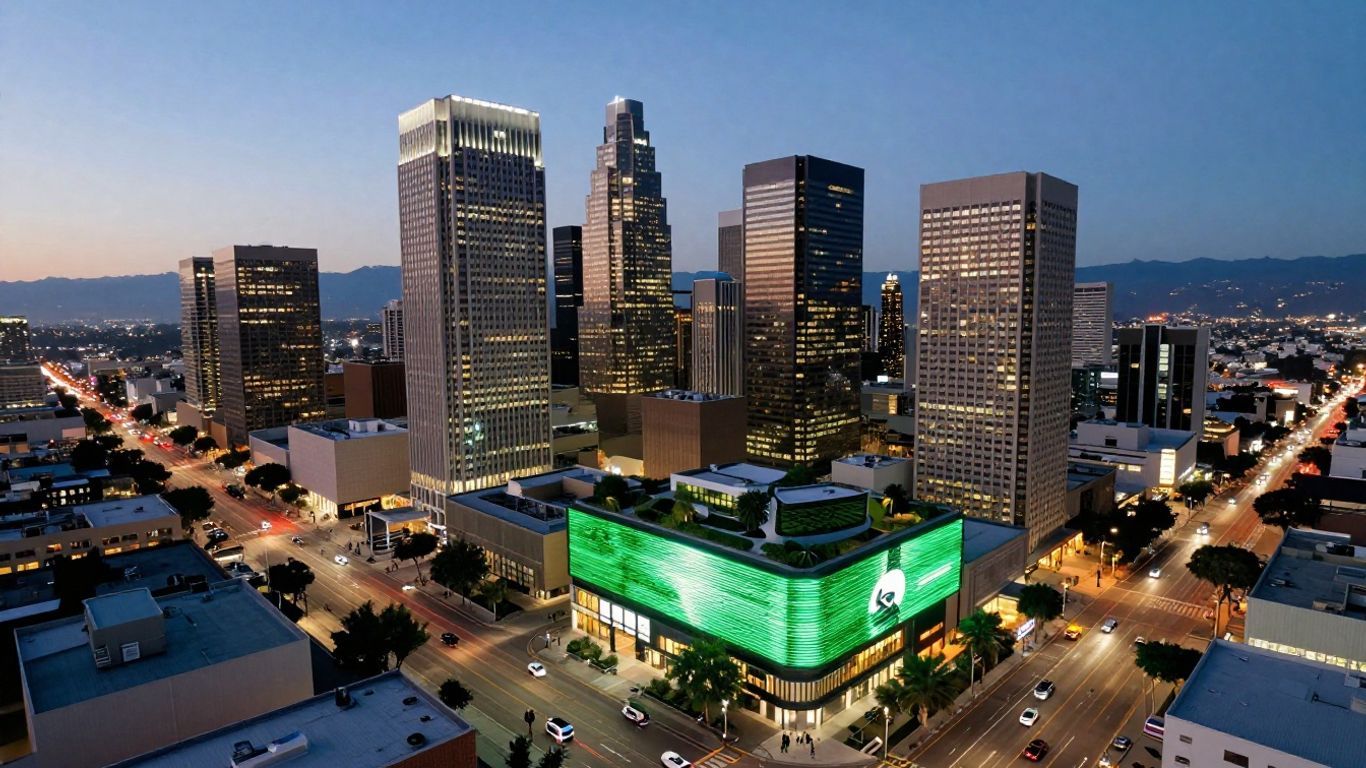
When we discuss the transformation of Los Angeles into a "smart city," we're fundamentally addressing how technology can be harnessed to effectively manage and significantly improve urban life. It transcends the mere possession of the latest gadgets; rather, it's about deploying sophisticated tools to optimize functionality for everyone.
Leveraging Digital Tools for Urban Management
Cities, by their very nature, are intricate systems, and effectively monitoring their countless moving parts can pose an immense challenge. Digital tools, however, offer powerful means to achieve a much clearer, more comprehensive understanding. Consider, for example, advanced traffic management systems capable of adjusting signal timing in real-time based on actual traffic flow, or an array of sensors diligently monitoring air quality and water consumption. These integrated systems meticulously gather data that city managers can then utilize to make swifter, more informed decisions—it's akin to having a dynamic dashboard for the entire city, visually indicating what's occurring and pinpointing where immediate attention might be required.
Data-Driven Decision Making
The foundational premise underpinning smart city planning is the strategic utilization of data to guide our choices. Instead of simply conjecturing about potential solutions, we can consult the empirical evidence. For instance, if data unequivocally reveals that a particular neighborhood exhibits a high rate of public transit usage but suffers from inadequate service frequency, city planners can then prioritize improvements precisely where they are most impactful. This systematic approach ensures that resources are allocated with maximum efficiency and that interventions genuinely address identified needs.
Here's a look at how different data points can inform city planning:
- Transportation: Real-time traffic patterns, public transit ridership statistics, pedestrian counts, and bicycle lane usage data.
- Environment: Comprehensive air quality readings, precise water consumption metrics, energy usage patterns, and waste management data.
- Public Services: Emergency service response times, utilization rates of public facilities, and invaluable citizen feedback.
- Infrastructure: Continuous condition monitoring of critical assets such as roads, bridges, and extensive utility networks.
Smart Infrastructure for a Connected City
Developing smart infrastructure entails building the essential physical and digital networks that underpin these advanced technologies. This encompasses elements like ubiquitous high-speed internet access, sophisticated sensor networks seamlessly embedded within roadways and buildings, and integrated communication platforms. It's truly about establishing a robust foundation that enables disparate systems to interact fluidly with one another. Could smart streetlights, for instance, not only conserve energy but also host environmental monitoring sensors or serve as convenient Wi-Fi hotspots? This profound interconnectedness is precisely what truly defines a smart city, fostering significantly more efficient operations and delivering superior services to its residents.
The ultimate goal isn't merely to implement technology for its own sake, but rather to employ it as a potent means to achieve demonstrable improvements in the quality of life for residents, thereby rendering the city more efficient, sustainable, and undeniably livable.
Looking Ahead
So, what exactly does this comprehensive vision portend for Los Angeles as it vigorously prepares for 2028? It's abundantly clear that the city's strategic thinking extends well beyond the immediate spectacle of the Olympics. The profound focus on smart city initiatives—ranging from enhancing critical infrastructure to making housing demonstrably more accessible—unequivocally demonstrates a steadfast commitment to sustained long-term growth and, crucially, a superior quality of life for its residents. This isn't just about introducing shiny new tech; it's about shrewdly deploying that technology to resolve tangible, everyday problems. We've already observed how projects aimed at alleviating housing shortages, such as the proliferation of Accessory Dwelling Units, and dedicated efforts to render streets safer and more conducive to walking, are actively gaining traction. The journey toward 2028 is fundamentally about robustly building upon these vital foundations, thereby transforming Los Angeles into an even more connected, efficient, and livable place for everyone. It’s an exceptionally ambitious plan, for sure, but one that undeniably holds immense promise for the flourishing future of this sprawling, iconic metropolis.
Frequently Asked Questions
What is a 'smart city' and why is Los Angeles aiming to be one by 2028?
A 'smart city' leverages technology to enhance urban living for its residents. This includes improvements in areas such as mobility, housing affordability, and the overall efficiency of city services. Los Angeles's aspiration to become a smart city by 2028 is driven, in part, by the opportunity presented by the Olympics, allowing it to showcase modern urban innovations and significantly improve the quality of life for its entire population.
How are accessory dwelling units (ADUs) helping with housing problems in L.A.?
ADUs, often affectionately referred to as 'granny flats' or backyard homes, are smaller, secondary residences built on the same lot as a primary house. They offer an effective strategy to increase housing stock without the need for large-scale apartment complex constructions. This approach significantly contributes to making housing more available and often provides a more affordable residential option for individuals and families.
What does 'transit-oriented development' mean for Los Angeles?
Transit-oriented development refers to the strategic construction of homes and businesses in close proximity to major public transportation hubs, such as bus stops and train stations. The underlying principle is to encourage greater reliance on public transit, thereby reducing traffic congestion, fostering more vibrant neighborhoods, and enhancing connectivity between residents, employment centers, and recreational facilities.
How does technology help city planners in Los Angeles?
Technology provides city planners with potent tools for urban management. By utilizing data, planners can gain profound insights into how residents interact with the city, identify specific problem areas, and assess the efficacy of potential solutions. This data-driven approach facilitates smarter, more informed decisions concerning aspects like traffic flow optimization, the strategic placement of new public parks, and the enhancement of various municipal services.
What is the role of community input in designing Los Angeles's future?
Community input is absolutely paramount! City planners are keen to hear directly from the residents who inhabit these neighborhoods. When communities actively share their ideas, concerns, and needs, the city is far better equipped to develop plans that genuinely serve and improve the lives of local residents. This collaborative process ensures that new projects are well-suited to their respective neighborhoods and enhance the overall urban experience.
How is Los Angeles trying to make neighborhoods more equal and fair?
Creating equitable neighborhoods entails ensuring that all residents have fair access to quality housing, safe and well-maintained streets, and meaningful job opportunities, regardless of their geographic location within the city. This involves intelligent urban planning, prioritizing the development of affordable housing, improving public transportation infrastructure across all areas, and diligently ensuring that new developments genuinely benefit existing residents, rather than exclusively catering to newcomers.


