


resources
Discover the Most Inexpensive Cities to Live In USA for 2026
01 Apr 2026

Considering a relocation in 2026 and grappling with financial concerns? You're certainly not alone. Home prices continue their ascent, and while incomes strive to keep pace, many find themselves constantly stretching their budgets. Yet, there's no need to dismiss your aspirations quite yet. Abundant opportunities still exist across the USA to secure a comfortable dwelling without significant financial strain. We're referring to urban centers that boast lower living costs, attainable housing, and, quite surprisingly, robust job markets. The key, naturally, lies in knowing precisely where to focus your search. This guide is crafted to assist you in discovering those truly inexpensive cities in the USA that could prove to be your ideal destination.
Key Takeaways
- The cost of living index—where 100 signifies the national average—serves as a vital tool for assessing affordability. Generally, cities registering below 100 offer a more budget-friendly lifestyle, with housing consistently standing out as the primary expenditure.
- States such as Mississippi, Kansas, and Alabama routinely feature lower cost of living indexes, a phenomenon largely attributed to their more accessible and affordable housing markets.
- For 2026, specific cities like Pittsburgh, PA; Decatur, IL; and Brownsville, TX, are prominently featured as leading inexpensive urban centers in the USA, striking an admirable balance between cost-effectiveness and desirable quality of life.
- While housing is paramount, a city's true affordability and overall livability are significantly influenced by a range of other crucial factors, including local taxes, safety levels, climate considerations, educational opportunities, and transportation infrastructure.
- To truly pinpoint inexpensive cities in the USA, it often becomes essential to identify locations boasting robust job growth, particularly in sectors such as healthcare, technology, or manufacturing. This ensures that a lower cost of living genuinely contributes to an improved financial well-being.
Decoding Affordability Metrics for America's Most Budget-Friendly Cities
So, is your goal to make your dollar stretch considerably further in 2026? That's undeniably a prudent financial strategy. Discovering a locale where your earnings aren't immediately consumed by expenses is crucial, and it fundamentally hinges on comprehending how we truly quantify affordability. It's not merely about the listed price of a property; rather, it encompasses a comprehensive financial landscape.
Unpacking the Cost of Living Index
Consider the Cost of Living Index as a standardized benchmark for comparing expenses across various locations. The national average for this index is consistently set at 100. Consequently, if a city registers an index score below 100, it typically indicates that goods and services are more economically priced there than the national benchmark. Conversely, a score exceeding 100 suggests—you guessed it—that residents should anticipate somewhat higher expenditures.
Essential Spending Categories Defining Affordability
When discussing a city's affordability, we're essentially examining the allocation of your financial resources. A handful of key categories typically constitute the majority of household expenditures:
- Housing: Consistently the most substantial expense, housing often accounts for 30-40% of an individual’s total outlay.
- Groceries: This covers the essential costs associated with daily food purchases.
- Utilities: Encompassing necessities such as electricity, water, gas, and internet services.
- Transportation: Including fuel, vehicle upkeep, and public transportation fares.
- Healthcare: Covering medical appointments, prescription medications, and insurance premiums.
- Other Goods and Services: This broad category includes everything from apparel and personal care to leisure and entertainment.
Housing Expenses: The Foremost Determinant of Affordability
It's quite evident that housing stands as the principal driver in shaping a city's perceived affordability. The magnitude of rent or a mortgage payment can, without exaggeration, either bolster or devastate one's personal budget. Nationally, we've witnessed a persistent ascent in median home prices, rendering homeownership increasingly challenging for many prospective buyers. Consider this: while the national median home price could hover around $426,000 by mid-2026, there are distinct locales where properties are considerably more accessible—some even priced under $90,000. This stark disparity is monumental and directly influences the income required simply to maintain shelter.
When evaluating housing, it's crucial to understand that the purchase price is merely one component. Property taxes, homeowners' insurance, and even the utility costs associated with your residence collectively contribute to the overall expense. Indeed, a property with a lower initial purchase price but exorbitant property taxes could ultimately prove more costly over time than a slightly more expensive home situated in an area with more reasonable tax rates.
To illustrate, here's a brief comparison of how housing costs typically align with median income across various urban classifications:
| City Type | Typical Housing Cost as % of Median Income | Example Monthly Housing Cost | Example Median Income |
|---|---|---|---|
| Most Affordable | Around 20-22% | $1,000 - $1,500 | $60,000 - $80,000 |
| Expensive Metro | 35%+ | $2,000+ | $70,000+ |
States Pioneering Low Cost of Living
When discussing the quest for America's most budget-friendly locales, certain states consistently emerge in the conversation. These aren't merely arbitrary selections; rather, they frequently exhibit shared characteristics that foster a more economically viable environment for their inhabitants. Consider, for instance, lower housing valuations, more attainable prices for everyday commodities, and occasionally, distinct approaches to taxation.
Mississippi: An Undeniable Affordability Edge
Mississippi consistently ranks among the states boasting the lowest cost of living, frequently leading national indices. Data from reputable sources, such as World Population Review, often indicates it has the country's most favorable cost of living index. What does this mean for you? On average, your purchasing power extends considerably further here than in many other states. A significant contributor to this advantage is, undoubtedly, housing—prices are substantially below the national average. To illustrate, housing expenses in Mississippi can be approximately 34% less than what one might encounter in a typical U.S. urban center.
However, it’s imperative to consider the comprehensive economic landscape. While living costs are indeed low, the median household income in Mississippi also registers below the national average. This vital correlation is certainly something to bear in mind when meticulously balancing your budget. Furthermore, the state experiences a higher poverty rate, a factor often associated with broader economic dynamics.
Kansas and Alabama: Additional States Offering Economic Value
Trailing just behind Mississippi, states such as Kansas and Alabama likewise present compelling financial advantages. Kansas frequently secures the second position in affordability rankings, with its cost of living index only marginally surpassing Mississippi’s. Alabama, not far removed, typically features among the top three states recognized for their low cost of living. Much like Mississippi, these states generally boast housing costs considerably beneath the national average, thereby enhancing the accessibility of both homeownership and renting.
These states provide a solid foundation for those looking to stretch their dollars. They offer a chance to live comfortably without the high price tag often associated with other parts of the country.
Harmonizing Living Costs with Earning Potential
Discovering a truly economical place to reside isn't solely about finding low prices; it's equally about how those prices compare against your potential earnings. The ideal scenario—the veritable 'sweet spot'—is a location where living costs are modest, yet robust job opportunities and competitive salaries remain accessible.
Here's a quick look at how some states compare:
- Mississippi: While boasting the lowest cost of living index, it also presents a lower median income. This implies that although you might significantly reduce expenses, your earning potential could fall below the national average.
- Kansas: Consistently ranking high for affordability, Kansas offers an admirable balance. It generally maintains a cost of living below the national average and benefits from a comparatively stable job market.
- Alabama: A formidable contender for low living expenses, especially concerning housing. It's advisable to delve into specific cities within Alabama to identify areas experiencing significant job growth.
Therefore, when contemplating a new place to establish roots, it's prudent to investigate not only the cost of living index but also the median income and prevailing job market trends for particular cities within these states. This comprehensive approach ensures you can identify a locale that genuinely aligns with both your financial requirements and your broader lifestyle aspirations.
America's Leading Inexpensive Cities for 2026

Discovering an affordable place to call home certainly doesn't necessitate compromising on quality. In fact, numerous cities throughout the U.S. are eloquently demonstrating that a high quality of life and genuine affordability can, indeed, coexist harmoniously. As our focus shifts to 2026, a select group of urban centers distinguishes itself by virtue of its low cost of living, especially in the realm of housing—a consistent and significant challenge for many aspiring residents.
Pittsburgh, Pennsylvania: An Affordable Urban Gem
Pittsburgh has consistently garnered recognition as one of the nation's most affordable large cities. Its remarkable evolution from a foundational steel town into a thriving nexus for technology, healthcare, and education has concurrently generated fresh employment opportunities, all without triggering a commensurate surge in living expenses. The median home price here remains substantially below the national average, consequently broadening the accessibility of homeownership for a greater number of individuals. Prominent employers, including UPMC and Carnegie Mellon University, underpin a diverse job market, while the burgeoning AI and robotics sectors introduce an exciting, forward-looking dimension. It’s undeniably a locale where one can cultivate a dynamic urban experience devoid of an exorbitant price tag.
Decatur, Illinois: Attainable Living in a Mid-Sized Hub
Decatur, Illinois, frequently surfaces on lists of economically advantageous places to reside, and with compelling justification. Functioning as a prominent center for both manufacturing and agriculture, it provides a notably stable job market. Housing costs, remarkably, are exceptionally modest, with median home values representing merely a fraction of those typically encountered in more expansive metropolitan regions. This inherent affordability renders it a particularly appealing choice for both individuals and families aiming to maximize their financial resources. Furthermore, its geographical positioning affords excellent access to vital transportation networks—a distinct benefit for enterprises and inhabitants alike.
Brownsville, Texas: A Frontrunner in Affordability
Nestled within the vibrant Rio Grande Valley, Brownsville, Texas, consistently ranks as another urban center frequently leading affordability assessments. The cost of living here consistently registers significantly below the national average, an advantage that permeates housing, groceries, and myriad daily expenditures. While Texas, notably, imposes no state income tax, it’s important to remember that property taxes can be a considerable factor; however, the overarching affordability nonetheless serves as a powerful magnet. This city presents a distinctive cultural tapestry and is integral to a burgeoning region characterized by expanding economic prospects. For those whose priority is an economically sustainable lifestyle, Brownsville undeniably puts forth a compelling argument. It serves as an exemplary illustration of how one can cultivate a comfortable existence without significant financial strain, certainly meriting further investigation if a transition to a more economical area is on your horizon. For more extensive information on diverse cities and their economic profiles, platforms like citiesabc offer valuable resources.
The fundamental insight into identifying an inexpensive city often lies in meticulously balancing the cost of living against available job prospects and the overarching quality of life. It isn’t merely about securing the lowest rent or mortgage payment; rather, it’s about establishing a sustainable and genuinely fulfilling life, free from persistent financial duress.
Delving into Further Affordable Urban and Suburban Locales
Akron, Ohio: Industry and Affordability
Akron, Ohio, a city frequently associated with its rich history in the rubber industry, is subtly positioning itself as a promising destination for individuals seeking a reduced cost of living without sacrificing access to desirable amenities. The city provides a notably more relaxed tempo than sprawling metropolises, yet it's certainly not devoid of its own distinctive character and burgeoning opportunities. Housing prices in Akron consistently hover significantly beneath the national average, rendering it an appealing prospect for first-time homebuyers or anyone aiming to extend their budgetary reach. Beyond the immediate housing costs, daily expenditures such as groceries and utility services are, by and large, more readily manageable.
Buffalo, New York: Discovering Upstate Value
Buffalo, New York, is increasingly attracting notice for its compelling affordability, particularly within its housing market. Recent statistical insights reveal a substantial proportion of home listings in Buffalo fall squarely into the 'affordable' bracket—a significant achievement given prevailing national housing trends. It’s a locale where residents often discover they can secure considerably more home for their investment. The city itself has embarked on ambitious revitalization initiatives, breathing renewed vitality into its downtown districts and picturesque waterfront. Moreover, its prime location on Lake Erie bestows abundant natural beauty and a wealth of recreational pursuits.
Memphis, Tennessee: A Confluence of Culture and Cost-Efficiency
Memphis, Tennessee, is celebrated globally for its profound musical legacy and dynamic culinary scene; however, it also advances a compelling argument for its affordability. The cost of living, especially housing, is discernibly lower than that of numerous other major urban centers. This financial advantage affords residents the potential to earmark a larger portion of their income toward immersing themselves in the city’s rich cultural tapestry or bolstering their savings. Furthermore, Memphis’s job market is notably diversified, exhibiting particular strengths in logistics and distribution—a distinct boon for those seeking employment.
Oklahoma City, Oklahoma: Where Growth Meets Affordability
Oklahoma City, Oklahoma, is currently undergoing a notable period of expansion, yet it has commendably managed to sustain a comparatively low cost of living. This compelling synergy of development and affordability holds considerable appeal for many. Prospective residents will discover that housing costs remain quite rational, and the city extends a commendable quality of life, featuring abundant parks, a burgeoning downtown core, and an inherently hospitable ambiance. It’s a locale where visible new developments are continuously unfolding, but crucially, your financial resources still possess significant purchasing power.
The paramount conclusion is this: these cities present an attractive combination of manageable living expenses coupled with unique local benefits, rendering them thoroughly deserving of closer consideration.
Here's a quick look at how some of these cities stack up in terms of housing affordability:
| City | Share of Affordable Listings | Typical Home Value |
|---|---|---|
| Buffalo, NY | 70.94% | $271,753 |
| Memphis, TN | 46.45% | $255,600 |
| Akron, OH | (Data not specified) | (Data not specified) |
| Oklahoma City, OK | (Data not specified) | (Data not specified) |
When evaluating these diverse urban and suburban possibilities, it’s imperative to extend your analysis beyond merely the initial asking price of a residence. Factors such as local property taxes, the vitality of regional job markets, and the overarching quality of life contribute profoundly to discerning true affordability and, ultimately, long-term contentment.
Robust Job Markets in Economically Advantageous Locales
Industry Specialties in Affordable Cities
While securing a residence that respects your budget is certainly commendable, discovering a fulfilling career within that same locale is an even greater boon. Fortunately, numerous cities celebrated for their modest cost of living also boast robust job markets. These areas frequently feature thriving specialized industries, which translates directly into more abundant job opportunities and compensation structures that align well with local living expenses. For instance, cities such as Pittsburgh, Indianapolis, and Memphis exhibit considerable strength in healthcare and life sciences. Professionals in finance or insurance might find Des Moines and Omaha particularly compelling. The technology and innovation sectors are expanding rapidly in Pittsburgh and Kansas City, while manufacturing and aerospace maintain a significant presence in places like Wichita and Huntsville. Logistics and distribution are pivotal in Memphis and Oklahoma City, and the energy sector remains a primary employer in Oklahoma City and Tulsa.
Urban Centers Balancing Vigorous Job Growth with Modest Living Costs
Crucially, the focus isn't merely on the presence of jobs, but rather on where sustained job growth is occurring. Indeed, several affordable cities are currently witnessing a proliferation of new opportunities. For example, cities such as Des Moines, Omaha, Kansas City, and Indianapolis have garnered recognition for offering both economical living and dynamic job markets. These regions frequently present a diverse industrial landscape—ranging from finance and healthcare to manufacturing and technology—thereby providing a broad spectrum of choices for those seeking employment. The fundamental principle, then, is to identify a location where your professional expertise is highly valued and your daily cost of living remains comfortably within reach.
The Significance of a Dynamic Job Market
When evaluating potentially inexpensive cities, it's vital not to overlook the prevailing employment landscape. A city might appear economically attractive, but if job availability is scarce or compensation is notably substandard, it may not represent the most prudent long-term decision. Conversely, a vibrant, competitive job market translates to a greater abundance of opportunities for securing employment, fostering career advancement, and earning sufficient income to live comfortably. Ultimately, it’s about discovering that optimal balance—that 'sweet spot'—where your financial resources possess enhanced purchasing power due to modest living expenses and robust earning potential.
Indeed, a vigorous job market within an affordable city signifies the capacity to enjoy a reduced cost of living without any compromise to career progression or financial stability. It truly encapsulates the ability to extend your paycheck's reach in your daily life, simultaneously affording you the latitude to save and strategically plan for future endeavors.
Beyond Housing: Comprehensive Factors for Economical US Cities
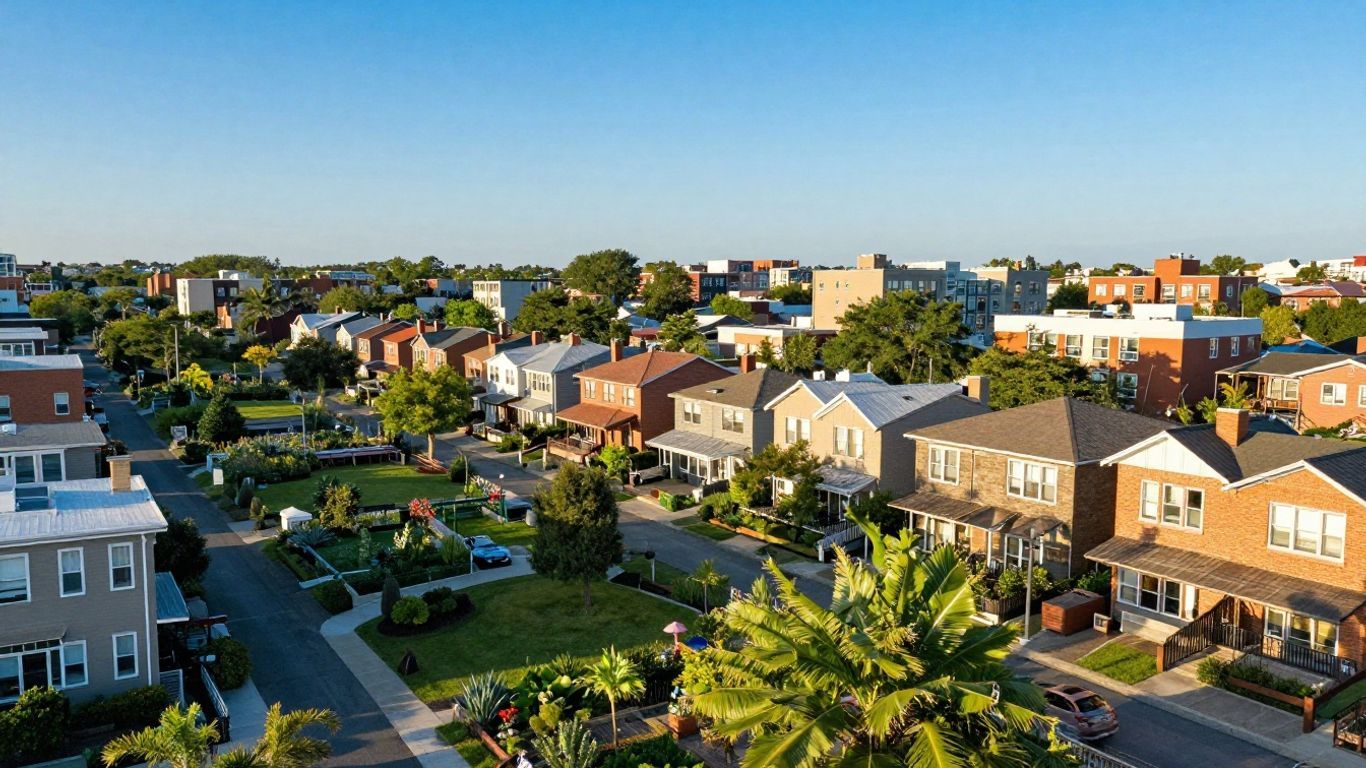
While housing expenses frequently command the primary attention in discussions of affordability, they are by no means the sole determinant. To genuinely grasp the full extent of your purchasing power in a prospective new city, it’s essential to scrutinize the myriad other accumulating expenditures. Consider, for example, the impact of local and state taxes. Certain states might indeed offer reduced housing costs, only to offset these savings with significantly higher property taxes or a substantial state income tax. This presents a nuanced trade-off that can fundamentally alter one's overall financial outlook.
Taxation and Property-Related Expenditures
Property taxes, it must be noted, can exhibit substantial variance not only between states but also among municipalities within the very same state. To illustrate, owning a $200,000 residence in Alabama might incur an annual property tax burden of merely $820, a reflection of its notably low tax rate. Contrast this with Texas, where an identical $200,000 property could subject you to an annual property tax bill of $3,200. This represents a colossal difference—nearly quadruple the amount—even considering that Texas levies no state income tax. Such disparities underscore the critical importance of thoroughly examining local tax rates prior to any relocation.
| State | Property Tax Rate (Example) | Annual Tax on $200k Home | State Income Tax | Other Notes |
|---|---|---|---|---|
| Alabama | ~0.41% | $820 | Yes | Low property tax |
| Texas | ~1.60% | $3,200 | No | High property tax |
Safety, Climatic Conditions, and Educational Provisions
Beyond purely statistical data, several other quality-of-life considerations profoundly influence whether a city truly resonates as a suitable place to live, and these can, incidentally, also bear upon your financial planning. Crime rates, for instance, can diverge markedly between urban centers, and a more secure environment often translates to reduced expenditures on items like home security systems or insurance premiums. Climate presents another pivotal consideration; for those who cherish four distinct seasons, expect potentially higher outlays for heating and cooling in comparison to residents of milder climes. For families, the caliber of local educational institutions is an overwhelmingly significant concern. While not a direct, out-of-pocket expense, superior schools can undeniably elevate property values and enhance a neighborhood's overall appeal. Furthermore, access to high-quality healthcare facilities is paramount, particularly if you have specific medical requirements.
Transportation and Commuting: Key Financial and Lifestyle Considerations
When scrutinizing budget-friendly cities, one often observes a greater reliance on personal vehicles. This inherently necessitates budgeting for expenses such as car payments, insurance premiums, fuel, and routine maintenance. Nevertheless, a noteworthy advantage can be considerably shorter commute times when contrasted with expansive, traffic-congested metropolises. While some of these cities may offer respectable public transit alternatives, they are frequently not as comprehensive as those found in larger, more costly urban hubs. It’s certainly worthwhile to investigate typical commute durations and the associated costs of local transportation, whether by automobile, bus, or rail. A city, after all, might appear inexpensive on paper, but if you're dedicating hours daily to traffic or a substantial portion of your earnings to fuel, that initial allure of affordability can rapidly diminish. Reflecting on your daily commute and general mobility is thus an integral component of identifying a location that genuinely aligns with both your financial parameters and your desired lifestyle. For a more expansive perspective on city indexing and rankings, invaluable resources such as citiesabc are available.
It's all too easy to become engrossed in the headline figure of a home’s purchase price or the monthly rental sum. However, the authentic cost of residing in any city is, in fact, a complex mosaic woven from numerous distinct expenditures. Taxes, daily transportation, and even climatic conditions—these can all incrementally accumulate, exerting a tangible influence on your comprehensive financial health and everyday existence.
Charting Your Course Towards an Affordable Future
As we conclude our exploration of America's most affordable cities for 2026, it becomes abundantly clear that identifying a place to reside comfortably without financial strain remains entirely feasible. While the national housing market persistently reports rising prices, numerous cities across the U.S. present a markedly different narrative. Urban centers such as Pittsburgh and Decatur, Illinois, distinguish themselves with substantially lower home valuations and an overall cost of living that genuinely translates into tangible savings. It’s crucial to recall that affordability extends beyond the mere sticker price of a property; it encompasses the complete spectrum—job opportunities, daily expenditures, and the overarching quality of life. By meticulously evaluating factors like the cost of living index and median incomes, you can pinpoint those ideal 'sweet spots' where your earnings achieve greater purchasing power. The fundamental imperative, therefore, involves diligent research and precise geographical discernment. Your aspiration of homeownership and a comfortable lifestyle might just be far more attainable than you've imagined within one of these economically advantageous locales.
Frequently Asked Questions
What truly defines a city as "affordable" for residents?
A city earns the designation of 'affordable' when the expenses for fundamental necessities—such as housing, groceries, and transportation—are consistently below the national average. Housing typically constitutes the largest segment of these costs, meaning locations featuring more economical homes and reduced property taxes generally offer greater affordability. We also scrutinize the prevailing median income to ascertain if residents can genuinely maintain a comfortable standard of living.
Are certain states inherently more economical for living?
Indeed, some states consistently present a more advantageous economic profile for residents. Jurisdictions such as Mississippi, Kansas, and Alabama frequently exhibit lower overall living costs, particularly concerning housing. This translates directly into enhanced purchasing power for your income within these areas.
Is housing the solitary determinant of a city's affordability?
While housing undeniably represents the most substantial component of the affordability equation, it’s far from the sole factor. We also meticulously account for other significant expenses, including groceries, vehicle fuel, utility services, and healthcare. Local taxes, too, play a crucial role! Some locales, for instance, might offer attractive home prices but impose elevated tax burdens, underscoring the wisdom of assessing the comprehensive financial landscape.
Is it possible to secure meaningful employment within an inexpensive city?
Absolutely! Numerous cities renowned for their economic viability also feature robust and active job markets. For example, urban centers such as Pittsburgh, Indianapolis, and Memphis are recognized for substantial employment opportunities across sectors like healthcare, technology, and manufacturing. The paramount objective is to identify a location where your earning potential adequately supports a comfortable lifestyle.
How does the Cost of Living Index differ from actual market prices?
The Cost of Living Index functions as a comparative metric, with a baseline of 100 representing the national average. Consequently, a score below 100 signifies a city that is more economical than the average, while a score exceeding 100 indicates higher expenses. This index facilitates broad comparisons between urban areas; however, complementing this with an examination of actual market prices—such as for rental accommodations or a gallon of milk—provides a more tangible and immediate understanding of local costs.
Which specific cities are projected as the most economical for residence in 2026?
Indeed, our comprehensive research for 2026 identifies several prominent cities that offer excellent prospects for budget-conscious individuals. Urban centers such as Pittsburgh, Pennsylvania; Decatur, Illinois; and Brownsville, Texas, are notably underscored for their modest housing costs and overarching affordability. Moreover, other locales including Akron, Ohio, and Buffalo, New York, likewise present considerable value.


