


resources
Discovering the UK: A Comprehensive Guide to Cities in the UK
15 Feb 2026

The United Kingdom, a nation rich in history and diverse landscapes, is home to an extraordinary array of cities. From bustling metropolises to quieter, more contemplative towns, each urban center possesses its own unique narrative. Delving into these UK cities offers a profound glimpse into the country's enduring past, its dynamic present, and indeed, what truly makes it tick. Here, we'll explore the distinctive qualities of some of its most prominent cities and examine the substantial contributions they make to the nation as a whole.
Key Takeaways
- London stands as the UK's preeminent city, globally recognized as a pivotal center for business and culture.
- Across the UK, cities beautifully illustrate a compelling blend of ancient history and contemporary development.
- Every city maintains its unique character, reflecting everything from deep industrial roots to vibrant, flourishing arts scenes.
- Many UK cities played crucial roles during the Industrial Revolution and continue to hold significant national importance today.
- The population and economic landscapes of these urban areas are in constant evolution, consistently generating new opportunities.
Exploring the United Kingdom's Major Cities
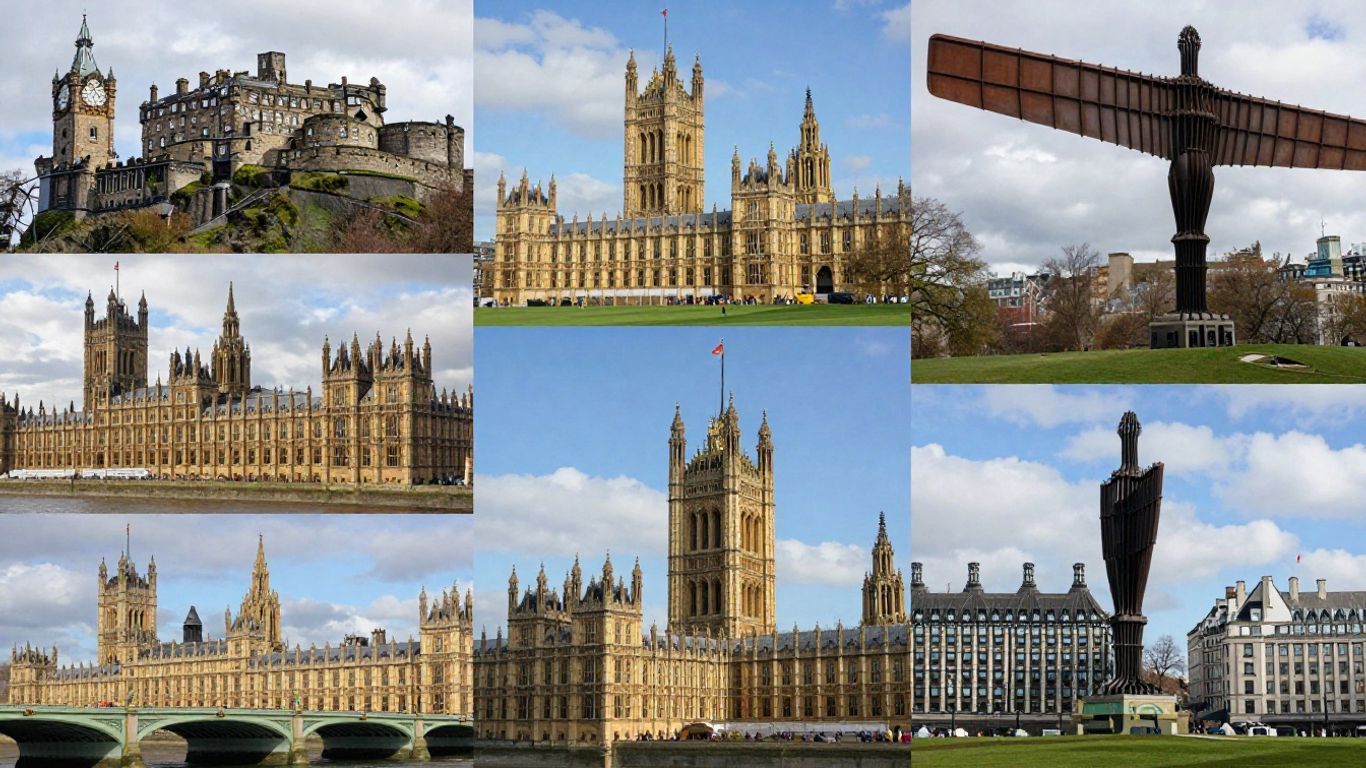
The United Kingdom proudly hosts a captivating collection of cities, each imbued with its own intricate story and distinctive character. When one speaks of the UK's urban centers, certain names invariably spring to mind—not merely for their sheer size, but for their profound and lasting impact on the nation's history, culture, and economic fabric. These are far more than just points on a map; they are living, breathing entities that have tirelessly shaped and continue to influence the very essence of the country.
London: A Global Hub of History and Modernity
London, the esteemed capital, often emerges as the paramount city in people's thoughts, and with good reason. It is a place where one can readily walk past ancient Roman walls, only to turn a corner and be met with the gleaming facades of modern skyscrapers. Boasting a population that has swelled to over 9 million residents, it is not merely the UK's largest city but a colossal player on the international stage. Consider, for a moment, iconic landmarks like Buckingham Palace, an enduring symbol of the monarchy, or the venerable Houses of Parliament, where so much of the country's—and indeed, the world's—history has unfolded. Yet, London transcends its famous sights. It is, at its heart, a city of diverse neighborhoods, each radiating its own unique ambiance, from the trendy, creative streets of Shoreditch to the bustling financial district of Canary Wharf. This remarkable fusion undeniably cements its status as a global epicenter for finance, fashion, and the arts.
London's rich history stretches back well over two millennia, originating as a vital Roman settlement. This incredibly long past remains visibly embedded throughout the city, from its varied architecture to its deep-seated traditions, serving as a powerful testament to how successive eras have left their indelible mark.
Birmingham: Industrial Heritage and Urban Evolution
Journeying to the very core of England, Birmingham stands as a magnificent testament to the UK's formidable industrial past and its dynamic, ongoing transformation. As the second-largest city in the UK, it is home to more than 1.1 million people. For generations, Birmingham was unequivocally known as a powerhouse of manufacturing and engineering—a profound legacy that still distinctly influences its contemporary identity. Today, however, it has also evolved into a significant hub for business, culture, and education, illustrating quite powerfully how a city can reinvent itself while respectfully acknowledging its foundational roots. The city's remarkable development, one might observe, clearly charts a path from its industrial genesis to its current vibrant status as a truly modern urban area.
Manchester: From Industrial Powerhouse to Cultural Epicenter
Manchester's narrative is one that resonates with many UK cities, yet it possesses an unmistakable, unique flair all its own. Once a global vanguard in textile manufacturing during the seismic shift of the Industrial Revolution, it is fundamentally a city that understands the art of reinvention. Today, Manchester is celebrated not just for its storied industrial past but as a flourishing epicenter for technology, media, and, crucially, music. Its cultural landscape is undeniably lively, fostering a well-earned reputation as a friendly and exceptionally dynamic place for both residents and visitors alike. The city's compelling journey—from a crucible of industry to a contemporary cultural hotbed—offers a truly fascinating paradigm of urban metamorphosis.
The Diverse Urban Landscape of the UK
The United Kingdom is graced with a fascinating array of cities, each possessing its own compelling story and distinctive character. It's important to understand that the concept of 'city' in the UK isn't solely about population size; rather, its very definition has deep historical roots, often connected to the prestigious granting of a royal charter. This intriguing historical nuance means that while some locations are indeed sprawling metropolises, others, though smaller, might still hold immense historical or administrative significance.
Understanding City Status in the UK
In the UK, city status is a special designation formally bestowed by the reigning monarch. It's a rather charming historical quirk, you see, and not always directly correlated with a place's population size or economic prowess. Consequently, one might discover cities that could surprise them, while some considerably larger towns have yet to receive such an honor. As of the most recent counts, there are 69 officially recognized cities spread across the United Kingdom.
- England: This nation boasts the greatest number, with 51 cities dotting its landscape.
- Scotland: Home to 7 cities, each offering a distinct feel and personality.
- Wales: Features 6 cities, including its vibrant capital.
- Northern Ireland: Encompasses 5 cities within its borders.
Ultimately, this distinction is less about a modern metric of urban development and far more about upholding tradition and historical recognition.
The designation of city status is truly a historical honor, reflecting centuries of profound development and significance rather than a mere measure of population or economic output. It undeniably adds a compelling layer of complexity—and indeed, charm—to the UK's rich urban geography.
England's Extensive Urban Network
England's urban tapestry is remarkably varied. Naturally, there is the global giant that is London, but beyond its vast embrace lies an intricate network of cities that have fundamentally shaped the nation's history and economic trajectory. From the industrial heartlands of the North to the ancient, historic cathedral cities of the South, England's cities collectively offer an expansive spectrum of experiences. Just consider places like Manchester, a veritable powerhouse of the Industrial Revolution, or the timeless university city of Oxford. Each possesses its own indelible identity, meticulously forged over centuries of trade, innovation, and profound social change.
Scotland's Distinctive Cities
Scotland's cities are renowned for their unmistakable character and often breathtaking settings. Edinburgh, the capital, is famously recognized for its dramatic castle and the enchanting historic Old Town, harmoniously coexisting with its vibrant festivals. Glasgow, once a dominant industrial center, has gracefully transitioned into a dynamic hub for arts, music, and culture, frequently praised for its famously friendly atmosphere. Other Scottish cities, such as Aberdeen with its striking granite architecture or Dundee perched gracefully on the River Tay, each contribute uniquely to the nation's rich and varied urban tapestry.
Wales and Northern Ireland's Key Urban Centers
In Wales, Cardiff proudly stands as the capital and largest city—a truly vibrant center for culture, sport, and government, notably user-friendly and welcoming. Further to the west, Swansea offers a distinct coastal charm. Northern Ireland's capital, Belfast, has undergone an extraordinary transformation, evolving from its industrial heritage into a modern city complete with a thriving cultural scene and significant historical landmarks. Derry/Londonderry, with its ancient, iconic walls, also holds a particularly unique place in the country's compelling urban narrative.
These cities, while perhaps more modest in scale compared to some of their English counterparts, serve as absolutely vital centers of culture, economy, and identity for their respective nations.
Cultural Richness and Historical Significance
Cultural Diversity in UK Cities
The cities spanning the United Kingdom are truly vibrant tapestries, intricately woven from countless threads of cultures originating from all corners of the globe. This profound diversity is not merely about an expanded range of foods or musical styles; it represents a fundamental, defining characteristic that makes these urban centers so incredibly dynamic. Over many centuries—through trade, waves of migration, and shared experiences—cities like London, Manchester, and Glasgow have evolved into genuine melting pots. One can discern this cultural intermingling quite clearly: it's visible in the street art, audible in the varied music emanating from pubs, and certainly discernible in the astonishing variety of global restaurants available.
- London: A prime example, with communities from nearly every country contributing to its truly unique character.
- Manchester: Known particularly for its strong Caribbean and South Asian communities, which profoundly influence its festivals and diverse food scene.
- Birmingham: Celebrated for its exceptionally diverse population, a demographic reality that has shaped its music, arts, and culinary landscapes in remarkable ways.
This magnificent confluence of people consistently introduces new ideas, traditions, and perspectives, perpetually refreshing the cultural landscape and ensuring each city retains its distinct, captivating identity.
Preserving Heritage Through Landmarks and Institutions
A stroll through any major UK city is akin to stepping back through the annals of time. The layers of history are palpably visible everywhere, from ancient Roman walls and grand Victorian architecture to the stark, powerful reminders of the Industrial Revolution. These cities aren't merely existing in the present; they are actively and meticulously preserving their past.
- Castles and Palaces: Iconic structures such as Edinburgh Castle, Cardiff Castle, and the Tower of London stand as magnificent testaments to centuries of royal history and pivotal national events.
- Industrial Heritage: Cities like Birmingham and Sheffield proudly showcase their manufacturing past through meticulously preserved canals, historic factories thoughtfully repurposed into modern spaces, and dedicated museums.
- Museums and Galleries: Esteemed institutions such as the British Museum in London, the National Museum of Scotland in Edinburgh, and the National Gallery in London house vast and invaluable collections that eloquently narrate the story of human history, art, and science.
These revered sites and institutions are far more than mere tourist attractions; they serve as vital educational resources, forging crucial connections between current generations and their profound historical roots.
The tangible remnants of history, ranging from ancient stones to formidable industrial machinery, serve as constant, powerful reminders of the remarkable journeys these cities have undertaken. They offer discernible links to the individuals and pivotal events that shaped the nation, thereby providing essential context for the present and profound inspiration for the future.
The Enduring Legacy of London's History
London's history is simply immense, stretching back well over two millennia. It began humbly as a Roman trading post and has since burgeoned into a truly global metropolis. Its historical significance is, quite frankly, undeniable, influencing not only the UK but the entire world. The city's compelling historical narrative is etched into its very fabric, from the ancient stones of the Roman Wall to the imposing, majestic structures of Westminster. Landmarks like the Houses of Parliament, Buckingham Palace, and Westminster Abbey have borne witness to pivotal moments in British—and indeed, global—history, encompassing everything from coronations and political upheavals to joyous royal weddings and profound national celebrations. This deep, wellspring of history continues, to this day, to fundamentally shape London's identity, drawing millions annually to meticulously explore its storied past.
Economic Powerhouses Driving National Growth
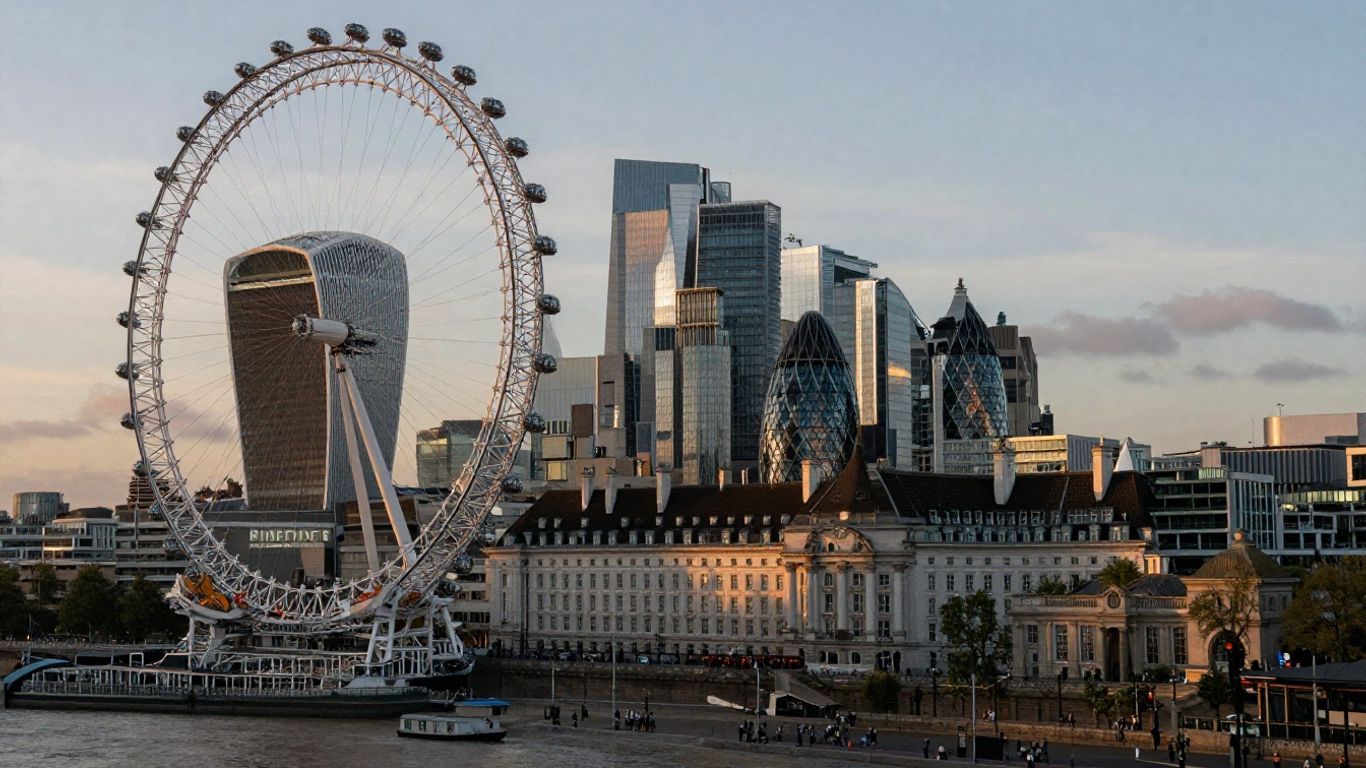
The major cities spread across the United Kingdom function as the indispensable engines that power the nation's economy. These are the very places where innovation frequently takes root, where businesses strategically expand, and where a significant proportion of the country's wealth is dynamically generated. More than just residential areas, these urban centers are vibrant, dynamic hubs that consistently attract investment and tirelessly cultivate new opportunities.
London's Role as a Global Financial Center
London's undisputed status as a world-leading financial hub is, quite simply, undeniable. It stands as a pivotal location where international banks, major corporations, and elite professional services firms choose to establish their headquarters. This extraordinary concentration of financial activity means London wields significant influence—not merely over the UK's economy, but crucially, over global markets themselves. The city's sophisticated infrastructure, its highly skilled workforce, and its robust regulatory environment collectively position it as a prime, indeed essential, location for finance.
Regional Specialization in Key Industries
While London undeniably leads the charge in finance, other major cities across the UK have skillfully carved out their own distinct economic niches. Manchester, for instance, has successfully transformed into a significant player within the burgeoning technology and media sectors. Birmingham, meanwhile, continues its legacy as a powerhouse in manufacturing and engineering, building robustly upon its rich industrial heritage. These strategic specializations enable different regions to contribute uniquely and powerfully to the national economic output.
| City | Key Industries | Economic Contribution |
|---|---|---|
| London | Finance, Professional Services, Technology | Global financial hub, major international investment |
| Manchester | Technology, Media, Digital Industries | Innovation in digital sectors, creative industries |
| Birmingham | Manufacturing, Engineering, Automotive | Industrial production, skilled trades |
| Liverpool | Creative Industries, Digital Media, Tourism | Cultural exports, tourism, port services |
| Leeds | Finance, Digital, Retail, Professional Services | Regional business hub, strong service sector |
Attracting Talent and Fostering Job Opportunities
These formidable economic powerhouses act as veritable magnets for talent. They consistently offer a wide and diverse array of job opportunities across numerous sectors—ranging from high-paying roles in finance and technology to essential positions in healthcare, education, and the service industry. This remarkable concentration of jobs inherently attracts skilled workers from every corner of the UK, and indeed, from around the globe, effectively fueling further growth and innovation.
The continuous influx of skilled individuals into these cities does far more than simply fill existing job vacancies; it actively sparks new ventures and fosters innovative ideas. This dynamic environment, it must be noted, is absolutely key to maintaining the UK's competitive edge on the global stage.
- Job Market Diversity: Cities consistently offer a broad spectrum of employment, catering effectively to highly varied skill sets and diverse career aspirations.
- Innovation Hubs: The strategic presence of world-class universities and pioneering research institutions alongside thriving businesses actively encourages the rapid development of new technologies and emerging industries.
- Investment Attraction: Robust economic performance, coupled with a highly skilled workforce, renders these cities exceptionally attractive to both domestic and foreign investors.
Key Cities and Their Unique Contributions
Beyond the universally recognized major hubs, the UK is wonderfully dotted with cities, each imbuing the national tapestry with its own distinct flavor. These urban centers, while perhaps not commanding the global recognition of a London, are nonetheless vital engines of culture, economy, and community. Truly understanding their individual strengths provides a much clearer, richer picture of the UK's wonderfully diverse urban landscape.
Liverpool's Musical Heritage and Cultural Scene
Liverpool is a city that quite literally pulses with a unique rhythm, one largely defined by its unparalleled musical legacy. Of course, the most famous export is undeniably The Beatles, whose profound influence still resonates throughout the city—from the legendary Cavern Club to the numerous immersive museums dedicated to their iconic story. Yet, Liverpool's musical narrative certainly doesn't conclude there; it's a city that has consistently nurtured and produced talent across an impressive array of genres, making it an extraordinarily vibrant locus for live music and diverse artistic expression.
Beyond its musical prowess, Liverpool proudly boasts a rich maritime history, compellingly evident in its stunning Albert Dock, now a revered UNESCO World Heritage site. This meticulously preserved area serves as a dynamic hub for museums, galleries, and exquisite restaurants, offering visitors a profound glimpse into the city's illustrious past as a major global port. The city's architectural grandeur is equally noteworthy, with impressive Victorian edifices standing majestically alongside compelling modern developments.
- The Beatles Story: An immersive exhibition meticulously detailing the band's remarkable rise to global fame.
- Albert Dock: A historic waterfront area teeming with museums, galleries, and unique shops.
- Liverpool Cathedral: One of the largest cathedrals in the world, offering breathtaking panoramic city views.
Leeds: A Thriving Center for Business and Education
Leeds has masterfully carved out a significant niche as a veritable powerhouse for business and education within the North of England. It stands as a major financial and legal center, successfully attracting substantial investment and hosting an extensive number of professional services firms. The city's economy is notably diverse, demonstrating formidable strengths in retail, burgeoning digital industries, and traditional manufacturing.
Education, it must be noted, plays an absolutely massive role in Leeds' distinct identity. The city is proudly home to several large, prestigious universities, drawing in students from across the entire UK and internationally. This consistent influx of young talent not only enriches the city's already vibrant cultural life but also provides a steady, skilled stream of graduates for its myriad businesses. The city's unwavering commitment to innovation and its robust transport links collectively position it as an exceptionally attractive place for both companies and aspiring individuals alike.
Leeds is a city that has brilliantly blended its industrial past with a truly forward-looking approach to business and education. Its dynamic economy and esteemed academic institutions collectively create an undeniably lively and progressive atmosphere.
Cardiff: A Welcoming Capital City
As the proud capital of Wales, Cardiff presents a unique and captivating blend of history, culture, and modern development. It is notably a compact and remarkably friendly city, making it delightfully easy to explore predominantly on foot. Cardiff Castle, a magnificent medieval fortress with intriguing Roman origins, stands as a powerful testament to the city's long and storied history, while the contemporary Cardiff Bay area elegantly showcases its transformation into a vibrant, modern waterfront destination.
The city functions as a significant cultural hub, with the impressive Wales Millennium Centre regularly hosting world-class theatre, opera, and musical performances. Cardiff also boasts a strong and passionate sporting tradition, with the Principality Stadium serving as a focal point for major international events. Its abundant green spaces, such as the expansive Bute Park, offer a peaceful and much-needed escape within the bustling urban environment. Furthermore, its comparatively affordable housing—especially when juxtaposed with other major UK cities—makes it a truly appealing place to live for many. After all, housing costs are often a pivotal consideration for anyone contemplating a move.
- Cardiff Castle: Explore centuries of rich history contained within its ancient walls.
- Cardiff Bay: A magnificently regenerated waterfront boasting attractions, diverse restaurants, and the Senedd (Welsh Parliament).
- National Museum Cardiff: Home to impressive art and natural history collections, offering a wealth of knowledge.
Population Dynamics and Urban Development
UK cities are in a constant state of flux, and a significant portion of this ongoing evolution stems directly from their shifting demographics and the manner in which the cities themselves expand. It's a compelling story of human movement, urban expansion, and the continuous enrichment of cultural mixes. This perpetual dynamism fundamentally shapes the character and indeed the future of urban life right across the nation.
Population Growth Trends in UK Cities
Over the past several decades, many of the United Kingdom's larger cities have witnessed a notable climb in their populations. This trend isn't solely attributable to a higher birth rate; it's also—and significantly—a consequence of more individuals actively choosing to relocate to these urban centers rather than depart from them. London, as one might instinctively expect, consistently leads the charge, attracting a substantial influx of young professionals and international migrants due to its immense global business stature. Such growth invariably means city leaders must meticulously strategize, ensuring there are adequate homes, robust infrastructure, and sufficient public services to accommodate everyone.
Here's a concise overview of some general population trends:
- Increased Urbanization: A growing number of people are opting for city living, primarily seeking out enhanced job opportunities, prestigious educational institutions, and vibrant cultural scenes.
- Natural Increase: In many cities, the birth rate consistently surpasses the death rate, thereby contributing to overall population growth.
- Net Migration: Both internal migration (the movement of people between UK cities) and international migration play profoundly significant roles in these ongoing population shifts.
Challenges and Opportunities of Urban Expansion
As cities inevitably grow larger, this expansion invariably presents both considerable benefits and complex challenges. On the one hand, a larger population typically translates into a greater exchange of ideas, an expanded workforce, and heightened economic activity. Consider, for instance, the emergence of innovative new businesses or the staging of grand cultural events that might simply not be feasible with fewer residents. But then, of course, there's the flip side: securing affordable housing often becomes more difficult, traffic congestion can worsen considerably, and public services—like schools and hospitals—may feel increasingly stretched thin. Thoughtful planning is absolutely paramount here, striving to ensure that as cities expand, they simultaneously remain desirable places for everyone to live.
Careful urban planning and astute policy decisions are truly vital. They serve to effectively manage the inherent pressures of growth, with the overarching aim of creating cities that are not only larger but also fundamentally better places to reside, work, and connect within.
The Impact of Migration on City Demographics
Migration, encompassing both internal movement within the UK and arrivals from other nations, has profoundly reshaped the demographic composition of city populations. These urban areas have, over time, transformed into veritable magnets for individuals seeking new opportunities and enriching experiences. This influx profoundly enriches the cultural tapestry, introducing a diverse array of skills, fresh viewpoints, and cherished traditions. In essence, it makes cities more colorful and undeniably dynamic. Naturally, it also means cities must diligently consider how best to facilitate the integration of newcomers—perhaps through comprehensive language support or by ensuring equitable access to housing and healthcare. Ultimately, it's about fostering an environment where everyone feels a sense of belonging and can meaningfully contribute to the city's vibrant life.
Migration's multifaceted effects typically include:
- Cultural Enrichment: New communities invariably introduce diverse foods, arts, music, and fresh perspectives, enhancing the urban fabric.
- Economic Contributions: Migrants often fill critical labor needs, establish new businesses, and contribute significantly to the local and national tax base.
- Social Integration: Cities face the ongoing, crucial task of fostering a strong sense of community and ensuring fair, equitable access to essential services for all residents.
A Journey Through the UK's Urban Heart
So, we've embarked on a comprehensive journey, exploring some of the United Kingdom's most significant and intriguing cities. From the sheer scale and profound global pull of London to the deep industrial roots and contemporary buzz of places like Manchester and Birmingham, each city, in its own right, tells a unique and compelling story. These are not merely static points on a map; they are dynamic hubs of culture, economy, and history, meticulously shaped by the millions of people who proudly call them home. Whether your interests lie in ancient landmarks, cutting-edge art scenes, or simply the everyday rhythm of urban life, the UK's diverse urban centers collectively offer a vast and profoundly rewarding landscape ripe for exploration. Rest assured, there's always something fresh and exciting to discover around the very next corner.
Frequently Asked Questions
What makes London the biggest city in the UK?
London holds its status as the capital city and an unparalleled global center for both business and culture. Its magnetic appeal, driven by an abundance of job opportunities and a wealth of cultural attractions, draws individuals from across the UK and around the world, making it the nation's most populous city, with a resident count nearing 9 million.
How did cities like Manchester and Birmingham help the UK grow with factories?
Manchester gained widespread renown for its textile manufacturing, while Birmingham was celebrated for its diverse industrial output, producing a vast array of goods in its factories. During the transformative period of the Industrial Revolution, these cities became incredibly vital for production, significantly bolstering the UK's economy and fundamentally reshaping its manufacturing landscape.
What's special about Glasgow and Edinburgh in Scotland?
Glasgow, historically a major industrial center, has skillfully transformed into a thriving hub for business and the arts. Edinburgh, on the other hand, is particularly famed for its rich history, its significant role in tourism, and its esteemed universities. Both cities are crucial contributors to Scotland's economy and offer wonderful opportunities to experience Scottish culture firsthand.
Why are Liverpool and Bristol important for the UK's seafaring history?
Strategically situated on significant coastlines and rivers, Liverpool and Bristol served as pivotal centers for maritime trade and shipbuilding. Their roles in facilitating extensive sea travel and commerce were instrumental in establishing the UK as a dominant force in global seafaring and trade for centuries.
How many cities are there in the UK, and does size always matter?
The UK boasts 69 officially recognized cities. Interestingly, city status is often granted due to historical significance or a special royal charter, rather than being solely based on population size or sheer scale. Consequently, each city carries its own unique narrative and importance, irrespective of its physical dimensions.
What makes UK cities so diverse and interesting to visit?
UK cities are exceptionally diverse thanks to centuries of migration, which has enriched them with a remarkable array of foods, music, and traditions from around the globe. They also feature numerous ancient buildings and historical sites that narrate compelling stories of the past. This captivating blend of old and new, combined with a vibrant mix of cultures, makes exploring UK cities a truly exciting and enriching experience.


