


resources
Discovering the UMN Twin Cities: A Comprehensive Guide
07 Apr 2026

Considering an exploration of the University of Minnesota Twin Cities? This expansive institution, brimming with activity, is thoughtfully distributed across two primary areas. Whether your interests lie in academic pursuits, potential residential options, or simply discovering what there is to do, this guide aims to provide an excellent starting point. We’ll delve into the fundamental aspects of the campus, its rigorous academic environment, the vibrant student life, and even touch upon the fascinating facets of the cities themselves. It is, unequivocally, a place of abundant opportunities, and gaining an understanding of its offerings is truly the essential first step.
Key Takeaways
- The UMN Twin Cities campus is thoughtfully bifurcated into two distinct areas: the dynamic Minneapolis campus, renowned for its bustling atmosphere and a wide array of diverse programs, and the St. Paul campus, which offers a noticeably different, perhaps more focused, ambiance. Prospective students are encouraged to visit both to fully appreciate their unique characters.
- Academically, UMN Twin Cities presents an impressive spectrum of undergraduate majors, notably excelling with robust programs in fields such as engineering. Students frequently commend professors for their approachability and their adeptness at making complex material genuinely engaging.
- Student life at UMN offers myriad avenues for engagement, boasting over 1,000 student groups and competitive Big Ten athletics. Furthermore, the surrounding Twin Cities metropolitan area provides an abundance of activities and locales to explore, ensuring that boredom is rarely an option.
- The Twin Cities themselves are remarkably rich in architectural heritage, with thousands of structures meticulously documented in guides that showcase a diverse tapestry of styles and historical periods, thereby offering invaluable insights into the region’s evolutionary development.
- Navigating the UMN Twin Cities is streamlined by a comprehensive suite of transportation options, including convenient campus shuttles and efficient public transit. The student body is notably diverse, comprising a balanced mix of in-state and out-of-state students, fostering a palpable sense of community.
Exploring the UMN Twin Cities Campus
Minneapolis Campus Highlights
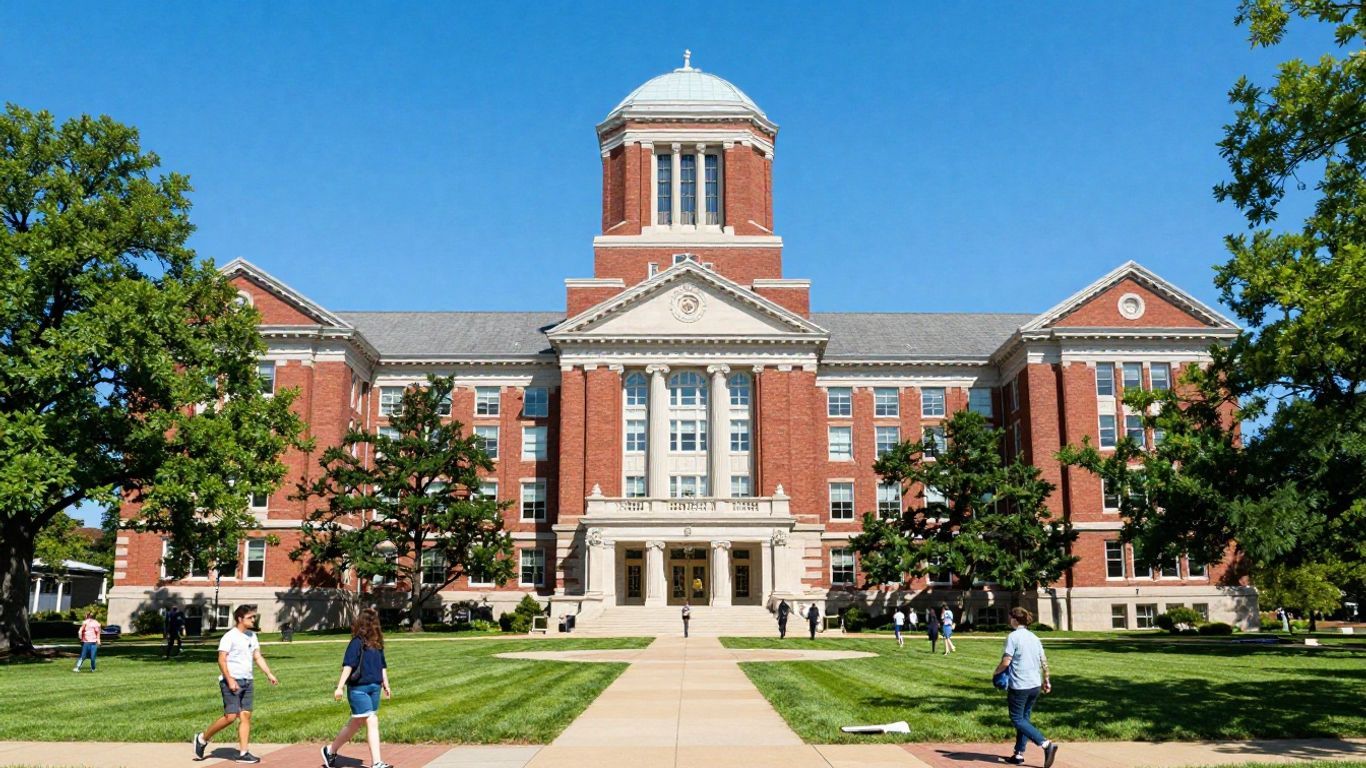
The Minneapolis campus stands as the larger of the two, perpetually humming with a vibrant energy. It serves as the epicenter for many of the programs that attract students from across the globe—think business, engineering, and the arts. As you traverse its pathways, you'll observe students grabbing coffee, heading to lectures within sleek, modern buildings, or engrossed in study on verdant green spaces like Northrop Mall. Can you envision yourself here, perhaps immersed in a cutting-edge lab or simply savoring the panoramic city skyline? The campus, intrinsically linked to the urban fabric, cultivates a dynamic environment conducive to both profound learning and an enriched student experience.
St. Paul Campus Atmosphere
Should your academic inclinations lean toward fields such as agriculture, food science, or design, the St. Paul campus might very well feel like a natural home. It exudes a distinct aura—one that feels perhaps a bit more focused, underscored by a pronounced sense of community. This campus is celebrated for its emphasis on hands-on learning and its notably convivial atmosphere. Here, you can delve into intriguing subjects like bee science or animal sciences; it also proudly houses the Bell Museum, an undeniably fascinating institution. The campus itself is remarkably scenic, gracefully merging advanced research with an idyllic natural setting.
Campus Visit Opportunities
Considering a visit to truly experience the campus firsthand? That's an excellent idea, and one we heartily recommend. The university thoughtfully arranges tours designed to provide a genuine feel for both campuses. Typically, your experience will commence with an informative admissions session to cover essential details, after which you can elect a tour tailored specifically to either the Minneapolis or St. Paul campus. These guided explorations are meticulously crafted to showcase the nuances of student life, potential study environments, and the myriad opportunities available. It’s an invaluable chance to pose questions and ascertain if UMN aligns perfectly with your aspirations. What's more, a convenient bus service connects the two campuses, facilitating an effortless exploration of both, should your schedule permit.
Academics and Research at UMN
When you step into the University of Minnesota Twin Cities, you’re not merely entering an educational institution; you’re stepping into a place that truly makes academic curiosity a daily part of life. This university is quite substantial in size, yet the intricate design of its programs ensures that one rarely feels lost in the expanse. Here's a closer look at what truly distinguishes UMN across its diverse majors and research endeavors, encompassing everything from study pathways to collaborative methodologies.
Diverse Undergraduate Majors
If you appreciate a wealth of choices, UMN will undoubtedly keep you engaged. The university boasts an impressive roster of over 150 undergraduate majors. Allow us to highlight just a handful:
- Biological Sciences
- Business and Management
- Computer Science
- Art and Design
- Education and Human Development
- Environmental Sciences
This extensive variety makes it exceptionally difficult to feel pigeonholed—indeed, many students arrive with an initial uncertainty and often discover entirely new interests midway through their academic journey. Most programs, in fact, actively encourage pursuits like double majors or the addition of a minor or two, thereby simplifying the process of interdisciplinary exploration.
UMN expects students to stretch their comfort zones, whether that’s joining an unusual seminar, picking a major out of left field, or jumping into research early on.
Renowned Engineering Programs
The College of Science and Engineering at UMN frequently garners significant attention. It has meticulously carved out a distinguished reputation, extending far beyond the upper Midwest to command national recognition. Engineering studies here transcend mere classroom lectures:
- Labs, such as the impressive earthquake simulator and the Mississippi River fluid mechanics facility, are integral components of practical, real-world class projects.
- Hands-on research opportunities mean that undergraduates frequently collaborate with faculty on substantive projects, spanning fields from robotics to sustainable infrastructure and nanotechnology.
- Students regularly secure coveted internships with prominent companies nestled within Minneapolis and St. Paul—a region rich with opportunities in biotechnology, software development, and advanced manufacturing.
Here’s a concise overview of typical engineering disciplines and some of their specialized focus areas:
| Engineering Field | Notable Areas |
|---|---|
| Mechanical Engineering | Robotics, Renewable Energy |
| Civil Engineering | Urban Planning, Water Resources |
| Electrical Engineering | Nanotech, Wireless Systems |
| Chemical Engineering | Materials, Environmental Tech |
Approachable Faculty and Learning Environment
Many students harbor concerns that professors at a large institution might maintain a certain distance, yet that perception simply doesn't align with the reality here. Faculty members are notably accessible, with the vast majority actively encouraging students to visit during office hours or to reach out via email should they encounter difficulties with a topic. While initial courses, particularly introductory ones, may indeed feature larger class sizes, by junior and senior years, students benefit from more intimate discussions and enhanced opportunities to forge meaningful connections with their instructors.
Some distinctive aspects of the learning environment include:
- Professors frequently infuse their teaching with real-world experience and invaluable local industry connections.
- Teaching assistants and dedicated research mentors are readily available to provide supplementary support and guidance.
- Small seminars and project-based courses empower students to articulate their ideas and venture into novel academic pursuits.
Ultimately, what truly distinguishes UMN is that even within such a vast institution, one rarely feels like merely another face in a lecture hall. There is always a tangible pathway to gain recognition, access assistance, or further one's studies, irrespective of the chosen academic discipline.
Student Life and Activities
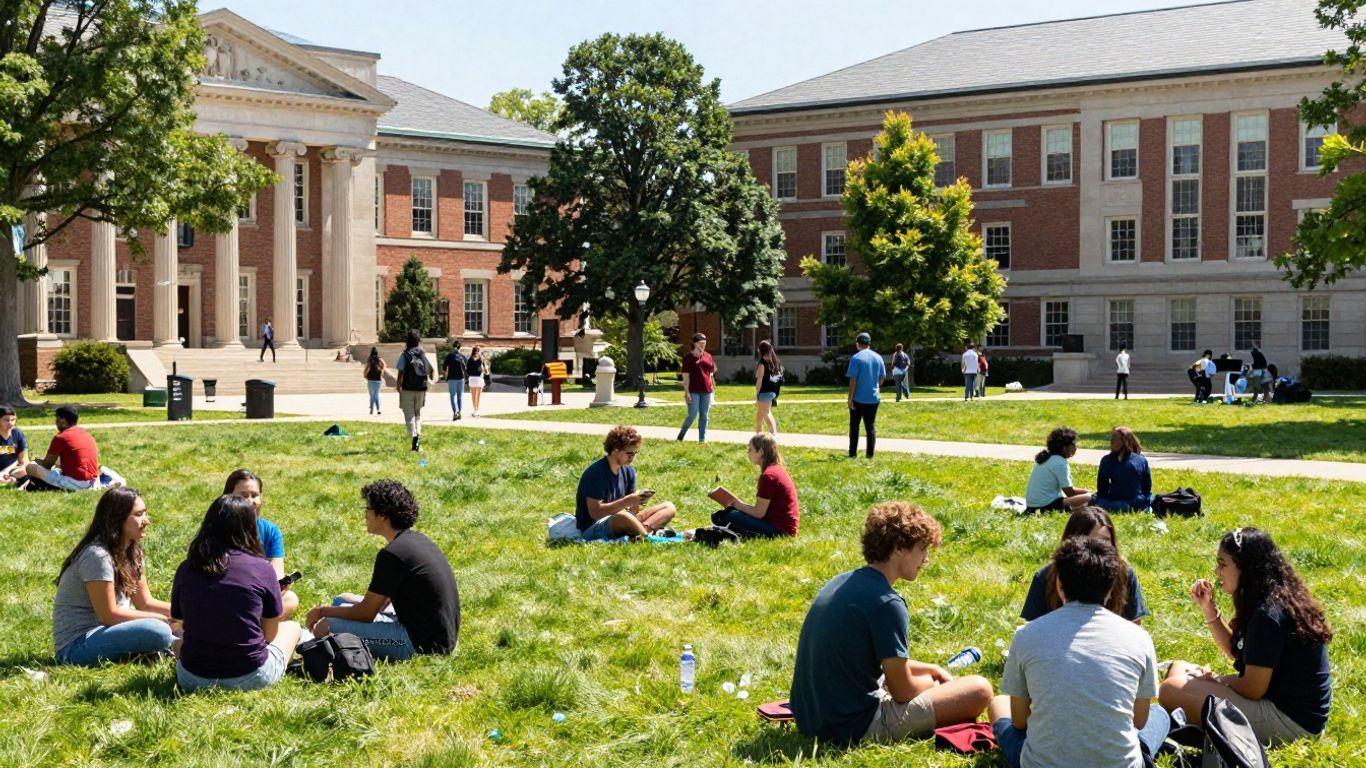
The University of Minnesota Twin Cities truly embodies the spirit of a city within a city, particularly once you begin to immerse yourself in its rhythm. Indeed, no two days on campus look precisely alike—and that, for many, is precisely what keeps things so engaging. What might you expect, for instance, if you were to visit Coffman Memorial Union during a typical weekday? Picture club tables brimming with information, students engrossed in ping pong matches, perhaps a film screening underway, alongside lively discussions or even concerts unfolding in the evening. Most individuals naturally gravitate towards their preferred spaces and routines, whether that entails joining a specific student club, donning Gopher gear for an athletic event, or simply relishing the vibrant urban landscape surrounding them.
Extracurricular Involvement
With an impressive roster of over 1,000 registered student organizations, virtually any interest can find its niche here. These clubs span a wide spectrum, encompassing academics, the arts, activism, recreational pursuits, cultural affiliations, and much more. Should you wish to initiate a new club, the process is remarkably straightforward—a path many students successfully navigate each semester.
Popular Types of Student Organizations:
- Academic and pre-professional societies
- Arts, music, and theater groups
- Media and publications
- Greek life (sororities and fraternities)
- Intramural and club sports teams
- International and cultural clubs
Some of the most profound connections you’ll forge at UMN will likely begin by joining a group that feels just a little outside your comfort zone. Remember, everyone starts as a newcomer at some point.
Athletics and Social Scene
As a proud member of the Big Ten Conference, sports undeniably hold a significant place here—a palpable community spirit flourishes, particularly during the exhilarating football and hockey seasons. Yet, athletic engagement extends far beyond Division I competition. Intramural leagues operate robustly every semester, and one can almost always find an impromptu pickup game on the campus fields or courts.
Here's a concise overview of the diverse athletic opportunities:
| Type | Examples |
|---|---|
| Varsity Sports | Basketball, Hockey, Soccer, Track |
| Club Sports | Rugby, Sailing, Ultimate Frisbee |
| Intramural Sports | Dodgeball, Kickball, Table Tennis |
| Fitness/Rec Centers | Weights, Pools, Classes, Climbing Walls |
Greek life also maintains a strong presence, attracting over 3,000 students. Whether your preferences lean towards formal events or philanthropic endeavors, there's a sorority or fraternity at UMN designed to align with your aspirations. And for those seeking social gatherings, parties certainly occur, especially on weekends—though smaller, more intimate movie nights, board game sessions, or coffeehouse hangs are equally prevalent.
Exploring the Twin Cities
What truly distinguishes UMN Twin Cities, quite frankly, are the cities themselves. Minneapolis and St. Paul lie right at your doorstep, beckoning exploration. Students efficiently navigate these urban landscapes by biking, utilizing the complimentary campus shuttle, hopping on city buses, or catching the convenient light rail. Beyond the campus boundaries, you'll discover:
- Farmers markets and vibrant outdoor festivals (particularly bustling in the spring and fall seasons)
- A rich tapestry of music, theater, and arts available year-round—often at discounted rates with a student ID
- An extensive array of restaurants catering to nearly every culinary preference imaginable
- Numerous parks and serene lakes, perfect for invigorating runs or tranquil study sessions
- Charming local coffee shops where one can settle in with friends or a laptop
One truly never exhausts the list of things to do, and because UMN is so seamlessly integrated into city life, it’s remarkably easy to feel a sense of belonging, even as a newcomer.
Architectural Riches of the Twin Cities
A Comprehensive Architectural Handbook
The Twin Cities proudly present a surprisingly rich architectural landscape, a tangible testament to their remarkable growth and layered development throughout the years. It isn't solely about the grand, widely recognized edifices; even many smaller structures frequently possess significant historical and design value. Consider it a dynamic visual history book, with each building meticulously narrating a chapter in the compelling story of how Minneapolis and St. Paul came to be. This metropolitan area, for anyone with an interest in urban development and design, truly stands as an unparalleled treasure trove.
Neighborhood-by-Neighborhood Exploration
When one begins to look more closely, distinct architectural styles invariably emerge across different quadrants of these cities. St. Paul, for example, often showcases its beautifully preserved historical buildings—a phenomenon partly attributed to its slightly less rapid development compared to its counterpart. Minneapolis, conversely, offers an intriguing blend of venerable gems alongside striking modern marvels. Embarking on an exploration of these areas can feel quite like journeying through distinct historical epochs.
Here’s a concise overview of what you might encounter:
- Downtown Minneapolis: Expect to behold an impressive array of skyscrapers, ranging from elegant Art Deco designs to contemporary glass structures.
- St. Paul's Cathedral Hill: This esteemed area is celebrated for its magnificent Victorian homes and, of course, the awe-inspiring Cathedral itself.
- Mill District (Minneapolis): Here, you'll discover evocative remnants of the city's industrial past, particularly old mill buildings, many of which have been ingeniously repurposed for new uses.
- Uptown (Minneapolis): This vibrant district seamlessly blends older apartment buildings with more recent, trend-setting developments.
Historical Significance and Styles
The architectural narrative of the Twin Cities truly gains momentum in the post-Civil War era. Consequently, while you won't find ancient structures, you will encounter a remarkable diversity of styles. These buildings eloquently reflect the successive waves of immigration, periods of economic prosperity, and the evolving design trends that have collectively shaped this distinctive region.
From grand public buildings to modest homes, the architecture here tells a story of ambition, community, and adaptation. It's a visual record of the people who lived and worked here, shaping the urban environment we see today.
It's quite a profound realization to consider how many buildings—over 3,000 by certain counts—contribute to the unique character of these cities. Whether it's a celebrated landmark or a simple, thoughtfully constructed house, each element adds a vital brushstroke to the overall architectural masterpiece.
Navigating the UMN Twin Cities
One of the initial observations you’re likely to make at UMN Twin Cities is the geographical spread of its two campuses. However, traversing the distance between the Minneapolis and St. Paul campuses, or indeed navigating the broader city itself, is remarkably straightforward—provided, of course, that you're familiar with the available options. The university efficiently operates a complimentary campus shuttle service that runs frequently between both campuses. Moreover, public transportation is both accessible and user-friendly, offering connections to virtually every corner of Minneapolis and St. Paul.
Here's a concise overview of the primary transportation methods:
| Transport Type | Cost | Notes |
|---|---|---|
| Campus Connector Shuttle | Free | Runs every 5-10 minutes, seamlessly connects both campuses |
| Metro Transit Light Rail | Discounted | Connects campus directly to downtown areas & the airport |
| City Buses | Discounted | Available at a student rate with a U-Pass |
| Biking | Free/Low-cost | Numerous on-campus bike racks & convenient Nice Ride rentals |
- Downloading Metro Transit’s dedicated app can significantly streamline your trip planning efforts.
- Most students opt to walk or bike for shorter journeys; however, local weather conditions, particularly in winter, can certainly be a factor.
- On-campus parking is quite limited and can prove costly, often making it a last-resort option.
Planning ahead for weather changes can make your daily commute much easier, as Minnesota’s seasons are known for surprises.
Campus Resources
Campus life operates smoothly, largely thanks to a comprehensive array of available resources. Whether you are a newly arrived student or returning for another semester, knowing where to access assistance or information is paramount. While most buildings house their own administrative offices for immediate queries, several campus-wide services are especially vital to remember:
- The Student Health and Wellness Center for convenient walk-in care and counseling services.
- Career Services, which consistently offers resume reviews and hosts job fairs almost monthly.
- The Wilson and Walter Library branches, which remain open late, providing essential study rooms and technology checkouts.
Should you find yourself disoriented or in need of directions, informative kiosks are strategically placed around the main academic buildings. Additionally, the Gopher Chauffeur, a late-night ride service, is particularly appreciated after dark or during the colder months.
Student Body Demographics
UMN Twin Cities is indeed a vast institution, but this scale inherently means you'll encounter individuals from nearly every conceivable background. Here’s a straightforward breakdown:
| Student Population | Percentage |
|---|---|
| Undergraduates | 66% |
| Graduates/Professionals | 34% |
| On-campus residents | 20% |
| Out-of-state students | 15% |
- UMN proudly enrolls over 50,000 students annually.
- A significant number of students balance their studies with part-time employment, either on or off campus.
- You'll discover an exceptionally large number of student clubs, representing a broad spectrum of cultural, social, and academic interests.
It truly feels like there’s always someone nearby with a background or experience completely different from your own, ensuring the campus community never quite becomes monotonous.
Wrapping Up Your Twin Cities Adventure
So, there you have it—a comprehensive look at what makes the University of Minnesota Twin Cities and its vibrant surrounding areas so compelling. From the impressive architecture that vividly narrates the history of Minneapolis and St. Paul to the effervescent student life buzzing across campus, there's an abundance to absorb and appreciate. Whether you are contemplating a visit, considering enrollment, or simply exploring, always remember that new discoveries await. The cities and the university collectively offer a dynamic confluence of opportunities, activities, and sights capable of keeping anyone engaged and inspired. It’s a place where you can undoubtedly forge your own path, be it through rigorous academics, immersive local exploration, or active participation in its countless student groups. Don't hesitate to delve deeper—you might just uncover precisely what you've been searching for.
Frequently Asked Questions
What are the main differences between the Minneapolis and St. Paul campuses?
The Minneapolis campus is characterized by its dynamic energy and urban feel, featuring numerous buildings and often larger class sizes. In contrast, the St. Paul campus offers a more tranquil, intimate atmosphere, with expansive green spaces and a palpable sense of community. Both provide exceptional learning environments and activities, yet their overall ambiance distinctively differs.
How can I visit the UMN Twin Cities campus?
Prospective students and interested visitors can easily schedule a campus tour online. Dedicated tours are available for both the Minneapolis and St. Paul campuses. Each tour typically commences with an informative admissions session, providing ample opportunity to engage with staff or student guides. These tours offer an excellent means to truly experience campus life firsthand.
What kinds of majors and programs does UMN offer?
UMN boasts an extensive curriculum, offering over 150 undergraduate majors, thereby providing a pathway for almost every academic interest. Prominent areas of study include business, engineering, various sciences, and the arts. The university is also widely recognized for its robust research programs and its strong emphasis on hands-on, experiential learning.
What is student life like at UMN?
Student life at UMN is exceptionally vibrant and engaging. The university hosts over 1,000 student organizations, a multitude of sports teams, and a calendar packed with events each week. For sports enthusiasts, there are abundant opportunities to both watch and participate. Those inclined towards clubs will find a vast selection to join. Furthermore, the surrounding Twin Cities offer an impressive array of cultural attractions, parks, and entertainment venues.
How do students get around campus and the city?
UMN facilitates easy navigation with complimentary campus shuttles and excellent proximity to city buses and the light rail system. Many students also prefer to bike or walk for their daily commutes. The Twin Cities are widely acclaimed for their accessible transportation infrastructure, offering numerous convenient options even for those without personal vehicles.
What makes the architecture in Minneapolis and St. Paul special?
The Twin Cities are home to a remarkable collection of over 3,000 distinct buildings, ranging from historic residences to towering modern skyscrapers. This rich tapestry of architectural styles serves as a captivating visual chronicle of the area's development. Comprehensive guidebooks and specialized tours are available to help visitors and residents alike explore the unique architectural character of these vibrant neighborhoods.


