
resources
Exploring the Biggest Cities in the US: A 2026 Population Snapshot
03 Feb 2026

Ever wondered where Americans are choosing to make their homes in 2026? It’s a compelling question, and the latest figures certainly reveal some fascinating shifts. We're certainly not just discussing the usual suspects like New York or Los Angeles anymore. Across the nation, numerous locales are experiencing notable growth, with some expanding at truly remarkable rates. This comprehensive analysis of the most populated cities in the U.S. offers an intriguing glimpse into contemporary demographic movements, the underlying motivations for relocation, and the broader implications for communities nationwide. It’s essentially a current snapshot of our urban landscape.
Key Takeaways
- New York City continues its reign as the most populated urban center in the U.S., exhibiting consistent, steady growth.
- Cities situated in the Southern and Western regions are generally experiencing more rapid population increases compared to other areas.
- Several metropolitan areas, notably Jacksonville, Florida, and Fort Worth, Texas, have recently crossed the significant one million resident threshold.
- While substantial attention is often directed towards large urban centers, it’s worth remembering that the vast majority of communities in the U.S. are, in fact, small towns.
- Factors such as housing affordability and the expanding prevalence of remote work are increasingly pivotal in individuals' decisions regarding where to establish roots.
Understanding the Shifting Demographics of Big Cities in the US
The Ever-Evolving Urban Landscape
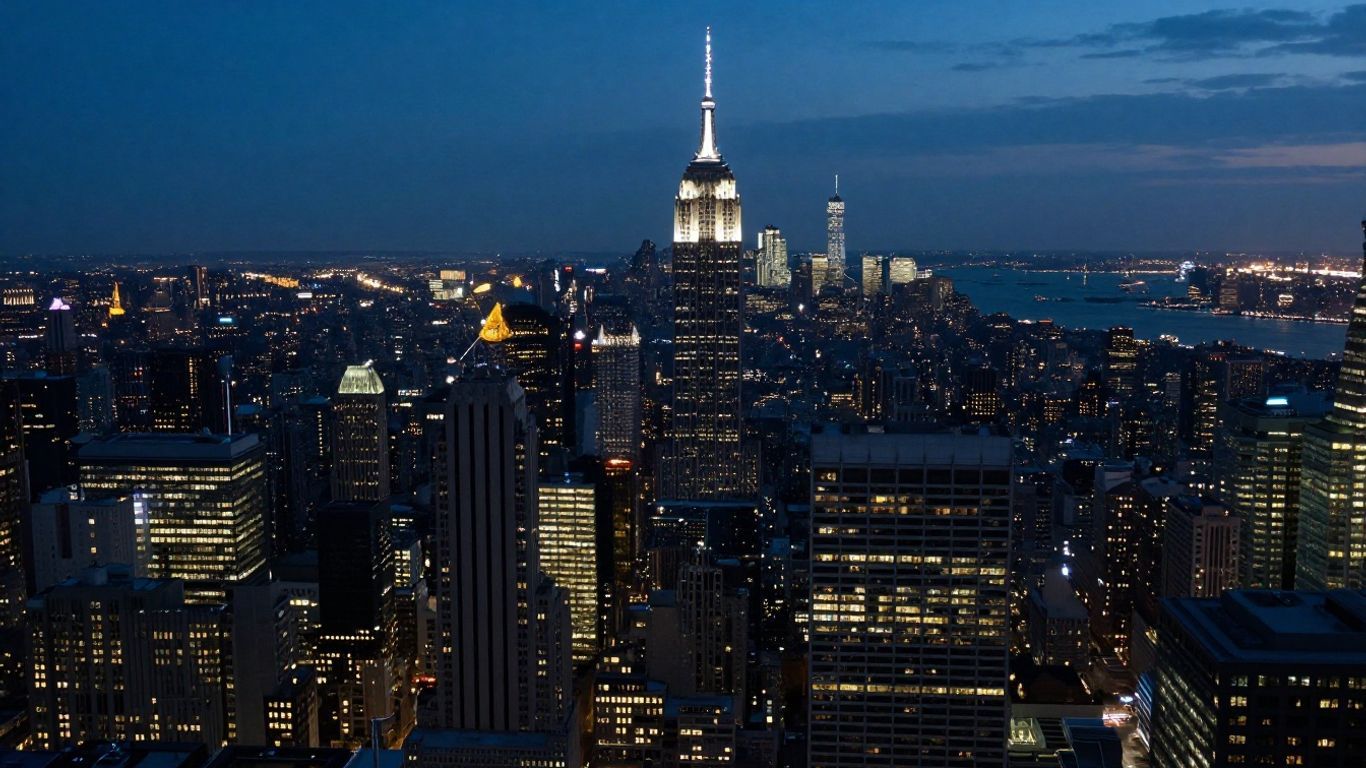
Cities, by their very nature, are dynamic entities, aren't they? A close examination of their populations in 2026 truly illuminates a captivating array of demographic shifts. It's no longer solely about which cities boast the largest numbers; rather, the focus has broadened to encompass where precisely this growth is occurring and what factors are fueling it. We're observing a multitude of places surpassing significant population benchmarks, while others are experiencing a notable resurgence.
Key Factors Influencing Population Movement
A confluence of factors is actively shaping where people opt to reside. Job opportunities, predictably, remain a primary magnet. Urban centers with robust employment markets, particularly within burgeoning sectors like technology, tend to attract a greater influx of individuals. Moreover, the widespread adoption of remote work has fundamentally altered the landscape. This flexibility enables many to depart from expensive city cores in favor of more affordable locales, often nestled in suburban areas or smaller towns. Consequently, considerations such as affordability and climate are now playing an even more pronounced role in individuals' choices about where to settle down.
The methodologies for tabulating populations have undergone considerable refinement over time. What once comprised educated estimations derived from historical records now involves intricate demographic analysis. While this evolution certainly renders direct comparisons between older and newer population figures somewhat challenging, it unequivocally underscores the profound transformation in people's residential preferences.
The Role of Census Data in Tracking Growth
Accurately monitoring the demographic composition of various locales has become significantly more precise. The U.S. Census Bureau serves as the authoritative source for this vital information. They conduct a comprehensive enumeration every ten years and also disseminate annual estimates to meticulously track ongoing changes. This diligent process is instrumental in helping us discern which cities are experiencing growth and at what pace.
Here's an overview of how cities are expanding on average across different regions:
| Region | Average Percent Change |
|---|---|
| Northeast | 1.0% |
| Midwest | 0.7% |
| South | 1.3% |
| West | 1.0% |
While percentage growth certainly offers an interesting perspective, examining the sheer number of new residents unveils a rather different narrative. Major metropolitan areas like New York, Houston, and Los Angeles have collectively added the most people. It's also worth noting that some smaller communities, often situated on the periphery of larger cities, are experiencing incredibly rapid growth—occasionally doubling their population in a remarkably short span. These burgeoning areas, naturally, face the considerable challenge of keeping pace with the evolving needs of their new residents, from housing provisions to fundamental infrastructure.
America's Most Populous Urban Centers in 2026
When we discuss the largest cities in the U.S., we are truly referencing those metropolitan areas that function as primary engines for the nation's economy, cultural vibrancy, and innovation. These are more than mere points on a map teeming with people; they are bustling centers where new trends frequently originate and where millions of individuals forge their lives. As our assessment of 2026 population figures illustrates, a select few cities consistently maintain their positions at the very pinnacle.
New York City: A Global Metropolis
It's hardly surprising that New York City steadfastly retains its leading position as the most populated urban center in the country. With its iconic skyline, an unparalleled mosaic of diverse neighborhoods, and its pivotal role as a worldwide hub for finance, fashion, and the arts, NYC invariably draws individuals from every corner of the globe. The sheer concentration of residents and its unceasing, palpable energy coalesce to create a metropolitan experience that is, quite frankly, difficult to rival anywhere else.
Los Angeles: A Sprawling Urban Hub
Los Angeles endures as an immense urban expanse, renowned for its extensive reach and its profound influence in the entertainment industry. It stands as a unique crucible where myriad cultures intersect, thereby cultivating a truly distinctive atmosphere. The city's expansive layout means that navigating its various districts can indeed be time-consuming, yet it consistently offers a lifestyle that appeals strongly to those seeking abundant sunshine and a wealth of creative opportunities.
Chicago: The Midwest's Economic Powerhouse
Chicago unequivocally asserts itself as a premier city in the Midwest, serving as a critical nexus for commerce, transportation, and culture. Its magnificent architecture and dynamic downtown core render it a particularly noteworthy urban center. The city benefits from a robust industrial and commercial foundation, a crucial element that contributes significantly to maintaining its substantial and stable population.
These three cities consistently rank as the most populous in the United States, each offering a distinct character and contributing significantly to the nation's overall demographic and economic landscape.
Here's a concise overview of their estimated populations for 2026:
| City | Estimated Population (2026) |
|---|---|
| New York City | 8,450,000 |
| Los Angeles | 3,850,000 |
| Chicago | 2,650,000 |
The pronounced concentration of residents within these top-tier cities emphatically underscores their enduring significance as vital centers of opportunity and cultural exchange, even as other regions of the country concurrently experience considerable growth.
Regional Growth Patterns in Big Cities
When we analyze current population movements across the United States in 2026, it becomes quite clear that different parts of the country are experiencing distinct and varied demographic shifts. The picture isn't uniform; some regions are undeniably booming, while others are witnessing more incremental changes. A nuanced understanding of these regional trends is essential for grasping the broader narrative of where America's population is expanding.
Accelerated Expansion in Southern and Western Cities
The Southern and Western states continue to exert a powerful pull for individuals seeking new places to live. Cities within these regions, particularly those of mid-size, are expanding at a notably rapid pace. This phenomenon is frequently attributed to a combination of factors, including a greater abundance of job openings, a cost of living that can prove more manageable than in other parts of the country, and generally more agreeable weather conditions. The West, in particular, maintains consistent growth across its larger metropolitan areas. It appears the inherent appeal of these regions is truly enduring.
Resurgence Observed in Northeastern and Midwestern Metropolises
However, the narrative isn't exclusively centered on the South and West. A number of cities in the Northeast and Midwest—areas that perhaps experienced slower growth or even population declines in the past—are now undergoing something of a comeback. Their larger urban centers are demonstrating small yet discernible increases in resident numbers. This trend suggests that even long-established urban hubs can discover fresh strategies to attract and retain inhabitants, hinting at a broader urban revitalization.
Understanding Average Growth Rates by Region
To gain a more precise comprehension of these dynamic shifts, examining the average growth rates for cities with populations exceeding 50,000 provides us with tangible data. These figures help to construct a more granular portrait of prevailing population trajectories.
| Region | Average Percent Change |
|---|---|
| Northeast | 1.0% |
| Midwest | 0.7% |
| South | 1.3% |
| West | 1.0% |
These statistics clearly demonstrate that while the South is indeed leading in terms of average growth percentage, the West and Northeast are also exhibiting positive movement—signaling a more intricate national demographic landscape than a simplistic North-South dichotomy might suggest. The Midwest, though growing at a slower pace, is still undeniably experiencing an increase.
These patterns are shaped by a multitude of influences, including robust economic opportunities, the increasing prevalence of remote work flexibility, and the overall quality of life that various cities provide. It is, without doubt, a dynamic situation, and these regional trends form a significant chapter in the ongoing story of America's evolving urban centers. For those keenly interested in the intricacies of urban development, exploring resources related to institutions like MIT can offer invaluable insights into the elements that make urban environments particularly attractive and resilient.
Cities Crossing Significant Population Milestones
It's quite intriguing to observe how cities are perpetually transforming, wouldn't you agree? Delving into the population statistics for 2026 reveals that we're not merely witnessing the established giants grow larger. Instead, numerous places are reaching unprecedented population benchmarks, a development that invariably precipitates profound changes. Some smaller towns, for instance, are expanding so rapidly that they are, in essence, becoming bona fide cities almost overnight.
This type of accelerated expansion naturally dictates that these communities must swiftly address a myriad of new challenges. Consider the implications: a larger populace inherently translates into heightened demand for housing, improved transportation infrastructure, and expanded educational facilities. Furthermore, it marks a substantial evolution in the very character and ambiance of the community itself. For example, areas once regarded as tranquil suburbs may now find themselves bustling, vibrant urban centers.
Ascending into New Population Categories
We are consistently observing a growing number of cities that have expanded so considerably they now fall into entirely different population classifications. This isn't merely a minor uptick; it represents a significant leap that frequently necessitates a complete re-evaluation of municipal services and foundational infrastructure. While unequivocally a sign of vigorous growth, it concomitantly ushers in a fresh set of challenges.
Notable Cities Surpassing One Million Residents
Reaching the one million resident milestone is, without question, a momentous achievement for any city. It signifies the emergence of a major metropolitan area with a substantial economic and cultural footprint. In 2026, a couple of cities have recently ascended to this important threshold, thereby joining an exclusive echelon of urban centers.
- Jacksonville, Florida
- Fort Worth, Texas
These cities now belong to a new demographic category, poised to navigate both the extensive opportunities and the considerable demands inherent in being a large metropolis. Their growth stands as a testament to the continuous population shifts occurring throughout the nation, with a significant proportion of these gains concentrated, predictably, in the South and West. Indeed, one can readily discern how evolving population trends are fundamentally reshaping these regions.
The Impact of Rapid Urban Expansion
When a city experiences growth at such a swift pace, the effects are pervasive—they touch every facet of urban life. Here's a brief examination of what such expansion typically entails:
- Infrastructure Strain: Roads, public transportation networks, and essential utilities frequently struggle to keep abreast of the heightened demand.
- Housing Market Changes: An increased population invariably leads to greater demand for housing, which, in turn, can contribute to escalating property prices.
- Community Identity: The inherent character of a city can subtly, yet significantly, evolve as new residents introduce diverse perspectives and needs.
The sheer numerical increase in residents—not merely the percentage growth—powerfully illuminates where the most profound population shifts are genuinely occurring. It serves as an unequivocal indicator of which areas are progressively establishing themselves as major demographic hubs.
It's truly fascinating to witness these transformations unfold in real-time. These cities are not simply getting larger; they are actively evolving, and comprehending these critical milestones helps us grasp the broader picture of where people are choosing to live in the U.S. today.
Key Indicators of Population Gains in Major Cities
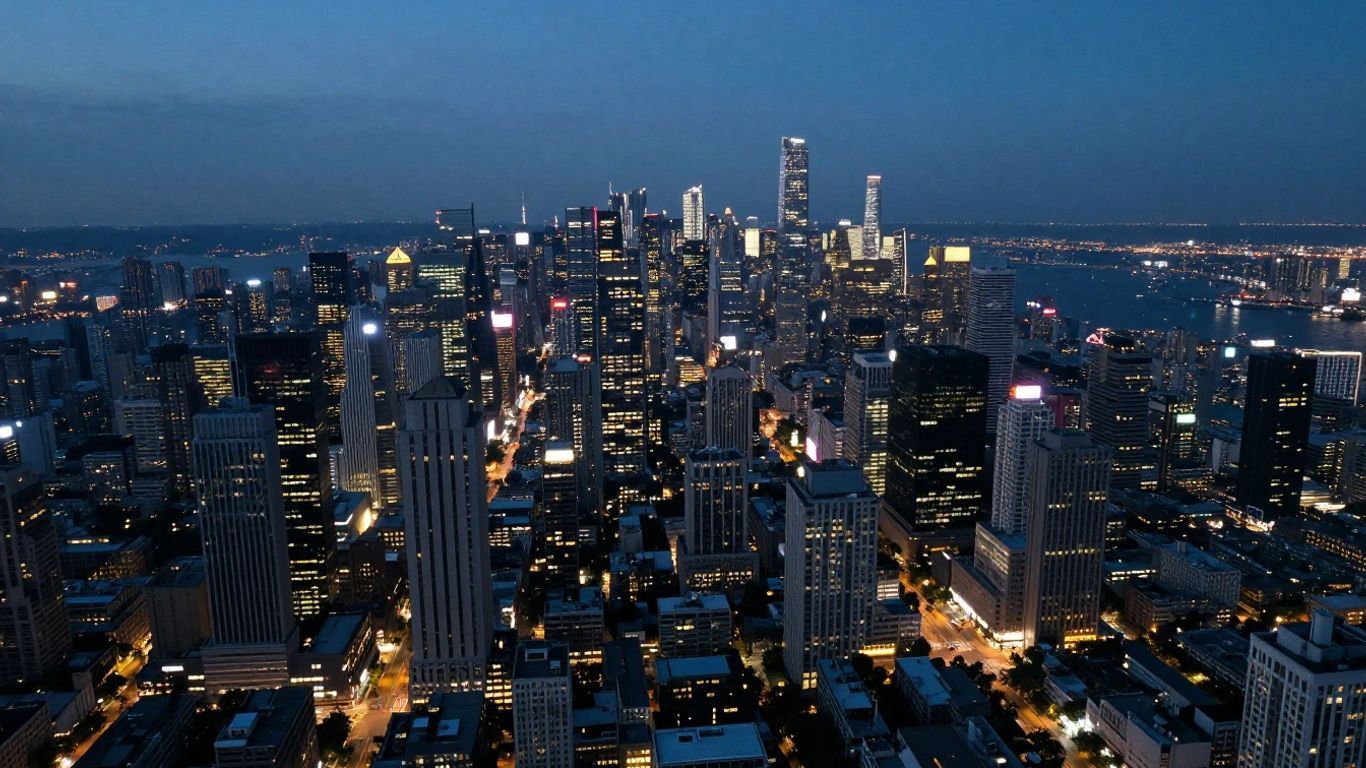
When we scrutinize how cities are expanding, it's essential to understand that it's not simply a case of the largest places uniformly getting bigger. We must look beyond the obvious to identify what precisely is driving these changes and where the most significant population increases are actually materializing. It's a complex interplay of established metropolitan giants continuing to attract substantial numbers of people and smaller locales experiencing sudden, dramatic booms.
Cities Leading in Numeric Population Increases
While percentage growth undeniably offers a partial perspective, examining the absolute number of new residents provides a distinctly different—and critically important—view. Certain cities are adding tens of thousands of people year after year. Consider, for a moment, urban centers like New York City, Houston, and Los Angeles – they consistently rank at the top for the sheer volume of new residents. What does this signify? It means these already immense areas are persistently expanding, effectively absorbing a substantial influx of new inhabitants.
Here’s a snapshot of some of the leading cities in terms of recent numeric population gains:
- New York City, NY: Added over 87,000 residents.
- Houston, TX: Saw an increase of more than 43,000 residents.
- Los Angeles, CA: Gained over 31,000 residents.
- San Antonio, TX: Added close to 24,000 residents.
- Fort Worth, TX: Welcomed about 23,000 new residents.
The Significance of Absolute Population Growth
This particular form of growth—the absolute number of individuals migrating in—reveals a great deal about a city's fundamental allure. It frequently points to robust job markets, well-developed infrastructure, and a broad appeal that draws people from diverse backgrounds. This differs considerably from a small town doubling its population; while that represents an enormous percentage jump, the absolute numerical increase might still be relatively modest. When a massive metropolis adds tens of thousands of residents, however, it invariably exerts a much more profound impact on its services, housing availability, and local economy.
The methods we employ to count urban populations have become significantly more precise over time. What once relied heavily on educated guesses are now meticulous demographic studies. This evolution, while making direct comparisons between historical and contemporary figures somewhat nuanced, undeniably highlights the profound shifts in people's preferences for where they choose to reside.
States Housing a Concentration of Large Urban Centers
Certain states clearly function as veritable magnets for large populations. These typically boast resilient economies and offer a diverse array of compelling reasons for people to relocate there, ranging from promising job prospects to an appealing lifestyle. This concentration of major cities within a handful of states significantly shapes their respective economies and cultures. It's not merely about one or two dominant urban centers; rather, it concerns an entire network of interconnected urban areas within a state that collectively contribute to its overall population and broader influence.
The Dynamic Nature of Urban Populations
Cities, in essence, are perpetually in motion, aren't they? The population landscape in 2026 clearly demonstrates that it's not simply a matter of the largest places growing ever larger. Instead, the current picture reveals considerable flux and a diverse array of reasons why individuals are making their residential choices. We're observing some cities experiencing explosive growth, others witnessing a return of residents, and still others maintaining a relatively stable trajectory.
Population Trends: Growth, Decline, and Stability
It's often tempting to assume that all major cities are on an upward growth curve, but that doesn't fully capture the nuanced reality. Some are, without a doubt, booming, successfully attracting new residents with robust job opportunities and a vibrant atmosphere. Conversely, others might be experiencing a more subdued pace of growth, or even a slight downturn, as individuals increasingly seek out different attributes in a place to live. This inherent ebb and flow is, in fact, entirely characteristic of urban environments.
- Booming Cities: These areas frequently boast strong economies, particularly within sectors like technology and innovation, and are drawing in a significant influx of new residents. One might visualize them with abundant new construction and a notably youthful energy.
- Stable Cities: Some cities manage to maintain a consistent population over time. They often provide a healthy equilibrium of employment, amenities, and a comfortable lifestyle, without the rapid expansion observed elsewhere.
- Cities in Transition: These regions might be experiencing a slowdown or a marginal decrease in population. Such shifts could be attributed to various factors, including evolving job markets or higher living costs; however, they may also be actively engaged in revitalization efforts.
Insights into Contemporary Residential Preferences
What individuals prioritize in a city has undergone a significant transformation. The burgeoning prevalence of remote work has emerged as an enormous game-changer, effectively empowering people to reside further afield from traditional employment hubs. This newfound flexibility means that places offering greater affordability or a superior quality of life—even if they aren't the absolute largest metropolitan centers—are becoming increasingly appealing. Furthermore, climate considerations and ready access to natural environments are playing a more substantial role than ever before in residential decision-making.
Here's a closer look at the key influences shaping these choices:
- Affordability: This encompasses not just housing costs, but also everyday expenses crucial for sustainable living.
- Quality of Life: A broad category covering everything from the caliber of local schools and healthcare facilities to cultural attractions and personal safety.
- Work Flexibility: With more remote options available, individuals can prioritize lifestyle choices over mere proximity to a physical office.
- Environment: Access to green spaces, parks, and a generally pleasant climate are factors that are steadily growing in importance.
The fundamental way we conceptualize where to live is undergoing a profound evolution. It's no longer solely about securing a job; individuals are now actively seeking a locale that seamlessly integrates with their entire lifestyle, offering a harmonious balance of work, leisure, and community engagement. This necessitates that cities be adaptable and provide more than just commercial buildings and residential blocks.
The Broader Implications of Demographic Shifts
These large-scale population movements carry tangible consequences. Cities experiencing rapid growth must diligently keep pace with demands on infrastructure, housing, and essential services. While certainly a challenge, it simultaneously presents significant opportunities for progressive development. For instance, some smaller towns are expanding so quickly that they are, in effect, transforming into significant urban centers almost overnight. This rapid expansion demands meticulous planning to effectively manage the influx of new residents and, crucially, to preserve their unique community character. Sustained attention to urban planning is paramount, and drawing lessons from other places that have skillfully managed growth can be incredibly beneficial—consider, for example, how Sydney is developing its Smart City Strategic Framework.
It’s truly captivating to observe these intricate patterns unfold. Cities are, at their core, living, breathing entities, constantly adapting to the evolving needs and aspirations of the individuals who call them home. Understanding these dynamic shifts helps us to clearly perceive the overarching trajectory of the nation.
Looking Ahead: The Ever-Shifting Urban Landscape
As we conclude our comprehensive overview of the most populous cities in the U.S. for 2026, one truth remains unequivocally clear: these urban environments are in a perpetual state of transformation. From venerable giants like New York and Los Angeles to burgeoning cities experiencing rapid expansion, the demographic figures collectively narrate a story of continuous movement. Grasping these intricate shifts allows us to discern where populations are migrating and, more broadly, what these trends signify for communities throughout the country. Whether you're seeking new opportunities or simply possess a keen curiosity about the nation's human geography, these urban statistics offer an invaluable window into the forces that shape American cities.
Frequently Asked Questions
What are the biggest cities in the U.S. right now?
Currently, the cities boasting the largest populations in the United States consistently include New York City, Los Angeles, and Chicago. These immense metropolitan areas serve as primary centers for employment, culture, and the daily lives of millions.
How do we know how many people live in each city?
The official authority responsible for counting the population is the U.S. Census Bureau. They conduct a comprehensive enumeration every 10 years and also release annual updates to track ongoing changes. This meticulous process helps us accurately identify which cities are growing.
Are the biggest cities always the ones growing the fastest?
Not necessarily! While major cities like New York certainly continue to add substantial numbers of people, many smaller cities, particularly those situated in the South and West, are experiencing much more rapid growth in percentage terms. Interestingly, some cities that previously faced population declines are now beginning to show signs of resurgence.
Where is the population growing the most in the U.S.?
Cities located in the Southern and Western regions of the U.S. are witnessing a significant influx of new residents. These areas frequently present more abundant job opportunities and often offer a more accessible cost of living compared to other parts of the nation.
Are any cities reaching new population sizes?
Indeed, some cities are expanding so quickly that they are effectively advancing into larger population categories. For instance, locales once primarily considered towns are now evolving into significant urban areas, necessitating expanded services and infrastructure to accommodate their growth.
What makes people move to certain cities?
Several key factors influence individuals' choices regarding where to reside. Elements such as the availability of affordable housing, diverse job opportunities, and even the increasing prevalence of remote work options are becoming increasingly pivotal. Additionally, the local climate and the overall lifestyle offered play a significant role in these decisions.


