
resources
Exploring the Minnesota Twin Cities University: A Comprehensive Guide
07 Apr 2026

Considering higher education in the Midwest? The University of Minnesota Twin Cities certainly stands out, and for excellent reasons. It boasts a comprehensive array of academic programs, a vibrant campus culture, and an enviable position right at the heart of both Minneapolis and St. Paul. So, if you're keen to understand what truly defines this institution, beyond the glossy brochures, you've arrived at the perfect destination. We're about to delve into what truly makes the University of Minnesota Twin Cities thrive, from its extensive academic offerings to the authentic student living experience.
Key Takeaways
- The University of Minnesota Twin Cities offers a remarkably diverse range of academic programs across numerous colleges, with popular choices frequently including business, computer science, and engineering.
- Campus life is notably dynamic and varied, providing a wealth of student groups, sports, and activities, complemented by an abundance of opportunities within the surrounding metropolitan area.
- Strategically situated within Minneapolis and St. Paul, the university grants students unparalleled access to urban amenities and career prospects, facilitated by efficient public transportation and dedicated campus shuttles.
- Successful admission to the University of Minnesota Twin Cities typically requires a strong academic record, and prospective students are highly encouraged to undertake campus tours to truly grasp the university's distinctive atmosphere.
- Students have the option to reside in on-campus dormitories, and while the winters can be quite cold, the university ensures a rich tapestry of activities to engage students throughout the entire year.
Understanding the University of Minnesota Twin Cities Academics
Overview of Academic Programs
The University of Minnesota Twin Cities is widely recognized for its expansive academic portfolio, thoughtfully distributed across 19 distinct colleges and schools. Prospective students will discover more than 150 undergraduate majors and a robust selection of over 200 graduate and professional programs. This breadth allows students to explore diverse fields, spanning everything from cutting-edge science and engineering to the humanities, health sciences, and business. What's more, the university actively fosters flexible learning pathways, empowering students to pursue double majors, integrate minors, or even craft their own unique interdisciplinary study plans.
Core components of this impressive academic structure include:
- Undergraduate programs offering both Bachelor of Arts and Bachelor of Science degrees—providing varied approaches to learning.
- Numerous interdisciplinary and dual-degree options, catering to multifaceted interests.
- Valuable opportunities for undergraduate research and specialized honors coursework, enhancing academic rigor.
The university's forward-thinking approach truly encourages students to forge a path that aligns perfectly with their passions, whether they aspire to groundbreaking research or prefer more established career trajectories.
Popular Majors and Highly Regarded Fields
Certain majors at UMN Twin Cities consistently stand out, both for their inherent strength and their stellar reputation. Business, mechanical engineering, computer science, nursing, and psychology typically attract a significant number of students and are celebrated for fostering strong career outcomes and providing invaluable hands-on experiences. The College of Science and Engineering and the esteemed Carlson School of Management, in particular, remain highly sought-after divisions within the university.
Among the most popular and respected fields you'll find:
- Business (through the Carlson School of Management)—a highly competitive program.
- Computer Science—essential in today's tech-driven world.
- Mechanical Engineering—offering practical, design-oriented skills.
- Nursing—a critical and compassionate field.
- Psychology—exploring the complexities of the human mind.
- Agricultural and Food Sciences—vital for global sustainability and innovation.
Here’s a concise table highlighting some of these prominent majors:
| Major | Noted for | Career Paths |
|---|---|---|
| Business | Strong alumni network, robust industry connections | Finance, Marketing, Entrepreneurial ventures |
| Computer Science | Thriving tech scene engagement, innovative research | Software Development, Data Science, Cybersecurity |
| Mechanical Engineering | State-of-the-art labs and resources, practical application | Engineering Design, Manufacturing, Research & Development |
| Nursing | Extensive clinical ties, community health focus | Healthcare Practice, Public Health, Medical Research |
| Psychology | In-depth research opportunities, diverse applications | Counseling, Human Resources, Education, Social Work |
Student-to-Faculty Ratio and Learning Environment
UMN Twin Cities maintains a student-to-faculty ratio of approximately 17:1. While the university undeniably has a large overall student body, this favorable ratio suggests that many courses—especially those in upper-level years or within smaller, specialized programs—offer ample opportunities for direct, meaningful engagement with professors. Class sizes naturally vary; you might encounter large lecture halls for introductory courses, yet progress to much smaller, more intimate seminars as you delve deeper into your chosen major.
Key facets characterizing the learning environment include:
- A thoughtful mix of large and small classes: while foundational courses may host hundreds, advanced classes are often significantly more intimate.
- Faculty members are generally approachable and readily available to meet with students outside of scheduled class times for guidance, mentorship, and research collaboration.
- A considerable number of courses emphasize group projects, hands-on laboratory work, and practical, real-world experience, preparing students for future careers.
Students often report that their classes are both challenging and profoundly rewarding, noting that professors not only possess deep expertise in their respective fields but are genuinely invested in their students' academic and professional success.
Navigating Campus Life and Student Experiences
Diverse Student Body and Community
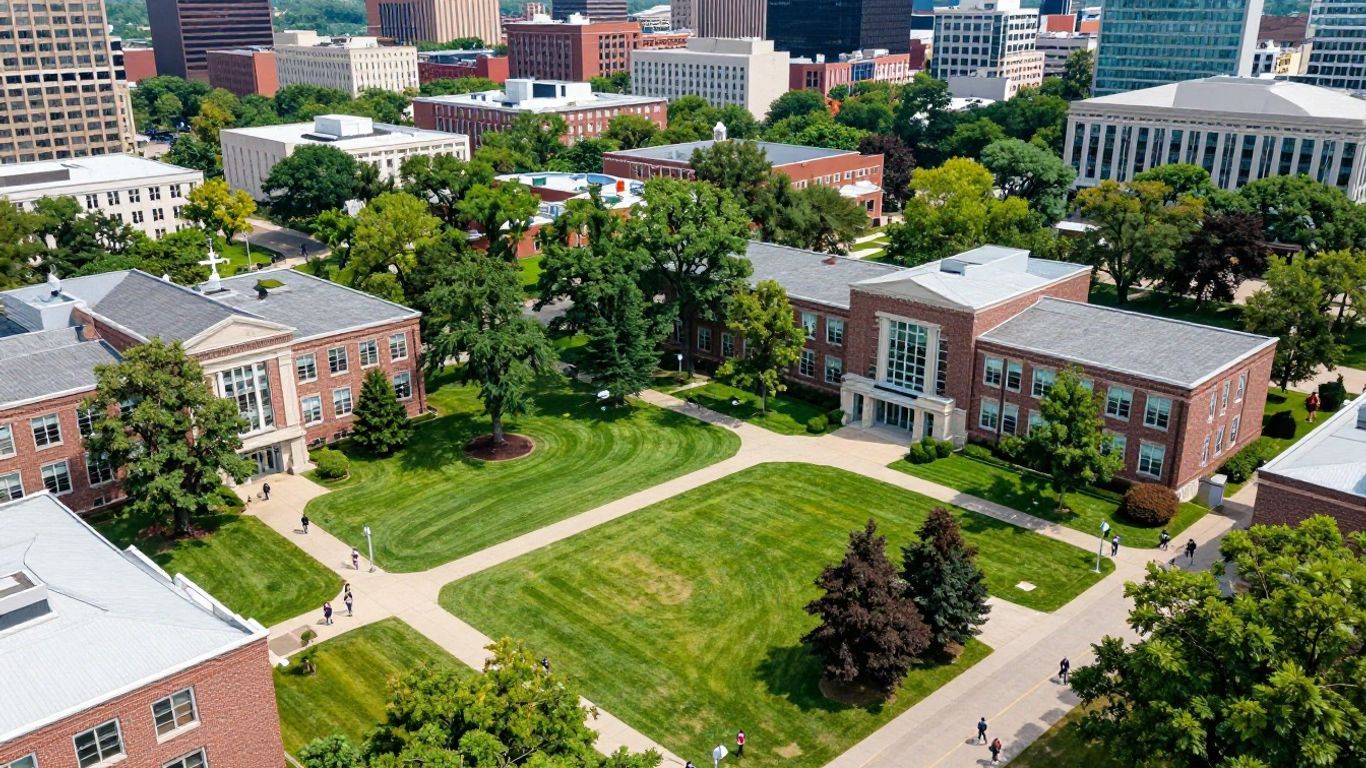
The University of Minnesota Twin Cities serves as a true melting pot, drawing together students not only from across Minnesota but also from every corner of the country and, indeed, around the globe. You can genuinely anticipate encountering a rich tapestry of backgrounds, interests, and personal narratives among your fellow students. For many, this marks their inaugural experience living away from home, so it’s quite common to find robust support systems and a myriad of organized events specifically designed to help students forge connections and settle in. You'll likely observe that discovering your particular niche might take a little time, but numerous programs throughout the academic year—from the structured Welcome Week to various community-building activities—are in place to assist students in connecting, whether they're naturally reserved or more outgoing.
- First-year students residing on campus greatly benefit from a comprehensive Welcome Week and dedicated mentorship programs, easing their transition.
- A vast array of events and organizations specifically focus on cultural, social, and academic enrichment, catering to diverse preferences.
- Extensive support services are readily available for newcomers and transfer students as they adapt to the dynamic campus environment.
The initial months might indeed feel a bit overwhelming, but most students will tell you that actively trying out a few different activities is unquestionably the quickest route to forming meaningful connections and truly feeling at home.
Extracurricular Activities and Organizations
UMN truly distinguishes itself through its astonishing breadth of extracurricular activities. With more than 1,000 officially recognized student groups, there is almost certainly something to pique every conceivable interest. The campus practically hums with events, both grand and intimate—ranging from serious club meetings and spirited political debates to relaxed board game nights and vibrant cultural celebrations. And should you somehow not find a club that precisely fits your aspirations, rest assured, it’s quite straightforward to initiate something entirely new!
Some prominent categories of student organizations include:
- Academic & professional societies, fostering career readiness and intellectual pursuits.
- Sports, fitness & outdoor clubs, encouraging health and adventure.
- Arts, culture & music groups, celebrating creativity and expression.
- Service & volunteering organizations, promoting civic engagement and community impact.
Weekly events are a regular occurrence, especially at Coffman Memorial Union—a perennial favorite spot for spontaneous meetups, engaging movie nights, and captivating book signings. For those who relish a packed schedule, simply joining one or two groups often organically leads to unexpected friendships and serendipitous opportunities.
Athletics and Campus Traditions
Athletics undeniably play a significant role in nurturing UMN’s vibrant community spirit. The university proudly holds membership in the prestigious Big Ten conference, and even students who don't personally participate in sports often find themselves swept up in the palpable excitement of game days. Attending a lively football or hockey game at Huntington Bank Stadium or Mariucci Arena, respectively, stands as a quintessential student experience. Furthermore, intramural sports are readily accessible to everyone, accommodating players from absolute beginners to seasoned veterans.
Here’s what you can expect in terms of campus sports and cherished traditions:
| Activity | Details |
|---|---|
| Varsity Sports | NCAA Division I competition, proudly representing the Big Ten conference |
| Intramural Leagues | Dozens of recreational sports available—including basketball, soccer, volleyball, and many more—catering to all skill levels |
| Greek Life | A thriving community with over 3,000 students involved across dozens of fraternities & sororities, offering social and philanthropic engagement |
| Campus Traditions | Iconic events such as Homecoming, the vibrant Spring Jam festival, and various outdoor celebrations throughout the year |
- There are frequent pep rallies, engaging outdoor concerts, and spirited school spirit events that unify the student body.
- House parties and various social gatherings are a common part of weekend life for many students, fostering camaraderie.
- Participation is entirely voluntary, of course; some students revel in the high energy, while others naturally gravitate toward a quieter social scene.
Ultimately, getting involved outside of the classroom at UMN isn't merely about having a good time. It’s a truly integral part of what helps students establish roots, develop a sense of belonging, and even cultivate future friendships, invaluable mentorships, and crucial professional connections.
Exploring the Twin Cities Location
When you enroll as a student at the University of Minnesota Twin Cities, you're not simply attending classes—you're immersing yourself in the very heart of two of Minnesota’s most dynamic urban centers: Minneapolis and Saint Paul. This distinctive urban setting ensures that every day presents fresh opportunities to engage with and experience a rich tapestry of arts, culinary delights, thriving businesses, and diverse entertainment. The university’s unique placement along the majestic Mississippi River further enhances its appeal, offering picturesque views and convenient access to the cities’ most beloved attractions.
Urban Setting and Metropolitan Opportunities
Residing within the vibrant Twin Cities places you squarely amidst world-class theaters, an impressive array of restaurants, innovative tech startups, captivating art galleries, and leading healthcare facilities. Here are just a few of the genuine advantages to pursuing your studies in this exceptional locale:
- Access to coveted internships and potential job opportunities with numerous Fortune 500 companies headquartered in downtown Minneapolis and St. Paul.
- A year-round calendar of live music, popular food trucks, and lively outdoor events, ensuring there’s always something happening.
- A wide selection of renowned museums and distinguished performance venues conveniently located nearby, catering to various cultural interests.
Whether your academic focus lies in business, engineering, fine arts, or the sciences, the campus serves as an ideal launching pad for gaining invaluable real-world experience.
Transportation and Campus Connectivity
Navigating the Twin Cities is remarkably straightforward, and students benefit from an abundance of convenient transportation options. You can easily walk, bike, or hop aboard one of the many public buses or light rail lines that seamlessly traverse the campus and extend into the wider metropolitan area. Here’s a quick overview of the available transportation choices:
| Mode | Key Features |
|---|---|
| Campus Buses | Operate free of charge between the Minneapolis & St. Paul campuses, ensuring easy inter-campus travel. |
| Metro Transit | Provides extensive citywide access via a well-connected network of buses and light rail, perfect for urban exploration. |
| Bike Paths | An extensive system of trails, accessible and well-maintained year-round, encouraging active commuting. |
| Walking | Enhanced by pedestrian bridges that gracefully span the Mississippi River, offering scenic and direct routes. |
The Campus Connector bus, in particular, proves exceptionally useful, offering frequent trips between the Minneapolis and St. Paul campuses. This makes it incredibly simple to get to class, even if your courses are distributed across both sides of the river.
Even amidst the chill of winter, the University maintains remarkable efficiency in keeping students mobile, featuring heated transit stops and a network of enclosed skyways that render moving between destinations every bit as practical as it is swift.
Off-Campus Attractions and Activities
You certainly won’t need to venture far to discover engaging activities after classes or on weekends. Here’s a glimpse of what awaits nearby:
- The iconic Mall of America: Shop, dine, catch a movie, or simply wander—there’s an endless array of diversions.
- The Science Museum of Minnesota and the Bell Museum: Both offer exciting, interactive learning experiences beyond the traditional classroom setting.
- The Walker Art Center and Weisman Art Museum: Modern art enthusiasts will undoubtedly feel right at home amidst these impressive collections.
- Concerts and major sporting events at premier venues like Target Center or U.S. Bank Stadium, offering unforgettable entertainment.
- Myriad outdoor adventures, from kayaking tranquil stretches of the Mississippi to exploring the city’s numerous lush parks and green spaces.
These diverse attractions make it wonderfully easy to break away from the typical student routine and genuinely connect with the vibrant pulse of the city. Whether you're grabbing a gourmet coffee on lively Hennepin Avenue or discovering local art in charming Lowertown St. Paul, the sheer variety of experiences is genuinely difficult to match in a more conventional college town.
Ultimately, the Twin Cities location is profoundly interwoven into the fabric of daily student life—ensuring your college years encompass a rich tapestry far beyond just academics.
Admissions and Enrollment at UMN
Admissions Process and Acceptance Rate
Gaining admission to the University of Minnesota Twin Cities involves a comprehensive review of your entire application, extending well beyond a single metric. The university typically accepts approximately 73% of applicants. This statistic suggests that while the admissions process is certainly competitive, a substantial number of students stand a strong chance of acceptance if they present a compelling and well-rounded application.
GPA and Test Score Considerations
While UMN doesn't stipulate an absolute GPA cutoff, successful applicants generally demonstrate robust academic histories. Many admitted students typically possess GPAs ranging from 3.5 to 3.9 on a 4.0 scale. Regarding standardized tests, for those who choose to submit scores, roughly half of admitted students achieve between 1310 and 1490 on the SAT, or between 27 and 32 on the ACT. It’s crucial to remember, however, that the admissions committee also places considerable emphasis on the rigor and challenge of your high school coursework, not solely on your final grades.
The admissions team meticulously evaluates your academic trajectory as a holistic entity, taking into account the types of courses you undertook and your performance within them. Ultimately, it’s about demonstrating your readiness for the demands of university-level study.
Campus Visit and Tour Options
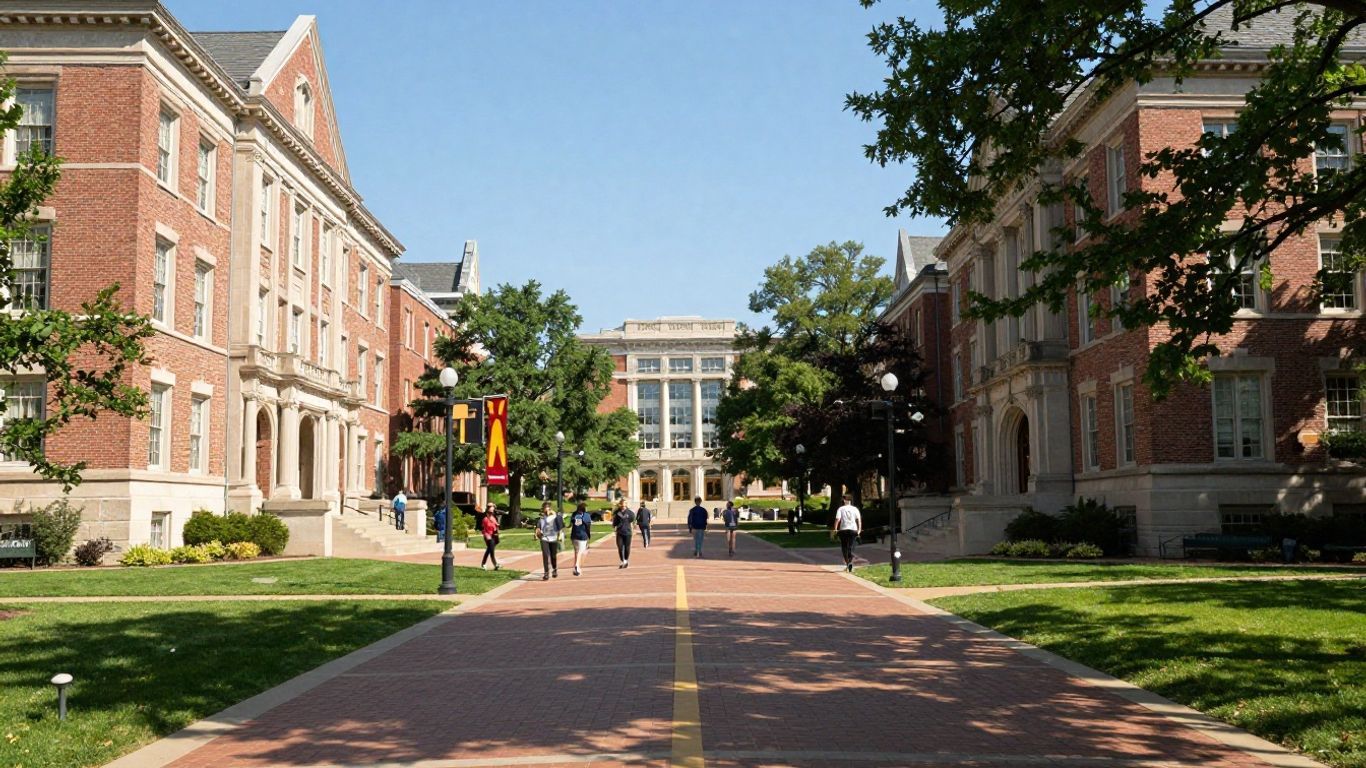
To truly grasp the unique atmosphere of the University of Minnesota Twin Cities, scheduling an official campus visit is an invaluable step. These visits typically encompass an informative session where you can delve deeper into university specifics, followed by an engaging admissions tour expertly guided by current students. This presents a prime opportunity to ask pertinent questions and experience the campus environment firsthand. Comprehensive details and registration information are conveniently available on the university's official admissions website. It’s genuinely one of the best ways to discern if UMN aligns perfectly with your academic aspirations and personal preferences.
Here’s what you can generally anticipate during a campus tour:
- A comprehensive overview of the university's rich history and foundational mission.
- A guided walking tour showcasing key campus landmarks and state-of-the-art facilities.
- Valuable opportunities to engage directly with current students and inquire about their personal experiences.
- Detailed information concerning academic programs and the vibrant student life offerings.
- Clear guidance on the application process and what to expect in subsequent steps.
Student Life and Housing at the University
On-Campus Housing Options
Living on campus at the University of Minnesota Twin Cities provides an impressive array of choices, thoughtfully designed to cater to diverse student needs and personal preferences. While approximately 20% of all undergraduates reside in university housing overall, this figure escalates significantly for first-year students, with around 75% opting for on-campus accommodation. This creates an exceptionally vibrant and cohesive community, particularly during that pivotal initial year of study. The university offers various living arrangements, including traditional dormitory settings, more independent apartment-style singles, and even cooperative housing models. Furthermore, specialized options abound, such as theme housing centered around shared interests, wellness-focused housing, and accommodations meticulously designed for students with disabilities or international students. Fraternity and sorority housing is also available for those actively involved in Greek life.
Here’s a brief overview of some common housing types you might encounter:
- Traditional Dorms: Often coed, these provide a classic college living experience, complete with shared common areas and bathrooms, fostering a communal atmosphere.
- Apartment-Style Living: These options afford greater independence, featuring private bedrooms complemented by shared living spaces, kitchens, and bathrooms—ideal for those seeking more autonomy.
- Theme Housing: This unique model groups students with specific shared interests, be it academic pursuits or particular cultural backgrounds, into the same living areas, enhancing a sense of belonging.
- Cooperative Housing: Emphasizes shared responsibilities and collaborative community living, fostering a strong, supportive environment.
Student Activities and Social Scene
The University of Minnesota Twin Cities truly boasts a dynamic and energetic campus atmosphere, with an impressive roster of over 1,000 registered student organizations. This extensive selection means there’s an excellent probability you'll discover a group that perfectly aligns with your interests, whether they lean towards academic clubs, cultural societies, hobby-based organizations, or impactful volunteer initiatives. Beyond formal organizations, students actively engage in a broad spectrum of activities. Intramural sports are particularly popular, offering everyone a chance to participate in everything from spirited basketball and soccer matches to competitive volleyball and tennis. Attending university sporting events, especially those featuring the Big Ten conference teams, is a cherished and common pastime. Moreover, the campus consistently hosts numerous lectures, insightful discussions, and diverse cultural events throughout the academic year. Coffman Memorial Union often serves as a bustling hub for various activities, including movie screenings, engaging book signings, and captivating performances. For those with an interest in Greek life, the university is home to a thriving fraternity and sorority community.
The sheer volume of student organizations and campus events genuinely ensures that boredom is seldom, if ever, an issue. If you’re seeking something to do, you are more than likely to find it—whether it’s joining a new club, attending an enriching lecture, or simply enjoying time with friends at one of the many inviting campus venues.
Weather Considerations for Students
Residing in Minnesota entails experiencing four distinct and often dramatic seasons, and students should certainly prepare accordingly for the weather's full spectrum. Summers are generally warm and can be quite humid, while spring and fall graciously offer milder temperatures complemented by breathtaking foliage. Winters, however, are famously—and sometimes formidable—cold and snowy. Temperatures can frequently plummet well below freezing, and substantial snowfall is a common occurrence from late November straight through March. Students living on campus will undoubtedly want to invest in robust warm clothing, including heavy coats, hats, gloves, and reliable waterproof boots. The university, commendably, does an excellent job of maintaining clear campus pathways, and the Twin Cities benefit from an extensive public transportation network, encompassing both buses and light rail, which proves invaluable during inclement weather. Additionally, many campus buildings are interconnected by convenient underground tunnels or elevated skyway systems, offering a welcome respite from the elements when navigating between classes or activities.
Financial Aspects of Attending UMN
Discerning the complete cost of a college education invariably constitutes a significant segment of the decision-making journey, and the University of Minnesota Twin Cities presents several distinct financial figures to meticulously evaluate, depending on your individual circumstances.
Undergraduate Tuition and Fees
For the forthcoming 2024-2025 academic year, the published tuition rates for undergraduate study at the University of Minnesota Twin Cities are structured as follows:
- In-state students: Approximately $16,070 per year—a competitive rate for Minnesota residents.
- Out-of-state students: Approximately $36,438 per year—reflecting the standard non-resident tuition.
It's important to note that these figures exclusively pertain to tuition and do not encompass additional costs such as university fees, housing, meal plans, textbooks, or personal expenses. To access the most current and comprehensive breakdown of all associated costs, it is always prudent to consult the official UMN Bursar's website.
Graduate Program Costs
The financial outlay for graduate programs can, quite naturally, vary considerably. Unlike undergraduate tuition, which is generally standardized based on residency status, graduate tuition is often determined by the specific college or specialized program you're entering. Certain professional programs, such as those in law or medicine, will maintain their own distinct and often higher tuition rates. Therefore, it is strongly advised to directly consult the specific academic department or school that piques your interest to obtain precise and up-to-date cost information.
Financial Aid and Scholarship Opportunities
Please, don't allow the initial figures to deter you. A substantial proportion of students at UMN—indeed, approximately 65% of undergraduates—receive some form of financial assistance. This crucial support can manifest in several beneficial forms:
- Grants and Scholarships: These are essentially invaluable awards that do not require repayment. The average need-based award can hover around $10,000, though this figure can fluctuate considerably based on individual circumstances.
- Loans: Both federal and private loan options are accessible, but it's essential to remember these require repayment, typically with accrued interest.
- Work-Study Programs: These programs offer eligible students with demonstrated financial need part-time employment opportunities, enabling them to earn funds to help offset educational expenses.
UMN also administers numerous scholarships, encompassing both general university-wide awards and those specifically designated for particular colleges or academic programs. Many individual departments additionally offer their own scholarships, often based on merit or highly specific criteria. Dedicating time to thoroughly research these opportunities on the UMN financial aid website and through your specific academic department is certainly a worthwhile endeavor.
Proactive financial planning is absolutely paramount. Gaining a clear understanding of the various costs involved and the extensive aid available can profoundly influence your approach to funding your education at the University of Minnesota.
Wrapping Up Your Twin Cities University Exploration
So, we've now undertaken a thorough examination of the compelling offerings at the University of Minnesota Twin Cities. From its robust academic programs in fields like business and engineering to its exceptionally vibrant campus scene—teeming with a multitude of student groups and engaging activities—there is truly a great deal to consider. The university’s prime location, nestled directly between Minneapolis and St. Paul, means students benefit immensely from the advantages of a major metropolitan area, all while enjoying a campus environment that feels deeply connected. Whether you're meticulously weighing your major options, contemplating student life, or simply thinking about getting around, UMN presents an expansive spectrum of opportunities. It is, unequivocally, an institution where students can genuinely forge their unique path and become deeply involved. Should you still be exploring your choices, do remember that visiting the campus, perhaps even participating in a student-led tour, can provide an authentic sense of the environment and prove invaluable in determining if it truly is the ideal fit for you.
Frequently Asked Questions
What are the most popular subjects to study at the University of Minnesota Twin Cities?
Many students find themselves drawn to fields such as business, computer science, psychology, and engineering—particularly mechanical engineering. Nursing is also a highly favored choice, and the university is especially renowned for its exceptional programs in agriculture and food science.
Where exactly is the University of Minnesota Twin Cities located?
The university is strategically spread across two of Minnesota’s major urban centers: Minneapolis and Saint Paul. Its primary campus is situated directly on the iconic Mississippi River, affording students direct access to the full spectrum of big-city amenities, including bustling cultural events and abundant career-building opportunities.
What kind of places are there to live for students at UMN?
Students at UMN are spoiled for choice when it comes to accommodations! Options range from traditional dormitories to apartment-style rooms with shared living areas and bathrooms, and even specialized living communities where students with similar interests reside together. A significant majority of first-year students opt to live on campus, benefiting from immediate support and proximity to academic resources.
What's the weather like in Minneapolis, and should students worry about it?
Minneapolis experiences four very distinct seasons. Winters are famously cold and snowy, so investing in warm clothing is an absolute must! Summers are generally warm and can be quite humid. Students should certainly be prepared for noticeable temperature shifts throughout the year—though the snow can, of course, also offer fantastic opportunities for winter sports!
How do students get around the campus and the cities?
Navigating the campus and surrounding cities is quite convenient. Students can utilize extensive walking and biking paths, along with a robust bus system operated by both the university and the city. Furthermore, the light rail train offers a quick and efficient way to reach downtown Minneapolis and Saint Paul.
Can I book a special tour of the campus with a student?
Absolutely, you can! You are welcome to arrange a personalized tour led by a current student. This invaluable opportunity allows them to guide you through the campus and candidly answer any questions you might have, providing an authentic perspective on student life at the university.


