


resources
Exploring the Top 10 Largest US Cities by Population in 2026
14 Feb 2026

Ever found yourself contemplating where the vast majority of people in the United States choose to reside? This article delves into the top 10 largest U.S. cities by population, exploring not merely their resident counts but also the distinct characteristics that make these urban centers thrive—their vibrant cultures, dynamic job markets, and the unmistakable atmosphere that permeates these expansive metropolises. So, let’s embark on this journey to uncover which cities have earned their place among America’s most populous.
Key Takeaways
- Metropolitan Statistical Areas (MSAs) offer a comprehensive view of population centers, encompassing both residential and employment zones beyond mere municipal boundaries.
- These expansive U.S. metropolitan areas house significant populations, serving as powerful engines for the national economy.
- Notably, certain regions, particularly across the Southern United States, are experiencing more rapid population growth than others.
- A single metropolitan area can span multiple counties, even extending across state lines, presenting considerable variations in both geographical size and population density.
- Grasping the dynamics of these major population centers is crucial for strategic business development and effective urban planning initiatives.
1. New York City, New York
When discussing the biggest cities in the U.S., New York City almost invariably comes to mind first—and for excellent reasons! It is, after all, a place that genuinely never sleeps, a bustling epicenter of activity that magnetizes individuals from every corner of the globe. With a population consistently hovering around the 8 million mark, NYC proudly maintains its status as the most populous city in the United States.
What fuels this city's immense size and profound influence? It’s a dynamic confluence of factors. One might envision it as a colossal melting pot where diverse cultures seamlessly blend, forging a truly unique societal fabric. Beyond that, it stands as a monumental hub for global finance, while simultaneously dictating worldwide trends in fashion, art, and entertainment. From the iconic avenues of Wall Street to the dazzling lights of Broadway, and from revered world-class museums to the expansive green sanctuary of Central Park, there’s an incessant pulse of activity here.
The city itself is meticulously organized into five distinct administrative divisions, famously known as boroughs: Manhattan, Brooklyn, Queens, the Bronx, and Staten Island. Each of these boroughs possesses its own distinctive character and collectively enriches the profound diversity that defines New York City.
Here's a concise overview of some pivotal aspects:
- Economic Engine: New York City's economy is robustly powered by sectors such as finance, media, fashion, and tourism, generating a vast array of employment opportunities that consistently draw ambitious individuals.
- Cultural Nexus: Renowned globally, the city boasts an unparalleled array of museums, theaters, music venues, and art galleries. Its culinary landscape is equally diverse, featuring restaurants that represent virtually every nation's cuisine imaginable.
- Infrastructural Prowess: Navigating NYC is primarily facilitated by its extensive public transportation network—comprising subways, buses, and ferries—all continually enhanced to accommodate its enormous populace.
Living in New York City certainly presents its own set of challenges, from the elevated cost of housing to the incessant hustle and bustle. Yet, for countless individuals, the sheer energy, the boundless possibilities, and the rich tapestry of cultural experiences render it an unparalleled place to call home.
It is precisely this powerful synergy of economic strength, cultural richness, and palpable human energy that consistently keeps New York City at the apex of the list.
2. Los Angeles, California
Next on our exploration is Los Angeles, California, frequently heralded as the "City of Angels." This sprawling metropolis is home to nearly 4 million people, firmly establishing it as the second-largest city in the U.S. While LA is undeniably synonymous with its illustrious entertainment industry, there’s a far greater depth to this city than just Hollywood glamor.
What truly makes Los Angeles tick? It’s a captivating blend of attributes. The consistently pleasant weather, sunny for much of the year, serves as a significant draw. Then there’s the sheer kaleidoscope of neighborhoods, each imbued with its own distinct ambiance. One can discover the opulent boulevards of Beverly Hills, immerse oneself in the quintessential beach lifestyle of Santa Monica, experience the vibrant energy of the downtown core, or explore trendy enclaves like Silver Lake. It's a city that genuinely offers an impressive spectrum of experiences.
Economically, LA operates as a formidable powerhouse. Beyond its cinematic and television prowess, the tech sector is experiencing rapid expansion, and tourism remains a colossal industry. Furthermore, the Port of Los Angeles ranks among the busiest globally, acting as a crucial conduit connecting the U.S. to Asia.
Here's a concise overview of some pivotal aspects:
- Entertainment Industry: Continues to be a paramount employer and a global cultural influencer.
- Technology Sector: An expanding nucleus for burgeoning startups and groundbreaking innovation.
- International Trade: Driven significantly by its extensive port operations.
- Tourism: Attracts millions annually with its diverse attractions and idyllic climate.
Culturally, Los Angeles is extraordinarily diverse. Visitors and residents alike will encounter profound influences from Latin America, alongside vibrant communities such as Koreatown and Thai Town that contribute richly to its multicultural tapestry. It also serves as a prominent center for art and music, with an abundance of galleries and performance venues scattered throughout the city.
Living in LA encourages an active lifestyle, with numerous parks, stunning beaches, and scenic trails readily available. However, it is not without its prevalent challenges, notably persistent traffic congestion and the considerable cost of housing.
3. Chicago, Illinois
Securing the third position is Chicago, Illinois. This formidable Midwestern urban center houses approximately 2.7 million people, making it a truly significant player in the U.S. urban landscape. Frequently dubbed the "Windy City," Chicago is, in fact, far more multifaceted than its iconic nickname might suggest. It’s a destination celebrated for its breathtaking architecture, the legendary deep-dish pizza, and a dynamic arts scene that consistently captivates visitors and residents alike.
Yet, Chicago's allure extends well beyond its famous landmarks. The city presents a rich mosaic of distinct neighborhoods, each possessing its own unique personality. Imagine wandering through the historic elegance of the Gold Coast, soaking in the bohemian atmosphere of Wicker Park, delving into the vibrant cultural heritage of Pilsen, or enjoying the serene lakeside vistas in Lincoln Park. This remarkable variety ensures there’s always something novel and intriguing to discover—a truly endless exploration.
Economically, Chicago functions as a major nexus for finance, transportation, and manufacturing. It proudly hosts critical financial markets, including the Chicago Board of Trade and the Chicago Mercantile Exchange. Its advantageous central location also solidifies its role as a pivotal transportation hub, with O’Hare International Airport consistently ranking among the busiest globally. The manufacturing sector here remains robust, contributing everything from food products to intricate machinery.
Here's a concise overview of some pivotal aspects:
- Architecture: Widely celebrated for its towering skyscrapers and innovative structural designs.
- Culture: A dynamic center for blues music, improvisational comedy, and world-class museums, such as the esteemed Art Institute of Chicago.
- Food: Far beyond its renowned deep-dish, the city offers an incredibly diverse culinary scene, vividly reflecting its multicultural population.
Chicago provides a balanced lifestyle, masterfully blending big-city exhilaration with an inherently friendly Midwestern demeanor. Its numerous parks, public beaches along the shores of Lake Michigan, and esteemed cultural institutions offer ample opportunities for recreation and enjoyment. Despite contending with challenges common to expansive urban areas, the city's robust economy and rich cultural fabric consistently make it a compelling place to live and visit.
4. Houston, Texas
Houston, Texas, stands as a sprawling metropolis that consistently ranks among the largest cities in the United States. With a population exceeding 2.3 million people, it’s a city that truly embodies the quintessential spirit of Texas—expansive and audacious. While often primarily associated with the energy sector, Houston's economic landscape is, in reality, far more diversified than many perceive. It serves as a significant player in healthcare, aerospace, and technology, making it a dynamic hub for innovation and robust job growth.
Beyond its considerable economic prowess, Houston unfurls a rich and intricate cultural tapestry. The city functions as a vibrant melting pot of cultures, a characteristic vividly reflected in its incredible food scene, which ranges from authentic Tex-Mex delights to an astonishing array of international flavors. Indeed, one could spend weeks exploring its myriad neighborhoods and still unearth something entirely new and captivating.
Here are a few highlights that particularly distinguish Houston:
- Museum District: Home to an impressive 19 world-class museums, offering diverse experiences from fine art to natural science.
- Space Center Houston: The official visitor center for NASA's Johnson Space Center, providing an exhilarating glimpse into the realm of space exploration.
- Culinary Diversity: A vibrant food scene that beautifully mirrors the city's multicultural population.
- Economic Strength: A robust economy underpinned by thriving energy, healthcare, aerospace, and technology industries.
Houston's strategic geographical location and extensive infrastructure further position it as a pivotal center for international trade. The city's welcoming environment and comparatively lower cost of living have steadily attracted both individuals and businesses from across the globe, significantly contributing to its continuous growth and evolution as a city abundant with opportunity.
5. Phoenix, Arizona
Moving on to number five, we arrive at Phoenix, Arizona. This remarkable desert city is a genuine powerhouse, particularly concerning its population figures. We’re looking at approximately 1.7 million people who proudly call Phoenix home, making it a truly significant urban center within the U.S.
Phoenix has experienced considerable growth over the years, a phenomenon largely attributable to its enviable climate. With abundant sunshine virtually year-round, it proves to be a powerful magnet for those who relish outdoor activities. Imagine—or perhaps you've even experienced—hiking up Camelback Mountain for truly breathtaking city views, or perhaps enjoying a leisurely round on a championship golf course. Yet, the city’s appeal extends far beyond just its weather and recreational pursuits.
The job market here is impressively robust as well. Major industries such as healthcare, finance, and technology maintain a strong presence, with several prominent companies choosing to establish their headquarters in the area. This appealing combination of agreeable weather and promising job opportunities appears to be a consistently winning formula for attracting new residents.
Phoenix presents a singular blend of striking desert beauty and dynamic urban development. It is a place where one can discover both expansive open spaces and a bustling city core, all bathed under an almost unfailingly sunny sky.
Here's a concise overview of some pivotal aspects:
- Population: Approximately 1.7 million residents.
- Key Industries: Healthcare, finance, technology, tourism.
- Attractions: Camelback Mountain, Phoenix Art Museum, Musical Instrument Museum.
- Climate: A hot desert climate characterized by abundant sunshine throughout the year.
It’s quite evident that Phoenix is considerably more than just a sunny locale; it’s a burgeoning hub with a wealth of offerings for its residents.
6. Philadelphia, Pennsylvania
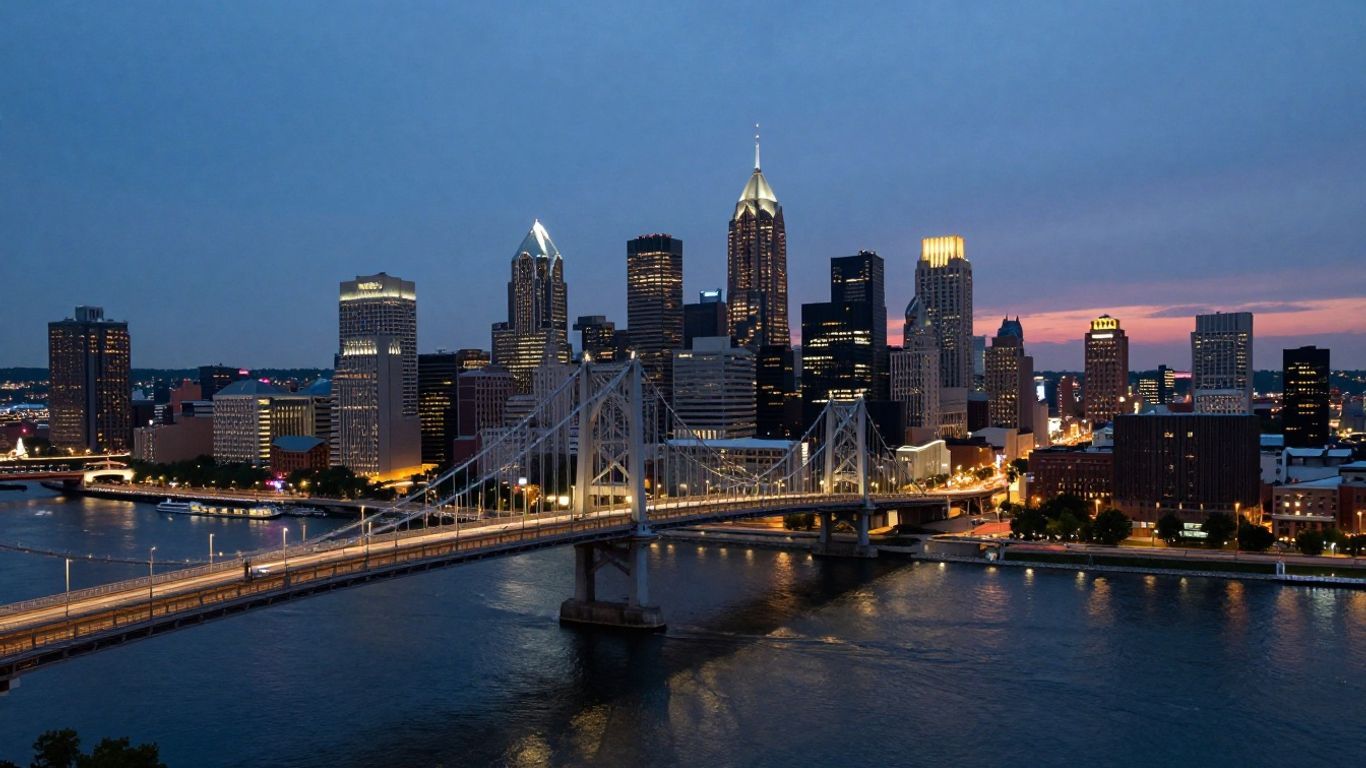
Philadelphia, Pennsylvania—affectionately known as Philly—is a city that truly embraces and displays its rich history. As one of the oldest cities in the U.S., that profound sense of history is palpable simply by walking its storied streets. Consider this: it was right here that the Declaration of Independence and the Constitution were actually signed! Iconic landmarks like Independence Hall and the Liberty Bell aren't merely ancient edifices; they are powerful symbols of the nation's very genesis.
However, Philly is far from being mired in the past. It boasts an incredibly vibrant arts and culture scene. The Philadelphia Museum of Art, famously featured in that iconic film with Rocky Balboa ascending its steps, houses an immense and diverse collection. Moreover, the city is home to countless theaters, presenting everything from grand Broadway tours to more intimate, local productions. And the food? Seriously, one simply cannot visit Philly without indulging in an authentic cheesesteak or a delectable hoagie—it's an integral part of the immersive experience!
Here's a concise overview of some pivotal aspects:
- Historical Significance: Revered as the birthplace of American independence.
- Cultural Hub: Home to prominent art museums and a thriving theater district.
- Culinary Delights: Celebrated for iconic sandwiches like cheesesteaks and hoagies.
- Economic Diversity: Demonstrates strength in sectors such as healthcare, education, finance, and technology.
Philadelphia's population hovers around 1.6 million, firmly positioning it as a major urban center with an indelible connection to America's founding narrative.
The city continues to skillfully blend its rich historical narrative with a forward-looking approach, consistently attracting residents and visitors with its unique character and abundant opportunities.
7. San Antonio, Texas
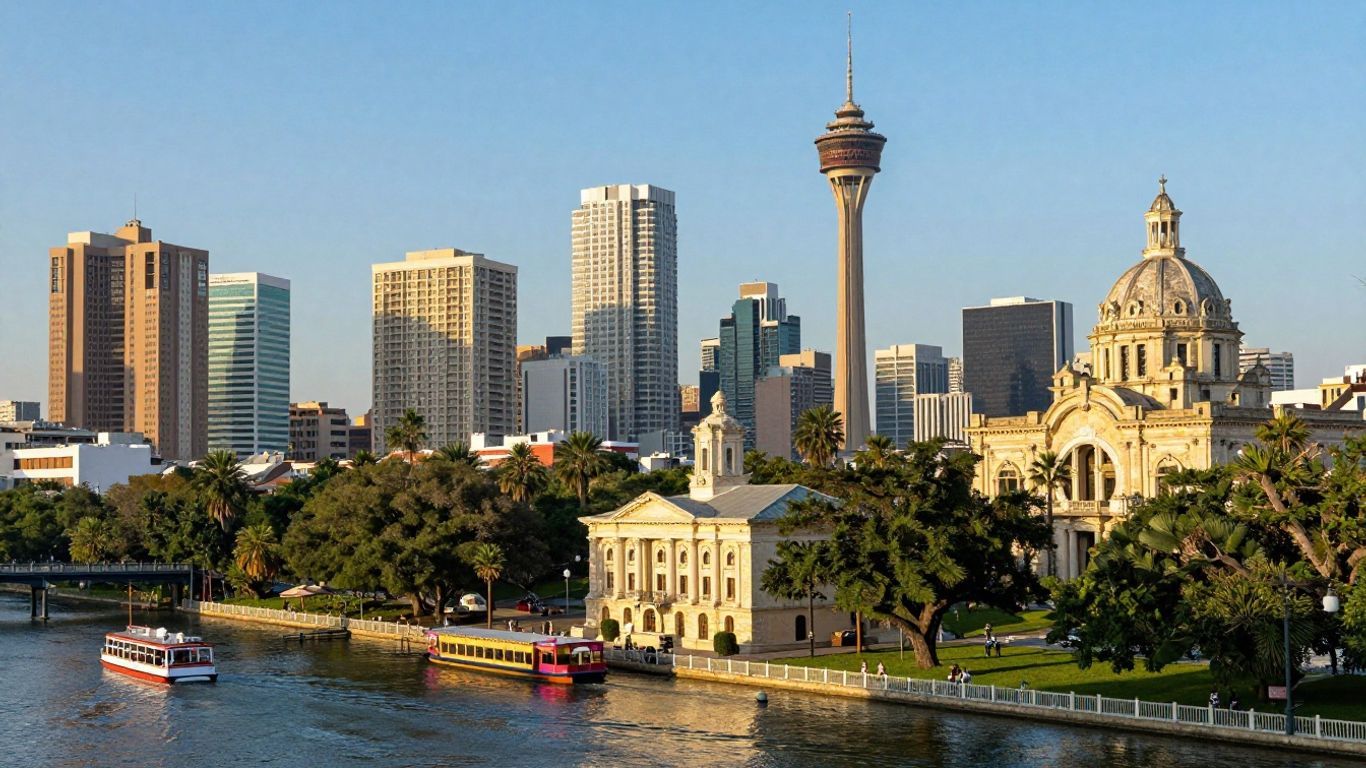
San Antonio, Texas, is a city that masterfully intertwines its storied past with the dynamism of the present. It’s a place where history isn't confined to textbooks; you can practically feel its resonance simply by strolling through its charming streets. The Alamo, of course, stands as the paramount landmark—a potent symbol of Texan independence that draws visitors from across the globe. But San Antonio offers so much more than just this singular, revered site.
Consider, for instance, the famous River Walk. This enchanting network of pathways, nestled alongside the San Antonio River, is gracefully lined with an array of shops and restaurants. It truly is a delightful place to meander aimlessly, savor a meal, or simply bask in the evening ambiance. The city also cultivates a lively arts scene, with institutions like the San Antonio Museum of Art and the historic Majestic Theatre offering a diverse spectrum of cultural entertainment.
When it comes to culinary offerings, one can anticipate a rich prevalence of Tex-Mex cuisine, which is, understandably, a local staple. Dishes such as enchiladas and tacos are enduring local favorites. However, much like many large urban centers, San Antonio also provides access to a wide variety of other international cuisines.
Economically, San Antonio exhibits robust health. Key industries include healthcare, tourism, and the significant military presence, with several large bases contributing substantially to the city's vitality. The technology sector is also experiencing notable growth here.
San Antonio offers a distinctive amalgamation of historical significance and contemporary city living, rendering it a truly unique destination within Texas.
Here's a concise overview of some pivotal aspects:
- Historical Landmarks: The Alamo, Mission San Jose, Mission Concepcion.
- Key Attractions: River Walk, Tower of the Americas, Market Square.
- Major Industries: Healthcare, Tourism, Military, Technology.
8. San Diego, California
Coming in at number eight is San Diego, California, a city that expertly balances its inherent coastal charm with a dynamic urban energy. With a population consistently hovering around 1.3 million, it’s a locale where one can effortlessly transition from catching ocean waves to exploring world-class museums.
What truly distinguishes San Diego? Well, it boasts that famously relaxed, laid-back vibe, but don’t let that mislead you—it’s also a critically important hub for the U.S. Navy, a presence that significantly shapes both the city’s identity and its economy. And the weather? It's practically perfect year-round, which serves as an immense draw for both residents and a steady stream of visitors.
Here are a few defining aspects of San Diego:
- Balboa Park: This isn't just any park; it's an expansive cultural epicenter featuring meticulously curated gardens, an array of theaters, and a multitude of museums. It also proudly houses the world-renowned San Diego Zoo.
- Beaches Galore: From the inviting, family-friendly shores of La Jolla Shores to the lively atmosphere of Pacific Beach, the city offers an abundance of spots perfect for swimming, surfing, or simply basking in the sun.
- Naval Presence: The city hosts a major naval base, contributing profoundly to its economic landscape and cultural fabric.
San Diego’s economy is remarkably diverse, too. Beyond the significant contributions of tourism and the military, one will discover robust sectors in technology and healthcare. It’s a city that, quite frankly, offers a bit of everything.
It's a place where the ocean breeze seems to carry a sense of boundless possibility, seamlessly blending exceptional outdoor recreation with a burgeoning metropolitan feel.
9. Dallas, Texas
Alright, let’s turn our attention to Dallas, Texas. This dynamic city, frequently referred to as the "Big D," stands as a major player within the Lone Star State, attracting a population that firmly places it among the nation's top 10 largest. It's a locale where commerce thrives and culture flourishes, all beneath that characteristically wide Texas sky.
Dallas boasts a skyline that impressively underscores its stature as a significant force in finance and business. Yet, it isn't solely about soaring skyscrapers and corporate boardrooms. The Arts District, for instance, is a truly remarkable area, teeming with world-class museums, cutting-edge theaters, and vibrant venues for live music. Visitors and residents alike can wander through the Dallas Museum of Art or experience a captivating performance at the AT&T Performing Arts Center.
And the food? Oh, the culinary scene here is truly exceptional! You'll discover everything from sophisticated international dining establishments to beloved classic Tex-Mex and barbecue so authentic it’ll make you yearn for seconds. It’s a wonderfully diverse mix, much like the vibrant community that calls this city home.
Dallas is a city built upon a diverse and steadily growing economy, with pivotal industries such as finance, technology, healthcare, and transportation leading the way. It’s a prominent location where many major corporations have established their headquarters, solidifying its reputation as a vital hub for employment and innovation.
Here's a concise overview of some of its key features:
- Economic Powerhouse: Home to numerous Fortune 500 companies and a commanding presence in the finance and technology sectors.
- Cultural Hub: A vibrant Arts District featuring world-class museums and esteemed performance venues.
- Culinary Delights: Celebrated for Tex-Mex and barbecue, complemented by an extensive array of international dining options.
- Transportation Nexus: A significant center for both air and ground transportation.
As Dallas continues its impressive growth trajectory, it truly emanates the feel of a city brimming with opportunities—a place where individuals come to pursue their aspirations and immerse themselves in the rich, multifaceted experience that Texas has to offer.
10. San Jose, California
Rounding out our top 10 is San Jose, California—a city that, despite often being overshadowed by its more renowned neighbors, confidently holds its own with a population just exceeding 1 million. It is, without a doubt, the undisputed heart of Silicon Valley, and that palpable tech-driven energy resonates throughout the city. While it may not possess the same flashy reputation as some other major urban centers, San Jose consistently offers a remarkably high quality of life.
The city's economy is profoundly shaped by the technology sector, with both industry giants and countless innovative startups calling it home. This pervasive spirit of innovation seamlessly permeates San Jose’s culture and daily existence.
Here’s a concise overview of what distinguishes San Jose:
- Tech Hub: Home to major technology corporations and a fertile ground for new ventures.
- Quality of Life: Recognized for its pleasant environment and abundant opportunities.
- Cultural Mix: A burgeoning arts scene and diverse culinary options, including a notable Vietnamese food presence.
San Jose is a place where innovation isn't merely a buzzword; it’s intrinsically woven into the very fabric of the city, consistently attracting individuals keen to be at the forefront of the next big thing in technology and beyond.
From engaging with exhibits at museums like The Tech Interactive to exploring its wonderfully diverse food scene, San Jose presents a unique synergy of innovation and community. It is a city that steadfastly continues to shape the future, directly from the core of Silicon Valley.
Wrapping Up Our Look at America's Biggest Cities
So, we've completed our comprehensive tour through the top 10 most populous cities in the U.S. for 2026. It's quite evident that these places represent far more than just large figures on a map; they are vibrant epicenters of culture, commerce, and the intricate tapestry of daily life. Each possesses its own distinctive narrative, its unique rhythm, and its particular set of challenges inherent in housing such vast numbers of people. As these dynamic urban areas continue to expand and transform, understanding what makes them thrive remains paramount—whether you're a burgeoning business owner, an urban planner, or simply an individual curious about where most Americans choose to establish their homes. It is undeniably a dynamic picture, and one that will surely continue to evolve.
Frequently Asked Questions
What are the top 10 biggest cities in the U.S. by population?
Typically, the ten most populous U.S. cities include New York City, Los Angeles, Chicago, Houston, Phoenix, Philadelphia, San Antonio, San Diego, Dallas, and San Jose. These metropolises stand as crucial centers for culture, commerce, and human activity.
Why are these cities so populated?
These urban centers draw significant populations primarily due to their abundant career prospects, particularly in burgeoning sectors such as technology, finance, and entertainment. Moreover, their rich cultural diversity, extensive recreational offerings, and robust transportation infrastructure collectively make them highly appealing destinations for individuals from across the globe.
Are these city populations just the people living in the city limits?
Indeed, discussions about major cities often encompass their broader metropolitan areas. These expansive regions typically comprise the central city itself, alongside its adjacent towns and suburbs, where a substantial number of residents live and commute for employment or leisure.
Do these big cities have a lot of land area too?
Interestingly, not necessarily. While some highly populated cities, such as New York, occupy relatively smaller land areas, resulting in higher population densities, others might span considerably larger geographical footprints yet host fewer inhabitants.
What makes a city a 'major hub'?
A 'major hub' signifies a city of paramount importance in areas like commerce, culture, or transportation. Such cities frequently house significant corporations, boast renowned landmarks, offer diverse culinary and artistic experiences, and serve as pivotal points for both transit and residency.
How does population affect a city?
While a substantial population undoubtedly provides a city with a robust workforce and a vast consumer market, it also introduces inherent challenges. These can include increased traffic congestion, elevated housing expenses, and a heightened demand for essential services like educational institutions and public transit.


