
resources
Your Essential 50 States List Capitals Guide for 2026
14 Feb 2026

Whether you're mapping out an epic road trip across the United States or simply brushing up on your geography for a quiz, knowing the capitals of all 50 states is an undeniably useful piece of knowledge. It extends far beyond mere memorization of government building locations; it's about fostering a deeper understanding of the nation itself. To help you master these significant cities, we've curated a concise yet comprehensive guide. Let's delve into some of them, initiating your fascinating journey through the U.S. state capitals.
Key Takeaways
- The 50 states list capitals designates the administrative heart for each U.S. state, serving as the central base for governmental operations.
- Interestingly, capital cities aren't always the largest population centers; their selection often stems from historical significance or a strategically central geographic position.
- Grasping the 50 states list capitals proves invaluable for academic pursuits, trivia challenges, and enriching one's comprehension of U.S. geography.
- Some capitals, such as the venerable Santa Fe and Juneau, boast extensive histories, while others are comparatively younger.
- It's a common oversight to mistake a state's largest city for its capital – for instance, many might assume New York City is the capital of New York, rather than the historic Albany.
1. Montgomery
Montgomery, Alabama, holds a truly unique place in American history, bearing the distinction of being both the first capital of the Confederacy and the revered birthplace of the Civil Rights Movement. It is, undeniably, a city with profound historical roots, having played a pivotal role in shaping the very fabric of the nation.
Established in 1819, Montgomery officially ascended to the status of state capital in 1846. Its strategic positioning along the Alabama River naturally rendered it an important nexus for trade and transportation during its formative years.
Among the pivotal historical events that dramatically unfolded within Montgomery's bounds are:
- The Montgomery Bus Boycott (1955-1956), ignited by the courageous arrest of Rosa Parks, which subsequently became a transformative turning point in the Civil Rights Movement.
- The historic Selma to Montgomery marches in 1965, a powerful advocacy for fundamental voting rights.
- The city's service as the initial capital for the Confederate States of America in 1861.
Today, Montgomery steadfastly maintains its role as a vital hub for Alabama, underpinned by a diverse economy that encompasses sectors like aerospace, defense, and manufacturing. It is a place where history is meticulously preserved and reverently remembered, offering visitors an unparalleled opportunity to connect deeply with America's past.
While the city is widely celebrated for its immense historical significance, it also proudly showcases a burgeoning modern landscape. The economic drivers propelling Montgomery forward are notably varied, a testament to its remarkable adaptability and forward-thinking vision.
2. Juneau
Juneau, Alaska, occupies a truly distinctive position on the U.S. state capitals list. It's more than just another city; it holds the title of the nation's youngest state capital, having officially become the capital when Alaska joined the Union in 1959. Interestingly, Juneau had already been serving as the territorial capital since 1906—quite a tenure for a capital still relatively new to the national stage.
What makes Juneau even more remarkable is its singular location. Unlike many state capitals that are readily accessible by road, Juneau is quite isolated, presenting a fascinating geographical anomaly. You simply cannot drive to Juneau directly from anywhere else in Alaska or the continental United States. Access is exclusively via plane or boat. This distinct geographical characteristic, without question, profoundly shapes the city's unique character and the very way its inhabitants engage with their environment.
Here are a few intriguing facts about Juneau:
- It stands as the second-largest U.S. state capital by area, encompassing an immense 3,258 square miles. Much of this vast territory, it's worth noting, consists of undeveloped forest.
- Despite its expansive size, it ranks as the third least populous state capital, home to approximately 32,000 residents.
- The city is spectacularly nestled between Mount Juneau, Mount Roberts, and the Gastineau Channel, offering breathtaking natural beauty at every turn.
Juneau's status as a capital lacking road access is a direct consequence of its rugged geography. Cradled between majestic mountains and pristine waters, it organically evolved into a port city, a defining characteristic it retains to this day. This very isolation contributes to its distinct atmosphere, rendering it a destination unlike any other state capital.
When one typically envisions state capitals, images of bustling urban centers crisscrossed by highways often come to mind. Juneau, however, paints a remarkably different picture. It's a place where untamed wilderness is quite literally at your doorstep, and the journey to arrive there is very much an integral part of the experience. It serves as a compelling reminder that not all capitals are fashioned alike, with each possessing its own compelling narrative and distinct set of challenges.
3. Phoenix
Welcome to Phoenix, the vibrant capital city of Arizona! Often affectionately dubbed the "Valley of the Sun," Phoenix is an expansive metropolis renowned for its consistently warm climate and the striking beauty of its desert landscape. It formally assumed its role as Arizona's capital on February 14, 1912, a significant date marking Arizona's admission as the 48th state.
Phoenix stands as a pivotal hub for technology and manufacturing, sectors that contribute significantly to Arizona's broader economy. The city's growth trajectory has been nothing short of remarkable, transforming it into a preeminent urban center within the American Southwest.
Here are a few intriguing facts about Phoenix:
- It proudly claims the distinction of being one of the fastest-growing major cities in the U.S. This impressive, rapid expansion ensures there's always something new and dynamic unfolding within its borders.
- Remarkably, the city's infrastructure is built upon ancient Hohokam canal systems. These early inhabitants engineered an intricate network of irrigation canals, some of which are still subtly echoed in the designs of modern waterways.
- Phoenix undeniably experiences intensely hot summers. Temperatures routinely soar above 100°F (38°C), making its famous nickname particularly apt.
The judicious selection of Phoenix as the state capital was influenced by its strategically central location within the verdant Salt River Valley and its considerable potential for future growth – a potential notably enhanced by the development of irrigation systems that facilitated agriculture in the otherwise arid region. Since then, it has blossomed into a significant economic and cultural powerhouse.
For visitors, exploring attractions such as the serene Desert Botanical Garden, the culturally rich Heard Museum, and the vibrant downtown area offers a true taste of the city. Phoenix, in essence, provides a unique confluence of natural desert splendor and dynamic urban development, rendering it a truly fascinating capital to discover.
4. Little Rock
Next up on our insightful tour of state capitals is Little Rock, Arkansas. It's a city that has witnessed a substantial amount of history unfold within its limits, and it presently serves as the central nexus for the state's governmental and economic activities.
Little Rock officially became the capital in 1836, coinciding with the very year Arkansas achieved statehood and joined the Union. The city's evocative name originates from a small, distinctive rocky bluff situated on the Arkansas River, a feature first documented by astute French explorers. It's a place where visitors can genuinely discover a compelling blend of the venerable and the contemporary, from historic edifices to cutting-edge modern developments.
Here are a few key characteristics that truly distinguish Little Rock:
- State Symbols: Arkansas proudly claims the Northern Mockingbird as its state bird, while the delicate Apple Blossom serves as its state flower. You'll often observe these cherished symbols thoughtfully integrated into local art and cultural expressions.
- Economy: The economic landscape here is notably diversified, benefiting significantly from robust contributions in agriculture and manufacturing. It remains a key, indispensable player in the state's overall economic framework.
- Notable Landmarks: The William J. Clinton Presidential Center stands as a major draw, offering an insightful look into the life and influential tenure of the former president. The Old State House Museum is another essential visit, meticulously showcasing Arkansas's rich political history.
Little Rock is far more than just a mere dot on a map; it's a place with a profoundly distinct identity, an identity meticulously shaped by its geography and the resilient people who proudly call it home. It is a city that masterfully balances its deep historical roots with a forward-looking, progressive approach to growth and sustainable development.
When you contemplate Arkansas, remember that Little Rock serves as its beating heart – a place where crucial state decisions are made and where a significant portion of its compelling narrative continues to unfold.
5. Sacramento
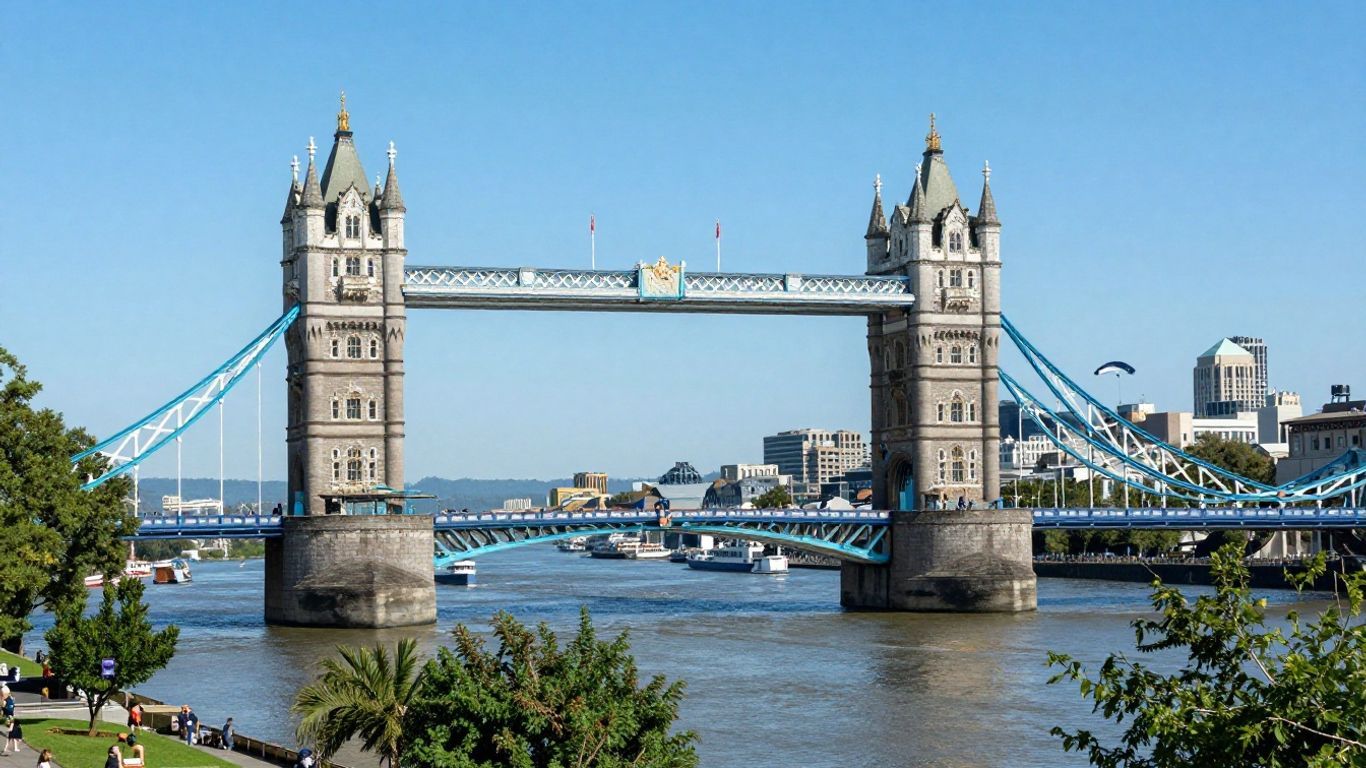
Alright, let's turn our attention to Sacramento, California's capital city. It's a locale with a rather compelling history, particularly when one considers its pivotal role during the legendary Gold Rush era. While the glittering metropolises of Los Angeles and San Francisco often garner more widespread attention, Sacramento is precisely where the state government diligently conducts its affairs.
Sacramento officially became the capital of California in 1854. Its selection was largely due to its strategically central location and its critical importance as a burgeoning transportation hub during the feverish Gold Rush. Can you imagine the sheer volume of people and goods traversing through this city back in those tumultuous days?
Here's a concise overview of some key facts about Sacramento:
- Founded: 1848
- Became Capital: 1854
- County: Sacramento County
- Known For: State government, its rich Gold Rush history, and the significant agricultural output of the surrounding region.
It's quite remarkable to ponder just how much has transformed since those foundational days. The city has experienced substantial growth, evolving into a major center for both politics and administration for the entirety of the Golden State. Moreover, the land surrounding Sacramento is exceptionally fertile, which explains its crucial role in the agricultural sector.
Sacramento's pivotal role as the capital isn't merely about housing governmental edifices; it’s fundamentally about serving as the administrative heart of a state boasting a massive population and a formidable economy. Decisions made within its legislative halls profoundly affect millions of individuals across California.
So, the next time California comes to mind, remember Sacramento. It represents far more than a mere dot on the map; it is the very place where California's laws are meticulously crafted and its future thoughtfully shaped.
6. Denver
Welcome to Denver, the captivating Mile High City! Nestled spectacularly at the foot of the majestic Rocky Mountains, Denver proudly serves as Colorado's capital and its most populous urban center. It is, unequivocally, a place where vibrant urban energy converges with unparalleled outdoor adventure, creating a truly unique and appealing destination.
Denver's storied history is intrinsically linked to the fervent gold rush era, a period during which it rapidly transformed from a rugged mining camp into a significant and thriving city. Today, it stands as a bustling hub for technology, aerospace, and, crucially, a primary gateway to the breathtaking natural beauty that defines Colorado.
Here are a few defining characteristics that truly distinguish Denver:
- Elevation: It is famously recognized as the "Mile High City" because its official elevation is precisely one mile (5,280 feet) above sea level. You can even spot a special marker commemorating this fact on the very steps of the State Capitol building.
- Economy: The city boasts a robust and remarkably diverse economy, with major industries including aerospace, telecommunications, and financial services. It also serves as a significant magnet for burgeoning tech startups.
- Culture and Recreation: Denver offers a vibrant arts scene, numerous expansive parks, and serves as an ideal launching point for exhilarating skiing, challenging hiking, and comprehensive exploration of the iconic Rockies.
Denver's enviable location provides a fantastic synergy of sophisticated city life and remarkably easy access to awe-inspiring nature. Whether your interests lean towards exploring world-class museums, savoring artisanal craft breweries, or embarking on an invigorating mountain hike, Denver consistently delivers a plethora of experiences.
The city's growth has been rather remarkable over the past few decades. It continues to attract new residents and businesses alike, drawn by its exceptional quality of life and abundant economic opportunities.
7. Hartford
Hartford, Connecticut, is a city with a venerable history, having served as the state's steadfast capital since 1875. It is strategically positioned right in the heart of the state, gracefully situated along the scenic Connecticut River.
During Connecticut's nascent years, the capital's seat somewhat shifted between Hartford and New Haven. Eventually, a definitive decision was reached to establish Hartford as the sole capital—a choice that cemented its enduring importance. It remains a critically important hub for finance and insurance, a role that makes perfect sense given the state's historical prominence in these sectors.
Here's a concise overview of some pivotal facts about Hartford:
- Established: 1635
- Became Capital: 1875
- State: Connecticut (CT)
- Key Industries: Finance, Insurance, Education
Hartford has certainly experienced its share of transformations over the years, adeptly adapting to evolving economic landscapes while tenaciously preserving its profound historical significance. It is a place where one can observe a striking juxtaposition of venerable architecture alongside modern development, a visual narrative reflecting its rich journey through time.
8. Dover
Dover, Delaware, proudly holds the distinction of being the first state capital formally established in the United States, officially gaining its capital status in 1777. It is, without question, a city deeply rooted in history, having played a significant and often pivotal role during the American Revolution. Today, Dover is recognized for its charming blend of historical character and contemporary development, functioning as a vital hub for state government and a central point for the surrounding, predominantly agricultural, region.
Notably, Dover also holds the distinction of being the second smallest state capital by population in the U.S.
Here are a few key facts about Dover:
- Founded: 1683
- Became Capital: 1777
- State: Delaware
- Nickname: The First State
Dover's historic Green serves as a central and iconic feature, gracefully encircled by significant government buildings and poignant historical sites. The city's economy is substantially influenced by its foundational role as the state capital, with government employment constituting a major contributing factor. It also benefits from its advantageous proximity to major East Coast cities, though it commendably maintains its own distinct and unique character.
The city is also home to Dover Air Force Base, a substantial military installation that makes significant contributions to both the local economy and community. This strategic presence adds yet another compelling layer to Dover's multifaceted identity, harmoniously balancing its profound historical significance with its modern strategic importance.
9. Tallahassee
Next up on our extensive tour of state capitals is Tallahassee, Florida. While it may not be the largest city in the Sunshine State, and perhaps not the first locale that springs to mind when picturing Florida, it is most certainly the undisputed heart of its government.
Tallahassee officially became Florida's capital in 1824, not long after Florida was designated a U.S. territory. The intriguing narrative suggests that this particular spot was chosen because it was roughly equidistant between the two largest settlements of that era—St. Augustine and Pensacola. Quite a practical decision, wouldn't you agree?
Here's a concise overview of some pertinent facts about Tallahassee:
- Established: 1824
- State: Florida (FL)
- Known for: State government, the esteemed Florida State University, and a surprisingly lush, green landscape characterized by rolling hills.
It is genuinely interesting to observe how many state capitals are not, in fact, the most famous or populous cities within their respective states. Tallahassee serves as a prime illustration of this phenomenon. While vibrant places like Miami or Orlando often capture much of the spotlight for tourism and population, Tallahassee is precisely where crucial laws are formulated and the state's essential business is diligently conducted.
The selection of Tallahassee as the capital represented a significant compromise, deliberately aiming for a central location capable of effectively serving the rapidly expanding territory. This pivotal decision has profoundly shaped the city's development over nearly two centuries, firmly establishing it as a dynamic hub for political activity and higher education.
10. Atlanta
Welcome to Atlanta, the thriving capital of Georgia! Often affectionately known as the "Peach City," Atlanta stands as a major, dynamic hub in the southeastern United States. It is, indeed, a city with a rich and complex history, notably recognized for its pivotal role in the Civil Rights Movement, and it also functions as an economic and cultural powerhouse.
Atlanta serves as Georgia's primary center for both government and commerce. The city proudly hosts the Georgia State Capitol building, an iconic and prominent landmark distinguished by its unique gold dome.
Here are a few key aspects that define Atlanta:
- Historical Significance: Atlanta was a crucial location during the tumultuous Civil War and later became a central nexus for Dr. Martin Luther King Jr.'s profound activism. Visitors can, of course, explore significant sites like the Martin Luther King, Jr. National Historical Park.
- Economic Driver: It stands as a major center for diverse industries including transportation, film production, and cutting-edge technology. Notably, Hartsfield-Jackson Atlanta International Airport is consistently ranked among the busiest airports globally.
- Cultural Hub: Atlanta boasts a remarkably vibrant arts scene, numerous world-class museums, and a wonderfully diverse culinary landscape. It is also celebrated for its professional sports teams, drawing fans from across the region.
Atlanta's growth trajectory has been nothing short of remarkable, transforming dramatically from a city largely devastated during the Civil War into a modern, bustling metropolis. Its strategic geographical location and forward-thinking approach have firmly cemented its status as a leading city in the American South.
When contemplating Georgia, remember that while the state is widely known for its agricultural prowess, its capital, Atlanta, represents a dynamic and compelling blend of history, innovation, and quintessential Southern charm.
11. Honolulu
Aloha from Honolulu, the captivating capital of Hawaii! Gracefully situated on the island of Oahu, Honolulu is far more than just a picturesque beach destination; it is, in essence, the vibrant, beating heart of the Aloha State. Notably, it holds the unique distinction of being the only U.S. state capital located within the broader geographic region of Oceania.
Honolulu's history is both rich and intricate, shaped by the ancient journeys of Polynesian voyagers, the grandeur of the Hawaiian monarchy, and, eventually, significant American influence. Today, it stands as a bustling metropolis, seamlessly blending modern city life with the truly unique Hawaiian culture. Visitors will discover a fascinating tapestry of historic sites, such as Iolani Palace (the only royal palace in the United States), alongside towering contemporary skyscrapers and, of course, world-renowned surf havens like Waikiki Beach.
Here are a few distinctive qualities that make Honolulu truly stand out:
- A Unique Location: As previously mentioned, its singular position as the only state capital in Oceania imbues it with a distinct cultural and geographical identity.
- Economic Hub: While tourism remains a colossal industry, Honolulu also plays a significant and strategic role in defense and serves as a crucial gateway for international trade across the Pacific.
- Cultural Melting Pot: The city epitomizes a rich fusion of Native Hawaiian, Asian, and Western influences, vividly expressed in its culinary traditions, vibrant festivals, and the rhythm of daily life.
Honolulu's strategic location in the vast Pacific has, for centuries, cemented its status as a vital center for trade, military operations, and profound cultural exchange. Its enduring role as a capital city powerfully reflects this historical importance, serving as the administrative core for the entire Hawaiian archipelago.
When visiting, one can explore the poignant USS Arizona Memorial at Pearl Harbor, embark on a rewarding hike to the summit of Diamond Head for breathtaking panoramic views, or simply luxuriate in the famously laid-back island atmosphere. Honolulu truly offers an unparalleled, one-of-a-kind experience.
12. Boise
Next up on our insightful tour of state capitals is Boise, Idaho. Gracefully nestled in the southwestern expanse of the state, Boise proudly serves as both the capital and the most populous city in Idaho. It is, undeniably, a place that beautifully integrates outdoor adventure with a dynamically growing urban scene.
Boise's storied history is intrinsically tied to the fervent gold rush era and the iconic Oregon Trail, which famously passed nearby. It officially became the capital in 1890, coinciding with Idaho's admission to statehood. Today, it is well-regarded for its robust economy, particularly within the agriculture and technology sectors. The city is also celebrated for its extensive and verdant park system, notably including Julia Davis Park, affectionately termed the "Grandmother of All Parks."
Here are a few concise facts about Boise:
- State: Idaho
- Founded: 1863
- Population (City Proper): Approximately 237,000 (as of recent estimates)
- Key Industries: Agriculture, technology, manufacturing, healthcare
Boise is often charmingly referred to as the "City of Trees," a loving nod to the splendid forests that gracefully envelop it. This apt nickname truly captures the natural beauty that forms such a significant part of life here. It's a place where you can effortlessly transition from a bustling downtown environment to serene hiking trails in a remarkably short span of time.
When you have the opportunity to visit Boise, you'll discover a welcoming atmosphere and a wealth of engaging activities. From exploring the Basque Block, which proudly celebrates the city's unique Basque heritage, to enjoying the picturesque Boise River Greenbelt—a paved pathway that meanders gracefully along the river—there's an abundance to experience. Boise, truly, offers a unique and authentic slice of the American West.
13. Springfield
Next up on our comprehensive tour of state capitals is Springfield, Illinois. It’s quite easy to inadvertently confuse this city, especially given Chicago's prominence as a globally recognized metropolis within the same state. However, Springfield unequivocally holds the official title as the state capital.
Springfield boasts a population of approximately 114,000 people, positioning it as a mid-sized capital city. It is strategically situated in central Illinois and possesses a history intimately linked to Abraham Lincoln, who resided there for many years prior to his presidency. Visitors can explore his historic home and his presidential library and museum, both of which serve as significant draws for history enthusiasts and travelers alike.
Here's a concise overview of some facts about Springfield:
- State: Illinois (IL)
- Founded: 1818
- Key Industries: Agriculture, Manufacturing
- Nickname: Prairie State
The city's profound connection to Abraham Lincoln is, undoubtedly, a colossal part of its identity. Numerous historical sites intimately related to his life are meticulously preserved here, attracting history buffs and students from across the nation. It's a place where one can truly gain a visceral sense of a pivotal period in American history.
Beyond its profound Lincoln connections, Springfield is also recognized for its crucial role in Illinois state government. It is here that the state legislature convenes and where many state agencies maintain their headquarters. Consequently, it functions as a central hub for political activity and the diligent administration of the state.
14. Indianapolis
Indianapolis, the distinguished capital of Indiana, is a city boasting a rich industrial legacy and a dynamically vibrant present. It is strategically located right in the geographical center of the state, thereby establishing itself as a crucial hub for both transportation and commerce.
Indianapolis is often affectionately referred to as the "Crossroads of America" due to its extensive and well-developed highway system. This apt nickname truly underscores its paramount importance as a logistical nexus.
Here's a concise overview of some key facts about Indianapolis:
- Founded: 1820
- State: Indiana (IN)
- Known For: Manufacturing, particularly within the automotive sector, and its profound and significant role in motorsports.
Indianapolis's history is deeply intertwined with manufacturing. For an extended period, it stood as a major center for the production of automobiles and various other industrial goods. While manufacturing undeniably retains its importance, the city has also experienced impressive growth in other sectors, notably healthcare and technology. It’s a compelling urban landscape where one can truly observe the evolution of American industry.
The city's meticulous layout and subsequent development were heavily influenced by its dual role as a state capital and a critical transportation nexus. Many of its early infrastructural advancements were precisely focused on connecting it efficiently to other burgeoning parts of the expanding nation.
When people envision Indianapolis, many immediately recall the iconic Indianapolis 500, the legendary car race held every Memorial Day weekend. This globally recognized event attracts immense crowds and represents a colossal part of the city's identity and economy. Beyond the famous race track, Indianapolis offers a diverse array of cultural attractions, including fascinating museums, reputable theaters, and a rapidly expanding culinary scene. It is, ultimately, a city that expertly balances its profound historical roots with a decidedly forward-looking attitude.
15. Des Moines
Next up on our comprehensive tour of state capitals is Des Moines, Iowa. While it may not be the largest city in Iowa, it is, without question, the heart of the state's government and an undeniably important locus for the state's economy.
Des Moines has proudly served as the capital since 1857, taking over the mantle from Iowa City. Its location, right in the geographical middle of the state, often proves ideal for a central capital. The city is distinguished by several key features, particularly its robust presence in the insurance industry and its pivotal role in the agricultural sector. It is, fundamentally, a place where crucial policy decisions impacting farmers and businesses across Iowa are diligently formulated.
Here's a concise overview of some facts about Des Moines:
- State: Iowa (IA)
- Founded: 1846
- Population (approx.): 215,000 (city proper)
- Key Industries: Insurance, Finance, Agriculture, Technology
- State Nickname: The Hawkeye State
Des Moines is a city that truly embodies the quintessential spirit of the Midwest. It functions as a bustling hub for business and government, yet it masterfully maintains a profound connection to the agricultural roots that define Iowa. One can readily observe this compelling blend in its ongoing development and, indeed, in its people.
When you contemplate state capitals, Des Moines might not immediately spring to mind, but it stands as a solid and representative example of how these cities function as the veritable nerve centers for their respective states. It is where laws are diligently crafted and where the state's very identity is often powerfully represented.
16. Topeka
Next up on our comprehensive tour of state capitals is Topeka, Kansas. While it doesn't hold the title of the largest city in Kansas—that distinction belongs to Wichita—Topeka, nevertheless, fulfills the crucial role of being the state's capital. It officially assumed this capital status in 1861, concurrently with Kansas's admission as the 34th state.
Topeka is situated within Shawnee County and gracefully lies along the Kansas River. The city boasts a history intricately linked to the "Topeka Constitution," a significant proposed constitution for Kansas that bravely sought to ban slavery—a truly momentous issue during the mid-1800s. Furthermore, it is renowned for its connection to the landmark Supreme Court case Brown v. Board of Education of Topeka, decided in 1954, which unequivocally declared state-sponsored segregation in public schools unconstitutional.
Here are a few concise facts about Topeka:
- State: Kansas (KS)
- Founded: 1854
- Became Capital: 1861
- County: Shawnee
- Nickname: Sunflower State (for Kansas)
The fundamental role of a state capital is to serve as the exclusive seat of government. This means Topeka is precisely where the Kansas Legislature convenes, where the Governor's office is strategically located, and where numerous state agencies meticulously conduct their operations. It is, in essence, the central hub for all state-level decision-making and efficient administration.
When you envision Kansas, you might naturally picture vast, open fields and a predominantly agricultural landscape, and that is, without doubt, a significant component of the state's identity. Topeka is nestled right in the midst of this, with key industries such as agriculture and manufacturing playing an integral part in its economy. It is a city that beautifully reflects the heartland of America.
17. Frankfort
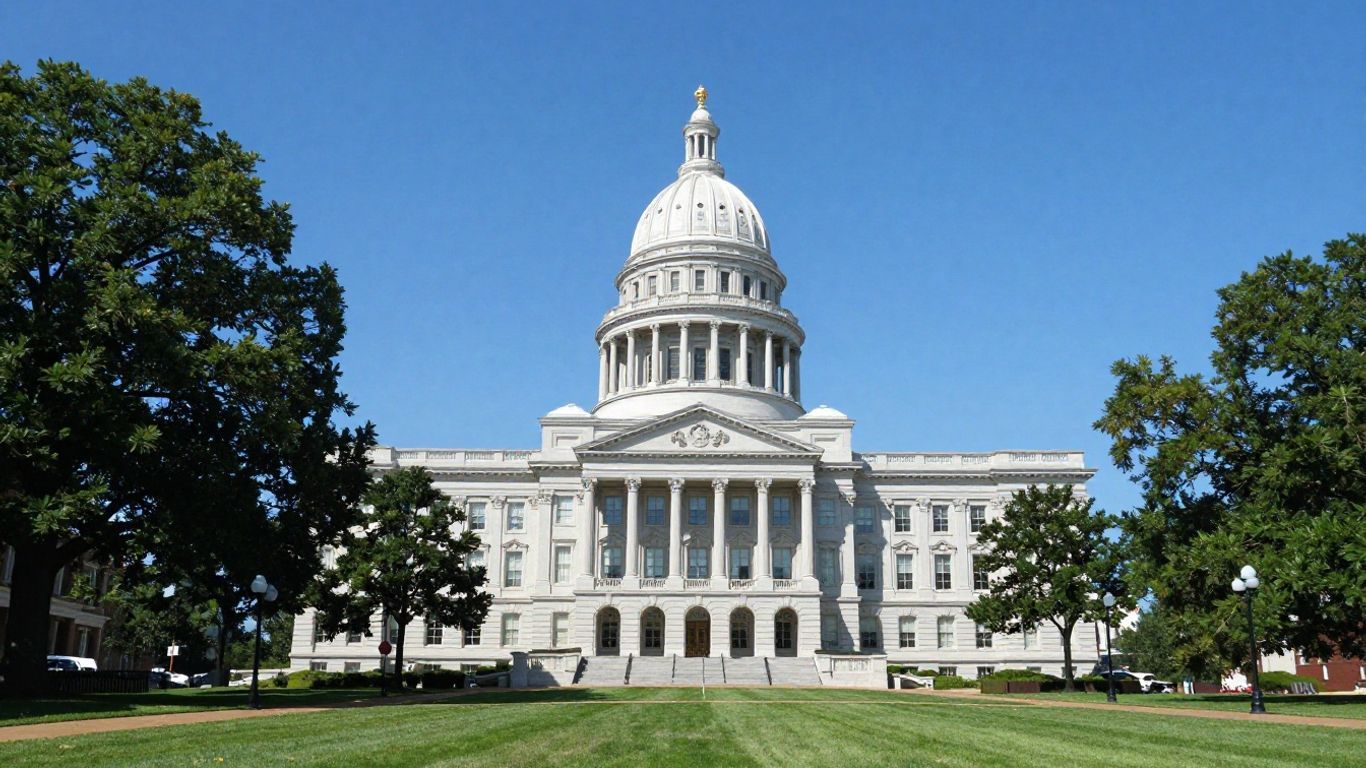
Next up on our extensive tour of state capitals is Frankfort, Kentucky. While it certainly isn't the most populous city in the state, it dutifully carries the vital responsibility of serving as the capital. Frankfort is gracefully situated along the Kentucky River and possesses a rich history deeply intertwined with bourbon production—a truly monumental industry in Kentucky.
Frankfort officially became the capital of Kentucky in 1792, precisely the same year Kentucky achieved statehood. Its selection over other potential locations was primarily due to its centrally advantageous position and the invaluable river access it provided.
Here are a few notable attributes that truly set Frankfort apart:
- The Kentucky State Capitol Building: This is an unequivocally impressive edifice, meticulously designed in a grand French Renaissance style. It stands as a landmark certainly worth visiting if you ever find yourself in town.
- Bourbon Heritage: Frankfort is nestled right in the heart of Kentucky's renowned bourbon country. Several celebrated distilleries are conveniently located here, offering engaging tours and delightful tastings.
- Historic Sites: The city boasts a respectable number of historic homes and significant sites, including the Old State Capitol, which has been thoughtfully repurposed into a museum.
While Louisville and Lexington are considerably larger urban centers in Kentucky, Frankfort steadfastly serves as the governmental core, a pivotal role it has meticulously maintained for over two centuries. Its profound significance lies in its rich history and its enduring function as the state's administrative hub.
Frankfort's population hovers around 28,000 people, rendering it a relatively small capital city when compared to some others we've explored. It is, nonetheless, a place where you can genuinely immerse yourself in Kentucky's storied history and its globally celebrated bourbon culture.
18. Baton Rouge
Moving gracefully down the mighty Mississippi River, we arrive at Baton Rouge, the distinguished capital of Louisiana. It is, without question, a city with a rich and complex history, profoundly tied to the very river that so dramatically shapes the state's unique identity.
Baton Rouge has maintained its status as a significant port and industrial center for a considerable duration. The name itself, "Baton Rouge," elegantly translates to "Red Stick" in French, a poignant nod to a historic marker once utilized by indigenous Native American tribes.
Here are a few notable attributes that truly distinguish Baton Rouge:
- Government Hub: It is precisely where Louisiana's state government diligently operates, with the State Capitol building standing as a prominent and iconic landmark. This particular building, it's worth noting, is actually the tallest state capitol in the entire United States.
- Economic Engine: The city functions as a major player in the state's economy, particularly within the petrochemical industry, a prominence largely attributable to its strategically advantageous location on the Mississippi.
- Cultural Blend: One can readily observe influences emanating from French, Spanish, African, and American cultures, a rich tapestry vividly reflected in the diverse food, evocative music, and cherished traditions found throughout the city.
Baton Rouge is strategically positioned on the eastern bank of the Mississippi River, a location that has historically dictated its immense importance for trade and transportation. The river's pervasive presence is palpably felt throughout the city, profoundly influencing its development and character over many centuries.
When you contemplate Louisiana, your mind might initially conjure images of New Orleans, but Baton Rouge confidently holds its own as the state's administrative heart and a vital economic force.
19. Augusta
Moving northward to Maine, we discover Augusta, its capital city. Gracefully nestled along the Kennebec River, Augusta may not be Maine's largest urban center, yet it steadfastly fulfills the crucial role of state government. It officially became the capital in 1832, although the state government had been convening there for several years prior.
Augusta's history is deeply intertwined with its strategic location, which proved advantageous for both trade and defense. It is a place where visitors can admire the impressive Maine State House and delve into the state's past at the Maine State Museum.
Here's a concise overview of some key facts about Augusta:
- State: Maine (ME)
- Founded: 1754 (as a fort), incorporated as a city in 1849
- Population (approx.): 18,000
- Key Industries: State government, healthcare, and a degree of manufacturing.
While Portland remains Maine's most populous city and often the first place that comes to mind for many, Augusta serves as the indispensable central hub for the state's administration. It stands as an excellent example of how a capital city doesn't always need to be the largest urban center to hold profound significance.
It’s quite interesting to note that Augusta was selected as the capital over other prominent cities like Portland or even Hallowell. The decision involved a considerable amount of political negotiation, but ultimately, Augusta's central location and its inherent potential for growth played a pivotal role in securing its enduring status as Maine's capital.
20. Annapolis
Annapolis, Maryland, proudly carries the distinction of being both the state capital and a historically significant seaport. Gracefully situated on the Chesapeake Bay, it is a city deeply steeped in maritime history and serves as the revered home to the United States Naval Academy.
Annapolis officially received its city incorporation in 1708. Remarkably, it also served as the capital of the United States for a brief but pivotal period from 1783 to 1784, during which the Treaty of Paris—officially concluding the Revolutionary War—was famously ratified within its hallowed halls.
Here are some key facts about Annapolis:
- Founded: 1649
- State: Maryland (MD)
- Largest City Nearby: Baltimore
- Established as Capital: 1708
- Key Industries: Life Sciences, Government, Tourism
The city's charming colonial architecture and picturesque waterfront setting render it an exceptionally popular destination. Its pivotal role in early American history is undeniable, with numerous important events unfolding within its venerable limits.
21. Boston
Boston, Massachusetts, proudly holds the distinction of being the capital of the venerable Bay State. It is a city profoundly steeped in history, having played a truly monumental role in the American Revolution.
Boston is notably the most populous city in Massachusetts and holds the esteemed title of being the oldest in Suffolk County.
Here's a concise overview of some key facts about Boston:
- Founded: 1630
- State: Massachusetts (MA)
- Largest City in State: Yes
- Key Industries: Life Sciences, Finance, Technology, Education
Boston stands as a preeminent hub for higher education, with numerous renowned universities and colleges proudly calling it home. Furthermore, it is a significant center for cutting-edge biotechnology and healthcare. The city's extensive public transportation system, affectionately known as the 'T', is recognized as one of the oldest in the United States.
The city's historical significance is vividly evident in iconic landmarks like Faneuil Hall and the Freedom Trail, which consistently draw visitors from across the globe eager to connect with America's foundational past. It is, truly, a place where profound history seamlessly intersects with modern innovation.
When contemplating state capitals, it's quite common to sometimes confuse them with the largest cities. For Boston, however, while it is indeed the capital, it also happens to be the largest city in Massachusetts—a congruence that isn't always the case for other states, simplifying its identity in that particular regard.
22. Lansing
Next up on our insightful tour of state capitals is Lansing, Michigan. While it may not be the largest city in Michigan—that particular honor belongs to Detroit—Lansing, nevertheless, fulfills the crucial role of being the state capital. Its location, squarely in the middle of the Lower Peninsula, makes it particularly central for state governmental affairs.
Lansing's history as a capital is intrinsically linked to the state's dynamic growth trajectory. It was judiciously chosen as the capital back in 1847, partly owing to its advantageous location and its promising potential for development. Prior to that, Detroit had served as the capital, but relocating it inland was perceived as a strategically prudent move.
So, what exactly defines Lansing today? Naturally, it serves as a preeminent hub for government, but it also maintains a strong and enduring connection to the automotive industry—a cornerstone of Michigan's identity. Visitors will discover a rich blend of stately government buildings, thriving businesses, and welcoming residential areas. It is, in essence, a place where state laws are diligently crafted and where dedicated individuals work tirelessly to ensure Michigan's smooth operation.
Lansing steadfastly serves as the seat of Michigan's government, a pivotal role it has proudly maintained since the mid-19th century. Its development has been profoundly shaped by its function as a central political hub and its close proximity to the state's industrial heartland.
Here are a few concise facts about Lansing:
- State: Michigan (MI)
- Founded: 1847
- Key Industries: Government, Automotive, Healthcare
- Nickname: "The Valley of the Sun" (though this is more commonly associated with Phoenix, AZ, Lansing possesses a local charm that's certainly worth exploring!).
23. Saint Paul
Next up on our extensive tour of state capitals is Saint Paul, Minnesota. It holds the distinction of being one of the two vibrant cities that collectively form the "Twin Cities"—the other, of course, being Minneapolis. Saint Paul is the designated capital, and it is precisely where all essential state government business diligently transpires.
Saint Paul is widely celebrated for its vibrant arts scene and impressive historic architecture. Visitors can discover beautifully preserved old buildings throughout the city, particularly within its bustling downtown core. Furthermore, it functions as a major hub for healthcare and cutting-edge medical technology, which constitutes a significant portion of the state's economy.
Here are a few notable attributes that truly distinguish Saint Paul:
- The Science Museum of Minnesota: This institution is truly expansive and offers something captivating for every visitor, ranging from fascinating dinosaur fossils to engaging interactive exhibits.
- Cathedral of Saint Paul: This is an unequivocally impressive church, boasting breathtaking views of the city from its magnificent dome.
- Como Park Zoo and Conservatory: A wonderful destination to observe diverse animals and luxuriant plants—and, perhaps best of all, admission is free!
It's genuinely interesting to note that while Minneapolis often garners more attention as the larger city, Saint Paul steadfastly holds the official title of the state capital. It is, undeniably, a city with a rich tapestry of history and a profound sense of community.
Saint Paul serves as the governmental core of Minnesota, housing the legislative, executive, and judicial branches of the state. Its strategic location on the Mississippi River has played a profoundly significant role in its historical development as a critical transportation and burgeoning commercial center throughout the centuries.
24. Jackson
Jackson, Mississippi, proudly holds the distinction of being the state capital. It also stands as the most populous city in Mississippi, thereby establishing itself as a central hub for the state's myriad activities.
Jackson's history is intricately linked to its pivotal role as a transportation center, particularly with the transformative arrival of the railroad. This development significantly propelled its growth from a modest settlement into the substantial city it is today. The city itself is named in honor of Andrew Jackson, a celebrated hero of the War of 1812 and, subsequently, the seventh U.S. President.
Here are a few key facts about Jackson:
- State Capital: Jackson
- Date of Statehood: December 10, 1817
- Primary Industries: Agriculture plays a significant and enduring role in the region's economy.
- Nickname: Magnolia State
The city has certainly experienced periods of dynamic growth and significant change, faithfully reflecting the broader historical narrative of Mississippi. Its ongoing development is, in essence, a compelling story of strategic location and remarkable adaptation over time.
Jackson is home to several important institutions, including the venerable Mississippi State Capitol building and various insightful museums that eloquently highlight the state's rich cultural heritage. It is, without question, a place where one can gain profound insights into the history and distinctive character of Mississippi.
25. Jefferson City and more
We've certainly covered a lot of ground in our journey, from Montgomery's historic streets to the vibrant dynamism of Saint Paul. Now, we're rounding out our initial alphabetical exploration with Missouri's capital, Jefferson City, and taking a moment to consider what comes next in the fascinating realm of U.S. capitals.
Jefferson City, gracefully situated on the Missouri River, has proudly served as the state capital since 1826. It may not be the largest city in Missouri—that esteemed title belongs to Kansas City—but it, nonetheless, fulfills the critical role of housing the state's government. The Missouri State Penitentiary, once recognized as one of the oldest prisons in the United States, is also located here, adding a truly unique historical layer to the city's narrative.
As we reach the conclusion of this segment of our alphabetical journey through the states, it's particularly worth noting that the concept of a state capital isn't entirely static. While such occurrences are rare, states have, indeed, changed their capitals in the past. This typically happens for compelling reasons like significant population shifts or substantial economic development, often necessitating legislative action and sometimes even a public vote. It serves as a potent reminder that geography and governance are, in fact, always in a state of evolution.
What's Next?
- Remembering Capitals: Sometimes, the capitals that are perhaps less frequently mentioned, such as Montpelier, Vermont, or Bismarck, North Dakota, can prove a little trickier to recall. Consistent practice and thoughtfully associating them with other relevant facts can prove incredibly helpful.
- Capital vs. Largest City: It's a remarkably common misconception to assume that the largest city is automatically the capital. For instance, many might instinctively guess Chicago for Illinois, but Springfield is the actual capital. Similarly, Los Angeles, despite its immense size, is not the capital of California; Sacramento holds that distinction.
- Beyond the List: This initial list, valuable as it is, merely serves as a starting point. Further exploration into each capital city can unveil truly fascinating histories, unique local cultures, and critically important landmarks that profoundly shape the identity of each individual state.
Wrapping Up Your State Capitals Journey
So, there you have it – an insightful initial look at all 50 U.S. state capitals. Grasping the locations and significance of these cities is more than just an academic exercise; it genuinely helps us gain a more profound understanding of the country's governmental structure and where key decisions are made. Whether you're diligently studying for an examination, meticulously planning an ambitious road trip, or simply curious about the intricate geography and civic life of America, this guide is an exceptionally handy tool. Keep this resource close by as you continue to explore the diverse geography and civic landscape of the United States. Happy learning!
Frequently Asked Questions
Why are state capitals important?
State capitals are incredibly important because they function as the administrative centers where a state's government diligently conducts its work. Consider them the primary headquarters for the governor, the legislative body responsible for crafting laws (much like a state congress), and various other crucial governmental agencies. They are fundamental to running the state and making decisions that impact everyone residing within its borders.
Is the capital city always the biggest city in a state?
Not at all! While sometimes the capital also happens to be the largest city, that's often not the case. Many capitals were chosen a long time ago for their advantageous central location, making them accessible to a broader population, or due to their historical significance, rather than simply because they boasted the largest number of residents.
Can a state ever decide to move its capital?
Yes, a state certainly has the authority to change its capital, though it's a rather infrequent occurrence. Such a significant move typically requires a vote by the state's lawmakers, and occasionally, the public also gets to weigh in. States might consider this if there are considerable shifts in population distribution or if the economy undergoes substantial transformations.
What's the oldest capital city in the U.S.?
The oldest capital city in the U.S. is Santa Fe in New Mexico. It was established way back in 1610, remarkably, even before New Mexico achieved statehood! It boasts a truly extensive and rich history.
Which state capital is the newest?
The newest state capital is Juneau, Alaska. It became the capital in 1906, though Alaska itself officially became a state much later, in 1959.
Are there any capitals that are tricky to remember?
The "trickiness" can vary from person to person, but some capitals are indeed less universally known than others. Cities such as Montpelier in Vermont, Bismarck in North Dakota, or Pierre in South Dakota can sometimes pose a slight challenge for recall.


