
resources
Exploring the US Largest Cities: A Comprehensive Population Overview
09 Feb 2026

Ever wondered where the majority of Americans are choosing to reside these days? It's an intriguing question indeed, and the latest figures reveal some truly significant shifts underway. We're not merely discussing the perennial powerhouses like New York or Los Angeles; rather, numerous localities across the nation are experiencing growth, with some veritable boomtowns emerging. This comprehensive look at the U.S.'s largest cities offers valuable insights into where people are moving, the driving forces behind these migrations, and the profound implications for communities everywhere. Essentially, it serves as a contemporary demographic blueprint of the nation.
Key Takeaways
- New York City consistently holds its position as the most populated urban center in the U.S., demonstrating sustained and steady growth.
- Across the nation, cities located in the Southern and Western regions are generally observing more rapid population increases compared to other areas.
- Several prominent metropolitan areas, such as Jacksonville, Florida, and Fort Worth, Texas, have recently surpassed the significant milestone of one million residents.
- Despite the considerable focus on major urban hubs, it's worth noting that the vast majority of communities in the U.S. are, in fact, small towns.
- Factors like housing affordability and the increasing prevalence of remote work are exerting a growing influence on individuals' residential decisions.
Understanding the Landscape of US Largest Cities
The Role of the US Census Bureau
The United States Census Bureau stands as the foremost authority and primary source for population data nationwide. Every ten years, they meticulously conduct a comprehensive decennial census, providing an intricate snapshot of residential distribution and demographic characteristics. This invaluable information is absolutely crucial for determining both the number of representatives each state receives in Congress and the equitable allocation of federal funding for various programs—a truly pivotal role. Beyond this extensive ten-year enumeration, the Census Bureau also diligently publishes annual population estimates. These figures offer a more current understanding of how populations are evolving, proving exceptionally helpful in discerning the dynamic shifts occurring within our largest cities and across the entire nation. Staying abreast of this data aids significantly in identifying where people are migrating and the profound implications this holds for communities everywhere. In essence, it's like receiving a regular check-up on the country's human geography.
Defining a Populous City
When we talk about
America's Most Populated Urban Centers
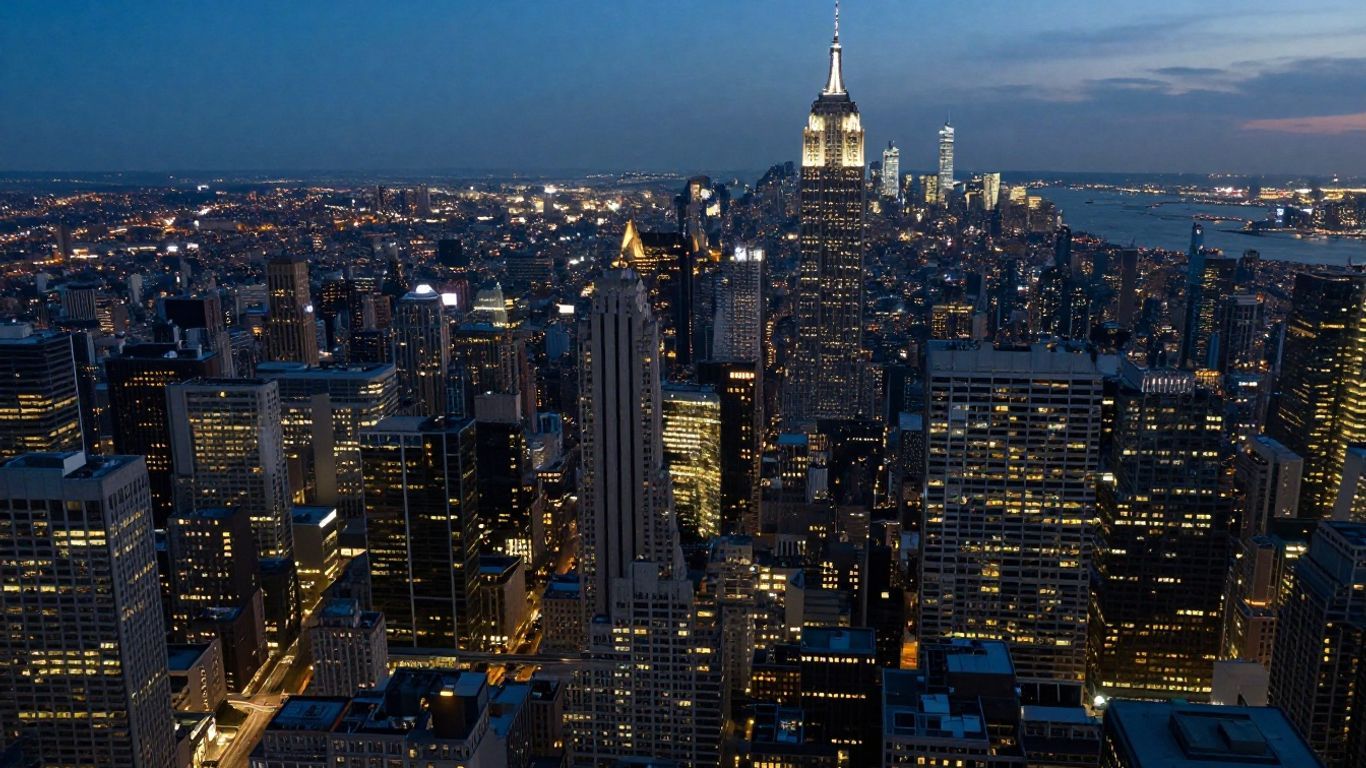
When we discuss the most prominent urban centers in the U.S., we're truly examining the places that serve as pivotal drivers of the nation's economy, culture, and innovation. Far more than mere population clusters on a map—these are bustling hubs where emergent trends frequently originate and where millions navigate their daily routines. Indeed, an analysis of the projected population numbers for 2026 reveals that a handful of cities consistently maintain their position at the apex.
New York City: A Global Metropolis
It comes as no surprise that New York City continues to be the preeminent populated urban area in the country. With its iconic skyline, a vibrant tapestry of diverse neighborhoods, and its pivotal role in global finance, fashion, and the arts, NYC consistently draws individuals from every corner of the globe. The sheer density of its population, coupled with its palpable, ceaseless energy, fashions an urban experience virtually unparalleled globally. New York City continues its reign as the most populated urban center in the U.S., exhibiting consistent, steady growth.
Los Angeles: A Sprawling Urban Hub
Los Angeles presents itself as an expansive urban sprawl, renowned for its extensive influence and profound impact on the entertainment industry. It truly is a melting pot where numerous cultures converge, forging a distinctive atmosphere. The city's sheer scale often translates into considerable travel times, yet it presents a lifestyle highly appealing to those seeking abundant sunshine and myriad creative opportunities. Furthermore, the rapid advancements in technology and information technology are notably influencing how individuals live and work within these substantial urban centers.
Chicago: The Midwest's Economic Powerhouse
Chicago stands as a preeminent economic powerhouse in the Midwest. It's a city boasting a storied history, iconic architecture, and a formidable presence across diverse industries, including finance, manufacturing, and transportation. Its strategic central location positions it as a vital hub for commerce and a sought-after destination for both residents and enterprises alike. The city's population, though not matching the sheer scale of New York or Los Angeles, remains notably substantial, thereby cementing its role as a critical contributor to the national urban fabric.
Here's a concise overview of how these top cities compare:
| City | Estimated Population (2026) | Key Characteristic |
|---|---|---|
| New York City | ~8.8 million | Global Finance & Culture |
| Los Angeles | ~3.9 million | Entertainment & Diversity |
| Chicago | ~2.7 million | Midwest Economic Hub |
Indeed, these urban centers are far more than mere concentrations of residents—they are dynamic crucibles that invariably shape national trends and present unparalleled living experiences. Their continued growth and profound influence powerfully underscore their indelible importance within the United States' multifaceted fabric.
Population Dynamics Across Major US Cities
Cities are always in flux, aren't they? A close examination of projected population numbers for 2026 vividly illustrates the considerable fluidity of demographic patterns. The narrative, you see, extends beyond simply identifying the most populous cities—it now encompasses understanding the loci of growth and the underlying motivations driving these shifts. Notably, numerous localities are achieving unprecedented population milestones, with some even experiencing a welcome resurgence following protracted periods of slower development.
Demographic Trends and Influencing Factors
A confluence of factors is currently propelling population migration across the United States. Robust employment opportunities remain a significant draw, particularly within burgeoning sectors such as technology. Urban centers characterized by ample job markets generally attract greater numbers of residents. Furthermore, the increasing prevalence of remote work arrangements has enabled many to relocate from costly urban cores to more economically viable locales, often encompassing suburbs or even smaller towns. Consequently, elements such as living costs and climatic preferences are assuming heightened importance in individuals' residential decisions.
Migration Patterns and Climate Preferences
Evidently, the Southern and Western regions of the U.S. are proving to be considerable magnets for new residents. Urban centers within these locales, even those of mid-size, are exhibiting rapid growth. This phenomenon is frequently attributable to a confluence of factors: burgeoning job markets, comparatively lower living expenses, and generally more agreeable climates. The West, notably, continues its expansion across its major metropolitan areas, suggesting a sustained and inherent appeal.
Yet, the narrative isn't exclusively dominated by the South and West. Certain cities in the Northeast and Midwest, which perhaps experienced periods of subdued growth or out-migration historically, are now observing an increase in residents. Their prominent cities are recording modest but perceptible upticks, indicating that even established urban areas can indeed cultivate strategies to attract and retain populations.
Here's a concise overview of how different regions are performing:
- South & West: Generally experiencing the fastest population increases.
- Northeast & Midwest: Observing a resurgence in some larger urban centers, with modest, though welcome, growth.
- National Average: Varies considerably, but overarching trends point to continued movement towards warmer climates and areas with lower overall costs of living.
The methodologies for urban population enumeration have evolved considerably over time. What once relied on informed conjecture now benefits from meticulous demographic studies. While this progress can render historical comparisons somewhat intricate, it unequivocally underscores the significant shifts in residential preferences over the decades.
The Impact of Remote Work on Urban Living
The advent of remote work has, without question, fundamentally reshaped the urban landscape. Individuals are no longer geographically tethered to their physical workplaces. This newfound flexibility empowers many to seek locales offering an enhanced quality of life, often unburdened by the exorbitant costs associated with major downtown areas. Consequently, a noticeable trend involves relocation to smaller cities or even towns that, while potentially outside traditional urban cores, still offer reasonable commuting proximity or desirable amenities. Such a profound demographic reorientation is, in turn, influencing where developers choose to build and what kinds of housing are in demand—thereby forging novel patterns of growth and development nationwide.
Growth and Transformation in US Cities
Cities, in essence, are perpetually in motion, aren't they? The projected population landscape for 2026 clearly illustrates that growth isn't simply a linear phenomenon where the largest urban centers inevitably expand further. Instead, the contemporary demographic portrait unveils considerable flux and a diverse tapestry of motivations underpinning individual residential choices. Indeed, we are observing a spectrum of scenarios: some cities experiencing explosive growth, others witnessing a notable return of residents, and still others maintaining a relatively stable trajectory.
Population Growth and Decline Trends
It's often tempting, isn't it, to presume that all major cities are on an inexorable upward growth curve? Yet, such a generalization fails to fully encapsulate the nuanced reality. Some, undoubtedly, are experiencing a genuine boom, successfully attracting new residents with their robust job opportunities and vibrant cultural atmospheres. Conversely, others may be observing a more subdued pace of growth, or even a marginal downturn, as individuals increasingly prioritize diverse attributes in their residential locales. This inherent ebb and flow is, in fact, an entirely characteristic feature of dynamic urban environments.
- Booming Cities: These areas frequently boast strong economies, particularly within sectors like technology and innovation, and are drawing in a significant influx of new residents. One might visualize them with abundant new construction—and a notably youthful energy.
- Stable Cities: Some cities manage to maintain a consistent population over time. They often provide a healthy equilibrium of employment, amenities, and a comfortable lifestyle, often deliberately avoiding the rapid expansion observed elsewhere.
- Cities in Transition: These regions might be experiencing a slowdown or a marginal decrease in population. Such shifts could be attributed to various factors, including evolving job markets or higher living costs; however, it's equally plausible they are actively engaged in revitalization efforts.
The Impact of Rapid Urban Expansion
When a city experiences growth at such a swift pace, the effects are truly pervasive—they touch virtually every facet of urban life. Infrastructure strain, housing market changes, and evolving community identity are common outcomes. Roads and public transportation networks frequently struggle to keep pace with the heightened demand. An increased population invariably translates into greater demand for housing, which, in turn, can contribute to escalating property prices and rents. The inherent character of a city can subtly, yet profoundly, evolve as new residents introduce diverse perspectives and needs, enriching the urban tapestry.
The sheer numerical increase in residents—not merely the percentage growth—powerfully illuminates where the most profound population shifts are genuinely taking root. It serves as an unequivocal indicator of which areas are progressively cementing their status as major demographic hubs.
Shifting Demographics in Major Metropolises
The fundamental paradigm through which we conceptualize residential choices is undergoing a profound evolution. It's no longer solely contingent upon securing employment; individuals are now actively seeking locales that seamlessly integrate with their holistic lifestyle, promising a harmonious equilibrium of work, leisure, and community engagement. This necessitates that cities exhibit adaptability, offering more than mere commercial structures and residential blocks. Understanding the principles of Information Communications and Technology can be helpful in grasping how modern cities adapt to these changing needs. These large-scale population movements carry tangible and far-reaching consequences, demanding that cities diligently keep pace with escalating demands on infrastructure, housing, and essential services, while simultaneously presenting unparalleled opportunities for progressive development.
Regional Distribution of US Cities by Population
Cities in the Southern and Western Regions
The United States is, undeniably, a vast and diverse nation, and residential preferences profoundly shape its demographic landscape. Upon examining the most populous cities, a distinct trend becomes apparent: the South and West are experiencing a substantial influx of new residents. These regions frequently boast warmer climates and, historically, more accessible living costs when contrasted with some of the more established urban centers in the Northeast or Midwest. This combination has rendered them highly attractive locales for both individuals and families seeking new beginnings.
Numerous cities within these regions have, indeed, experienced remarkable growth. Consider, for example, metropolises such as Phoenix, Austin, and Charlotte. They've consistently grown, drawing individuals with compelling job opportunities and a generally desirable quality of life. What's more, it's not merely a matter of percentage points; rather, it powerfully underscores the sheer volume of individuals choosing to relocate to these thriving areas—a testament to their enduring appeal.
California's Dominance in Urban Centers
California, a prominent state within the Western region, distinctly stands out. It hosts several of the nation's most populous cities, including the expansive Los Angeles and vibrant San Diego. The sheer scale of these urban agglomerations ensures their consistent high ranking in terms of population. Even in the face of considerable living costs in certain parts of the state, California continues to attract residents, undoubtedly owing to its diverse economy and pervasive cultural influence. It is, indeed, a destination many aspire to call home, and that persistent aspiration invariably translates into substantial population figures.
Regional Characteristics and Economic Drivers
Distinct regions, naturally, exhibit varied rationales behind their respective population trends. The South, for instance, has experienced growth substantially fueled by a compelling combination of factors. More favorable tax policies in certain states and a generally business-friendly environment have successfully attracted numerous corporations, which in turn generate employment opportunities. The West, extending beyond California, similarly boasts robust economic engines, especially within the technology sector and other burgeoning industries. These economic opportunities are a major pull factor for people deciding where to settle down.
It's quite illuminating, isn't it, to observe how these regional disparities manifest? While the Northeast and Midwest possess older, well-established cities, the South and West are undeniably the epicenters of much of the nation's current population expansion. This significant shift influences everything from housing markets to infrastructure requirements across the entire nation. A nuanced understanding of these regional patterns genuinely helps paint a clearer, more comprehensive picture of the nation's demographic landscape. It is, undeniably, a dynamic situation, and closely monitoring these trends is absolutely key to discerning America's future trajectory. The way people transact and interact is also changing, with new technologies like blockchain changing payments becoming more common.
Navigating the Data: City vs. Metropolitan Population

Understanding Incorporated Places
When discussing a city's population, we are typically referring to the official, legally established boundaries of an incorporated place. One might conceptualize this as the legally defined municipal limits. The U.S. Census Bureau meticulously enumerates individuals residing exclusively within these specified boundaries. While this offers a straightforward method for gauging residency within a municipality's jurisdiction, it's important to recognize that this figure doesn't always encapsulate the complete picture of where individuals genuinely live and work.
Census-Designated Places Explained
Occasionally, one encounters figures pertaining to Census-Designated Places, or CDPs. These represent statistical areas designed to resemble legally incorporated places, yet they do not possess their own distinct municipal government. They are frequently utilized to delineate populated areas that, despite lacking incorporation, constitute significant demographic concentrations. The Census Bureau delineates these based on substantial local input, with the objective of accurately representing communities as they are locally perceived and understood.
The Distinction Between City and Metro Area
This is, perhaps, where the nuances become a bit more intricate—and, frankly, a good deal more insightful. A metropolitan area, frequently abbreviated as a metro area, represents a considerably broader conceptualization. It encompasses not merely the central city but also its surrounding suburbs and exurbs, which are economically and socially intertwined with the urban core. Indeed, individuals might reside in a suburb yet commute to the principal city for employment, engage in commerce there, or utilize its diverse services. These metro area figures give us a better sense of the true economic and social footprint of a major urban center.
<Here's a quick look at how these definitions can differ:
- City Proper: The population within the official city limits.
- Metropolitan Statistical Area (MSA): A core urban area plus its surrounding counties that have a high degree of social and economic integration with the core.
- Combined Statistical Area (CSA): Larger groupings of MSAs and adjacent micropolitan statistical areas that have overall economic ties.
It is paramount to discern which specific population metric one is examining when undertaking urban comparisons. A city, for example, might report a comparatively smaller population within its municipal limits, yet simultaneously constitute the heart of a massive metropolitan area numbering in the millions of residents. This crucial distinction profoundly aids our comprehension of both the scale of influence and the actual population concentration across diverse regions of the country.
The methodologies for urban population enumeration have evolved considerably over time. What once relied on informed conjecture now benefits from meticulous demographic studies. While this progress can render historical comparisons somewhat intricate, it unequivocally underscores the significant shifts in residential preferences over the decades.
For instance, an incorporated city might exhibit only modest growth within its official limits, yet its surrounding counties could be experiencing a substantial boom, rendering the overall metropolitan area's population considerably larger and more dynamic than the city proper figure might imply. This phenomenon is particularly accentuated with the proliferation of remote work, enabling individuals to reside further afield while maintaining strong connections to the urban core.
Wrapping Up Our City Exploration
In conclusion, we've comprehensively explored some of the most populous cities across the U.S., delving into the intricate dynamics driving their demographic landscapes. It's abundantly clear that perennial powerhouses such as New York City and Los Angeles retain their significant allure, yet we're also observing fascinating growth in other regions, particularly throughout the South and West. Factors such as robust job opportunities and the cost of living appear to be paramount considerations in individuals' residential choices. The diligent efforts of the U.S. Census Bureau in tracking these multifaceted changes are indispensable, aiding our understanding of the nation's ongoing demographic evolution. It truly is a dynamic demographic portrait, and closely monitoring these population trends provides us with invaluable insights into the unfolding narratives of communities all over America—offering a deeper sense of where we're collectively headed.
Frequently Asked Questions
What are the biggest cities in the U.S. right now?
The cities consistently holding the top spots in terms of population in the United States are New York City, Los Angeles, and Chicago. These massive urban areas serve as pivotal centers for employment, culture, and daily life for millions.
How do we know how many people live in each city?
The U.S. Census Bureau is tasked with the comprehensive enumeration of the nation's populace. They conduct a thorough decennial census every 10 years and also issue annual updates to track evolving demographic shifts. This meticulous data collection helps us identify which cities are experiencing growth or other changes.
Are the biggest cities always the fastest-growing ones?
Not necessarily! While major metropolises like New York continue to see population increases, many smaller cities, particularly in the South and West, are often growing at a much faster percentage rate. What's more, it's quite interesting to observe some cities that previously experienced population declines now beginning to rebound.
Where is the population growing the most in the U.S.?
Cities situated in the Southern and Western regions of the U.S. are currently experiencing the most significant influx of new residents. These areas frequently offer more abundant job opportunities and can present more affordable living costs compared to other parts of the country.
What's the difference between a city's population and its metro area population?
A city's population refers specifically to the individuals residing within its official, legally defined municipal limits. Conversely, the metro area population encompasses all the nearby suburbs and towns that are economically and socially connected to the central city, forming a broader urban agglomeration.
Why should I care about the biggest cities in the U.S.?
Understanding the dynamics of the largest U.S. cities provides invaluable insights into the nation's diverse cultures, prevailing economic trends, and intricate social fabrics. This knowledge is highly beneficial for travelers, businesses, and even policymakers involved in critical national decisions.


