
resources
Discover the Most Vibrant Cities in the UK: A Comprehensive Guide
09 Feb 2026

Thinking about a trip across the pond? The United Kingdom, a nation steeped in history and forward-thinking innovation, presents a remarkable array of distinctive cities, each possessing its unique character and allure. From bustling metropolises that anchor global economies to quaint, charming locales steeped in centuries of stories, a wealth of experiences awaits. This guide delves into some of the United Kingdom's most compelling urban centers, exploring their rich histories alongside their vibrant contemporary pulse. Indeed, this expansive nation, brimming with captivating narratives, finds its soul reflected profoundly in its diverse cities.
Key Takeaways
- London, as the UK's preeminent metropolis, serves as a pivotal global hub for both commerce and culture.
- Across the UK, urban landscapes eloquently blend ancient heritage with modern innovation.
- Industrial powerhouses such as Manchester and Birmingham, crucial during the Industrial Revolution, maintain their economic significance to this day.
- Every city throughout the UK possesses a distinct ambiance, shaped intrinsically by its historical trajectory and the diverse communities that call it home.
- A journey through these cities provides an invaluable insight into the nation's rich cultural tapestry and robust economic prowess.
Exploring the United Kingdom's Most Vibrant Cities
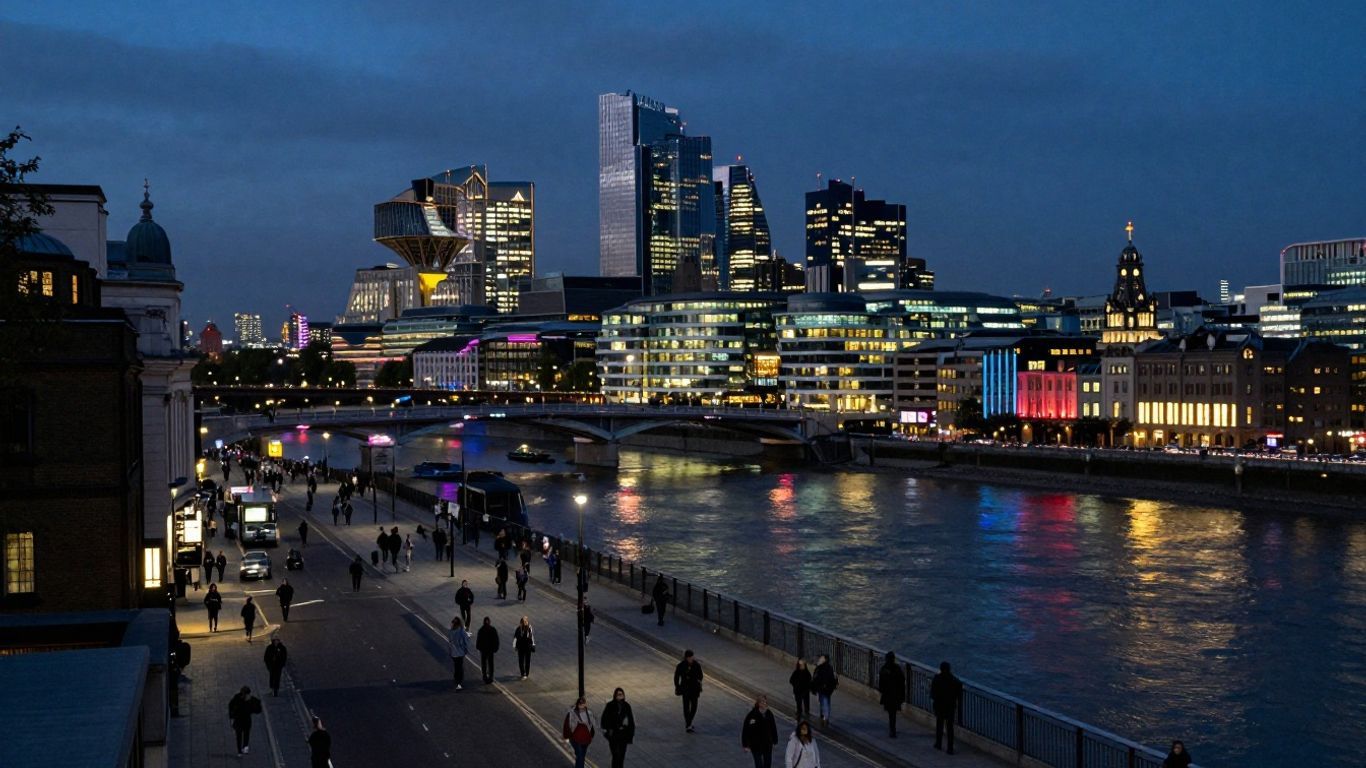
The United Kingdom is a tapestry woven with threads of history, innovation, and diverse cultures, and its cities are the vibrant patterns that bring it to life. From the sprawling metropolises that anchor global economies to the charming towns steeped in centuries of stories, each urban center offers a unique glimpse into the nation's soul. Join us as we embark on a captivating journey to discover some of the most dynamic and captivating cities across the UK.
London: A Global Hub of Culture and Commerce
London, the sprawling capital of England and the UK, stands as a titan on the world stage. Here, ancient history frequently brushes shoulders with cutting-edge modernity, forging an atmosphere truly unlike any other. Indeed, with a population now surpassing 9 million, it proudly stands not merely as the UK's largest urban center, but also as one of Europe's most profoundly influential. While iconic landmarks such as Buckingham Palace and the Houses of Parliament are undoubtedly central to its allure, London also boasts an incredible, perhaps unparalleled, array of world-class museums, theaters, and galleries designed to captivate every conceivable interest.
Yet, London's profound appeal extends far beyond its globally recognized landmarks. Every one of its countless neighborhoods, for instance, possesses its own distinct character, a veritable world within itself. One moment, you might find yourself exploring the trendy boutiques and vibrant street art of Shoreditch; the next, you're immersed in the gleaming, fast-paced financial district of Canary Wharf. This fascinating, constant interplay of old and new, of the traditional and the avant-garde, solidifies London's position as an undeniable powerhouse—a true global leader—in finance, fashion, and culture.
Despite its global stature, London retains a strong sense of local identity within its many distinct boroughs, each offering a unique slice of city life.
Here's a snapshot of what makes London so special:
- Economic Engine: A potent global financial center, it attracts businesses and top talent from every corner of the globe.
- Cultural Melting Pot: Home to inhabitants from virtually every nation, its diverse populace profoundly influences its unparalleled food, music, and arts scenes.
- Historical Richness: From the vestiges of Roman walls to magnificent royal palaces, tangible layers of history are discernible at every turn.
- Entertainment Capital: Offers a vast, almost overwhelming, selection of theaters, music venues, and vibrant nightlife options.
Manchester: Industrial Heritage Meets Modern Innovation
Manchester, a city brimming with character, proudly carries the enduring legacy of the Industrial Revolution—a pivotal past that has indelibly shaped its identity and undeniably paved the way for its remarkable present-day dynamism. Indeed, it has masterfully transformed itself from a veritable powerhouse of industry into a thriving, modern hub for culture, innovative business, and genuinely forward-thinking ideas. Its rich, visible history is palpable in its stunning Victorian architecture, in the repurposed grandeur of former textile mills, and along the very canals that once bustled with vital trade—many of these waterways and structures have, in fact, been ingeniously transformed into stylish apartments, innovative creative studios, and effervescent cultural spaces.
Fast forward to today, and Manchester stands proudly recognized as a pivotal player in the "Northern Powerhouse" initiative, an ambitious strategy expressly designed to invigorate the economy across northern England. Its impressive growth trajectory in technology, media, and the arts has firmly cemented its reputation as a true city of innovation. Beyond these significant economic and cultural contributions, Manchester is, of course, globally renowned for its passionately supported football clubs—Manchester United and Manchester City—each adding yet another dynamic layer to its already energetic spirit. Who could forget its legendary football rivalries?
- Victorian Architecture: Its enduring Victorian architecture eloquently showcases the city's profound industrial past.
- Creative Industries: Boasts a robust and influential presence across the creative industries, including media, technology, and the arts.
- Music Scene: Possesses a celebrated, long-standing reputation for its dynamic live music scene and the influential artists it has spawned.
- Sporting Hub: Serves as home to two of the globe's most iconic and passionately supported football clubs.
Birmingham: A Center of Diversity and Economic Growth
Nestled in the very heart of the West Midlands, Birmingham proudly stands as a compelling testament to the UK's rich industrial past, while simultaneously showcasing its impressive ongoing evolution into a modern, truly multifaceted city. Indeed, as the UK's second-largest city—boasting a population of over 1.1 million residents—Birmingham functions as a significant national center for business, culture, and education. Its strategic geographical location, coupled with robust local governance, has undeniably propelled its remarkable development, solidifying its position as a pivotal economic player. How has this transformation been achieved?
The city is, furthermore, celebrated for its remarkable diversity—a defining characteristic that profoundly enriches its cultural landscape and contributes immensely to its undeniably vibrant atmosphere. This rich blend of cultures is beautifully reflected across its varied and often innovative culinary scene, bustling markets, and myriad lively community events. Birmingham's unwavering commitment to regeneration and strategic development continues to actively shape its promising future, consistently attracting vital investment and fostering a dynamic, forward-looking urban environment.
| Aspect | Description |
|---|---|
| Population | Over 1.1 million residents |
| Economic Focus | Key center for business, manufacturing, and retail |
| Cultural Identity | Known for its diverse population and vibrant arts scene |
| Urban Development | Significant investment in regeneration projects and infrastructure |
Birmingham's compelling journey, from its foundational industrial roots to its current esteemed status as a diverse and economically significant city, profoundly highlights the inherent adaptability and resilience characterizing urban centers across the UK.
Discovering Scotland's Urban Gems
Scotland, a land renowned for its breathtaking landscapes, also boasts a magnificent pair of cities, each offering distinct yet equally compelling experiences for the discerning visitor. While Edinburgh proudly holds the distinguished title of capital, Glasgow, Scotland’s largest city, presents a markedly different kind of energy—one profoundly shaped by its formidable industrial past and now, a truly thriving contemporary arts scene.
Edinburgh: A Historic Capital of Culture
Edinburgh, Scotland's venerable capital, is unequivocally a city that wears its illustrious history with immense pride and grace. Perched majestically on the east coast, it presents a captivating tableau where ancient, imposing castles gracefully meet—and often coexist with—elegant Georgian architecture. Indeed, a stroll through the city often evokes the sensation of stepping back in time, particularly along the renowned Royal Mile, that historic thoroughfare connecting the formidable Edinburgh Castle at its summit to the stately Palace of Holyroodhouse at its base. The castle itself—its origins stretching back an astounding 900 years—offers not only commanding panoramic views but also an immersive deep dive into Scotland's profound and often dramatic past.
Beyond its wealth of historical landmarks, Edinburgh truly shines as a vibrant hub for arts and culture. It is, notably, famous for its world-renowned August festivals, events that annually transform the entire city into an exhilarating global stage for performers and artists of every conceivable stripe. Furthermore, the city boasts a formidable literary heritage, a distinction that has deservedly earned it the evocative nickname, "Athens of the North." And for those seeking a touch of rugged nature amidst the urbanity, Arthur's Seat—a striking volcanic peak nestled within the city limits—offers truly breathtaking panoramic views.
- Key Attractions: From the iconic Edinburgh Castle and historic Royal Mile to the regal Palace of Holyroodhouse, not forgetting the natural grandeur of Arthur's Seat and Calton Hill.
- Cultural Highlights: Experience the unparalleled Edinburgh Festival Fringe, the electrifying Hogmanay (New Year's Eve) celebrations, or delve into its rich past with specialized literary tours.
- Atmosphere: A captivating blend of historic grandeur, elegant sophistication, artistic vibrancy, and an undeniable liveliness, especially pronounced during the renowned festival season.
Edinburgh's unique topography, with its dramatic hills and volcanic rock formations, has shaped its distinctive urban landscape and contributed to its enduring charm.
Glasgow: From Industrial Powerhouse to Cultural Epicenter
Glasgow, Scotland's largest city, is majestically situated along the banks of the River Clyde. It proudly carries a robust industrial heritage, a legacy vividly evident in both its distinctive architecture and the resilient spirit of its people. Nevertheless, Glasgow has quite remarkably reinvented itself, emerging as a vibrant, leading center for arts, music, and cutting-edge design. Indeed, the indelible influence of visionary architect and designer Charles Rennie Mackintosh is discernible throughout the city, lending a truly unique aesthetic touch to its urban fabric.
Art aficionados, for instance, will discover an abundance to explore, ranging from the vast and eclectic collections housed at the renowned Kelvingrove Art Gallery and Museum to the sleek, modern displays at the Riverside Museum, which captivatingly chronicles the city's rich transport history. The Burrell Collection, splendidly set within the verdant Pollok Estate, represents yet another indispensable visit, housing an impressive, even staggering, array of art and historical artifacts. Adding to its cultural accolades, Glasgow was also deservedly recognized as the first UNESCO City of Music, boasting legendary venues such as The Barrowlands and King Tut's Wah Wah Hut, which have hosted countless, unforgettable performances.
- Must-See Museums: Explore the diverse offerings of Kelvingrove Art Gallery and Museum, the innovative Riverside Museum, and the exquisite Burrell Collection.
- Artistic Influence: Discover the pervasive legacy of Charles Rennie Mackintosh's distinctive designs, exemplified in sites like the Willow Tea Rooms and the Glasgow School of Art.
- Music Scene: As a proud UNESCO City of Music, its vibrant scene is epitomized by iconic venues such as The Barrowlands and King Tut's Wah Wah Hut.
Indeed, Glasgow's remarkable transformation from a heavy industrial center to a flourishing cultural hotspot stands as a powerful testament to its dynamic and continuous evolution. And for those navigating the city, its unique subway system—affectionately dubbed the "Clockwork Orange" due to its distinctive color and circular route—offers a quirky yet notably efficient means of getting around.
Unveiling Wales's Captivating Cities
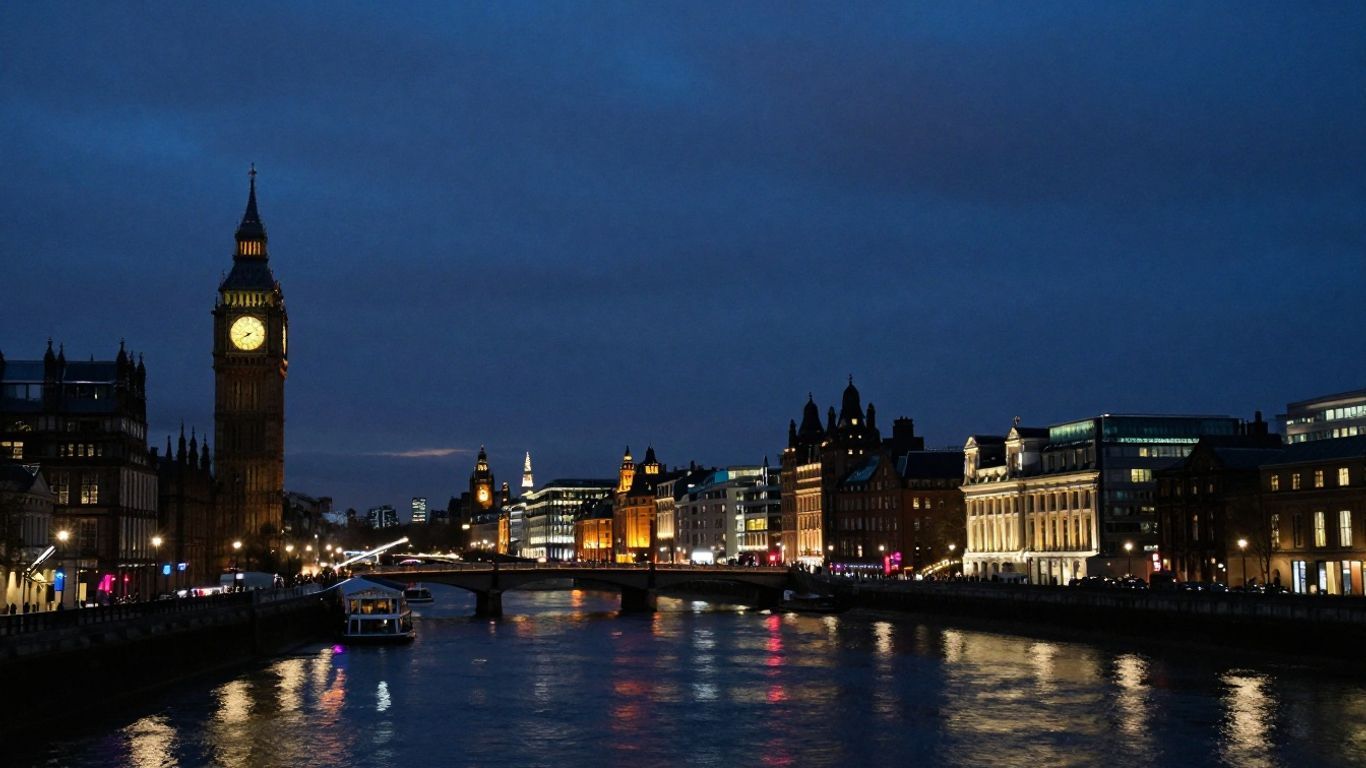
Cardiff: A Welcoming Capital with Rich Heritage
When contemplating the United Kingdom's most vibrant urban centers, Wales's dynamic capital, Cardiff, invariably comes to mind. It is, undeniably, a city that beautifully blends its deep historical roots with an energetic, forward-looking spirit. One can almost palpably feel the layers of history when strolling around the magnificent Cardiff Castle—a site that has borne witness to Roman, Norman, and Victorian eras. Yet, it's not merely a collection of ancient stones; rather, the castle grounds themselves represent a truly living, breathing piece of history.
Cardiff has undergone a remarkable transformation, particularly evident around its picturesque waterfront. What were once utilitarian old docks now constitute a lively, attractive area brimming with contemporary shops, diverse dining establishments, and ample entertainment options. This revitalized area proudly houses the iconic Wales Millennium Centre, a significant performing arts venue that draws enthusiasts from far and wide—a clear testament to Cardiff's enthusiastic embrace of culture and modern urban life.
Navigating Cardiff, fortunately, proves quite straightforward. The compact city center is notably walkable, with many of the primary attractions conveniently situated in close proximity. For destinations further afield, such as the vibrant Cardiff Bay, public transport options like buses and trains offer easy, efficient access. This inherent accessibility significantly enhances its welcoming ambiance for all visitors.
Here are a few highlights you won't want to miss:
- Cardiff Castle: Delve into its ancient walls and absorb its fascinating, millennia-spanning history.
- Wales Millennium Centre: Consider catching a world-class show, or simply pause to admire its striking architectural grandeur.
- Cardiff Bay: Savor the contemporary delights of the waterfront, complete with its array of shops and restaurants.
- National Museum Cardiff: Uncover the rich tapestry of Welsh art and natural history.
- St. Fagans National Museum of History: Embark on a captivating journey back in time at this expansive open-air museum, which beautifully showcases Welsh life through the ages.
Beyond its well-known tourist attractions, Cardiff is also experiencing impressive growth as a burgeoning center for business, media, and technology. This compelling fusion of old and new, of profound culture and robust commerce, renders it a truly dynamic and engaging place. It is, in essence, a city that deeply respects its storied past while proactively constructing its promising future, thereby offering an unparalleled experience for every visitor.
The Enduring Appeal of England's Historic Cities
England is gracefully dotted with historic cities, each offering a palpable sense of stepping back in time—stories, indeed, etched deeply into their very stones. These urban centers are far more than mere collections of old buildings; they are, in fact, living museums that collectively offer an invaluable, unique window into the nation's layered past.
Liverpool: Echoes of Music and Maritime History
Liverpool's compelling narrative is inextricably tied to the sea and to the unforgettable sounds that have perpetually echoed from its historic docks. For centuries, it served as a preeminent major port—a vital gateway for people and goods alike—thereby profoundly shaping its identity as a bustling, distinctly outward-looking city. This rich maritime heritage remains vividly visible in its impressive waterfront architecture, most notably exemplified by the iconic Royal Albert Dock, a cherished UNESCO World Heritage site. Yet, Liverpool is perhaps most universally renowned for its unparalleled music scene, particularly as the undisputed birthplace of The Beatles. The city enthusiastically celebrates this enduring legacy, offering numerous museums, landmarks, and dedicated tours focusing on the legendary Fab Four. Beyond its musical prowess and maritime history, Liverpool boasts a vibrant cultural life, featuring excellent museums and galleries—many of which, remarkably, offer free entry.
- Maritime Heritage: Delve into its historic docks and magnificent waterfront, gaining a deeper understanding of Liverpool's pivotal role in global trade.
- Musical Legacy: Immerse yourself completely in the iconic world of The Beatles and the many other influential musicians who hail from this city.
- Cultural Hub: Uncover a thriving, dynamic arts scene, complete with world-class museums and galleries that cater to every taste.
York: A Journey Through Centuries of English History
York is truly a city where history isn't merely present; it is, quite wonderfully, palpable—a living, breathing entity. As you wander through its narrow, cobbled streets, one can almost conjure the phantom clatter of Roman sandals, the boisterous shouts of Viking traders, and the solemn whispers of medieval monks. The city's most iconic feature, its magnificent Minster, stands as a breathtaking Gothic cathedral that has proudly dominated the skyline for centuries. Its medieval city walls, remarkably well-preserved, provide a splendid vantage point from which to view the city from above, offering an immediate sense of its formidable defensive past. Indeed, York's history is a rich, intricate tapestry woven from distinct Roman, Viking, and medieval threads, collectively rendering it a truly captivating and historically resonant destination.
The city's layout and many of its buildings still reflect its long and varied past, from Roman foundations to Viking settlements and medieval grandeur.
Bath: Georgian Elegance and Roman Antiquity
Bath, in stark contrast, offers a distinctive kind of historical charm—one elegantly defined by its exquisite Georgian architecture, beautifully juxtaposed with the profound remnants of Roman life. The city is, of course, justly famous for its iconic, honey-colored Georgian townhouses, meticulously constructed during a period of immense prosperity and significant social change. The magnificent Royal Crescent and The Circus stand as prime, indeed unparalleled, examples of this distinctive architectural style, showcasing a refined and remarkably harmonious urban design. However, Bath's history delves far, far deeper, extending back to its very Roman origins. The remarkably preserved Roman Baths complex stands as a powerful testament to the city's ancient beginnings as a preeminent spa town. Today, discerning visitors can explore these truly fascinating ruins, thereby gaining invaluable insights into Roman Britain. The city's pleasingly compact size, moreover, renders it effortlessly explorable on foot, inviting you to fully immerse yourself in its unique, tranquil atmosphere.
| Historical Period | Key Attractions |
|---|---|
| Roman | Roman Baths, Temple of Sulis Minerva |
| Georgian | Royal Crescent, The Circus, Pulteney Bridge |
| Victorian | Bath Abbey (restored) |
These historic English cities, each possessing its own distinct and captivating character, collectively provide an invaluable glimpse into the UK's richly layered past. They continue, quite rightly, to draw countless visitors with their impeccably preserved landmarks, profound cultural narratives, and the simple, yet deeply satisfying, pleasure of walking through streets that have silently witnessed centuries of human experience. Isn't it remarkable how these places still tell their stories?
The Evolving Landscape of UK Cities
The urban centers of the UK are in a perpetual state of flux, their ongoing evolution a truly fascinating spectacle to behold. Far from being static points on a map, they are, in fact, living, breathing entities—dynamic organisms that continuously grow, adapt, and transform over time. This ceaseless evolution is propelled by a complex interplay of demographic shifts, the adoption of innovative ideas, and the ever-present shifts within the national economy. Ultimately, it's a profoundly dynamic process that shapes not only the physical appearance of our cities but also, more importantly, the very lives and aspirations of the people who proudly call them home.
Population Dynamics and Urban Growth
Among the most significant forces continuously shaping UK cities is, undeniably, their intricate population dynamics—specifically, the sheer number of inhabitants and their diverse origins. Over the past few decades, a discernible and steady trend has emerged: a persistent migration of people towards urban areas. This phenomenon is not simply about cities expanding in size; crucially, it's about them growing significantly in cultural diversity. Individuals are consistently drawn to urban centers by the promise of employment, educational opportunities, and the irresistible, pervasive buzz of city life. This constant influx, however, necessitates that cities constantly adapt and evolve, presenting a considerable and ongoing challenge for urban planners and residents alike.
- Increased Urbanization: An unprecedented number of individuals are opting for urban living, actively seeking enhanced opportunities and vibrant, dynamic lifestyles.
- Migration's Role: Both international arrivals and intricate internal migration patterns within the UK contribute substantially to both population growth and an enriched cultural tapestry.
- Infrastructure Demands: Naturally, burgeoning populations exert considerable pressure on critical infrastructure, including housing, transport networks, and essential public services, thereby demanding meticulous planning and sustained investment.
The constant movement of people into and out of cities creates a complex social fabric. It's a balancing act between accommodating new residents and maintaining the character of established communities.
Economic Powerhouses and Innovation Hubs
Unquestionably, cities serve as the dynamic engines of the UK economy. They represent the pivotal locations where businesses are conceived, flourish, and consistently attract vital investment. Consider, for instance, London's undeniable stature as a global financial center, or Manchester's impressive strides in the realms of technology and media. However, these urban powerhouses aren't solely defined by financial might; they are also vibrant hubs for creativity and the incubation of groundbreaking new ideas. Such robust economic activity naturally generates abundant jobs and opportunities, thereby attracting even more individuals to their energetic centers.
Below, we offer a glimpse into how some of these cities contribute to this national economic vibrancy:
| City | Key Economic Strengths |
|---|---|
| London | Finance, Technology, Creative Industries |
| Manchester | Media, Digital Tech, Advanced Manufacturing |
| Birmingham | Manufacturing, Engineering, Professional Services |
| Edinburgh | Finance, Tourism, Technology |
| Glasgow | Advanced Manufacturing, Life Sciences, Creative Industries |
Cultural Diversity and Heritage Preservation
As UK cities continue to grow and draw individuals from every corner of the globe, they inevitably become incredibly diverse—a beautiful mosaic of humanity. This rich confluence of cultures introduces a vibrant array of new foods, music, art forms, and fresh perspectives, rendering these cities undeniably more interesting and truly lively. Simultaneously, there's a concerted and significant effort underway to meticulously preserve the rich heritage that imbues these places with their distinctive specialness. From stately old buildings to revered historical sites, urban authorities and communities are actively striving to keep their past alive, even as they enthusiastically embrace the future. Ultimately, it is this exquisite blend of old and new, of myriad different cultures flourishing side-by-side, that bestows upon UK cities their truly unique and compelling character.
Wrapping Up Our UK City Tour
Thus, we've journeyed through—and indeed, celebrated—some of the United Kingdom's most compelling cities, from the bustling, cosmopolitan streets of London to the timeless, historic charm of places such as York and Bath. Each urban center, distinct in its narrative and ambiance, presents something truly unique and memorable to its visitors. Whether your interests lie in profound history, vibrant culture, delectable cuisine, or simply the captivating general atmosphere, rest assured there's a UK city awaiting your discovery, eager to be explored. Which one will it be? We sincerely hope this comprehensive guide has sparked numerous ideas for your forthcoming travels, illustrating just how much incredible variety awaits discovery across this remarkable nation. Happy travels!
Frequently Asked Questions
What makes London the most crowded city in the UK?
As the UK's capital and a paramount global center for business and culture, London continuously attracts a significant influx of individuals seeking career opportunities and vibrant cultural experiences, consequently making it the most densely populated urban area.
How did cities like Manchester and Birmingham help the UK grow?
Manchester, renowned for its textile production, and Birmingham, celebrated for its manufacturing prowess, were both absolutely pivotal during the Industrial Revolution. Their advanced factories and machinery were instrumental in fostering the UK's substantial economic growth and prosperity during that transformative era.
What part do Glasgow and Edinburgh play in Scotland?
Glasgow, transitioning from its industrial heritage, now thrives as a significant hub for business and the arts. Edinburgh, conversely, captivates tourists, boasts prestigious educational institutions, and hosts numerous financial entities. Collectively, these two dynamic cities are essential to Scotland's vibrant economy and rich cultural landscape.
Why are Liverpool and Bristol important for the UK's history with the sea?
Both Liverpool and Bristol served as critical maritime ports for shipping and trade throughout history. Their strategic coastal locations were instrumental in establishing the UK as a dominant force in global navigation and international commerce.
Are there many cities in the UK?
Indeed, the UK is home to 75 official cities. While London uniquely encompasses two—the historic City of London and the City of Westminster—an additional 73 distinct cities are spread throughout England, Scotland, Wales, and Northern Ireland, each awaiting discovery.
What's the main reason UK cities are so diverse?
The remarkable diversity of UK cities primarily stems from centuries of global migration, as people have consistently relocated there for work, trade, and residency. This rich tapestry of human experience introduces a wonderful array of foods, music, art, and traditions, thereby enriching urban life and rendering these cities wonderfully vibrant and exciting.


