


resources
Innovative Strategies for Improving Public Transportation in Urban Environments
11 Mar 2026

The daily commute in our bustling cities can often feel like a formidable challenge, can't it? Navigating traffic congestion, enduring crowded public transport, and simply figuring out the most efficient way to reach your destination can certainly feel like an intricate puzzle. But what if there were more intelligent, integrated approaches to optimize public transportation for everyone? This article delves into several innovative concepts and established methodologies aimed at enhancing urban public transit systems, ultimately making our daily journeys smoother and our cities more vibrant and livable.
Key Takeaways
- Broadening the geographical coverage and increasing the operational frequency of public transport services represents a significant stride. When buses and trains are reliably available precisely when and where individuals need them, more residents will naturally choose these options over personal vehicles.
- The adoption of technology, such as real-time tracking applications and mobile payment systems, substantially streamlines the public transport experience, rendering it less stressful and more user-friendly.
- Many cities are progressively incorporating eco-friendly vehicles, like electric buses, and simultaneously improving infrastructure for walking and cycling. This dual approach effectively reduces urban pollution and contributes to a more pleasant urban environment.
- Strategic urban planning that centers development around transit hubs—allowing people to live, work, and shop without heavy reliance on a car—is an astute strategy for mitigating traffic and amplifying the utility of public transportation.
- Actively soliciting feedback from public transport users and maintaining transparent communication regarding planned changes are crucial steps in building community trust and ensuring the system evolves to better serve its patrons.
Enhancing Public Transportation Networks
A robust public transportation system truly serves as the backbone of any thriving urban center. It's far more than just a means of conveying people from one point to another; it's about forging connections between communities, stimulating local economies, and rendering urban life more accessible and genuinely enjoyable for all residents. When we discuss improvements to these vital networks, our focus extends to several interconnected areas that collectively aim to position transit as a genuinely appealing choice.
Expanding Service Coverage and Frequency
One of the most direct and impactful ways to elevate public transit is by simply offering more of it. This entails extending existing bus routes to embrace previously underserved neighborhoods and significantly increasing the frequency of bus and train services, particularly during those demanding peak hours. Expanded coverage means a wider demographic can access transit, and higher frequency translates to minimal waiting times, making it a much more practical choice for daily commutes.
- Wider Reach: The extension of existing lines into suburban areas and emerging developments.
- Increased Trips: Operating services more frequently, especially during the crucial morning and evening commute windows.
- Extended Hours: Providing late-night or early-morning services to accommodate shift workers or attendees of special events.
Improving Reliability and User Experience
Beyond merely having more services, it's paramount that individuals can depend on them. Reliability, after all, is absolutely key. This comprehensive effort involves ensuring that schedules are consistently met, vehicles are diligently maintained, and the entire journey remains comfortable and stress-free. Consider essential factors such as:
- On-Time Performance: Implementing sophisticated systems designed to keep services running precisely according to schedule.
- Comfort and Cleanliness: Diligently maintaining vehicles and stations to guarantee a pleasant and inviting environment for passengers.
- Accessibility: Ensuring that all stations and vehicles are readily usable for individuals with disabilities, parents navigating with strollers, and our elderly population.
Making public transit dependable and pleasant to use is just as important—arguably even more so—as expanding its physical reach. People will invariably choose transit more often if they know they can rely on it and anticipate an enjoyable journey.
Integrating Multimodal Transport Systems
Public transportation, by its very nature, does not exist in isolation. It achieves its greatest efficacy when seamlessly integrated with other modes of travel. This necessitates creating fluid connections between buses, trains, subways, bike-sharing initiatives, and even pedestrian walkways. Think, for a moment, about the ease with which one can switch from a train to a bus, or securely park a bicycle at a transit station. This level of integration renders the entire transportation network more efficient and inherently user-friendly. For instance, enhanced urban planning can foster transit-oriented development, where residential areas and businesses are strategically built around major transit hubs, thereby simplifying car-free living for many residents.
Leveraging Technological Innovations
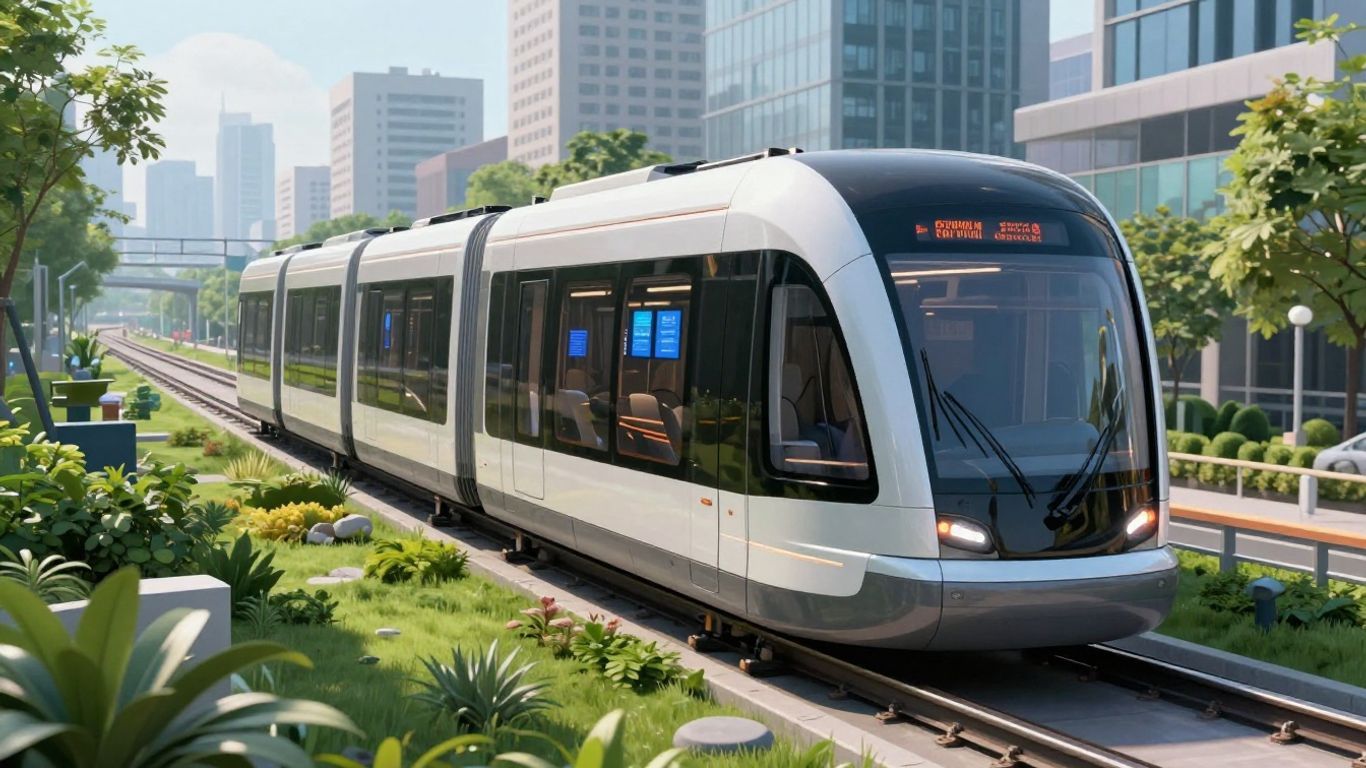
Increasingly, cities are turning to advanced technology to optimize public transport for everyone. It's no longer solely about moving from point A to point B; it's about making that journey smoother, more predictable, and far simpler to manage. The thoughtful integration of smart technologies is fundamentally reshaping how we interact with urban mobility systems.
Implementing Real-Time Information Systems
Imagine knowing precisely when your bus or train will arrive, right down to the minute. Real-time information systems transform this vision into a tangible reality. These sophisticated systems utilize GPS tracking on vehicles combined with advanced software to furnish passengers with up-to-the-minute updates on service status, potential delays, and accurate estimated arrival times. This level of transparency not only helps to alleviate passenger anxiety but also allows for more effective journey planning.
- Mobile Apps: Dedicated applications that provide live tracking, comprehensive route planning capabilities, and immediate service alerts.
- Digital Displays: Prominently placed screens at stops and stations that continuously show live arrival times and essential service updates.
- Web Portals: Online platforms offering similar real-time information, conveniently accessible for desktop users.
Providing accurate, easily accessible information is absolutely key to fostering trust and, ultimately, encouraging more people to opt for public transport.
Adopting Contactless Payment Solutions
Fumbling for loose change or contending with outdated magnetic stripe cards can noticeably impede boarding processes and create frustrating queues. Contactless payment options—such as tap-to-pay functionality with credit/debit cards, integrated mobile wallets, or dedicated smart cards—can dramatically accelerate the boarding process. This innovation not only significantly enhances operational efficiency for the transit agency but also delivers a more convenient and seamless experience for passengers.
- Reduced Boarding Times: A faster flow of passengers directly translates to quicker overall trip durations.
- Increased Accessibility: Simplifies usage considerably for both tourists and infrequent riders.
- Data Collection: Offers invaluable insights into prevalent travel patterns, which can then be leveraged for precise service optimization.
Utilizing Smart Traffic Management
All too often, public transport vehicles find themselves caught in the very same traffic congestion as private automobiles. Smart traffic management systems employ a combination of sensors, cameras, and sophisticated data analytics to continuously monitor traffic flow in real-time. They can then dynamically adjust traffic light timings to grant priority to buses or trams, helping them adhere to schedules and effectively reducing travel times. This invaluable technology can also assist in rerouting vehicles around unforeseen congestion points.
| Technology | Benefit |
|---|---|
| Traffic Signal Priority | Significantly reduces delays for buses and trams |
| Predictive Analytics | Anticipates and actively mitigates potential congestion before it fully materializes |
| Dynamic Routing | Enables routes to adapt intelligently to real-time road conditions |
Adopting Sustainable Mobility Practices
Cities worldwide are grappling with the critical challenge of how to move vast numbers of people around without detrimentally impacting our planet. It's undoubtedly a significant undertaking, but thankfully, there are several intelligent and actionable strategies to address it. Here, we're talking about ensuring that our transportation systems not only facilitate efficient movement from point A to point B but do so in a manner that champions both environmental health and human well-being.
Transitioning to Eco-Friendly Vehicle Fleets
One of the most direct and effective ways to reduce pollution stemming from public transport is by progressively replacing older, fuel-intensive vehicles with cleaner alternatives. Envision electric buses, hybrid models, or even those powered by cleaner fuels like compressed natural gas. These advanced vehicles emit considerably fewer harmful pollutants, translating directly into cleaner air for everyone residing in the city. And it's not just about the environment; quieter electric buses, for instance, can also contribute to more serene and peaceful neighborhoods.
- Electric Buses: Produce zero tailpipe emissions, leading to a marked improvement in urban air quality.
- Hybrid Buses: Combine electric and traditional combustion engines to effectively minimize fuel consumption and emissions.
- Natural Gas Buses: Present a cleaner alternative to conventional diesel, characterized by significantly lower particulate matter emissions.
The shift to greener fleets isn't simply an environmental choice; it's a crucial investment in both public health and urban livability. Cleaner air means fewer respiratory ailments, and quieter streets contribute measurably to a more pleasant urban experience for all residents.
Promoting Cycling and Pedestrian Infrastructure
Encouraging people to transition from cars to bicycles or their own two feet constitutes another pivotal piece of this sustainability puzzle. This involves creating superior and safer infrastructure where they can do so. We need more protected bike lanes—lanes that don't abruptly vanish after a few blocks—and sidewalks that are sufficiently wide and meticulously maintained for everyone, including parents navigating with strollers and individuals using wheelchairs. Seamlessly connecting these paths to transit stops simplifies the integration of walking or cycling with a bus or train ride.
- Dedicated Bike Lanes: Physically separated lanes offer enhanced safety, thereby encouraging a greater number of people to cycle.
- Improved Sidewalks: Wider, well-lit, and fully accessible sidewalks make walking a genuinely comfortable and viable option.
- Secure Bike Parking: Providing ample and secure facilities for locking up bicycles at transit hubs and destinations is essential.
Integrating Transit-Oriented Development
This progressive approach centers on planning our cities so that residential areas, workplaces, and commercial establishments are all located in close proximity to public transport. Instead of sprawling suburbs where car ownership feels indispensable, we're actively promoting more compact, vibrant neighborhoods built strategically around train stations or major bus routes. This methodology ensures that people can easily walk, bike, or hop on transit for the majority of their daily needs. It effectively diminishes the necessity for extensive car journeys, alleviates traffic congestion, and fosters more dynamic and interconnected communities.
- Mixed-Use Zoning: Permitting shops, homes, and offices within the same geographical area demonstrably reduces daily travel distances.
- Density Around Transit Hubs: Encouraging higher concentrations of housing and employment opportunities near stations significantly enhances transit convenience.
- Pedestrian-Friendly Design: Streets thoughtfully designed primarily for people—not just cars—featuring amenities like benches and inviting public spaces.
Strategic Urban Planning for Mobility
Addressing Congestion Through Prioritization
Our cities are undeniably growing, and with that growth comes an increase in vehicles, more people, and all too often, more frustrating traffic jams. It frequently feels as though we're all caught in a perpetual, slow-moving line, doesn't it? Strategic urban planning is fundamentally about orchestrating movement smoothly, especially for public transport. This mandates making astute decisions regarding how we utilize our city's precious space and finite resources. We must grant public transit a distinct advantage, ensuring buses and trains aren't ensnared in the same debilitating traffic as every other vehicle. Consider dedicated lanes or signal priority—these seemingly minor adjustments can collectively make a monumental difference in how swiftly people can navigate the city using transit.
Here are some of the ways cities are actively tackling congestion:
- Dedicated Transit Lanes: Allocating exclusive road space for buses means they can bypass and effectively escape traffic jams.
- Traffic Signal Prioritization: When a bus or tram approaches an intersection, traffic lights can be intelligently programmed to change, allowing it to pass through more quickly.
- Promoting Active Transport: Making it both easier and safer for people to walk or cycle naturally reduces the sheer volume of cars on the roads.
When we meticulously plan our cities with efficient movement as a central tenet, we're not merely reducing traffic. We're simultaneously crafting more pleasant neighborhoods, breathing cleaner air, and injecting a little more tranquility into our daily lives. It's ultimately about cultivating a city that genuinely works for everyone, not just those behind the wheel.
Forecasting Future Demand and Needs
Cities, by their very nature, are not static entities; they are in a constant state of flux. Populations shift, employment landscapes evolve, and residents' transportation requirements are perpetually changing. This inherent dynamism is precisely why looking ahead is so critically important. We simply cannot plan solely for today; we must proactively envision what our city will resemble in 10, 20, or even 30 years' time. This forward-thinking process involves meticulously analyzing population trends, identifying where new housing and businesses are most likely to emerge, and discerning how people's travel habits might ultimately evolve. Understanding these prospective needs empowers us to construct a transportation system that is robustly prepared for whatever future challenges and opportunities may arise.
Effective forecasting typically encompasses a few pivotal steps:
- Data Collection: Systematically gathering comprehensive information on current travel patterns, projected population growth, and anticipated economic development.
- Trend Analysis: Astutely identifying discernible patterns and subsequently predicting how these might persist or transform over time.
- Scenario Planning: Constructing various plausible future possibilities and assessing how transportation needs might fluctuate within each imagined scenario.
Adapting to Shifting Population Densities
As urban centers expand, population densities rarely distribute themselves uniformly. Occasionally, specific areas experience dramatic increases in crowding, while others might, conversely, witness a decline. These shifts in density directly influence how people travel and the precise types of transportation they require. For instance, a rapidly burgeoning suburban area might necessitate improved bus connections to the city center, whereas a densely populated urban core could benefit from more frequent train services or enhanced pedestrian walkways. Effective planning must be sufficiently flexible to respond intelligently to these dynamic changes.
Consider these critical points when population density undergoes shifts:
- New Development Areas: Thoroughly assess the transportation requirements for newly developing or quickly expanding neighborhoods.
- Areas of Decline: Carefully evaluate how a reduced population might impact existing transit routes and their corresponding service levels.
- Connectivity: Ensure that areas of differing densities are robustly connected to one another and to key destinations such as employment centers and essential services.
It's somewhat akin to adjusting the flow of water within a complex plumbing system; as more people converge in one particular spot, you must ensure the underlying infrastructure can manage the increased pressure and that everyone can still efficiently reach their intended destination.
Fostering Public Engagement and Participation
Making public transportation truly work better for everyone in a city fundamentally hinges on attentively listening to the individuals who currently use it—or those who might potentially use it. It's not merely about deploying more buses or accelerating schedules; it's about meticulously constructing systems that genuinely align with the actual lives and diverse needs of city dwellers. This section explores how we can more effectively involve the public in shaping the future of their transit options.
Conducting Comprehensive Surveys and Feedback
To truly grasp what residents desire and require from their transit system, we must engage them directly. Straightforward surveys, whether administered online or distributed at stations, can provide an initial snapshot of public opinion. However, our approach needs to delve deeper than simply asking if they approve of the service. Questions should meticulously probe specific pain points, such as the accessibility of a stop, the comfort level of the ride, or how well schedules integrate with work or educational commitments. The analysis of this feedback is paramount. We cannot merely collect it; we must diligently interpret it to identify recurring issues. This invaluable data can then serve as a guide for implementing tangible service enhancements.
- Identify key areas for improvement: Are passengers expressing concerns about wait times, vehicle cleanliness, or the extent of route coverage?
- Quantify user satisfaction: Utilize precise rating scales to accurately measure the level of contentment with various facets of the service.
- Gather suggestions for new routes or services: Directly inquire about specific changes that would genuinely make a difference to users.
Collecting and—critically—acting on feedback isn't merely a desirable practice; it's an indispensable component of building a transit system that people inherently trust and consistently rely on. When residents witness their input leading to tangible changes, they are significantly more inclined to become regular riders and staunch advocates for public transit.
Engaging Diverse Stakeholder Groups
Public transit impacts everyone, yet different demographic groups invariably possess distinct needs. We must initiate dialogues with students, seniors, individuals with disabilities, daily commuters, and even those who do not currently utilize public transit. Each group offers unique and invaluable insights. For example, someone with mobility challenges might highlight accessibility issues that a typical commuter would never even perceive. Businesses, conversely, might offer perspectives on how transit could better serve their employees or customer base. Cultivating these broad connections helps to foster a more inclusive and, ultimately, more effective system. It's about ensuring no one is inadvertently overlooked in the comprehensive planning process. This expansive input can indeed lead to innovative solutions, perhaps even better connections for transatlantic logistics or demonstrably improved local travel experiences.
Ensuring Transparent Communication of Input
Once all this invaluable feedback has been meticulously gathered, it becomes absolutely vital to demonstrate to the public precisely what actions have been taken in response. Merely collecting opinions without any visible follow-through can quickly lead to widespread frustration and disengagement. Cities should clearly articulate how public input has influenced subsequent decisions. This might take the form of comprehensive public reports, regular updates posted on a transit agency's website, or even dedicated community meetings specifically designed to discuss the feedback received and the resulting strategic plans. Transparency, above all else, builds trust. When people perceive that their voices are genuinely heard and that their input has a tangible impact on the transit system, they are far more likely to continue participating actively and championing public transportation initiatives. This open and honest dialogue is precisely what transforms a transit system into a truly exemplary public service.
Optimizing Operational Efficiency
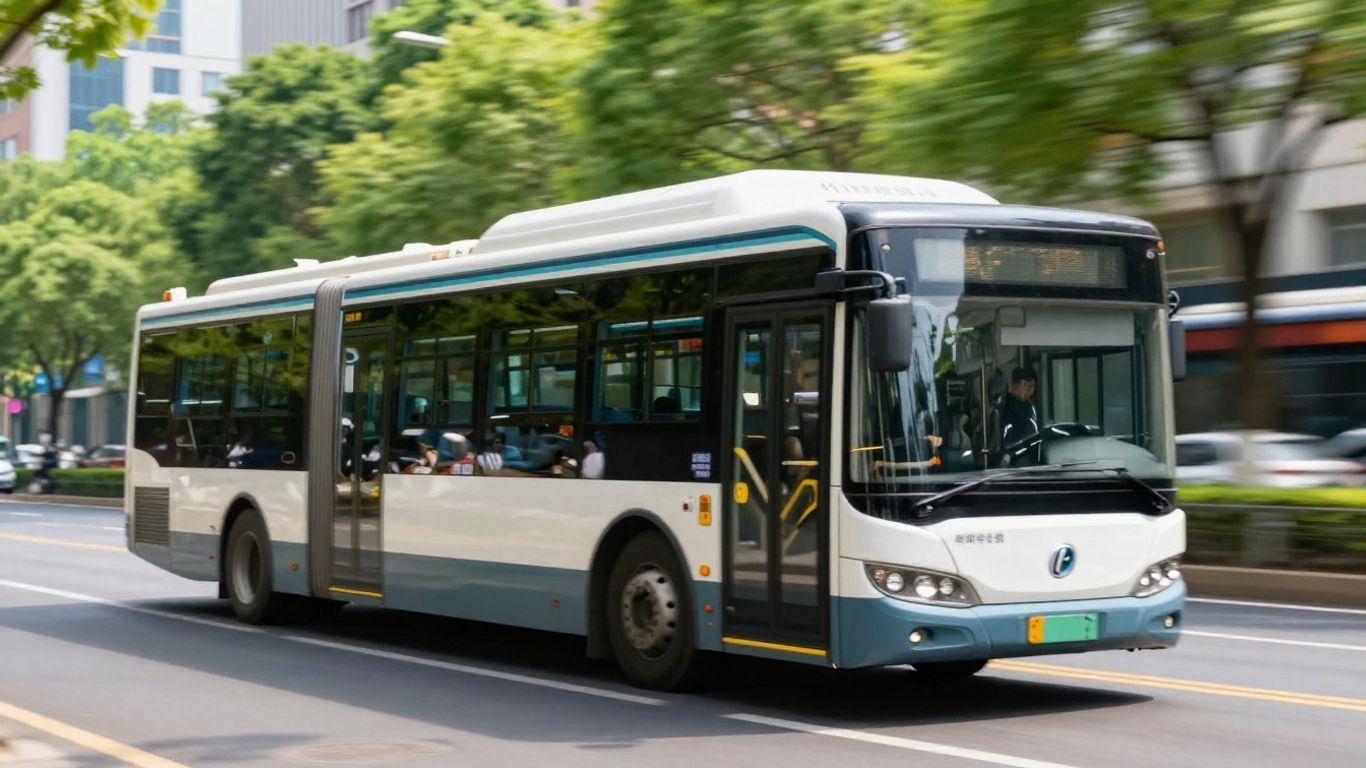
Making public transit function more effectively behind the scenes is every bit as crucial as enhancing its appeal to riders. It all boils down to meticulously fine-tuning how the system operates on a day-to-day basis to ensure it's both highly effective and judiciously conserves resources. This necessitates a close examination of how services are planned and delivered, and how we can better align them with the authentic needs of the population.
Matching Service to Evolving Demand
Public transit systems inherently require flexibility. What proved effective last year may very well be obsolete today, especially given the dynamic evolution of cities and shifts in people's travel habits. The core objective here is to become more intelligent about pinpointing when and where people truly require rides, and subsequently adjusting bus and train schedules to precisely match that demand. This isn't just about dispatching more buses during the traditional rush hour; it involves comprehending subtler shifts as well, such as the demand for late-night services or weekend excursions to burgeoning areas. How can we ensure our schedules are truly responsive?
- Data Analysis: Regularly scrutinizing passenger numbers, ticket sales, and even anonymized location data can reveal telling patterns. Where exactly are people boarding and alighting? When are the busiest periods? Are there specific routes that consistently operate under capacity?
- Dynamic Scheduling: Leveraging this data to construct schedules that possess greater adaptability. This might involve maintaining a core set of routes that operate continuously, with additional buses or trains that can be added or redeployed to different routes based on real-time needs.
- Demand-Responsive Services: For areas or times characterized by lower, less predictable demand, considering services that function more akin to a shared taxi model. Individuals can book a ride, and the system intelligently calculates the most efficient route to pick up multiple passengers.
The fundamental key is to transition away from rigid, unyielding schedules that might inadvertently over-serve certain areas while leaving others significantly wanting.
Developing New Service Provision Concepts
Occasionally, the conventional methods of operating buses and trains simply no longer suffice. We must embrace innovative thinking regarding how transit services can be delivered. This could involve exploring different vehicle types, rethinking the organization of routes, or even forging partnerships with complementary services.
- Microtransit: Utilizing smaller vehicles that offer more flexible routing, often conveniently booked via a mobile application, can effectively bridge gaps where traditional bus routes prove too costly or impractical.
- On-Demand Services: Similar in concept to microtransit, but potentially integrated more closely with primary transit hubs, acting as crucial feeders to larger train or bus lines.
- Partnerships: Collaborating with ride-sharing companies or local delivery services during off-peak hours could potentially leverage their existing vehicles and drivers to provide transit services in less busy areas, thereby significantly reducing operational costs.
Enhancing Level of Service for Passengers
Even the most impeccably efficient system will inevitably fall short if passengers find it unpleasant to use. Improving the 'level of service' means making the journey itself a more positive experience for passengers. This encompasses a broad spectrum, from the comfort of the ride to the ease of accessing information and completing payment.
- Comfort and Amenities: Cleaner vehicles, comfortable seating, fully functional heating and air conditioning, and reliable Wi-Fi connectivity can collectively make a substantial difference.
- Information Accessibility: Clear and intuitive signage at stops and stations, real-time arrival information that is easily accessible (via dedicated apps or digital displays), and prompt, helpful customer service.
- Speed and Reliability: While service frequency is undoubtedly important, ensuring that buses and trains consistently arrive on time and maintain a reasonable speed is equally critical. This involves implementing enhanced traffic signal priority for buses and establishing dedicated lanes wherever feasible.
Moving Forward: A Connected and Sustainable Urban Future
So, we've explored a comprehensive array of strategies cities can employ to significantly enhance public transportation. It's unequivocally clear that a thoughtful blend of smart technology, meticulous planning, and attentive listening to the public is the most effective path forward. Imagine electric buses silently gliding through city streets, intuitive apps providing precise arrival times, and seamless infrastructure encouraging walking or cycling to a nearby station. These aren't merely aspirational ideas; they represent practical, actionable steps that can genuinely alleviate traffic congestion and contribute to cleaner, more enjoyable urban environments. The crucial element is a commitment to continuous adaptation, leveraging robust data to inform judicious decisions, and actively involving everyone in shaping how we collectively navigate our cities. By collaborating and embracing these transformative changes, we can indeed construct urban transport systems that are not only inherently efficient but also truly serve the diverse needs of the people who depend on them, day in and day out.
Frequently Asked Questions
How can cities make public transport better for everyone?
Cities can elevate public transport by expanding bus and train routes to increase accessibility for more residents. Ensuring that services run with increased frequency and maintain punctuality is also paramount. Furthermore, simplifying the transition between different modes of transport—such as from a bus to a train—considerably enhances the user experience.
What new technologies are helping public transport?
Technology is indeed streamlining public transport usage! Applications that offer real-time tracking of your bus or train's exact arrival are immensely helpful. The adoption of contactless payment methods, like mobile phone payments or specialized smart cards, is also becoming commonplace. Additionally, smart traffic lights that communicate with buses can contribute to faster journey times.
How can public transport be kinder to the environment?
Cities are actively transitioning to buses and trains that consume less fuel or produce fewer pollutants. Consider electric buses or vehicles powered by cleaner alternative fuels! They are also prioritizing safer and more convenient infrastructure for walking or cycling to transit stops, which offers dual benefits for personal health and ecological preservation.
How does city planning help with traffic problems?
When cities are strategically planned, individuals don't need to undertake extensive journeys for their daily activities. Developing residential areas, retail spaces, and recreational facilities in close proximity, particularly near train stations or bus routes, reduces the necessity for personal car use. This approach ultimately facilitates easier movement for all urban inhabitants.
Why is it important for cities to listen to people about transport?
It is crucial for cities to understand public sentiment to develop the most effective transport systems. By engaging residents through surveys or community forums, city leaders can gain insights into what functions well and what areas require improvement. Transparently demonstrating how this feedback is utilized reinforces the value placed on every individual's opinion.
How can public transport run more smoothly?
To enhance the smooth operation of public transport, cities must continuously monitor passenger volumes and peak usage times. They can then judiciously deploy additional buses or trains during busy periods. Moreover, ensuring comfortable and secure journeys, coupled with readily available information for passengers, contributes significantly to overall system efficiency and satisfaction.


