
resources
Navigate Your World with Google Map Online: A Comprehensive Guide
26 Mar 2026

Google Maps has profoundly reshaped our interaction with the world around us, hasn't it? It's certainly evolved beyond merely providing driving directions. This remarkable online tool, often referred to simply as Google Maps, has become an indispensable companion for exploring new locales, efficiently locating businesses, and even visualizing a streetscape long before you arrive. Whether you're orchestrating a brief jaunt across town or embarking on an ambitious cross-country road trip, its myriad features are designed to streamline your journey. Let's delve into how you can truly maximize the potential of this incredibly versatile online map.
Key Takeaways
- Logging into your Google account on Google Maps unlocks a richer experience, offering features like restaurant reviews and menus, in addition to fundamental navigation.
- Leverage "glanceable directions" to keep crucial route details visible on your phone's lock screen, facilitating smoother and safer navigation.
- Virtually explore destinations using immersive Street View and even augmented reality capabilities, providing a more intuitive sense of your surroundings.
- Google Maps supports the creation of routes with multiple destinations—a boon for managing errands or deliveries—though do remember there's a limit to the number of stops you can add.
- Real-time traffic data and the ability to download offline maps are invaluable features for planning efficient travel and staying on course, even in areas without internet connectivity.
Getting Started With Google Map Online
Signing In For Enhanced Features
While you can certainly utilize Google Maps for basic navigational purposes without logging in, authenticating with your Google account truly expands the service's capabilities. Consider it akin to possessing a key that unlocks a more personalized and comprehensive experience. Without signing in, you're essentially operating in what's termed 'limited view mode.' In this mode, you'll still access maps and receive directions—undeniably useful for quick checks—but you'll unfortunately miss out on many of the nuanced details that elevate Google Maps from a simple tool to an indispensable assistant. For instance, you won't be able to peruse restaurant menus, ascertain if a particular establishment offers delivery, or read valuable reviews from fellow users. To quickly determine your sign-in status, simply look for your profile icon, typically situated at the top of the screen; if your name and picture aren't visible, a straightforward sign-in option will be readily available there.
Understanding Limited View Mode
Limited View Mode is precisely the experience you encounter when using Google Maps without the benefit of signing into your Google account. It's much like observing a map through a pane of glass—you can discern locations and procure directions from point A to point B. This mode is perfectly adequate for swift inquiries, such as pinpointing the fastest route to a new coffee shop or gauging the distance to the nearest park. However, it doesn't provide the complete picture. You won't gain access to those insightful user reviews that often determine whether a restaurant is truly worth a visit, nor will you find granular details like a store's extended opening hours. It’s functional, yes, but it undeniably falls short of delivering the full, rich Google Maps experience.
Using Google Maps without signing in is like having a basic roadmap. Signing in, conversely, equips you with the entire atlas, replete with invaluable annotations and your own personal notes.
Navigating Your Journey Effectively
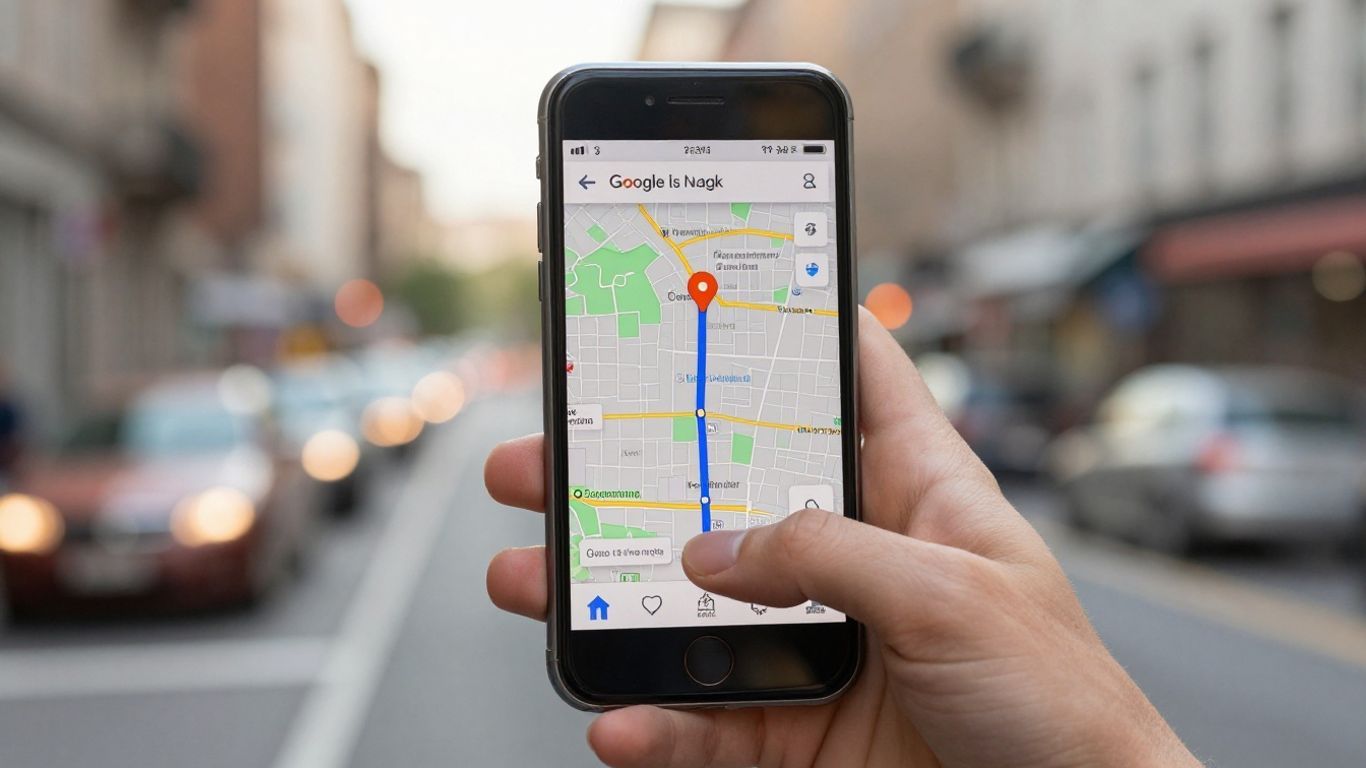
Getting from your current location to your desired destination is, at its heart, the primary function of any mapping application, and Google Maps excels in this regard. Yet, it's not merely about receiving directions; it's fundamentally about securing the optimal directions specifically tailored for your immediate needs. This section is dedicated to refining your travels, whether you're navigating your daily commute across the city or meticulously planning an extended road trip.
Utilizing Glanceable Directions
Once your route is established, Google Maps presents it in an intuitive format that's easy to follow without the constant need to fixate on your screen. You're provided with clear, concise turn-by-turn instructions, and crucially, it keeps you informed of upcoming maneuvers. This intelligent design allows you to keep your attention on the road more consistently. The feature is crafted so that a quick glance at your phone provides instant comprehension of the next action—perhaps "turn left in 500 feet" or "take the second exit at the roundabout." Such clarity proves incredibly beneficial, particularly when you're traversing unfamiliar terrain or contending with bustling intersections.
Planning Routes With Multiple Destinations
There are certainly times when your journey isn't a simple, linear start-to-finish affair. Perhaps you need to pick up groceries, drop off a package, or rendezvous with a friend before reaching your ultimate destination. Fortunately, Google Maps allows you to effortlessly incorporate multiple stops into your route. You can simply tap "Add destination" and input your subsequent location. What’s more, you have the flexibility to drag and drop these stops to reorder them if your plans spontaneously shift. This is an incredibly convenient method for consolidating several errands or waypoints into a single, efficient journey. Just bear in mind, a practical limit of ten stops is currently in place.
Leveraging Real-Time Traffic Data
Traffic congestion has the unfortunate capacity to transform a swift drive into a frustrating crawl. Google Maps combats this by utilizing real-time information to present you with current traffic conditions. You'll typically observe roads color-coded: red signifying heavy congestion, orange indicating moderate traffic, and green denoting clear passage. This invaluable data empowers the app to propose faster alternative routes should a significant delay lie ahead. By proactively reviewing this information before you depart and monitoring it throughout your trip, you can frequently circumvent major slowdowns and reach your destination more promptly. It's akin to having a well-informed co-pilot who possesses an intimate knowledge of all the shortcuts and actively steers you clear of gridlock.
Planning your route in advance, especially when dealing with multiple stops or navigating during peak hours, can genuinely spare you a considerable amount of hassle. Google Maps furnishes the essential tools for this, but a touch of personal preparation on your part truly contributes to a more pleasant journey.
Exploring Your Surroundings With Google Maps
Google Maps transcends its fundamental role as a mere navigation tool. It effectively serves as a virtual window to the world, readily available at your fingertips. You gain the remarkable ability to scout locations before your physical arrival, immerse yourself in the ambiance of a neighborhood, or simply sate your curiosity about the appearance of a particular spot.
Experiencing Augmented Reality Views
Can you imagine pointing your smartphone down a street and witnessing digital overlays of businesses, restaurants, and points of interest materialize directly on your screen? That's precisely what augmented reality (AR) views, or Live View as it’s sometimes called, can achieve. It proves particularly useful when you find yourself in a bustling urban environment and require immediate assistance in spotting a specific shop or landmark. This cutting-edge feature is currently available in select major cities globally, including hubs like New York, London, and Tokyo. To activate it, simply open Maps, tap the camera icon, and allow your phone to intuitively guide you.
Navigating Indoor Spaces
The frustration of getting disoriented within a sprawling shopping mall or a vast airport terminal is a common experience. Happily, Google Maps offers a solution here as well. For numerous large indoor venues, such as airports, train stations, and prominent shopping centers, you can access incredibly detailed indoor maps. Simply search for the location, tap on its entry, and then look for the 'Directory' option. Remarkably, some of these indoor spaces even support Live View, providing animated arrows that adeptly guide you through their intricate corridors.
Utilizing Street View for Virtual Exploration
Street View arguably stands as one of the most captivating avenues for exploration Google Maps offers. It delivers immersive 360-degree, ground-level imagery of streets across the globe. You can, for instance, virtually stroll down a charming street in Paris, examine a historic landmark in Rome, or even gain an understanding of what a remote hiking trail truly looks like. When using a desktop computer, simply drag the distinctive little yellow 'Pegman' icon onto the map; areas boasting Street View imagery will then illuminate in blue. On a mobile device, after locating a specific place, tap the small photo preview that appears to activate the feature.
Street View truly allows you to perceive places as if you were physically present, offering an unparalleled perspective even before you finalize your travel plans.
Here's a concise guide on how to engage with Street View:
- On Desktop: Search for your desired location, then drag the Pegman icon to a street highlighted in blue.
- On Mobile: Locate your destination, then tap the small circular photo positioned above the address to enter Street View.
- Moving Around: Utilize your mouse or finger to pan around the scene, and click/tap the directional arrows on the ground to advance forward.
It's worth noting that Street View imagery might not always be available for every single street. In such instances, user-submitted 360-degree photos can frequently bridge these gaps, furnishing you with an alternative means of visualizing a particular location.
Advanced Features and Tips for Google Map Online
Accessing Historical Street View Imagery
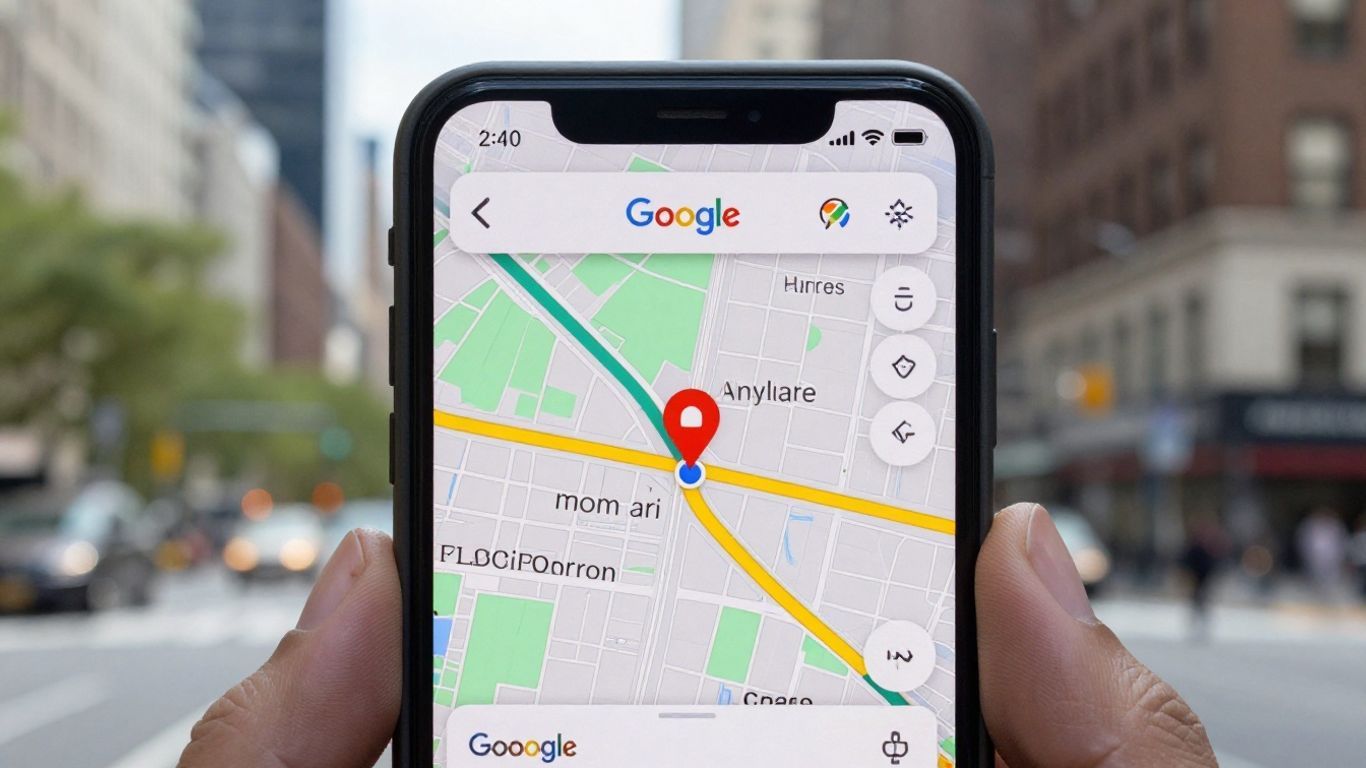
Did you know it's possible to peer into the past using Google Maps Street View? It's not exclusively for observing a location in its current state. In fact, you can journey back in time to witness how a place has transformed over the years. This feature proves incredibly useful for those researching a specific area, attempting to recall the appearance of a street from years gone by, or simply indulging a curiosity about local history. To experience this, just drag the iconic yellow Pegman icon onto a street within Street View. If historical imagery is available, a clock icon will materialize in the ensuing pop-up window. Click on it, and you'll be able to slide through various dates to observe the evolution of the surroundings.
Discovering User-Uploaded Photos
Beyond the official Street View images, Google Maps is brimming with photographs generously shared by individuals just like you. These candid pictures often impart a far more authentic, real-world sensation for a place than merely consulting a map. You'll encounter photos showcasing restaurants, parks, shops, and a myriad of landmarks. They frequently reveal intricate details, such as the interior ambiance of a cafe, the panoramic vista from a particular vantage point, or even the current menu offerings at an eatery. To explore them, simply click on a location on the map and navigate to its photo gallery. It’s an excellent way to genuinely grasp the essence of a place before you even set foot there.
Becoming a Local Guide
If you're a frequent user of Google Maps and enjoy sharing your experiences, you might consider becoming a Local Guide. This program allows you to accrue points for contributing valuable content—be it reviews, photos, or answers to questions about various places. The more you contribute, the higher your level ascends, potentially unlocking perks like early access to novel features or exclusive offers. It's a wonderful avenue to give back to the community and assist others in discovering exceptional spots. Furthermore, there's a certain satisfaction in knowing you're instrumental in helping people explore new destinations.
Sharing Favorite Places and Creating Lists
Have you stumbled upon a fantastic coffee shop or a beloved park? Google Maps offers the convenience of saving these cherished locations and organizing them into personalized lists. You can curate lists for diverse categories such as "Weekend Getaways," "Best Pizza Joints," or "Places to Visit in [Your City]." This functionality simplifies remembering your preferred spots and seamlessly sharing them with friends. When you discover a place you appreciate, merely tap the "Save" button and select the appropriate list for it. You even have the flexibility to designate lists as public or private, depending on your desired audience. It’s truly like having your own bespoke travel planner conveniently accessible in your pocket.
Understanding the Capabilities of Google Map Online
Google Maps is unequivocally more than just a provider of directions; it's a potent, multi-layered utility. Here are some fundamental aspects to keep in mind:
- Multiple Transportation Modes: Your travel options aren't confined solely to driving. Google Maps furnishes comprehensive directions for walking, cycling, utilizing public transit, and even integrating ride-sharing services. Each mode offers distinct route alternatives and estimated travel durations.
- Offline Map Functionality: Encountering an area devoid of internet access? No need to fret. You possess the ability to download maps for specific regions, enabling their use even when you're disconnected. This feature often proves to be a lifeline when venturing into locations with unreliable service or when striving to conserve mobile data.
- Benefits for Businesses: For business proprietors, Google Maps represents a phenomenal discovery platform. You can meticulously create a business profile, complete with photos, operating hours, and essential contact information, thereby simplifying the process for prospective customers to locate and learn about your services. It’s a pivotal element of contemporary online visibility.
Google Maps is in a state of perpetual evolution, consistently integrating new features designed to streamline exploration and navigation. Don't hesitate to click around and discover what new functionalities await. Many of the most practical tools are readily available, simply awaiting your exploration.
Understanding the Capabilities of Google Map Online
Google Maps transcends its fundamental role as a simple tool for getting from point A to point B. It stands as a robust platform, replete with a wide array of features that can assist you in numerous diverse situations. Let's delve into some of its core functionalities.
Multiple Transportation Modes
Modern travel isn't solely about driving anymore, and Google Maps insightfully recognizes this, offering comprehensive directions for various modes of transit. Whether you prefer walking, cycling, leveraging public transportation, or driving, you can access step-by-step instructions meticulously tailored to your chosen method. This ensures you receive the most pertinent routes, accurate estimated travel times, and even mode-specific information, such as precise bus numbers or thoughtful bike lane suggestions.
Offline Map Functionality
We’ve all experienced it: driving through an area with notoriously unreliable cell service, only for our navigation app to suddenly cease functioning. Google Maps provides an elegant solution to this common predicament. You have the foresight to download maps for specific geographical areas directly to your device beforehand. Consequently, even if your internet connection is lost, you can still seamlessly access the map, search for locations, and receive directions. It’s an indispensable feature when venturing into remote regions or simply aiming to minimize data consumption.
Benefits for Businesses
For businesses, Google Maps can truly be a transformative asset. It's far more than a mere listing of your address; it’s about ensuring your business is readily discoverable and easily accessible. Businesses can establish detailed profiles complete with operating hours, compelling photos, outlines of services, and even genuine customer reviews. Features like Street View allow potential patrons to embark on a virtual tour of your premises before their physical visit, furnishing them with a clear understanding of what to anticipate. This strong visual presence can significantly aid in attracting new clientele and keeping existing customers well-informed. It's a pragmatic way to truly place your business on the map, both literally and figuratively, and forge connections with individuals actively seeking what you offer. You can even utilize it to assess how your business appears to others, which is quite insightful. For further insights into how AI can augment services of this nature, you might explore Google's Gemini.
It's always prudent to remember that while Google Maps is an incredibly useful utility, maintaining a backup plan—especially for critical journeys—is a wise practice. Occasionally, the most direct route isn't always the optimal one, and unforeseen road closures can certainly occur. Possessing a general awareness of your immediate surroundings or having a secondary navigation method at hand can prove exceedingly helpful.
Wrapping Up Your Journey with Google Maps
So, there you have it. Google Maps unequivocally stands as an incredibly versatile tool, whether your aim is simply to pinpoint the quickest route to the grocery store or to meticulously orchestrate an extensive road trip. It has advanced considerably beyond merely displaying directions; today, it empowers you to visualize locations, identify specific spots within buildings, and even meticulously plan out multiple stops. While it may not offer a perfect solution for every conceivable situation—such as requiring more than ten destinations or addressing specific privacy concerns—it has undeniably streamlined the process of navigating the world for the vast majority of us. So, continue exploring, make the most of its innovative features, and here’s to many happy travels!
Frequently Asked Questions
Do I need to sign in to use Google Maps?
You certainly can use Google Maps without signing in, but doing so unlocks a much broader array of features. Without an associated account, you might miss out on valuable insights such as restaurant menus or user-generated reviews. Logging in enables you to save preferred locations and access more personalized, powerful tools.
What are Glanceable Directions?
Glanceable Directions are a smart feature that displays your route, estimated travel time, and upcoming turns directly on your phone's lock screen. This thoughtful design means you don't have to keep the main Google Maps app continuously open while you're in transit, fostering a safer and more convenient navigation experience.
Can Google Maps help me find places indoors?
Yes, absolutely! Google Maps is equipped to assist you in navigating within expansive buildings such as shopping malls, airports, and train stations. Some locations even offer a 'Live View' feature, which overlays animated arrows on your screen to guide you precisely to specific shops or gates.
How can I see what a place looked like in the past?
Google Maps' Street View feature holds a fascinating capability! You can often access historical images of a particular street or location by clicking on a clock icon within the Street View interface. This allows you to observe how areas have evolved over time, which can be an incredibly insightful and engaging experience.
What is a 'Local Guide' on Google Maps?
A Local Guide is a community member who contributes valuable information about various places on Google Maps, such as submitting reviews or adding photographs. By actively sharing, you can earn points and occasionally gain early access to new Google features. It’s an excellent way to support others and be recognized for your local expertise.
Can I use Google Maps if I don't have internet?
Indeed, you can! Google Maps provides the option to download maps of specific areas to your phone prior to your journey. This ensures that you can still obtain directions and navigate effectively, even when you find yourself in a location without an active internet connection.


