
resources
When Urban Comfort Systems Become Critical to City Performance in Melbourne
02 Apr 2026

As cities like Melbourne continue to evolve into more connected and data-driven environments, attention is often focused on digital infrastructure, transport networks, and energy efficiency. However, behind these visible systems lies a quieter layer of infrastructure that directly affects how cities function on a daily basis. Comfort systems, particularly those responsible for heating and hot water, play a fundamental role in maintaining stability across residential, commercial, and mixed-use developments.
In high-density areas across Melbourne and greater Victoria, even minor disruptions in these systems can lead to wider operational challenges. Offices slow down, residential satisfaction declines, and service-based businesses struggle to maintain continuity. As a result, developers and planners are increasingly recognising that these “invisible systems” are essential to how cities perform, scale, and maintain livability.
Urban Living Standards Depend on Consistent System Performance
Modern Australian cities are built around expectations of reliability. Residents and businesses assume that essential services, water, heating, and sanitation, will operate without interruption. This expectation underpins both quality of life and economic activity.
When these systems function consistently, they support everything from daily routines to large-scale operations. However, when performance becomes inconsistent, the effects are immediate. Tenants experience discomfort, businesses face downtime, and property managers are forced into reactive responses.
Maintaining system reliability is therefore not just a technical requirement but a key factor in sustaining urban living standards, particularly in fast-growing cities like Melbourne.
Heating Systems as a Core Part of Property Functionality
Heating and hot water systems are central to how properties function, especially during colder months in southern Australia. These systems influence tenant comfort, operational continuity, and overall building performance.
To reduce the risk of disruption, many developers and property managers prioritise working with providers offering hot water system specialists in Melbourne, ensuring that installations and maintenance align with modern usage demands and Australian standards.
Reliable heating infrastructure supports long-term property performance, helping prevent unexpected failures that could impact both residents and business operations.
Infrastructure Reliability and Economic Stability
Urban infrastructure is closely tied to economic performance. Cities that maintain reliable systems are better positioned to attract investment, support business growth, and accommodate population increases.
When infrastructure is stable, businesses can operate with confidence, knowing essential services will not interrupt their operations. This stability allows for smoother expansion and stronger long-term planning.
Infrastructure reliability is a key factor in economic resilience, particularly in rapidly growing urban environments where demand for essential services continues to rise.
High-Density Development and System Load
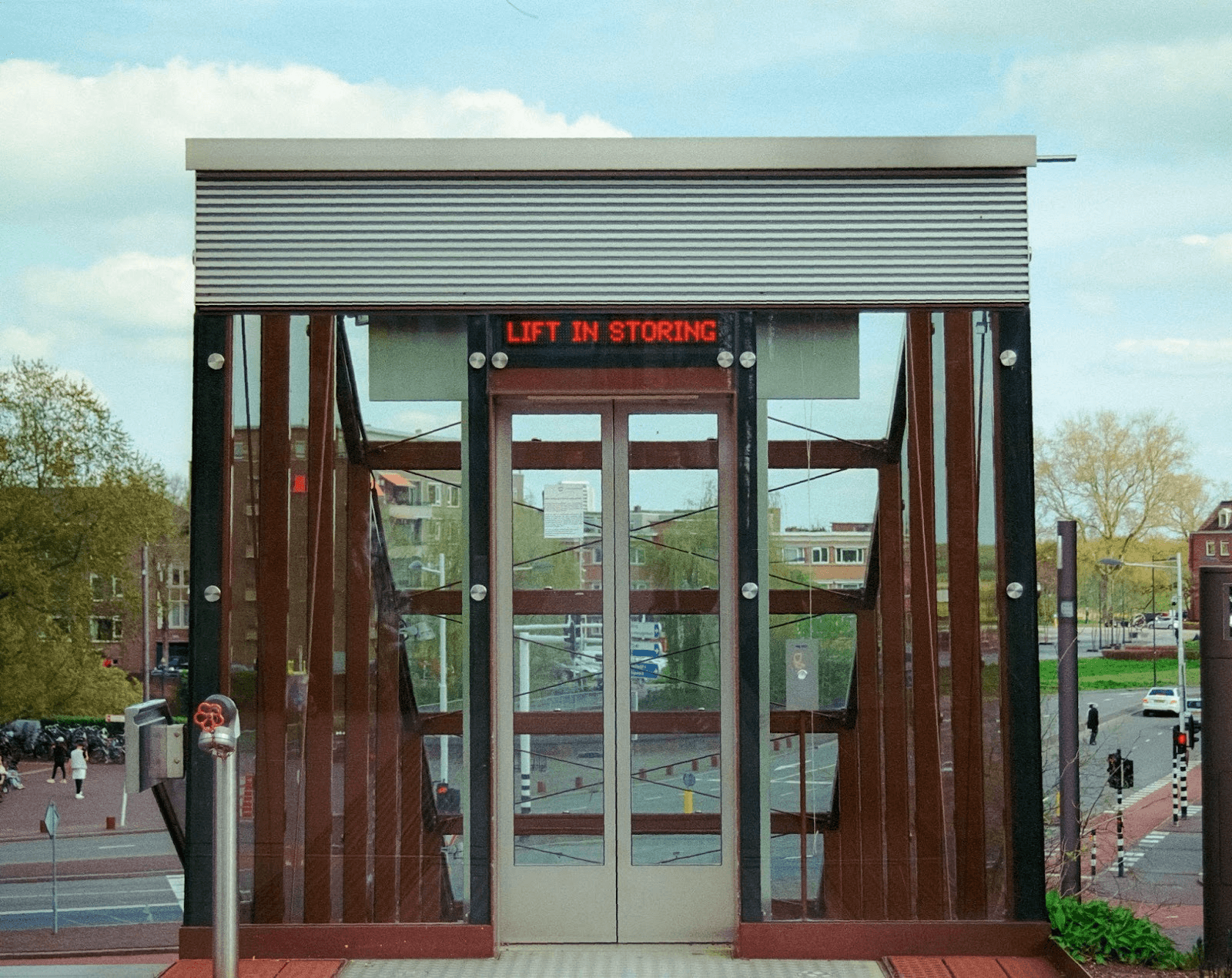
Melbourne’s ongoing urban expansion, including apartment developments and mixed-use precincts, places increasing pressure on infrastructure systems. As population density rises, heating and water systems must handle significantly higher demand.
This increased load can lead to inefficiencies, higher energy consumption, and more frequent maintenance requirements if systems are not properly designed or upgraded. Developers are responding by implementing higher-capacity systems and more efficient technologies that can support long-term urban growth.
Ensuring that infrastructure can handle these demands is critical to maintaining consistent performance across residential and commercial environments.
The Cost of Reactive Infrastructure Management
Reactive infrastructure management, addressing issues only after they occur, can create significant challenges for property owners and businesses. Emergency repairs are often more expensive, disruptive, and time-sensitive.
In contrast, proactive management focuses on maintaining systems before failures occur. This approach reduces operational risk, improves reliability, and supports long-term planning.
According to the Australian Government’s Your Home guide, proactive system maintenance plays a crucial role in improving efficiency, reducing costs, and supporting sustainable building performance. In urban environments, this shift from reactive to preventative strategies is essential for maintaining stability.
Data and Monitoring in Modern Infrastructure Systems
The integration of data-driven technologies is transforming how infrastructure systems are managed across Australian cities. Smart sensors, monitoring systems, and analytics tools allow property managers to track performance in real time.
These technologies provide early warning signs of potential issues, enabling faster intervention and reducing downtime. However, while data improves visibility, it must be supported by reliable physical systems that can withstand long-term usage demands.
Combining smart monitoring with strong infrastructure creates a more resilient and efficient urban environment.
Long-Term Planning and System Resilience
Urban resilience depends on long-term infrastructure planning. As Melbourne continues to grow, ensuring that systems can adapt to future demand is becoming increasingly important.
Heating and water systems, though often overlooked, play a critical role in this process. Their reliability directly influences how well cities can maintain service levels, support population growth, and respond to changing environmental conditions.
By incorporating these systems into long-term planning strategies, developers and city planners can create more stable and adaptable environments that support both current needs and future expansion.


