
resources
Bill Gates' Ambitious Smart City Project in Arizona: What You Need to Know
05 Feb 2026

Bill Gates is, without question, embarking on an ambitious endeavor in Arizona. His investment group has discreetly acquired substantial land holdings, laying the groundwork for an entirely new urban center named Belmont. This visionary city is envisioned to be replete with cutting-edge technologies, ranging from super-fast internet connectivity and autonomous vehicles to advanced systems for intelligent water and energy management. The prospect is undeniably futuristic, and honestly, it has sparked considerable discussion—generating both excitement about the possibilities and a degree of apprehension regarding its broader implications. So, how precisely will this groundbreaking smart city initiative in Arizona take shape?
Key Takeaways
- Bill Gates' investment group acquired a significant parcel of desert land in Arizona to develop a new city, Belmont, with a central focus on technological integration.
- Belmont is slated to feature advanced digital networks, self-driving transportation, and intelligent systems for water and energy, all aimed at fostering sustainability.
- The project endeavors to create employment opportunities, offer specialized training, and support local businesses, while concurrently addressing housing requirements.
- Valid concerns regarding data privacy and surveillance are being raised, necessitating the establishment of clear regulations and robust governance frameworks.
- Belmont is perceived as a potential paradigm for future urban development, characterized by innovative approaches and a commitment to long-term environmental objectives.
The Genesis Of A Smart City In Arizona
Strategic Land Acquisitions For Future Growth
It might surprise some observers, but the idea for this ambitious smart city project is not a spontaneous development. It commenced with a series of truly strategic land acquisitions. Back in 2017, Belmont Partners LLC, an entity linked to Bill Gates' investment fund, Cascade Investment, began discreetly acquiring large tracts of undeveloped desert land situated west of Phoenix, Arizona. We are discussing approximately 10,000 hectares—or about 25,000 acres—for an initial investment nearing $80 million. This acquisition transcended a mere purchase of vacant land; rather, it represented a calculated strategic maneuver to secure a pristine canvas for a completely novel kind of urban development. The availability of such an expansive, undeveloped canvas is paramount, enabling construction from the ground up, entirely unburdened by the usual constraints of existing infrastructure or pre-determined city layouts. This, crucially, allows for a truly integrated design from its very inception.
Collaborations With Urban Planning Experts
Once the land was secured, the subsequent phase involved articulating a clear vision for its development. This is precisely where the concept for Belmont truly began to crystallize. Rather than proceeding haphazardly, the developers enlisted a cohort of renowned urban planning experts and designers. The overarching goal was to create a comprehensive blueprint for a city that is not only modern but inherently forward-thinking. They have been meticulously crafting plans encompassing every element, from the layout of architectural structures to the modalities of urban transit. The core idea is to seamlessly blend living spaces, offices, and commercial areas in a manner that is both efficient and aesthetically pleasing. Indeed, one might conceptualize this as designing an entirely new community from scratch, with technology and sustainability intricately woven into its very fabric. This collaborative methodology aims to position Belmont as a definitive model for future urban living.
Why Arizona Was Chosen For This Vision
So, why Arizona? It was certainly not an arbitrary selection. Several compelling factors rendered this particular location exceptionally attractive for such a large-scale undertaking. Initially, the sheer abundance of undeveloped land proved to be a significant draw. Arizona's expansive desert landscape presented a clean slate, affording planners the unparalleled opportunity to design the city without the inherent limitations of existing urban sprawl—a factor that is, in fact, crucial when endeavoring to build something entirely new. Moreover, the prevailing climate boasts ample sunshine, presenting an ideal environment for harnessing solar energy, which stands as a key component of the city's sustainability objectives. Arizona also benefits from a burgeoning population and a conducive business environment, making it a sensible locale for investing in a long-term project of this magnitude. It truly is about finding a place where a bold vision has the optimal chance to succeed.
Building a smart city from the ground up requires a unique set of conditions. Access to large, undeveloped land parcels, a supportive environment for innovation, and the potential to integrate renewable energy sources are all critical elements. Arizona's landscape and economic climate presented a singularly opportune setting for such an ambitious undertaking.
Belmont: A Blueprint For Technological Integration
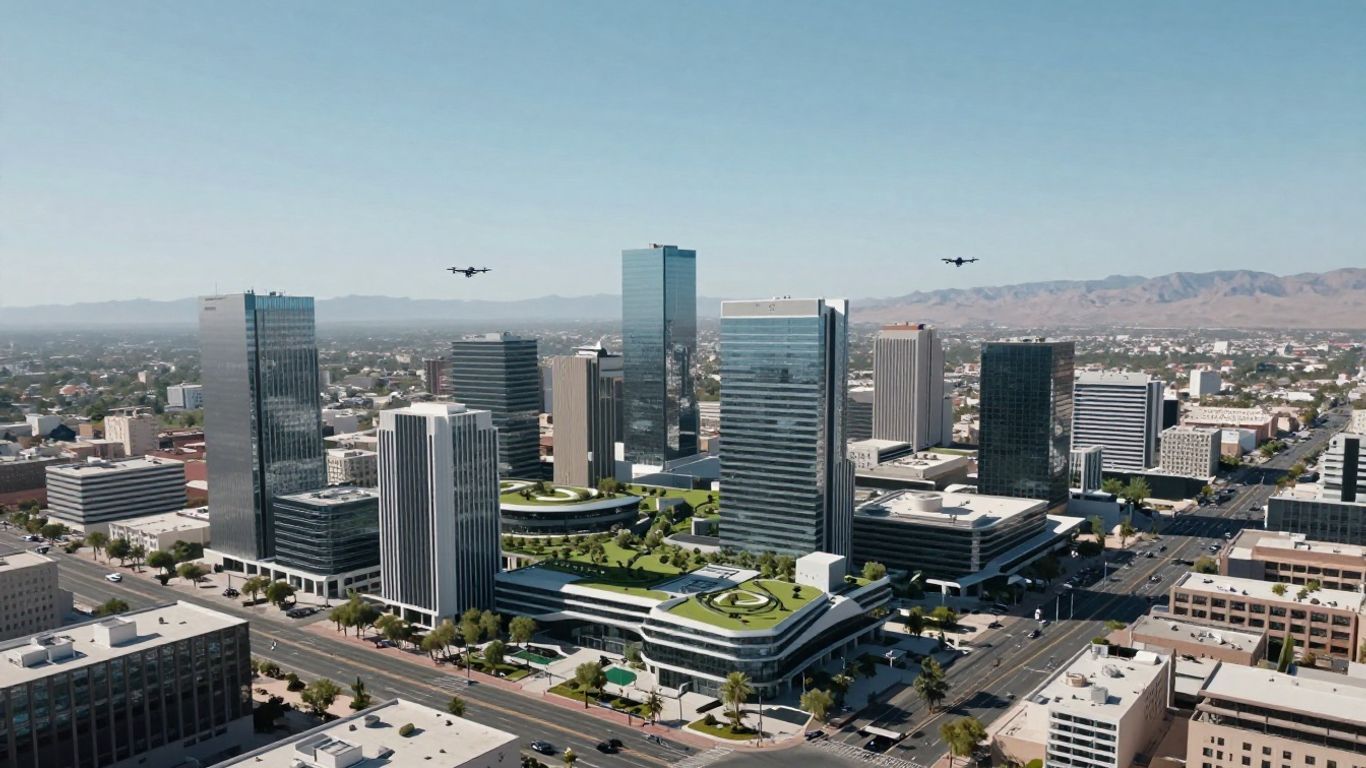
Belmont transcends the mere construction of dwellings and roadways; it embodies the creation of an urban environment that operates with the precision of a finely tuned machine, thoroughly powered by technology. The entire design revolves around making daily life smoother, more efficient, and interconnected. Indeed, envision a metropolis constructed from its very foundations with digital infrastructure as its core, rather than as a mere afterthought or add-on.
Core Technologies Powering The Community
The overarching vision for Belmont centers on a profoundly integrated technological framework. This signifies that from its earliest conceptualization, each facet of the urban environment is meticulously designed for intercommunication and synergy. The ultimate goal is to cultivate an environment where technology supports residents seamlessly, without becoming intrusive—making everyday tasks simpler and the city itself more responsive to the needs of its populace.
- IoT Sensors: Architectural structures, thoroughfares, and public spaces will be equipped with ubiquitous sensors to amass real-time data on everything from traffic flow and air quality to energy usage and infrastructure maintenance requirements.
- Civic AI: A centralized artificial intelligence system will process this data, facilitating the management of municipal services, optimizing resource allocation, and significantly enhancing public safety.
- Smart Grids: The city's power infrastructure will be inherently intelligent, capable of managing energy distribution with optimal efficiency, seamlessly integrating renewable sources, and dynamically responding to fluctuations in demand.
The master plan envisions a city where digital systems prove as foundational as traditional utilities like water and power, thereby creating a responsive and adaptive urban environment.
The Role Of High-Speed Digital Networks
Connectivity constitutes the vital circulatory system of any smart city, and Belmont is certainly no exception. The comprehensive plan calls for a robust, high-speed digital network that will serve as the indispensable backbone for all its advanced systems. This extends beyond mere high-speed internet access for personal devices; it encompasses enabling the intricate communication infrastructure indispensable for everything from autonomous vehicle operation to sophisticated urban management.
- Ubiquitous 5G/6G: Residents can anticipate pervasive access to the latest mobile network technologies, providing reliable and exceptionally fast connections throughout the entire city.
- Data Centers: Integrated facilities will be established to accommodate the substantial data processing demands of a city operating on real-time information.
- Digital Inclusion: Concerted efforts will be made to ensure all residents possess equitable access to these networks, thereby bridging the digital divide.
Embracing Autonomous Transportation
Transportation in Belmont is being conceptualized with a forward-looking perspective, placing a pronounced emphasis on autonomous vehicle technology. The city's layout and infrastructure are being planned to seamlessly accommodate self-driving cars, buses, and delivery systems, with the ultimate goal of mitigating congestion and enhancing the efficient movement of both people and goods.
- Dedicated Infrastructure: Roadways and traffic management systems will be meticulously engineered to safely integrate autonomous vehicles.
- Smart Traffic Management: Real-time data streams will be leveraged to optimize traffic signals and routing protocols, consequently minimizing travel times.
- Electric & Autonomous Fleets: The urban landscape is anticipated to showcase a substantial deployment of electric and self-driving vehicles for both public transit and personal use.
Sustainability And Resource Management In Belmont
Belmont isn't just about innovative technologies and ubiquitous connectivity; it's also designed with a profound focus on being environmentally considerate. Given its location in Arizona, a desert state, judicious resource management assumes paramount importance. The core philosophy is to create a city that utilizes its necessities with optimal efficiency and minimizes waste, aiming for a virtually closed-loop system—a truly ambitious undertaking, wouldn't you agree?
Advanced Water Recycling Systems
Water, an invaluable resource, is particularly precious in an arid desert environment. Belmont plans to employ a suite of advanced methodologies to ensure optimal utilization of every single drop. This comprehensive approach encompasses:
- Intelligent irrigation systems that dispense water precisely when and where it's needed, consequently curtailing evaporation.
- Strategic rainwater harvesting to capture and store any precipitation that does occur.
- The implementation of water-efficient landscaping, prioritizing native plants that inherently require minimal irrigation.
- Sophisticated recycling systems to treat and reuse wastewater for non-potable applications such as irrigation and various industrial processes.
This holistic approach is designed to substantially diminish the city's dependency on external water sources.
Harnessing Solar And Wind Energy
The energy demands of a modern metropolis are considerable, and Belmont is poised to leverage renewable sources to meet its energy requirements. The plan strategically involves generating a significant portion of its electricity right within the city's boundaries.
- Extensive solar farms are expected to serve as a primary source of power, capitalizing on Arizona's abundant sunshine.
- Wind turbines may also be strategically integrated, contingent upon local wind patterns and detailed feasibility studies.
- Smart grid technologies will be deployed to manage energy distribution with optimal efficacy, ensuring power reaches its destination without waste and seamlessly integrating various renewable sources.
The goal is to minimize the city's carbon footprint from the start.
Designing For Energy Efficiency
Beyond merely generating clean energy, Belmont is being designed from the ground up to optimize its consumption. This necessitates a holistic consideration of energy usage, encompassing everything from architectural design to transportation infrastructure.
- Architectural structures will integrate energy-efficient designs, such as superior insulation, smart windows, and high-efficiency lighting systems.
- Smart home technologies will empower residents to diligently monitor and proactively manage their energy consumption.
- The prioritization of public transportation and autonomous vehicles—which are inherently more energy-efficient than individual car use, particularly when powered by electricity—is a key strategy.
The entire infrastructure is being conceived as a system where resource utilization is meticulously tracked and optimized in real-time, making sustainability a core function rather than an afterthought.
This integrated methodology for resource management is pivotal to making Belmont a resilient and responsible urban environment for the future.
Economic And Social Dimensions Of The Project
Building an entirely new city from the ground up, as Belmont is aiming to do, isn't solely about advanced technology and sophisticated infrastructure. It's also a massive undertaking that requires profound consideration of its prospective residents—the people who will live and work there—and the subsequent evolution of its local economy. The whole idea is to foster an environment that is not only technologically advanced but also genuinely opportunistic and conducive to a high quality of life for its inhabitants.
Job Creation And Training Initiatives
Belmont is projected to generate a substantial volume of employment opportunities within the region, extending beyond the initial construction phase to its operational maturity. These roles will span various sectors, including technology, healthcare, education, and services. A crucial component of this vision entails the establishment of comprehensive training programs. The objective here is to equip local residents with the requisite skills for these burgeoning job markets, thereby ensuring the local populace can genuinely derive benefit from the anticipated economic growth. It truly is about cultivating a workforce prepared for the future.
Opportunities For Local Businesses
Rather than exclusively attracting large external corporations, Belmont endeavors to integrate existing local businesses within its burgeoning ecosystem. This translates into cultivating avenues for local entrepreneurs and small enterprises to furnish services, supply goods, and share their specialized expertise. Furthermore, the initiative is committed to nurturing nascent ventures, aiming for a diverse and robust local economy that benefits all involved. Ultimately, it champions a philosophy of synergistic growth.
Addressing Housing Needs
The provision of affordable housing stands as a paramount consideration for Belmont. The project plans to address this imperative by developing a diverse array of housing typologies, ranging from apartments to single-family homes. They are also exploring policies that would mandate developers to allocate a prescribed number of affordable units within new constructions. The aim is to ensure Belmont is accessible to people across different income levels, not exclusively catering to affluent individuals. Creating a community where people can afford to live and work is central to the project's vision.
The success of a smart city isn't measured solely by its technological advancements, but by its ability to create an inclusive and economically vibrant environment for its residents.
Consideration of several key aspects reveals:
- Job Growth: The anticipated creation of diverse employment opportunities spanning multiple sectors.
- Skills Development: Strategic investment in training programs designed to prepare the local workforce.
- Business Integration: Proactive support for local businesses to participate in and derive benefit from the burgeoning urban economy.
- Housing Diversity: Comprehensive plans encompassing a broad spectrum of housing options, specifically including affordable units.
- Economic Inclusion: The formulation of strategies to ensure the developmental benefits are equitably distributed throughout the community.
Navigating Challenges And Privacy Concerns
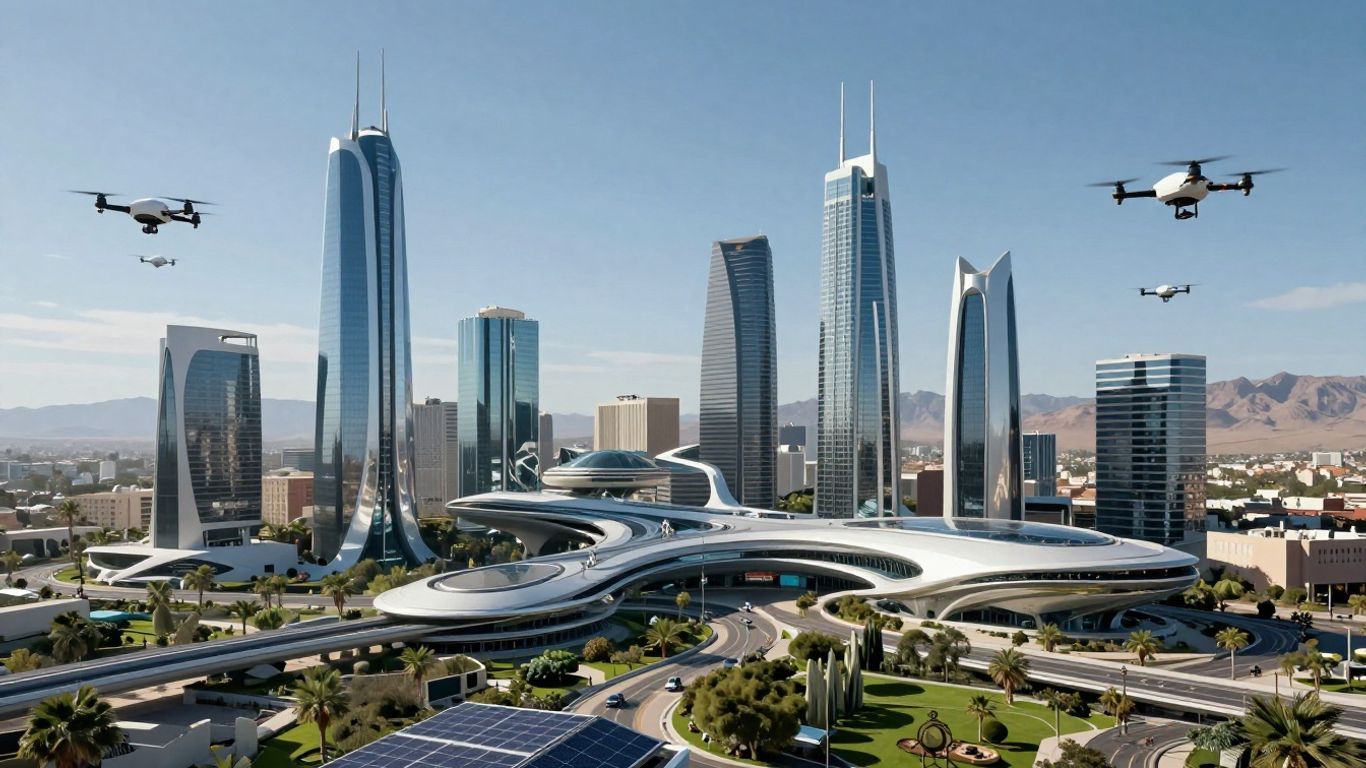
Building an urban center from the ground up with technology at its core raises several profound considerations. It extends beyond merely integrating sophisticated technologies and efficient operational systems; it mandates meticulous deliberation on how people will live and feel within this novel environment. Two major areas demanding careful thought are the critical domains of data control and individual privacy, alongside establishing transparent governance protocols for how everything operates.
Data Control And Surveillance Questions
Smart cities, by their inherent nature, amass a significant volume of data. Consider the ubiquitous sensors embedded in urban infrastructure, such as streetlights, traffic monitoring cameras, and energy consumption systems. All this data, of course, facilitates the seamless operation of municipal services, making traffic flow better or managing resources more efficiently. But it also raises legitimate concerns. Ultimately, the crucial questions arise: where does this accumulated data reside, and who possesses access privileges to it? Residents naturally seek clarity on what information is being gathered about them and how it's being utilized. It’s a delicate equilibrium between leveraging data to enhance life in Belmont and ensuring residents do not feel subjected to incessant scrutiny. The goal is to foster transparency regarding data collection—clearly articulating what's being monitored and why—so that people can cultivate trust in the system.
Establishing Clear Governance Rules
With such pervasive technology and extensive data, a robust governance framework to guide its utilization becomes indispensable. This entails creating clear rules establishing lines of authority, defining decision-making processes, and outlining protocols for addressing unforeseen contingencies. It’s about setting up a system that ensures fairness and accountability. This framework should, ideally, involve input from the people who will ultimately reside in Belmont, not just the developers or technology companies. Essentially, it’s like drafting the foundational "rulebook" for how the city’s digital and physical systems will cohesively interact.
- Transparency: Clear articulation of data collection methodologies and usage protocols.
- Consent: Empowering residents with choices concerning their personal data, wherever practicable.
- Security: Implementation of stringent measures to safeguard collected data against unauthorized access or breaches.
- Accountability: Clear delineation of responsibilities for data management and system operations.
Cultivating trust is indeed paramount. If residents do not feel secure about their personal information or lack a clear understanding of the city's operational mechanisms, the overarching concept of a smart city risks faltering. It's about ensuring technology serves human needs, rather than the inverse.
Learning From Past Urban Experiments
Any undertaking of significant scope, especially one as innovative as Belmont, can profoundly benefit from the lessons of prior endeavors. Other smart city initiatives around the globe have certainly encountered analogous challenges. Some have achieved success by prioritizing community requirements and maintaining candor regarding technological implementations, while others have contended with privacy concerns or insufficient public acceptance. By diligently studying these examples, the Belmont project can proactively mitigate common pitfalls. This includes understanding the judicious integration of novel technologies without disrupting established communities or inadvertently fostering new socio-economic disparities. Ultimately, it’s about building a city that’s not just technologically advanced, but also a truly desirable place for everyone to live.
Bill Gates' Vision For Urban Innovation
A Data-Driven Approach To Development
Bill Gates isn't merely investing financially in Belmont; he is profoundly engaged in shaping its strategic trajectory. The core philosophy centers on leveraging technology to address tangible challenges, such as optimizing resource management and streamlining urban transportation. This necessitates a significant focus on employing data-driven insights for decision-making. Envision, if you will, creating an urban environment where information guides every developmental phase—a place that possesses the capacity to learn and adapt in response to evolving circumstances.
Belmont As A Living Laboratory
Belmont is being designed as more than merely a residential locale; it is specifically intended to function as a living laboratory for novel urbanistic concepts. This approach facilitates the iterative experimentation and refinement of technologies and urban planning strategies prior to their broader application. It represents an unparalleled opportunity to discern the efficacy and limitations of various approaches within a real-world context.
The goal is to create a community that serves as an exemplary model, showcasing how technology can enhance urban living through pragmatic applications.
Potential Impact On Future City Planning
Projects like Belmont could profoundly influence the conceptualization and construction of future urban centers. By showcasing the successful integration of advanced technologies and robust sustainable practices, it offers a tangible blueprint for subsequent developments. The insights garnered from this endeavor—encompassing both successes and challenges—will undoubtedly prove invaluable for urban planners and developers globally.
Here's a look at some key areas Belmont aims to address:
- Connectivity: Ensuring pervasive, high-speed, and reliable internet access for all residents and businesses.
- Transportation: Seamless integration of autonomous vehicles and sophisticated smart traffic management systems.
- Resource Management: Deployment of advanced systems for optimized water, energy, and waste management.
The ambition is to create a community that is not only technologically advanced but also highly livable and sustainable. This ambitious project endeavors to demonstrate that constructing an urban center *ex nihilo* with innovation at its core is not only achievable but can also serve as a guiding paradigm for global urban development.
Looking Ahead: What Belmont Means for Future Cities
What, then, is the ultimate implication of Bill Gates' ambitious project in Arizona? Belmont is poised to offer a glimpse into a future where technology—such as ubiquitous fast internet, self-driving vehicles, and pervasive solar power—fundamentally facilitates urban functionality. The underlying principle is to build an environment that judiciously manages resources and enhances the quality of life for its residents. Naturally, valid concerns persist regarding privacy and the sheer volume of data collected. Ultimately, Belmont unequivocally represents a significant urban experiment. It will illuminate both successful strategies and inherent challenges as we endeavor to construct new towns from the ground up in challenging ecological contexts. Whether it ultimately emerges as a global exemplar or, perhaps, a cautionary tale, it unquestionably merits close observation as it progresses.
Frequently Asked Questions
What exactly is the Belmont project?
Belmont is an ambitious initiative to construct an entirely new urban center within the Arizona desert. Its core premise revolves around integrating cutting-edge technological innovations, such as ubiquitous super-fast internet and autonomous vehicles, to enhance livability and promote environmental sustainability for its future inhabitants.
Who came up with this idea?
The principal visionary behind this ambitious undertaking is Bill Gates, the esteemed co-founder of Microsoft. He, along with his investment firm, acquired an extensive parcel of land and is actively collaborating with seasoned urban planners and technology specialists to design this futuristic community.
Why did they choose Arizona for this city?
Arizona possesses an abundance of undeveloped desert terrain, which is ideally suited for commencing construction *ex nihilo*—building something entirely new from its foundations. This allows planners to meticulously plan every aspect from its inception, unimpeded by existing structures.
What kind of technology will be used in Belmont?
Belmont is projected to feature ubiquitous high-speed internet connectivity, autonomous vehicles facilitating urban mobility, intelligent systems designed for optimized water and energy management, and will primarily operate by leveraging clean energy sources such as solar and wind power.
Will this city be good for the environment?
Yes, a primary objective is for Belmont to be profoundly eco-conscious. Plans include extensive reliance on solar and wind power, judicious recycling of water, and designing architectural structures for optimal energy efficiency to minimize waste and pollution.
Are people worried about privacy with all this technology?
Indeed, some individuals express reservations concerning the pervasive deployment of surveillance technologies and sensors, and the methodologies governing the utilization of personal data. Project leadership has affirmed its commitment to establishing transparent protocols regarding data and privacy, but it remains a subject of ongoing public discourse.


